
2027 Most Affordable Online Electrical Engineering Degree Programs

Co-Founder and Chief Data Scientist
Choosing an online electrical engineering degree is a high-stakes decision because the program must do more than fit your schedule. It should teach rigorous engineering theory, provide credible lab or project experience, meet accreditation expectations, and prepare you for work in power systems, electronics, automation, telecommunications, aerospace, semiconductors, renewable energy, and other technical fields. Cost matters, but so do ABET accreditation, transfer policies, faculty support, lab access, employer recognition, and whether the degree can support licensure or graduate study later.
This guide is designed for prospective students comparing affordable online electrical engineering programs, working adults who need flexibility, transfer students with prior credits, military learners, and career changers who want a practical path into engineering. You will learn what online electrical engineering programs include, how much they cost, how online and campus formats compare, which schools offer lower-cost options, what careers may be available, and how to avoid common mistakes before enrolling.
Quick Answer: Is an Online Electrical Engineering Degree Worth Considering?
An online electrical engineering degree can be a strong option if it is properly accredited, includes meaningful lab or design experiences, and matches your career goals. A bachelor’s degree is especially important because many employers prefer it for electrical engineering roles, and it is commonly required for licensure pathways. The online format can reduce relocation and commuting costs, but students should carefully check tuition, required fees, lab requirements, transfer credit rules, and ABET accreditation before committing.
- Best fit: Working adults, transfer students, military learners, and self-directed students who need scheduling flexibility.
- Key requirement to verify: ABET accreditation, especially if you plan to pursue engineering licensure.
- Typical bachelor’s timeline: Four years for full-time students, though transfer credits or part-time enrollment can change the timeline.
- Salary context: The U.S. Bureau of Labor Statistics reported a median annual wage of $106,950 for electrical engineers as of May 2023.
- Main trade-off: Online programs offer flexibility, but students must be proactive about labs, networking, internships, and faculty communication.
What are the benefits of getting an online Electrical Engineering degree?
An online electrical engineering degree can help students build the technical foundation needed for engineering roles while maintaining more control over where and when they study. The strongest programs combine theory, applied projects, simulation tools, remote or in-person labs, and career support.
- Access to engineering roles across several industries: Graduates may pursue positions related to power systems, electronics design, control systems, embedded systems, telecommunications, renewable energy, aerospace, and automation.
- Strong earning potential: According to the U.S. Bureau of Labor Statistics, electrical engineers earned a median annual wage of $106,950 as of May 2023. Earnings vary by role, experience, industry, and location.
- More flexibility than a traditional campus schedule: Online study can make it easier to continue working, avoid relocation, reduce commuting time, and apply to programs outside your local area.
- Potential pathway to licensure: A bachelor’s degree from an ABET-accredited program can be important for students who may later pursue engineering licensure, depending on state requirements.
- Useful for career changers and transfer students: Students with prior college credits, military training, or technical work experience may be able to shorten their path if the program has generous transfer policies.
What can I expect from an online electrical engineering degree?
An online electrical engineering degree teaches students how electrical and electronic systems work, how they are designed, and how they are tested or improved. The coursework is math- and science-intensive, and students should expect a demanding curriculum that includes theory, analysis, design, programming, and applied engineering projects.
Most programs cover core subjects such as circuit analysis, electromagnetics, digital systems, signal processing, power systems, electronics, control systems, and engineering design. Students may complete virtual labs, simulation-based assignments, remote lab exercises, lab kits, or occasional in-person lab requirements, depending on the school.
Many programs end with a capstone or senior design project. This project is important because it gives students a structured way to demonstrate engineering judgment, problem-solving ability, documentation skills, teamwork, and technical communication.
| Program Feature | What It Usually Means for Students | Why It Matters |
| Asynchronous coursework | Lectures and assignments may be completed within weekly deadlines rather than at a fixed class time. | Helpful for students balancing school with work, family, or military responsibilities. |
| Virtual or remote labs | Students may use simulation platforms, lab kits, or remote access to equipment. | Engineering employers expect practical problem-solving, not only textbook knowledge. |
| ABET accreditation | The program has been reviewed against recognized engineering education standards. | Especially important for licensure, employer confidence, and graduate school options. |
| Capstone project | Students design or analyze a system, often in a team or industry-linked format. | Provides portfolio evidence of applied engineering skills. |
| Specialized electives | Students may focus on areas such as power, communications, embedded systems, or mechatronics. | Allows the degree to align with specific career goals. |
Where can I work with an online electrical engineering degree?
Graduates of online electrical engineering programs can work in many of the same sectors as graduates of campus-based programs, provided the degree is credible, rigorous, and aligned with employer expectations. Electrical engineering is used wherever electricity, electronics, sensors, control systems, communications, or automated equipment are central to operations.
Common employment settings include utility companies, engineering consulting firms, technology companies, telecommunications providers, semiconductor manufacturers, aerospace and defense organizations, automotive companies, manufacturing plants, research labs, government agencies, and startups. Large employers may include companies such as Tesla, Intel, Boeing, Lockheed Martin, and General Electric, while smaller firms may hire electrical engineers for design, testing, field engineering, controls, or product development roles.
Using current BLS data, the industries with the highest levels of employment for electrical engineers and the corresponding number of professionals are:
- Architectural, Engineering, and Related Services - 40,300
- Electric Power Generation, Transmission and Distribution - 17,870
- Navigational, Measuring, Electromedical, and Control Instruments Manufacturing - 10,890
- Aerospace Products and Parts Manufacturing - 9,380
- Management of Companies and Enterprises - 9,340
How much can I make with an online electrical engineering degree?
Salary depends on job title, industry, location, experience, specialization, licensure, and technical skill level. The online format of the degree is usually less important than accreditation, curriculum rigor, hands-on preparation, internships, and the student’s ability to demonstrate engineering competence.
As of May 2023, the Bureau of Labor Statistics reported that electrical engineers earned a median annual wage of $106,950. The lowest 10% earned an average of $69,320, while the highest 10% earned an average of $172,050.
Compensation can differ widely by specialization and industry. For example, electronics engineers can earn around $119,000 annually, while electrical engineers working in the manufacturing and reproduction of magnetic and optical media can earn approximately $217,000, based on 2023 BLS data.
Location also affects pay. Using 2023 BLS data, the top-paying states for electrical engineers and their annual mean wages are:
- California - $147,340
- Washington - $127,440
- New York - $114,880
- Texas - $113,820
- Michigan - $101,800
These figures should be treated as labor market benchmarks, not guaranteed outcomes. Students should compare salary expectations with total program cost, time to completion, local job opportunities, and the likelihood of gaining relevant experience before graduation.
- Most Affordable Online Electrical Engineering Degree Programs for 2027
- How long does it take to earn an online Electrical Engineering degree?
- Online vs. on-campus Electrical Engineering degrees: what is different?
- How much does an online Electrical Engineering degree cost?
- What financial aid can online Electrical Engineering students use?
- What are the admissions requirements and prerequisites?
- What classes are included in an online Electrical Engineering curriculum?
- Which Electrical Engineering specializations are available online?
- How should you choose an online Electrical Engineering program?
- How do you verify accreditation and program quality?
- Can an accelerated associate degree help you start faster?
- When does an accelerated master’s degree make sense?
- Is online Electrical Engineering a good option for mature students?
- Should you continue into graduate or doctoral study?
- What careers can you pursue after an online Electrical Engineering degree?
- How do online programs keep pace with industry changes?
- What career services should online Electrical Engineering programs provide?
- How can certifications and emerging technologies support advancement?
- What is the job market for online Electrical Engineering graduates?
- What challenges do online Electrical Engineering students face?
List of Most Affordable Online Electrical Engineering Degree Programs for 2027
How do we rank schools?
A bachelor’s degree is often the expected credential for electrical engineering positions and is commonly important for students who may want licensure, independent engineering responsibilities, or advancement into higher-level roles. For this affordability-focused guide, we reviewed online electrical engineering options with attention to tuition, curriculum structure, accreditation, flexibility, and career preparation. Data sources used in the research process include the College Scorecard database, the IPEDS database, the National Center for Education Statistics (NCES), and Peterson’s database, including its Distance Learning Licensed Data Set. More information is available in the Research.com ranking methodology.
1. Florida International University
Florida International University offers a fully online Bachelor of Science in Electrical Engineering with multiple start terms in the Fall, Spring, and Summer. FIU may be a strong fit for students looking for a public university option with ABET accreditation, relatively low in-state tuition, and career-focused support through its Career Engage pathway, which is designed to help students build marketable skills and certifications.
- Program Length: Four years
- Tracks/concentrations: BS in Electrical Engineering
- Cost per Credit: $235.57 per credit hour for in-state students and $648.87 per credit hour for out-of-state enrollees
- Required Credits to Graduate: 128 credits
- Accreditation: Accreditation Board for Engineering and Technology (ABET)
2. Old Dominion University
Old Dominion University offers an online Bachelor of Science in Engineering Technology with a major in Electrical Engineering Technology. This program is especially relevant for students interested in applied engineering technology roles and for military learners who may be able to use ODU’s military transfer pathway. The program prepares learners for the licensure exam in Virginia and many other states, though students should always verify state-specific licensure rules before enrolling.
- Program Length: Four years
- Tracks/concentrations:
- Communications Systems Technology
- Computer Engineering Technology
- Embedded Systems Technology
- Mechatronics Engineering Technology
- Power Systems Technology
- Cost per Credit: $408 per credit hour for in-state students and $439 per credit for out-of-state enrollees
- Required Credits to Graduate: 128 to 134 credits
- Accreditation: Accreditation Board for Engineering and Technology (ABET)
3. Stony Brook University
Stony Brook University offers an upper-division online Bachelor of Science in Electrical Engineering pathway intended for students who are ready to complete the major portion of the degree. This format may work well for transfer students who have already completed lower-division requirements. SBU reports that graduates of the online EE program have been employed by organizations such as GE Energy, Boeing, BAE Systems, Omnicon Group, and Northrop Grumman.
- Program Length: Two years to complete the EE major
- Tracks/concentrations: BS in Electrical Engineering
- Cost per Credit: $295 per credit hour for in-state students and $1,203 per credit hour for out-of-state enrollees
- Required Credits to Graduate: 120 credits (66 credits to complete the EE major)
- Accreditation: Accreditation Board for Engineering and Technology (ABET)
4. Arizona State University
Arizona State University offers an online Bachelor of Science in Engineering in Electrical Engineering. The curriculum includes subjects such as antennas, electric power systems, electronics, semiconductor devices, and signal processing algorithms. Courses typically run for 7.5 weeks, and lab courses use simulation tools to support applied learning. Students may also choose a focus in energy systems and electric power engineering.
- Program Length: Four years
- Tracks/concentrations:
- BSE in Electrical Engineering
- BSE in Electrical Engineering - Electric Power and Energy Systems
- Cost per Credit: $574 per credit hour
- Required Credits to Graduate: 120 credits
- Accreditation: Accreditation Board for Engineering and Technology (ABET)
5. University of North Dakota
The University of North Dakota offers an online Bachelor of Science in Electrical Engineering that mirrors an on-campus option. Students can participate in undergraduate research, hands-on labs, internships, and a senior design project connected to industry-based problems. UND may be a good match for students who want a flexible online pathway while still completing applied engineering experiences. The school also offers an accelerated BS and master’s pathway in electrical engineering.
- Program Length: Approximately four to five years
- Tracks/concentrations:
- BS in Electrical Engineering
- Accelerated BS and Master’s in Electrical Engineering
- Cost per Credit: $611.75 per credit
- Required Credits to Graduate: 125 credits for the BS program
- Accreditation: Accreditation Board for Engineering and Technology (ABET)
How long does it take to complete an online Electrical Engineering degree program?
The completion time for an online electrical engineering program depends on the degree level, course load, transfer credits, prerequisites, and whether the school requires labs, internships, or a senior project. Engineering programs are sequential, so missing math or science prerequisites can extend the timeline.
| Degree Level | Typical Time to Complete | Best For | Important Limitation |
| Associate Degree | Typically takes two years | Students seeking technician roles or a lower-cost transfer route into a bachelor’s program | Usually not enough for most electrical engineer positions or licensure pathways |
| Bachelor’s Degree | Usually takes four years for full-time students; accelerated programs may take three years; part-time students may take five to six years | Students aiming for electrical engineering roles, licensure eligibility, or graduate study | Requires strong preparation in calculus, physics, circuits, and engineering design |
| Master’s Degree | Usually one to two years full-time; part-time students may need three years or more | Engineers seeking specialization, research preparation, or leadership options | Often requires an engineering or closely related undergraduate background |
| Doctorate | Often four to six years, depending on research and dissertation requirements | Students interested in advanced research, university teaching, or high-level technical development | Requires a major research commitment and may not be necessary for many industry roles |
A bachelor’s degree remains the most common credential among electrical engineers. Zippia data shows that 76% of electrical engineers have bachelor’s degrees.
The chart below shows educational attainment among electrical engineers.
How does an online Electrical Engineering degree compare to an on-campus program?
Online and campus-based electrical engineering degrees can both be rigorous, but the learning experience differs. The right choice depends on your schedule, learning style, access to labs, networking needs, and whether you can stay organized without regular in-person class meetings.
| Factor | Online Electrical Engineering Degree | On-Campus Electrical Engineering Degree |
| Flexibility | Often better for working students, caregivers, military learners, and students who cannot relocate. | Usually follows a more fixed class and lab schedule. |
| Lab experience | May use simulations, remote-access labs, mailed lab kits, or limited in-person sessions. | Often provides more direct access to physical labs, equipment, and faculty supervision. |
| Faculty and peer interaction | Requires proactive communication through video meetings, forums, email, and online office hours. | More spontaneous interaction is available before and after class, in labs, and on campus. |
| Networking | May rely on virtual career fairs, online student groups, and internships arranged locally. | Campus clubs, research groups, and employer visits can make networking easier. |
| Cost considerations | Can reduce relocation and commuting costs, though technology, lab, and distance learning fees may apply. | May involve housing, transportation, parking, and campus-based fees. |
| Best fit | Self-motivated students who need flexibility and are comfortable learning through digital tools. | Students who want frequent in-person support, campus labs, and face-to-face collaboration. |
Many engineering degrees online now include virtual labs, tutoring, online advising, and project-based work. Some schools use hybrid models that combine online lectures with occasional in-person lab requirements.
Student perceptions of online learning quality remain mixed. Statista reports that a 2022 survey found 47% of online college students agreed that online instruction quality was the same as in-person instruction in the United States, while 8% said online instruction was better and 43% said it was worse.
The key question is not whether “online” or “campus” is automatically better. It is whether the specific program has the accreditation, lab design, faculty access, advising, and career connections you need.
What is the average cost of an online Electrical Engineering degree program?
The cost of an online electrical engineering degree varies by school type, residency status, credit requirements, fees, and whether students need extra lab equipment or software. Data USA estimates that the average tuition cost for electrical engineering majors is $8,610 for in-state public colleges and $43,520 for out-of-state private institutions.
Among the online electrical engineering programs reviewed for this guide, tuition can be as low as $235 per credit hour. Out-of-state students may see rates ranging from about $400 to $1,200 per credit hour.
Students should calculate the total cost of attendance rather than comparing tuition alone. Engineering programs may charge technology fees, distance learning fees, lab fees, software costs, equipment costs, exam fees, and insurance fees. A program with lower tuition may not be the cheapest option if it requires expensive add-ons or does not accept many transfer credits.
Even the most affordable online universities USA can still require a major financial commitment. However, electrical engineering can offer strong long-term value for graduates who complete a reputable program and enter the field. Education Data Initiative reports that a bachelor’s in electrical engineering is one of the degrees with the highest lifetime return on investment, with a 1,515% ROI over a 40-year career.
Cost questions to ask before enrolling
- Is tuition charged at a flat online rate, or does residency affect the price?
- How many credits will I actually need after transfer evaluation?
- Are labs fully online, hybrid, or in person?
- What hardware, software, lab kits, or proctoring tools are required?
- Are there extra fees for online students?
- Can I reduce costs through transfer credits, employer tuition support, military benefits, scholarships, or payment plans?
What are the financial aid options for students enrolling in an online Electrical Engineering degree program?
Online electrical engineering students may qualify for many of the same financial aid options as campus students, as long as they attend an eligible institution and meet program and enrollment requirements. Start by confirming that the school participates in federal student aid programs and by filing the FAFSA if eligible.
- Federal and state aid: Students may be able to access grants, loans, and work-study through the Free Application for Federal Student Aid (FAFSA).
- Scholarships: Universities, private foundations, professional societies, and industry organizations may offer merit-based or need-based awards. Examples include opportunities connected to the Institute of Electrical and Electronics Engineers (IEEE) and the National Society of Professional Engineers (NSPE). Florida International University and the University of North Dakota also offer various merit-based scholarships and need-based grants.
- Employer tuition assistance: Students already working in technical or engineering-adjacent roles should ask whether their employer reimburses tuition or pays directly for approved coursework.
- Private and institutional loans: These can fill funding gaps but should be compared carefully because interest rates, repayment terms, and borrower protections vary.
- Military and veteran benefits: Eligible learners may use benefits such as the GI Bill® and Tuition Assistance programs. Old Dominion University charges $408 per credit hour for in-state enrollees but only $250 per credit hour to active duty military service members.
- Payment plans: Some schools allow students to spread tuition payments across a term instead of paying the full balance upfront.
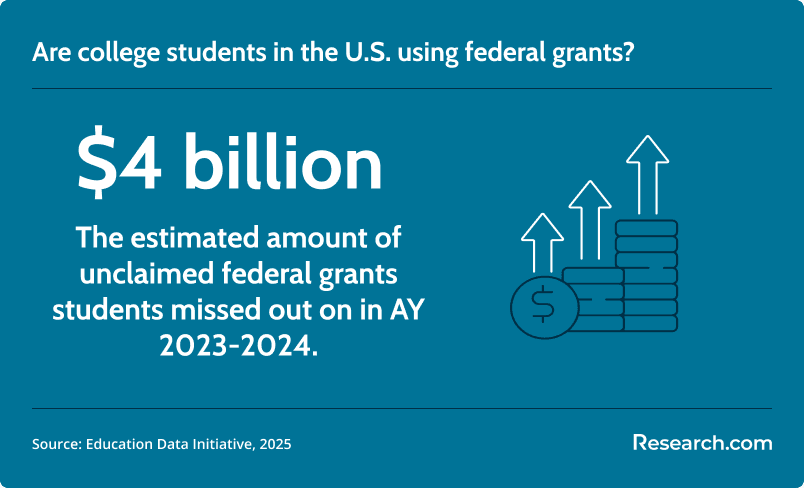
When comparing online colleges that accept FAFSA, do not stop at federal aid. Education Data Initiative reported in 2025 that “students missed out on at least $4 billion in unclaimed federal grants for the 2023-2024 academic year”. Filing aid forms on time and applying for scholarships can materially change the net cost of a degree.
What are the prerequisites for enrolling in an online Electrical Engineering degree program?
Electrical engineering is math-heavy, so admissions requirements often focus on whether applicants are ready for calculus-based engineering coursework. Requirements differ by school and by whether the program admits first-year students, transfer students, or only upper-division students.
- High school diploma or GED: Undergraduate applicants generally need a high school diploma or equivalent. Strong preparation in algebra, precalculus, calculus, physics, and chemistry is helpful.
- Math and science readiness: Many programs expect college-level calculus, differential equations, linear algebra, and physics with lab components. Some may also require chemistry or programming.
- Engineering foundation courses: Upper-division or transfer-focused programs may require prior coursework in circuits, engineering mechanics, digital logic, or introductory engineering design.
- Transfer credit evaluation: Students with prior college coursework should request a detailed evaluation before enrolling so they know exactly how many credits remain.
- Graduate program prerequisites: Master’s applicants usually need a bachelor’s degree in electrical engineering or a closely related field from an accredited institution, along with relevant advanced math and engineering coursework.
Before applying, compare each program’s prerequisite list against your transcript. If you are missing a required course, ask whether it can be completed before admission, during the first terms of enrollment, through a community college, or through an approved online option.
What courses are typically in an online Electrical Engineering degree program?
Online electrical engineering programs usually combine mathematics, physics, computing, electrical theory, design, and applied problem-solving. Course names vary, but the core topics are fairly consistent across credible programs.
| Course Area | What Students Learn | Career Relevance |
| Circuit Analysis | Ohm’s Law, Kirchhoff’s laws, circuit behavior, and analysis methods. | Foundational for nearly every electrical engineering role. |
| Electromagnetics | Electric and magnetic fields, wave propagation, and Maxwell’s equations. | Important for communications, antennas, radar, and high-frequency systems. |
| Digital Systems Design | Logic gates, flip-flops, digital circuits, and microprocessor concepts. | Useful in embedded systems, hardware design, and computing devices. |
| Control Systems | Feedback, modeling, stability, and controller design. | Relevant to robotics, manufacturing, aerospace, and automation. |
| Power Systems | Generation, transmission, distribution, protection, and power analysis. | Critical for utilities, renewable energy, grid modernization, and industrial power. |
| Signal Processing | Filtering, modulation, compression, and signal analysis. | Used in telecommunications, audio systems, imaging, and data transmission. |
| Engineering Ethics | Professional responsibility, safety, public impact, and ethical decision-making. | Essential for licensure, engineering judgment, and public trust. |
Students should also expect mathematics, programming, electronics, laboratory courses, engineering design, and a capstone project. If a program does not clearly explain how online students complete labs and design work, ask for details before applying.
What types of specializations are available in online Electrical Engineering degree programs?
Specializations help students align an electrical engineering degree with a specific industry or technical area. Not every online program offers every track, so students should compare elective options, faculty expertise, lab access, and capstone opportunities.
- Control Systems: Focuses on systems that monitor and regulate dynamic processes, with applications in robotics, vehicles, aerospace, automation, and manufacturing.
- Communication and Signal Processing: Covers information transmission, telecommunications, digital communication systems, data compression, and signal analysis.
- Computer Engineering: Connects electrical engineering and computing through embedded systems, hardware-software integration, computer architecture, and device-level design.
- Electrophysics: Examines the physical principles behind engineering applications, including semiconductor physics and nanotechnology.
- Electromagnetics: Studies electromagnetic fields and waves used in wireless communication, radar, antennas, and high-frequency technologies.
- Microelectronics: Concentrates on small-scale electronic components, integrated circuits, fabrication concepts, and device design.
- Renewable Energy & Sustainable Engineering: Addresses solar, wind, battery storage, power electronics, and smart grid integration.
Industry direction should influence specialization choices. A StartUs Insights electrical engineering industry report identifies renewable energy, mechatronics, smart systems, and automation as important areas of current demand.
Specialization can also affect earning potential. According to the U.S. Bureau of Labor Statistics, the highest-paying industry for electrical engineers as of May 2023 is the manufacturing and reproduction of magnetic and optical media, with an average wage of $217,470 per year. The chart below provides additional details.
How to choose the best online Electrical Engineering degree program?
The best online electrical engineering program is not simply the cheapest one. It is the program that gives you the right mix of accreditation, affordability, lab access, curriculum depth, transfer flexibility, faculty support, and career preparation for your goals.
| Selection Factor | What to Check | Why It Matters |
| Accreditation | Confirm institutional accreditation and, for engineering licensure pathways, ABET program accreditation. | Accreditation affects credibility, licensure options, graduate school eligibility, and employer confidence. |
| Total cost | Compare tuition, fees, lab costs, software, transfer credits, and time to completion. | A lower per-credit price may not mean the lowest total cost. |
| Lab and design experience | Ask how online students complete labs, simulations, hardware work, and capstone projects. | Electrical engineering requires applied technical judgment. |
| Curriculum and specialization | Review required courses and electives in power, electronics, communications, controls, embedded systems, or energy. | Your coursework should support the roles you want after graduation. |
| Student support | Look for advising, tutoring, online office hours, technical help, and proactive faculty communication. | Online engineering students need strong academic support to stay on track. |
| Career outcomes | Ask about internships, employer partnerships, career fairs, alumni outcomes, and job placement support. | Career preparation can be just as important as coursework. |
Start by confirming that any school you are considering is among properly accredited online schools. If you plan to move into technical leadership later, compare whether the program prepares you for graduate study in engineering or related fields, including options such as a masters in project management online for engineers interested in project leadership.
It is also useful to assess whether the curriculum reflects what engineering employers want in both technical and professional skills. Employers may value communication, teamwork, systems thinking, safety awareness, documentation, and problem-solving alongside technical mastery.
The 2024 Online College Students Report from EducationDynamics found that 31% of respondents strongly agreed that their online degrees prepared them to begin their careers after graduation. That finding is encouraging, but students should still evaluate each program individually rather than assuming all online degrees produce the same outcomes.

How Can I Confirm the Accreditation and Quality of an Online Electrical Engineering Program?
Accreditation should be one of the first items you verify because it can affect transferability, employer trust, graduate admission, and licensure planning. For electrical engineering, ABET accreditation is especially important for students who may want to become licensed professional engineers.
- Search the school’s official website for institutional accreditation and program-level engineering accreditation.
- Use ABET’s public program search rather than relying only on marketing language.
- Confirm that the online version of the program is covered, not only the campus version.
- Ask whether the curriculum includes required labs, senior design, and faculty-reviewed engineering projects.
- Review faculty credentials, graduation requirements, transfer policies, and student outcomes.
- Compare the program against credible lists of the best degrees to get online if you are still deciding whether electrical engineering is the right online pathway.
Is an Accelerated Associate Degree a Smart First Step in Electrical Engineering?
An accelerated associate degree can be useful if you want a faster, lower-cost way to build math, physics, electronics, programming, and technician-level skills before transferring into a bachelor’s program. It can also help students test their interest in engineering before committing to a longer degree.
However, an associate degree is not usually enough for full electrical engineer roles. Students who choose this route should confirm transfer agreements, course equivalencies, ABET expectations, and whether credits will apply directly to a bachelor’s program. If speed and cost are priorities, compare pathways described in fastest way to get an associate's degree online and make sure the program supports your long-term engineering plan.
Should I Pursue an Accelerated Master’s Degree After My Online Electrical Engineering Degree?
An accelerated master’s degree can make sense if you want deeper specialization, research exposure, or advancement into higher-level technical and leadership roles. It may be especially useful for students focused on areas such as power systems, microelectronics, robotics, communications, renewable energy, or advanced controls.
Before enrolling, compare the cost, time commitment, employer value, and whether your target roles actually require graduate education. Some engineers benefit more from work experience, licensure, or targeted certifications than from immediately starting another degree. If you want a shorter graduate pathway, review options such as cheap one year master's programs online.
Is an Online Electrical Engineering Degree Suitable for Mature Students?
Online electrical engineering can work well for mature students and working adults because it can reduce scheduling barriers. Asynchronous classes, virtual labs, remote collaboration, and part-time options can make it more realistic to study while managing employment, family responsibilities, or relocation constraints.
The challenge is workload. Electrical engineering requires sustained attention to calculus, physics, problem sets, labs, programming, and design projects. Mature students should ask about tutoring, flexible pacing, course sequencing, transfer credits, and whether prior technical experience can support admission or placement. Students exploring later-life education options may also find value in reviewing online degrees for seniors.
Should I Pursue Advanced Studies After My Online Electrical Engineering Degree?
Advanced study is worth considering if your goals involve specialized engineering design, applied research, technical leadership, university teaching, or work in fast-changing areas such as renewable energy, microelectronics, robotics, embedded systems, or communications. A graduate degree can deepen expertise, but it should be weighed against cost, opportunity cost, and the value of gaining professional experience first.
Students considering doctoral-level work should compare program quality, research fit, funding, faculty mentorship, and career goals. Cost-conscious learners can explore cheap online doctoral programs, but should verify that any doctoral option offers rigorous research support and credible outcomes.
What career paths are available for graduates of online Electrical Engineering degree programs?
Electrical engineering graduates can move into roles that involve designing, testing, maintaining, improving, or managing electrical and electronic systems. The best fit depends on specialization, internship experience, technical projects, location, and whether the student has built a portfolio of applied work.
| Career Path | Typical Focus | Good Fit For Students Interested In |
| Power Engineer | Power generation, transmission, distribution, grid reliability, and renewable energy systems. | Utilities, energy infrastructure, smart grids, and sustainable power. |
| Electronics Engineer | Electronic devices, embedded systems, communication hardware, and automation systems. | Product design, circuits, consumer electronics, and industrial systems. |
| Control Systems Engineer | Feedback systems, automation, robotics, system modeling, and machine control. | Manufacturing, transportation, robotics, and aerospace. |
| Signal Processing Engineer | Analog and digital signal analysis, filtering, modulation, imaging, and data transmission. | Telecommunications, audio systems, sensors, and image processing. |
| Computer Engineer | Hardware, software integration, network systems, and computing devices. | Embedded systems, computer architecture, and cybersecurity-adjacent roles. |
| Biomedical Engineer | Medical devices, imaging systems, and healthcare technology. | Applying electrical engineering to patient care and health systems. |
| Aerospace Engineer | Electrical systems used in aircraft, spacecraft, defense platforms, and avionics. | Flight systems, defense technology, and safety-critical engineering. |
| Research and Development Engineer | New technologies, prototypes, testing, and advanced engineering solutions. | Innovation in robotics, nanotechnology, AI-enabled systems, or advanced electronics. |
| Electrical Construction Manager | Electrical construction teams, subcontractors, schedules, budgets, codes, and safety compliance. | Construction, infrastructure, project coordination, and field engineering. |
Electrical engineers moving into construction leadership may benefit from project management knowledge. A construction project management degree online can be useful for some professionals, but electrical engineers may also build relevant management skills through certifications, training, and field experience.
How Do Online Electrical Engineering Programs Stay Aligned With Industry Trends?
Strong online electrical engineering programs update coursework, labs, and projects to reflect how the field is changing. Current areas of emphasis may include renewable energy, electrification, smart systems, automation, mechatronics, power electronics, embedded devices, communications, and simulation-based design.
Programs may stay current through advisory boards, industry partnerships, faculty research, professional society involvement, employer-informed capstone projects, and updated simulation tools. Students who want a flexible starting point before a bachelor’s program can also compare options such as the cheapest online associate degree, but should confirm that credits transfer into an engineering pathway.
How do online electrical engineering programs support career placement and professional development?
Career support is especially important for online students because they may not have the same casual access to campus recruiting, lab groups, or engineering clubs. A strong program should offer career services designed specifically for technical roles.
- Resume and portfolio support for engineering projects.
- Technical interview preparation.
- Virtual career fairs and employer information sessions.
- Internship, co-op, or project-based learning support.
- Mentorship from faculty, alumni, or industry professionals.
- Guidance on licensure, certifications, graduate school, and specialization choices.
Students planning to move into advanced roles may eventually compare graduate options, including easy masters degrees that pay well, but should choose a graduate path based on career fit rather than convenience alone.
How Can Advanced Certifications and Emerging Technologies Propel Your EE Career?
Electrical engineering changes quickly, so continuing education can help graduates stay competitive. Certifications, short courses, graduate certificates, employer training, and advanced degrees can build skills in automation, artificial intelligence, renewable energy, IoT, embedded systems, cybersecurity-adjacent hardware, and advanced manufacturing.
The right credential depends on your role. A power engineer may benefit from power systems and grid-related training, while an embedded systems engineer may focus on firmware, real-time systems, and hardware-software integration. Engineers considering research-intensive work may explore advanced study, including options such as 1 year PhD programs online accredited, while carefully verifying accreditation, rigor, faculty support, and whether the credential is appropriate for their field.
What is the job market for graduates with an online Electrical Engineering degree?
The job market for electrical engineering graduates includes both opportunity and competition. Hiring can fluctuate with economic cycles, industry investment, and technology spending, but electrical engineering remains tied to major infrastructure and innovation areas such as energy, automation, transportation, communications, electronics, and manufacturing.
- Some industry reports have noted higher unemployment among electrical engineers, but demand remains stronger in selected technical sectors.
- Renewable energy, electromobility, 5G networks, automation technology, aerospace, automotive, power systems, and semiconductor manufacturing continue to create opportunities for qualified engineers.
- The U.S. BLS projects 9% growth in overall employment for electrical engineers from 2023 to 2033.
- Retirements, digitalization, infrastructure upgrades, and emerging technologies may support ongoing demand for skilled professionals.
- Graduates with internships, capstone projects, certifications, licensure progress, and specialization in high-demand areas may be more competitive.
Using current O*NET OnLine data, the chart below shows projected annual job openings for selected electrical engineering occupations from 2023 to 2033.
What challenges do online electrical engineering students typically encounter?
Online electrical engineering students often face a different set of challenges than campus students. The academic work is demanding, and the online format requires strong self-management.
| Common Mistake or Challenge | Why It Causes Problems | Better Approach |
| Choosing a program without checking ABET accreditation | It may limit licensure options or reduce employer confidence. | Verify program-level accreditation before applying. |
| Comparing only tuition | Fees, lab kits, software, and transfer credit loss can change the real cost. | Calculate total cost through graduation. |
| Underestimating math preparation | Calculus, differential equations, and physics are central to engineering success. | Refresh prerequisite skills before the first term. |
| Ignoring lab format | Some programs require in-person sessions or special equipment. | Ask exactly how labs are completed online. |
| Assuming online means easier | Engineering coursework is rigorous regardless of delivery format. | Plan weekly study blocks and use tutoring early. |
| Waiting too long to build experience | Employers often value internships, projects, and applied skills. | Start building a portfolio and seeking internships before senior year. |
| Relying only on rankings | A highly ranked school may not match your budget, transfer credits, or career goals. | Use rankings as one input, not the final decision. |
Students should also use faculty office hours, online tutoring, study groups, career services, and technical forums. If you are still comparing fields, resources on top degrees in demand can help you evaluate whether electrical engineering fits your long-term goals.
References
- Aslanian, C.B. and Fischer, S. (2024). 2024 Online College Students Report. EducationDynamics. https://insights.educationdynamics.com/rs/183-YME-928/images/EDDY-Online-College-Students-2024.pdf
- Data USA (n.d.). Electrical Engineering. https://datausa.io/profile/cip/electrical-engineering
- Hanson, M. (December 2024). College Degree Return on Investment. Education Data Initiative. https://educationdata.org/college-degree-roi
- Hanson, M. (February 2025). Financial Aid Statistics. Education Data Initiative. https://educationdata.org/financial-aid-statistics
- Korhonen, V. (August 2024). Opinions of online college students on quality of online education U.S. 2022. Statista. https://www.statista.com/statistics/956123/opinions-online-college-students-quality-online-education
- O*NET OnLine (n.d.). O*NET OnLine Help. https://www.onetonline.org/help/online/find_occ Data Retrieved on February 05, 2025
- U.S. Bureau of Labor Statistics (April 2024). Occupational Employment and Wages, May 2023, 17-2071 Electrical Engineers. https://www.bls.gov/oes/2023/may/oes172071.htm
- U.S. Bureau of Labor Statistics (August 2024). Electrical and Electronics Engineers. https://www.bls.gov/ooh/architecture-and-engineering/electrical-and-electronics-engineers.htm
- Zippia Team (January 2025). Electrical Engineer Education Requirements. Zippia. https://www.zippia.com/electrical-engineer-jobs/education
Key Insights
- An online electrical engineering degree can be worthwhile when the program is accredited, technically rigorous, and clear about how students complete labs, projects, and capstone work.
- A bachelor’s degree is the most important credential for many electrical engineering roles; Zippia reports that 76% of electrical engineers have bachelor’s degrees.
- Cost varies widely. Data USA estimates average tuition for electrical engineering majors at $8,610 for in-state public colleges and $43,520 for out-of-state private institutions, while reviewed online programs range from $235 per credit hour to much higher out-of-state rates.
- ABET accreditation deserves special attention if you may pursue licensure, graduate study, or roles where program recognition matters.
- Electrical engineering salary potential is strong, but outcomes are not guaranteed. The BLS reported a median annual wage of $106,950 for electrical engineers as of May 2023.
- Online students should not choose based on tuition alone. Lab access, transfer credits, fees, faculty support, internships, career services, and specialization options can change the value of a program.
- Graduates who build hands-on experience, complete strong projects, pursue relevant certifications, and specialize in areas such as power systems, automation, embedded systems, renewable energy, communications, or semiconductors may be better positioned in the job market.
Other Things You Need to Know About Online Electrical Engineering Degrees
Accrediting bodies such as ABET (Accreditation Board for Engineering and Technology) approve affordable online electrical engineering degree programs in 2027. Accreditation ensures that a program meets quality standards and can be crucial for future employment opportunities in the engineering field.
Most programs require a Windows or macOS laptop, a reliable broadband connection, and software such as MATLAB, Simulink, or circuit-design tools. Some courses also require a webcam for proctored exams and a separate calculator approved by the instructor.


