
2027 Fastest Online Bachelor's in Sociology Programs

Co-Founder and Chief Data Scientist
Did you know sociology careers are growing faster than average, with a 7% increase projected from 2023 to 2033?
This article explores the fastest online bachelor’s in sociology programs, showing you how to finish your degree quickly and affordably. You’ll learn which schools top our speed rankings, what benefits accelerated sociology programs offer, and how to leverage your new credentials for a range of in‑demand social science roles.
What are the benefits of completing the fastest online bachelor's in sociology program?
- With a bachelor’s degree in sociology, you can make a median salary of $101,690 per year.
- Sociologist jobs are projected to grow 7% from 2023 to 2033, faster than the average for all occupations.
- Common career paths include healthcare, criminal justice, and human services roles.
What can I expect from the fastest online bachelor's in sociology program?
Completing one of the fastest online sociology bachelor’s programs typically means year‑round enrollment, accelerated terms (often 8 weeks or less), and generous transfer‐credit policies. You’ll cover core sociological theory, research methods, and social statistics entirely online, gaining critical thinking and data‐analysis skills. Expect interactive assignments, virtual discussions, and faculty mentorship designed for adult learners. Graduates emerge ready for entry‑level roles in research, policy, and community outreach—or well prepared for graduate study in social sciences.
Where can I work with an online bachelor's in sociology program?
Graduates with a sociology bachelor’s can enter diverse workplaces that value understanding of social structures and human behavior.
Top‑employing industries (by share of total sociologist jobs):
- Scientific Research & Development Services: 930 of 2,890 sociologists → 32.2 %
- State Government (excl. schools & hospitals): 590 → 20.4 %
- Colleges, Universities & Professional Schools: 580 → 20.1 %
- Local Government (excl. schools & hospitals): 190 → 6.6 %
- Social Advocacy Organizations: 60 → 2.1 %
Top‑employing states (by number of positions):
- California: 840 sociologists
- Massachusetts: 460
- North Carolina: 270
- Florida: 190
- Maryland: 150
How much can I make with an online bachelor's in sociology program?
According to the U.S. Bureau of Labor Statistics, the median annual wage for sociologists was $101,690 in May 2024. However, different salary aggregators report a range of figures for sociologist roles:
- Zippia: $50,597 / year – Average salary for Sociologists in the U.S.
- Salary.com: $64,261 / year – Median annual salary
- ZipRecruiter: $26.34 / hour – Average hourly pay
- Indeed: See average salary listings
- PayScale: $69,762 / year – Average sociologist salary
- Glassdoor: $70,000 / year—Median total pay
- Fastest Online Bachelor's in Sociology Programs for CURRENT-YEAR List of Programs
- How long does it take to complete the fastest online bachelor's in sociology program? Program Duration
- How does an online bachelor's in sociology compare to an on-campus program? Online vs Campus
- What is the average cost of the fastest online bachelor's in sociology program? Program Cost
- What are the financial aid options for students enrolling in the fastest online bachelor's in sociology program? Financial Aid
- What are the prerequisites for enrolling in the fastest online bachelor's in sociology program? Admission Requirements
- What courses are typically in the fastest online bachelor's in sociology program? What courses are typically in the fastest online bachelor's in sociology program?
- What types of specializations are available in the fastest online bachelor's in sociology programs? What types of specializations are available in the fastest online bachelor's in sociology programs?
- How do you choose the best among the fastest online bachelor's in sociology programs? How do you choose the best among the fastest online bachelor's in sociology programs?
- What career paths are available for graduates of the fastest online bachelor's in sociology programs? What career paths are available for graduates of the fastest online bachelor's in sociology programs?
- What is the job market like for graduates of online bachelor's in sociology programs? Job Outlook
- Can integrating interdisciplinary courses boost your career prospects? Can integrating interdisciplinary courses boost your career prospects?
- How Do Online Bachelor's in Sociology Programs Bolster Holistic Student Support? How Do Online Bachelor's in Sociology Programs Bolster Holistic Student Support?
- Can professional certifications amplify your sociology degree's value? Can professional certifications amplify your sociology degree's value?
Fastest Online Bachelor’s in Sociology Programs for 2026
Choosing an accelerated online bachelor’s in sociology is usually a time-versus-fit decision. You may want to finish a degree you already started, qualify for social services or research roles, prepare for graduate study, or move into a career that requires stronger skills in data, inequality, organizations, culture, and human behavior. The fastest option is not always the best option, however. Transfer credit rules, course pacing, tuition structure, accreditation, support services, and career alignment can change whether a “fast” program actually helps you graduate sooner.
This guide compares fast online sociology bachelor’s programs using the completion timelines and program details available in the source material. It also explains how accelerated sociology degrees work, what they cost, how online and campus formats differ, what courses and concentrations to expect, and how to evaluate whether a program is a smart investment for your goals.
If you are still deciding whether sociology is the right major, start with Research.com’s overview of the sociology degree pathway before comparing accelerated programs.
Quick Answer: What Is the Fastest Online Bachelor’s in Sociology?
Based on the listed completion timelines, California State University San Marcos offers one of the fastest online bachelor’s in sociology options in this guide, with an accelerated cohort that can be completed in 16 months after transfer requirements are met. Other fast options include degree-completion programs that may take about 1 year to 2 years for students who already have substantial transferable credits.
For most students, the fastest realistic completion time depends on three factors: how many credits the school accepts, whether courses run in short terms such as 7-week or 8-week sessions, and whether the program allows year-round enrollment. Students entering with few or no college credits should expect a longer timeline, even in an accelerated format.
How We Selected and Compared These Programs
Research.com rankings are developed through a structured methodology that reviews program information, institutional data, and quality indicators. For this guide, speed of completion is the primary ranking factor, but acceleration alone is not enough. Programs also need to come from accredited U.S. institutions and offer online study options designed for students who need flexibility.
Data sources used in Research.com evaluations include the IPEDS database from the National Center for Education Statistics, Peterson’s database, including distance learning information, and the College Scorecard database for institutional outcomes and cost-related context. Program details may change, so students should confirm tuition, transfer policies, start dates, and degree requirements directly with each school before applying.
Fastest Online Bachelor’s in Sociology Programs at a Glance
| Rank | School and Program | Listed Completion Pace | Cost Listed | Credits Required | Accreditation Listed |
| 1 | California State University San Marcos – Online B.A. in Sociology | 16 months | $420/unit | 120 credits; 58 units in program after transfer | WSCUC |
| 2 | University of Nebraska at Kearney – Online B.S. in Sociology | ~1 year | $259/credit in-state; $396/credit out-of-state | 120 credits; 36 credits through UNK program | HLC |
| 3 | Ottawa University – Online B.A. in Sociology | ~18 months | $506/credit | 120 credits; 42 credits through Ottawa; up to 80 transfer | HLC |
| 4 | Averett University – Online B.S. in Sociology | < 2 years | $480/credit | 120 credits; up to 90 transferable | SACSCOC |
| 5 | University of Northern Colorado – Online B.A. in Sociology | ~2 years | $466/credit | 120 credits; 40 credits through UNC program | HLC |
| 6 | Northern Kentucky University – Online B.A. in Sociology | ~3–4 years | $275/credit; $452/credit for some general education courses | 120 credits | SACSCOC |
| 7 | Southern New Hampshire University – Online B.A. in Sociology | ~3 years | $342/credit | 120 credits; up to 90 transferable | NECHE |
| 8 | National University – Online B.A. in Sociology | ~3 years | $370/quarter-credit; approximately $413/credit hour | 180 quarter credits; equivalent to 120 semester credits | WSCUC |
| 9 | Columbia College (Missouri) – Online B.A. in Sociology | ~3.5 years | $375/credit | 120 credits | HLC |
| 10 | Youngstown State University – Online B.A. in Sociology | ~3 years | $460/credit in-state; $465/credit out-of-state | 120 credits | Confirm directly with the school |
Ranked List: Fastest Online Bachelor’s in Sociology Programs
1. California State University San Marcos – Online B.A. in Sociology
California State University San Marcos is a public university in San Marcos, California, and part of the California State University system. Founded in 1989, CSUSM serves students across North San Diego County and offers programs in areas such as nursing, business, and the social sciences. Its accelerated online sociology option is built for students who can enter with transfer credit and want a structured cohort model.
- Program cost: $420/unit through Extended Learning tuition
- Program duration: 16 months in the accelerated cohort
- Total credits needed to graduate: 120 credits, with 58 units in the program after transfer
- Program/school accreditation: WSCUC
Best fit: Students with the right transfer background who want a highly compressed, cohort-based route to a sociology bachelor’s degree.
2. University of Nebraska at Kearney – Online B.S. in Sociology
The University of Nebraska at Kearney is a public university in Kearney, Nebraska, and part of the University of Nebraska system. Established in 1905 as a teachers’ college, UNK now offers a broader academic portfolio while retaining a smaller-campus feel. Its online sociology degree-completion track is especially relevant for students who already have general education and lower-division credits completed.
- Program cost: $259/credit for in-state students; $396/credit for out-of-state students
- Program duration: ~1 year for the accelerated 36 credits of major coursework
- Total credits needed to graduate: 120 credits, with 36 credits through the UNK program
- Program/school accreditation: HLC
Best fit: Transfer students who need to complete the sociology major requirements rather than an entire bachelor’s degree from the beginning.
3. Ottawa University – Online B.A. in Sociology
Ottawa University is a private nonprofit university with its main residential campus in Ottawa, Kansas. Founded in 1865, the university has roots in Baptist liberal arts education and now serves online, adult, and nontraditional learners in addition to campus-based students. Its online sociology program offers an accelerated path for students who can maximize transfer credit.
- Program cost: $506/credit for online undergraduate courses
- Program duration: ~18 months, based on about 42 credits in the major
- Total credits needed to graduate: 120 credits, with 42 credits through Ottawa and up to 80 transfer credits
- Program/school accreditation: HLC
Best fit: Adult learners who want a private nonprofit university option and expect to bring in a large number of credits.
4. Averett University – Online B.S. in Sociology
Averett University is a private university in Danville, Virginia, founded in 1859. Its Graduate & Professional Studies division is designed for working adults and offers accelerated online formats. The sociology program may appeal to students who need short courses, flexible pacing, and a transfer-friendly structure.
- Program cost: $480/credit
- Program duration: < 2 years, structured around 8-week courses
- Total credits needed to graduate: 120 credits, with up to 90 transferable
- Program/school accreditation: SACSCOC
Best fit: Working adults who want an accelerated schedule but also need the flexibility of 8-week online courses.
5. University of Northern Colorado – Online B.A. in Sociology
The University of Northern Colorado is a public university in Greeley, Colorado, founded in 1889. Historically associated with teacher preparation, UNC now offers programs across education, business, performing arts, and other fields. The online sociology degree-completion format is intended for students who have already finished a substantial portion of their undergraduate coursework.
- Program cost: $466/credit through extended campus tuition
- Program duration: ~2 years, based on about 60 credits of upper-division online study
- Total credits needed to graduate: 120 credits, with 40 credits through the UNC program
- Program/school accreditation: HLC
Best fit: Students who want a public university sociology program and need to complete upper-division requirements online.
6. Northern Kentucky University – Online B.A. in Sociology
Northern Kentucky University is a public university in Highland Heights, Kentucky, near Cincinnati, Ohio. Established in 1968, NKU has expanded its academic and online offerings while maintaining a regional focus. Its online B.A. in Sociology uses accelerated 7-week terms and multiple annual start dates, which can help students move through requirements more quickly than in a traditional semester calendar.
- Program cost: $275/credit, with $452/credit for some general education courses
- Program duration: ~3–4 years, using accelerated 7-week terms and six start dates per year
- Total credits needed to graduate: 120 credits
- Program/school accreditation: SACSCOC
Best fit: Students who want frequent start dates and shorter sessions but may be completing a larger share of the 120-credit degree.
7. Southern New Hampshire University – Online B.A. in Sociology
Southern New Hampshire University is a private university in Manchester, New Hampshire, founded in 1932. SNHU is widely known for large-scale online education and flexible programs for adult learners, military students, and working professionals. Its online sociology degree uses multiple short terms throughout the year and allows significant transfer credit.
- Program cost: $342/credit for online tuition
- Program duration: ~3 years through six 8-week terms per year
- Total credits needed to graduate: 120 credits, with up to 90 transferable
- Program/school accreditation: NECHE
Best fit: Students who want a large online university with frequent terms, transfer options, and a predictable online learning model.
8. National University – Online B.A. in Sociology
National University is a private nonprofit university headquartered in San Diego, California. Founded in 1971, NU has long focused on adult learners, military-affiliated students, and students who need flexible scheduling. Its four-week course format allows students to concentrate on one class at a time while progressing year-round.
- Program cost: $370/quarter-credit, approximately $413/credit hour
- Program duration: ~3 years through 4-week courses, one per month
- Total credits needed to graduate: 180 quarter credits, equivalent to 120 semester credits
- Program/school accreditation: WSCUC
Best fit: Students who prefer intensive one-course-at-a-time scheduling rather than taking several courses simultaneously.
9. Columbia College (Missouri) – Online B.A. in Sociology
Columbia College is a private college in Columbia, Missouri, founded in 1851 as Christian Female College. The institution later became coeducational and expanded its online and evening offerings for adult, military, and nontraditional students. Its online sociology program uses 8-week classes and frequent start opportunities.
- Program cost: $375/credit
- Program duration: ~3.5 years through nearly monthly start dates and 8-week classes
- Total credits needed to graduate: 120 credits
- Program/school accreditation: HLC
Best fit: Students looking for a flexible private college option with small-class positioning and steady online start dates.
10. Youngstown State University – Online B.A. in Sociology
Youngstown State University is a public university in Youngstown, Ohio, founded in 1908. The university has grown from its early YMCA-associated roots into a regional public institution with programs in engineering, education, business, and the liberal arts. Its online sociology degree offers accelerated 7-week courses and multiple start dates.
- Program cost: $460/credit for in-state students; $465/credit for out-of-state students
- Program duration: ~3 years through accelerated 7-week courses and multiple start dates
- Total credits needed to graduate: 120 credits
Best fit: Students who want a public university option with accelerated online sessions and a small difference between listed in-state and out-of-state tuition.
How Long Does the Fastest Online Bachelor’s in Sociology Take?
The fastest listed online bachelor’s in sociology programs can take as little as 16 months, but that timeline generally assumes that students enter with the required transfer credits. Degree-completion programs can also be very quick when students have already completed general education courses, an associate degree, or other eligible college credits.
In this guide, listed completion times range from ~1 year for a focused degree-completion track to ~3–4 years for programs that may serve students completing more of the full 120-credit requirement. Accelerated formats often rely on 7-week or 8-week courses, year-round enrollment, multiple start dates, and transfer-friendly policies.
Students starting with no college credit should be cautious when comparing advertised timelines. A 16-month or ~1-year completion estimate may apply only after transfer requirements are met. By contrast, a traditional bachelor’s degree commonly takes four academic years when students follow a standard semester calendar and take breaks between terms.
| Student Starting Point | What Usually Affects Speed | Realistic Planning Note |
| Associate degree or 60+ transferable credits | Major requirements, residency requirements, course sequencing | This group is most likely to benefit from the shortest degree-completion timelines. |
| Some college credit but no associate degree | Transfer evaluation, general education gaps, elective credit limits | Ask for a written transfer review before estimating your graduation date. |
| No prior college credit | Full 120-credit requirement, course load, work schedule, term availability | Accelerated terms may help, but completing the full degree will still take longer than a degree-completion route. |
| Military, workforce, or prior learning experience | Credit-for-experience rules, documentation requirements, school policy | Confirm whether prior learning credit applies to graduation requirements or only electives. |
Students comparing related helping-profession pathways may also want to review an online degree in social work, but sociology and social work are not interchangeable. Social work programs may have licensure-focused requirements, while sociology degrees typically emphasize social analysis, theory, research, and institutions.
Online vs. On-Campus Sociology Degrees: Which Format Makes More Sense?
An online bachelor’s in sociology should cover the same core academic areas as a comparable campus program: sociological theory, research methods, social statistics, social inequality, institutions, culture, and applied analysis. The major difference is not the degree title but how you learn, interact, and manage your time.
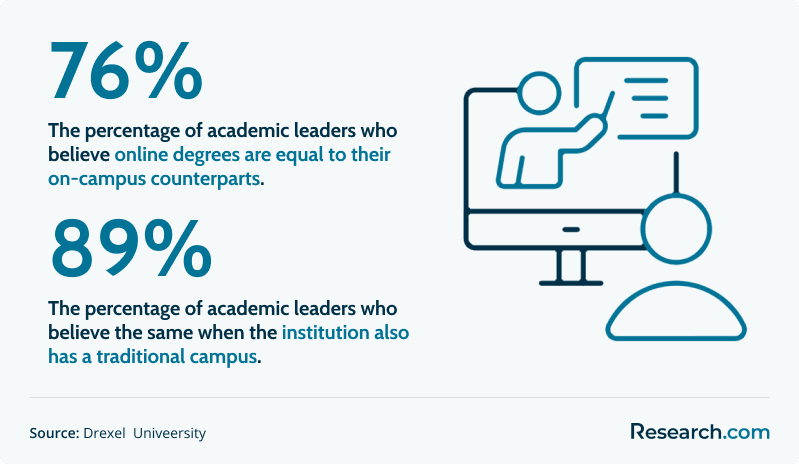
Quality depends heavily on accreditation and institutional standards. A credible online degree should come from a properly accredited college or university, and online programs can carry the same institutional accreditation as campus programs. Drexel University’s discussion of online degree versus traditional degree credibility reflects this important point: delivery format should not be confused with academic legitimacy.
| Factor | Online Sociology Bachelor’s | On-Campus Sociology Bachelor’s |
| Schedule | Often more flexible, with asynchronous coursework and shorter terms | More fixed class times and campus-based schedules |
| Speed | May be faster when courses run year-round or transfer credits are generous | Usually follows a semester-based academic calendar |
| Networking | Depends on discussion boards, virtual events, group projects, and online career services | More natural access to in-person clubs, faculty meetings, and campus events |
| Costs | Can reduce expenses tied to commuting, housing, and campus living | May include room, board, transportation, and campus fees |
| Learning style | Works best for self-directed students who can manage deadlines independently | Works best for students who want routine, face-to-face contact, and campus structure |
Online study is often the better fit for working adults, parents, military-affiliated students, and transfer students who need control over their schedules. Campus study may be better for students who want daily in-person interaction, immediate access to campus organizations, or a more traditional undergraduate experience. Students comparing other accelerated online majors can also review related options such as fast track communication management degrees online.
How Much Does a Fast Online Bachelor’s in Sociology Cost?
Costs vary widely by school type, residency, fees, transfer credits, and how many courses you still need to complete. The listed programs in this guide show per-credit or per-unit tuition ranging from $259/credit for in-state students at one public university to $506/credit at one private nonprofit university. Because bachelor’s degrees usually require 120 credits or the equivalent, transfer credit can have a major effect on total cost.
For broader context, College Tuition Compare reports that for the 2024–2025 academic year, in-state undergraduate students in sociology programs paid an average of $10,386 in tuition and fees, while out-of-state students paid $33,173. EducationData.org reports public four-year tuition alone at $9,750 for in-state students and $28,386 for out-of-state students. Private nonprofit universities reported average tuition and fees of $38,421 per year.
Students should also budget beyond tuition. Books and supplies at public four-year schools average $1,220 annually, and room and board averages $12,302 on campus. Online students may avoid room and board, but they can still face technology costs, course fees, graduation fees, transcript fees, and proctoring fees.
| Cost Category | Amount Stated in Source Material | How to Use the Figure |
| Average in-state sociology undergraduate tuition and fees | $10,386 for 2024–2025 | Use as a comparison point for public in-state options. |
| Average out-of-state sociology undergraduate tuition and fees | $33,173 for 2024–2025 | Check whether online students pay in-state, out-of-state, or separate online tuition. |
| Public four-year tuition alone, in-state | $9,750 | Compare tuition-only estimates against full cost of attendance. |
| Public four-year tuition alone, out-of-state | $28,386 | Useful when evaluating residency-based tuition differences. |
| Private nonprofit tuition and fees | $38,421 per year | Use when comparing private nonprofit options against public universities. |
| Books and supplies at public four-year schools | $1,220 annually | Ask whether digital materials or course bundles are included in tuition. |
| Campus room and board | $12,302 | Online students may avoid this cost, but should still calculate living expenses. |
| Average total cost of attendance for in-state public four-year schools | $27,146 | Use total cost, not tuition alone, when estimating affordability. |
Overall, students should plan for a broad annual range of $10,000 to $40,000 depending on residency and institutional type. If you are comparing sociology with business-oriented graduate options, the same cost review principles apply to programs such as a fast track online MBA in sports management, although the degree level and career goals are different.
Financial Aid Options for Accelerated Online Sociology Students
Financial aid can make a fast online sociology degree more affordable, but students should understand how acceleration affects aid. Taking courses year-round can change the timing of disbursements. Enrolling part time may affect eligibility. Transfer students also need to know how prior credits influence satisfactory academic progress rules.
According to NCES, 72% of all undergraduates received some type of financial aid in 2019–20, with an average award of $14,100 per student. Common funding sources include grants, scholarships, federal student loans, work-study, and employer tuition assistance.
- Federal Pell Grants: Awarded to 40% of undergraduates, with up to $7,395 per year for eligible low-income students.
- Institutional scholarships and grants: College-based merit and need awards, averaging $5,800 annually.
- State grant programs: Eligibility and amounts vary by state; California’s Cal Grant averages $6,000 per recipient.
- Federal student loans: Direct Subsidized and Unsubsidized Loans can provide up to $12,500 per year and are repaid after graduation under applicable terms.
- Federal Work-Study: Part-time work opportunities that average $2,000 in annual earnings.
- Employer tuition assistance: Some employers reimburse up to $5,250 per year for qualifying job-related coursework.
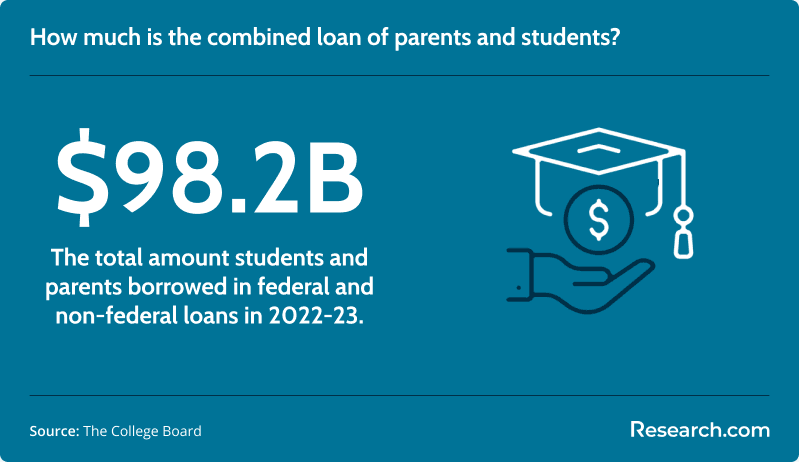
Students and parents borrowed a combined $98.2 billion in federal and non-federal loans during 2022–23, so the goal is not simply to access funding. The goal is to graduate with manageable debt relative to the career path you plan to pursue. Similar debt-planning questions apply to other accelerated graduate pathways, including fast track master’s in health informatics online programs.
Admission Requirements for Fast Online Bachelor’s in Sociology Programs
Admission requirements vary by institution, but accelerated sociology programs usually follow standard undergraduate admissions rules. Degree-completion tracks may add transfer-credit minimums because they are designed for students who have already finished lower-division work.
- High school diploma or GED: This is the baseline credential for undergraduate admission. The four-year adjusted cohort graduation rate was 88% in 2021–22.
- College-preparatory coursework: Many schools expect a high school record that includes at least 4 years of English, 3 years of social studies, and 2 years each of math and science.
- Minimum GPA: A cumulative high school GPA requirement of 2.0–3.0 is common, although standards vary and selective programs may set higher expectations.
- Official transcripts: Applicants typically submit high school transcripts and transcripts from every college previously attended.
- English proficiency: International students may need TOEFL or IELTS scores that meet the institution’s required cutoff.
- Associate degree or transfer credits: Many degree-completion formats are built for students with 60+ transferable credits.
- Placement requirements: Some institutions require reading, writing, or math placement reviews; others may require or recommend introductory statistics.
Students comparing fast undergraduate programs outside the social sciences can use the same admissions checklist when reviewing options such as fast track bachelor’s programs in space studies online.
Common Courses in an Accelerated Online Sociology Bachelor’s Program
Accelerated sociology programs are faster in format, not lighter in academic content. Students still complete core social science classes that teach them to analyze social patterns, institutions, inequality, behavior, and research evidence.
- Introduction to Sociology: Covers foundational concepts, major questions in the discipline, and how sociologists study social life.
- Social Research Methods: Teaches qualitative and quantitative approaches to collecting, interpreting, and evaluating social data.
- Social Statistics: Applies statistical reasoning to sociological questions, surveys, demographic patterns, and research findings.
- Social Theory: Examines classical and contemporary thinkers such as Durkheim, Marx, Weber, and later theorists.
- Race and Ethnicity: Analyzes racial and ethnic identity, stratification, discrimination, and social change.
- Gender and Society: Studies gender roles, identities, institutions, inequality, and social expectations.
- Criminology: Reviews theories of crime, criminal behavior, law, punishment, and the social effects of justice systems.
- Cultural Sociology: Explores values, symbols, norms, practices, and meaning-making across groups and institutions.
- Capstone Seminar in Sociology: Requires students to integrate theory, methods, and evidence in a final project or applied analysis.
- Electives and special topics: May include Urban Sociology, Environmental Sociology, Medical Sociology, or other focused areas.
Because accelerated courses move quickly, students should expect frequent reading, writing, discussion participation, and research assignments. A short term can be convenient, but it can also be demanding if you work full time or have major family responsibilities.
Sociology Specializations and Focus Areas to Consider
Not every fast online sociology program offers formal concentrations, but many allow students to shape the degree through electives. Choosing a focus area can help you connect sociology coursework to a career direction or graduate program.
| Focus Area | What You Study | When It Makes Sense |
| Criminology | Crime, justice systems, rehabilitation, policing, and social causes of criminal behavior | Useful for students interested in justice agencies, policy, advocacy, or graduate study in criminology. |
| Social Work Foundations | Human behavior, social welfare policy, client systems, and intervention concepts | Helpful for students considering social services roles or future social work education. |
| Community Development | Nonprofit programs, local organizing, community needs, and program planning | Relevant for students interested in outreach, nonprofit work, or local government programs. |
| Medical Sociology | Health disparities, healthcare institutions, patient experiences, and public health issues | Strong fit for students interested in health policy, public health, or patient advocacy settings. |
| Urban Sociology | Cities, housing, neighborhoods, migration, transportation, and urban policy | Useful for careers related to planning, housing, public policy, or community research. |
| Environmental Sociology | Human-environment relationships, sustainability, environmental justice, and social risk | Relevant for students interested in climate justice, advocacy, or sustainability programs. |
| Race and Ethnicity Studies | Systemic inequality, identity, demographic change, and cultural dynamics | Useful in diversity, equity, advocacy, education, and policy-related roles. |
| Gender and Sexuality Studies | Gender roles, LGBTQ+ issues, feminist theory, family, work, and institutional inequality | Helpful for students interested in advocacy, education, social policy, or community organizations. |
| Social Research Methods | Survey design, interviews, data analysis, evaluation, and evidence-based reporting | Best for students aiming for research assistant, program evaluation, policy, or graduate school pathways. |
Some students strengthen their sociology major with adjacent coursework in psychology, statistics, public administration, criminal justice, or communication. If you are comparing low-cost interdisciplinary options, a guide to the cheapest psychology degree online can help you understand how psychology-focused study differs from sociology.
How to Choose the Best Fast Online Sociology Program
The best accelerated sociology program is the one that helps you graduate efficiently without creating avoidable academic, financial, or career problems. Use the checklist below before enrolling.
- Confirm institutional accreditation. Look for recognized regional accreditation such as WSCUC, HLC, SACSCOC, or NECHE. Accreditation affects credit transfer, graduate school eligibility, and federal financial aid access.
- Request a transfer-credit evaluation before committing. A program advertised as fast may only be fast if your previous credits apply to general education, electives, major requirements, and residency rules.
- Calculate total cost, not only tuition per credit. Include fees, books, technology expenses, transfer-credit limits, and the number of credits you must take at the institution.
- Review the course calendar. Check whether courses run in 4-week, 7-week, 8-week, semester, or year-round formats. Make sure required courses are offered often enough to avoid delays.
- Match electives to your career goal. Criminology, research methods, medical sociology, or community development electives can shape your next step after graduation.
- Evaluate online support services. Look for academic advising, tutoring, library access, writing support, disability services, technical help, and career coaching for online students.
- Ask about internships or applied projects. Sociology students benefit from research, service learning, program evaluation, and community-based experience.
- Check graduate school alignment. If you plan to pursue social work, counseling, public policy, law, or research, ask whether the curriculum prepares you for prerequisites or admissions expectations.
- Understand the workload. Short terms compress assignments. One 8-week course can feel manageable; several at once can be difficult.
- Compare outcomes carefully. Graduation rates, retention rates, debt, and alumni outcomes are more useful than speed alone.
Common Mistakes to Avoid
| Mistake | Why It Can Hurt You | Better Approach |
| Choosing only the shortest timeline | The fastest program may not accept your credits or offer the electives you need. | Compare speed after a personalized transfer review. |
| Ignoring accreditation | Unrecognized accreditation can affect financial aid, credit transfer, and graduate school options. | Verify institutional accreditation before applying. |
| Looking only at per-credit tuition | Fees, required credits, books, and residency rules can change total cost. | Ask for a full degree-completion cost estimate. |
| Assuming online means easier | Accelerated online courses often require strong time management and independent learning. | Review weekly workload expectations before taking multiple short-term courses. |
| Overestimating transfer credit | Some credits may transfer as electives but not meet major or general education requirements. | Get the transfer decision in writing and ask how each credit applies. |
| Skipping career planning | A sociology degree is broad, so students need a clear plan for experience, skills, or graduate study. | Choose electives, internships, and research projects that connect to target roles. |
| Assuming salary outcomes are guaranteed | Pay varies by role, location, industry, education level, and experience. | Use labor market data as a guide, not a promise. |
Career Paths With an Online Bachelor’s in Sociology
A bachelor’s in sociology can prepare graduates for roles that involve research, community programs, human services, policy support, advocacy, data interpretation, and organizational analysis. It is also a common foundation for graduate study in social work, counseling, public policy, law, criminal justice, education, and research-oriented social science fields.
Students considering social work should understand that many clinical and licensed roles require additional education and state-specific licensure. Research.com’s licensed social worker salary guide can help students explore how social work earnings vary by state and credential level.
- Research Assistant: Supports surveys, interviews, literature reviews, data collection, coding, and reporting in academic, nonprofit, government, or market-research settings.
- Community Outreach Coordinator: Plans and supports programs that connect organizations with community members, clients, families, or local partners.
- Case Manager or Social Services Specialist: Helps clients access resources, coordinates services, documents progress, and supports program goals.
- Program Evaluator: Uses research methods and data to assess whether programs are meeting their intended outcomes.
- Policy Analyst: Reviews laws, demographic trends, public programs, and social issues to help organizations make evidence-informed decisions.
- Community Development Manager: Coordinates neighborhood, nonprofit, urban, rural, or public service initiatives and may supervise outreach or funding activities.
- Research Director or Senior Sociologist: Leads research teams, designs studies, manages data projects, and oversees analysis in more advanced roles.
- Executive Director or Senior Policy Advisor: Guides nonprofit, advocacy, or government strategy, often after substantial professional experience or graduate education.
Students comparing helping professions often ask about social work vs counseling. Sociology differs from both because it focuses more on groups, systems, institutions, and research, while social work and counseling are more directly tied to client services and, in many cases, licensure.
Job Market Outlook for Sociology Graduates
The labor market for sociology graduates depends on whether they pursue sociologist roles specifically or broader jobs that use sociological skills. According to the BLS, employment of sociologists is projected to grow 7% from 2023 to 2033, compared with the 3% average for all occupations. The same source indicates roughly 300 annual openings for sociologists over the decade.
Many bachelor’s graduates do not work with the job title “sociologist” immediately after graduation. Instead, they may enter social services, nonprofit administration, public programs, research support, community outreach, human resources, advocacy, or policy-related roles. For comparison, social work careers are projected to grow 9% from 2022 to 2032, adding some 18,400 positions.
Employer expectations are also changing. Sociology graduates who can combine writing, research methods, statistics, spreadsheet skills, survey tools, data visualization, and ethical analysis may be more competitive than students who rely on the major title alone. Artificial intelligence and automation are increasing the value of people who can ask strong research questions, interpret social context, evaluate bias, and explain data responsibly.
Can Interdisciplinary Coursework Improve Career Options?
Yes, interdisciplinary coursework can make a sociology degree more practical, especially when it adds job-ready skills. Psychology can strengthen understanding of individual behavior. Statistics and data analytics can support research roles. Criminal justice can align with criminology interests. Public health can support medical sociology or health equity work. Communication can help students prepare for advocacy, outreach, and organizational roles.
The key is to avoid random electives. Choose courses that build a clear profile. For example, a student interested in program evaluation should prioritize statistics, research methods, data interpretation, and writing-intensive courses. A student interested in community work may benefit more from nonprofit management, public policy, social work foundations, and grant writing.
What Student Support Should Online Sociology Programs Provide?
Fast online programs require strong support because students have less time to recover from missed deadlines, registration errors, or transfer-credit problems. Before enrolling, ask whether online students receive the same level of advising and career support as campus students.
- Academic advising: Advisors should help map every required course through graduation, not just the first term.
- Transfer support: Students need clear explanations of which credits apply and which requirements remain.
- Writing and research help: Sociology programs often require papers, literature reviews, and research projects.
- Online library access: Students should have access to journals, databases, citation tools, and librarian assistance.
- Career services: Useful services include resume reviews, internship leads, interview preparation, and job-search coaching.
- Technology support: Accelerated terms leave little room for unresolved platform or login issues.
- Mental health and peer support: Flexible programs can still be stressful, especially for working adults balancing school with family or employment.
Students who plan to continue into psychology-related graduate study may also compare affordability-focused options such as the cheapest online master’s degree in forensic psychology, but they should verify admissions requirements before assuming a sociology bachelor’s satisfies every prerequisite.
Can Certifications Add Value to a Sociology Degree?
Certifications can help when they match your intended career path. A sociology degree develops broad analytical and social understanding, but some jobs require more specialized proof of skill. Useful add-ons may include credentials in data analysis, nonprofit management, project management, grant writing, human services, mediation, public health, or behavioral services.
Students interested in behavior-focused roles should research credential requirements carefully. For example, affordable board certified behavior analyst online programs may be relevant to some interdisciplinary career goals, but BCBA-related pathways have specific education and supervised experience requirements. Do not assume that a sociology bachelor’s alone meets certification or licensure rules.
Questions to Ask Before You Enroll
- How many of my previous credits will transfer, and how many apply directly to degree requirements?
- What is the earliest realistic graduation date based on my transfer evaluation?
- Are courses asynchronous, synchronous, or a mix of both?
- How often are required sociology courses offered?
- Can I take courses year-round without aid or scheduling problems?
- What is the full estimated cost through graduation, including fees and materials?
- What support is available for online students in research, writing, advising, and career planning?
- Does the program offer electives aligned with criminology, social services, research, policy, health, or community work?
- Will the degree support my graduate school plans, if I have them?
- What happens if I need to slow down because of work, caregiving, or financial constraints?
What Graduates Say About Accelerated Online Sociology Study
- : "Completing the degree in under two years changed what I thought was possible. The 8-week schedule was intense, but it let me keep working weekends and stay present for my family while still getting serious training in research and social theory. — Mira"
- : "I expected online classes to feel distant, but the discussions were more engaging than I thought. The year-round format helped me keep momentum, and the mix of theory, statistics, and social issues gave me language for problems I was already seeing at work. — Thaddeus"
- : "The flexibility mattered most because I travel often. Mobile access, virtual office hours, and credit for previous experience helped me move quickly through the program and finish 18 months after I started. — Zelena"
Key Insights
- The fastest listed online bachelor’s in sociology option in this guide is California State University San Marcos, with a 16-month accelerated cohort after transfer requirements are met.
- Speed depends heavily on transfer credits. Students with an associate degree or 60+ transferable credits usually have the strongest chance of finishing in 1 to 2 years.
- Do not judge programs by timeline alone. Accreditation, transfer rules, course availability, total cost, advising, and career support all affect whether a fast program is worthwhile.
- Online sociology programs can provide the same bachelor’s credential as campus programs, but they require stronger self-management and careful planning around short terms.
- Costs vary widely. Compare the full cost through graduation, not just the posted per-credit tuition.
- Sociology is a flexible major, but students should build a focused skill set through electives, internships, research projects, data skills, or graduate preparation.
- Career outcomes are not guaranteed by the degree title. Graduates improve their options when they can demonstrate research, writing, data interpretation, community engagement, and policy analysis skills.
References:
- Averett University. B.S. in Sociology through Graduate & Professional Studies.
- Bureau of Labor Statistics. Occupational Outlook for Sociologists.
- Bureau of Labor Statistics. Occupational Employment and Wages for Sociologists, May 2023.
- Columbia College. Online Bachelor’s Degree in Sociology.
- Glassdoor. Sociologist salary information.
- Indeed. Average salary information for sociologist jobs.
- National University. Bachelor of Arts in Sociology.
- Northern Kentucky University. Online B.A. in Sociology.
- Research.com. University of Northern Colorado profile.
- Ottawa University. Online B.A. in Sociology.
- Payscale. Sociologist salary data.
- Salary.com. Sociologist salary research.
- Southern New Hampshire University. Online B.A. in Sociology.
- University of Nebraska at Kearney. Online B.S. in Sociology degree-completion track.
- Youngstown State University. Online B.A. in Sociology.
- Zippia. Sociologist job information.
- ZipRecruiter. Sociologist salary information.
Other Things You Should Know About the Fastest Online Bachelor's in Sociology Programs
The fastest online sociology bachelor's programs in 2027 typically accept up to 90 transfer credits, allowing students to capitalize on previous coursework. Verification of credits through official transcripts is usually required to determine the validity and applicability to the sociology program.
Yes. Many accelerated online sociology bachelor’s programs require a capstone in the final term. The project often carries 3 to 6 credits and asks students to apply sociological theory, research methods, and data analysis to a practical issue or original topic.





