2027 Best Advanced Standing Online MSW Programs [CSWE Accredited]

Co-Founder and Chief Data Scientist
If you already hold a Bachelor of Social Work, an online advanced standing MSW can shorten the path to a graduate social work credential while allowing you to keep working, complete coursework remotely, and pursue field education near your community. The main decision is not simply whether the program is online; it is whether the program is CSWE-accredited, fits your licensure goals, supports field placement where you live, and offers a realistic cost and schedule.
This guide is for BSW graduates comparing advanced standing online MSW programs in 2027. It explains how these programs work, how employers view online MSW credentials, what they cost, what admissions requirements to expect, which specializations may fit your goals, and how to evaluate programs before you apply. If you want to compare broader MSW options beyond advanced standing tracks, Research.com also provides a guide to online master’s degrees in social work.
Quick Answer: What Is an Online Advanced Standing MSW?
An online advanced standing MSW is an accelerated Master of Social Work pathway for students who already earned a BSW from a qualifying social work program. It typically removes foundation-level MSW coursework that BSW graduates have already completed, allowing students to focus on advanced practice, policy, research, specialization courses, and supervised field education. The strongest programs are accredited by the Council on Social Work Education, offer clear field placement support, and align with the licensure rules in the state where you plan to practice.
Online Advanced Standing MSW Program Table of Contents
- Can you complete an advanced standing MSW fully online?
- Will employers respect an online advanced standing MSW?
- Are online MSW degrees recognized internationally?
- Online vs. campus advanced standing MSW programs
- How much does an online advanced standing MSW cost?
- What are the admissions requirements?
- Courses commonly included in advanced standing MSW programs
- How to compare online advanced standing MSW programs
- Popular advanced standing MSW specializations
- 2027 best online advanced standing MSW programs
- Career advancement after an advanced standing MSW
- Common challenges in online advanced standing MSW programs
- MSW compared with related credentials
- Program features to review before applying
- Professional opportunities after graduation
- Ways to finance an online advanced standing MSW
- How accelerated MSW programs maintain quality
- How an online advanced standing MSW may affect earnings
- Ethics, cultural competence, mentorship, and online learning
- Employment outcomes and graduate satisfaction
Can you complete an advanced standing MSW fully online?
Yes. Students can complete the academic portion of many advanced standing MSW programs online. As of 2024, the CSWE directory lists 52 academic institutions with fully CSWE-accredited online advanced standing MSW programs in the United States. These programs usually deliver the same graduate-level social work curriculum as campus programs, but through online learning platforms, live virtual classes, recorded lectures, discussion boards, and digital assignments.
The important exception is field education. Even when classes are online, MSW students normally complete supervised field placements in person. Fieldwork gives students direct experience with clients, agencies, case documentation, interdisciplinary teams, and professional ethics. Some programs help students locate placements near their home, while others expect students to identify potential sites and secure program approval.
Before enrolling, ask whether the program can place students in your state, whether it supports rural or out-of-state students, and whether the field placement schedule can work with your job. If you are exploring related healthcare administration roles, a medical office administration certificate may help you understand clinical office operations, although it is not a substitute for MSW field education. If you are deciding between helping professions, compare social work and counseling careers before committing to a degree path.
Will employers respect an online advanced standing MSW?
Employers generally evaluate an online advanced standing MSW by the same core factors they use for campus programs: CSWE accreditation, field placement quality, licensure eligibility, relevant experience, specialization, and professional references. For social work jobs, accreditation is especially important because it can affect licensure pathways and employer confidence in the degree.
Older concerns about online education have decreased as accredited universities expanded distance learning. A 2010 survey by Excelsior College and Zogby International found that 83% of executives viewed online degrees as credible. By 2025, online degrees had become a more common part of hiring conversations, with recent data from the 2025 GMAC Corporate Recruiters Survey and industry reports indicating that approximately 75% of global employers now view online degrees as equal to traditional ones when they come from accredited and reputable institutions.
For social work candidates, however, the format alone rarely wins the job. Employers also look for strong practicum evaluations, clear documentation skills, crisis response ability, cultural competence, and readiness for supervised practice. If you want to understand the broader field, Research.com’s guide to social work degree pathways and career options can help you map roles by credential level. You can also review common requirements for social worker jobs.
Are online MSW degrees recognized internationally?
Online degrees from reputable institutions are increasingly accepted in many parts of the world, especially when the curriculum is comparable to the institution’s campus-based program. Employers also tend to weigh institutional quality, accreditation, professional experience, and job-specific skills when judging online credentials, a trend reflected in Cengage Group, 2024.
For social work, international recognition is more complicated than general employer acceptance. CSWE accreditation applies to social work education in the United States, and CSWE standards apply to both online and campus programs. A CSWE-accredited advanced standing MSW can demonstrate that the program meets rigorous U.S. social work education standards.
Outside the United States, recognition may depend on the licensing authority, employer, university evaluator, or professional body in the country where you intend to work. Some countries require credential evaluation, local supervised experience, additional coursework, or separate registration. If international mobility is part of your plan, contact the relevant regulatory body before enrolling rather than assuming a U.S. online MSW will automatically qualify you for practice abroad.
If you want an MSW but prefer programs that reduce testing barriers, compare online MSW programs with no GRE requirement.
Online vs. campus advanced standing MSW programs
Online and campus advanced standing MSW programs can lead to the same degree, but the student experience is different. The best choice depends on your schedule, learning style, field placement needs, budget, and local professional network.
| Factor | Online advanced standing MSW | Campus advanced standing MSW |
| Schedule | Often better for working students because classes may be asynchronous, synchronous, part-time, or self-paced depending on the program. | Usually follows a fixed class schedule, which can be easier for students who want structure but harder for those working full time. |
| Field education | Usually completed in person near the student’s location, subject to program approval and local site availability. | Often arranged through established regional agency partnerships near campus. |
| Peer and faculty interaction | Occurs through live sessions, discussion boards, virtual office hours, group projects, and online advising. | Includes face-to-face class discussions, campus events, faculty meetings, and local networking. |
| Cost considerations | May reduce relocation, commuting, housing, and meal-plan costs, but students should check technology fees, residency expenses, and field placement costs. | May include commuting, relocation, parking, housing, and campus fees in addition to tuition. |
| Best fit | BSW graduates who need flexibility and can manage independent study, online communication, and local field placement planning. | Students who prefer in-person learning, close campus support, and access to local agency networks tied to the school. |
Is an online advanced standing MSW cheaper?
Online programs can be less expensive than campus programs when they reduce commuting, relocation, housing, and meal-plan costs. Some institutions also price online tuition differently from campus tuition. However, online does not automatically mean cheaper. Some private universities charge the same tuition by credit regardless of format, and some online programs include technology fees, required software, travel for residencies, or costs tied to field placement.
When comparing programs, calculate the total cost of attendance rather than tuition alone. Include tuition, fees, books, software, travel, lost work hours, exam preparation, licensure-related costs, and any expenses linked to field education. For lower-cost options, review Research.com’s list of affordable online MSW programs.
Is an online MSW as good as a campus MSW?
An online MSW can be academically comparable to a campus MSW when it is CSWE-accredited, uses qualified faculty, provides meaningful field education, and prepares students for the same professional competencies. The delivery format changes how students attend class, but accreditation and field education determine much of the program’s professional value.
Online learning works best for students who are organized, comfortable with technology, and proactive about communication. Campus learning may be better for students who need in-person accountability, immediate access to faculty, or stronger local networking. According to a survey conducted by CSWE In 2025, 39.2% of students taking master’s in social work programs took advantage of part-time options (CSWE, 2025), which shows how important flexible pacing has become for graduate social work students.
How much does an online advanced standing MSW program cost?
The cost of an online advanced standing MSW varies by institution type, residency status, credit requirements, tuition model, and required field or residency expenses. Public universities often charge lower tuition than private institutions, especially for in-state students, but online pricing can differ by school. Some programs also offer special rates for military-affiliated students or other groups.
According to the National Center for Education Statistics (NCES) and the College Board, the average tuition and fees for graduate programs for the 2024-25 academic year were $11,827at public institutions (for in-state residents) and $21,527 at private institutions. These figures are useful benchmarks, but they do not replace program-specific cost calculations.
| Cost item | Why it matters | Question to ask |
| Tuition per credit or unit | Advanced standing programs may require fewer credits than traditional MSW programs, but per-credit pricing can still vary widely. | What is the total tuition for all required credits or units? |
| University and technology fees | Online students may pay platform, student service, or distance learning fees. | Are fees included in the published tuition estimate? |
| Books, software, and equipment | Programs may require textbooks, statistical tools, secure testing software, or updated hardware. | What required materials are not included in tuition? |
| Field placement expenses | Students may need transportation, background checks, liability insurance, immunizations, or unpaid internship hours. | What costs should I expect before starting fieldwork? |
| Residency or campus visits | Some online programs require in-person meetings or intensives. | Are there any required visits, and who pays travel and lodging? |
Is an online advanced standing MSW worth it?
An online advanced standing MSW can be worth it for BSW graduates who need the MSW for clinical practice, leadership, school social work, healthcare roles, policy work, or other advanced social work positions. The value is strongest when the program is accredited, affordable for your budget, compatible with your field placement needs, and aligned with licensure rules in your state.
The degree may be less worthwhile if you choose a program without confirming licensure fit, borrow more than your expected career path can support, or enroll only because the program is fast. Students interested in mental health should also compare MSW pathways with alternatives such as a counseling degree online accredited program. Those exploring humanities-based routes should understand that even the best online philosophy degree serves a different purpose from a practice-oriented MSW.
What are the admissions requirements for an online advanced standing MSW?
Admissions requirements differ by school, but advanced standing MSW programs are more selective than standard MSW entry because they assume applicants already completed accredited undergraduate social work preparation.
Typical admission requirements
- Bachelor of Social Work degree. Applicants usually need a BSW from an accredited social work program. Many schools require that the degree was completed within the last five or seven years.
- Minimum GPA. Programs commonly expect an undergraduate GPA of 3.0 or higher, although policies vary.
- Recommendation letters. Schools may ask for academic, field instructor, supervisor, or professional references who can speak to your readiness for graduate social work study.
- Personal statement or essay. Applicants often explain their career goals, social work experience, commitment to ethical practice, and reasons for choosing advanced standing.
- Relevant experience. Most programs require applicants to have a minimum of 1-2 years of work experience in social work or a related field, including paid, internship, or volunteer work in agencies, clinics, schools, hospitals, or community organizations.
Common application materials
- Official transcripts. Programs review BSW coursework, grades, degree conferral, and sometimes field education performance.
- Prerequisite coursework. Some schools require specific undergraduate courses in social work, psychology, sociology, research, or related areas.
- GRE scores. Many programs do not require the GRE, but some institutions, including Samford University, require Graduate Record Examination or GRE scores for their online Advanced Standing MSW programs.
- TOEFL scores. This may apply to applicants whose first language is not English.
- Application fee. Most schools charge a fee when applicants submit their online application.
Do not rely on general admissions summaries alone. Review the official program page, check state authorization rules, and ask whether your BSW qualifies for advanced standing before paying an application fee.
What technology do online MSW students need?
Online MSW students need reliable technology because coursework, advising, live class sessions, group projects, field documentation, and faculty communication may all happen online. By 2031, total postbaccalaureate enrollment is projected to increase by 6%, making online readiness increasingly important for graduate students.
- Computer or laptop. Students should have a dependable device that can handle video conferencing, document editing, research databases, and the learning management system.
- Stable internet connection. Weak connectivity can interfere with live classes, exams, uploads, and group work.
- Required software. Programs may require Microsoft Office, statistical analysis tools, secure testing software, or field documentation platforms.
- Learning management system access. Students must know how to find readings, submit assignments, join discussions, check grades, and message instructors through the LMS.
- Webcam and microphone. Live classes, advising sessions, presentations, and supervision meetings often require video and audio participation.
- Technical support. A strong program should provide help desk access, orientation, troubleshooting guides, and support outside standard class meetings.
Courses to expect in an online advanced standing MSW program
Advanced standing MSW courses build on BSW-level foundations and move quickly into advanced practice. Course titles differ by school, but students commonly study policy, clinical or macro practice, research, ethics, social justice, specialization topics, and field education.
- Social welfare policy and services. Students examine how social welfare systems developed, how policies are made, and how laws and funding decisions affect individuals, families, organizations, and communities.
- Social work with families and children. This course may cover child development, family systems, child maltreatment, foster care, adoption, assessment, intervention planning, and collaboration with schools, courts, agencies, and caregivers.
- Social justice. Students study how racism, sexism, heterosexism, ableism, classism, and other forms of oppression shape access to resources and services. Coursework often includes advocacy, community organizing, and policy reform strategies.
- Advanced research methods in social work. This course prepares students to frame research questions, choose appropriate methods, collect and analyze data, interpret findings, and apply ethical standards in research involving diverse communities.
- Electives and specialization courses. Many programs allow students to focus on areas such as clinical practice, healthcare, aging, children and families, addiction, school social work, community practice, or policy.
How to compare online advanced standing MSW programs
The best online advanced standing MSW for one student may be a poor fit for another. Your decision should be based on accreditation, licensure alignment, placement support, cost, flexibility, and career goals rather than name recognition alone.
| Selection factor | Why it matters | Red flag |
| CSWE accreditation | Accreditation helps confirm that the program meets professional social work education standards. | The school cannot clearly verify CSWE accreditation for the specific MSW program. |
| State authorization and licensure fit | Online programs may not be authorized to enroll students in every state, and licensure rules vary. | The program gives vague answers about whether it meets requirements where you plan to practice. |
| Field placement support | Field education is central to MSW training and can be difficult to arrange in some locations. | The program shifts most placement responsibility to students without clear guidance. |
| Learning format | Live classes, asynchronous lessons, part-time pacing, and full-time schedules affect your ability to work while studying. | The schedule conflicts with your job or field placement availability. |
| Total cost | Tuition alone does not show the full financial commitment. | Fees, residencies, technology costs, or placement expenses are not transparent. |
| Student support | Online students need academic advising, career services, technical help, writing support, and faculty access. | Support services are limited, difficult to reach, or not designed for online learners. |
- Check location eligibility. Confirm the program can enroll students from your state or country. As of 2024, the majority of students enrolled in online MSW programs reside in the State of Texas, followed by California and New York (CSWE, 2024).
- Review academic resources. Ask about online libraries, research databases, writing support, advising, and field education tools.
- Match teaching methods to your learning style. Some students prefer live seminars; others need asynchronous coursework because of work or caregiving responsibilities.
- Evaluate reputation carefully. Consider outcomes, faculty, accreditation, field partners, and graduate feedback rather than relying only on rankings.
- Look for hidden costs. Technology fees, textbooks, background checks, travel, and unpaid internship hours can affect affordability.
- Ask about in-person requirements. Some online programs require campus visits, weekend intensives, or specific fieldwork arrangements.
What are the popular specializations in advanced standing MSW programs?
Specializations help advanced standing MSW students connect graduate coursework to a specific practice area. The right specialization depends on the population you want to serve, the setting where you want to work, and whether you plan to pursue clinical licensure, administration, policy, or community practice.
- Clinical social work. This track focuses on assessment, diagnosis-informed care, therapy, crisis response, treatment planning, and work with individuals, families, and groups. It is a common route for students who plan to pursue Licensed Clinical Social Worker roles.
- Substance abuse and addiction counseling. Students study prevention, intervention, recovery support, relapse planning, and community-based responses to addiction, including work connected to the opioid crisis and other substance use challenges.
- Healthcare social work. This area prepares students for hospitals, clinics, long-term care, hospice, and integrated care settings where social workers support patients, families, care teams, discharge planning, and resource navigation.
- School social work. This specialization focuses on students’ social, emotional, behavioral, and family-related needs in educational settings. School social workers often collaborate with teachers, administrators, caregivers, and community agencies.
- Social justice and policy advocacy. Students learn to analyze systems, advocate for policy change, evaluate programs, and address structural inequities affecting communities and vulnerable populations.
- Gerontology social work. This pathway prepares students to support older adults and families with aging-related needs, including healthcare access, housing, care coordination, end-of-life planning, and community support.
Career paths connected to MSW specializations
| Specialization | Common roles | Best fit for students who want to... |
| Clinical social work | Licensed Clinical Social Worker, therapist, mental health clinician | Provide direct mental health services and pursue clinical licensure. |
| Substance abuse and addiction | Substance abuse counselor, recovery program specialist, intervention coordinator | Support people and communities affected by substance use disorders. |
| Healthcare social work | Medical social worker, case manager, patient advocate | Work in healthcare teams and help patients navigate complex systems. |
| Policy and advocacy | Policy analyst, advocate, community organizer | Influence systems, programs, legislation, and organizational practices. |
| Administration and leadership | Program director, nonprofit manager, agency administrator | Lead teams, manage programs, and improve service delivery. |
Students who want a psychology-focused undergraduate pathway before graduate study can also compare an accelerated online psychology degree, though a psychology degree does not replace the BSW requirement for advanced standing MSW admission.
2027 Best Online Advanced Standing MSW Programs
Research.com reviewed current public program information and compared factors such as academic reputation, program structure, affordability, online delivery, and other relevant indicators. Use this list as a starting point, not as the only basis for enrollment. Always confirm the latest tuition, credits, state eligibility, field placement rules, and licensure alignment directly with the school.
1. Adelphi University Advanced Standing Online Master of Social Work
Adelphi University’s advanced standing online MSW includes advanced practice coursework, human behavior in the social environment, policy, research methods, and advanced field placement. The program also uses a virtual classroom model, faculty interaction, and professional networking opportunities designed to prepare graduates for advanced social work practice and leadership.
- Program Length: 15 months
- Tracks/concentrations: Healthcare and private practice
- Cost per Credit: $990 per credit hour
- Required Credits to Graduate: 32 credits
2. Boston University Advanced Standing Master of Social Work
Boston University’s online MSW program offers an advanced standing option in a part-time format that takes six semesters. Students complete asynchronous work, weekly live classroom sessions, and an advanced 1,000-hour field internship beginning in the third semester while taking two courses. Coursework is delivered online through live sessions, discussion forums, projects, and other digital learning activities.
- Program Length: 24 months
- Tracks/concentrations: Clinical and macro practice
- Cost per Credit: $937 per credit hour
- Required Credits to Graduate: 43 credits
3. Columbia University Online Advanced Standing MSW Program
The Columbia University School of Social Work online MSW advanced standing pathway is designed for BSW graduates from CSWE-accredited programs. Students study social policy, advanced practice, human behavior, research, and field education. The online format combines live virtual sessions with asynchronous modules, and students may complete the advanced standing pathway over three semesters of full-time study or up to six semesters of part-time study.
- Program Length: 12 months
- Tracks/concentrations: Clinical and macro practice
- Cost: $26,752
- Required Credits to Graduate: 33 credits
4. Ohio State University Online Advanced Standing MSW Program
Ohio State University’s advanced standing MSW program can be completed in three semesters of full-time study or six semesters of part-time study. The curriculum includes advanced social work practice, social work research, human behavior and the social environment, and field placement. Online delivery includes synchronous and asynchronous learning, with evening live classes designed for working professionals.
- Program Length: 12 to 24 months
- Tracks/concentrations: Aging and Health, Mental Health and Substance Misuse, Child and Youth Services, Community and Social Justice
- Cost: $19,500 for full-time students and $33,000 for part-time
- Required Credits to Graduate: 43 credits
5. University of California Online Advanced Standing MSW Program
The USC Suzanne Dworak-Peck School of Social Work advanced standing pathway allows qualified students with a BSW from a CSWE-accredited program to complete the MSW in 12 months. Students complete 37 units of coursework and a 1,000-hour field placement. The program uses both synchronous and asynchronous online coursework, small class sizes, and faculty and staff support. Applicants must have a minimum GPA of 3.0 and at least one year of professional social work experience for the school’s advanced standing online MSW programs.
- Program Length: 12 months
- Tracks/concentrations: Adult Mental Health and Wellness, Social Change and Innovation, Children, Youth and Families
- Cost: $2,137 per unit for students enrolled in 1-14 units
- Required Credits to Graduate: 37 credits
What career advancement opportunities can follow an advanced standing MSW?
An advanced standing MSW can support movement into clinical, supervisory, administrative, policy, healthcare, and education-oriented social work roles. The exact path depends on your specialization, field placement, state licensure requirements, and post-graduate supervised experience.
- Clinical supervisor. Experienced social workers may oversee casework, support staff development, review documentation, and help teams apply ethical and evidence-informed practice.
- Program director. Graduates with leadership experience can manage nonprofit, government, healthcare, or community programs focused on mental health, housing, family services, child welfare, or other social needs.
- Healthcare social worker. MSW graduates in healthcare may work in hospitals, clinics, hospice, or long-term care settings and later move into team coordination or management roles.
- Policy analyst. Social workers interested in systems change can analyze legislation, evaluate programs, write policy recommendations, and advocate for community needs.
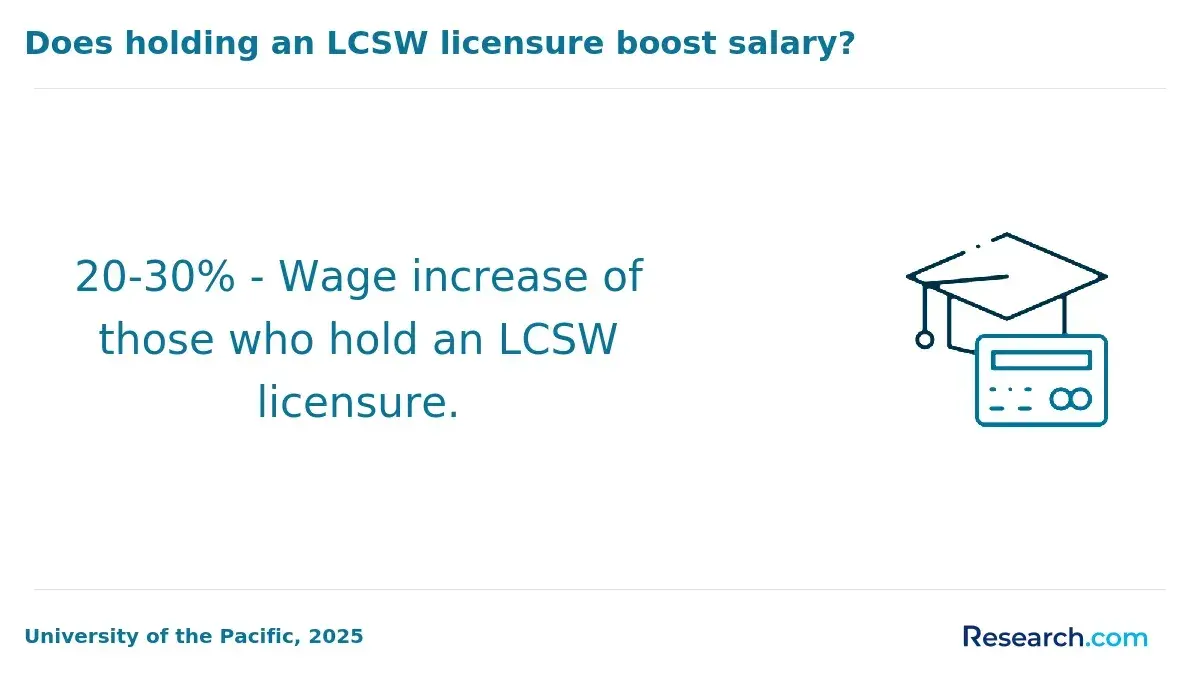
- Licensed Clinical Social Worker. Many MSW graduates pursue the LCSW pathway to provide therapy and clinical services, often specializing in trauma, addiction, family therapy, or other practice areas.
- Executive leadership. With experience, some social workers become executive directors, chief program officers, or senior administrators in social service organizations.
- Educator or trainer. Experienced practitioners may teach, supervise field students, lead professional development, or train agency teams.
What challenges should online advanced standing MSW students expect?
Online advanced standing MSW programs are flexible, but they are not easy. The accelerated structure can be demanding because students move quickly into advanced coursework and field education.
| Common challenge | Why it happens | Better approach |
| Time management | Students may balance work, family, classes, readings, assignments, and field placement. | Create a weekly schedule before classes begin and protect field placement hours early. |
| Field placement delays | Approved sites may be limited in rural, remote, or highly competitive areas. | Ask the program how placements are arranged before applying. |
| Online isolation | Students may miss informal campus interactions. | Use faculty office hours, peer groups, online forums, and alumni events consistently. |
| Technology problems | Connectivity, software, or platform issues can interrupt coursework. | Test your setup before orientation and learn the school’s technical support process. |
| Self-motivation | Asynchronous courses require discipline and independent progress. | Set deadlines ahead of the official due dates and use accountability partners. |
Students comparing accredited options can also review CSWE-accredited online MSW programs to understand accreditation and program quality indicators.
What is the difference between an MSW and related credentials?
An MSW is a graduate degree in social work. It prepares students for advanced social work practice, policy, administration, clinical pathways, and supervised field education. Related credentials may overlap with social work but serve different purposes. For example, an LCSW is not a degree; it is a clinical license earned after meeting state-specific education, supervised experience, and exam requirements. To compare these pathways more directly, review Research.com’s explanation of MSW vs LCSW.
| Credential | What it is | When it makes sense |
| BSW | An undergraduate social work degree. | For entry-level social work roles or eligibility for advanced standing MSW admission. |
| MSW | A graduate social work degree. | For advanced practice, leadership, policy roles, healthcare social work, and clinical licensure pathways. |
| LCSW | A state-issued clinical social work license. | For social workers who want to provide clinical services after completing required supervised experience and other state rules. |
| Counseling degree | A graduate pathway focused on counseling practice and licensure. | For students who want a counseling-specific professional identity rather than a social work framework. |
What should you look for before choosing an online advanced standing MSW?
Before applying, evaluate the program as a professional investment. A good program should not only admit you; it should help you complete field education, prepare for your intended career, and understand the licensure rules that apply to your location.
1. CSWE accreditation
Confirm that the specific MSW program is accredited by the Council on Social Work Education. Accreditation supports professional credibility and is often important for licensure eligibility.
2. Curriculum fit
Review required courses, electives, and specialization options. Look for advanced practice, policy, research, ethics, field education, and courses connected to your target population or setting.
3. Field placement support
Ask who finds placements, how sites are approved, what happens if a placement falls through, and whether students can use their current employer as a placement site under program rules.
4. Flexibility and learning format
Compare synchronous classes, asynchronous coursework, full-time options, part-time options, and internship schedules. A flexible program is only helpful if its required live sessions and placement hours fit your life.
5. Faculty expertise
Look for faculty with practice experience, research strength, and expertise in your intended field. Strong mentorship can matter as much as course content.
6. Career services and alumni access
Ask whether online students receive career advising, resume support, licensure guidance, interview preparation, job boards, and alumni networking opportunities. If you are still learning what the degree involves, start with Research.com’s overview of what a master’s in social work is.
What professional opportunities can you pursue with an online advanced standing MSW?
Graduates of online advanced standing MSW programs may pursue direct practice, clinical, administrative, healthcare, education, policy, and community roles. The degree can support work in hospitals, schools, mental health agencies, substance use treatment programs, child and family services, veteran services, government agencies, nonprofits, and advocacy organizations.
The strongest opportunities often come from combining the MSW with relevant field placements, supervised post-graduate experience, and state licensure where required. To explore career outcomes more broadly, review Research.com’s guide to what you can do with a master’s in social work.
How can you finance an online advanced standing MSW?
Financing an MSW requires more than finding the lowest tuition. Students should compare scholarships, grants, employer tuition assistance, payment plans, federal aid eligibility, program-specific awards, private loans, and service-based funding options. Also consider the opportunity cost of unpaid field placement hours.
If you are still at the undergraduate stage, comparing affordable online BSW programs can help you reduce total education costs before applying for advanced standing MSW admission. Students who already completed or are completing an online BSW can also compare online bachelor’s degrees in social work to understand how undergraduate preparation connects to graduate options.
Common mistakes to avoid when choosing an online advanced standing MSW
- Choosing without checking accreditation. Confirm CSWE accreditation for the exact program, not just the university.
- Looking only at tuition. Include fees, technology, books, field placement expenses, residency travel, and lost work hours.
- Assuming the program meets licensure rules everywhere. Social work licensure is state-specific, so check requirements where you plan to practice.
- Ignoring field placement logistics. A strong online curriculum will not help if you cannot complete approved field hours in your area.
- Choosing the fastest option automatically. Speed matters, but not at the expense of support, learning quality, or licensure preparation.
- Relying only on rankings. Rankings can start your search, but your best fit depends on cost, schedule, specialization, placement, and outcomes.
- Assuming salary outcomes are guaranteed. Earnings depend on location, role, licensure, experience, employer type, and specialization.
How do accelerated MSW programs maintain quality in a shorter timeline?
Accelerated MSW programs preserve quality by focusing on advanced competencies rather than repeating BSW-level foundation content. They use intensive coursework, structured field education, faculty feedback, competency-based assessment, and careful sequencing of theory and practice. The shortened timeline can work well for prepared BSW graduates, but it requires strong time management and early field placement planning.
Students comparing faster options can review Research.com’s guide to accelerated MSW programs.
How can an online advanced standing MSW affect career earnings?
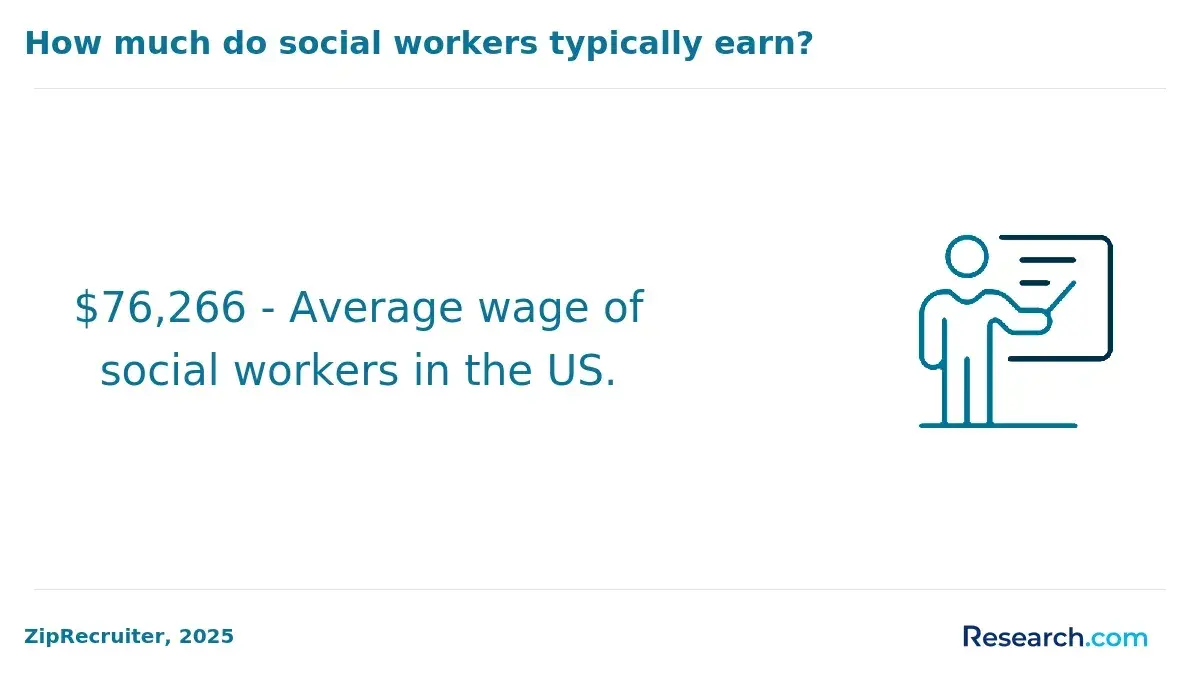
An advanced standing MSW may improve earning potential by helping graduates qualify for advanced practice, clinical, supervisory, administrative, healthcare, policy, or leadership roles. However, the degree does not guarantee a specific salary. Pay varies by state, employer, licensure level, specialization, years of experience, and whether the role is clinical, school-based, healthcare-based, nonprofit, or government-funded.
For location-specific salary context, use Research.com’s licensed social worker salary guide by state. Students pursuing clinical practice can also compare online LCSW-related program information to understand post-MSW licensure pathways.
How do online advanced standing MSW programs teach ethics and cultural competence?
Strong online MSW programs integrate ethics and cultural competence throughout the curriculum rather than treating them as one-time topics. Students study confidentiality, informed consent, professional boundaries, mandated reporting, documentation, power dynamics, bias, oppression, cultural humility, and ethical decision-making. Online courses may use case studies, simulations, reflective writing, live discussions, and field supervision to connect these concepts to real practice.
Ethical and culturally responsive practice is especially important for students preparing for clinical, school, healthcare, community, or policy roles. For additional career planning, explore Research.com’s guide to jobs with an MSW degree.
What are the employment outcomes and satisfaction rates for online advanced standing MSW graduates?
Employment outcomes for online advanced standing MSW graduates vary by program, location, specialization, licensure status, field placement quality, and local labor market conditions. Some institutional reports indicate that graduates secure roles in clinical practice, administration, healthcare, schools, community programs, and policy advocacy, but students should request current program-specific outcome data before enrolling.
Ask schools for graduation rates, field placement completion rates, licensure exam preparation resources, employment outcomes, alumni satisfaction data, and the percentage of graduates working in their intended practice area. If you plan to continue beyond the MSW, compare affordable online DSW programs as a possible later step.
How do online advanced standing MSW programs support networking and mentorship?
Online MSW students can build professional networks through live classes, virtual office hours, student organizations, field placements, alumni panels, online career fairs, mentorship programs, group projects, and faculty advising. The key is participation. Students who treat online learning as self-study only may miss valuable connections.
Before choosing a program, ask how online students meet faculty, how alumni are involved, whether there are student affinity groups, and whether the program hosts employer or licensure events. Applicants looking for accessible admissions options may also compare the easiest online MSW programs to get into, while still checking accreditation and career fit.
References
- BestColleges. How much does a master's degree cost? Tuition and fees. https://www.bestcolleges.com/research/masters-degree-cost/
- College Board. Trends in college pricing and student aid 2025. https://research.collegeboard.org/media/pdf/Trends-in-College-Pricing-and-Student-Aid-2025-final_1.pdf
- Górka, E., Baran, D., Wojak, G., Zupok, S., Ćwiąkała, M., & Ważna, E. The evolving value of the MBA: External factors and career impact. https://ersj.eu/journal/4126/download/The+Evolving+Value+of+the+MBA+External+Factors+and+Career+Impact.pdf
- Inter-American Development Bank. A world of transformation: Moving from degrees to skills-based alternative credentials. https://publications.iadb.org/publications/english/document/A-World-of-Transformation-Moving-from-Degrees-to-Skills-Based-Alternative-Credentials.pdf
- National Center for Education Statistics. Report on the condition of education 2024. https://nces.ed.gov/pubs2024/2024144.pdf
- Preprints.org. Diminishing the acceptance barrier: Employer perceptions of online MBA programs in the digital era. https://www.preprints.org/manuscript/202506.1708/v1/download
- State Council of Higher Education for Virginia. 2024-25 tuition and fees report. https://files.eric.ed.gov/fulltext/ED661665.pdf
- U.S. Bureau of Labor Statistics. Occupational outlook handbook: Social workers. https://www.bls.gov/ooh/community-and-social-service/social-workers.htm
Key Insights
- Advanced standing is for BSW graduates. These MSW tracks are accelerated because they build on prior accredited social work education instead of repeating foundation content.
- CSWE accreditation should be non-negotiable. Accreditation affects credibility, professional preparation, and often licensure eligibility.
- Online does not mean fully remote in practice. Coursework may be online, but field education is usually completed in person under supervision.
- Program fit depends on your state and goals. Confirm state authorization, licensure alignment, specialization options, and local field placement support before applying.
- Cost comparisons must include more than tuition. Fees, books, software, travel, background checks, and unpaid field hours can change the real price of the degree.
- The fastest program is not always the best value. A strong accelerated MSW should still provide rigorous coursework, faculty support, field education quality, and career guidance.
- Career outcomes vary by specialization and licensure. Clinical, healthcare, school, policy, and leadership roles may require different post-graduate steps, especially supervised experience and state licensure.
- Ask direct questions before enrolling. The most important questions are whether the program is accredited, whether it can place you where you live, whether it supports your intended license, and whether the total cost fits your long-term career plan.
Other Things You Should Know About Advanced Standing Online MSW Programs
Yes, employers generally take an online advanced standing MSW degree seriously, especially if it's from a CSWE-accredited program. Accreditation ensures the program meets high educational standards, making graduates as competitive as those with traditional degrees. Always verify the specific accreditation status to ensure credibility.
The cost varies widely depending on the institution and program format. Public universities often have lower tuition rates than private institutions. Additionally, some programs offer reduced rates for in-state residents or military personnel. Prospective students should research and compare total costs, including tuition, fees, and associated expenses like textbooks and field placements.
Yes. Many CSWE-accredited advanced standing online MSW programs require students to choose a concentration such as clinical practice, macro practice, or community practice. These tracks usually add specialized coursework and a focused field placement, while the advanced standing format still reduces the total degree to about 30 to 39 credits.
Online advanced standing MSW programs typically require a field practicum involving 450 to 900 hours of supervised social work practice. These placements can be arranged locally and must meet the program's accreditation standards, allowing students to gain hands-on experience in their community.
In 2027, advanced standing online MSW programs may offer specializations such as clinical social work, school social work, or healthcare social work. Specialization options can vary by program, allowing students to tailor their studies to specific career paths in social work.
Requirements for an online advanced standing MSW program typically include a Bachelor of Social Work (BSW) from a CSWE-accredited institution, a minimum GPA (often around 3.0), reference letters, and relevant field experience. Some programs may also require a personal statement or interview.