
2027 MSW vs. MSSW vs. MSSA: Which Is Right for Me?

Co-Founder and Chief Data Scientist
Choosing between an MSW, MSSW, and MSSA can be confusing because the degrees often lead to similar social work careers, licensure paths, and field education requirements. The real decision is usually not about the initials on the diploma, but whether the program is CSWE-accredited, fits your career goal, offers the right field placements, and prepares you for the license or role you want.
This guide explains how MSW, MSSW, and MSSA programs compare, which students each option serves best, what they cost, how long they take, what licensure usually requires, and how to evaluate online and campus-based programs. It also highlights strong graduate social work programs and practical questions to ask before enrolling.
Quick Answer: MSW vs MSSW vs MSSA
An MSW, or Master of Social Work, is the most common graduate degree for advanced social work practice and is widely used for clinical, community, healthcare, school, policy, and leadership roles. An MSSW, or Master of Science in Social Work, is often very similar to an MSW but may place somewhat more emphasis on research, statistics, or policy analysis. An MSSA, or Master of Science in Social Administration, is less common and is typically associated with administration, organizational leadership, social policy, and program management.
For most students, the most important factor is not whether the degree is called MSW, MSSW, or MSSA. The key issue is whether the program is accredited by the Council on Social Work Education, whether it meets your state’s licensure expectations, and whether its field placement structure supports your intended career.
Key things you should know about MSW, MSSW, and MSSA programs
- An MSW prepares students for advanced social work practice and can support movement into clinical, supervisory, administrative, and specialized roles.
- The median annual salary of US social workers is $55,350, while the average annual salary is $59,440.
- When comparing MSSW vs MSSA, both degrees usually overlap heavily with MSW programs, though MSSW programs may lean more toward research and policy while MSSA programs may emphasize administration and leadership.
- CSWE accreditation is one of the most important checks for students who plan to pursue licensure after graduation.
- Online programs can be legitimate options when they are accredited, provide appropriate field education, and align with state licensing rules.
- Best MSW, MSSW, and MSSA Programs in 2027
- What is the difference between MSW, MSSW, and MSSA?
- What specializations and concentrations are common in these programs?
- How long does it take to finish an MSW, MSSW, or MSSA?
- Are online MSW, MSSW, and MSSA programs respected?
- What skills do MSW, MSSW, and MSSA programs build?
- How much do MSW, MSSW, and MSSA programs cost?
- Do you need an MSW to work in social work?
- What licensure requirements should students expect?
- What salary can graduates expect?
- What is the job outlook for social workers?
- How do field placements compare across MSW, MSSW, and MSSA programs?
- How do international opportunities differ by degree type?
- How does an undergraduate foundation affect graduate social work success?
- What challenges do graduate social work students face?
- How do online MSW, MSSW, and MSSA programs compare for affordability and access?
- Can advanced standing programs shorten the path to an MSW?
- Can interdisciplinary study improve social work career options?
- What trends are shaping social work education and employment?
- How do career services and alumni networks help social work graduates?
- What can I do with a master’s in social work?
- Why do faculty qualifications matter in social work education?
- How do licensing rules affect clinical social work and counseling practice?
- Additional licensing considerations
Best MSW, MSSW, and MSSA Programs in 2027
How to use this program list
The programs below represent graduate social work options that vary in cost, structure, concentration choices, and delivery format. Use the list as a starting point, not as a final decision. Before applying, confirm current tuition, field placement availability in your location, CSWE accreditation status, admissions requirements, and whether the program supports your intended state licensure pathway.
To compare programs, our researchers reviewed data from sources such as the National Center for Education Statistics, the IPEDS database, Peterson’s database, and the College Scorecard. The review considered factors such as affordability, graduation outcomes, academic quality indicators, and program value. Students who want more detail can review our research methodology.
| Program | Length | Credits | Cost per Credit | Accreditation |
| Simmons University Master of Social Work | 2 to 3 years | 65 | $1,148 | Council on Social Work Education |
| Syracuse University Master of Social Work | 2 to 3 years | 60 | $1,111 | Council on Social Work Education |
| University of Denver Master of Social Work Program | 2 to 3 years | 81 | $1,164 | Council on Social Work Education |
| University of Kentucky MSW Program | 2 years | 60 | $737 | Council on Social Work Education |
| University of Houston MSW Program | 2 years | 51 | $474.76 in-state; $994.76 out-of-state | Council on Social Work Education |
| Washington University in St Louis Master of Social Work | 2 years | 60 | $1,561 | Council on Social Work Education |
| University of Maryland Baltimore MSW Program | 2 years | 60 | $676 in-state; $1,307 out-of-state | Council on Social Work Education |
| University of North Carolina Chapel Hill MSW | 2 to 3 years | 62 | $811.23 in-state; $1,841.35 out-of-state | Council on Social Work Education |
| University of Washington Master of Social Work | 2 years | $868 | Council on Social Work Education | |
| University of Pennsylvania Master of Social Work | 2 years | 60 | $895.20 | Council on Social Work Education |
1. Simmons University Master of Social Work
The Simmons University MSW is designed for students who want several pacing options and close support around practicum planning. The program includes seven format choices, including full-time, part-time, and accelerated study. Students can choose the course delivery approach that best fits their schedule, and advisors help learners identify practicum placements. Core study areas include Human Behavior, Field Education, Social Work Practice, and Advanced Clinical Practice.
- Program Length: 2 to 3 years
- Tracks/concentrations: None
- Cost per Credit: $1,148
- Required Credits to Graduate: 65
- Accreditation: Council on Social Work Education
2. Syracuse University Master of Social Work
The Syracuse University MSW gives students a generalist social work foundation before they move into Advanced Clinical Practice or Advanced Integrated Practice. The curriculum includes social justice, human rights, research practice, and policy analysis. Common courses include Advanced Practice, Social Welfare Policy, Clinical Practice Evaluation, and Human Diversity.
- Program Length: 2 to 3 years
- Tracks/concentrations:
- Advanced Clinical Practice
- Advanced Integrated Practice
- Cost per Credit: $1,111
- Required Credits to Graduate: 60
- Accreditation: Council on Social Work Education
3. University of Denver Master of Social Work Program
The University of Denver MSW offers an Advanced Social Work Practice concentration and emphasizes research, mentorship, internships, and clinical learning. Its average class size is 22 students, which can appeal to learners who want a more personal academic environment. Core coursework includes Integrated Practice for Social Justice, Policy Analysis, Clinical Social Work Skills, and Clinical Social Work Theory.
- Program Length: 2 to 3 years
- Tracks/concentrations:
- Advanced Social Work Practice
- Cost per Credit: $1,164
- Required Credits to Graduate: 81
- Accreditation: Council on Social Work Education
4. University of Kentucky MSW Program
The University of Kentucky MSW uses an advanced generalist model that prepares students for multiple practice settings, including clinical services, healthcare, community organizing, gerontology, and policy practice. Students can use the school’s labs to connect classroom learning with applied social work skills. Courses include Advanced Practice, Psychopathology, Advanced Social Work Policy, and Applied Research Methods.
- Program Length: 2 years
- Tracks/concentrations: None
- Cost per Credit: $737
- Required Credits to Graduate: 60
- Accreditation: Council on Social Work Education
5. University of Houston MSW Program
The University of Houston MSW focuses on broadening social work knowledge while helping students understand racism, ageism, sexism, classism, and ethnocentricism in practice. The school offers accelerated MSW options and three delivery models. Core coursework includes Social Work Practice Skills, Foundations of Social Work, Human Diversity, and Social Work Policy.
- Program Length: 2 years
- Tracks/concentrations: None
- Cost per Credit: $474.76 (in-state); $994.76 (out-of-state)
- Required Credits to Graduate: 51
- Accreditation: Council on Social Work Education
6. Washington University in St Louis Master of Social Work
The Washington University in St Louis MSW offers eight specializations and eight concentrations, including health, mental health, individualized study, and children, youth, and families. Students complete a 600-hour concentration practicum and a 360-hour foundation practicum, giving the program a substantial applied learning component. Core coursework includes Human Behavior, Social Justice and Human Diversity, and Research Methods with Statistical Applications.
- Program Length: 2 years
- Tracks/concentrations:
- American Indian & Alaska Native
- Children, Youth, and Families
- Health
- Individualized
- Mental Health
- Social & Economic Development (Domestic)
- Social & Economic Development (International)
- Social Impact Leadership
- Cost per Credit: $1,561
- Required Credits to Graduate: 60
- Accreditation: Council on Social Work Education
7. University of Maryland Baltimore MSW Program
The University of Maryland Baltimore MSW offers Clinical, Macro, and Dual concentrations, along with six specializations such as aging, behavioral health, and organizational leadership. Students can choose a 60-unit hybrid option, a 60-unit online option, or a 36-unit advanced standing pathway. Core courses include Social Welfare and Social Policy, Social Work Practice, and Structural Oppression and its Implications for Social Work.
- Program Length: 2 years
- Tracks/concentrations:
- Clinical
- Macro
- Dual
- Cost per Credit: $676 (in-state); $1,307 (out-of-state)
- Required Credits to Graduate: 60
- Accreditation: Council on Social Work Education
8. University of North Carolina Chapel Hill MSW
The University of North Carolina Chapel Hill MSW includes Direct Practice and Community, Management, and Policy Practice concentrations. Students may choose a 12-month advanced standing program, a two-year program, a three-year program, or an online program. The degree includes a 1,100-hour field education requirement and coursework in human behavior, social research, and social welfare policy.
- Program Length: 2 to 3 years
- Tracks/concentrations:
- Direct Practice
- Community, Management, and Policy Practice
- Cost per Credit: $811.23 (in-state); $1,841.35 (out-of-state)
- Required Credits to Graduate: 62
- Accreditation: Council on Social Work Education
9. University of Washington Master of Social Work
The University of Washington MSW offers three specialization areas: Clinical Social Work, Administration and Policy Practice, and Community-Centered Integrative Practice. Format options include full-time advanced standing, part-time advanced standing, a full-time day program, and an extended degree for students who do not have a bachelor’s degree in psychology. Electives allow students to customize part of their academic plan.
- Program Length: 2 years
- Tracks/concentrations:
- Clinical Social Work
- Administration and Policy Practice
- Community-Centered Integrative Practice
- Cost per Credit: $868
- Required Credits to Graduate:
- Accreditation: Council on Social Work Education
10. University of Pennsylvania Master of Social Work
The University of Pennsylvania MSW offers specializations in Child Wellbeing & Child Welfare, Criminal Justice, and Social Work in Health Care. Students can enroll full-time, part-time, through advanced standing, or through Child Welfare Education for Leadership. The program also offers dual-degree options for students who want broader professional preparation. Core courses include History and Philosophy of Social Work and Social Welfare, Human Behavior in the Social Environment, and American Racism and Social Work Practice.
- Program Length: 2 years
- Tracks/concentrations:
- Child Wellbeing & Child Welfare
- Criminal Justice
- Social Work in Health Care
- Cost per Credit: $895.20
- Required Credits to Graduate: 60
- Accreditation: Council on Social Work Education
What graduates often value in an MSW experience
“As a recent MSW graduate, I value the wider range of job options and the stronger earning potential the degree can support. The online format helped me continue working and managing personal responsibilities while completing graduate study.” Emma
“The MSW gave me practical preparation for clinical social work and helped me understand what professional practice looks like beyond the classroom. Online study made the degree possible while I balanced work and family obligations.” Gabriella
“My program strengthened my knowledge of diversity, cultural humility, and collaborative practice. The peer relationships and agency connections I built during the degree were just as valuable as the coursework.” David
Key Findings
- Around 33% of social workers in the United States have master’s degrees.
- Master’s degree programs in social work are typically completed in two years of full-time study.
- The average cost of a graduate degree in social work is $81,430.
- The median annual salary of a social worker with an MSW is $71,534 while the common salary range is $64,788 to $78,875.
- The projected employment growth of social workers from 2022 to 2032 is 7%.
What is the difference between MSW, MSSW, and MSSA?
MSW, MSSW, and MSSA programs usually prepare students for overlapping areas of advanced social work practice. In many cases, employers and licensing boards care more about CSWE accreditation and completed supervised experience than the exact degree title. Still, the names can signal differences in academic emphasis.
| Degree | Primary Emphasis | Best Fit | How Common It Is |
| MSW | Broad advanced social work practice, including clinical, direct practice, community, policy, and leadership work | Students who want the most widely recognized pathway into advanced social work roles | Most common of the three |
| MSSW | Social work practice with somewhat more attention to research, statistics, and policy analysis | Students interested in evidence-based practice, research, program evaluation, or policy-focused roles | Less common than MSW and often used as an alternative title for similar programs |
| MSSA | Social administration, organizational leadership, management, and social policy | Students aiming for nonprofit leadership, program administration, policy, or management-heavy roles | Rarest of the three and sometimes treated as an MSW-related concentration |
Curriculum differences
- MSW: MSW programs usually include social work theory, human behavior, social welfare policy, community organization, field education, research, and practice courses. Many offer concentrations in clinical practice, healthcare, school social work, children and families, macro practice, or community leadership.
- MSSW: MSSW programs commonly include much of the same foundation as an MSW, but they may give greater weight to research methods, statistics, social policy, and evidence-based interventions.
- MSSA: MSSA programs often cover similar social work foundations while leaning toward administration, organizational systems, program development, and policy implementation. Some schools treat MSSA-style study as part of a broader MSW structure.
If you are still exploring social work pathways, it helps to understand what you can do with a social work degree. The industries with the largest share of employed social workers are family and individual services (17%), ambulatory healthcare services (14%), local government (14%), state government (13%), and hospitals (10%). The most common social work occupations by population are social, family, and child social workers (355,300), healthcare social workers (191,400), mental health social workers (113,500), and all other types of social workers (68,400).
What specializations and concentrations are common in these programs?
Specializations vary more by school than by degree title. An MSW, MSSW, or MSSA may include clinical, healthcare, school, policy, community, research, or administration-focused tracks. Students interested in clinical licensure should review whether the curriculum and practicum structure match their state’s expectations. Those comparing clinical options may also want to examine online LCSW-oriented programs.
| Specialization | What It Prepares You To Do | Best For |
| Clinical Social Work | Assess client needs, provide counseling-related services, support treatment plans, and work in mental health or behavioral health settings | Students pursuing client-facing clinical roles |
| Community Development | Organize community initiatives, evaluate local needs, support advocacy efforts, and work toward social change | Students interested in community practice and social impact |
| Healthcare Social Work | Help patients and families navigate illness, injury, care coordination, discharge planning, and medical systems | Students drawn to hospitals, clinics, and health-related agencies |
| School Social Work | Support students, families, and school systems through interventions, referrals, advocacy, and welfare-focused services | Students who want to work in education settings |
| Public Health Social Work | Address health equity, social determinants of health, population-level needs, and cross-sector interventions | Students interested in health policy and community health |
| Social Policy Analysis | Study, evaluate, and help shape policies that affect families, communities, and social service systems | Students seeking policy, advocacy, or research roles |
| Forensic Social Work | Work at the intersection of social work, mental health, victim services, and the justice system | Students interested in courts, corrections, victim advocacy, or justice-related services |
| Program Development | Design, implement, monitor, and improve social programs | Students who want administrative or nonprofit program roles |
| Healthcare Administration | Lead organizations, manage teams, coordinate services, and support operational goals in health-related settings | Students focused on management and leadership |
| Community Practice for Social Change | Connect policy analysis, empowerment, advocacy, and community-based change strategies | Students interested in macro practice and systems change |
If a program does not offer the concentration you want, you may be able to build related expertise through electives, certificates, or another graduate credential. For example, students interested in healthcare leadership can compare affordable online master’s in healthcare administration programs. Students planning to work in faith-based or counseling-adjacent settings may also examine Christian counseling master’s programs as a possible supplemental path.
How long does it take to finish an MSW, MSSW, or MSSA?
Most full-time master’s programs in social work take about two years to complete. According to the Council on Social Work Education, master’s degree programs in social work are typically completed in two years of full-time study. Part-time and asynchronous programs usually take longer, while advanced standing or accelerated options can shorten the timeline for eligible students.
| Pathway | Typical Student | Time Consideration | Trade-Off |
| Traditional full-time program | Students entering with a bachelor’s degree who need the full graduate curriculum | Master’s degree programs in social work are typically completed in two years of full-time study | Balanced pace but often requires substantial time for fieldwork |
| Part-time program | Working adults or students with family responsibilities | Usually longer than full-time study | More flexible, but graduation is delayed |
| Advanced standing program | Students with qualifying prior social work education | Can reduce total credits and time | Fast pace and fewer breaks between advanced coursework and fieldwork |
| Five-year combined pathway | Students who want to combine undergraduate and graduate planning | Bundles a four-year bachelor’s degree with a one-year master’s degree | Requires early commitment to the field |
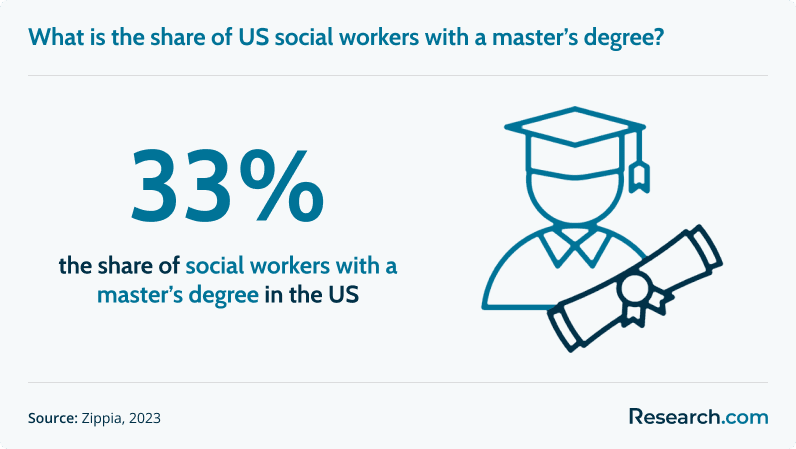
Some institutions also package graduate education in accelerated or lower-cost formats. Students comparing low-cost graduate options outside social work can review online master’s programs under 10k, though social work students should still prioritize CSWE accreditation and licensure alignment. A survey found that 33% of social workers in the United States have earned master’s degrees.
Are online MSW, MSSW, and MSSA programs respected?
Online MSW, MSSW, and MSSA programs can be respected when they are properly accredited, academically rigorous, and supported by appropriate field placements. One cited finding notes that 61% of HR leaders think online and traditional programs are generally equal. For social work, however, reputation depends heavily on accreditation, practicum quality, faculty support, and licensure preparation.
For graduate social work education, accreditation by the Council on Social Work Education (CSWE) is especially important. CSWE accreditation signals that a program meets recognized educational standards and is commonly expected by state boards and credentialing bodies.
Students considering remote study should compare CSWE-accredited online MSW programs and ask how field placements are arranged. A program may be online academically but still require in-person practicum hours with approved agencies.
Online vs campus-based social work programs
| Factor | Online Program | Campus Program | What to Check |
| Flexibility | Often better for working adults and students outside commuting range | May require fixed class times and regular campus attendance | Whether classes are synchronous, asynchronous, or hybrid |
| Field placement | May place students near their home area or require students to help identify agencies | Often uses local institutional partnerships | Who secures placements and whether your location is supported |
| Licensure preparation | Can be strong if CSWE-accredited and state-aligned | Can be strong if CSWE-accredited and state-aligned | Whether the program meets requirements where you plan to practice |
| Networking | May rely on virtual events, online cohorts, and regional field agencies | May provide more in-person networking | Career services, alumni connections, and agency partnerships |
| Cost | Can reduce commuting or relocation costs, but tuition varies widely | May offer campus resources but can involve transportation or housing costs | Total program cost, fees, travel, and fieldwork-related expenses |
What skills do MSW, MSSW, and MSSA programs build?
Graduate social work programs are designed to move students beyond entry-level helping roles and into more advanced practice, leadership, assessment, and systems-level work. While curricula differ by school, most programs develop the following competencies:
- Critical thinking and problem-solving. Students learn to evaluate client, community, and organizational needs, identify underlying causes, choose interventions, and adjust services based on outcomes.
- Professional communication. Programs emphasize clear writing, careful documentation, active listening, interviewing, interdisciplinary communication, and ethical client interaction.
- Cultural competency. Students study how identity, culture, power, oppression, and lived experience shape social work practice and client relationships.
- Policy analysis and advocacy. Learners examine how laws, institutional rules, and social policies affect individuals and communities, then practice advocating for more effective systems.
- Counseling and intervention skills. Clinical and direct-practice coursework introduces intervention strategies, treatment planning, crisis response, and support methods for different populations.
- Case management. Students learn to coordinate services, build client-centered plans, manage referrals, and work across agencies.
- Research and evidence-based practice. Graduate coursework helps students evaluate research, apply evidence-informed methods, and use data to improve programs and interventions.
- Leadership and administration. MSSA and macro-oriented MSW or MSSW tracks often add management, strategic planning, supervision, budgeting, and program development.
How much do MSW, MSSW, and MSSA programs cost?
Because MSW, MSSW, and MSSA programs often sit within the same graduate social work category, their costs are usually comparable. According to our research, the average cost of a graduate degree in social work is $81,430, which represents an increase of $19,022 from the average cost from 2000 to 2016.
In 2023, accredited MSW programs, and by extension many MSSW and MSSA programs, were found to cost anywhere from less than $40,000 to $89,000. Students in advanced standing or accelerated MSW programs may pay less overall if they complete fewer credits or graduate sooner, but they should be prepared for heavier course loads and intensive fieldwork pacing.
Cost factors students often overlook
- Per-credit tuition: A lower per-credit price may not mean lower total cost if the program requires more credits.
- Residency status: Public universities may charge different in-state and out-of-state rates.
- Field placement expenses: Transportation, background checks, immunizations, insurance, or unpaid practicum hours can affect affordability.
- Fees: Technology, student services, graduation, and practicum fees can raise the final price.
- Work reduction: Field education may limit how many paid hours a student can maintain.
- Transfer and advanced standing policies: Prior coursework may or may not reduce time and cost.
Do you need an MSW to work in social work?
You do not always need an MSW to enter the social work field. A bachelor’s degree can qualify graduates for some entry-level roles and may support licensure in some states. However, career goals matter. Students who want clinical practice, advanced responsibilities, independent practice, or leadership roles often need graduate education.
In most US states, a master’s degree is required for practicing clinical social work and for advanced licensure. An MSW, MSSW, or MSSA can also support advancement into management, community leadership, specialized practice, and roles with stronger earning potential. Students comparing compensation by location can review this master’s in social work salary guide.
What licensure requirements should students expect?
Licensure requirements vary by state, but MSW, MSSW, and MSSA graduates usually follow similar steps when their program is CSWE-accredited and their coursework aligns with state expectations. Students should verify requirements with the licensing board in the state where they plan to practice.
- Submit a licensure application to the appropriate state board, along with required documents such as official transcripts, a resume, and proof of degree completion. Some states may also require a background check or ethics exam.
- Complete a graduate social work degree, such as an MSW, MSSW, or MSSA, from a program accredited by the Council on Social Work Education.
- Finish supervised experience, which may amount to around 2,000 to 4,000 hours depending on the program or state requirement.
- Pass the appropriate Association of Social Work Boards exam for the license level or practice area being pursued.
Questions to ask before choosing a program for licensure
- Is the program currently CSWE-accredited?
- Does the curriculum meet requirements in the state where I plan to work?
- Does the school help students find supervised clinical placements?
- What ASWB exam level do graduates typically prepare for?
- Are there state-specific restrictions for online students?
- Does the program publish licensure disclosure information for each state?
What salary can graduates expect?
MSW, MSSW, and MSSA programs often lead to similar career outcomes, so salary differences usually depend more on role, location, employer, specialization, licensure status, and experience than on the degree title itself. The median annual salary of a social worker with an MSW is $71,534 while the common salary range is $64,788 to $78,875. This generally applies to MSSW graduates as well and often to MSSA graduates when the program aligns with social work practice.
For graduates whose MSSA pathway is more administration-oriented, social service administration may be a relevant comparison point; students can review the annual salary of a social service administrator. Some of the highest-paying social worker jobs by average annual salary include directors of rehabilitation ($101,292), executive directors of nonprofit organizations ($92,746), and speech pathologists ($91,183).
What is the job outlook for social workers?
The employment outlook for social workers is positive based on the cited projection. Employment growth for social workers from 2022 to 2032 is 7%, compared with 3% for all occupations. Over that period, employment of social workers is projected to grow by 53,800, with 11% coming from mental health and substance abuse specialists and 10% from healthcare social workers.
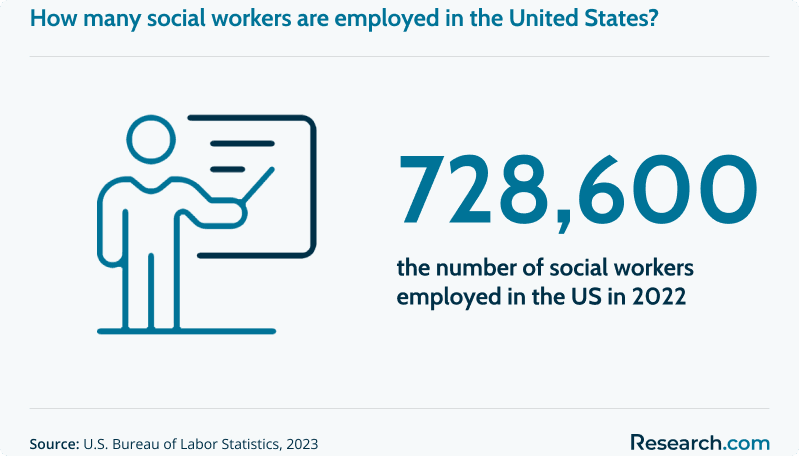
Social work also offers a wide range of practice settings. Child, school, and family social workers account for 355,300 professionals, followed by healthcare social workers (191,400), mental health and substance abuse social workers (113,500), and all other social workers (68,400). Overall, there are 728,600 employed social workers in the United States, and that figure is projected to reach 782,500 by 2032.
Social work is meaningful but demanding, and it is not the right fit for every student. If you want to compare other flexible education routes before committing, explore online degree programs for working adults.
How do field placements compare across MSW, MSSW, and MSSA programs?
Field placement is one of the most important parts of any graduate social work program because it connects classroom learning with supervised professional practice. The number of required hours, agency partnerships, supervision model, and placement focus can shape both licensure readiness and job prospects.
| Degree Type | Common Placement Focus | Typical Settings | Skills Practiced |
| MSW | Direct practice, counseling-related services, case management, advocacy, and clinical or community work | Hospitals, schools, community centers, mental health clinics | Client engagement, assessment, intervention, crisis response, service coordination |
| MSSW | Research-informed practice, program evaluation, policy work, and systems intervention | Research institutions, public health organizations, policy advocacy groups | Data interpretation, evidence-based practice, analytical reasoning, program improvement |
| MSSA | Administration, leadership, policy development, organizational management, and program planning | Government agencies, nonprofits, social program organizations | Strategic planning, supervision, leadership, policy implementation, organizational analysis |
What makes a strong field placement?
- The placement aligns with your intended career, such as clinical practice, school social work, healthcare, policy, or nonprofit leadership.
- The supervisor has the credentials and experience needed for your training goals.
- The program has a clear process for matching students with agencies.
- The site provides meaningful work rather than mostly administrative tasks.
- The placement supports licensure requirements in your state when clinical practice is your goal.
How do international opportunities differ by degree type?
Students who hope to work internationally should look beyond the degree title and confirm how the credential is recognized in the target country. Licensure, professional registration, and employer expectations can differ significantly across borders.
- MSW: The Master of Social Work is the most recognizable of the three degree names and is often the safest option for students who want international flexibility. Students seeking a faster route may compare 1 year MSW programs online, but should confirm accreditation, practicum rules, and recognition abroad.
- MSSW: The Master of Science in Social Work can be valuable for global policy, research, evaluation, and nonprofit roles. It may be especially useful for organizations that need data-informed program design and social policy expertise.
- MSSA: The Master of Science in Social Administration may fit international nonprofit management, community development, and program administration roles. Because the title is less common globally, students should verify recognition before relying on it for international practice.
How does an undergraduate foundation affect graduate social work success?
A strong undergraduate background in social work can make graduate study more manageable because students enter with prior exposure to ethics, human behavior, policy, diversity, and field-based learning. Graduates of online bachelor’s degrees in social work may also be better prepared to evaluate concentrations, understand practicum expectations, and move into advanced coursework with less adjustment.
Students without a BSW can still succeed, but they may need more time to master foundational concepts. They should look for programs with clear bridge coursework, strong advising, and support for students entering from psychology, sociology, criminal justice, education, public health, or unrelated fields.
What challenges do graduate social work students face?
Graduate social work programs can be academically, emotionally, and logistically demanding. Students often balance intensive reading and writing, field placement hours, paid work, caregiving responsibilities, and exposure to complex social issues. Before enrolling, it is wise to evaluate whether the degree fits your finances, schedule, resilience, and career goals. Students weighing the long-term value of the field can review whether a social work degree is worth it.
| Common Mistake | Why It Creates Problems | Better Approach |
| Choosing a program without checking CSWE accreditation | It may create licensure barriers after graduation | Verify accreditation directly before applying |
| Looking only at tuition | Fees, fieldwork costs, transportation, and lost work hours can change total cost | Calculate full cost of attendance and practicum-related expenses |
| Assuming every online program works for every state | Licensure rules and placement availability can vary by location | Ask for state-specific licensure disclosures |
| Ignoring field placement quality | Poor placements can weaken skill development and networking | Ask how placements are secured and supervised |
| Choosing a concentration too early without career research | A narrow track may not match your eventual goals | Interview practitioners and review job postings before selecting a specialization |
| Assuming salary outcomes are guaranteed | Pay depends on role, employer, location, license level, and experience | Compare local job postings and state salary data before borrowing heavily |
How do online MSW, MSSW, and MSSA programs compare for affordability and access?
Online graduate social work programs can be a practical option for students who need flexibility, live far from campus, or cannot relocate. They can also expand access to programs with specialized concentrations. However, affordability and accessibility depend on tuition, fees, residency rules, field placement support, technology requirements, and whether the school serves students in your state.
Students trying to control cost can compare affordable online MSW programs. Still, low tuition should not be the only factor. A cheaper program that does not help you complete field hours or meet licensure expectations may cost more in the long run.
How to evaluate an online social work program
- Confirm CSWE accreditation.
- Ask whether the program accepts students from your state.
- Request written licensure disclosure information.
- Find out who arranges field placements and how far students may need to travel.
- Compare total cost, not only tuition.
- Ask about faculty access, advising, career support, and student retention.
- Check whether class meetings are live, asynchronous, or a mix of both.
Can advanced standing programs shorten the path to an MSW?
Advanced standing programs are designed for students with qualifying prior social work education. They can shorten the graduate timeline, reduce the number of required credits, and lower total cost. The trade-off is intensity: students may move quickly into advanced coursework and field education with less time for review.
Students who already have a relevant background and want a faster path can compare top MSW advanced standing programs. Before enrolling, verify eligibility rules, minimum GPA requirements, field placement expectations, and whether the accelerated structure fits your schedule.
Can interdisciplinary study improve social work career options?
Social work overlaps with psychology, public health, counseling, education, criminal justice, healthcare administration, and human services. Interdisciplinary learning can help graduates understand complex client needs, collaborate across systems, and qualify for roles that require broader program, policy, or administrative knowledge.
Students interested in adjacent career paths can explore what jobs you can get with a human services degree. This can be especially useful for learners deciding whether they want a clinical social work path, a human services role, or a broader community services career.
What trends are shaping social work education and employment?
Social work education is adjusting to changes in healthcare delivery, mental health needs, telehealth, digital case management, trauma-informed care, and demand for culturally responsive practice. Programs increasingly use online learning tools, simulation, virtual supervision models, and interdisciplinary coursework to prepare students for modern practice environments.
The workforce outlook also supports continued interest in graduate preparation. The Bureau of Labor Statistics projection cited in this article shows 7% employment growth for social workers from 2022 to 2032. That growth places a premium on graduates who can combine direct practice skills with policy knowledge, data literacy, ethics, and the ability to work across health, education, nonprofit, and government systems.
Students who want a deeper explanation of the degree itself can read this guide on what an MSW is, including its curriculum, purpose, and career relevance.
How do career services and alumni networks help social work graduates?
Career support can make a practical difference, especially in a field where field placements, supervision, licensure steps, and agency relationships matter. Strong programs may offer resume reviews, interview preparation, licensure guidance, job fairs, practicum-to-employment pipelines, and alumni mentoring.
When comparing online master’s degrees in social work, ask whether online students receive the same career services as campus students. Also ask whether alumni work in your target field, such as mental health, healthcare, child welfare, schools, nonprofit administration, or policy.
What can I do with a master’s in social work?
A master’s in social work can lead to clinical, community, policy, administrative, and leadership roles. Graduates may work in hospitals, schools, mental health clinics, child welfare agencies, local government, state agencies, nonprofits, community organizations, advocacy groups, or private practice settings when properly licensed.
Common directions include clinical social work, healthcare social work, school social work, child and family services, substance abuse and mental health services, program management, community organizing, policy analysis, research support, and nonprofit leadership. For a broader career breakdown, review what you can do with a master’s in social work.
Why do faculty qualifications matter in social work education?
Faculty expertise affects how well students learn ethics, research, assessment, intervention, policy, and real-world decision-making. In a strong program, instructors bring both academic preparation and field experience. That combination helps students connect theory with practice and understand current challenges in agencies, clinical settings, and community systems.
Students coming from undergraduate pathways, including affordable online BSW programs, should ask who teaches advanced courses, whether faculty hold relevant licenses or research expertise, and how accessible instructors are outside class.
How do licensing rules affect clinical social work and counseling practice?
Licensing laws determine what services professionals may provide, what titles they may use, and what supervision or exams are required. Social work and counseling are related but separately regulated fields, so students should not assume that one degree automatically qualifies them for the other profession’s license.
Because state rules differ, students comparing clinical pathways should also review state licensure requirements for counseling when considering counseling-adjacent roles. High-quality social work programs usually explain licensure preparation clearly and help students understand the difference between social work credentials, counseling credentials, and supervised clinical practice requirements.
Additional licensing considerations
Before committing to a graduate program, contact the state licensing board where you plan to work. Ask whether the degree title, accreditation status, field hours, supervision model, and coursework satisfy the license you want. This step is especially important for online students, students planning to move after graduation, and students considering less common degree titles such as MSSA.
Key Insights
- The degree title matters less than accreditation and outcomes. MSW, MSSW, and MSSA programs often overlap, but CSWE accreditation, field education, and state licensure alignment are the most important decision factors.
- MSW is the broadest and most recognizable option. It is usually the safest choice for students pursuing clinical practice, advanced social work roles, or portability across employers and locations.
- MSSW can be useful for research and policy interests. Students drawn to data, program evaluation, evidence-based practice, or policy analysis may find MSSW-style programs appealing.
- MSSA is best understood as an administration-focused pathway. It may fit students who want nonprofit leadership, social program management, policy implementation, or organizational roles.
- Licensure planning should start before enrollment. In most US states, clinical social work requires a graduate degree, supervised experience, and an ASWB exam, but exact requirements vary.
- Cost varies widely. The average cost of a graduate degree in social work is $81,430, and accredited programs have been found to range from less than $40,000 to $89,000.
- Online programs can be credible. An online MSW, MSSW, or MSSA can be respected when it is accredited, has strong field placement support, and meets state requirements.
- Field placement quality can shape your career. The best program for you is one that places you in settings aligned with your goals, whether clinical care, healthcare, schools, policy, research, or administration.
- Employment growth is favorable but not guaranteed for every role. Social worker employment is projected to grow 7% from 2022 to 2032, but salary and job opportunities depend on location, license level, specialization, and experience.
References:
- BLS (2023a, April 25). May 2022 National Occupational Employment and Wage Estimates United States. BLS
- BLS (2023b, September 6). Social Workers. BLS
- CSWE. Student Questions. CSWE
- Hanson, M. (2023, August 20). Average Cost of a Master’s Degree. Education Data Initiative
- Salary.com (2023, November 27). Social Worker (MSW) Salary in the United States. Salary.com
- The University of Arizona (2021, May). Are Online Degrees Taken Seriously? The University of Arizona
- Thomas-Oxtoby, S. (2023, March 3). How to pay for a master’s degree in social work. Fortune
- Zippia (2023, July 21). BEST COLLEGES AND MAJORS FOR SOCIAL WORKERS. Zippia
Other Things You Need to Know About MSW vs MSSW vs MSSA
A common question that aspirants have revolves around the MSW vs MSSW vs MSSA comparison, especially in terms of their impact on career opportunities. Given their similarities, employers largely view MSW and MSSW programs similarly. Both programs provide a thorough understanding of the principles, practices, and policies of social work, allowing students to pursue various roles across different sectors. MSSA programs are mostly the same, but their slightly greater focus on leadership and the development of administrative skills enables graduates to have career paths in social administration, policy analysis, and program development. However, reputable MSW and MSSW programs offer similar opportunities.
The duration typically varies by program and institution. Generally, full-time programs for MSW, MSSW, and MSSA degrees take approximately two years to complete. Part-time or online formats might extend the duration to three to four years. Accelerated options may also be available, allowing completion in as little as one year.
An MSW (Master of Social Work) provides generalist and specialized social work training. An MSSW (Master of Science in Social Work) often emphasizes a scientific approach, similar to an MSW. The MSSA (Master of Science in Administration Social Work) typically focuses on administrative and policy-making skills in social work settings.
MSW specializations include clinical social work, community development, healthcare social work, and school social work. MSSW specializations focus on clinical social work, public health social work, social policy analysis, and forensic social work. MSSA specializations cover program development, healthcare administration, community practice for social change, and clinical social work.
Yes, online programs are as reputable as traditional ones if they are accredited by the Council on Social Work Education (CSWE). Accreditation ensures the program meets quality standards and is recognized by licensing boards.
These programs develop critical thinking, problem-solving, communication, cultural competency, policy analysis, counseling and intervention, case management, and research skills.
The average cost of a graduate degree in social work is $81,430. Costs can range from less than $40,000 to $89,000, depending on the institution and program specifics. Financial aid and scholarships are available to help manage these costs.
An MSW is not always required for entry-level social work positions but is essential for clinical social work and licensure in most states. A master’s degree also enhances career advancement and earning potential.
Licensure requirements include completing an accredited graduate program, gaining supervised experience (typically 2,000 to 4,000 hours), and passing the Association of Social Work Boards (ASWB) exam.
The median annual salary for social workers with an MSW, MSSW, or MSSA is $71,534. The salary range typically falls between $64,788 and $78,875, with higher earnings possible in specialized or leadership roles.
The job market for social workers is promising, with a projected growth rate of 7% from 2022 to 2032. This growth rate is faster than the national average for all occupations, indicating strong demand for social workers in various sectors.
Graduates can work in various settings, including hospitals, schools, government agencies, non-profits, and private practice. Common roles include clinical social worker, healthcare social worker, school social worker, community organizer, and social work administrator.
The curricula differences between MSW (Master of Social Work), MSSW (Master of Science in Social Work), and MSSA (Master of Science in Social Administration) programs can impact career opportunities in several ways. While all three degrees prepare students for social work careers, the specific focus and training can vary:
- MSW: This degree typically offers a broad range of specializations, including clinical practice, community practice, and policy. Graduates often pursue clinical social work, counseling, and therapy roles, which may require state licensure.
- MSSW: Similar to the MSW, the MSSW may have a stronger emphasis on research and evidence-based practice. This can open opportunities in academic settings, research institutions, and policy-making roles.
MSSA: This degree often focuses more on administration and leadership within social services. Graduates may find career opportunities in management, program development, and organizational leadership within non-profits, government agencies, and social service organizations.
![2027 Best Advanced Standing Online MSW Programs [CSWE Accredited] thumbnail](https://research.com/resized/uploads/Online_Advanced_Standing_MSW_301dbd5368.jpg?format=thumbnail)


