2027 Criminal Justice Degree Completion Programs for Working Adults

Co-Founder and Chief Data Scientist
Many working adults pursuing a criminal justice degree completion program face balancing demanding jobs, family duties, and financial constraints-challenges that generic undergraduate programs often overlook. High-quality completion programs offer structured credit transfer policies recognizing military and prior learning, flexible scheduling formats tailored to adult learners, and accreditation standards ensuring industry relevance. Nationally, individuals holding a bachelor's degree in criminal justice earn a median salary 19% higher than those with only an associate degree, emphasizing the credential's economic impact. This article explores key features and decision points-accreditation, costs, credit transfer, and career outcomes-to guide prospective students toward informed, practical program choices.
Key Things to Know About Criminal Justice Degree Completion Programs for Working Adults
- Maximize credit for prior learning by submitting military transcripts and professional certifications-85% of veterans earn at least 30 transferable credits toward degree completion.
- Choose programs accredited by CALEA or recognized by state licensure boards to ensure employer acceptance and smoother career advancement.
- Working adults can access tailored financial aid-including employer tuition reimbursement and federal grants-which reduce out-of-pocket costs by up to 40% in many completion programs.
What Are Criminal Justice Degree Completion Programs, and Who Are They Designed For?
Criminal Justice degree completion programs offer a focused pathway for adults to earn a bachelor's degree by building on college credits they already hold. Unlike traditional four-year programs, these completion programs provide accelerated pacing and flexible scheduling-designed specifically for working adults juggling multiple responsibilities. Emphasizing credit-for-prior-learning policies, they allow students to apply military training, professional experience, or previous coursework toward degree requirements, making them highly relevant for adult learners.
These programs are ideal for adults who started but did not finish college, military veterans with ACE-credited training, mid-career professionals seeking promotions, and career changers entering the criminal justice field. The structure often includes compressed terms, evening or online classes, and options tailored toward those balancing education with work and family obligations.
According to the National Student Clearinghouse and the American Association of State Colleges and Universities (AASCU), criminal justice degree completion programs are a growing, credible alternative to traditional degrees. They are endorsed by the Lumina Foundation for effectively serving adult learners and supporting career advancement.
- Structure: Accelerated terms and flexible scheduling designed for working adults.
- Credit Policies: Transfer credits and recognition of prior learning reduce redundant coursework and speed degree completion.
- Program Quality: Accredited programs aligned with employer expectations and licensure requirements.
- Financial Aid: Availability of support tailored for adult learners balancing work and school.
- Career Relevance: Designed to equip students with updated criminal justice knowledge and credentials for upward mobility.
Online criminal justice degree completion programs for adult learners frequently incorporate these features to maximize flexibility. Prospective students should also explore options like easy online college courses to complement their studies or fulfill general education requirements efficiently.
How Do Criminal Justice Degree Completion Programs Differ From Traditional On-Campus Degree Programs?
Criminal justice degree completion programs are uniquely structured to serve working adults, offering flexible scheduling formats such as evening, weekend, online, and hybrid classes that accommodate job and family obligations. Unlike traditional on-campus degree programs, which generally require face-to-face attendance during rigid daytime schedules, completion programs provide multiple start dates and often reduce on-campus residency requirements by allowing over 70% of coursework to be completed asynchronously.
- Scheduling Formats: Completion programs adapt to adult learners by offering diverse class times and delivery modes, contrasting with the fixed weekday, in-person schedule typical of traditional programs.
- Pacing Options: Students can benefit from accelerated or cohort-based models designed for faster progression and peer support, as well as self-paced enrollment options that reflect life's unpredictability. Traditional degrees often mandate full-time study aligned with semester calendars.
- Residency Requirements: Minimal on-site attendance is needed in completion pathways, while traditional programs usually insist on full-time, campus-based residency to meet degree standards.
- Credit Transfer Flexibility: Completion programs streamline acceptance of prior college credits, military training, and relevant professional experience-critical for adults returning to education. This contrasts with the more restrictive credit transfer policies and general advising found in traditional settings.
- Structural Accommodations: Rolling admissions throughout the year ease access for working students, supported by specialized advising focused on degree completion and career goals rather than general academic counseling.
- Enrollment Trends: Data from the National Center for Education Statistics and IPEDS reveal steady growth in completion program enrollment over the past decade, underscoring their rising appeal for working adults, whereas traditional programs have seen stable or declining adult enrollments.
Although the diploma-typically a Bachelor of Science or Bachelor of Arts in Criminal Justice-is the same regardless of pathway, degree completion programs are purpose-built to minimize disruption to careers and family life through flexible, accelerated, and transfer-friendly designs. For those navigating complex life circumstances, understanding credit transfer policies for criminal justice degree completion versus traditional programs is essential when selecting the ideal degree track.
Students may also explore options like 1 year MSW programs online no BSW as part of broader considerations in accelerated online education tailored to adult learners' needs and timelines.
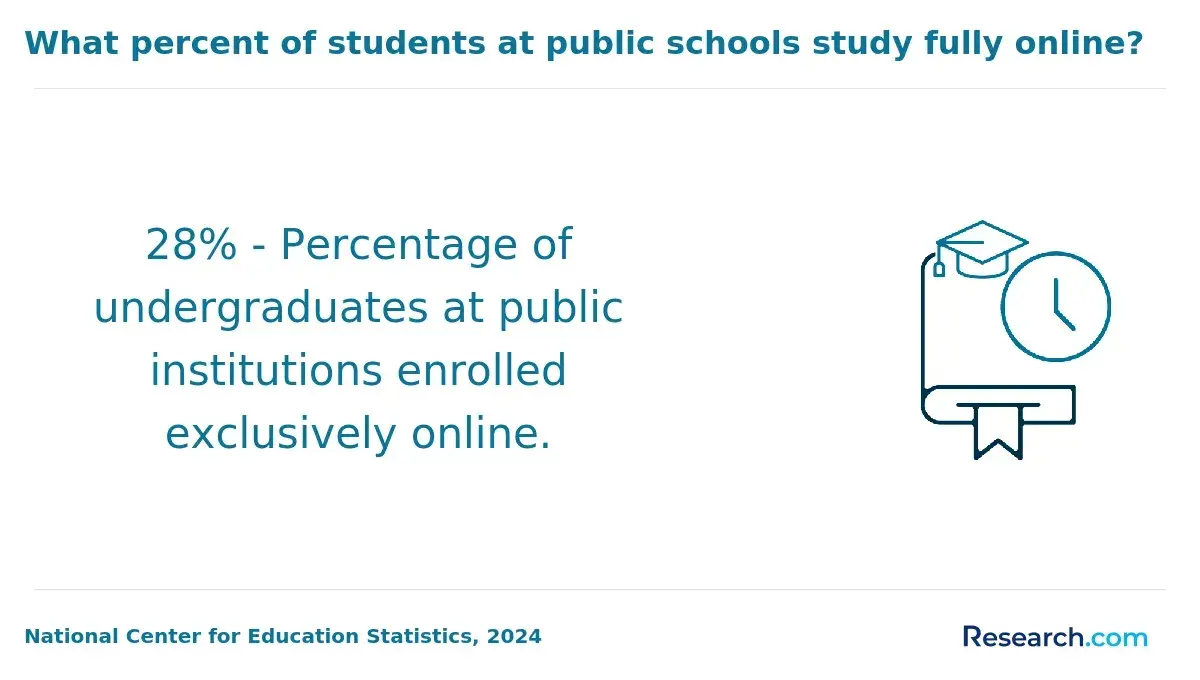
What Prior Credits and Experiences Count Toward a Criminal Justice Degree Completion Program?
Prior academic credits play a pivotal role in Criminal Justice degree completion programs-most notably transfer credits from regionally accredited schools. These credits generally apply toward degree requirements, although acceptance policies differ across institutions and depend heavily on the origin school's accreditation status.
- Transfer Credits: Accepted primarily from regionally accredited colleges, but specifics vary by institution.
- Military Training Credits: Evaluations through the American Council on Education (ACE) allow veterans to convert technical and military experience into academic credit, often accelerating degree progress.
- Professional Certifications: Relevant credentials such as law enforcement or security certifications may qualify for credit via prior learning assessments or formal agreements.
- Prior Learning Assessment (PLA): Portfolios showcasing workplace learning or informal education can be reviewed for academic credit, potentially reducing both time and expenses.
- Credit-by-Examination: Tests like CLEP and DSST enable students to bypass foundational courses through earned examination credit.
Because transfer policies vary widely, prospective students should submit official transcripts early and seek pre-enrollment credit evaluations to ensure maximum recognition of prior learning and avoid unexpected obstacles. Research from the Council for Adult and Experiential Learning (CAEL) confirms that PLA recognition can shorten degree completion by months or even more than a year, generating significant tuition savings and quicker entry into career advancement.
Caution is advised against programs that reject ACE-recommended military credits or impose arbitrary credit limits without clear academic reasoning. Reference to American Association of Collegiate Registrars and Admissions Officers (AACRAO) guidelines can help identify fair and transparent credit policies.
Reflecting on his own experience, a professional who successfully graduated with a criminal justice degree shared that navigating credit acceptance was initially daunting-but ultimately rewarding. "I had to gather extensive documentation of my military training and certifications, then work closely with admissions to assess what counted," he explained. "The process wasn't easy, and at times I felt overwhelmed managing work and paperwork simultaneously. Still, when my credits were recognized, I saw how much faster I could advance-and that kept me motivated." This journey underscored the importance of advocating for oneself and leveraging available policies to make the most of prior learning.
Admission into criminal justice degree completion programs often requires a minimum cumulative GPA on prior college coursework-typically between 2.0 and 2.5 on a 4.0 scale-though these standards vary by institution. Many programs set a baseline GPA of around 2.0 to confirm satisfactory academic performance, while others allow conditional admission for students below this threshold, offering support such as tutoring or probationary enrollment to help improve academic standing.
Flexible Admissions: Certain schools waive strict GPA requirements for working adults with documented professional experience, military training, or relevant certifications-valuing practical skills alongside formal academics.
Holistic Review: GPA is weighed alongside other elements like years of professional experience, letters of recommendation, and personal statements. Many adult-focused programs accredited by regional bodies like the Higher Learning Commission (HLC) utilize such comprehensive evaluations.
Academic Forgiveness: Adults returning after significant breaks from education may benefit from policies that exclude earlier low grades or reset the GPA calculation after a defined non-enrollment period, facilitating degree completion.
Pre-Admission Evaluation: Prospective students should seek formal academic assessments from programs to gauge eligibility realistically before applying, especially when considering minimum GPA requirements for criminal justice degree completion programs for working adults.
Those exploring flexible paths may also find value in reviewing online accounting degree programs that offer insights into accommodating working adults through credit transfer and flexible scheduling.
Degree completion programs in criminal justice often accommodate full-time workers-those putting in 40+ hours weekly-through varied scheduling formats. Evening cohorts let students attend classes post-work, while weekend intensives condense learning into focused blocks. Fully asynchronous online modules provide maximum flexibility, enabling progress anytime, and hybrid models blend these approaches to suit diverse needs. Programs generally advise a part-time course load of 6 to 9 credits per term, balancing steady progress with manageable commitments to avoid burnout.
Many programs follow a cohort learning model where groups advance through courses together, fostering Accountability: peers encourage timely completion; Peer Support: strong networks develop for collaboration and motivation; and Scheduling Predictability: fixed course timetables, often set months ahead, help students juggle work and family demands with less stress.
Research from the National Student Clearinghouse Research Center shows students in cohort-based programs persist and graduate at higher rates than those in open-enrollment formats. The structured environment is key to sustaining momentum amid competing responsibilities.
Those assessing programs should verify policies on Course Cancellation: how low enrollment or disruptions are handled; Make-Up Opportunities: options for missed classes due to unavoidable work conflicts; and Student Success Advising: availability of dedicated advisors who help prevent falling behind by managing scheduling challenges.
Asked about her experience balancing full-time work with studies, a professional graduate recalled the initial struggle to fit coursework around unpredictable shifts. She appreciated the steady rhythm of a cohort, which provided a sense of community and committed deadlines that kept her accountable. "Having classmates and advisors who understood the juggling act made all the difference," she reflected. The program's flexibility-coupled with structured support-helped her move confidently toward her career goals without sacrificing job performance or family time.
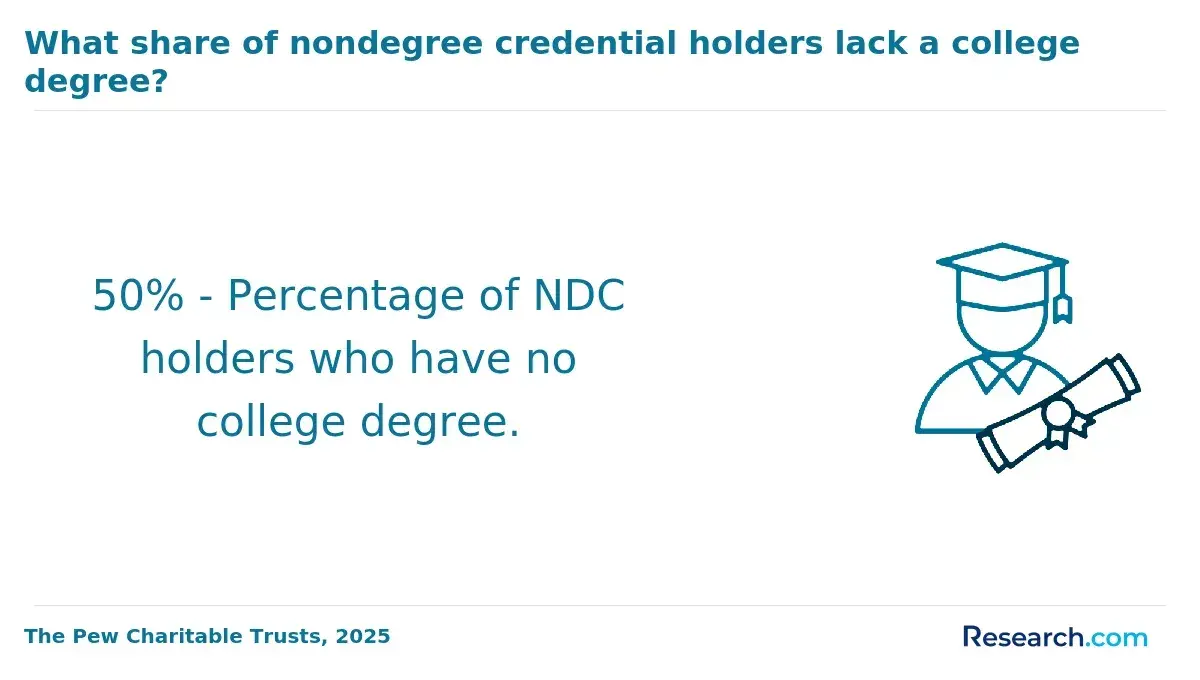
Data from the NCES Integrated Postsecondary Education Data System shows nearly 65% of adult learners in degree completion programs enroll fully online, while approximately 25% opt for hybrid formats blending online and face-to-face instruction. The Online Learning Consortium reports that the COVID-19 pandemic has notably increased institutional capacities for delivering quality online education across disciplines, including Criminal Justice.
- Synchronous Delivery: Live video conferencing sessions enable real-time interaction with instructors and classmates, benefiting those who prefer structured schedules and immediate feedback. However, this requires reliable internet access and coordination with set time zones, which may challenge working professionals with irregular hours or dispersed locations.
- Asynchronous Delivery: Self-paced courses and recorded lectures offer flexibility essential for adults balancing careers and family commitments. This format demands strong self-motivation and discipline to progress steadily without real-time engagement.
- Hybrid Models: Combining asynchronous learning with occasional in-person sessions supports hands-on experience and networking, though logistical issues may arise for individuals located far from campus or unable to travel frequently.
- Quality Considerations: Prospective students should assess faculty expertise, maintain favorable student-to-faculty ratios in online classes, and ensure access to virtual academic advising and tutoring. Verifying that the online program carries the same institutional accreditation as its on-campus equivalent is vital to secure credential recognition.
- Selection Framework: Adults should evaluate how each format aligns with their learning preferences, professional schedules, and geographic constraints. Questions about credit transfer policies, support services, and program alignment with employer or licensure requirements provide insight during enrollment conversations.
- Current Trend: As of 2023, over 58% of Criminal Justice degree completion programs nationwide incorporate some form of online delivery, reflecting widespread institutional efforts to accommodate working adult learners.
Time to complete a criminal justice degree completion program varies widely based on prior credits, enrollment pace, and specific program policies. For students entering with around 60 prior credits-typically an associate degree-part-time study usually spans 18 to 30 months. Those with 90 or more credits often finish within one academic year, especially when enrolled full-time or in accelerated formats. Veterans and adults with prior learning assessments (PLA)-such as ACE-credited military training or workplace education-may shorten this timeframe further, though actual credit transfer approvals differ between schools.
- Credit Award: The more transfer and PLA credits accepted, the fewer courses remain. However, some essential components like capstone projects or internships have fixed durations that can't be shortened.
- Enrollment Status: Full-time or accelerated course loads can speed completion but may be challenging for working adults balancing jobs and family.
- Program Requirements: Internships and field experiences often require set time commitments, limiting the effect of increased course loads on final completion time.
- Financial Impact: Faster graduation reduces total tuition and opportunity costs from lost wages-resulting in earlier entry into higher post-degree salaries. Thus, pacing is a crucial financial decision beyond convenience.
- Realistic Expectations: Students should request in writing each program's average time-to-degree for their specific credit status instead of relying on advertised minimums that reflect only ideal cases.
Taking these factors into account helps working adults align program choices with their professional goals, financial constraints, and life obligations-ensuring a more informed and feasible path to completing a criminal justice degree.
Regional Accreditation: This accreditation is widely respected for criminal justice degree completion programs and is granted by bodies such as the Higher Learning Commission (HLC), Middle States Commission on Higher Education, and the Southern Association of Colleges and Schools Commission on Colleges (SACSCOC). Employers, graduate schools, and the federal student aid system recognize regional accreditation, making it easier for students to transfer credits and qualify for financial aid. Students pursuing an degree in office administration can expect similar benefits when choosing regionally accredited institutions.
National Accreditation: Institutions accredited by agencies like the Distance Education Accrediting Commission (DEAC) often have lower academic standards. Credits from nationally accredited schools may not transfer easily to regionally accredited programs, possibly limiting career advancement or graduate study options. While national accreditation might appeal to adult learners requiring flexibility, it usually lacks strong recognition among employers and licensing boards.
Programmatic Accreditation: Although no widely recognized programmatic accreditor for criminal justice exists comparable to ABET for engineering or CSWE for social work, seeking programs affiliated with reputable criminal justice organizations or certifications helps ensure alignment with professional standards. This influences licensure eligibility, employment prospects, and graduate admissions for holders of an accredited criminal justice degree completion program.
Risks of Unrecognized Accreditation: Beware of completion programs promoted by institutions boasting only national accreditation or approval from unrecognized agencies. Such credentials may damage professional reputation, restrict job opportunities, and limit access to licensure. Prospective students should critically evaluate accreditation claims to avoid costly mistakes.
Verification Tools: Confirm accreditation independently via the U.S. Department of Education's Database of Accredited Postsecondary Institutions and Programs (DAPIP), rather than relying solely on marketing materials. This ensures the chosen criminal justice degree program meets established quality standards critical for working adults balancing career goals and life obligations.
Costs for criminal justice degree completion programs vary by institution type and format. Public regional universities usually charge between $250 and $450 per credit hour for in-state students. Private nonprofit schools tend to ask for $500 to $700 per credit hour, while for-profit institutions range from $400 to $600 per credit hour-sometimes with extra mandatory fees. Additional expenses include technology fees of $50 to $150 per term, course materials, and occasional required residencies or intensives that may add $500 or more per event. These estimates align with NCES tuition data and College Scorecard net price reports related to criminal justice degree completion program cost estimates.
Financial aid options for working adults in criminal justice programs can significantly reduce these expenses. Pell Grants remain accessible to part-time adult learners demonstrating financial need. Employer tuition reimbursement programs often cover part or all tuition, depending on company policies. Military-affiliated students can use GI Bill and MyCAA benefits to offset costs, and many institutions offer scholarships specifically targeting non-traditional adult learners. To access these benefits, completing the FAFSA is crucial-adult learners generally file as independent students to maximize aid eligibility.
Working adults paying out of pocket should consider available tax advantages, such as the Lifetime Learning Credit and employer-paid tuition assistance exclusions up to $5,250 under IRS Section 127. Because tax situations vary widely, consulting a tax professional is advised. When comparing programs, it is important to account for credit transfer policies, employer aid eligibility, and net tuition after financial aid-elements that reveal the true out-of-pocket cost and help balance affordability with career goals.
For professionals weighing degree paths or career shifts, understanding how to maximize prior learning and recognize employer- and licensure-recognized programs is vital. Also, exploring specialized fields, such as forensic psychology, can enrich career opportunities-a perspective highlighted in the pros of being a forensic psychologist.
- Tuition Rates: Public regional universities $250-$450, private nonprofits $500-$700, for-profits $400-$600 per credit hour
- Additional Costs: Technology fees $50-$150 per term, materials, required residencies $500+
- Financial Aid Options: Pell Grants for part-time adults, employer tuition reimbursement, GI Bill and MyCAA benefits, institutional adult learner scholarships
- FAFSA Filing: Adult learners file as independent students to maximize aid eligibility
- Tax Benefits: Lifetime Learning Credit, employer educational assistance exclusion (IRS Section 127)
- Cost Comparison Tips: Account for credit transfers, employer aid, and net tuition-not just sticker price
Completing a bachelor's degree in criminal justice provides a measurable salary advantage over those with some college but no degree-especially in law enforcement, corrections, and related sectors where this credential signals expertise and commitment. Graduates commonly gain eligibility for promotions, advanced supervisory roles, and management positions that mandate a completed degree.
Specific career pathways-such as licensed probation officers, federal agents, and specialized investigators-require degree completion for hiring or certification. Accredited programs satisfy these credential prerequisites and therefore unlock new job opportunities. Working adults finishing their degrees benefit from extensive professional experience, often positioning them to pursue senior or specialized roles immediately, rather than starting at entry-level jobs.
Adult learners targeting graduate studies in areas like law, public policy, or forensic psychology should confirm their chosen program's curriculum and accreditation align with graduate admission standards. When selecting a completion program, prospective students should:
- Maximize Credit Transfer: Prior college coursework, military training, and professional certifications can often be applied to reduce time and cost.
- Ensure Accreditation and Recognition: Verify the institution and program meet standards recognized by employers and licensure boards.
- Consider Flexible Scheduling: Programs offering online or hybrid formats accommodate working adults' varied commitments.
- Evaluate Financial Aid Options: Access to grants, scholarships, and employer tuition assistance can impact affordability.
- Analyze Career Outcomes Data: Investigate program-specific earnings and employment statistics to assess return on investment.
These factors collectively distinguish rigorous criminal justice degree completion programs from generic undergraduate offerings-guiding working adults to make informed decisions that align academic credentials with their professional ambitions and life responsibilities.
Employer hiring research from the Society for Human Resource Management (SHRM) and the National Association of Colleges and Employers (NACE) indicates that most employers focus on the accreditation and reputation of the institution rather than the student's enrollment path or the amount of credit earned via prior learning assessments (PLA). Degrees earned through completion programs-especially in criminal justice-are typically awarded without specifying whether coursework was completed traditionally or through accelerated formats.
Job seekers should list their degree as awarded, leaving out details about the completion program on resumes and applications. When discussing education during interviews, framing the program as tailored for working adults or accelerated can highlight valuable qualities like discipline, time management, and commitment.
- Accreditation: Employers emphasize whether the college or university has regional or national accreditation and recognized programmatic credentials, as this defines the degree's legitimacy.
- Employment Contexts: Certain sectors-such as federal roles regulated by Office of Personnel Management (OPM) standards or professions requiring state licensing boards' approval-may perform more detailed credential verification. Candidates aiming for these jobs should confirm degree acceptance with licensing authorities or human resources before enrolling.
- Professional Experience: In most private-sector criminal justice roles, hands-on experience, demonstrated skills, and references usually carry more weight than how the degree was completed, making the credential a legitimate enhancement rather than a lesser alternative.
What Graduates Say About Criminal Justice Degree Completion Programs for Working Adults
- Emiliano: "Completing my criminal justice degree as a working adult was a game-changer-I especially appreciated programs with flexible scheduling formats that respected my 9-to-5 job and family time. The accredited status of my program gave me confidence that my diploma would be recognized by employers, which made the financial investment feel worthwhile. Plus, their lenient credit transfer policies meant I didn't lose previous coursework, keeping my path to graduation shorter and more affordable."
- Jared: "Thinking back, what stood out most about my criminal justice completion program was how carefully it balanced cost considerations with quality education. Many options look similar on the surface, but high-quality programs clearly outline career outcomes that align with varying professional goals-this helped me see the real value beyond just the tuition price. The structural features of the curriculum-like integrated practical assignments-also made the learning truly applicable to my current law enforcement role."
- Amir: "From a professional standpoint, selecting an accredited criminal justice degree completion program was crucial in enhancing my career prospects. The program's scheduling formats accommodated my rotating shifts without sacrificing academic rigor-something generic undergraduate alternatives rarely offer. Understanding how credit transfer policies vary helped me avoid unnecessary classes, saving both time and money while accelerating my career advancement."
Other Things You Should Know About Criminal Justice Degrees
Admission requirements typically include a completed associate degree or at least 60 transferable college credits. Prospective students may also need a minimum GPA of 2.5 and relevant professional experience, although specific criteria can vary by institution.
Yes, credits earned through accredited criminal justice degree completion programs often transfer toward graduate studies. Schools typically ensure their curriculum aligns with academic standards that graduate programs recognize. However, students should verify credit transfer policies with prospective graduate institutions beforehand to avoid losing credits.
Enrolling in a 2027 Criminal Justice Degree Completion Program typically requires relevant work experience, often 2-3 years in the field. Some programs specifically ask for experience in law enforcement, corrections, or legal studies to ensure practical understanding and successful completion.
- Online Criminal Justice Program Tips | University of Bridgeport https://www.bridgeport.edu/news/succeeding-in-online-criminal-justice-program/
- Online Criminal Justice Degrees (Types, Benefits & FAQ) https://www.allcriminaljusticeschools.com/criminal-justice/criminal-justice-online-degree/
- Find Top Online Bachelor's In Criminal Justice Programs https://www.accreditedschoolsonline.org/criminal-justice/bachelors/
- The Value of a Criminal Justice Degree: Skills, Evolution, and Degree Pathways | University of Arkansas Grantham https://www.uagrantham.edu/blog/the-value-of-a-criminal-justice-degree/
- Financial Aid Tips for Criminal Justice Students https://www.criminaljusticeprograms.com/financial-aid/
- 27 Potential Jobs for Criminal Justice Graduates | Park University https://www.park.edu/blog/27-potential-jobs-for-criminal-justice-graduates/
- 25 Jobs You Can Get With A Criminal Justice Degree https://www.criminaljusticedegreeschools.com/careers/best-criminal-justice-jobs/
- Accredited Colleges Offering Criminal Justice Degrees https://www.collegesanddegrees.com/programs/criminal-justice
- Online Transfer Completion Program for Criminal Justice https://www.niagara.edu/colleges/college-of-arts-and-sciences/online-transfer-completion-program-for-criminal-justice/
- How to Accelerate a Degree in Criminal Justice: Flexible Pathways and Planning Strategies https://www.aiuniv.edu/degrees/criminal-justice/articles/accelerate-online-criminal-justice-degree