2027 State Licensing Differences for Criminal Justice Degree Graduates

Co-Founder and Chief Data Scientist
Licensure requirements for criminal justice graduates vary widely across states, presenting a challenge when pursuing certification or employment. A graduate with a degree from one state may find licensing criteria, such as background checks, continuing education, or state-specific exams, differ significantly elsewhere.
This often causes confusion about eligibility, application timelines, and necessary credentials. Understanding these differences helps prospective and current professionals navigate the licensure landscape efficiently.
This article explores state-by-state variations in criminal justice licensing, clarifies the key distinctions, and offers guidance to align educational achievements with professional requirements nationwide.
Key Points About State Licensing Differences for Criminal Justice Graduates
- State licensing requirements for criminal justice graduates vary widely, with some states demanding extensive background checks and others prioritizing specific training hours or field experience.
- Licensing difficulty differs across states; for instance, California and New York have more stringent prerequisites, making approval processes longer and more rigorous.
- Certain states implement unique renewal systems, such as mandatory continuing education every two years, unlike others that require less frequent or no formal recertification.
What licenses or certifications are available to Criminal Justice graduates?
The Certified Protection Professional (CPP) credential is the most prevalent licensure held by criminal justice graduates pursuing careers in security management. Issued by ASIS International, this certification validates expertise in risk assessment, security program management, and related areas.
With over 30,000 professionals holding the CPP, it remains a key credential for those aiming to advance in criminal justice fields connected to security and loss prevention. However, specific criminal justice licensing requirements by state can vary significantly, affecting how this credential is recognized and utilized across jurisdictions.
Besides the CPP, criminal justice graduates have access to a variety of other licenses and certifications that enhance their qualifications and deepen their specialization. These alternative credentials allow graduates to tailor their career paths according to their interests and the demands of the job market.
Below are some notable options worth considering for individuals exploring state-specific criminal justice certifications for graduates:
- Certified Criminal Justice Addictions Professional (CCJP): Issued by the National Association for Alcoholism and Drug Abuse Counselors, this certification focuses on addiction counseling within justice systems. It supports professionals who address substance abuse challenges in forensic and correctional settings.
- Forensic Examiner Certification: Provided by the International Association for Identification, this credential is designed for graduates specializing in forensic analysis and crime scene investigation. It emphasizes skills crucial for evidence collection and identification processes.
- Professional Probation Officer Certification: Offered by the American Probation and Parole Association, it is intended for those involved in community supervision of offenders. This certification highlights competencies in rehabilitation and offender management.
- Certified Fraud Examiner (CFE): Managed by the Association of Certified Fraud Examiners, the CFE credential prepares graduates for roles in detecting, investigating, and preventing financial crimes and fraud.
- Victim Advocate Certification: Delivered by the National Organization for Victim Assistance, it supports professionals dedicated to providing victim support and advocacy services within the justice system.
Research indicates that 42% of professionals working in the criminal justice workforce possess at least one specialized certification, which often correlates with greater job stability and broader opportunities.
For those interested in how technology influences these pathways, exploring AI degrees offers insight into emerging fields integrated with criminal justice practice.
Is a professional license legally required or voluntary for Criminal Justice graduates?
In most criminal justice careers, holding a professional license is not legally mandatory. However, certain roles, such as police officers, correctional officers, and private investigators, require state-issued licensure or certification to practice lawfully. Working without the necessary license in these fields can result in legal consequences, including fines or job disqualification.
For other positions like crime analysts or probation officers, licensure tends to be voluntary but may provide a competitive edge when seeking employment.
Many employers view licensure or certification as a valuable asset, often giving preference to candidates who hold them. Securing these credentials can enhance career prospects, expand networking opportunities, and demonstrate professional commitment.
Voluntary certification may also help criminal justice graduates stand out in a crowded job market despite not being strictly required by law for all roles.
When discussing these distinctions with a criminal justice professional who completed an online bachelor's program, he shared how navigating licensure requirements was both challenging and eye-opening.
"The process took more time than I expected," he explained, "especially understanding what's mandatory versus optional depending on the job." He also mentioned feeling uncertain at first about whether to pursue certification but realized it "opened doors I didn't anticipate," boosting his confidence and credibility within the field.
How do licensure requirements for Criminal Justice careers differ by state?
Licensure requirements for criminal justice careers vary significantly across states, influencing the certification process for graduates. These differences can affect eligibility and the pathway to becoming a licensed peace officer or corrections official. Common areas of variation include:
- Application and Documentation: Most states require a completed application along with identification verification, but some, like California, demand fingerprint submissions while others have additional paperwork like proof of citizenship or legal residency.
- Background Checks: While all states mandate background investigations, the depth and scope differ. For example, Texas employs extensive background interviews, whereas Florida emphasizes criminal record checks.
- Physical and Oral Exams: Physical fitness tests are generally compulsory, but oral interviews or panel reviews may be optional or required depending on the state. New York often requires in-person panel assessments, but some states waive this step.
- Educational Credentials: Recognition of online criminal justice degrees varies, with states like Illinois accepting regionally accredited online programs while others, such as Georgia, prefer degrees earned exclusively through on-campus study.
Earning a criminal justice degree is a critical first step, but obtaining licensure in this field requires meeting specific educational prerequisites that vary across states. These requirements ensure candidates possess the necessary academic foundation and preparation.
The main educational criteria typically include the following:
- Degree Level: Most states require a minimum of a bachelor's degree in criminal justice, criminology, or a related discipline. Some states accept an associate degree combined with relevant work experience, while others strictly mandate a four-year degree before applying for licensure.
- Credit Hour Requirements: Beyond holding a degree, certain states require completion of specific credit hours. For instance, some licensing boards ask for at least 40 credit hours focused on criminal justice or related social sciences to demonstrate specialized knowledge.
- State-Approved Training: Several states mandate successful completion of preparatory or certification training programs approved by state agencies. These programs bridge the gap between academic coursework and practical licensure requirements, helping candidates develop essential skills.
- Education Verification: Approximately two-thirds of states enforce formal verification of education and training completion. This step ensures compliance with state-specific educational standards before allowing application for licensure.
For students exploring further educational opportunities aligned with career advancement, considering options like online eMBA programs may complement their qualifications by broadening leadership and management skills.
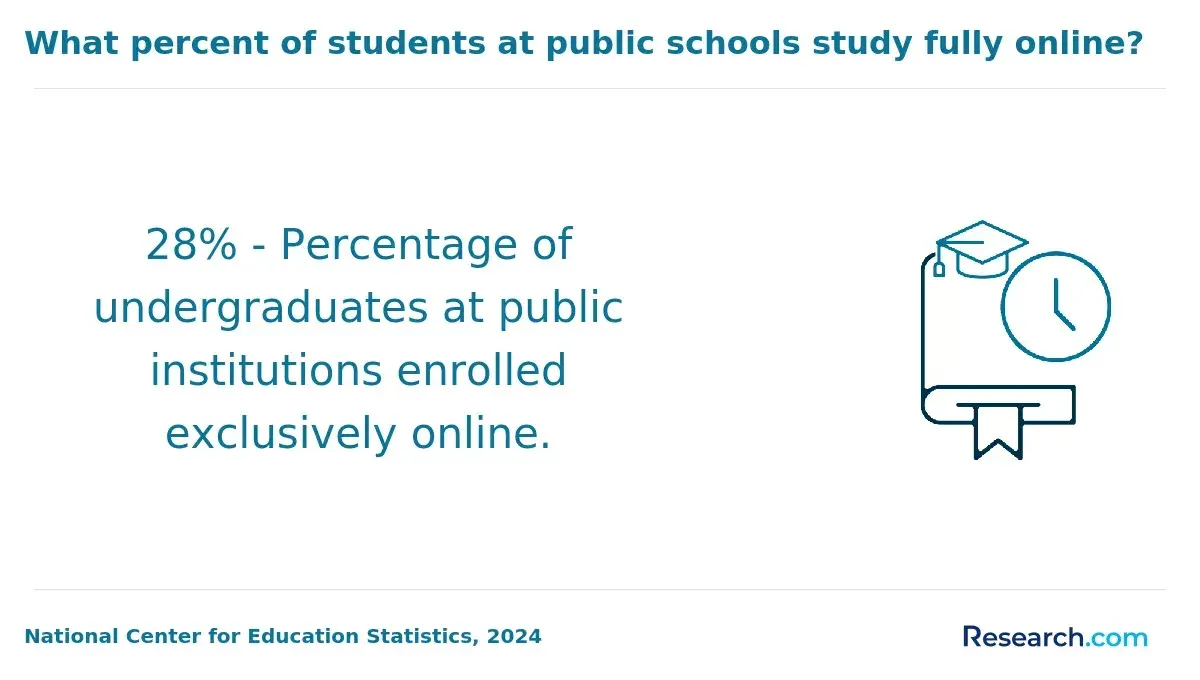
Many criminal justice disciplines use standardized national exams, but states strictly govern administrative policies such as passing scores and retake limits. According to a survey by the National Criminal Justice Education Association, 62% of states have implemented at least one policy variation in licensure exams.
The key areas where states differ include the following:
- Attempt Limits: The number of times a candidate may retake the exam varies, typically ranging from three attempts in New York to five in California before additional training or waiting periods are required.
- Partial Exam Waivers: Some states, like Texas, offer partial waivers for candidates with relevant military or law enforcement backgrounds, while others, such as Florida, require the full exam regardless of prior experience.
- Competency Assessments: Several states are moving beyond traditional multiple-choice exams to include practical, scenario-based tests. Washington and Colorado have piloted competency testing to better reflect real-world job requirements.
- Test-Day Protocols: Rules governing identification and supervision vary widely. Some states maintain strict in-person verification, whereas others, including Illinois, are experimenting with remote proctoring to increase accessibility.
Because of these state differences in criminal justice licensure exam requirements, candidates should carefully review their target state's policies. For those seeking information on related educational costs, an online psychology degree cost resource may provide useful context.
Beyond completing academic coursework, candidates for criminal justice licensure must fulfill a required number of supervised clinical or field experience hours, which differ widely by state. These experiential requirements ensure practical knowledge and skills are gained before certification or licensure.
Some states, including California and Texas, mandate between 400 and 600 hours of hands-on practice, emphasizing direct exposure to real-world criminal justice environments. Conversely, other states require fewer hours, typically between 200 and 300, focusing more on foundational experience to streamline entry into the profession.
Certain states permit some portion of these hours to be completed through simulated exercises or classroom-based practical training, while others demand exclusive engagement with active judicial or law enforcement agencies. This distinction often reflects differing regulatory priorities and resources available.
A recent survey revealed that over two-thirds of criminal justice licensing boards have raised their minimum fieldwork hour requirements by roughly 15%, signaling a nationwide move toward enhanced practical preparation. Applicants should verify the exact requirements with their state licensing boards, as failing to meet these thresholds can delay licensure eligibility.
Many state licensing boards require criminal justice graduates to complete specific local coursework that extends beyond the national curriculum standards. Approximately 62% of states impose such coursework requirements as part of their regional licensing coursework for criminal justice professionals.
Below are some key mandatory topics often included in these specialized state mandates:
- Criminal Law Fundamentals: This essential course covers the legal principles underlying criminal offenses and procedures. States like California and Texas mandate in-depth studies in criminal law to ensure candidates understand both statutory and case law variations.
- Ethics and Professional Responsibility: Ethics courses focus on moral decision-making and integrity in criminal justice roles. Some states emphasize ethics heavily during licensure, reflecting regional demand for accountable practice standards.
- Corrections and Rehabilitation: Topics on correctional systems and rehabilitation methods are required in numerous jurisdictions to prepare professionals for roles within prisons and community supervision. Requirements differ widely, with some states demanding practical experience alongside coursework.
- Investigative Procedures and Techniques: Proficiency in investigative methods is a common requirement, equipping candidates with hands-on skills needed for law enforcement. Florida, for instance, prioritizes training and experience over strict academic coursework in this area.
- Criminology Theories: This subject explores behavioral theories related to crime causation, helping professionals approach cases with analytical frameworks. The scope and depth of criminology coursework vary but remain a core component in many states with specific coursework requirements for criminal justice careers.
Students interested in this profession may explore related options, such as pursuing an online sports management degree, which can provide complementary insights into organizational and legal aspects relevant to criminal justice careers.
The cost of applying for criminal justice licensure varies significantly across states, affecting how accessible certification is for new graduates and professionals. These fees often include administrative processing, background checks, fingerprinting, and sometimes training verification.
Below is a summary highlighting the application fees by state and what they typically cover:
- California: The standard licensure fee is approximately $150, which covers application processing and background checks required for peace officer certification.
- Texas: Texas charges around $120, including fingerprinting and issuance of the license, facilitating a streamlined application.
- New York: Fees exceed $200 due to added requirements such as specialized training credentials, contributing to higher overall costs.
- Arizona: At about $100, the fee covers fingerprinting and an online application process to ease submission.
- Florida and Ohio: Both states charge between $50 and $75, primarily for administrative costs and basic processing.
For those interested in additional credentials, exploring easy certifications to get online can be a beneficial supplement to licensure.
There is currently no nationwide interstate compact or license reciprocity agreement specifically governing licensure for criminal justice careers. Interstate compacts are agreements between states that allow licenses issued in one state to be recognized in another, simplifying the process for professionals moving across state lines.
While such compacts exist for professions like nursing and law enforcement, criminal justice practitioners generally face state-by-state variations without a unified system to ease license transferability.
Most states do not formally recognize criminal justice licenses from other states automatically. However, several states offer licensure by endorsement, permitting individuals with out-of-state licenses to apply for licensure within the new state without starting from scratch.
Licensing boards carefully evaluate whether the applicant's prior education, training, and experience meet local requirements, often through transcripts, certifications, and work history reviews. Additional requirements such as background checks, exams, or continuing education may be necessary before approval.
This fragmented approach means that about 57% of criminal justice professionals experience delays when relocating due to differing state standards. The lack of uniform reciprocity can significantly impact career mobility, requiring careful planning for graduates and professionals who intend to work in multiple states.
Those seeking more information on specific state requirements can consult official state licensing boards or specialized resources within the criminal justice field.
Renewal requirements for criminal justice licenses generally fall within a two- or three-year cycle, with most states mandating fees typically between $50 and $150. Some states offer a shorter, annual renewal period.
Many also impose late fees that can surpass the original charge if payments are delayed beyond a grace period. Continuing education remains a core renewal component, but required hours and acceptable course formats vary widely.
For instance, California demands 24 hours of ethics and legal education every two years, while Florida requires just 20 hours and accepts a broader mix of professional development activities, including online learning and workshops.
Several states enforce unique stipulations that add layers of complexity to their renewal procedures. New York adds requirements like community service or specialized training alongside continuing education credits, which is less common nationally. Illinois requires background checks at each renewal, increasing administrative workload and costs for professionals.
According to a recent survey, 38% of states now provide more flexible online options for continuing education, highlighting a trend toward adapting renewal processes for working adults and busy professionals.
When discussing these variations, a criminal justice professional who completed his bachelor's through an online program shared his experience.
"Keeping track of each state's renewal nuances was confusing. I appreciated the online CE options, but when I moved from one state to another, I faced unexpected demands like extra community service hours and a thorough background check," he said.
He described the process as "sometimes overwhelming," especially balancing work with different deadlines and new local requirements. "It taught me how important it is to stay organized and proactive when managing licensure across states."
What Graduates Say About the Licensing Process in the Criminal Justice Industry
- Emiliano: "Going through the licensure process for criminal justice was rigorous, but it gave me a clear understanding of the legal standards required in different states. I appreciated how each state's certification had unique prerequisites, which meant I had to be diligent about meeting specific criteria before applying. Ultimately, obtaining my license boosted my confidence and made a tangible difference in advancing my career."
- Jared: "Reflecting on my journey, the criminal justice certification process felt like a true rite of passage that required perseverance and careful preparation. What stood out the most was how state regulations influenced not only the exam content but also the practical experience needed. This certification has opened doors for me professionally, proving that the effort invested is truly worthwhile in this field."
- Amir: "From a professional standpoint, navigating the licensure process exposed me to the varying standards across states, which emphasized the importance of thorough research before applying. The impact of holding a criminal justice license cannot be overstated-it's a key factor in building trust and credibility within the industry. I always encourage students to view licensure as both a challenge and an essential step toward long-term success."
Other Things You Should Know About Criminal Justice Degrees
Most states require applicants to undergo comprehensive background checks, including fingerprinting and a review of any criminal history. These checks ensure that candidates meet ethical and legal standards critical for roles in criminal justice fields. The extent and processing times of these checks can vary significantly by state.
Licensing is usually handled by the state agency tied to the job, such as a police standards and training board, peace officer standards board, or corrections department. Many states also require approval from a licensing unit under the Department of Public Safety or a state criminal justice standards commission.
Many states mandate continuing education or professional development programs as a condition for license renewal. These requirements help ensure licensed professionals stay current with legal updates, best practices, and evolving methodologies. The number of required hours and acceptable course topics vary by state and license type.
- What Are the Entry Requirements for a Criminal Justice Program? | University of Bridgeport https://www.bridgeport.edu/news/entry-requirements-for-a-criminal-justice-program/
- Jurisdiction Licensure Reference GuideTopic: Requirements for Licensure by Examination https://www.fsbpt.org/lrg/Home/LicensureByExamRequirement
- How Do State Licensing Boards Handle Applicants with Criminal Records? | Scholars Strategy Network https://scholars.org/contribution/how-do-state-licensing-boards-handle
- Bar Reciprocity By State: The Most Comprehensive List https://www.clio.com/resources/bar-reciprocity/
- Professional Certificate Program https://ncdoj.gov/law-enforcement-training/criminal-justice/professional-certificate-program/
- The Steep Costs of Criminal Justice Fees and Fines https://www.brennancenter.org/our-work/research-reports/steep-costs-criminal-justice-fees-and-fines
- Bachelor, Criminal Justice https://www.studyinpoland.pl/en/programme
- Pursuing Professional Licensure with a Criminal Record https://landonwhitelaw.com/2025/06/pursuing-professional-licensure-with-a-criminal-record/
- Cracking the Code of a Criminologist | CCU Online https://www.ccu.edu/blogs/cags/2019/01/cracking-the-code-to-a-criminologist/
- The Benefits of Earning a Criminal Justice Certificate - Lakewood University https://lakewood.edu/the-benefits-of-earning-a-criminal-justice-certificate/