2027 Highest-Paying Jobs You Can Get With a Criminal Justice Degree

Co-Founder and Chief Data Scientist
Choosing a career path in criminal justice raises critical questions about earning potential-especially when weighing the value of graduate credentials, professional licensure, and certification. Many wonder how their salary could improve by pursuing an advanced degree or industry-recognized licenses, compared to entering the workforce directly or exploring alternative fields. For instance, data shows that criminal justice professionals with a master's degree earn approximately 20% more than those with only a bachelor's degree. This article explores the highest-paying jobs accessible with a criminal justice degree, analyzing the wage premium, certification impact, and return on investment to guide readers toward financially sound career decisions.
Key Things to Know About the Highest-Paying Jobs You Can Get With a Criminal Justice Degree
- Graduate degrees in criminal justice often yield a wage premium of 15-25%-significantly boosting lifetime earnings compared to bachelor's-only credentials.
- Professional licensure and certifications-such as law enforcement or forensic credentials-increase salary potential by validating specialized expertise within competitive markets.
- Criminal justice degrees generally offer better return on investment than alternative pathways, with median salaries 20% higher than those from certificate programs or associate degrees in related fields.
What Exactly Does a Criminal Justice Degree Qualify You to Do in Today's Job Market?
A criminal justice degree opens access to diverse career opportunities within public safety, legal, and corrections fields-providing a credential recognized by employers and licensing bodies, as defined by the U.S. Bureau of Labor Statistics and relevant professional associations. This credential distinguishes graduates by equipping them with key competencies that typically exceed those gained through experience alone.
Degree holders display a blend of expertise valued across the sector, demonstrated in employer job postings analyzed by platforms such as Lightcast and LinkedIn Insights:
- Technical Expertise: In-depth knowledge of criminal law, forensic fundamentals, investigative methodologies, and regulatory compliance.
- Analytical Skills: Proficiency in interpreting crime statistics, evaluating risks, and devising strategic solutions aligned with public safety and legal frameworks.
- Interpersonal Competencies: Effective communication and conflict resolution abilities essential for collaboration with diverse populations and multidisciplinary teams.
It is important to note that a criminal justice degree does not automatically grant licensure-for example, becoming a certified law enforcement officer or probation officer requires additional state-specific exams and physical and ethical standards beyond academic qualifications. Likewise, this degree does not authorize graduates to practice law or provide legal counsel without completing law school and passing the bar exam. Many roles remain accessible to candidates from varied educational backgrounds, although postings for advanced positions strongly prefer degree holders.
Positions requiring credential-gated employment-particularly those in management, specialized investigations, or policy leadership-generally demand at least a bachelor's degree, with many favoring master's or doctoral degrees. This hierarchy also corresponds with the highest-paying criminal justice jobs and salary outlook in the United States.
- Credential Value: Degree holders often earn a noticeable wage premium compared to non-degree candidates.
- Licensure Impact: Certifications and licenses can substantially boost both salary and career prospects.
- Degree Levels: Bachelor's degrees open many entry and mid-level roles; master's and doctorate degrees align closely with the top-tier, highest-paying opportunities.
For those exploring educational options suitable to enhancing their credentials rapidly, considering the easiest masters degree to get online may also be relevant alongside criminal justice pathways.
Which Criminal Justice Jobs Command the Highest Salaries Right Now?
Federal Law Enforcement: Among the highest-paid careers accessible to criminal justice degree holders are federal law enforcement roles, including special agents at agencies like the FBI, DEA, and Secret Service. Median annual salaries hover around $62,000, rising to over $90,000 at the 75th percentile and exceeding $120,000 for top-decile earners. While candidates from diverse academic backgrounds compete for these jobs, a criminal justice degree combined with specialized training and security clearances can provide a clear salary advantage.
- Degree Levels: Bachelor's degrees are standard; advanced degrees and specialized certifications increase earning potential.
- Specializations: Cybercrime, counterterrorism, and white-collar crime investigation typically offer higher salary prospects.
- Industries: Federal agencies lead in pay scales, with state and local law enforcement generally offering lower salaries.
Correctional Management: Roles such as wardens and correctional facility administrators command median salaries near $75,000, with senior managers making over $120,000 annually. A criminal justice degree offers a distinct edge here-especially when combined with leadership experience or advanced credentials.
- Degree Levels: Bachelor's is minimum; master's degrees favored for upper-level management.
- Geographic Markets: Urban correctional facilities typically pay higher wages.
- Employers: State agencies dominate, though private correction firms sometimes offer premium salaries.
Private Security Contractors: Criminal justice graduates in private sector roles like security directors and risk management specialists see median salaries around $60,000, rising to $110,000+ at higher tiers. Competition includes business and management graduates, but criminal justice expertise in regulatory compliance and investigation can boost earnings.
- Degree Levels: Bachelor's preferred; security or cyber risk certifications raise pay.
- Industries: Corporate, energy, and technology sectors provide the most lucrative opportunities.
- Specializations: Cybersecurity risk analysis and corporate investigations offer salary premiums.
Lawyers and Legal Professionals: Some criminal justice graduates pursue legal education, becoming attorneys or paralegals. Criminal law attorneys earn median salaries near $90,000, with top professionals exceeding $150,000. The criminal justice degree serves as a foundational credential, but ROI improves significantly with law school and bar admission.
- Degree Levels: Juris Doctor for attorneys; associate or bachelor's degrees for paralegals.
- Employer Sectors: Pay varies widely between private law firms, prosecutors, and public defenders.
- Geographic Markets: Larger metro areas with expensive legal markets typically yield higher salaries.
Influencing Factors: Salary potential in criminal justice careers varies with degree level, specialization, geographic location, and employer type. Advanced degrees and professional certifications such as Certified Protection Professional (CPP) often translate to wage premiums. Employers in federal and corporate sectors generally pay more than state or local agencies, while metropolitan markets offer higher compensation adjusted for cost of living. Career changers and mid-career professionals assessing the top criminal justice jobs with best salary potential should also explore options like the cheapest master's in counseling online as alternative pathways with different market advantages.

How Does Degree Level-Bachelor's vs. Master's vs. Doctoral-Affect Criminal Justice Earning Potential?
Bachelor's Degree: Many positions in criminal justice-such as law enforcement officers, probation officers, and forensic science technicians-offer competitive salaries with just a bachelor's degree. Median wages typically fall between $50,000 and $70,000 annually, varying by location and employer. In several public safety roles, a bachelor's serves as the baseline credential where pay increases are more tied to experience than additional education.
Master's Degree: Obtaining a master's degree often results in a significant salary increase-usually between 15% and 25% higher than bachelor's holders in comparable jobs. This advanced credential is critical for roles in criminal justice administration, homeland security, or forensic psychology, frequently leading to management or specialized analyst positions with median earnings above $80,000.
Doctoral Degree: Individuals holding doctoral degrees-whether professional doctorates or PhDs-are generally found in academia, policy development, or senior consulting roles. These positions command salaries that can surpass $100,000, yet are limited and highly competitive due to their specialized nature. These degrees are essential for tenure-track faculty, senior policy analysts, and research scientists who require advanced methodological skills and deep expertise.
Credential-Gated Roles: Certain high-paying criminal justice careers require advanced degrees. For instance, master's degrees are often mandatory for federal agency leadership, forensic psychology, and homeland security administration. Doctoral credentials are prerequisites for university professorships, senior policy roles, and government research positions. Licensing boards for forensic psychologists and related counseling professions also mandate graduate education alongside certification, boosting earning potential.
Time-to-Payoff: Prospective students should carefully evaluate the time and financial investment in graduate programs-considering tuition, fees, and lost income-against the incremental salary gains. For mid-career professionals, a master's degree can yield returns within a few years through promotion opportunities, while doctoral degrees generally require a longer horizon to recoup costs but offer more specialized, high-level roles.
Educational Pathways: Those holding a bachelor's degree in criminal justice aiming for the highest salaries should assess if pursuing a master's degree aligns with their career targets. Career changers may benefit from the quickest path to licensure or management roles that require graduate credentials. Veterans can often leverage educational benefits to fast-track advanced degrees and accelerate income growth. Understanding how different degree levels translate into wage premiums helps make informed decisions for career advancement.
When asked about how degree level affects earning potential in criminal justice, a professional who completed the degree explained, "Navigating the jump from bachelor's to master's felt challenging at first-not just academically, but balancing work and family. However, once I earned my master's, I noticed a clear difference in job opportunities and salary offers-that credibility opened doors that were previously closed. The doctoral path, I learned later, is a different commitment altogether, more suited for those aiming at research or academia. For me, the master's was a practical step forward."
Compensation for criminal justice graduates varies significantly across industries, influenced by organizational scale, regulatory complexity, and talent demand. Those seeking the highest-paying industries for criminal justice graduates often find federal government agencies-such as the FBI, DEA, and Department of Homeland Security-offer the top salaries. Positions in intelligence, federal law enforcement, and cybersecurity tend to command premiums due to the high responsibility and specialized skills required.
- Federal Agencies: These employers lead in salary due to extensive budgets and stringent qualifications required for roles in national security and federal investigations.
- Private Sector Security: Large corporations in finance, technology, and pharmaceuticals pay generously to secure assets and comply with complex regulations while addressing rising threats in cybersecurity and fraud.
- State and Local Police: Though typically lower paid than federal positions, metropolitan and unionized agencies often provide competitive wages and additional incentives in high-crime urban areas.
- Legal and Consulting Services: Graduates with advanced degrees frequently enter consulting or law firms focusing on compliance, forensic analysis, and risk management, where compensation reflects client billing rates and expertise.
- Nonprofit and Academia: These sectors tend to offer lower salaries, though nonprofits working on criminal justice reform and academic roles reward advanced credentials with moderate compensation.
- Self-Employment: Private investigators and security consultants can surpass traditional salaries, depending on their client networks and business success.
Salary differences also hinge on degree level, certifications, and job title. For instance, a federal criminal analyst with a master's degree and law enforcement certification may earn upwards of $80,000 annually, while entry-level probation officers with bachelor's degrees in smaller municipalities might start near $40,000. Attaining specialized certifications-such as the Certified Protection Professional (CPP)-combined with expertise in data analysis or forensic accounting significantly improves earning potential. Graduates targeting top employers hiring criminal justice degree holders should prioritize gaining industry-relevant skills, certifications, and internships, especially in federal or large private organizations.
Those interested in expanding credentials might explore PsyD programs online to complement their criminal justice background and open doors to advanced career opportunities.
Metropolitan regions with a dense presence of government agencies and law enforcement tend to lead in median wages for criminal justice roles, although high living costs often moderate actual purchasing power. The Washington, D.C. metro area stands out due to its concentration of federal institutions such as the FBI and Department of Justice, resulting in some of the highest nominal salaries, even as steep housing prices temper their effect. Similarly, the San Francisco Bay Area offers premium pay-especially for cybercrime analysts and forensic experts-but the region's significant expenses make remote work an increasingly appealing alternative.
- Washington, D.C. Metro Area: High federal agency density drives top-tier salaries offset by an elevated cost of living.
- San Francisco Bay Area: Competitive wages in tech-focused criminal justice roles balanced by some of the nation's highest living costs.
- New York City: Large municipal forces and private security firms offer strong pay, though housing and transport expenses diminish net income; hybrid positions blending field and administrative work are on the rise.
- Houston and Dallas, Texas: Robust salaries with comparatively moderate living costs and flexible licensure rules supporting cross-city employment.
- Florida-Miami and Tampa: Growing demand in immigration enforcement and private investigation amplified by favorable cost-of-living conditions.
- Remote and Hybrid Roles: Cybercrime, consulting, and academic research positions permit flexible work locations, allowing professionals to capitalize on salary variations without the burden of urban living expenses.
Choosing between relocating to high-paying metros and pursuing remote roles from affordable areas involves weighing immediate income boosts against ongoing cost challenges and lifestyle preferences. Licensure requirements and client proximity often necessitate physical presence for certain positions, while others embrace flexible models, redefining geographic constraints on criminal justice careers.
One professional who launched her career after completing a criminal justice degree reflected on her geographic strategy. She recalled the difficulty of deciding whether to move to a major city with prestigious agencies or stay closer to family in a smaller market. Ultimately, she opted for a hybrid role that allowed remote work combined with periodic field visits-a solution that balanced both career advancement and personal needs. She described the transition as "challenging but rewarding," emphasizing that understanding local market nuances and licensure demands was vital in making financially sound choices. Her experience highlights how nuanced factors beyond salary figures influence where and how criminal justice graduates can best leverage their degrees.
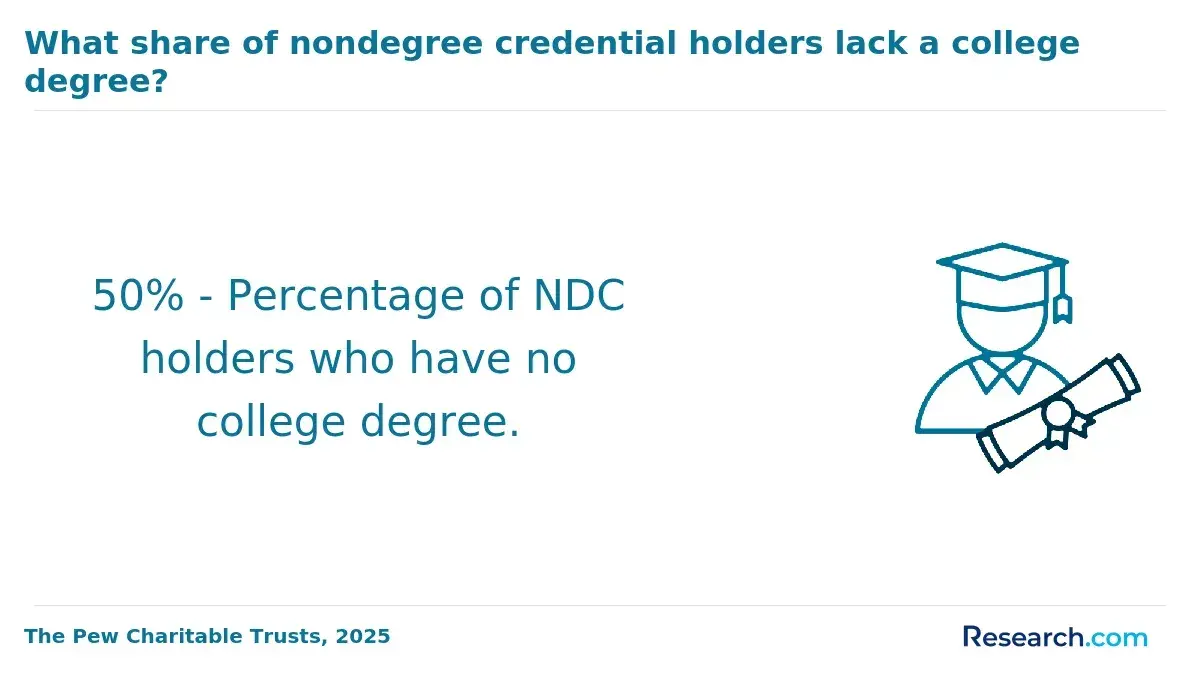
Professional certifications and licensure frequently lead to notable increases in earnings for criminal justice practitioners-validating their expertise and enhancing marketability. Industry salary surveys from organizations like the American Correctional Association (ACA) and the International Association of Chiefs of Police (IACP) report wage premiums ranging from 8% to over 20% for holders of recognized credentials.
Certified Protection Professional (CPP): Awarded by ASIS International, this certification demands relevant criminal justice experience and success on a comprehensive security-focused exam. Renewal requires continuing education credits every three years. Costs range from $250 to $500. Median salary gains for CPP holders are estimated around 15% above base pay.
Law Enforcement Officer Licensure: Most U.S. states mandate passing a state-specific exam plus physical assessments. Renewal involves periodic training. Licensed officers typically earn significantly higher starting salaries than non-licensed counterparts.
Certified Criminal Justice Specialist (CCJS): Offered by select state bodies, this credential usually requires a bachelor's degree, professional experience, and an exam. Ongoing education is necessary for renewal. Salary increases commonly fall between 8% and 12%.
Eligibility: Candidates generally must have educational qualifications or experience, pass knowledge-based exams, and uphold ethical standards. Renewals ensure skills remain current, often involving fees and coursework.
Investment: Costs include exam fees, preparation materials, and periodic renewals, totaling several hundred dollars per cycle.
Employer Preferences: Research which certifications are preferred or mandatory in desired roles. Prioritize credentials accredited by ANSI or NCCA to ensure recognized quality over unverified providers.
The salary trajectory for criminal justice professionals generally progresses with experience, education, and specialization. Entry-level roles-such as police officers, correctional officers, and probation officers-typically offer moderate wages reflecting foundational duties and on-the-job training. According to the Bureau of Labor Statistics, after about five years, median salaries tend to increase as workers gain practical experience and pursue advancement opportunities.
- Mid-Career Growth: Around ten years in, many criminal justice professionals see earnings rise significantly due to promotions into supervisory or management positions, earning advanced degrees like a master's, or obtaining certifications such as law enforcement leadership diplomas. Transitioning into specialized areas like cybercrime investigation or forensic analysis also boosts pay.
- Career Inflection Points: Key turning points in salary come with leadership roles or specialized credentials. Professionals committed to continual skills development-through certified criminal investigation courses or advanced legal studies-often outpace peers without these qualifications.
- Specialization and Leadership: Compensation increases substantially for those recognized as experts in high-demand subfields or holding greater organizational authority. Roles within federal agencies, judicial administration, or private security consulting frequently offer peak-career salaries well above entry-level and mid-career averages.
- Long-Term Benchmarks: Research from the Georgetown Center on Education and the Workforce and industry surveys indicate that criminal justice graduates can roughly double their starting salaries by reaching senior-level positions 15 to 20 years post-graduation. High earners combine graduate credentials, leadership, and business development skills.
- Return on Investment: Graduate education and professional licenses contribute to a measurable wage premium-often outperforming alternative career paths when paired with strategic career planning and geographic mobility.
This longitudinal analysis enables current and prospective criminal justice professionals to set realistic salary expectations and plan strategic career moves that optimize compensation over time.
Specializations and concentrations in criminal justice that align with the highest-paying roles emphasize technical skills, regulatory complexity, and strong labor market demand. Fields like forensic science and cybersecurity clearly stand out-these areas require specialized expertise that supports critical law enforcement and national security functions. Roles such as forensic accounting and digital forensics command premium salaries because of acute talent scarcity and the significant financial or security risks involved. Identifying the highest-paying criminal justice careers by specialization helps students focus on areas with robust salary growth potential.
Criminal psychology is another top criminal justice concentration for salary growth, feeding roles in behavioral analysis and profiling. These jobs typically demand advanced degrees and certifications, blending psychological theory with criminal justice application. The combination of niche expertise and limited expert availability drives increased compensation in this area.
Students early in their degree planning should weigh labor market demand-examining employment growth, government funding, and private sector hiring-rather than purely personal interest. Those already pursuing a general criminal justice degree can pivot toward high-paying concentrations through targeted internships, certification stacking like Certified Forensic Analyst or Certified Cyber Crime Investigator, and relevant continuing education without needing additional full degrees. Prospective students seeking accelerated advancement might consider programs such as a 6 months masters degree online tailored to fast-tracking credentials.
- Return on Investment: Top online criminal justice programs balance cost-effectiveness with strong alumni income outcomes, ensuring practical paths to well-paying careers.
- Credential Impact: Graduate-level concentrations and stacking certifications can boost starting salaries by 15-30% over bachelor's credentials alone.
- Market Trends: Rising demand in cybersecurity and forensic roles highlights society's growing dependence on digital security and evidence-based prosecutions.
- Career Mobility: Specialists gain transferable skills enabling opportunities in federal agencies, private security, and consulting-enhancing salary potential.
The job market for criminal justice professionals reflects a cautiously optimistic outlook for the next decade, shaped by demographic shifts, legislative updates, and rapid technological transformation. According to the Bureau of Labor Statistics, employment growth in many typical criminal justice roles is expected to meet or exceed the national average, supporting long-term earning stability for degree holders. Positions such as detectives and criminal investigators, forensic science technicians, and probation officers are projected to benefit from rising crime complexity and public safety priorities, highlighting the importance of specialization. This illustrates current criminal justice job market growth trends in the United States.
However, not all high-paying criminal justice roles share this growth trajectory. Positions with routine or administrative duties-like some entry-level law enforcement roles and correctional officers-face risks tied to automation, budget pressures, and policy reforms that may limit expansion or encourage outsourcing. Such structural headwinds emphasize the value of advanced credentials and ongoing skill development to maintain competitive advantage.
- Growth Opportunities: Detective and investigator roles are expected to expand due to growing demand for skilled crime analysts, with automation risk remaining low given the complex judgment required.
- Technological Impact: Forensic science positions benefit from advances in digital evidence analysis and biochemical methods that drive demand for tech-savvy professionals.
- Credential Importance: Higher education and professional certifications significantly boost employability and wage premiums, helping to offset market volatility.
- Risk Factors: Jobs dependent on public funding may offer higher pay but tend to have less job security due to cyclical budgetary changes.
- Market Positioning: Expertise in emerging areas like cybersecurity or specialized law enforcement units protects against outsourcing and automation threats.
Students and career changers should consider that the highest-paying criminal justice careers are not always the most secure-investment in continuous learning, credentialing, and exploring easy certifications to get is essential for financial resilience and sustained career growth. An informed outlook on long-term earning stability for criminal justice degree holders will help align educational choices with realistic income goals and risk tolerance.
Leadership roles sit atop the criminal justice career hierarchy-positions like police chief, corrections director, and federal agency manager carry significant responsibility and compensation. These executives oversee functional areas including departmental budgeting, policy implementation, and strategic initiatives that shape entire organizations or jurisdictions.
- Salary Premium: Data from the Bureau of Labor Statistics reveals that management positions in criminal justice can earn 30-50% more than frontline or specialist roles. For instance, supervisors such as police sergeants and detective leaders command substantially higher median wages than patrol officers due to their expanded oversight and decision-making duties.
- Credentials: While a bachelor's degree provides a necessary foundation, successful leaders often supplement it with graduate education-MBAs or master's degrees in criminal justice, public administration, or related fields enhance financial acumen and strategic leadership capabilities.
- Career Pathways: Progression typically spans 7 to 15 years, moving from initial roles in patrol, probation, or case management through supervisory tiers before reaching executive ranks.
- Professional Development: Specialized certifications-such as Certified Public Manager or law enforcement leadership programs-combined with ongoing training in areas like budget oversight and community engagement, help leaders distinguish themselves.
- Organizational Impact: Executives manage multimillion-dollar budgets, direct broad teams, and implement policies that directly affect public safety outcomes-justifying elevated compensation.
- Strategic Advancement: Aspiring leaders benefit from early investment in graduate degrees and targeted roles demonstrating crisis management, resource allocation, and interagency collaboration-key competencies that unlock top-tier salary opportunities.
Technological advances and evolving regulations are reshaping the criminal justice landscape, fueling demand for new career paths with strong salary potential and growth prospects within five to ten years.
- Cybercrime Specialist: Digital reliance intensifies the need for experts skilled in investigating cyber-attacks, fraud, and analyzing electronic evidence. Criminal justice curricula increasingly integrate cybersecurity and digital forensics to equip students for these roles.
- Data Analyst in Criminal Justice: Big data and predictive analytics are transforming crime prevention and law enforcement strategies, creating openings for professionals proficient in statistical methods and analytical software.
- Compliance and Regulatory Advisor: Emerging laws on privacy, trafficking, and police reform drive demand for advisers ensuring organizational adherence to legal requirements, supported by courses emphasizing updated legislation and ethics.
- Forensic Accountant: Complex financial crimes require specialists combining accounting knowledge with investigative techniques trained through criminal justice programs.
- Private Security Consultant: Heightened concerns over physical and digital security spark growth in consulting roles focused on risk management and crisis response.
Students are advised to bolster their criminal justice degrees with computer science, law, statistics, or cybersecurity coursework and explore boot camps or certifications like Certified Fraud Examiner and Certified Information Systems Security Professional to enhance employability for emerging roles.
Targeting growth careers involves risk-some roles may not mature as forecasted or could be disrupted by new technologies. Prospective professionals should weigh early adopter benefits against the stability and scalability of each occupation.
Maintaining awareness through professional bodies such as the American Society of Criminology and labor market intelligence sources like Lightcast and Burning Glass enables candidates to track high-paying, fast-developing occupations, making informed decisions that align with financial goals and career longevity.
What Graduates Say About the Highest-Paying Jobs You Can Get With a Criminal Justice Degree
- Emiliano: "Completing my online criminal justice degree truly boosted my earning potential-I've seen a significant wage premium compared to colleagues without degrees. Getting licensed and certified has opened doors to specialized roles that offer even higher salaries, which wasn't something I fully expected at the start. It's clear to me that investing in a degree delivered better long-term returns than alternative career pathways I considered."
- Jared: "Reflecting on my journey, the impact of professional licensure really stands out-I moved into a higher-paying position after certification that validated my skills formally. The industry and location I chose also played a big role in maximizing my salary; different states and sectors have surprisingly varied pay scales. To me, the criminal justice degree was worth every effort when compared to other routes that promise quick entry but limited growth."
- Amir: "My perspective is that the wage premium tied to having a criminal justice degree is especially notable in federal law enforcement and private security sectors. The return on investment felt very practical-balancing tuition costs with increased earning power showed me the real value in this educational path. I also learned that your geographic location can dramatically influence salary, which made me consider relocation strategically."
Other Things You Should Know About Criminal Justice Degrees
Internships and practicums-especially those supported by the criminal justice program-are crucial for improving starting salaries. These early work experiences enhance practical skills, provide professional networking opportunities, and demonstrate to employers that graduates have hands-on knowledge. Candidates with documented practicum placements often receive higher initial offers compared to those without direct field experience.
The type of employer significantly influences salary levels in criminal justice fields. Public sector jobs-such as law enforcement and correctional agencies-may offer stable benefits but often have fixed pay scales that limit rapid salary growth. Private sector roles, including private security and consulting, sometimes provide higher salaries but with less job security. Nonprofit organizations typically offer lower pay but opportunities to specialize in social justice and community-focused roles.
Regions such as the Northeast, including New York and Washington D.C., and parts of California tend to offer the highest salaries for criminal justice degree holders in 2027, given the higher cost of living and demand for specialized roles in these areas.
- 25 Jobs You Can Get With A Criminal Justice Degree https://www.criminaljusticedegreeschools.com/careers/best-criminal-justice-jobs/
- Criminal Justice Degree Salaries by University https://www.degreedatabase.com/criminaljustice
- What a Difference a Master’s Can Make | Tiffin University https://go.tiffin.edu/blog/what-a-difference-a-masters-can-make/
- Top 10 Highest Paying Criminal Justice Careers - Best Colleges Online https://www.bestcollegesonline.org/highest-paying-jobs/top-10-criminal-justice-careers/
- Should You Earn a PhD in Criminology/Criminal Justice or an Allied Field? https://jeffreyianross.com/should-you-earn-a-phd-in-criminology-criminal-justice-or-an-allied-field/
- Criminal Justice Salary - How Much Can I Make With a Criminal Justice Degree? - Grace Christian University https://gracechristian.edu/blog/criminal-justice-salary/
- Credentials and Certifications that add $$ to Your Salary - Peterson's https://www.petersons.com/blog/credentials-and-certifications-that-add-to-your-salary/
- Is earning a bachelor's, master's, or doctorate in criminology/criminal justice a good stepping stone to becoming a criminal lawyer? | Scilit https://www.scilit.com/publications/735db2df2917d522280c9711179b1193
- Criminal Justice Graduate Jobs https://www.criminaljusticeprograms.com/articles/jobs-for-masters-in-criminal-justice/
- The Value of a Criminal Justice Degree: Skills, Evolution, and Degree Pathways | University of Arkansas Grantham https://www.uagrantham.edu/blog/the-value-of-a-criminal-justice-degree/