2027 Can a Criminal Justice Degree Lead to Remote Jobs?

Co-Founder and Chief Data Scientist
The expansion of remote roles within Criminal Justice sectors reflects evolving operational demands shaped by digital case management systems and virtual monitoring platforms. Degrees in Criminal Justice increasingly incorporate training on software such as RMS (Records Management Systems) and evidence-tracking tools, equipping graduates with competencies vital for decentralized workflows. Practical simulations and virtual labs simulate procedural scenarios, fostering skills applicable beyond traditional field roles.
According to a U.S. Bureau of Labor Statistics report, over 18% of Criminal Justice professionals engage in remote duties, indicating shifting employer openness. This article examines how remote opportunities intersect with typical Criminal Justice career paths, aiding readers in assessing alignment with their professional objectives.
Key Points About Criminal Justice Degrees That Lead to Remote Jobs
- Compliance analyst, cybercrime investigator, and remote probation officer roles leverage criminal justice expertise but often require specialized certifications or technical training, posing a tradeoff between broader degree scope and targeted skill acquisition.
- Employers increasingly expect practical experience paired with online coursework due to rapid digital transformation; this shifts value toward candidates balancing remote internships and accreditation to meet dynamic remote workflow demands.
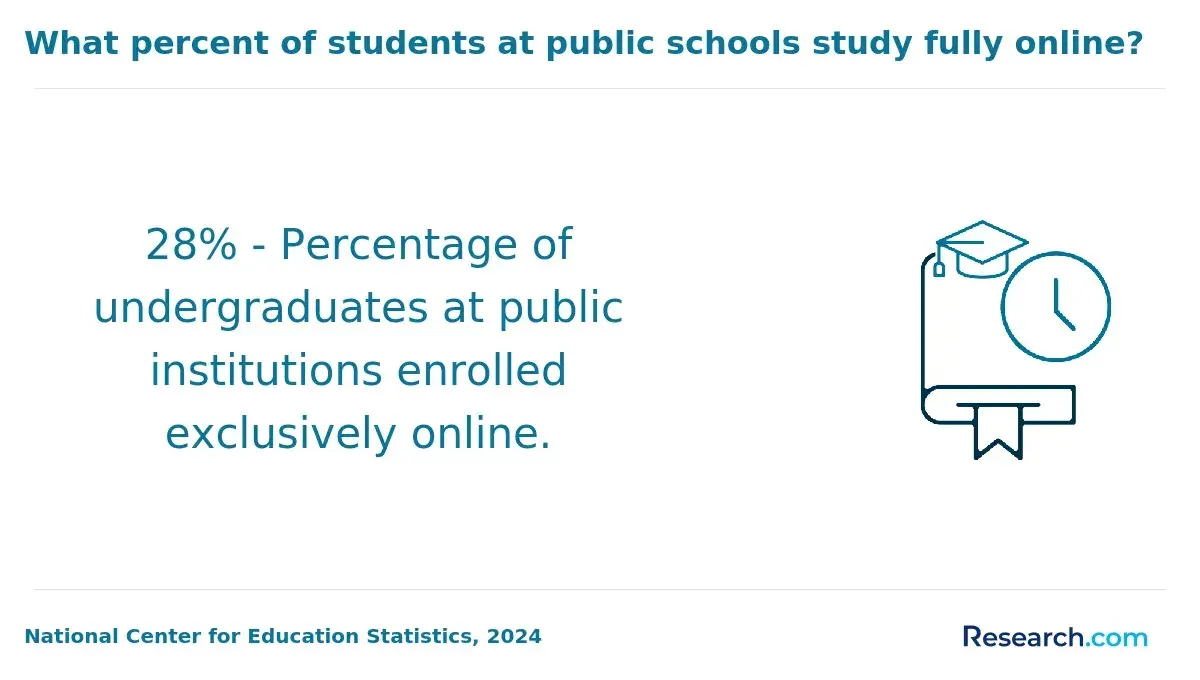
- Data from the National Center for Education Statistics shows adult learner enrollment growth in online criminal justice programs, reflecting increased access yet extended timelines and costs for students balancing career, education, and remote job market entry.
Is it possible for criminal justice graduates to work remotely?
Remote work within the criminal justice field remains limited and largely focused on roles that do not require physical presence. Frontline positions, such as law enforcement or corrections officers, typically demand on-site work, restricting opportunities for remote employment in these areas. However, some specialized roles, especially those centered on administration, research, or policy, are increasingly adaptable to hybrid or fully remote formats.
Positions more conducive to remote or hybrid work for criminal justice graduates include compliance specialists, crime analysts, legal researchers, policy consultants, victim advocates, and forensic accountants.
These roles rely heavily on data analysis, regulatory review, legal documentation, and consultative tasks that can be effectively carried out through secure, remote communication platforms. Employers filling these positions expect candidates to demonstrate strong technical skills, familiarity with digital tools, and the self-discipline needed for independent workload management.
Graduates aiming for remote work should consider augmenting their credentials with relevant skills in data analytics, cybersecurity, or digital communication. While remote roles in criminal justice remain a minority compared to traditional in-person functions, targeted skill development can improve employability in this niche segment, aligning with the sector's gradual shift toward flexible working arrangements in research and policy domains.
What are the typical entry-level remote positions for new criminal justice graduates?
Entry-level remote positions for new Criminal Justice graduates do exist, though they often require a balance of technical skills and adaptability to hybrid work models. These roles generally leverage analytical, research, and administrative competencies.
Below are typical remote positions for criminal justice graduates that illustrate this trend.
- Remote Crime Analyst: This role focuses on examining crime data to identify trends and producing detailed reports to assist law enforcement agencies. The work usually involves independent database analysis and report writing, making it well-suited for remote arrangements.
- Compliance Specialist: Ensuring organizations adhere to legal and regulatory standards, compliance specialists remotely review policies and procedures, utilizing digital tools and communication platforms to maintain oversight without on-site presence.
- Paralegal or Legal Assistant: Supporting legal teams remotely, paralegals handle document review, case research, and administrative tasks. The digitization of case files allows these duties to be performed outside traditional offices, fitting remote or hybrid setups.
- Victim Advocate (Remote or Hybrid): Some advocacy programs have transitioned to virtual formats, enabling advocates to provide support and resources remotely via phone or online platforms, though occasional in-person meetings might still be required.
- Research Assistant for Criminal Justice Projects: Universities, government agencies, and think tanks often hire research assistants to collect data, conduct literature reviews, and prepare written materials remotely, making this a viable entry-level option.
These positions highlight how remote entry-level criminal justice jobs often emphasize tasks like data analysis, research, and communication that can be managed through cloud-based systems and flexible scheduling. However, fully remote opportunities are typically concentrated in agencies with advanced digital infrastructures or private firms adapting to modern work styles.
Graduates should be prepared for roles blending remote work with some on-site responsibilities, reflecting employer expectations in this sector. For those looking to deepen technical proficiency, programs like the AI degree may provide complementary skills that enhance employability in data-driven criminal justice roles.
Are there senior-level remote positions for criminal justice professionals?
Senior-level remote positions for new criminal justice graduates are limited but do exist, primarily where leadership can leverage technology for oversight and strategic tasks. These remote leadership roles in criminal justice careers rely heavily on digital communication and data analysis, allowing work outside traditional office settings.
The following are five senior job titles that frequently offer remote or hybrid work arrangements:
- Cybercrime Investigator: This position involves probing digital crimes like hacking and online fraud. Much of the investigation and evidence evaluation can be done remotely, with physical fieldwork coordinated with local enforcement as needed.
- Compliance Manager: Senior compliance roles in corporate or government sectors focus on ensuring regulatory adherence. They review reports, update procedures, and oversee audits remotely through virtual collaboration platforms.
- Crime Analyst Supervisor: Leading teams that interpret crime patterns, these supervisors utilize crime databases and GIS technology, enabling them to perform analysis and reporting largely offsite.
- Probation or Parole Director: While frontline officers engage directly with clients, directors manage policies, staff, and community relations, often balancing remote work with essential in-person meetings under hybrid models.
- Legal or Policy Advisor: These advisors develop and review legal frameworks and policy reforms for agencies and nonprofits. Their work involves extensive research and document preparation that can be efficiently handled through remote digital platforms.
While some senior-level remote jobs in criminal justice capitalize on technology, they usually still require occasional onsite interaction due to the sensitive nature of the work. Candidates targeting these roles should build strong communication skills and proficiency with secure remote tools alongside their substantive expertise.
For those considering further education to enhance remote job prospects or leadership skills, exploring options such as the cheapest masters in psychology online may provide complementary knowledge beneficial to multidisciplinary oversight roles.
Remote positions for criminal justice graduates exist across several industries, each adapting roles to fit hybrid or fully distributed models. Below are five sectors most actively hiring criminal justice professionals for remote work arrangements.
- Cybersecurity and Information Security: These roles emphasize threat monitoring, compliance investigations, and regulatory oversight, leveraging remote workflows to analyze digital risks without on-site presence. Practical responsibilities often include research and reporting balanced with necessary on-site technical support.
- Financial Services: Employers in this sector seek criminal justice graduates for fraud detection, anti-money laundering, and risk evaluation roles. The digital nature of data analysis here supports both hybrid and fully remote schedules, enabling professionals to work across departments without being physically present.
- Legal Consulting and Investigations: Remote opportunities focus on case research, analysis, and preparing legal documents. The flexibility afforded by remote work helps specialists collaborate across jurisdictions and engage clients without traditional office constraints.
- Government Agencies: While frontline enforcement duties typically require physical presence, administrative, research, and IT support roles within regulatory and policy units offer more remote work options. Hybrid approaches are common, reflecting the balance between operational needs and flexible work arrangements.
- Private Security Firms: Firms involved in investigations, compliance audits, and risk management hire for remote roles centered around digital surveillance, threat intelligence, and report preparation. The technology-driven tasks in this sector facilitate hybrid environments, reducing the necessity of constant on-site work.
Generally, remote criminal justice jobs gravitate toward analytical, investigative, and compliance-focused functions where digital tools replace traditional physical oversight. Despite these openings, many roles still require some on-site involvement due to operational constraints and law enforcement duties.
Remote salary differences in criminal justice careers often reflect distinct employer priorities and job functions. On-site roles, typically involving direct law enforcement, forensic investigation, or courtroom support, tend to offer higher average pay. The need for physical presence and hands-on duties makes these positions less flexible, which employers compensate with greater salary levels compared to remote equivalents.
Employers frequently adopt geographic pay tiering when determining the on-site versus remote pay scale for criminal justice jobs. Remote workers located in costly metropolitan areas may earn salaries similar to their on-site peers, while those in lower-cost regions might receive reduced compensation to align budgets with local economic conditions. Nonetheless, niche specialties such as cybersecurity analysts or digital forensic experts often command competitive remote salaries due to a scarcity of qualified candidates.
Remote roles in criminal justice remain limited mostly to administrative, research, or specialized technical positions. Professionals seeking to transition into these opportunities should consider the practical salary tradeoffs shaped by regional adjustments and job specialization. For additional guidance on related educational pathways, a credible resource is the online accounting degree listings, which can provide insight into flexible skills applicable across fields.
Working remotely with a criminal justice degree introduces specific operational and professional challenges that can complicate effectiveness and trustworthiness in sensitive roles. Addressing these hurdles is critical for maintaining security, collaboration, and visibility within remote work environments.
The following points highlight key obstacles with explanations and potential approaches for mitigation.
- Data Security Risks: Criminal justice professionals often manage confidential information requiring stringent protections. Remote access over potentially unsecured home networks raises the risk of breaches, necessitating enhanced encryption, VPN use, and multifactor authentication to safeguard sensitive data.
- Limited Access to Secure Resources: Many tasks require interactions with protected databases or physical files that are not easily accessible remotely. Professionals must coordinate with agencies to enable secure remote connections or rely on hybrid models to ensure critical information remains available without compromising security.
- Slower Communication and Workflow: Remote setups reduce immediacy in information exchange, impeding prompt peer review and error correction. This lag is impactful in evidence analysis or report preparation where accuracy and speed are essential. Regular check-ins and defined communication protocols can help minimize delays.
- Proximity Bias and Reduced Visibility: Working offsite may lower one's profile with supervisors, potentially affecting performance assessments or the ability to influence decisions. To counter this, remote professionals need proactive status updates and visible contributions to maintain recognition and accountability.
- Challenges Using Specialized Software: Many criminal justice tools have system requirements or licensing constraints not optimized for remote use. Overcoming this involves acquiring remote-compatible software versions or using virtual desktop infrastructures that securely support specialized applications.
A criminal justice professional who completed an online bachelor's program shared that adapting to remote workflows was initially overwhelming because "accessing certain databases required extra clearance steps that weren't well-integrated remotely." He noted that delays in communication "sometimes meant waiting hours for clarifications that would take minutes face-to-face."
Despite these issues, he emphasized learning to document work progress meticulously and maintaining regular virtual meetings as essential strategies. He also mentioned feeling concerned about being "less visible to supervisors," which prompted him to over-communicate accomplishments to avoid being overlooked. This firsthand experience reflects the ongoing balance between operational demands and remote work realities within criminal justice careers.
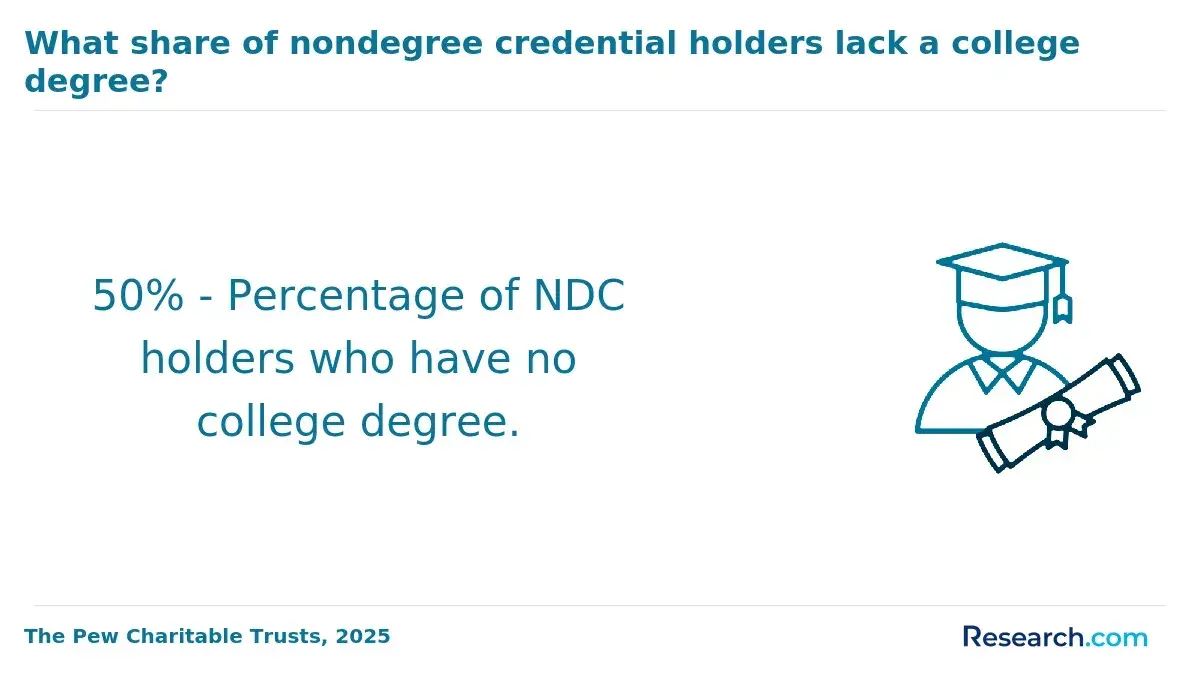
Certifications tailored to criminal justice roles can substantially affect remote hiring outcomes by validating specialized skills relevant to digital and investigative environments. Below are five certifications that consistently improve remote employment prospects in this field.
- Certified Fraud Examiner (CFE): Focused on fraud detection and prevention, this credential demonstrates proficiency in complex financial investigations. Candidates usually need relevant work experience and to pass an exam, making it valuable to remote roles in compliance and financial crime analysis.
- Certified Digital Forensics Examiner (CDFE): This certification verifies expertise in retrieving and analyzing digital evidence. It supports remote work by equipping graduates with technical skills necessary for virtual forensic investigations across diverse jurisdictions.
- Certified Information Systems Security Professional (CISSP): Widely regarded in cybersecurity, CISSP validates knowledge in protecting information systems. Remote criminal justice jobs requiring strong security acumen often prioritize this credential, which requires proven experience and passing a rigorous exam.
- Law Enforcement Information Technology Professional (LEITP): Designed for professionals integrating IT solutions in policing, this certification signals capability in managing digital law enforcement systems. Its relevance to remote positions lies in managing technology-dependent investigations and data analysis.
- Private Investigator License or Certification: Varying by jurisdiction, this licensure certifies investigative qualifications. While often tied to in-person authority, having this certification can strengthen remote contract or consultative jobs requiring validated investigative credibility.
Certification bodies such as (ISC)² and the Association of Certified Fraud Examiners set industry standards that emphasize both technical and criminal justice competencies for remote work readiness. Criminal justice graduates who pursue these certifications enhance their appeal in a competitive market increasingly shaped by remote-friendly job requirements.
For students exploring alternatives or additional credentials, comparing pathways like those leading to a project management degree jobs may also broaden remote employment options by combining investigative expertise with organizational skills.
Criminal justice degree students seeking remote roles must adapt to unique hiring criteria that emphasize independent work and asynchronous communication. Enhancing remote job prospects involves deliberate strategic efforts tailored to the operational realities of virtual criminal justice positions.
Below are five key strategies that improve employability for remote opportunities in this field.
- Develop a digital portfolio with project samples: Building a portfolio that includes investigative case studies, policy analysis briefs, or data evaluations demonstrates practical capabilities employers require. Such tangible evidence highlights a candidate's ability to manage complex tasks autonomously and track outcomes.
- Leverage specialized remote job platforms: Targeting platforms like We Work Remotely or Remote.co exposes candidates to roles explicitly seeking remote criminal justice professionals. These niche boards often list positions not found on general job sites, improving visibility to relevant employers.
- Engage in professional online communities: Active participation in Slack channels, LinkedIn groups, and forums focused on criminal justice and public safety fosters networking with recruiters and peers. This direct interaction can lead to referrals and insights about remote hiring trends specific to the discipline.
- Prepare for asynchronous evaluation tasks: Remote hiring frequently includes assignments such as case file reviews or compliance proposal drafting without real-time guidance. Practicing clear, concise written communication and time management prepares candidates for these challenges and reflects essential remote work skills.
- Master relevant software tools: Familiarity with legal databases, case management systems, or data visualization software sets candidates apart. Demonstrating proficiency and outcomes with these applications shows readiness to handle the technical demands of remote criminal justice roles.
Embedding these approaches aligns with effective strategies for criminal justice students to secure remote employment by emphasizing demonstrable skills and remote work adaptability. Those interested in accelerating their educational timeline can explore fastest online masters options to supplement their qualifications efficiently.
Remote roles within criminal justice shift the emphasis from traditional supervision to self-directed accountability and data-driven performance metrics. Because these positions lack in-person oversight, professionals must excel in communication and independently meet performance indicators such as timely reporting and case quality, often tracked through digital platforms. This environment necessitates consistently demonstrating leadership through concrete deliverables rather than informal interactions.
The absence of face-to-face networking can hinder relationship-building that typically supports promotions and internal mobility. Remote workers need to proactively cultivate visibility via virtual meetings, comprehensive documentation of successes, and engagement in cross-functional projects. These strategies help compensate for fewer spontaneous opportunities to connect with decision-makers and mentors in physical settings.
This adjustment impacts long-term career trajectories by rewarding those who can leverage technology to align with organizational goals and demonstrate adaptability. While remote work can democratize performance evaluation through clear milestones, it also places greater responsibility on individuals to manage their professional development strategically. Navigating this balance is critical to sustaining upward mobility and leadership opportunities within distributed criminal justice environments.
Remote careers in criminal justice face mixed prospects, with sustainability hinging largely on job function and tech integration. Roles grounded in data analysis, cybersecurity, compliance, and virtual investigations align better with remote structures than site-based positions like policing or corrections, which require physical presence.
Emerging technologies-such as AI for predictive policing and blockchain for secure evidence tracking-are reshaping workflows, making some specialized tasks more adaptable to remote execution. However, these advances come with elevated demands for secure digital infrastructure and strict data privacy, which not all employers or agencies can implement at scale.
Corporate and institutional attitudes tend to favor remote arrangements mainly where technology enables clear productivity and security metrics. As economic conditions shift, budget constraints might prioritize tech-enabled remote roles that reduce overhead but still emphasize strong digital collaboration skills. Criminal justice professionals without continuous upskilling in relevant technologies and cybersecurity protocols risk losing competitiveness as the field grows increasingly digitized.
When asked about the long-term sustainability of remote criminal justice careers, a professional who completed an online Criminal Justice bachelor's program shared that transitioning into hybrid or fully remote roles was not straightforward. He noted the difficulty in finding openings outside traditional fieldwork and described a steep learning curve adapting to new software tools and virtual teamwork norms.
"It felt like two jobs-mastering the justice content and learning tech skills at the same time," he explained. Despite these challenges, he emphasized that maintaining professional networks and showing ongoing adaptability proved essential to securing and retaining remote opportunities. His experience highlighted that success depends heavily on blending justice expertise with evolving digital competencies over time.
What Graduates Say About Criminal Justice Degrees That Lead to Remote Jobs
- Emiliano: "My degree in criminal justice helped me secure a remote role as a compliance analyst at a private consulting firm. The hiring managers valued my internship experience and the research portfolio I developed during the program more than any formal licensure. Working remotely means I spend a lot of time digging through case files and regulatory materials independently, which suits my analytical mindset, but I've noticed upward mobility can be limited without gaining additional certifications or in-person agency experience."
- Jared: "After graduating with a degree in criminal justice, I pivoted into remote victim advocacy work, which wasn't my original plan but turned out to be a great fit. The remote setup offers flexibility that public-facing roles rarely provide, although it took patience to convince employers that my remote communication skills and field internships made me a strong candidate despite no traditional law enforcement background. The biggest challenge has been navigating the blurred lines between work and home life while maintaining client confidentiality."
- Amir: "My criminal justice degree opened the door to a remote data analysis position with a federal agency, where I support investigations indirectly. Employers in this space often prioritize technical skills and certifications over formal licensure, so supplementing my degree with data tools paid off. Remote work has been a double-edged sword; I appreciate the faster entry into the workforce and location independence, but sometimes missing out on office interactions can slow collaboration on complex cases."
Other Things You Should Know About Criminal Justice Degrees
In 2027, criminal justice graduates can pursue remote roles such as fraud analyst, legal researcher, compliance officer, or cybersecurity consultant. These roles leverage investigative skills and legal knowledge, requiring proficiency in digital tools and often involve collaboration across virtual platforms.
In 2027, employer expectations heavily emphasize practical experience for remote positions in criminal justice. Graduates need to demonstrate field-related competencies, often acquired through internships or project-based learning, to meet these expectations. Practical experience is crucial in standing out for remote roles, where direct on-the-job learning is less feasible.
Key technical skills for remote criminal justice roles in 2027 include proficiency in digital communication tools, data analysis, cybersecurity, and familiarity with crime mapping software. Mastery of these technologies can significantly enhance job prospects and effectiveness in remote settings.
- Criminal Justice Jobs: 11 Careers You Can Pursue With a Criminal Justice Degree | PLNU https://www.pointloma.edu/resources/accelerated-undergraduate/criminal-justice-jobs-11-careers-you-can-pursue-criminal
- Careers - IPS Innovative Prison Systems https://prisonsystems.eu/careers/
- Criminal Justice Certifications- Secrets You Need to Know https://lakewood.edu/criminal-justice-certifications/
- 15 Common Challenges of Remote Work and How to Overcome Them | South https://www.hireinsouth.com/post/15-common-challenges-of-remote-work-and-how-to-overcome-them
- Remote vs Onsite Jobs in Germany: Key Pros & Cons by Talents2Germany https://talents2germany.de/remote-vs-onsite-jobs-in-germany/
- 10 Legal Issues and Compliance in Remote Work (2025) https://nativeteams.com/blog/legal-issues-in-remote-work
- Onsite vs Remote vs Hybrid Jobs: Salary, Pros & Cons | Blog https://www.ttecjobs.com/en/onsite-vs-remote-vs-hybrid-jobs-salary-differences-pros-and-cons
- Digital Nomads in 2026: Remote Work Monitoring Challenges, and How to Overcome Them https://www.kickidler.com/info/ra-of-digital-nomads-10-common-challenges-of-digital-nomad-jobs-monitoring.html
- Remote Work Challenges & Solutions | Hire Overseas Guide https://www.hireoverseas.com/blogs/remote-work-challenges