2027 Does an Online Criminal Justice Degree Qualify You for Licensure?

Co-Founder and Chief Data Scientist
Is an online criminal justice degree sufficient for obtaining licensure in professional roles? Many working adults exploring flexible education options question whether distance learning meets stringent certification standards and state board requirements. With nearly 70% of criminal justice graduates pursuing roles requiring supervised training or certification, understanding accreditation and eligibility is critical.
Licensing often involves more than degree completion, including internships, practical experience, and passing state exams. This article examines the criteria governing licensure for online criminal justice degree holders and identifies key factors students should assess before enrollment to ensure their education aligns with professional licensing pathways.
Key Things to Know About Online Criminal Justice Degree Licensure Qualifications
- Accreditation and program approval by recognized bodies ensure online criminal justice degrees meet licensure standards required by many states and employers.
- State-specific licensure criteria vary widely, making it essential for graduates to verify their online program's acceptance in their target licensure jurisdiction.
- Clinical, practicum, or supervised experience components often form mandatory parts of licensure eligibility, with nearly 60% of states requiring fieldwork for criminal justice professionals.
Does an Online Criminal Justice Degree Qualify You for Licensure?
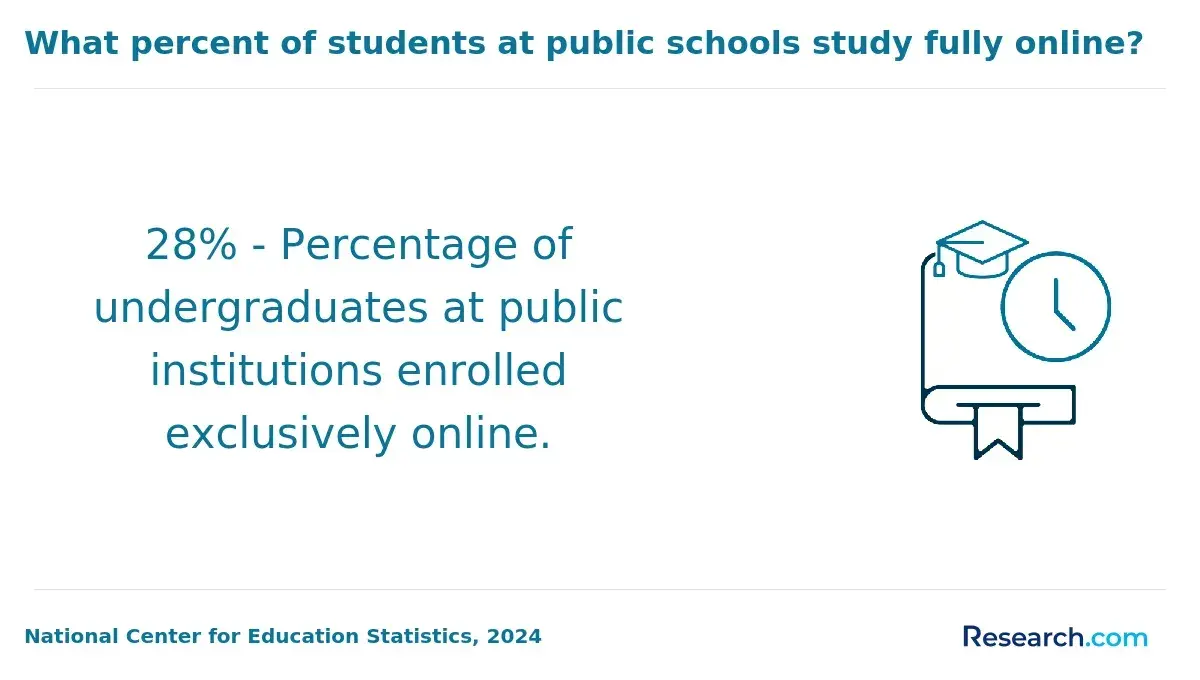
Online education has become increasingly common in fields that lead to licensure, with enrollment in distance education courses growing by over 70% since 2012 according to the National Center for Education Statistics. This trend reflects a broader acceptance of online degree programs, including those designed for licensure-track students. However, whether an online criminal justice degree qualifies you for licensure depends on several important considerations. Understanding the nuances of program quality and standards can clarify eligibility for professional licensing.
The main factors influencing whether an online criminal justice degree meets licensure requirements include institutional recognition and program structure, especially the incorporation of required practical components. Prospective students should ensure their degree aligns with the established licensure standards, as qualifications for criminal justice licensure with online degree programs depend heavily on meeting these criteria. Verifying online criminal justice degree licensure requirements by state is critical since licensure boards prioritize degrees from accredited schools with comprehensive curricula. As you explore educational paths, consider resources like the best college majors for the future to guide your decision-making.
Which Criminal Justice Careers Require Professional Licensure?
Professional licensure in certain criminal justice careers ensures practitioners meet strict competency, ethical, and safety standards. Nearly 30% of all U.S. occupations require a license or certification, reflecting the importance of regulation in protecting public welfare. Below are several criminal justice roles where licensure is essential before individuals can legally practice or provide services.
- Private Investigator: Licensing verifies that private investigators possess the knowledge and skills to conduct investigations lawfully and ethically, safeguarding individuals' privacy and preventing misuse of investigative authority.
- Probation and Parole Officer: These officers require licensure to effectively supervise offenders, ensure legal compliance, and provide rehabilitation support, fostering trust and professionalism in community interactions.
- Bail Bondsman: Licensure confirms that bail bondsmen operate within legal boundaries, responsibly manage financial transactions, and maintain ethical standards to protect both accused individuals and the justice system.
- Forensic Specialist: Certification or licensure ensures forensic experts meet rigorous scientific and ethical standards, critical when their analyses impact legal decisions.
- Mental Health Counselor: Working within the criminal justice system, licensed counselors provide appropriate psychological support to offenders and victims, upholding ethical conduct and client well-being.
A criminal justice degree graduate I spoke with shared his experience navigating licensure requirements. "It was eye-opening how much the process tested both my knowledge and patience," he said. He described balancing coursework with preparing for licensing credentials as a challenging but necessary step to ensure readiness. "The licensing process felt like a rite of passage-it reinforced why these jobs come with high responsibilities." His reflections highlight the significant commitment involved in pursuing licensed criminal justice careers.
What Accreditation Is Required for Criminal Justice Licensure?
Program accreditation plays a critical role in determining eligibility for licensure in criminal justice professions by verifying that educational standards meet licensing authorities' expectations. Studies indicate that graduates from accredited criminal justice programs have about a 20% higher pass rate on licensure exams compared to those from non-accredited schools, highlighting accreditation's impact on professional readiness. The following are key accreditation bodies relevant to licensure recognition in criminal justice fields.
- Academy of Criminal Justice Sciences (ACJS): Regarded as the foremost accrediting agency for criminal justice education, ACJS ensures that programs maintain academic rigor and industry relevance. Many licensure boards accept ACJS accreditation as evidence of a comprehensive, quality curriculum.
- Regional Accreditation Agencies: These organizations assess entire institutions to confirm adherence to broad academic and operational standards. Holding regional accreditation is often a baseline requirement for the validity of degrees and licensure eligibility across many professions.
- Council on Social Work Education (CSWE): For students combining criminal justice with social work licensure aspirations, CSWE accreditation certifies that programs comply with national social work educational standards, which can support dual licensure pathways.
- Commission on Accreditation for Law Enforcement Agencies (CALEA): Although primarily focused on accrediting law enforcement agencies rather than academic programs, CALEA's standards influence educational quality benchmarks considered by some licensing bodies evaluating law enforcement-related education.
- Distance Education Accrediting Commission (DEAC): As online programs expand, DEAC accreditation validates the quality of distance learning in criminal justice education, supporting licensure eligibility for graduates of online degree programs.
Licensure eligibility for criminal justice careers often hinges on state-specific regulations, affecting graduates of both online and traditional programs. Nearly 30% of states maintain distinct licensing or certification standards that impact whether an online criminal justice degree is accepted. This variability shapes how a degree aligns with professional qualifications across states. The following examines how these differences influence licensure.
State-specific licensing regulations for criminal justice professionals create uneven educational prerequisites; some states require coursework or credit hours that not all online programs provide. Recognition of online degrees can vary widely, with certain states demanding regional accreditation or specific curricular content. Consequently, candidates' eligibility to practice professionally depends on meeting these localized criteria, highlighting the lack of uniform standards nationwide. Prospective students should verify how their chosen program matches the licensing requirements in their intended state of employment, especially since interstate transferability of licensure is limited.
For students weighing career options, exploring what degrees make the most money alongside state licensure mandates can inform decisions about program selection and professional pathways.
Online criminal justice degree programs are designed to align with the coursework expectations necessary for professional licensure, ensuring graduates meet industry standards. In 2022, more than 6 million U.S. students took at least one online course, underscoring the growing trust in virtual education for career-focused training. Below are key course categories commonly required for licensure eligibility in online criminal justice degrees.
- Foundational Theory: These courses cover the essential principles, history, and systems of criminal justice, providing a critical understanding of how the sector operates and evolves.
- Applied Practice: Focused on hands-on skills, this coursework addresses law enforcement tactics, corrections, and court procedures to prepare students for real-world scenarios.
- Ethics and Responsibility: Coursework in this area underscores the importance of moral standards, integrity, and accountability critical to practicing criminal justice professionally.
- Research Methods: These classes teach students how to collect, analyze, and interpret data, supporting evidence-based decisions and policy evaluation.
- Legal Studies: Topics include constitutional law and legal frameworks that form the backbone of criminal justice policies and practices.
A professional with a criminal justice degree shared that navigating the required courses online was both challenging and rewarding. She emphasized that while self-discipline was crucial to stay on track, the structure of the programs helped her develop a strong theoretical base alongside practical skills. "Taking ethics classes made me rethink many assumptions about accountability in the field," she noted, adding that research courses significantly boosted her confidence in handling case data. This balance of academic rigor and applied knowledge was instrumental in meeting licensure requirements and preparing her for career advancement.
Many online criminal justice programs designed to meet licensure requirements include internship or practical experience components to ensure students gain hands-on skills. Research shows that about 68% of fully online or hybrid criminal justice degree programs integrate internships or practicum experiences to better prepare students for their professional roles. These experiential learning opportunities are intended to bridge theoretical knowledge with real-world application. Exploring how these requirements fit within program structures clarifies their importance for licensure eligibility.
Internship mandates vary based on the design of the criminal justice program and the specific licensure pathway targeted by students. Rather than serving merely as administrative criteria, these practical experiences focus on developing competencies crucial for careers in law enforcement, corrections, or related fields. Some programs may offer alternatives like virtual simulations or project-based learning when in-person internships are impractical. The variability underscores the need for students to assess how their program's experiential learning aligns with professional skill expectations tied to licensure.
Licensing exams serve as a standardized measure of professional competency for both online and traditional Criminal Justice graduates. According to a 2022 report by the National Commission on Credentialing, about 78% of candidates with online Criminal Justice degrees pass these licensure exams, demonstrating comparable success rates to in-person graduates. Several key factors define how these exams function for online program completers.
- Eligibility Requirements: Graduates must complete accredited Criminal Justice degree programs to qualify for licensure exams, regardless of whether their studies occurred online or on campus.
- Exam Content: The tests cover core subjects such as criminal law, ethics, corrections, law enforcement procedures, and constitutional rights, ensuring candidates hold a thorough foundational knowledge.
- Preparation Expectations: Candidates are expected to master essential principles through official study guides, practice exams, and sometimes specialized preparatory courses tailored for licensure success.
- Testing Administration: Exams are typically offered at authorized centers or via secure online proctoring platforms, providing flexibility that benefits online graduates with scheduling and convenience.
- Pass Rates: Online graduates achieve pass rates nearly equivalent to traditional students, reflecting that the mode of degree completion does not negatively impact licensure outcomes.
Verifying the licensure status of an online criminal justice program is a critical step for students seeking degrees that qualify for professional licensure. Nearly 40% of students enroll without confirming a program's accreditation or licensure approval, leading to costly educational setbacks. To avoid this, students can use several practical methods to verify program alignment with licensure requirements.
- Official Program Disclosures: Accredited and licensure-approved programs typically provide clear statements about meeting state or professional requirements on their websites, admissions materials, or academic catalogs. These disclosures offer an initial, transparent indication of licensure eligibility.
- Institutional Recognition: Confirm that the college or university holds regional accreditation from recognized bodies. This institutional accreditation is often a foundational criterion for most licensure boards, although it alone does not guarantee licensure approval.
- Licensing Board Guidance: Licensing authorities often publish lists of approved or recognized programs and define educational qualifications in general terms. Reviewing these resources helps students understand if their online criminal justice degree meets baseline licensure standards.
- Program Outcomes: Requesting data on graduate success, such as licensure exam pass rates or employment in licensed roles, can reveal how effectively a program supports professional licensure. Transparent programs often track and share these outcomes for prospective students' benefit.
Prospective students should also consider broader educational pathways by comparing accreditation across fields; for example, those interested in accounting might explore accounting programs to understand licensure verification parallels. Utilizing such approaches ensures that students select an online criminal justice program aligned with state licensure expectations and professional goals.
Licensure pathways can be more complex for online criminal justice students due to varied state requirements and differences in program formats. Research shows that around 35% of online criminal justice graduates experience delays or setbacks in licensure caused by credentialing challenges. These obstacles highlight the difficulties students face in confirming whether an online degree qualifies for professional licensure. Key challenges include:
- Varied Program Expectations: Different states enforce distinct educational standards for licensure, and not all online criminal justice degree programs meet these specific criteria. This variation can lead to confusion over eligibility for licensing exams.
- Complex Documentation: Applying for licensure requires detailed transcripts, course descriptions, and proof that the program's curriculum aligns with licensure requirements. Online programs' nontraditional formats may complicate gathering and verifying these documents.
- Program Alignment: Some online criminal justice degrees lack the practical training or theoretical depth expected by licensing boards, which can raise doubts about a graduate's qualification for licensure.
- Eligibility Pathways: Online students may face unclear or additional steps, such as extra coursework or certifications, that are necessary for licensure but not explicitly communicated by their programs, causing uncertainty in their licensing journey.
Understanding these challenges is essential for prospective students considering an online criminal justice degree. For those exploring further educational opportunities in leadership roles, programs like a masters in organizational leadership might offer complementary skill sets useful in the criminal justice field.
Attitudes toward online education in licensed professions have shifted significantly over recent years. Employers and professional bodies increasingly acknowledge that degrees earned online can be as valid as those obtained through traditional means. For instance, a 2023 survey by the National Association of Colleges and Employers found that around 60% of employers regard online degrees as equivalent to on-campus qualifications from reputable schools. This growing acceptance prompts a closer look at how online criminal justice degrees fit within professional licensure standards.
The acceptance of an online criminal justice degree in licensed professions largely depends on the program's quality, the mastery of relevant skills, and measurable learning outcomes rather than the mode of delivery. Professionals with these degrees demonstrate competencies that align well with workplace expectations, leading to broadening recognition within the industry. Trends indicate that professional licensure eligibility for online criminal justice graduates is grounded more in demonstrated abilities than in degree format. For those considering further education, options like an online masters degree in mental health counseling reflect this evolving landscape toward valuing content and competency.
What Graduates Say About Online Criminal Justice Degree Licensure Qualifications
- Emiliano: "Pursuing my online criminal justice degree was a practical choice that aligned with my busy schedule, but I was initially unsure if it would meet the requirements for licensure in my state. After thorough research, I found that many accredited programs do qualify, which gave me confidence to continue. Earning my licensure through an online degree opened doors I hadn't anticipated, allowing me to step into roles that demand both knowledge and official certification."
- Jared: "Reflecting on my experience, pursuing licensure with an online criminal justice degree was both challenging and rewarding. The flexibility helped me balance work and study, yet I had to be very proactive verifying that my program met licensure standards. Ultimately, holding that license has significantly boosted my credibility and professional growth within law enforcement agencies, making the initial effort worthwhile."
- Amir: "As a professional already working in the field, I chose to obtain my criminal justice degree online to pursue licensure that would qualify me for higher responsibilities. The process of understanding state-specific licensure requirements was crucial, as not all programs align perfectly with every jurisdiction. Now, with my licensed degree, I've been able to take on leadership roles that require both academic background and formal licensure, advancing my career substantially."
Other Things You Should Know About Criminal Justice Degrees
Employers and licensing boards typically recognize online criminal justice degrees if they come from accredited institutions. The key factor is program accreditation and curriculum quality rather than the delivery method. Graduates must confirm their degree meets the specific licensure requirements established by their target profession or agency.
Yes, many criminal justice licensure bodies require ongoing education regardless of how the original degree was earned. Professionals must complete continuing education credits or training to maintain licensure. Online degree holders should verify these obligations with relevant licensing agencies to remain compliant throughout their careers.
Yes, many state licensing boards require a supervised internship or practicum, often 120 to 400 hours, before a graduate can qualify for certification or licensure. The requirement is set by the state board, not by the online format, and must be completed through an approved agency or site.
- Choosing an Up-to-Date Criminal Justice Program - Top Criminal Justice Schools https://www.top-criminal-justice-schools.net/faq/choosing-an-up-to-date-criminal-justice-program/
- National Criminal Register - National Criminal Register - Gov.pl website https://www.gov.pl/web/krk-en
- Online Criminal Justice School | Online Training Program - USCI https://www.uscareerinstitute.edu/online-criminal-justice-school
- Preparing for a Criminal Justice Career | University of Bridgeport https://www.bridgeport.edu/news/criminal-justice-career-preparation/
- Earn An Online Criminal Justice Degree | OEDb.org https://www.oedb.org/rankings/online-criminal-justice-programs/
- Help https://www.cjis.gov/
- Search Criminal Justice Schools by State https://www.criminaljusticeprograms.com/programs-by-state/
- Students and Graduates | FBIJOBS https://fbijobs.gov/students-and-graduates
- Accredited Online Criminal Justice Degree Programs https://www.accreditedonlinecolleges.org/criminal-justice/
- Online Bachelor's Degree Criminal Justice https://www.umgc.edu/online-degrees/bachelors/criminal-justice