2027 Criminal Justice Degree Programs You Can Start Without Meeting All Requirements

Co-Founder and Chief Data Scientist
Many aspiring students face obstacles enrolling in criminal justice degree programs due to incomplete prerequisites, low GPA, or nontraditional academic backgrounds-yet delaying education can stall career progress. Conditional admissions and bridge courses enable early enrollment while addressing gaps. For instance, median salaries for criminal justice professionals vary widely-$65,000 annually in urban centers-highlighting the importance of timely entry.
Alternative credential reviews and institutional support further ease transitions for adult learners and career changers. This article examines these flexible pathways, clarifying how students can leverage conditional policies and supplemental coursework to begin their degrees before meeting every standard requirement, ensuring informed decision making.
Key Things to Know About Criminal Justice Degree Programs You Can Start Without Meeting All Requirements
- Conditional admission policies allow students with incomplete prerequisites or slightly below GPA requirements to enroll provisionally-requiring them to meet specific academic benchmarks within their first year.
- Bridge and foundational courses offer targeted skill-building opportunities, enabling transfer students or career changers to quickly align with core Criminal Justice curriculum expectations.
- Alternative credential reviews accept professional experience or non-traditional coursework for admission consideration-supporting adult learners returning after gaps or with interrupted transcripts.
What Is the Minimum GPA Requirement for a Criminal Justice Degree Program?
The minimum GPA requirements for criminal justice degree programs vary widely depending on the institution's selectivity. Highly selective universities often expect applicants to have a GPA of 3.0 or higher, reflecting strong academic standards. Moderately competitive schools typically set thresholds between 2.5 and 3.0, while open-admission institutions may accept GPAs as low as 2.0, providing broader access to prospective students. These ranges-roughly 2.0 to 3.5-are common among regionally accredited colleges with publicly available admissions criteria.
However, GPA evaluation is more nuanced than a fixed cutoff. Admissions committees review grade trends-favoring upward improvement-and the rigor of completed coursework. For example, higher grades in challenging criminal justice or related courses often carry more weight than easier classes. Additionally, grade replacement policies, allowing retaken courses to supplant previous grades, can influence whether a student meets the minimum GPA requirements for criminal justice degree programs.
Students falling short of published GPA thresholds should not assume immediate rejection. Instead, they should take proactive steps:
- Consultation: Speak with an admissions counselor to discuss individual circumstances and options.
- Holistic Review: Request a comprehensive application assessment that considers experience, motivation, and non-academic strengths.
- Conditional Admission: Explore options such as provisional enrollment or bridge programs designed to help students meet academic standards over time.
Many programs incorporate these flexible pathways, demonstrating how early enrollment is feasible even when standard criteria are unmet. The next section will examine specific schools that offer explicit policies for applicants with academic deficiencies and the support structures that promote success. For those interested in flexible, fast paths in related fields, consider institutions offering the easiest EdD programs as models of accelerated academic access.
Which Criminal Justice Programs Accept Applicants on Academic Probation or With Academic Deficiencies?
Applicants with academic probation records or transcript deficiencies can still access criminal justice degree programs through conditional admission pathways tailored to those facing academic hurdles. These tracks allow early enrollment under specific requirements-typically involving a minimum GPA to maintain, credit hour limits during probation, and structured advising to foster student success. For those exploring which criminal justice programs accept students on academic probation, several regionally accredited institutions illustrate how flexible admission works in practice.
- University of Central Florida (Regionally Accredited, Bachelor's Program): UCF admits students on probationary status who must complete at least 12 credit hours in the initial term with a minimum GPA of 2.0 to continue.
- Students receive regular monitoring through assigned academic advisors to review progress and suggest support resources.
- Portland State University (Regionally Accredited, Bachelor's Program): PSU's conditional admission requires applicants with deficient GPAs to complete foundational courses during their first term, maintaining a term GPA of 2.5 or higher.
- Mandatory advising sessions help students adapt to academic expectations and address learning gaps quickly.
- California State University, Sacramento (CSU Sacramento) (Regionally Accredited, Graduate Program): For graduate criminal justice, CSU Sacramento offers provisional acceptance contingent upon earning at least a 3.0 GPA across the first 9 graduate credits.
- This phase includes close faculty advising and progress tracking to support academic turnaround.
- Eastern New Mexico University (Regionally Accredited, Bachelor's Program): ENMU allows conditional admission with a restricted course load-generally 6 to 9 credits-until students achieve a 2.25 GPA.
- Monthly meetings with program coordinators ensure steady academic improvement and tailored study plans.
- Western Kentucky University (Regionally Accredited, Bachelor's Program): WKU's provisional track enables entry for students on academic probation who must attain a 2.0 term GPA after completing 12 credit hours.
- Individualized advising focuses on critical skills like time management and study techniques aligned with career goals.
Policies governing conditional admission vary widely-especially between undergraduate and graduate criminal justice degree programs admitting applicants with academic deficiencies. Prospective students should verify the latest criteria directly with admissions offices. Importantly, applying with a checkered academic history is not a barrier if complemented by a compelling personal statement and strong professional or academic references. For those considering related fields, exploring a family therapy degree might also offer flexible entry points and supportive learning environments.
How Do Conditional Admission and Provisional Enrollment Work for Criminal Justice Degree Seekers?
Conditional admission and provisional enrollment offer flexible entry points for students who have yet to satisfy all criteria for criminal justice degree programs-though institutions often use these terms interchangeably, they represent distinct approaches with different requirements. Conditional admission typically demands that students meet specified academic benchmarks such as achieving a minimum GPA-commonly between 2.0 and 2.5-or completing foundational criminal justice courses within one or two semesters. It also requires submitting outstanding transcripts or test scores by set deadlines, with continued enrollment depending on meeting these conditions.
Provisional enrollment usually refers to a temporary, unclassified status granted while official documents or prerequisite proofs are pending. Unlike conditional admission, provisional status often doesn't demand immediate academic achievement but expects students to resolve outstanding paperwork within a semester, or face enrollment restrictions.
Typical conditions include:
- Academic Performance: Meeting GPA minimums early in coursework.
- Foundation Courses: Completing key introductory classes promptly.
- Documentation: Providing necessary transcripts or test results before deadlines. Students who fulfill these requirements can move to full admission and access advanced coursework-illustrating these pathways as structured support rather than exclusion.
- Trigger Conditions: Which specific requirements led to conditional or provisional status?
- Review Timeline: When will their progress be evaluated?
- Decision Authority: Who decides if full admission is granted?An experienced professional who completed a criminal justice degree shared that managing conditional admission felt like balancing a "tightrope"-navigating coursework while waiting on transcript updates. He recalled, "There was uncertainty but knowing the deadlines and what was expected made it clear I had a real path forward. It wasn't easy, but that structured support helped me stay focused and finish strong."
Alternative admission pathways can provide students with flexible options for qualifying for academic programs when standard prerequisites are not fully met. Understanding the different routes available can help prospective students identify opportunities to strengthen their qualifications, continue their education, and pursue long term career goals.
- Portfolio Review: Some bachelor's or master's programs in criminal justice may accept detailed portfolios that highlight academic achievements, internships, or volunteer work relevant to the field. Programs with applied learning or interdisciplinary focuses are most likely to use this option.Applicants typically provide coursework samples, reflective essays on legal or law enforcement experiences, recommendation letters, and certificates from related training.Evaluations require trained faculty committees or admissions staff who can assess qualitative evidence alongside transcripts.
- Demonstrated Professional Experience: Prior employment in public safety, corrections, or law enforcement can sometimes replace formal prerequisites. Commonly accepted by programs designed for career advancement, including online or evening courses for adult learners.Submission of comprehensive resumes, employer confirmation letters, and professional licenses or certifications is needed.Requires collaboration among admissions, career services, and academic advisors to conduct thorough reviews.
- Prior Learning Assessment Credit: Academic credit may be granted for knowledge gained outside traditional classrooms through exams or challenge assessments. This is often found at community colleges and universities with established PLA policies.Students present standardized test scores, military transcripts, or certificates from completed training programs.Institutions maintain formal PLA systems with clear guidelines, typically managed by learning assessment coordinators.
- Placement Testing: Placement exams are sometimes used instead of prerequisite courses to confirm foundational skills needed for criminal justice studies. Frequently employed by schools offering associate degrees or certificate programs.Tests cover essential reading, writing, and quantitative reasoning related to the field.Effective testing centers and conditional course enrollment procedures based on results are necessary.
Students exploring conditional enrollment pathways for criminal justice degrees should approach program directors or department chairs directly-not just centralized admissions-to learn about alternative options that may be informally available. Successful navigation often depends on clear communication regarding documentation, deadlines, and academic expectations tied to conditional admission or credit recognition. Prospective students can also consult resources listing top online colleges offering such flexibility in admissions.
Some criminal justice programs allow students to start core courses while still completing prerequisites, a process known as concurrent or co-requisite enrollment. This differs from conditional admission, which often requires students to meet certain academic standards during a probationary period to maintain enrollment. Concurrent enrollment grants immediate access to both core and prerequisite classes simultaneously, facilitating smoother progress.
This option is common in programs with structured sequences-students might take an introductory criminal justice theory class alongside foundational courses like statistics or research methods. Such pairings enable learners to tackle essential skills while staying on track with degree requirements.
Taking on concurrent courses demands careful consideration of the workload, as juggling diverse subjects can increase study time and stress. This is especially true for adult learners balancing employment or family responsibilities.
To determine if a criminal justice program permits this approach, students should:
- Review Course Catalogs: Look for notes on co-requisites or flexible enrollment policies within program descriptions.
- Consult Academic Advisors: Get guidance on eligibility, course planning, and available support.
- Request Degree Audits: Assess completed and pending courses to map out a feasible concurrent schedule.
Managing time efficiently is key; recommended strategies include:
- Prioritization: Focus on major assignments and exams to optimize study efforts.
- Consistent Scheduling: Establish a weekly routine balancing coursework, work, and personal life.
- Utilizing Support Services: Take advantage of tutoring, study groups, and counseling offered by the institution.
A professional who built a career after earning a Criminal Justice degree shared that "starting core courses while finishing prerequisites was daunting but necessary. It forced me to improve my time management rapidly, juggling new concepts with foundational skills. My advisor's support and frequent degree audits kept me on track-it wasn't easy, but the hands-on experience early in the program really boosted my confidence and preparedness for the field."
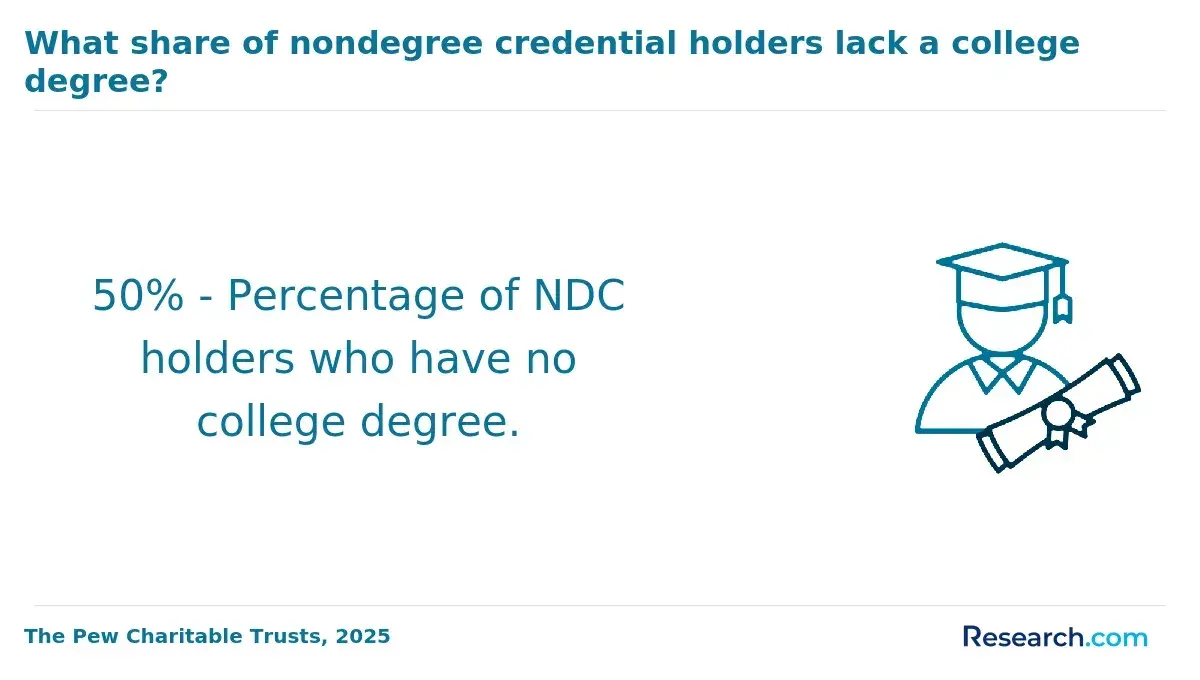
Students without full admission qualifications often begin criminal justice studies through 2+2 articulation agreements, dual-enrollment, or community college pathway programs-these options enable completion of two years at a community college before transferring to a four-year bachelor's or graduate program. This approach eases entry barriers and supports smoother transitions into advanced criminal justice education.
- Prerequisite Completion: Community college courses help students meet core requirements such as writing, research methods, and introductory criminal justice topics, which are critical to transfer admissions.
- GPA Rebuilding: Transfer applicants improve academic records by retaking or completing foundational coursework, improving their competitiveness for conditional admission.
- Articulation Verification: Prospective students should consult the admissions office or advisors at target institutions to confirm whether a formal 2+2 agreement exists with their community college. Without formal agreements, viable transfer pathways often remain through individualized course evaluations and agreements between institutions.
- Flexible Admissions: Transfer applicants' community college transcripts are typically reviewed with greater leniency than traditional freshman applications, recognizing academic growth and diverse backgrounds.
- Recent Trend: According to a 2023 report by the National Center for Education Statistics, enrollments in criminal justice programs through community college transfers have risen by 12%, highlighting growing acceptance of these pathways.
When applicants do not meet traditional quantitative criteria-such as GPA, test scores, or prerequisite courses-personal statements and letters of recommendation become crucial tools for accessing Criminal justice degree programs. These documents offer admissions committees a nuanced view of the applicant's potential beyond numbers.
A compelling personal statement for a conditionally admitted Criminal justice applicant should include a candid yet future-oriented narrative of academic setbacks. It must clearly connect prior professional, volunteer, or academic experiences to the demands of Criminal justice study, showing readiness to succeed despite prior challenges. Additionally, the statement should explain why the specific Criminal justice program is uniquely suited to the applicant's goals and how its resources or faculty will help achieve those goals.
- Personal Statement: A sincere reflection on academic difficulties combined with a strong case for future success, demonstrating preparedness and alignment with the program.
- Recommendation Letters: Prefer letters from supervisors or professionals who can directly attest to the applicant's intellectual ability and relevant accomplishments rather than generic character references.
- Recommender Credibility: Letters from those with firsthand knowledge of the applicant's work ethic and potential have greater influence in conditional admissions decisions.
- Application Strategy: The personal statement should control the narrative-highlighting motivation, commitment, and readiness rather than focusing solely on shortcomings.
Remember, for applicants seeking conditional admission, the personal statement is the primary vehicle to shape how the admissions committee views their readiness and potential.
Many academic programs offer bridge or foundational courses designed to help students meet admission requirements or strengthen essential skills before entering a specialized field of study. Understanding how these preparatory options work can help prospective students identify flexible pathways toward qualification and long term educational goals.
- Non-Credit Boot Camps: These intensive, short-term courses are designed to quickly build foundational skills and knowledge for students who do not meet standard admissions criteria. Typically offered by community colleges and some public universities, boot camps provide a structured, immersive experience without awarding academic credit. Instead, successful completion often appears as a certification or a note on the student's admission status. Because they do not add credits toward degree requirements, students usually enter the full program only after finishing the boot camp. Costs tend to be moderate, reflecting the condensed timeline-often just a few weeks-with some schools offering financial aid or sliding scale fees.
- Post-Baccalaureate Preparatory Sequences: Aimed at career changers or adult learners with previous degrees but lacking direct criminal justice prerequisites, these formal course sequences are available mostly at four-year institutions. They appear on official transcripts and count toward required prerequisites, allowing students to transition smoothly into upper-level criminal justice courses. While this option extends the overall time to degree-typically adding one to two semesters-students benefit from structured academic advising and formal grades. These courses tend to be more expensive due to college credit billing but allow for financial aid eligibility.
- Certificate-Level Prerequisite Bundles: Some universities offer bundled certificate programs that combine multiple prerequisite courses tailored for criminal justice entry requirements. These bundles are popular at both community colleges and universities, often recognized officially on students' academic records. Completion of the certificate can sometimes serve as a direct admission pathway, expediting entry into the degree program after finishing. Time commitments vary but typically span a semester or two. Tuition depends on the number of credits included but usually remains below full degree tuition rates.
- Self-Paced Online Remediation Modules: These flexible, often asynchronous offerings allow students to strengthen specific academic skills-such as writing or quantitative reasoning-needed for criminal justice admission. Provided by institutions ranging from community colleges to online universities, the modules may or may not award academic credit. When credit is granted, it appears on transcripts; otherwise, institutions document completion through certificates or progress reports. This structure offers cost-effective, time-flexible options, with some students finishing in weeks while others take several months depending on personal schedules and learning pace.
Bridge and foundational courses are frequently omitted from primary program materials. Prospective students should proactively request information about these enrollment options when communicating with admissions offices to uncover all pathways available for conditional or deferred entry. For those interested in related degree pathways with flexible options, reviewing offerings in an office administration degree online program can provide useful perspective on similar foundational course options in higher education.
Work experience or a professional background can effectively substitute for academic requirements in many criminal justice degree programs-especially those that conduct holistic admission reviews. Admissions committees recognize that direct experience in the field demonstrates practical readiness and commitment, which sometimes outweigh a lower GPA or incomplete prerequisite coursework. This approach is a key aspect of professional background credit policies for criminal justice degree admission, helping adult learners re-entering education or career changers with strong but incomplete transcripts.
- Relevant Experience: Candidates with several years of employment in criminal justice roles-such as law enforcement, corrections, forensic analysis, or legal assistance-are more likely to have their experience valued. Industry certifications like those from police academies, forensic labs, or security organizations add further credibility.
- Leadership and Management: Holding supervisory positions or managing teams within criminal justice agencies signals advanced skills. This experience can distinguish applicants seeking admission without fully meeting academic thresholds.
- Professional Contributions: Applicants who have published reports, delivered presentations, or engaged in training related to criminal justice demonstrate expert knowledge and communication abilities.
- Volunteer and Community Service: Documented involvement in nonprofit organizations or community programs focused on criminal justice issues reinforces one's dedication and understanding of the field beyond paid employment.
- Documentation and Presentation: A well-structured professional resume tailored for academic audiences helps frame experience in terms of skills, outcomes, and responsibilities. Applicants should be prepared to submit letters of recommendation from supervisors or colleagues who can attest to professional competence rather than academic achievement. Detailed job descriptions, certificates, and awards bolster the application further.
- Program Policies: Since recognition of non-academic credentials varies widely, applicants should confirm with their chosen program whether the admissions committee formally considers professional experience to offset unmet academic criteria before investing significant time in this approach.
Prospective students who fall short of specific academic thresholds often benefit from programs offering conditional admission or bridge course pathways that integrate their professional background credit policies for criminal justice degree admission. These options require maintaining performance benchmarks and completing foundational coursework to continue enrollment in the criminal justice program.
For those seeking accelerated advancement, reviewing options such as a shortest masters program may complement undergraduate flexibility strategies by providing faster routes once initial admission challenges are overcome.
Financial aid and scholarship opportunities can play an important role in helping students manage the cost of higher education while pursuing their academic goals. Understanding the types of funding available for different admission pathways can help prospective students make more informed decisions about affordability, enrollment, and long term educational planning.
- Federal Aid: Students admitted on a conditional basis can still access federal financial assistance-provided they enroll at least half-time and meet their institution's satisfactory academic progress requirements during foundational or bridge coursework. Maintaining these standards is crucial to keep aid active throughout the provisional period.
- Institutional Scholarships: Various colleges offer scholarships targeting non-traditional students, such as adult learners returning after career breaks or those with uneven academic histories. These awards often emphasize professional experience and promise within the Criminal Justice field rather than just GPA.
- Private Scholarships: Several foundations support students pursuing a Criminal Justice degree under non-linear academic conditions. These scholarships prize resilience and commitment to career change, often catering specifically to individuals admitted conditionally.
- FAFSA Eligibility: Completing the Free Application for Federal Student Aid remains vital since conditional admission doesn't automatically rule out aid eligibility. Key factors include maintaining minimum course loads-usually half-time-and meeting satisfactory progress benchmarks set by the institution to continue receiving federal funds.
It is essential to engage both the financial aid office and academic counselors before enrolling under conditional status. The interplay between enrollment classification and aid packaging can lead to unexpected out-of-pocket costs if the rules aren't fully understood in advance.
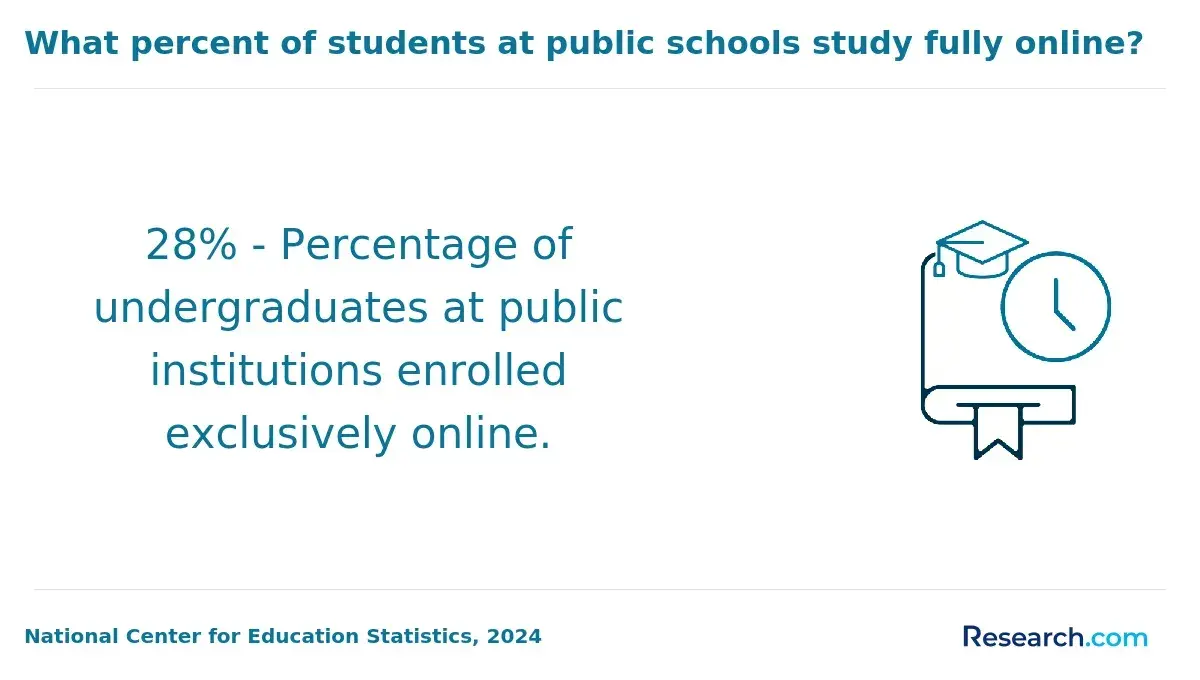
Online criminal justice programs-especially those affiliated with large public universities or for-profit institutions-often provide more flexible admission policies than traditional campus-based options. These programs typically accommodate students who have not yet met every prerequisite by allowing conditional enrollment or offering prerequisite waivers. Such flexibility helps students begin coursework earlier while completing missing requirements alongside their degree studies.
- Admission Flexibility: Online programs frequently permit conditional acceptance, enabling students to improve academic credentials or finish prerequisite classes without delay. Conversely, campus programs usually enforce stricter admission standards that must be met before starting.
- Prerequisite Waivers and Foundational Courses: Many online programs include bridge or foundational courses within the curriculum to help students catch up during early semesters rather than requiring full prerequisite completion upfront.
- Support Infrastructure: Access to advising, tutoring, and support services differs notably by delivery format and institution.
- Academic Advising: Campus students generally benefit from face-to-face advising, while online learners rely on virtual support that may not offer immediate interaction.
- Tutoring Services: On-campus tutoring is often available in person; online students might depend on outsourced or scheduled remote support.
- Disability Accommodations and Mental Health Resources: These vital services tend to be more accessible on campus, so online students should confirm their remote institution's provisions.
- Accreditation and Program Quality: Despite more accessible entry pathways, legitimate online criminal justice programs hold regional accreditation and uphold consistent graduation standards. Prospective students must verify accreditation status and review graduation data to avoid equating admission ease with lower quality.
What Graduates Say About Criminal Justice Degree Programs You Can Start Without Meeting All Requirements
- Emiliano: "Starting the online criminal justice program without meeting every admission requirement was initially intimidating, but it actually offered a unique opportunity to prove my commitment. The program's clear academic obligations-such as maintaining a certain GPA and completing prerequisite coursework within the first semester-kept me focused and motivated. Knowing there was a defined timeline gave me a structured path to success, and meeting those performance benchmarks became a gratifying challenge rather than a burden."
- Jared: "I approached the conditional admission with cautious optimism-understanding that academic standards wouldn't be lowered just because I was starting out incomplete. The timeline expectations surprised me in a good way; it accelerated my learning and pushed me to manage my time effectively. Reflecting back, those performance benchmarks were not only about grades-they were designed to prepare us for the realities of criminal justice work, instilling discipline and resilience early on."
- Amir: "The professional rigor of the criminal justice degree stood out from day one, especially for those of us who needed to meet specific criteria after starting the program. I learned that the academic obligations weren't just hoops to jump through, but vital foundations for later coursework. The timeline to meet those conditions was tight but fair, forcing me to organize my priorities well. In the end, those performance benchmarks shaped my discipline and readiness to thrive in this field."
Other Things You Should Know About Criminal Justice Degrees
Some programs let students begin before finishing prerequisites, then complete 1 to 3 required courses during the first year. Common examples include English composition, college algebra, and introductory writing. Schools usually require passing grades of C or better before students move into upper-level criminal justice classes.
Programs typically provide tailored advising, tutoring, and bridge courses aimed at closing gaps in knowledge or skills. Many institutions offer mentorships and workshops focused on study strategies and time management to foster academic success. These services help conditionally admitted students meet performance benchmarks and transition smoothly into full program standing.
Transfer students should work closely with academic advisors to evaluate which credits apply toward degree requirements and identify needed foundational courses. Some programs require completion of specific criminal justice prerequisites before enrolling in advanced classes. Careful planning ensures that transfers efficiently fulfill both general education and major-specific criteria, even if they start with conditional status.
- 7 Ways to Pay for a Criminal Justice Education | All Criminal Justice Schools https://www.allcriminaljusticeschools.com/blog/how-criminal-justice-students-pay-for-school/
- Top Criminal Justice Scholarships to Fund Your Education https://edu4less.org/criminal-justice-scholarships/
- What Are the Entry Requirements for a Criminal Justice Program? | University of Bridgeport https://www.bridgeport.edu/news/entry-requirements-for-a-criminal-justice-program/
- APSO and RPCC announce new partnership for Criminal Justice Program https://www.rpcc.edu/news/1758116/apso-and-rpcc-announce-new-partnership-for-criminal-justice-program
- Criminology & Criminal Justice Personal Statement Example https://www.studential.com/personal-statement-examples/criminal-justice-amp-criminology-personal-statement
- Criminal Justice Scholarships https://www.criminaljusticeprograms.com/financial-aid/scholarships/
- BACHELOR OF CRIMINAL JUSTICE - Faculty of Law, Administration and Economics https://law.uwr.edu.pl/enrollment/bachelor-of-criminal-justice-enrollment/
- On-Campus vs. Online Law Enforcement Programs: Pros and Cons https://golawenforcement.com/articles/on-campus-vs-online-law-enforcement-programs-which-one-is-for-you/
- Law Enforcement Training & Standards https://ncdoj.gov/law-enforcement-training/criminal-justice-fellows-program/