2027 Cheapest and Shortest Online Sports Psychology Degree Programs That Pay Well: Cost, Duration, and Salary Outlook

Co-Founder and Chief Data Scientist
Choosing an online sports psychology degree usually comes down to three questions: Can you afford it, can you finish it quickly, and will it actually support the career you want? The challenge is that sports psychology sits at the intersection of psychology, coaching, athletic performance, counseling, and research, so program quality and career outcomes can vary widely.
Online programs appeal to working adults, coaches, trainers, former athletes, and career changers because they can reduce commuting and housing costs while offering more flexible schedules. With online education growing by over 15% annually, more students are comparing virtual options instead of defaulting to traditional campus-based degrees. Still, the cheapest or shortest program is not always the best choice if it lacks accreditation, applied training, faculty expertise, or a curriculum aligned with your goals.
This guide explains what affordable and accelerated online sports psychology degrees typically cost, how financial aid works, what the fastest formats look like, which skills students gain, and how to judge whether a low-cost program is legitimate. It also outlines salary and job placement considerations so you can compare programs based on total value—not tuition alone.
Key Benefits of the Cheapest and Shortest Online Sports Psychology Degree Programs That Pay Well
- Affordable online sports psychology programs reduce tuition costs by up to 40%, making advanced education accessible without heavy student debt.
- Accelerated formats allow completion in under 18 months, supporting quicker workforce entry compared to traditional programs averaging 2-3 years.
- Graduates earn competitive salaries, with median annual wages around $75,000, offering strong return on investment amid growing demand for mental performance experts.
How Much Does an Affordable Online Sports Psychology Degree Typically Cost?
An affordable online sports psychology degree commonly costs less than a comparable residential option because students can avoid commuting, relocation, meal plans, and campus housing. The largest expense is still tuition, and online tuition rates generally range from $300 to $700 per credit hour, according to the National Center for Education Statistics (NCES).
Total price depends on degree level, transfer credits, school type, enrollment pace, and whether the program charges by credit or by term. A student who transfers prior college credits into a bachelor’s program may pay far less than a student completing the full degree from the beginning. Graduate students, meanwhile, may face a shorter timeline but a higher per-credit cost.
- Tuition range: Total program costs usually fall between $15,000 and $40,000 for bachelor's or master's sports psychology degrees. The final amount depends on the institution, the number of required credits, and the student’s enrollment status.
- Cost per credit: Online courses typically cost $300-$700 per credit. When comparing schools, check whether the rate applies to all online students or varies by state residency.
- Program duration: Accelerated master's programs may take about 18 months, while traditional bachelor's degrees can take up to four years. A shorter timeline may reduce living and opportunity costs, but it can also require a heavier weekly workload.
- Additional fees: Budget for technology fees, textbooks, digital course materials, specialized software, background checks if fieldwork is required, and exam proctoring charges. These costs can add a few hundred dollars per semester.
When evaluating affordability, look beyond the advertised tuition rate. A program with a slightly higher per-credit cost may be a better value if it accepts more transfer credits, offers stronger advising, includes practicum support, or has fewer hidden fees. Students comparing education pathways may also review related options such as AI degrees online to understand how online pricing structures differ across fields.
Can You Get Financial Aid in the Cheapest Online Sports Psychology Programs?
Yes. Students in the cheapest online sports psychology programs may qualify for financial aid if the school is properly accredited and participates in eligible aid programs. Approximately 85% of online learners receive some form of financial assistance, which can make tuition costs that typically range from $300 to $600 per credit hour more manageable.
The most important step is completing the FAFSA annually. This determines eligibility for federal grants, federal student loans, and some institutional aid. Online students should also ask whether aid eligibility changes by enrollment status, since some awards require at least half-time attendance.
- Federal grants: Need-based options such as the Pell Grant do not require repayment. Eligibility depends on financial need and other federal criteria.
- Scholarships: Universities, psychology departments, athletic organizations, and professional associations may offer awards for students pursuing psychology, coaching, wellness, or sports-related study. Scholarships can be especially useful for accelerated sports psychology programs because they reduce the amount students need to borrow.
- Student loans: Federal and private loans can help cover remaining costs, but they should be used carefully. Federal loans often provide repayment protections that private loans may not offer.
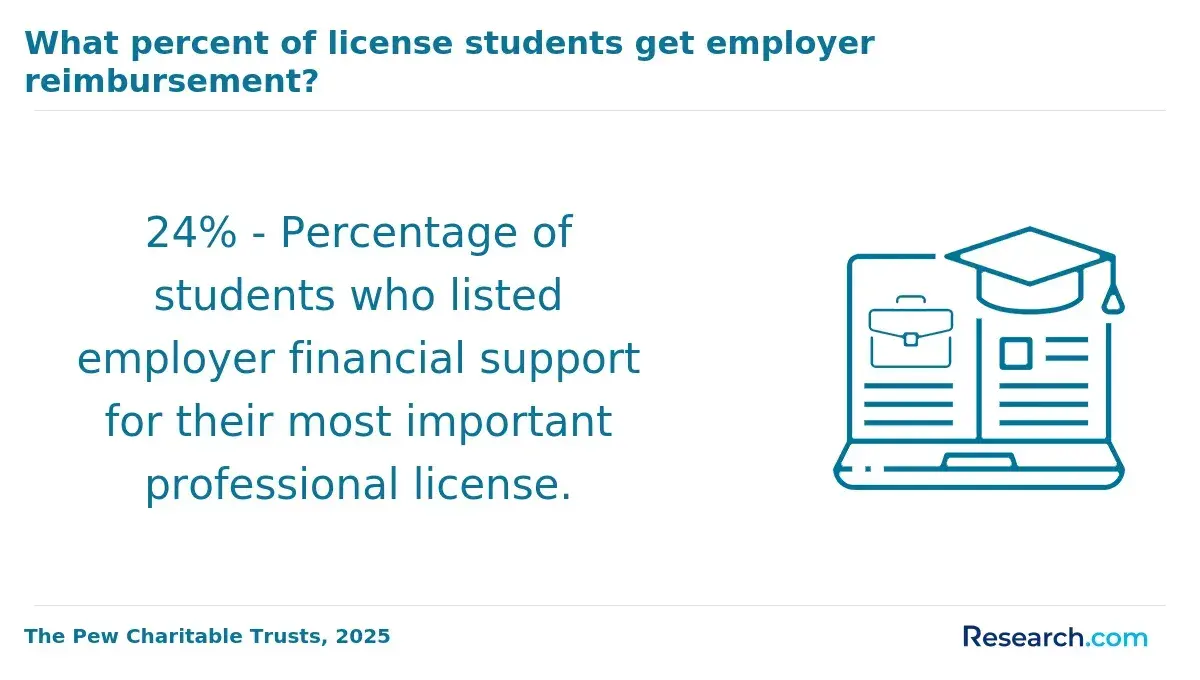
- Employer tuition assistance: Coaches, trainers, educators, military-affiliated students, and employees in health or wellness roles may be able to use employer benefits to offset degree costs.
Before enrolling, ask the financial aid office for a full cost-of-attendance estimate, not just tuition. Also confirm whether scholarships apply to accelerated terms, summer courses, and online-only programs. Students seeking a fast track psychology degree online should make sure the aid package supports their intended pace, since faster enrollment can change billing schedules and aid disbursement.
Graduates in this field may pursue careers with median salaries exceeding $70,000 annually, but salary outcomes depend heavily on role, degree level, licensure, experience, and location. A lower-debt pathway can improve return on investment, especially for students planning to start in coaching, performance consulting, or support roles before pursuing advanced credentials.
What Are the Shortest Online Sports Psychology Degree Programs?
The shortest online sports psychology degree programs are usually accelerated bachelor’s completion programs and accelerated master’s programs. They are designed for students who can handle a faster academic pace and want to reduce time away from career advancement. About 30% of online students opt for fast-track programs, which shows strong demand for shorter, more flexible formats.
Fast does not mean easy. Accelerated programs compress the same academic expectations into shorter terms, so students need reliable weekly study time, strong organization, and comfort with independent learning.
- Compressed Terms: Many accelerated courses run in 5 to 8 weeks instead of a traditional semester. This allows students to complete more courses across the year, but assignments, readings, discussions, and exams arrive quickly.
- Modular or Self-Paced Formats: Some programs divide courses into smaller learning modules that students complete in sequence. Self-paced options can benefit motivated learners, but students should confirm whether faculty feedback, deadlines, and support services are still available.
- Typical Program Lengths: Accelerated bachelor's degrees in sports psychology often take 2 to 3 years, while master's programs can be completed within 12 to 18 months. Transfer credits, course availability, and practicum requirements can affect the actual timeline.
Students comparing the shortest affordable sports psychology degrees online should calculate both time and cost. Online sports psychology courses often average $300 to $600 per credit, and finishing sooner can reduce the total period of tuition payments and related expenses. Career outcomes vary, but starting median salaries typically reach around $60,000 and can surpass $90,000 in specialized roles.
If your main goal is affordability, compare sports psychology programs with broader psychology options as well. A guide to the cheapest online psychology degree psychology programs can help you decide whether a general psychology degree with sports-related electives is a better fit than a specialized program.
Breakdown of Private Fully Online Nonprofit Schools

What Is the Typical Format of the Shortest Online Sports Psychology Degree Programs?
The shortest online sports psychology degree programs usually use accelerated terms, asynchronous coursework, and structured weekly deadlines. The goal is to help students move faster without removing core content. Studies have shown modular learning in such programs can boost completion rates by about 20%, which is one reason this format is common among working adults and career changers.
- Term Length: Courses usually last 5 to 8 weeks rather than the traditional 15-week semester. This can support completion within 12 to 18 months for certain graduate pathways, but it also concentrates the workload.
- Course Delivery: Most programs are primarily asynchronous, meaning students can watch lectures, complete readings, and submit assignments on their own schedule. Some courses may include live sessions for discussion, presentations, or faculty feedback.
- Weekly Workload: Students typically commit 10 to 15 hours weekly to reading, assignments, discussions, and projects. In accelerated terms, falling behind by even a few days can be difficult to recover from.
- Student Interaction: Interaction usually takes place through discussion boards, video calls, group projects, email, and instructor feedback. Strong programs create regular touchpoints so online students are not left to work in isolation.
Students should ask whether the program offers courses year-round, whether every required course is available online, and whether any field experience must be completed in person. These details can determine whether the advertised accelerated timeline is realistic.
How Do Online Classes Work for Accelerated Sports Psychology Degrees?
Online classes in accelerated sports psychology degrees are typically delivered through a learning management system where students access lectures, readings, quizzes, discussion forums, assignments, and grades. Nearly 30% of psychology graduate students are enrolled in online courses, reflecting the broader acceptance of digital learning in psychology-related education.
In an accelerated format, the calendar matters. Students are expected to engage consistently each week rather than saving work for the end of the term. Courses often build from theory to applied practice, using case studies involving athletes, teams, coaching environments, motivation, injury recovery, stress, confidence, and performance routines.
- Flexible Learning Formats: Programs often combine asynchronous lessons with synchronous sessions such as live discussions, presentations, or virtual office hours. Asynchronous work provides flexibility, while live interaction can improve feedback and accountability.
- Condensed Terms: Courses are typically delivered in shorter blocks, often lasting 5 to 8 weeks instead of the usual 15-week semesters. This requires a steady pace from the first week.
- Weekly Time Commitment: Students generally spend 15 to 20 hours per week on coursework. Those working full time should review course loads carefully before enrolling in multiple accelerated classes at once.
- Assignment Scheduling: Assignments are usually paced across the term, with frequent deadlines for readings, reflections, discussion posts, exams, projects, and applied case analyses.
- Faculty and Peer Interaction: Communication often happens through discussion boards, video calls, email, recorded feedback, and group work. Students should look for programs where faculty are accessible and experienced in sports psychology or related fields.
- Efficiency and Completion Time: Digital platforms reduce travel time and downtime between classes. Many students can complete programs in 12 to 18 months compared to traditional timelines of 2 to 3 years, depending on degree level and program requirements.
Before choosing an accelerated online program, request a sample course schedule. It should show how many assignments are due each week, whether exams are proctored, and how much group work is required. This helps you judge whether the format fits your work schedule and learning style.
What Skills Do Students Gain from a Shortest-Track Online Sports Psychology Degree?
A shortest-track online sports psychology degree should help students build practical knowledge in athlete motivation, mental performance, behavior change, communication, and applied research. These skills can be useful in coaching, athletic support, wellness, consulting, education, and graduate study. Industry data shows that more than 70% of graduates from these fast-track programs secure relevant employment in less than six months, reflecting the value of applied preparation.
- Technical proficiency: Students learn to use psychological assessment tools, interpret athlete behavior, and apply neurobehavioral techniques in performance-related contexts. Strong programs teach when these tools are appropriate and when referral to a licensed professional is necessary.
- Critical thinking: Coursework trains students to evaluate how mental states, training environments, team dynamics, and physical performance interact. This helps graduates analyze problems rather than relying on generic motivational advice.
- Communication skills: Students practice explaining psychological concepts to athletes, coaches, parents, trainers, and medical staff. Clear communication is essential because sports psychology work often occurs in multidisciplinary settings.
- Problem-solving: Programs may include case studies that require students to design mental skills plans, address confidence issues, support injury recovery, or respond to performance anxiety.
- Professionalism and time management: Accelerated programs require students to manage deadlines, prioritize tasks, and make ethical decisions in fast-moving environments. These habits transfer directly to athletic and performance settings.
Students should be realistic about what a degree alone can qualify them to do. A bachelor’s or master’s degree may support roles in coaching, athletic performance support, wellness, or research assistance, but independent clinical practice generally requires additional education, supervised experience, and licensure.
Are Cheap and Fast Online Sports Psychology Degree Programs Considered Legitimate?
Cheap and fast online sports psychology degree programs can be legitimate, but only if they meet recognized academic and professional standards. A low tuition price or accelerated calendar is not a problem by itself. The concern is whether the program is accredited, academically rigorous, transparent about outcomes, and honest about what graduates can and cannot do after completion.
- Accreditation: Legitimate programs should be offered by institutions with recognized accreditation, such as regional accrediting bodies. Students interested in clinical psychology pathways should understand that American Psychological Association accreditation may be relevant for certain doctoral-level professional psychology programs, not every online sports psychology degree.
- Faculty Credentials: Review faculty biographies for advanced degrees, research activity, applied experience, licensure where relevant, and direct expertise in sports psychology, counseling, performance psychology, kinesiology, or related areas.
- Curriculum Quality: A credible curriculum should cover motivation, performance enhancement, counseling foundations, ethics, research methods, assessment, diversity, athlete well-being, and applied practice. Be cautious of programs that rely only on broad self-help or coaching content.
- Licensing Eligibility: If your goal is to become a licensed psychologist or counselor, confirm state requirements before enrolling. Many sports psychology degrees alone do not automatically lead to licensure.
- Industry Recognition: Look for employer partnerships, practicum options, alumni outcomes, professional association connections, and transparent career support. Recognition matters most when paired with real training and verifiable credentials.
Red flags include unclear accreditation, unrealistic salary promises, no faculty information, vague curriculum descriptions, pressure-based enrollment tactics, and refusal to explain whether the program supports licensure. A legitimate program should make its costs, requirements, transfer policies, and career limits easy to understand.
What Are the Highest-Paying Roles for Online Sports Psychology Degree Graduates?
The highest-paying roles for online sports psychology degree graduates are usually found in licensed clinical practice, performance consulting, higher education, and specialized work with competitive athletes or organizations. These positions often require advanced education, supervised experience, professional credentials, or a strong track record in applied settings.
- Licensed Sports Psychologist: Licensed professionals may provide mental health services and performance support for athletes, including counseling related to stress, motivation, injury recovery, and emotional well-being. Earning a license usually demands a doctoral degree and supervised clinical hours. Salaries typically range from $75,000 to $120,000 annually depending on experience and location.
- Performance Consultant: Performance consultants often work with professional, collegiate, or competitive sports teams to improve focus, resilience, routines, confidence, and competitive preparation. Salaries in this role generally fall between $65,000 and $100,000, influenced by the level of the sports program and the consultant's expertise.
- University Professor and Researcher: Academics specializing in sports psychology typically hold doctoral credentials and contribute through teaching, research, publication, advising, and program development. Median annual wages vary from $70,000 to over $100,000, with higher earnings linked to tenure and research impact within the field.
Salary potential depends on licensure, advanced degrees, experience, professional reputation, geography, employer type, and the population served. Students choosing a fast and affordable program should look for coursework and internships that support their intended path. For example, a future licensed psychologist needs a very different pathway than a coach seeking mental performance training.
For students prioritizing speed and cost-efficiency, 1 year master's programs online may provide an accelerated graduate-level option, though applicants should still verify accreditation, admission requirements, fieldwork expectations, and career alignment.
What Is the Job Placement Rate for Online Sports Psychology Graduates?
Job placement outcomes for online sports psychology graduates vary by school, degree level, prior experience, location, and career goal. According to recent National Association of Colleges and Employers (NACE) data, graduates from psychology-related online programs experience initial employment rates between 74% and 80% within six months of graduation. Sports psychology graduates may benefit from rising interest in athlete mental health, performance optimization, and wellness support, but outcomes are not identical across programs.
- Industry Demand: Athletic organizations, schools, teams, wellness providers, and performance programs increasingly recognize the importance of mental skills and athlete well-being. Demand is strongest for graduates who can apply psychology in practical, ethical, and evidence-informed ways.
- Program Reputation: Graduates from accredited programs with recognized faculty, rigorous coursework, and transparent outcomes may have stronger employment prospects. Employers often look for evidence that the degree included meaningful applied preparation.
- Internships and Practicum Experiences: Hands-on placements with teams, clinics, schools, or athletic organizations can improve employability. Practical experience helps students demonstrate skills that a transcript alone may not show.
- Alumni Networks: Active alumni communities can connect graduates with job leads, mentors, internships, and professional contacts in sports psychology and related fields.
Median starting salaries for entry-level sports psychologists range from $55,000 to $70,000 annually, with potential increases tied to certification and experience. Online programs completed within 18 to 24 months costing between $300 and $600 per credit can offer solid return on investment when they lead to relevant work, support further education, or help students advance in an existing career.
Students should ask each program for recent placement data, the types of employers hiring graduates, the share of students continuing to graduate school, and whether outcomes are specific to sports psychology or reported for a broader psychology department. Some students exploring entry-level pathways may also compare options such as an easiest associate degree before committing to a longer psychology route.
How Do You Choose the Best Cheap Online Sports Psychology Degree Program?
The best cheap online sports psychology degree is not simply the one with the lowest tuition. It is the program that matches your career goal, offers recognized academic quality, provides enough support to help you finish, and keeps total debt reasonable. A program that costs less upfront but lacks accreditation, advising, or applied learning can become expensive if credits do not transfer or employers do not value the credential.
- Accreditation: Confirm that the institution holds regional accreditation or another recognized form of institutional accreditation. Accreditation supports credit transfer, financial aid eligibility, graduate school admission, and employer confidence. Accreditation by reputable agencies, as outlined by CHEA, helps protect students from substandard education.
- Curriculum Quality: Review required courses for topics such as motivation theories, performance enhancement techniques, counseling practices, ethics, research methods, assessment, and athlete well-being. Programs with applied projects, research components, and field experience tend to provide stronger preparation.
- Program Length and Tuition: Compare total program cost, not just per-credit tuition. Typical bachelor's programs take 3-4 years, while some accelerated tracks are faster and may offer lower per-credit prices, sometimes as low as $200. Make sure the faster pace is realistic for your schedule.
- Student Support Services: Look for academic advising, tutoring, library access, technology support, career counseling, internship assistance, and faculty availability. Support services are especially important in accelerated online programs because courses move quickly.
- Career Outcomes and Salary Potential: Ask about internships, alumni networks, graduate school placement, and job outcomes. The median salary for sports psychology roles is around $79,000 annually, with top professionals earning significantly more, so return on investment should be part of your decision.
Before enrolling, make a short list of programs and compare them side by side. Include tuition, fees, transfer credit policy, accreditation, course schedule, faculty expertise, fieldwork options, licensure relevance, and career services. Then choose the program that best supports your next step, whether that is coaching, consulting, graduate study, research, or a licensed clinical pathway.
What Graduates Say About Their Cheapest and Shortest Online Sports Psychology Degree
- : "I found an affordable and fast online sports psychology degree that fit my busy schedule. With tuition just under $10,000, it was a cost-effective choice compared to traditional programs. The degree gave me the confidence and credentials to start working with athletes, and I feel prepared to make a real impact in their mental performance. — Jaime"
- : "After researching several options, I chose a short online sports psychology program because it saved me both time and money-around $8,500 in total cost. The accessible format allowed me to gain useful knowledge quickly without giving up work hours. This degree opened doors to new professional roles in coaching and athlete support that I had not imagined before. — Lorenzo"
- : "As a professional looking to specialize further without taking on heavy debt, enrolling in a rapid and budget-friendly online sports psychology degree was ideal. The program cost less than $9,000, which made advanced study more manageable. Since graduating, I have improved my ability to apply psychological principles in sports settings, leading to stronger client outcomes and career advancement. — Rowan"
Other Things You Should Know About Sports Psychology Degrees
In 2027, accredited universities offering the cheapest online sports psychology degrees include Aspen University and California Coast University. These programs are recognized for their affordability while providing quality education compatible with a flexible schedule. Always verify each university’s accreditation status through the U.S. Department of Education.
In 2027, ensure your online sports psychology degree is accredited by recognized bodies like the American Psychological Association. Additionally, certifications related to sports psychology, sports coaching, or mental performance consultancy can enhance salary prospects and program legitimacy.
References
- 15 Most Affordable Online Master’s in Sports Science Degree Programs - Sports Management Degree Guide https://www.sports-management-degrees.com/affordable-online-masters-sports-science/
- Online Bachelor of Science in Sports Psychology – Faulkner University https://www.faulkner.edu/online/online-bachelor-degrees/sports-psychology/
- Sports and Exercise psychologist job profile | BPS https://www.bps.org.uk/sports-and-exercise-psychologist-job-profile
- Sports Psychology Jobs That Our Graduates Can Pursue | UWS https://www.uws.edu/sport-performance-psychology/career-pathways/
- Bachelor of Science Psychology Degree Program Online https://www.parker.edu/academics/bs-sports-psychology/
- Fastest Sports Psychology Degree Programs 2025 - Bachelor's to Doctorate https://www.sportspsychology.org/articles/quickest-sports-psychology-programs/
- Master's Degree in Sports Psychology (M.S.) Online – ECOK https://online.ecok.edu/online-degrees/master-of-science-in-sport-psychology/
- Top 30 Most Affordable Online Master's in Sports Psychology https://www.bestcollegesonline.org/most-affordable/online-masters-sports-psychology/
- M.S. in Applied Sport Psychology (online) - Kinesiology (Graduate) - Adams State University https://www.adams.edu/academics/graduate/kinesiology/applied-sport-psychology/
- Sport and Performance Psychology, BS (Online) https://calbaptist.edu/academics/programs/online-bachelor-of-science-sport-and-performance-psychology/