2027 Music Education Degree Jobs That Do Not Require Licensure

Co-Founder and Chief Data Scientist
Exploring career options without pursuing licensure is a practical approach for many music education graduates seeking flexibility and faster entry into the workforce. Nearly 25% of music education degree holders pursue roles that do not require professional certification, leveraging transferable skills like performance, arrangement, and instruction outside traditional settings.
These non-licensed careers offer opportunities in community programs, private instruction, and arts administration, reflecting growing demand in diverse educational and cultural sectors. This article examines various music education degree jobs without licensure requirements and highlights what graduates can expect in these alternative career paths.
Key Benefits of Music Education Degree Jobs That Do Not Require Licensure
- The absence of licensure requirements enables faster workforce entry, with Music Education graduates able to start careers up to 12 months earlier than those pursuing certification.
- Diverse industries such as arts management, private tutoring, and media offer roles without licensing, broadening employment options beyond traditional teaching.
- Non-licensed positions help build transferable skills and early professional experience, enhancing long-term career growth and adaptability across multiple sectors.
What Jobs Can You Get With a Music Education Degree Without Licensure?
Graduates with a music education degree can access various career opportunities that do not require professional licensure, allowing for diverse roles across arts, community, and event management sectors. Employment in non-licensed or general-degree fields related to creativity and education is projected to grow steadily, supporting sustained demand in these areas.
Below are several common jobs that leverage a music education degree without needing certification.
- Private Music Instructor: These instructors work with individual students or small groups, customizing lessons to fit different skill levels and musical interests. A music education degree equips them with teaching methods and performance knowledge, enabling effective instruction without formal licensure.
- Community Music Coordinator: Professionals in this role organize workshops, concerts, and educational programs within local arts organizations or non-profits. The degree's focus on musicianship and pedagogical strategies prepares graduates to lead diverse musical engagement efforts confidently.
- Music Librarian or Archivist: Managing collections of musical scores, recordings, and resources, these specialists use their understanding of music theory and notation gained through their degree. This expertise aids in preserving and cataloging valuable materials for schools and cultural institutions without requiring certification.
- Event Coordinator or Manager: Graduates can plan and oversee music festivals or performances, relying on organizational skills combined with a strong musical background. A music education degree enhances their ability to execute successful events, even though licensure is not necessary.
- Music Therapy Assistant: While clinical licenses are mandatory for therapists, assistants can support therapeutic activities in caregiving environments. A music education degree provides insight into music's emotional effects, facilitating meaningful contributions without formal therapy credentials.
Students interested in fast-tracking their expertise may also explore 1 year EdD programs online to deepen their knowledge and expand career prospects in educational leadership roles related to literacy.
Which Industries Hire Music Education Graduates Without Licensure?
Several industries value the transferable knowledge and broad academic skills gained from a music education degree over formal licensure requirements. Employment in arts and entertainment, for example, is projected to grow by 8% in the next decade, reflecting steady demand for qualified non-licensed professionals.
Below are key industries that commonly employ music education graduates without requiring professional licensure.
- Entertainment and Arts Industry: This sector hires graduates for roles such as arrangers, composers, and performers in orchestras, bands, theaters, and recording studios. Their deep understanding of musical theory and performance enhances the quality of productions without necessitating licensure.
- Private Education Sector: Private music schools and tutoring services often employ graduates to offer specialized lessons and extracurricular programs. Since these roles operate outside the public school system, formal licensure is usually not mandatory, though expertise in instructional strategies remains essential.
- Community and Nonprofit Sector: Music educators work with community centers, youth organizations, and cultural institutions to develop programs promoting music literacy and accessibility. They apply skills in curriculum design and ensemble leadership while engaging diverse groups without needing certification.
- Music Technology and Media Industry: Graduates support sound editing, audio engineering, and create educational content that leverages their musical knowledge. As digital learning and entertainment platforms expand, this sector increasingly values their expertise for producing and evaluating musical material.
What Entry-Level Jobs Are Available Without Music Education Licensure?
Many fields offer entry-level roles that prioritize broad academic skills and experience over formal licensure. In fact, a 2022 Bureau of Labor Statistics report found that around 15% of music education graduates begin their careers in non-licensed positions within two years of graduation.
Below are some practical job options for recent music education graduates without professional certification.
- Private Music Instructor: Often working independently or affiliated with studios, instructors provide personalized lessons in instruments, voice, or theory. A music education degree prepares them with teaching methods and repertoire knowledge, enabling tailored instruction without requiring a teaching license.
- Music Program Assistant: These assistants support community or after-school music efforts by organizing schedules, managing participants, and aiding rehearsals. Graduates leverage their understanding of music education principles to communicate smoothly with students and staff.
- Music Librarian: In this role, individuals organize and catalog music collections, helping educators and musicians locate needed resources. Familiarity with musical terminology and literature from their degree helps graduates assist library users effectively without licensure.
- Rehearsal Accompanist: Accompanists work with choirs and small ensembles to provide musical support during rehearsals. Proficiency in musicianship and interpreting educational goals gained from their studies is key to success in these non-licensed positions.
A music education degree graduate shared that initially, the path without licensure felt uncertain and competitive. They explained, "Finding roles that valued my skills without the formal credential was challenging." However, volunteering as a rehearsal accompanist and networking at local music centers opened doors.
"It taught me patience and creativity," they said, "and showed me how versatile a music education background can be beyond certification." This experience highlights how graduates can navigate alternative entry points and build a meaningful career in music without traditional licensure hurdles.
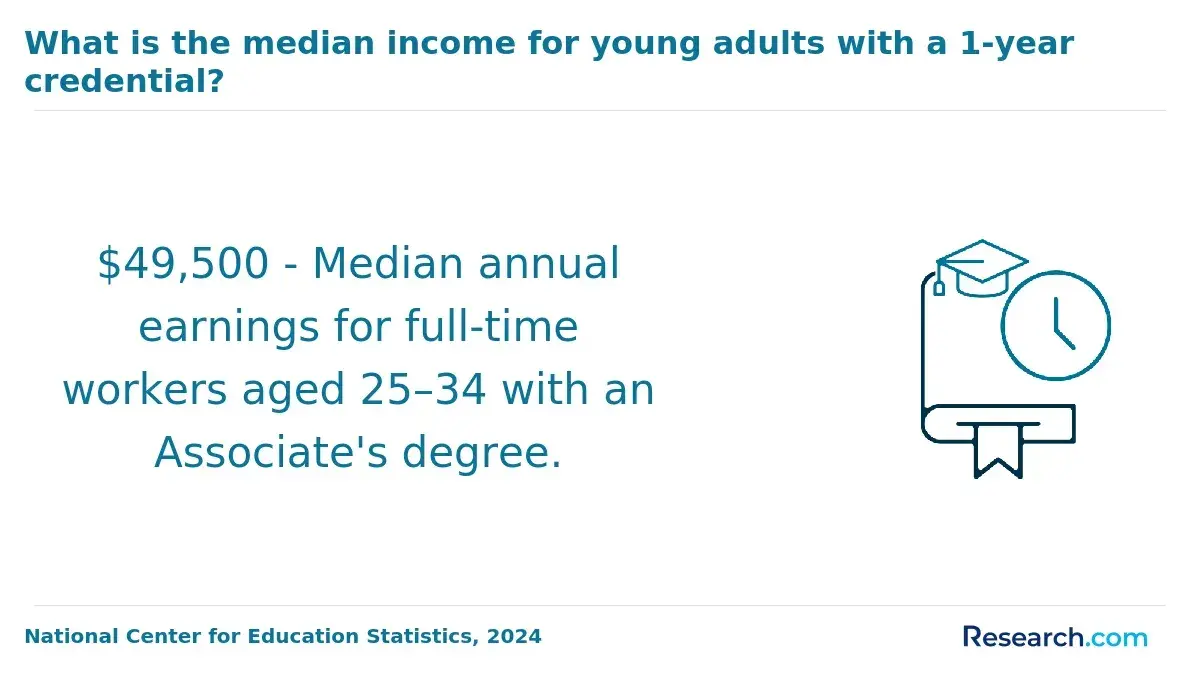
Salary levels for non-licensed music education careers fluctuate based on factors such as industry demand, leadership roles, technical skills, and business impact. For bachelor's-level professionals in music-related fields, median annual salaries hover near $50,000, demonstrating that strong earnings are achievable without formal licensure.
Below are some of the highest-paying music education degree jobs without licensure.
- Music Director: Overseeing musical performances and arrangements in venues like theaters or churches, this role requires deep musical knowledge and leadership aptitude. Despite no licensing mandates, music directors command salaries between $50,000 and $90,000, reflecting responsibility and experience.
- Private Music Instructor: Offering specialized or general instruction, these educators leverage reputation and lesson demand to earn between $40,000 and $80,000 yearly. Flexibility and direct client relationships contribute to strong earning potential in this position.
- Audio Producer: Combining musical insight with technical production skills, audio producers and sound engineers frequently receive pay ranging from $45,000 to $85,000. Their expertise meets industry demand for high-quality sound content without requiring licensure.
- Corporate Music Trainer: Designing workshops that foster creativity in workplaces, these trainers earn roughly $55,000 to $85,000. Their educational background supports engaging programming valued by organizations aiming to enhance innovation.
For those exploring accelerated advanced degrees, an online MSW can complement a music education degree by broadening career opportunities in allied human services sectors.
Employers hiring graduates without professional licensure increasingly focus on practical skills and adaptability. A 2023 survey from the National Association of Colleges and Employers found that 82% of employers prioritize both technical expertise and interpersonal abilities when evaluating candidates beyond traditional certification pathways.
The following key skills enhance job prospects for music education graduates entering diverse fields.
- Musical Versatility: Demonstrating the ability to perform, compose, or arrange music across a variety of genres shows flexibility employers value. This adaptability allows graduates to fit multiple roles in community arts, private teaching, or organizational settings without relying on licensure.
- Effective Communication: Clear expression of musical ideas and collaboration skills boost employability. These abilities extend beyond education into event coordination, production, and therapeutic services where teamwork and audience engagement are critical.
- Technological Fluency: Proficiency with digital audio workstations, notation programs, and virtual collaboration tools positions graduates competitively. As technology integrates into the music industry, this competence enables work in recording, composition, and multimedia environments without formal credentials.
- Project Management: Skills in organizing events, budgeting, and marketing demonstrate leadership and reliability. Employers seek candidates who can manage concerts, workshops, or community initiatives smoothly, making this an asset in non-licensed roles.
- Cultural Competence: Awareness of diverse backgrounds and strong interpersonal skills enhance inclusive interaction. These traits support roles within nonprofits, therapy, and education-related fields that require connection across varied communities.
Certifications differ from licensure in that the latter is a mandatory, state-issued authorization required to teach in public schools, while certifications are typically voluntary credentials offered by professional organizations that validate specialized skills without granting legal teaching authority. Certifications can substitute for licensure in some music education careers, particularly outside traditional public school settings.
For example, a 2022 survey by the National Association for Music Education found that around 38% of employers in non-public school environments prefer candidates with specialized certifications over formal teaching licenses, highlighting the growing acceptance of alternative certifications for non-licensed music education jobs.
Certifications are often sufficient for roles such as private instructors, music therapists, or positions within community music programs, where flexibility and demonstrated expertise in niche areas like digital music production or early childhood music instruction are valued.
However, these credentials cannot replace licensure for teaching in K-12 public schools, as they do not satisfy legal requirements for classroom teaching. Individuals pursuing careers without licensure should carefully consider the regulatory context and nature of their intended roles. For students exploring financing options in related fields, there are resources such as scholarships for accounting majors that may support their educational journey.
Remote work has rapidly expanded across numerous sectors, with nearly 60% of U.S. workers having the option to work from home at least part-time as of recent years. Advances in virtual collaboration tools continue to open new pathways for professionals, including those with a music education degree who seek careers outside traditional licensure requirements.
Several remote opportunities make excellent use of their specialized skills and knowledge without mandating certification.
- Online Music Instructor: This role involves teaching instruments, voice, or music theory through video calls, allowing tutors to create tailored lesson plans and connect with students globally. Music education graduates excel here by applying pedagogical expertise in flexible, remote formats.
- Music Content Creator: Graduates design educational materials like worksheets, video tutorials, and lesson outlines for digital distribution. This position leverages a deep understanding of music pedagogy to develop engaging content for learners without needing formal teaching credentials.
- Curriculum Developer: Many companies seek specialists to produce online music learning modules and courses. Those with a music education background enhance these projects by ensuring that instructional design is both effective and engaging, performed entirely remotely.
- Music Therapy Assistant: Supporting licensed music therapists remotely, this role includes administrative tasks or client follow-up without requiring licensure. A music education degree provides relevant knowledge of therapeutic approaches and patient care.
- Freelance Music Arranger: Freelancers compose, arrange, or transcribe music for various clients, operating independently from home. Graduates can use their music theory and composition skills to fulfill commissions without formal certification.
A professional with a Music Education degree shared how moving into remote work initially felt uncertain due to the absence of traditional teaching credentials. She described navigating online platforms to build a client base as "a mix of excitement and challenge," emphasizing the need to adapt lessons creatively for virtual settings.
Despite the steep learning curve, she expressed pride in crafting diverse educational materials and said, "Working remotely has allowed me to remain connected to music education on my terms, proving that licensure isn't the only path to a fulfilling career in this field."
Lacking licensure can significantly limit job opportunities for music education graduates, especially in traditional schooling environments. Studies indicate that over 80% of public school music teaching jobs require official state certification, which heavily favors licensed candidates.
The following points highlight common challenges non-licensed applicants face when seeking employment in this field.
- Employer Preference: Many institutions, particularly public schools, prioritize candidates with verified teaching licenses. This preference exists because licensure signals standardized competency and reliability, often excluding non-licensed applicants regardless of their skills or academic record.
- Credential Barriers: Licensure is a mandatory criterion for numerous formal teaching positions. Without it, graduates are ineligible for many jobs, narrowing their employment options and limiting access to traditional music education roles.
- Experience Requirements: Employers frequently require verified classroom experience tied to licensure programs such as student teaching. Non-licensed applicants may lack these structured practicum experiences, making it difficult to prove their practical readiness and reducing their competitiveness.
- Regulatory Restrictions: Non-licensed professionals are often barred from official duties like curriculum development and student assessment. These limitations restrict the types of responsibilities and positions available to them in standard educational settings.
- Liability Concerns: Licensed educators undergo background checks and adhere to professional codes, reassuring employers about accountability. In contrast, non-licensed job seekers might face additional scrutiny due to perceived risks, further limiting their opportunities.
Career limitations do exist for non-licensed professionals in music education, particularly in public school settings where licensure is often mandatory. Approximately 90% of public school music teacher positions in the United States require state licensure, creating a significant barrier for individuals without credentials.
This requirement restricts entry into many traditional educational roles and reduces opportunities within regulated job markets. These patterns reflect systemic barriers associated with professional licensure rather than job market fluctuations alone, forming a notable challenge for music education graduates pursuing careers without professional licensure or certification.
The nature of these limitations includes restricted access to state-regulated music teaching positions and slower career progression compared to licensed peers. Non-licensed graduates often face fewer leadership opportunities and must rely more heavily on alternative credentials or practical experience to remain competitive.
Despite these career limitations, some non-licensed professionals find roles in informal or private sectors. Prospective graduates should recognize how the limitations of music education jobs without licensure impact long-term advancement and tailor their goals accordingly, perhaps supplementing with related skills such as those attained through a UI/UX designer degree to broaden their professional prospects.
Deciding whether to pursue professional licensure is a critical step for students planning the trajectory of their music education careers. A 2022 survey by the National Association for Music Education found that over 60% of private music studios do not require formal teaching licensure, reflecting varied credential demands across the industry.
The following considerations highlight key factors to assess before skipping licensure.
- Career Goals: Defining clear career objectives is essential. Licensure is typically mandatory for teaching roles in public schools, whereas private schools or community programs may not require it, affecting where graduates can work effectively.
- Industry Requirements: Different employers impose distinct credential standards. Understanding these expectations is crucial since many sectors, especially outside traditional education, allow paths for music education degree career limitations without licensure.
- Long-Term Growth: Certification often opens doors to leadership roles and specialized positions in established educational settings. Forgoing licensure might restrict advancement opportunities over time, impacting sustained professional development.
- Job Accessibility: Graduates without licensure may enjoy greater flexibility in freelance or entrepreneurial ventures. However, geographic and institutional regulations can limit access to some jobs, necessitating thoughtful evaluation of location-specific demands.
- Time and Financial Investment: Weighing the costs and duration required for licensure against career benefits helps in making balanced decisions aligned with personal goals. Exploring options like the fastest masters degree online programs can also influence these considerations.
What Graduates Say About Music Education Degree Jobs That Do Not Require Licensure
- Aries: "Pursuing a career in music education without licensure allowed me to dive straight into community programs and private teaching sooner than I expected. I found freedom in tailoring lessons without bureaucratic constraints, and it gave me the chance to develop my unique teaching style early on. For me, not seeking licensure was about focusing on creativity and real-world impact rather than just a certification."
- Massimo: "Choosing not to pursue licensure initially felt like a gamble, but it actually opened doors to work with diverse organizations beyond traditional schools. Starting my career sans licensure meant I could explore roles in nonprofit arts education and digital platforms, broadening my professional horizon. Reflecting on this path, I see how crucial flexibility is in today's evolving music education landscape."
- Angel: "From a professional standpoint, having a career in music education that doesn't require licensure has been tremendously beneficial. It allowed me to focus directly on curriculum development for private institutions and workshops without getting bogged down by state requirements. The impact has been rewarding as I contribute to music literacy and passion-building in unconventional educational settings."
Other Things You Should Know About Music Education Degrees
Many community and nonprofit organizations hire music educators without licensure to lead workshops, youth ensembles, or outreach programs. These positions often emphasize practical teaching ability and community engagement over formal certification. This pathway allows music education graduates to contribute meaningfully without needing state licensure.
Most employers require a criminal background check before hiring, especially for roles in schools, youth programs, and after-school enrichment. Many also require fingerprinting, child abuse registry screening, and a valid government ID. Some organizations ask for CPR or first-aid certification before the first day of work.
- Strategies for Navigating the Music Education Major for Incoming and Transfer Students - NAfME https://nafme.org/blog/strategies-for-navigating-the-music-education-major-for-incoming-and-transfer-students/
- Helping Students Prepare for Music School - The Instrumentalist https://theinstrumentalist.com/november-2013/helping-students-prepare-for-music-school/
- 7 Things Music Education Majors Can Do When Facing the Job Market https://majoringinmusic.com/7-things-music-education-majors-can-do-make-themselves-more-employable-2/
- Music Education Jobs | Music Mark https://www.musicmark.org.uk/jobs/
- Top Music and Audio Careers You Can Start Without a 4-Year Degree - Dark Horse Institute - Audio Engineering & Music Business School https://darkhorseinstitute.com/audio-careers-you-can-start-without-a-4-year-degree/
- Music Education - Shorter University https://www.shorter.edu/music-education/
- Teach Music https://www.teachmusic.org/alternative-licensure/
- Remote Music Jobs https://www.virtualvocations.com/q-remote-music-jobs.html
- Chapter 11: The Factors That Influence The Choice Of Music Teacher’s Profession https://www.europeanproceedings.com/article/10.15405/epsbs.2019.01.11
- Non-Performing Careers in Music http://blogs.lawrence.edu/careercenter/2024/11/non-performing-careers-in-music.html