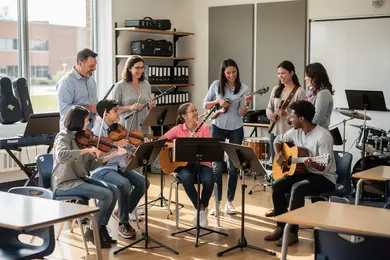
2027 Music Education Practicum Requirements Explained

Co-Founder and Chief Data Scientist
Meeting practicum requirements poses a significant challenge for many students pursuing a music education degree in the United States. Navigating mandated practicum hours, securing supervised placements in school or community settings, passing background checks, and maintaining required GPA levels are critical to staying on track for graduation and teacher certification. Recent data indicates that over 70% of music education candidates cite delays in clinical placements as a key barrier to timely licensure. Understanding state-specific rules and program standards early allows students to plan effectively, avoid common pitfalls, and ensure workforce readiness. This article clarifies practicum expectations and offers guidance on meeting them successfully.
Key Things To Know About Music Education Practicum Requirements
- Practicum training bridges theory and practice-students develop hands-on teaching skills essential for effective classroom management and lesson delivery.
- Field experience, internships, and clinical placements foster professional networking and expose students to diverse educational settings and student populations.
- Supervised hours ensure critical reflection and feedback that enhance pedagogical growth and readiness for certification or licensure in music education careers.
What Is A Practicum In Music Education Program?
A practicum in a music education program is a critical, supervised experience that allows students to apply classroom theory in real teaching environments. Commonly integrated within U.S. higher education curricula, practicums offer structured hands-on learning under professional oversight. Research indicates that 90% of employers in education prioritize candidates with substantial fieldwork experience, highlighting the value of practicums in graduate workforce readiness.
Key components of practicum requirements for music education certification include the following:
- Applied Learning: Unlike internships or capstone projects, practicums focus on direct application of teaching methods through guided fieldwork in schools or community settings. This immersive involvement helps students develop practical skills essential for effective classroom management and instructional adaptation.
- Academic Timing: Typically scheduled during the latter part of a student's program, practicums build on foundational coursework to ensure readiness for real-world teaching challenges. This timing supports a gradual transition from theory to practice in music education practicum overview and objectives.
- Supervised Evaluation: Mentors and cooperating teachers provide continuous feedback and performance assessments. Their supervision ensures that practicum experiences align with certification standards and promote professional growth through reflective practice.
- Structured Hours: Programs often require 100 to 300 or more practicum hours, segmented across multiple placements to expose students to diverse educational settings. This structure guarantees comprehensive exposure and skill development.
- Career Preparation: Practicums serve as strategic career assets by enhancing employability and expanding professional networks. They offer essential access to mentorship and industry exposure, advantages that distinguish practicing students in competitive job markets.
For students exploring related fields, resources covering online MSW programs provide useful insights into applied learning requirements in other disciplines.
What Are The Eligibility Requirements For Music Education Practicum?
Practicum eligibility standards in music education programs exist to ensure that students are academically and professionally prepared for the supervised, real-world teaching experiences ahead. These standards help maintain high-quality experiential learning, with data indicating that over 75% of education programs enforce minimum academic and professional criteria before placement to support student success and institutional accreditation.
To meet these standards, students typically must satisfy several critical eligibility requirements:
- Academic Standing: A minimum cumulative GPA-often between 2.5 and 3.0-is generally required to confirm that students have mastered essential foundational knowledge. Meeting this academic threshold ensures readiness to apply theoretical concepts in practical teaching environments.
- Prerequisite Coursework: Completion of key courses such as music theory, pedagogy, and educational psychology is necessary to build a robust foundation. Programs demand full passage of these prerequisite courses as a demonstration of content proficiency and preparedness.
- Faculty Approval: Departmental advisors usually review student performance and may require formal approval before practicum enrollment. This process provides individualized guidance to verify readiness based on academic progress and professional behavior.
- Compliance Requirements: Many institutions mandate background checks, immunizations, and health clearances due to direct interaction with minors in public schools. Additional paperwork like liability insurance or signed agreements is often required before confirmation of placement.
- Readiness Evaluations: Certain programs administer portfolio reviews or placement assessments to evaluate competencies such as classroom management and musical proficiency-serving as final checkpoints for practicum entrance.
Meeting these eligibility criteria not only ensures compliance but equips students with the skills necessary for successful fieldwork. For those considering further education pathways, exploring options among the most affordable online counseling degrees can complement a strong foundation in music education practicum eligibility criteria and professional development.
How Many Practicum Hours Are Required For Music Education Program?
Practicum hour requirements in music education programs serve to provide students with essential, supervised field experience to connect theory with practical teaching skills. These requirements fluctuate depending on institutional policies, state mandates, and accrediting agencies, with many recommending between 100 to 200 hours to ensure adequate hands-on preparation for future educators. Such experiential learning is highly valued by employers seeking candidates ready for classroom challenges.
Key factors affecting practicum hour expectations include:
- Typical Hour Ranges: Most music education programs ask for a total of 100 to 300 practicum hours. Undergraduates often fulfill the lower end, while graduate and certification-based tracks require more intensive engagement.
- Observation vs. Participation: Hours usually combine observation of experienced teachers with active involvement in instruction and related tasks. Direct teaching activities constitute the majority of required time, while observation and administrative duties comprise a smaller fraction.
- Phased Practicum Structure: Practicums often unfold in multiple stages or rotations, each increasing in responsibility. These sequential phases spread across one or more semesters to steadily build competence and confidence.
- Supervision and Documentation: Students must consistently log their hours and secure verification from supervisors. This process ensures accountability and typically includes feedback tools such as performance reviews and reflective journals.
- Weekly Time Commitments: Regular weekly involvement-commonly 5 to 10 hours-is expected. Scheduling generally aligns with academic calendars and may extend beyond regular school hours to cover rehearsals or extracurricular activities.
One professional who completed a music education practicum recalled, "Initially, balancing practicum hours with coursework felt overwhelming, especially juggling lesson planning and live teaching. Getting supervisor approval for each logged hour required meticulous record-keeping, which was stressful but helped me stay organized. The gradual increase in responsibilities-from observing to leading lessons-gave me essential confidence. By the end, the hands-on experience truly felt like the bridge between theory and the realities of the classroom." This reflection underscores how practicum hour requirements, though challenging, serve as a vital stepping stone toward teaching readiness and professional growth.
Prerequisite coursework plays a crucial role in equipping students with the knowledge and skills necessary to succeed in practicum placements. Academic programs require these foundational classes to ensure students are prepared for hands-on teaching environments. Studies indicate that nearly 85% of education employers prioritize sequenced curricula designed to enhance readiness for applied learning in professional settings.
Before starting a practicum, students typically complete coursework across several key areas that lay the groundwork for effective fieldwork.
- Core Theory: Foundational studies in music theory and musicianship cover elements like harmony, rhythm, and ear training, enabling students to analyze and teach musical concepts confidently during supervised practice.
- Professional Ethics: Courses in ethics and educational psychology address classroom management, diversity, motivation, and learning theories, fostering responsible and adaptable teaching behaviors.
- Research and Assessment: Instruction on research design and student evaluation equips students to monitor learning outcomes and reflect on their instructional effectiveness within practicum settings.
- Communication Skills: Training in verbal, written, and interpersonal communication enhances students' ability to deliver clear instructions and maintain professional relationships with peers, supervisors, and students.
- Instructional Design: Curriculum and lesson planning coursework prepares students to contribute meaningfully to classroom instruction while under supervision.
While the structure of required prerequisite courses may vary by discipline-such as in nursing, psychology, or counseling programs-the emphasis on curriculum sequencing remains consistent to define practicum eligibility. This approach ensures students progress academically to meet fieldwork standards. For those exploring complementary academic paths, resources like construction management degree online accredited programs also highlight the importance of prerequisite frameworks in career preparation.
The practicum placement process in music education connects academic study with supervised teaching experiences in real educational settings. Institutions work closely with external schools and community organizations to arrange placements that enhance student readiness and support professional growth. Research indicates that 87% of education employers prioritize applicants who have completed hands-on practicum training, highlighting its critical role in workforce preparation.
Key aspects of the practicum placement process include:
- Eligibility Verification: Students must fulfill program-specific academic criteria, such as required coursework completion and minimum GPA thresholds, before beginning placement. Institutions also require submission of documentation confirming readiness to engage in practical teaching.
- Application and Matching: Candidates apply through a centralized office or faculty coordinator, who evaluates qualifications and placement preferences. Matching aligns students with host sites-schools or community programs-that fit their learning objectives and scheduling needs.
- Host Site Coordination: Institutions establish agreements with partner organizations to define expectations, student responsibilities, and hours. These arrangements ensure placements meet accreditation standards and provide appropriate learning environments.
- Screening and Interviews: Many placements require background checks and interviews to meet host policies, especially when working with minors. This step safeguards student and community safety.
- Faculty Oversight: Throughout the practicum, faculty supervisors conduct site visits, evaluate student performance, and facilitate reflective activities to support professional development and instructional effectiveness.
- Placement Confirmation and Onboarding: Once placements are finalized, students complete orientations, submit necessary paperwork, and coordinate logistics. Clear communication addresses potential challenges like scheduling or credential requirements.
A professional who completed this practicum reflected that the process demanded careful organization and clear communication between herself, the university, and the host school. She recalled how navigating the application and screening stages initially felt daunting but ultimately fostered confidence in managing real classroom responsibilities. The ongoing faculty support proved valuable, especially during site visits, offering constructive feedback that strengthened her teaching skills. Overall, she viewed the placement as a pivotal experience that bridged theory and practice, preparing her for successful entry into the education field.
Pre-practicum documentation in music education programs ensures students meet academic, legal, and safety standards before engaging in field experiences. These requirements support student preparedness and institutional compliance, helping maintain quality and consistency in practicum placements. A 2023 study found that nearly 85% of programs mandate health or background verifications prior to practicum approval.
Common paperwork submitted and reviewed before practicum participation includes the following:
- Application Forms: Students complete these to provide personal details, preferred placement sites, and scheduling needs. These forms initiate the placement process and prompt faculty to confirm prerequisites and academic eligibility.
- Institutional Approvals: Faculty or advisors often must sign off on students' readiness, ensuring they meet program criteria and learning objectives. This step aligns student placements with curriculum requirements and competency benchmarks.
- Medical Documentation: Proof of current immunizations, recent physical exams, and health screenings is frequently required. These records help safeguard the health of students and the populations they will serve while satisfying regulatory mandates.
- Background Checks and Liability Agreements: Criminal history screenings and signed waivers protect vulnerable groups and clarify legal responsibilities. This documentation also limits liability for both students and host organizations.
- Confidentiality and Insurance Verification: Students may need to agree to confidentiality policies regarding sensitive information and demonstrate coverage through personal or institutional insurance to address potential practicum-related incidents.
- Site-Specific Consent: Some practicum locations require additional forms such as orientation confirmations or safety certifications tailored to local protocols. These ensure compliance with unique supervisory and operational standards.
Pre-practicum compliance requirements in academic programs serve to protect both students and the populations they engage with during field-based learning by ensuring essential health, safety, and legal standards are met. Clearing these screenings helps maintain safe environments and upholds institutional and regulatory obligations. Studies indicate that over 90% of practicum sites in education and healthcare mandate comprehensive background and health clearances prior to placement.
Common pre-practicum requirements include:
- Criminal Background Checks: These reviews often include fingerprinting to assess a student's eligibility to work with minors or vulnerable groups. They ensure compliance with federal and state regulations designed to safeguard children and uphold ethical standards.
- Child Abuse Clearance: Documentation confirming the absence of child abuse or neglect history is typically required. This protects minors and aligns with state legal mandates for school and youth program placements.
- Immunizations and Health Screenings: Proof of vaccinations such as MMR, tetanus, and influenza plus tuberculosis testing is mandatory. These measures prevent communicable disease transmission in school and community settings.
- Drug Testing: Some sites require negative drug screenings to support workplace safety and meet institutional policies. Timely completion is important to avoid placement delays.
- CPR and First Aid Certification: Current cardiopulmonary resuscitation and basic first aid certifications demonstrate readiness to handle emergencies and fulfill site requirements.
- Variation by Field and Institution: Requirements can differ depending on whether the practicum is in healthcare, counseling, or education fields, as well as by state regulations and site protocols. Students must verify specific compliance rules well ahead of placement deadlines.
Practicum placements play a vital role in Music Education programs by linking academic theory with supervised real-world teaching experience. These hands-on opportunities enhance learning by immersing students in authentic classroom environments under expert guidance. Research indicates that over 80% of education employers prioritize candidates with practical practicum experience, underscoring its value for graduate readiness and workforce preparation.
Students should expect the following key elements during their music education practicum placements:
- Daily Responsibilities: Students are involved in planning and delivering lessons, managing classroom interactions, and participating in rehearsals or performances, reflecting the workflow of professional music educators.
- Supervision and Mentorship: Practicum progress is closely monitored by experienced music teachers along with university supervisors. This dual supervision ensures consistent feedback and supports the refinement of teaching skills aligned with supervision and evaluation in music education practicum standards.
- Professional Conduct: Maintaining punctuality, clear communication, and ethical behavior are expected. Students must adhere to institutional policies and cultivate positive relationships with peers, administrators, and students.
- Performance Evaluations: Formal assessments evaluate lesson planning, classroom management, and instructional effectiveness. These evaluations help guide improvements and maintain alignment with certification requirements.
- Skill Development: Practicum experiences cultivate competencies such as curriculum design, student assessment, and adaptive instructional techniques. Exposure to diverse musical genres and learner needs broadens teaching versatility.
- Communication Challenges: Managing diverse learner abilities and resolving conflicts are common challenges. Developing empathetic, clear communication fosters a productive learning environment.
- Applied Learning Resources: Many students enhance their practicum success by engaging with relevant courses such as office administration classes, which support organizational and administrative skills beneficial during placements.
Supervision and evaluation are essential components of practicum experiences, providing students with structured support while ensuring academic standards and professional expectations are met. These oversight processes help bridge theory and practice, fostering student development and accountability. Recent research indicates that 85% of students demonstrate enhanced skills and confidence when consistently supervised during experiential learning placements.
Key elements of supervision and evaluation in music education practicum programs include:
- Supervisor Roles: Practicum supervisors, often experienced educators or clinicians, deliver mentorship and closely monitor student progress. They provide timely feedback and exemplify professional practices that help students translate classroom knowledge into practical teaching situations, reflecting common supervision methods for music education practicum students.
- Communication and Feedback: Clear, ongoing communication is crucial. Supervisors conduct meetings, observations, and written assessments to offer constructive feedback. This process encourages reflective learning and supports skill growth, strengthening evaluation criteria in music education practicum programs.
- Assessment Methods: Effective evaluation involves direct observation of teaching performances, reflective journaling to capture insights, and competency checklists aligned with curriculum goals. These measures enable objective assessment of applied skills and professional behaviors necessary for future educators.
- Faculty and Site Coordination: Collaboration between faculty advisors and site coordinators ensures that practicum placements are consistent with academic requirements and accreditation standards. This coordination maintains program integrity and optimizes student learning within field settings.
- Variations in Structure: Although practicum supervision and evaluation methods may vary by institution, policy, or discipline, the shared purpose is preparing students for ethical, effective practice in music education environments. These differences align with how workforce readiness is assessed across varying educational contexts.
For students exploring related career pathways, understanding what can I do with an environmental science degree offers insight into the importance of field experiences and practical training across disciplines.
Practicum experiences play a critical role in meeting professional licensure and certification requirements within music education fields by offering supervised, hands-on learning that bridges classroom knowledge with regulatory standards. Over 85% of hiring managers in education and allied professions favor candidates who have completed supervised fieldwork, underscoring the value of these placements for career readiness. The following key practicum elements outline how these experiences support credentialing and licensure eligibility.
- Fieldwork Hours: These hours fulfill mandatory clinical or fieldwork benchmarks set by licensing authorities, providing tangible evidence of practical involvement in teaching or related professional settings-an essential threshold for certification.
- Competency Benchmarks: Students undergo evaluations on critical skills such as instructional planning, classroom management, and lesson delivery. Achieving these benchmarks confirms that the candidate is prepared for independent professional practice in music education roles.
- Supervision and Evaluation: Credentialed supervisors guide and assess student progress, ensuring training meets the criteria set by accrediting bodies. This oversight maintains quality and guarantees alignment with licensure standards.
- Documentation and Verification: Educational institutions keep detailed records verifying completed practicum hours, evaluations, and skill assessments. These documents provide official proof for submission to licensing boards during certification applications.
- Discipline-Specific Practices: Practicum structures differ across education, healthcare, counseling, and related music education disciplines, each adapting supervised experience requirements to comply with unique professional standards and legal guidelines.
What Do Students Say About Their Music Education Practicum Experience?
- Aries: "My practicum experience in music education exceeded my expectations in many ways-especially in how hands-on the placements were. However, I did face some challenges meeting certain eligibility requirements, which initially delayed my start but ultimately pushed me to better understand program policies. The supervision was very supportive and constructive, allowing me to grow confidently in real classroom settings."
- Massimo: "Reflecting on my practicum, I realized that some of my expectations were a bit idealistic, as the reality of classroom management and lesson planning was more demanding than anticipated. Additionally, the evaluation process was rigorous yet fair, with detailed feedback that helped me improve steadily. There were minor hiccups around scheduling, but those were manageable with clear communication between my advisor and placement site."
- Angel: "From a professional standpoint, the practicum helped me develop crucial skills in music education, though I encountered some issues with eligibility documentation that added unexpected stress. I appreciated that supervisors conducted frequent observations and provided thoughtful evaluations, which were essential for my development. Overall, the practicum was a challenging yet rewarding step towards becoming an effective educator."
Other Things You Should Know About Music Education Degrees
Yes. Most 2027 music education practicum programs require a criminal background check before placement in a school. Many also require fingerprinting, a cleared tuberculosis screening, and proof of immunization records before the student can enter classrooms or begin supervised teaching hours.
While some programs permit students to recommend or choose their practicum placement venues, many maintain a list of approved sites and mentor educators to ensure quality and consistency. Student preferences may be considered, but final placement decisions usually rest with program coordinators to align with both educational goals and accreditation criteria.
Yes, practicum experiences in Music Education are typically credited as part of the degree requirements. The number of credit hours awarded often correlates with the documented fieldwork completed and the depth of reflective or seminar coursework tied to the practicum itself.
Transferability of practicum hours depends on the receiving institution and state certification requirements. Some states have specific guidelines about acceptable teaching experiences, so students planning to relocate should verify with both their current and prospective programs to ensure continuity of credit and licensure eligibility.
- NYU Music Education Technology Practicum syllabus https://www.ethanhein.com/wp/2020/nyu-music-education-technology-practicum-syllabus/
- Practicum vs. Internship in Counseling Programs: What’s the Difference? https://www.nec.edu/news/practicum-vs-internship-counseling-programs
- Student teaching tips from veteran Music teachers « Danny Cruz https://www.oboefiles.com/student-teaching-tips-from-veteran-music-teachers/
- MACP Practicum Portal https://practicum.yorkvilleu.ca/students/student-section-pre-practicum/
- LibGuides: Internship Guide: Internship Documentation Checklist https://guides.centralpenn.edu/internship/documentationchecklist
- Healthcare Background Check Requirements: What You Need to Know https://www.cisive.com/blog/healthcare-background-check-requirements
- What is a Counselling Practicum and Why It Matters? - Yorkville https://www.yorkvilleu.ca/blog/macp/what-is-a-counselling-practicum-and-why-it-matters/
- Background Checks and Security Clearances for Federal Jobs https://gogovernment.org/application-process/background-checks-and-security-clearances-for-federal-jobs/