2027 Best Online Music Education Degrees for Jobs

Co-Founder and Chief Data Scientist
Choosing the best online music education degree can be daunting-accreditation, curriculum rigor, costs, and career outcomes differ widely. Many programs claim value, yet less than 30% of graduates report satisfactory practical experience and career support after completion. This gap leaves students uncertain if their investment will translate to job readiness or advancement. Working adults and veterans especially need clarity on how programs accommodate their unique situations without sacrificing academic quality.
This article examines top online music education degrees by accreditation standards, curriculum quality, return on investment, hands-on requirements, and student support systems to help readers identify genuinely high-value programs aligned with career goals.
Key Things to Know About the Best Online Music Education Degrees for Jobs
- Programs meeting rigorous accreditation standards-such as NASM or CAEP-ensure curricula align with state teaching requirements, enhancing graduate eligibility for certification and employment.
- Comprehensive curricula blending music theory, pedagogy, and technology prepare graduates for diverse educational settings and evolving classroom demands in a competitive job market.
- Cost-effective degrees delivering strong return on investment feature affordable tuition paired with alumni reporting average salary growth of 15% within five years post-graduation.
What Is a Music Education Degree, and What Can It Do for Your Career?
A music education degree equips students to teach music effectively across varied settings-schools, community programs, and private studios. Recognized by organizations such as the National Association for Music Education (NAfME) and academic institutions, this discipline blends knowledge of music theory, history, and performance with pedagogical skills tailored for diverse learners.
- Foundational Knowledge: Students develop essential music skills including theory, ear training, and sight-reading alongside cultural and historical perspectives.
- Theoretical Frameworks: Coursework encompasses educational psychology, curriculum development, and assessment techniques, sharpening understanding of how people learn music.
- Applied Competencies: Practical training involves conducting ensembles, designing lesson plans, and integrating technology-factors distinguishing music education from performance-centered or music therapy fields.
- Degree Levels: Associate's degrees focus on basic musicianship and introductory teaching skills, suitable for assistants or skill-building. Bachelor's degrees prepare graduates for K-12 music teaching certification and comprehensive pedagogy roles. Master's degrees emphasize advanced instructional methods, leadership, or specialization for curriculum developers or higher education careers. Doctoral degrees target research, policy, and academic leadership, opening doors to university faculty or administration positions.
- Online Pathway: This guide concentrates on online music education programs-highlighting their flexibility, accessibility, and support tailored to working adults, military veterans using education benefits, and career changers pursuing the best online music education degree programs for career advancement.
By focusing on accreditation, curriculum rigor, cost, career outcomes, and student support, prospective students can confidently evaluate programs to secure best job outcomes. For those seeking the quickest route to advanced credentials, exploring the online PhD options is also valuable.
How Do Online Music Education Degree Programs Compare to Traditional Campus Programs?
Online music education degree programs have gained credibility comparable to traditional campus programs, with accreditation bodies and graduate outcome reports affirming their quality and rigor. Both formats maintain curricula aligned with national standards, ensuring in-depth study of music theory, pedagogy, and applied skills-an essential factor when comparing online music education degree benefits compared to traditional programs.
- Curriculum Depth and Rigor: Accredited online programs often match traditional campus offerings in coursework complexity and content. Many institutions utilize identical syllabi and faculty for both, supporting consistent academic standards.
- Faculty Qualifications: Both modalities feature qualified faculty, often holding doctoral degrees and active professional experience. Online platforms sustain faculty engagement through synchronous sessions and virtual office hours.
- Student-Faculty Interaction: While campus programs allow spontaneous in-person contact, online programs increasingly foster interaction via real-time video discussions, forums, and personalized feedback.
- Peer Collaboration: Campus-based degrees naturally facilitate ensemble experiences and group work; however, online degrees incorporate cohort models, virtual ensembles, and digital collaboration tools to nurture peer connections despite physical separation.
- Clinical or Practicum Requirements: Both formats require hands-on practicum or student teaching. Online learners complete these locally with approved supervisors, a solution supporting practical application without campus residency.
- Employer Perception: Employers generally view degrees-online or campus-based-from regionally accredited institutions equally, especially when certification and licensure standards are met.
- Structural Advantages: Online delivery uniquely benefits working adults, caregivers, remote residents, and military personnel by offering flexibility without compromising educational quality. This accessibility opens pathways to those lacking campus access, reinforcing the appeal of these programs.
- Documented Limitations and Solutions: Critics note limited spontaneous peer interaction and campus facility access in online programs. Leading institutions address these challenges through technology-enabled collaboration, short residency intensives, and local practicum placements.
For those considering career outcomes and economic return, exploring the highest paying careers linked to music education degrees can inform decision-making. By understanding the differences between online and campus music education degrees along these dimensions, prospective students can select programs aligned with their professional and personal goals.
What Are the Accreditation Standards That Define a Reputable Online Music Education Degree?
Accreditation ensures that an online music education program meets established academic and operational standards verified by independent agencies. Regional accreditation remains the most respected form-covering entire institutions and serving as a key indicator of quality for employers and graduate schools. Leading regional accreditors include:
- Middle States Commission on Higher Education (MSCHE): Focuses on colleges in the mid-Atlantic area.
- New England Commission of Higher Education (NECHE): Governs institutions in the northeastern U.S.
- Southern Association of Colleges and Schools Commission on Colleges (SACSCOC): Accredits many colleges in the southern states.
- Higher Learning Commission (HLC): Covers a broad range of Midwestern universities.
In addition to regional accreditation, specialized programmatic accreditation provides targeted oversight for music programs. The National Association of Schools of Music (NASM) is the foremost authority evaluating the academic rigor and professional standards of music education curricula offered online.
Choosing a degree from an unaccredited or poorly accredited program can lead to serious consequences-such as ineligibility for licensure, difficulties transferring credits, and limited recognition from employers or graduate programs. These obstacles can undermine career advancement and professional credibility.
To confirm a program's accreditation, students should consult reliable sources like the U.S. Department of Education's database of accredited postsecondary institutions and the Council for Higher Education Accreditation's (CHEA) directory. These resources provide current and validated information on institutional and programmatic status.
Ultimately, accreditation is a non-negotiable baseline that must guide program selection. Factors like affordability or convenience should never outweigh the essential assurance that the degree holds recognized quality and credibility.
Exploring your options for online music education degrees? Whether you're interested in earning a Bachelor's, Master's, or Doctoral degree, there are a variety of programs available to help you advance your musical journey and career from the comfort of your home.
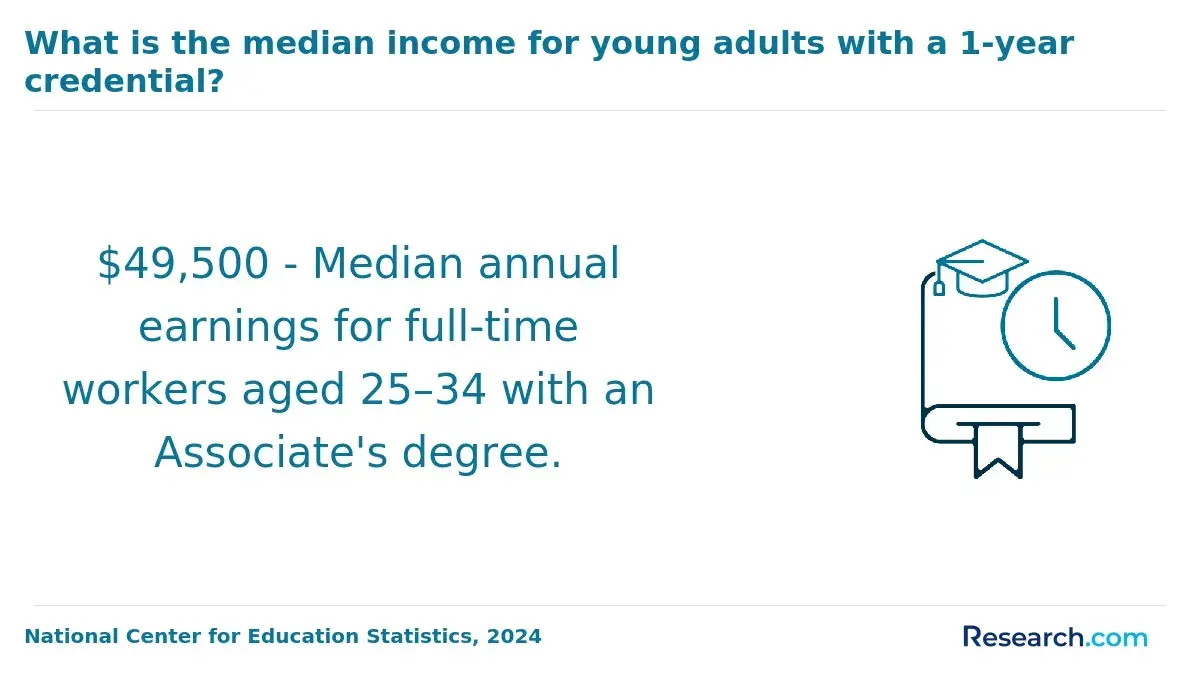
- Associate's Degrees: Designed as two-year programs for beginners or those seeking foundational skills, these degrees usually require a high school diploma and introduce basic musicianship, pedagogy, and general education. Graduates often enter entry-level roles such as assistant teaching, with salaries reflecting early career stages.
- Bachelor's Completion Programs: Intended for students with prior college credits or an associate's degree, these online programs allow completion of a bachelor's degree in about two years full-time. They focus on comprehensive music education, including curriculum development and classroom management, qualifying many graduates for teaching licensure and improved salary potential.
- Master's Degrees: Targeted at active educators or professionals seeking specialization or leadership positions, these 1.5 to 3-year programs usually require a bachelor's degree and sometimes teaching experience. Coursework covers advanced pedagogy, research, and administration, providing paths to curriculum leadership and higher income brackets.
- Doctoral Programs: Suited for academic or research careers, these rigorous 3 to 5-year programs require a master's degree and involve dissertation research. Graduates often become university faculty, researchers, or senior K-12 administrators, reflecting the highest credential level in music education.
- Post-Baccalaureate Certificates: Shorter credentials aimed at certified teachers expanding expertise-such as technology integration or assessment. These stackable certificates often count toward master's degrees, facilitating efficient academic progression.
IPEDS data shows associate and bachelor's completion programs attract working adults with higher enrollment and completion rates compared to doctoral studies, which demand longer commitment with lower completion percentages.
For those comparing programs-even online bachelor's and master's music education degrees or doctoral programs in music education online-consider accreditation, curriculum rigor, practical experience, and support services carefully. Working professionals may also explore additional learning pathways like an online game design degree to diversify skills in related fields or arts integration.
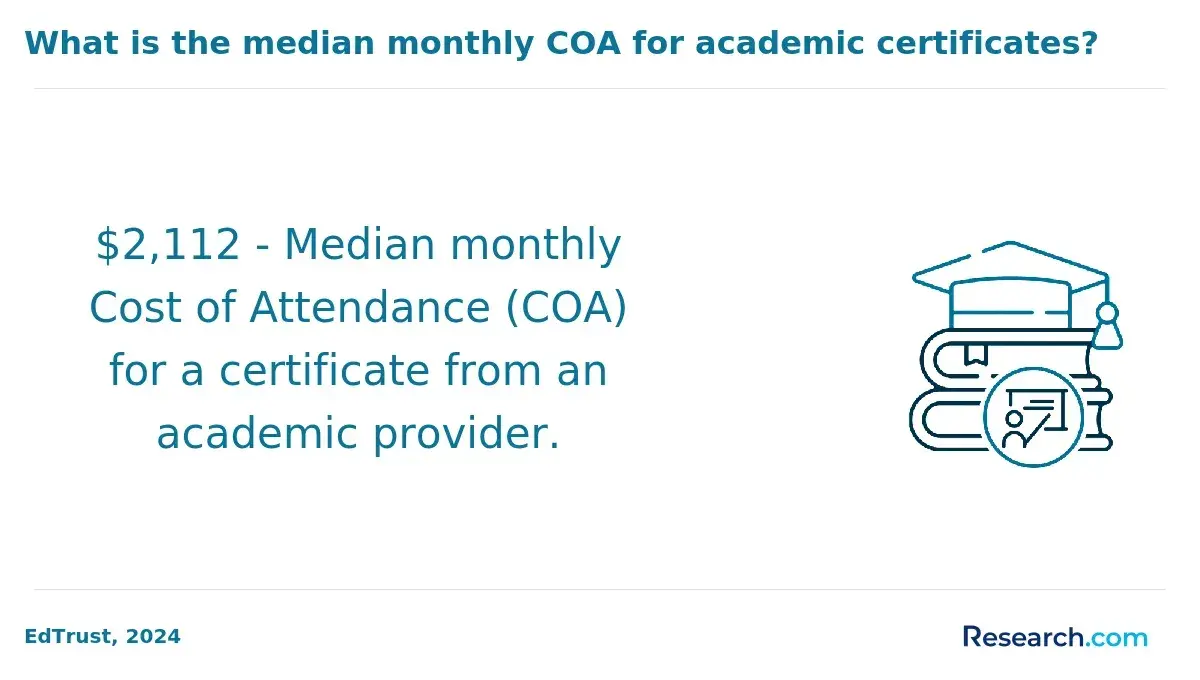
Tuition costs for an online music education degree fluctuate significantly based on institution type and residency status. Public universities charge in-state students approximately $5,000 to $12,000 annually, while out-of-state rates can rise to between $12,000 and $25,000 per year. Private nonprofit colleges typically set tuition between $20,000 and $40,000 yearly. For-profit schools often have comparable or slightly higher tuition but may add fees related to technology or course materials. Some programs also demand limited on-campus residencies or practicums, which add travel and lodging expenses to the overall cost.
Besides tuition, students should anticipate mandatory fees covering technology access, instructional materials, and administrative services-costs that can total several hundred dollars each semester. Careful budgeting must include these recurring charges to avoid surprises.
Financing options available through federal aid offer crucial support:
- Pell Grants: Need-based awards that don't require repayment, assisting low-income students with tuition and fees.
- Federal Loans: Subsidized loans with no interest while enrolled, and unsubsidized loans accruing interest immediately-both repayable after graduation.
- GI Bill Benefits: Education assistance for veterans and eligible family members, covering tuition, fees, and housing for qualifying online programs.
Additional scholarship funds may be accessible from music education associations, state workforce initiatives aimed at teacher development, and merit-based institutional awards for outstanding candidates pursuing teaching credentials.
It's vital to assess total program costs over time instead of focusing solely on per-credit charges. Tools like the College Scorecard's net price calculator help reveal personalized out-of-pocket expenses after factoring in financial aid-providing a more accurate financial picture before enrollment decisions.
An online music education degree program offers a flexible pathway for aspiring educators and musicians to develop their skills and knowledge from the comfort of their own homes. Whether you're looking to enhance your teaching credentials or deepen your understanding of music theory and practice, understanding the typical duration of these programs can help you plan your educational journey effectively.
Here, we'll explore how long it generally takes to complete an online music education degree and what factors might influence your timeline.
- Associate Degree: Typically completed in about two years for full-time students, these programs often offer part-time options extending to three or four years. Competency-based formats enable faster progress by allowing mastery demonstration instead of fixed course durations.
- Bachelor's Degree: Full-time enrollment usually requires four years, but accelerated or year-round options can shorten this to three years. Part-time students may take five years or longer, depending on their course loads.
- Master's Degree: Most online programs range from one to three years, with two years being standard. Accelerated tracks and recognition of prior learning-including professional or military experience-can significantly reduce completion time.
- Doctoral Degree: Doctoral studies often span three to six years, influenced by research demands and dissertation progress. Flexible pacing accommodates working professionals balancing education and career but may affect financial aid if extended beyond set limits.
- Transfer Credits and Enrollment Status: Previously earned credits can considerably shorten program duration. Full-time students tend to graduate sooner than part-time enrollees, though online offerings typically support both schedules.
- Accelerated and Year-Round Formats: Several accredited programs provide continuous or intensified sessions to expedite degree completion-an advantage for adults juggling family and work.
- Program Length Limits and Financial Aid: Minimum and maximum time boundaries often apply to maintain enrollment and eligibility for aid. Failure to meet satisfactory academic progress (SAP) standards can jeopardize financial support.
Quality online music education programs distinguish themselves through comprehensive core courses and thoughtfully sequenced curricula aligned with standards from the National Association for Music Education (NAfME) and the Council for Accreditation of Educator Preparation (CAEP). Essential coursework includes music theory, history, and performance, alongside pedagogy covering instrumental, vocal, and technology-integrated instruction. Programs committed to meeting diverse student needs incorporate specialized classes on diversity and inclusion.
Robust programs arrange foundational courses early, progressing to intermediate and advanced methods-focusing on classroom management, curriculum design, and assessment consistent with state certification mandates. Applied music lessons and ensemble involvement enhance continuous skill development and collaboration. Capstone projects or student teaching internships synthesize theory with practical experience, supervised by seasoned mentors. These experiences are crucial for reflection and professional readiness.
Graduates should demonstrate competencies in musicianship, adaptive teaching methods, effective communication, and integrating current educational technology. Measurable outcomes span designing inclusive lesson plans, assessing progress, and fostering creativity and critical thinking. Employers in music education highly value these skills as indicators of classroom leadership readiness.
Top programs maintain currency through formal curriculum review cycles every three to five years and consult advisory boards comprising educators and industry professionals. This ensures incorporation of emerging methodologies-such as blended learning and culturally responsive teaching-while adhering to evolving state and federal policies. Prospective students are advised to request sample course sequences, syllabi, and outcomes maps to verify curriculum rigor beyond marketing materials.
Return on investment for the best online music education degrees for working adults depends largely on balancing tuition costs with strong post-graduation outcomes such as employment rates and salary growth. Public universities frequently lead in this regard-offering competitive in-state tuition or reciprocity agreements that reduce financial barriers.
These institutions often maintain established employer connections that help graduates gain stable jobs in education or music-related fields.
- Cost Efficiency: In-state tuition options and reciprocity agreements at public universities create a financial advantage by lowering expenses significantly, making it easier for working adults-including veterans and those returning to school-to avoid excessive debt.
- Employment Outcomes: Top programs consistently report high employment rates within one year of graduation. Typical median salaries justify the initial investment, thanks in part to strong partnerships between universities and local school districts or music organizations committed to hiring graduates.
- Loan Default Rates: Programs with low loan default rates suggest that graduates successfully manage their debt, often benefiting from curricula focused on career readiness, practical teaching experience, and certification preparation.
- Financial Support: Employer tuition reimbursement programs and targeted scholarships for adult learners and veterans can greatly enhance ROI by reducing upfront costs.
- Program-Specific Data: Rather than rely heavily on generalized university rankings, prospective students should review median earnings six and ten years after enrollment to better assess long-term value and career progression in music education.
For working adults pursuing career advancement or a professional change, examining accredited programs that combine affordability with documented career outcomes is essential. A comprehensive understanding of these factors supports informed decision-making when evaluating any music education program online. Additionally, exploring options such as an online MBA entrepreneurship degree may offer complementary skills for educational leadership roles.
Admissions requirements for competitive online music education programs vary widely depending on institutional selectivity and degree level. Master's programs at research universities-known for their stringent admissions criteria-ensure candidates are academically prepared for demanding coursework and future professional success.
Prospective students researching top accredited online music education degrees admissions criteria will find that standards typically include:
- GPA Thresholds: Most selective graduate programs set a minimum undergraduate GPA of 3.0 on a 4.0 scale, with some highly competitive schools requiring 3.3 or above. Less selective community college or open-enrollment programs tend to have flexible GPA requirements.
- Standardized Tests: Many graduate programs have adopted test-optional policies; however, some still request GRE scores. Requirements may change annually, so applicants should verify current policies directly with programs.
- Letters of Recommendation: Generally, two to three letters are required from academic or professional referees who can speak to the applicant's skills, character, and potential impact in music education.
- Personal Statement: Applicants submit a written statement describing their passion for music education, career objectives, and how the program aligns with their goals-this is a critical component of competitive admissions.
- Professional Experience: Although not always mandatory, many graduate programs prefer candidates with prior teaching or educational experience, whether paid or volunteer, strengthening their applications.
- Prerequisite Coursework: Those without a formal music education background may be required to complete foundational courses in music theory, conducting, or teaching methods before or during the program. Institutions detail these prerequisites in their admissions materials.
Admissions rigor differs significantly-from open-access community colleges that welcome all applicants to highly selective master's programs demanding strict benchmarks. Students should realistically assess their academic records and experiences to identify where their credentials align best. Additionally, exploring other fields by reviewing related options like a computer science degree online may provide alternative career pathways.
Because requirements such as test-optional policies, GPA minimums, and prerequisite courses evolve regularly, contacting program advisors directly is essential. This ensures applicants have the latest information to make informed decisions and select high-value online music education programs that match their backgrounds and professional ambitions.
Online music education degree graduates have a diverse array of career paths and job opportunities available to them, reflecting the versatility and broad applicability of their training. Whether aiming to teach, perform, or contribute to the music industry in other ways, these graduates are well-equipped to pursue various roles that match their interests and skills.
- Elementary and Secondary School Music Teachers: Often the first step for bachelor's degree holders, these educators lead classroom lessons and direct ensembles in public and private schools, typically requiring state certification and laying the groundwork for specialized expertise.
- Instrumental and Vocal Instructors: Providing private lessons or teaching at community music schools, these roles offer opportunities for both traditional employment and entrepreneurial ventures focused on individualized skill development.
- Music Program Coordinators: Combining teaching with administrative duties, coordinators manage extracurricular music and youth programs, gaining valuable management experience within educational or community settings.
- Educational Leadership and Administration: Usually requiring graduate education, these advanced roles include curriculum developers, music department heads, and principals focused on music program innovation and policy adherence.
- Music Therapists and Specialists: Professionals who apply music therapeutically in clinical environments-these positions demand specialized credentials beyond a bachelor's degree and merge arts with health sciences.
- Higher Education Faculty: Teaching and researching music education at colleges or universities, these roles often call for master's or doctoral degrees and encompass scholarly contributions alongside academic instruction.
- Career Pivot Opportunities: With targeted upskilling or certification, individuals from related fields such as general education, performance, or therapy can transition into music education roles, enhancing flexibility and broadening employment prospects.
- Typical Career Progression: Early careers usually involve classroom teaching or private instruction, advancing over five to ten years toward lead teacher, program director, or district-level administrative positions. Lateral moves include crossing between K-12 education, community arts organizations, or private sector roles like curriculum development firms.
- Employment Sectors: Graduates find opportunities across public and private schools, charter and magnet institutions, community centers, therapeutic clinics, and higher education-each offering distinct pathways for professional growth and specialization within the field.
Median salaries for common roles among online music education graduates often fall between $50,000 and $65,000 annually, influenced by multiple factors that shape earning potential.
- Degree Level: Salaries generally increase with higher academic achievement-bachelor's holders start with entry-level wages, while master's and doctoral graduates often access higher salaries and leadership roles.
- Experience: New educators usually begin near the lower end of pay ranges, but those with 10 to 15 years or more can earn 20% to 30% above median figures due to accumulated expertise and reputation.
- Industry Sector: Public school positions typically follow structured salary scales with union-backed increments, whereas private institutions may offer varied compensation packages with less predictability.
- Geographic Market: Urban areas and regions with a high cost of living often provide higher wages, with some metropolitan locales paying veteran educators over $70,000 per year. Rural or less densely populated states usually report lower average salaries but might offer supplemental benefits like housing stipends or lower living expenses.
- Specialization: Expertise in fields such as music therapy, conducting, or integrating technology into curricula frequently commands salary premiums due to specific market demand.
- Certifications and Credentials: Holding advanced teaching credentials or national board certification can boost earnings by 10% to 15%. Online graduates can efficiently pursue these through recognized professional organizations, leveraging flexible schedules to balance work and study.
- Salary Projections: Demand for qualified music educators is expected to rise in both traditional classrooms and online education platforms-potentially driving salary growth faster than average education fields.
Because salaries fluctuate with economic shifts, policy updates, and changing educational standards, consulting current data from authoritative sources like the Bureau of Labor Statistics and specialized salary surveys remains essential for accurate career planning.
What Graduates Say About the Best Online Music Education Degrees for Jobs
- Aries: "The accreditation standards were a decisive factor for me-I knew a well-recognized program would open doors in a competitive job market. The curriculum was challenging but thoughtfully designed, allowing me to grow both theoretically and practically without feeling overwhelmed. Choosing a program with solid student support really made all the difference during stressful periods-I always felt someone was ready to help. "
- Massimo: "I've reflected a lot on how cost and return on investment shaped my online Music Education journey. Balancing affordability with quality was crucial, and I found that investing a bit more upfront paid off with better career outcomes later on. The practical experience requirements stood out because applying what I learned in real-world settings gave me confidence and set me apart during job interviews. "
- Angel: "From a professional standpoint, the most impressive aspect of my degree was the career outcomes-graduates landed meaningful roles quickly, which speaks volumes about the program's reputation. The rigorous curriculum ensured I was prepared for the challenges ahead, while the student support infrastructure-especially mentoring-helped me stay connected and motivated throughout my studies. "
Other Things You Should Know About Music Education Degrees
The leading online music education programs focus on developing a broad range of skills including music theory, pedagogy, and technology integration for modern classrooms. Graduates also gain essential competencies in curriculum design, classroom management, and assessment techniques tailored specifically for diverse student populations. Communication and leadership abilities-critical for coordinating school music departments and community programs-are emphasized alongside hands-on musicianship and conducting skills.
Most employers recognize properly accredited online music education degrees as equivalent to traditional degrees, especially when the program includes substantial practicum or clinical requirements. Hiring managers increasingly value candidates who show evidence of practical teaching experience-something leading online programs ensure through partnerships with local schools or music organizations. The reputation of the school and the rigor of the curriculum remain important factors in employer perception.
Most states require a passing score on a teacher licensure exam such as the Praxis Subject Assessments in Music and a state pedagogy test before issuing a K–12 teaching license. Some states also require a background check, supervised student teaching, and a state-approved educator preparation program.
- Best Online Music Lessons for Adults (2026 Guide) https://bmusician.com/blog/best-online-music-lessons-for-adults/
- Standards and Guidelines - National Association of Schools of Music https://nasm.arts-accredit.org/accreditation/standards-guidelines/
- Accreditation Standards - Standards for Accreditation of Education https://www.accreditation.info/accreditation/accreditation-standards.html
- The Importance of International Accreditation for Music Training Schools https://www.qahe.org/article/the-importance-of-international-accreditation-for-music-training-schools/
- Chea https://www.chea.org/
- What Can You Do with a Music Education Degree? - NAfME https://nafme.org/blog/what-can-you-do-with-a-music-education-degree/
- Online Music Education Market Size, Trends, Growth 2025 – 2030 https://www.mordorintelligence.com/industry-reports/online-music-education-market
- Music Education Master’s Programs Online: Review Top Schools https://www.onlinemastersdegrees.org/best-programs/education/music-education/
- 2026 Music Teaching Jobs Outlook: Stats, Growth, and Pro Application Tips https://mooz.pro/uk/blog/understanding-the-music-teaching-job-market-in-2026.html
- Online Music Education Course and Class Descriptions https://bestaccreditedcolleges.org/articles/online-music-education-course-and-class-descriptions.html