2027 Music Education Degree Programs With Rolling Admissions

Co-Founder and Chief Data Scientist
Traditional admission cycles often present rigid deadlines that clash with the unpredictable schedules of working adults aiming to advance in music education. As most music education programs require extensive practicum and credentialing within narrow academic terms, missed deadlines can delay licensure and employment by months. However, data from the National Center for Education Statistics shows that 38% of graduate students in education fields enroll part-time, highlighting a substantial demand for flexibility. Rolling admissions models accommodate this by allowing continuous application acceptance, which aligns better with career changers' needs and fluctuating professional commitments.
This article explores how rolling admissions affect timing, licensing trajectories, and career transition strategies for prospective music education students.
Key Benefits of Music Education Degree Programs With Rolling Admissions
- Rolling admissions in music education allow students to align enrollment with performance seasons, but this flexibility may compress preparatory coursework, affecting long-term skill development critical for competitive teaching roles.
- The continuous entry model requires employers to recognize varying graduation timelines, complicating hiring cycles yet fostering a workforce adaptable to diverse academic pacing and musical specialization.
- Extended application windows reduce financial pressure from early deadlines, enabling candidates to balance costly instrument acquisition and private lessons, though delayed decisions can postpone critical internship opportunities.
How Do Music Education Degree Programs With Rolling Admissions Work?
Rolling admissions in music education degree programs offer a flexible yet complex admissions framework that reshapes how applicants plan their entry and how programs manage cohort composition throughout the year. This approach demands careful navigation as it intersects with resource availability and workforce timing, influencing both the academic experience and post-graduation employability.
- Continuous Evaluation: Applications are assessed as they arrive rather than waiting for a fixed deadline. This allows candidates to apply when ready, but also requires them to be strategically proactive to secure spots before program resources become constrained.
- Access Flexibility: Students who decide later in the academic cycle-such as performers transitioning to teaching-can still pursue music education programs without the delay of a traditional admissions timeline. This flexibility improves access but may affect course choice and ensemble availability.
- Resource Fluctuations: Because faculty and ensemble slots must be balanced dynamically, later admittees often face a narrower range of practical opportunities, such as private lessons and practicum placements, challenging their ability to meet sequential curriculum requirements on time.
- Workforce Alignment: Rolling admissions enable graduates to enter the job market at varied times, aligning with many school districts that recruit music educators year-round rather than in a single hiring season, potentially improving employment responsiveness.
- Community Tradeoffs: Students miss out on traditional cohort peer groups, which can diminish collaborative learning and professional networking-key aspects of music education pedagogy that develop ensemble skills and teaching partnerships.
- Institutional Strategy: Schools use rolling admissions to modulate enrollment and manage demand fluctuations, but this also means that admission standards and offerings might shift subtly over time, requiring applicants to weigh timing against program consistency.
- Planning Imperative: Despite application flexibility, students must actively plan their course sequences to avoid delays in meeting prerequisites or graduation benchmarks, particularly when practicum and ensemble experiences are limited due to staggered enrollment.
- Comparative Context: Unlike rigid deadline systems common in other fields, the rolling model in music education reflects the discipline's unique blend of individualized mentorship and fluctuating resource demands, highlighting a nuanced balance between access and program quality.
Those who need flexibility in their academic schedule can also look into online colleges for online music education programs.
What Are the Admission Requirements for Rolling Admissions Music Education Programs?
Rolling admissions in music education programs prioritize continuous and individualized evaluation, which shifts emphasis from strict deadlines to the readiness and completeness of each applicant's portfolio. This process benefits candidates who require flexible timelines due to varying professional or personal obligations but demands careful coordination to submit all materials simultaneously. In practice, the tradeoff is between timing flexibility and the pressure to present a holistic application package that meets standards comparable to traditional cycles, directly impacting employability and career trajectories in education settings.
- Transcripts: Academic records verifying foundational knowledge are essential but insufficient alone, as programs weigh them alongside evidence of musical skill and pedagogy potential.
- Auditions or Portfolios: Live or recorded performances demonstrating technical proficiency, artistic interpretation, and instructional promise are critical components for assessing readiness to teach.
- Letters of Recommendation: References from instructors or mentors provide nuanced insights into work ethic, musicianship, and classroom potential, components valued highly by school districts and community programs.
- Personal Statement: Essays focused on pedagogical philosophy and career goals reveal an applicant's motivation and alignment with the profession's evolving demands, which is crucial for long-term employability.
- Application Form: A complete submission of required documents is mandatory before the review process, emphasizing the need for candidates to organize all elements concurrently, despite the absence of a fixed deadline.
This comprehensive evaluation framework aims to produce graduates equipped to meet the dynamic expectations of K-12 and community music education employers, balancing artistry with instructional effectiveness in real-world contexts.
When Should You Apply for Rolling Admissions Programs?
Rolling admissions in music education programs operate through continuous application review rather than fixed deadlines, creating a dynamic enrollment environment where seat availability diminishes as the cycle progresses. Early applicants typically access a broader range of open slots and may have a better chance at securing institutional aid that is often allocated in initial review stages. However, this advantage comes with the operational reality that programs prioritize complete and compelling applications; submitting too hastily with incomplete materials can undermine competitiveness despite timing benefits.
Mid-cycle candidates who invest time to refine their portfolios or accumulate relevant experience can sometimes present stronger profiles, albeit for fewer remaining seats, highlighting a tradeoff between readiness and early access in an admissions process closely linked to real-time program capacity and funding constraints.
Late applicants face a constricted set of options with fewer seats and reduced financial support, which not only heightens rejection risk but may also delay program entry and disrupt projected career timelines in education and related workforce paths. This compressed window frequently shifts admissions from a strategic advantage to a reactive scramble, emphasizing the importance of aligning submission timing with personal preparedness rather than adhering strictly to calendar urgency.
Understanding how rolling admissions continuously reallocate resources in response to applicant flow allows prospective students to navigate timing in context, balancing early engagement with the practical necessity of presenting a polished application. Ultimately, this interplay influences both academic enrollment outcomes and initial professional positioning in the competitive landscape of music education careers.
One applicant recalled hesitating to submit early because their audition materials weren't performance-ready, despite knowing that later applications risked limited openings. They spent additional weeks coaching and refining their repertoire before applying mid-cycle, which resulted in admission with scholarship support. This experience underscored for them how rolling admissions rewarded not just promptness but the quality and thoroughness of the application, influencing their strategic approach to timing-and reinforcing the nuanced decision-making needed to effectively navigate programs without fixed deadlines.
Are Rolling Admissions Common in Online Programs?
Rolling admissions are notably more prevalent in online music education programs than in traditional campus-based counterparts, largely because they align with the operational need for ongoing scalability and accommodate geographically dispersed learners. Many institutions adopt rolling admissions to better manage fluctuations in application volume and optimize cohort sizes throughout the year.
This approach facilitates access for students who require flexible start dates due to work, family, or other commitments, making online music education online programs with rolling admissions attractive to nontraditional students. However, not all programs use this system; some prefer fixed application cycles to maintain cohesive cohort progression, especially where sequential coursework or ensemble participation is critical.
The use of rolling admissions in online music education also has practical consequences for students' experiences and career paths. Programs offering multiple enrollment windows expedite application decisions, which can reduce barriers to timely enrollment but may increase competition during popular start periods. Approximately 60% of surveyed online programs utilize rolling admissions, reflecting institutional strategies to sustain enrollment stability while catering to diverse learner needs. Prospective students should weigh these dynamics carefully, considering how admission models affect peer interactions, instructional continuity, and employer perceptions of credential rigor.
For instance, those exploring options beyond music education might also examine flexible pathways like a 2 year psychology degree online to understand broader trends in rolling admissions across disciplines.
Do Rolling Admissions Schools Have Higher Acceptance Rates?
Rolling admissions policies do not inherently lead to higher acceptance rates; rather, the perception of easier admission stems from how applications are reviewed over time. Since applications are assessed continuously until slots fill, early applicants often face less competition simply because more seats remain available.
This timing dynamic can create an advantage for those who apply sooner but does not imply that the program lowers standards for later admits or inflates overall acceptance rates. Admission outcomes reflect supply constraints and demand more than the admissions process design itself, which is key for students weighing their timing strategy in Music Education programs.
Acceptance rates depend heavily on program size, demand levels, and institutional selectivity, which vary widely among Music Education pathways. Programs with rolling admissions may show fluctuating admit chances depending on when applications arrive rather than substantially different qualification thresholds. A student applying early in a competitive program might face a marginally better shot at acceptance, but this advantage results from seat availability, not reduced rigor. Understanding this helps applicants manage expectations and align application timing with personal readiness rather than expecting looser admission criteria or uniformly higher acceptance in rolling admissions contexts.
How Much Do Rolling Admissions Music Education Programs Cost?
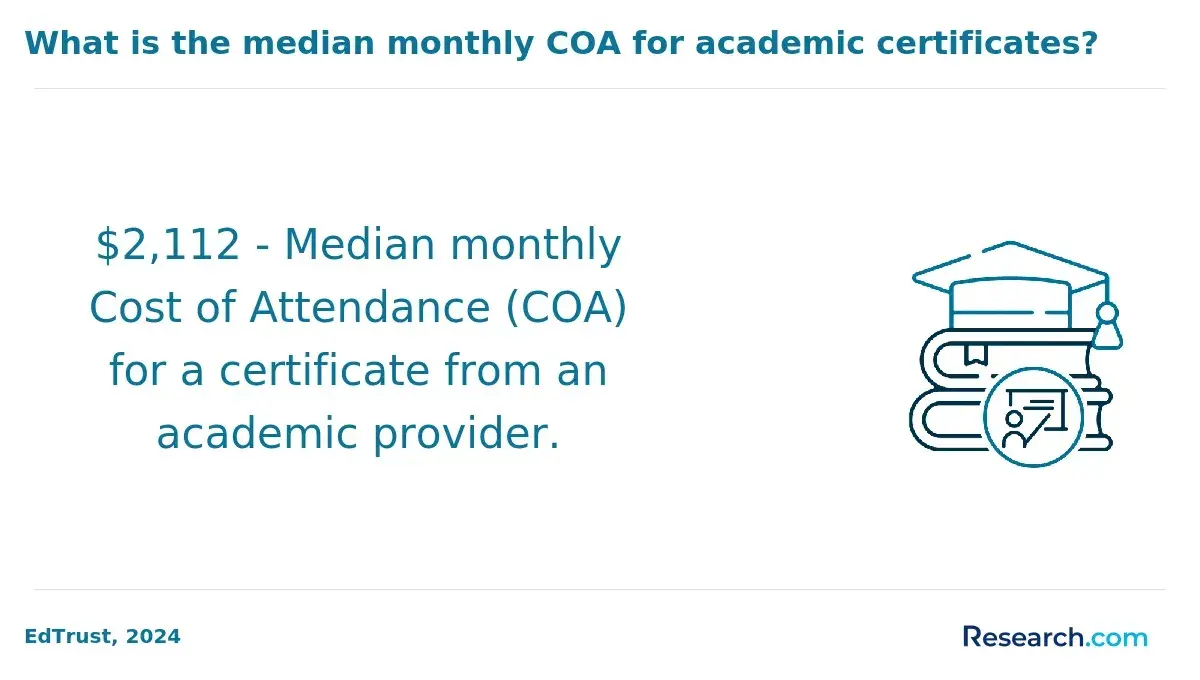
Tuition in rolling admissions music education programs is typically charged per credit hour, often ranging between $300 and $700. This pay-per-credit structure provides students the flexibility to manage course loads term by term, which can ease upfront financial burdens but requires ongoing budget planning. Importantly, rolling admissions itself does not reduce or increase tuition rates; instead, it affects when students enroll and consequently how they pace payments. Additional costs such as institutional fees-commonly technology surcharges for online or hybrid delivery-and course-specific lab or clinical fees can significantly influence the total cost, especially when performance or practicum components demand specialized resources. Such fees often amount to several hundred dollars each term and vary by program format.
Program design further shapes the financial experience: fully online models may lower commuting and housing costs but tend to have higher technology fees; accelerated or cohort-based formats concentrate tuition payments but can reduce overall living expenses by shortening program duration. For prospective students analyzing how much rolling admissions music education programs cost annually, the total tuition commonly caps between $20,000 and $40,000 excluding living expenses and materials. This cost framework requires balancing financial flexibility with long-term affordability and employer expectations for candidates who bring both teaching licensure and demonstrable practical skills.
Those also researching options may benefit from exploring related fields, such as online accounting classes, whose tuition models and rolling admissions policies provide useful cost-structuring comparisons.
Are Career Outcomes Different for Rolling Admissions Students?
The timing of admission through rolling policies does not itself create meaningful differences in career outcomes for graduates of music education programs. Rolling admissions function solely as a flexible enrollment process, allowing applications at various points, but the determinants of employability and long-term success lie elsewhere. Key factors include the institution's accreditation status and program rigor, which critically affect the quality of training and credential recognition.
Additionally, specialization within music education-whether instrumental pedagogy, choral leadership, or emerging fields like music technology-shapes how well graduates fit labor demands. Practical experiences such as internships, student teaching, and network development remain far stronger predictors of job placement and professional progress than the date or mode of acceptance.
Some potential indirect advantages of rolling admissions arise when earlier acceptance leads to quicker matriculation, enabling students to complete requirements sooner and enter the workforce ahead of peers bound by fixed admission cycles. However, this benefit is not consistent across all schools or individuals, depending heavily on program structure and personal circumstances.
Geographic factors and regional demand for music educators also exert substantial influence, often eclipsing considerations about admissions timing. The U.S. Bureau of Labor Statistics forecasts a 4% growth in employment for music directors and composers from 2022 to 2032, highlighting a competitive field where demonstrated skills and relevant experience weigh more heavily in hiring decisions than procedural admission details.
One graduate recalled that the rolling admissions process initially felt uncertain. She had been hesitant to apply early, waiting to strengthen her portfolio and teaching demos. When she finally submitted her application late in the cycle, she faced a brief delay in notification but was ultimately admitted with enough time to complete student teaching without rushing. This staggered timeline allowed her to focus on practical skills rather than the pressure of fixed deadlines, though she acknowledged this flexibility did not guarantee faster employment. Her experience underscored that while rolling admissions offered helpful scheduling leeway, career prospects depended on the substance of her training and connections rather than the point of entry into the program.
Can Rolling Admissions Programs Lead to High-Paying Careers?
High-paying careers in music education are largely shaped by factors beyond the admissions timeline, making rolling admissions an enrollment convenience rather than a salary driver. While rolling admissions programs offer flexibility that can help students apply and begin coursework earlier, the direct impact on income is minimal. Salary outcomes depend more substantially on the focus within music education-such as performance, leadership, or administration-and on attending institutions with strong accreditation and established industry connections. For example, a student who leverages internships and active networking while enrolled at a reputable university is more likely to secure a high-paying role than one who simply admits earlier through a rolling system.
That said, rolling admissions can indirectly affect earnings by enabling earlier graduation, which might accelerate entry into the workforce. However, median salaries in music education vary widely, often ranging from around $35,000 for entry-level teaching roles to $70,000 or more for specialized or senior positions, showing that career trajectory and skill development outweigh enrollment timing. Regional labor market conditions also heavily influence compensation; urban educators in well-funded districts typically earn more than their counterparts in rural settings. Ultimately, while rolling admissions offer practical benefits for scheduling and access, they do not constitute a meaningful advantage in reaching high-paying music education careers.
What Are the Disadvantages of Rolling Admissions Programs?
Rolling admissions in music education degree programs introduce nuanced operational challenges that extend beyond flexible timing. Unlike fixed deadlines which naturally prompt early decision-making and cohort alignment, rolling admissions create an uneven progression and planning environment for students. This continuous acceptance process can hinder applicants' ability to prepare strategically, as varying acceptance dates delay critical academic and extracurricular scheduling.
Further complicating decision-making, rolling admissions may increase competition unpredictably over time, contributing to fluctuating acceptance rates and complicating comparison across programs. For example, students applying later might find fewer financial aid opportunities and limited mentorship availability since many institutions prioritize early applications for resource allocation. Research suggests that programs with front-loaded admissions reserve significant funding advantages for early applicants, a practical consideration often overlooked.
In the context of workforce integration, many K-12 music education employers maintain hiring cycles that synchronize with traditional academic calendars. Graduates completing their programs off-cycle may face extended job searches due to misalignment with district recruitment schedules, ultimately delaying entry into professional roles and diminishing early career momentum.
- Unclear enrollment timing complicates academic and personal planning, increasing uncertainty in balancing coursework and skill development.
- Disjointed cohorts limit ensemble participation and peer learning benefits, undermining vital collaborative experiences in music education.
- Later applicants risk diminished financial aid and mentorship access, which can impact program affordability and access to tailored guidance.
- Off-cycle graduation may reduce alignment with employer hiring cycles, leading to longer job searches and fewer internship opportunities.
Rolling admissions music education degree programs may pose challenges related to limited application deadlines compared to traditional models, impacting students' preparation time and decision-making processes. Another notable disadvantage includes potential increased competition due to a continuous acceptance cycle, which can affect acceptance rate stability and student planning.
Prospective students balancing career goals with flexible entry might also explore other credential pathways, such as those found in fields like finance, where some opt for an accelerated finance degree to expedite workforce entry. While differing in discipline, these contrasting admissions structures highlight how timeline rigidity can uniquely impact program outcomes and employability across sectors.
How Do You Choose the Best Music Education Program With Rolling Admissions?
Evaluating music education programs with rolling admissions requires more than noting their flexible deadlines; it demands attention to factors that directly affect degree completion and employability. The real-world pressures on students balancing work, family, and education call for programs that not only admit year-round but also deliver measurable outcomes. Comparing programs calls for an assessment of how these factors influence both short-term academic progress and long-term career prospects in education.
- Graduation and retention rates: These figures reveal a program's ability to keep students engaged and supported through to completion, which impacts the timeline for entering the teaching workforce and eligibility for certification exams.
- Scheduling flexibility and delivery format: Programs accommodating online or hybrid learning cater to students managing external responsibilities. This is increasingly relevant as many students pursue degrees alongside employment or caregiving duties, requiring adaptable course options.
- Graduate employment connections: Practical elements like strong internships and school partnerships are crucial for networking and securing teaching positions quickly after graduation, a key feature for programs with rolling admissions that must maintain ongoing career support.
- Admissions responsiveness: Timely feedback and clear guidance during rolling admission reduce enrollment delays and help students plan around academic start dates and financial aid deadlines.
Prospective students choosing the best rolling admissions music education degrees should weigh these criteria carefully, matching program features to their unique situation. For those exploring options beyond traditional pathways, resources like the online counseling degree listings may provide comparative insight into flexible academic delivery models in related fields.
What Graduates Say About Music Education Degree Programs With Rolling Admissions
- Aria: "Balancing a full-time job while pursuing my music education degree on a rolling admissions schedule was challenging, but it allowed me to apply what I learned directly to my local community music programs. I chose the program because of its flexible timeline, which let me continue earning income without interruption. While I didn't acquire full licensure, the portfolio projects and internship helped me land a role as an after-school program coordinator, though I quickly realized salary growth in that position is limited without certification."
- Max: "Coming from a different career, I needed a program that could accommodate my late start and limited availability, so the rolling admissions in music education fit perfectly. Deciding to focus on coursework that emphasized practical teaching skills over theoretical study was pivotal since most local employers prioritized experience and classroom readiness over licenses. After graduation, I landed a substitute teaching position that turned into a permanent spot, but I'm aware that advancing further may require additional credentials or endorsements."
- Gianna: "Time constraints due to family commitments made the rolling admissions for music education a necessity for me, especially since I needed to start immediately rather than wait for traditional semesters. Choosing a program that emphasized internships and real-world teaching experience helped me build a solid professional network. However, I noticed that even with good references, many school districts prefer candidates with state certification, so I'm considering further study to expand my job prospects despite already having a job in a smaller private school setting."
Other Things You Should Know About Music Education Degrees
Music education programs rely heavily on personalized instruction and mentoring, particularly for applied music studies and teaching practicums. Rolling admissions can stretch faculty resources more thinly across the academic year, potentially reducing access to consistent mentorship. Prospective students should consider how programs manage advising and instruction for off-cycle entrants-those with less structured or ad hoc advising can face challenges completing performance assessments or securing field placements timely, which may affect readiness for licensure or job placement.
Networking in music education often builds through cohort interactions, ensemble participation, and scheduled practicums aligned with semester starts. Rolling admission students might miss these natural points of connection, leaving gaps in collaborative learning and fewer immediate peer contacts. Prioritizing programs that proactively integrate rolling-admit students into existing networks through mentoring groups or scheduled ensemble sessions can mitigate isolation and enhance professional development, which is critical given employer emphasis on practical teaching experience and peer collaboration.
While rolling admission offers enrollment flexibility appealing to working adults, music education degrees demand rigorous practice hours, lesson planning, and field experiences that can clash with professional and personal commitments. Students must carefully evaluate whether program schedules and support systems accommodate part-time pacing or hybrid formats, as overcommitting can compromise learning quality and lead to burnout. Programs providing structured timelines and realistic workload expectations for nontraditional students generally yield better retention and outcomes, making these factors a critical consideration when choosing a rolling admission path.
References
- Strategies for Navigating the Music Education Major for Incoming and Transfer Students - NAfME https://nafme.org/blog/strategies-for-navigating-the-music-education-major-for-incoming-and-transfer-students/
- Music Education sees high job opportunities – The Equinox https://kscequinox.com/2023/10/music-education-sees-high-job-opportunities/
- The Importance of Music Education in Schools - Graduate Programs for Educators https://www.graduateprogram.org/blog/the-importance-of-music-education-in-schools/
- CollegeAdvisor.com Guide: Music Program Applications https://www.collegeadvisor.com/resources/bullseye-guide-music-program-applications/
- Music Education acceptance rates? - Music Majors - College Confidential Forums https://talk.collegeconfidential.com/t/music-education-acceptance-rates/1125835
- Arts Administration Jobs With a Music Education Degree | EWU https://online.ewu.edu/degrees/education/master-music-education/careers-beyond-teaching/
- Disrupting Racism in Music Education: Conceptualizing Admissions Processes Through the State and the War Machine https://act.maydaygroup.org/volume-22-issue-3/disrupting-racism-in-music-education-conceptualizing-admissions-processes-through-the-state-and-the-war-machine/
- News Archive https://www2.naz.edu/news/archive/2026/February/921/nazareth-launches-online-music-education-master-s-degree
- What Can You Do with a Music Degree? https://majoringinmusic.com/what-can-you-do-with-a-music-degree/
- Impact of Music Ed — Play for Music Education https://www.playformusiceducation.org/new-page