
2027 How to Become a Licensed Pharmacist in Oregon

Co-Founder and Chief Data Scientist
To become a licensed pharmacist in Oregon, you need more than a pharmacy degree. You must complete an accredited Doctor of Pharmacy program, document supervised experience, pass national and Oregon law exams, submit an application to the Oregon Board of Pharmacy, complete fingerprinting and a background check, and keep your license active through continuing education.
This guide is for students planning a pharmacy career, pharmacy graduates preparing for licensure, and pharmacists licensed in another state who want to understand Oregon’s process. It explains the steps, timeline, fees, exams, education options, renewal rules, salary expectations, career paths, and common delays so you can plan your next move with fewer surprises.
Oregon reported approximately 9,136 licensed pharmacists in 2024. The profession remains important as medication use becomes more complex, pharmacists take on broader clinical responsibilities, and patients need help managing prescriptions, chronic conditions, vaccines, drug interactions, and medication safety.
Quick Answer: How Do You Become a Pharmacist in Oregon?
The standard path is to earn a Doctor of Pharmacy degree from an ACPE-accredited program, complete required internship or experiential training, pass the North American Pharmacist Licensure Examination (NAPLEX), pass the Oregon Multistate Pharmacy Jurisprudence Examination (MPJE), complete one hour of continuing education in pain management before applying, submit the Oregon pharmacist license application, pay the required non-refundable fees, and complete fingerprinting and a background check.
After the application is submitted with all required documents, Oregon’s processing period typically ranges from 4 to 6 weeks, although missing documents, exam score issues, background-check questions, or moral-character review can extend the timeline.
Key Things You Should Know About Becoming a Licensed Pharmacist in Oregon
- Two exams are required. Oregon applicants must pass the NAPLEX and the Oregon MPJE before licensure.
- Processing is not instant. The application review period typically ranges from 4 to 6 weeks, depending on whether the file is complete and whether additional review is needed.
- Fees are non-refundable. Applicants should budget for application, exam-related, reciprocity or score-transfer, and background-check fees.
- Pain management education is required. Before applying, candidates must complete one hour of continuing education focused on pain management.
- Reciprocity may be available. Pharmacists licensed in other states can seek Oregon licensure through reciprocity if they satisfy state requirements.
- Fingerprinting is part of the process. A national fingerprint background check helps the Oregon Board of Pharmacy evaluate applicants for professional fitness and public safety.
- What is a licensed pharmacist?
- How long does it take to become a licensed pharmacist in Oregon?
- How do I get a pharmacy degree in Oregon?
- What are the requirements to become a licensed pharmacist in Oregon?
- How much does it cost to become a licensed pharmacist in Oregon?
- Can I get my pharmacist’s license online in Oregon?
- What is the job description of a licensed pharmacist in Oregon?
- What are alternative career options for pharmacists in Oregon?
- What do I do if my pharmacist’s license expires in Oregon?
- How much do licensed pharmacists in Oregon make?
- What challenges might delay my licensure process in Oregon?
- How Can Pharmacists Contribute to Substance Abuse Prevention in Oregon?
- Can I Find Affordable and Flexible Online Pharmacy Programs in Oregon?
- Can Pharmacists Benefit from Cross-Training with Other Healthcare Professions in Oregon?
- Can Pharmacists Benefit from Integrating Medical Billing and Coding Skills into Their Practice?
- Can pursuing additional healthcare certifications optimize my pharmacy career in Oregon?
- Are there other career paths in healthcare that I can consider in Oregon?
- How Can Pharmacists Expand Their Clinical Competence through Interprofessional Training in Oregon?
- How Can Pharmacists Collaborate with Dieticians to Enhance Patient Nutrition in Oregon?
- What is the job outlook for licensed pharmacists in Oregon?
- What is a licensed pharmacist’s career path in Oregon?
- Can Pharmacists Collaborate Effectively with Nurses to Improve Patient Outcomes in Oregon?
- How Can Pharmacists Expand Their Expertise into Mental Health Care in Oregon?
What is a licensed pharmacist?
A licensed pharmacist is a healthcare professional legally authorized to prepare and dispense medications, evaluate prescriptions, counsel patients, monitor drug therapy, support medication safety, and practice within state and federal pharmacy laws. In Oregon, pharmacists may also perform expanded clinical functions when they meet applicable rules and practice requirements.
Licensure matters because pharmacy practice affects patient safety. A pharmacist must understand drug mechanisms, dosing, contraindications, side effects, allergies, interactions, patient counseling, pharmacy law, controlled-substance rules, recordkeeping, and ethical responsibilities.
Core steps to become a licensed pharmacist in Oregon
| Step | What it means | Why it matters |
| Complete pharmacy education | Earn a Doctor of Pharmacy degree from an accredited pharmacy school. | Oregon requires formal pharmacy training that prepares graduates for safe patient care. |
| Gain supervised practice experience | Complete required internship or experiential learning hours through pharmacy training settings. | Hands-on experience helps students apply classroom knowledge in community, hospital, clinical, and other pharmacy environments. |
| Pass licensure exams | Take and pass the NAPLEX and Oregon MPJE. | The NAPLEX measures pharmacy practice competence, while the MPJE tests knowledge of pharmacy law. |
| Apply to the Oregon Board of Pharmacy | Submit the licensure application, required documents, fees, and background-check materials. | The Board verifies eligibility before issuing a pharmacist license. |
| Maintain the license | Complete continuing education and renew on schedule. | Pharmacists must stay current as medications, laws, technology, and patient-care standards change. |
If you are still comparing pharmacy school routes, reviewing online Doctor of Pharmacy program options can help you understand how accredited programs structure coursework and clinical training. If you are earlier in your planning, this overview of what degree is needed to become a pharmacist explains the education pathway in more detail.
How long does it take to become a licensed pharmacist in Oregon?
The full timeline depends on where you are starting. A student beginning prerequisite coursework will need several years to complete the academic and experiential requirements. A recent pharmacy graduate who has already completed an eligible Pharm.D. program may move through the exam and application stages in several months, depending on scheduling, document readiness, and Board review.
Typical Oregon pharmacist licensure timeline after pharmacy school
| Stage | What you need to do | Timing factor |
| Prepare for exams | Study for the NAPLEX and Oregon MPJE. | Timing depends on exam readiness and available test dates. |
| Pass required exams | Complete the NAPLEX and Oregon MPJE before applying for licensure. | Delays can happen if a candidate must retake an exam. |
| Gather documents | Prepare a recent passport-style photograph, proof of identity such as a birth certificate or US passport, and proof of the required one hour of pain management continuing pharmacy education. | Missing or inconsistent documents can slow the process. |
| Submit application | File the Oregon pharmacist license application with fees and background-check requirements. | Applications should be reviewed carefully before submission. |
| Board processing | Wait for Oregon Board of Pharmacy review. | Processing typically ranges from 4 to 6 weeks once the complete file is received. |
The biggest timing mistake is assuming the Board review is the only waiting period. In practice, exam scheduling, document collection, transcript or score reporting, fingerprint processing, and additional character review can all add time. Candidates who want a broader view of the profession’s full education timeline can compare this state-specific process with Research.com’s guide on how long does it take to become a pharmacist.
How do I get a pharmacy degree in Oregon?
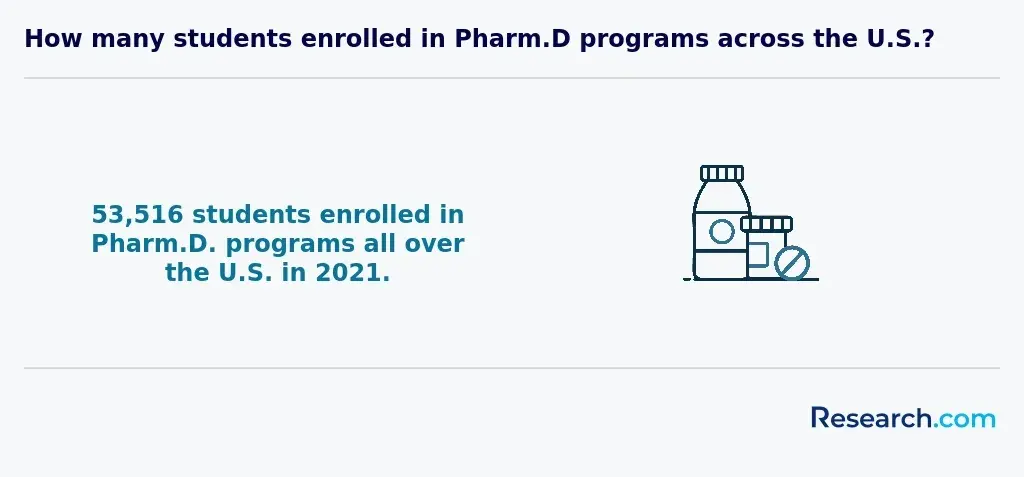
The main professional degree for pharmacists is the Doctor of Pharmacy, commonly called the Pharm.D. Oregon State University College of Pharmacy offers a Pharm.D. program and is a key in-state option for students planning to qualify for pharmacist licensure. Before applying, students usually complete prerequisite coursework in science and related subjects.
What to check before choosing a Pharm.D. program
- Accreditation: The program should be accredited by the Accreditation Council for Pharmacy Education (ACPE). Accreditation is essential because it affects licensure eligibility.
- Prerequisite courses: Applicants should confirm required coursework in areas such as biology, chemistry, anatomy, and related sciences.
- Experiential training: A strong Pharm.D. program should include structured practice experiences in real pharmacy settings.
- Licensure preparation: Ask how the curriculum prepares students for the NAPLEX and the MPJE.
- Program format: Compare campus-based, hybrid, and online-supported options, but remember that clinical training cannot be completed entirely online.
- Student support: Look for advising, exam-prep resources, rotation placement support, and career services.
The Pharm.D. curriculum at Oregon State University is designed to build knowledge in medication therapy, drug action, therapeutic use, adverse effects, pharmacy law, patient counseling, and clinical decision-making. Oregon State University College of Pharmacy also offers dual degree options, such as the Pharm.D./Ph.D. program, for students interested in combining pharmacy practice with advanced research training.
Not every student needs to begin with a Pharm.D. immediately. If you want a lower-commitment entry point into pharmacy work before pursuing a doctorate, comparing online pharmacy technician associate degree programs can help you understand technician-level preparation and whether pharmacy is the right long-term field.
What are the requirements to become a licensed pharmacist in Oregon?
Oregon’s pharmacist licensing process has two parts: initial licensure and ongoing renewal. Initial licensure proves you are qualified to enter practice. Renewal proves you are maintaining professional competence and meeting state requirements after you are licensed.
Initial Oregon pharmacist licensing requirements
| Requirement | What Oregon applicants should prepare |
| Professional degree | A Pharm.D. degree from an ACPE-accredited pharmacy program. |
| Exams | Passing scores on the NAPLEX and the Oregon MPJE. |
| Pain management education | Documentation of one hour of continuing pharmacy education focused on pain management before applying. |
| Identity documentation | A recent passport-style photograph and proof of identity, such as a birth certificate or US passport. |
| Background check | Fingerprinting and a national background check. |
| Application | A complete Oregon Board of Pharmacy application with required non-refundable fees. |
Ongoing renewal requirements
- Renew every two years. Pharmacists must keep their Oregon license current through the renewal process.
- Complete continuing education. Oregon pharmacists must complete required CE to maintain licensure and demonstrate current professional knowledge.
- Keep documentation. Pharmacists should retain proof of CE completion in case they are selected for an audit.
- Follow ethics and compliance rules. Renewal is not only administrative; pharmacists are expected to continue meeting professional conduct standards.
Students who are not yet ready for pharmacist licensure but want healthcare or pharmacy experience may benefit from online pharmacy technician training programs. Technician work can provide exposure to pharmacy operations, but it does not replace the Pharm.D. and pharmacist licensure requirements.
How much does it cost to become a licensed pharmacist in Oregon?
The cost of becoming a pharmacist in Oregon includes two very different categories: the cost of pharmacy education and the cost of state licensure. The education cost is the largest expense. The licensing fees are smaller but still important because application-related fees are non-refundable.
Education costs can be about $20,000, while the Oregon license application fee is $250. Applicants should verify current charges directly with the Oregon Board of Pharmacy before submitting payment because fees and procedures can change.
Oregon pharmacist licensing fees listed for applicants
| Cost item | Amount | When it applies |
| Application fee | $250 | Required for pharmacist license applicants. |
| NAPLEX-related fee | $50 | Applies to applicants taking the NAPLEX under the listed fee structure. |
| Score transfer fee | $250 | Applies if the applicant uses score transfer. |
| Reciprocity fee | $250 | Applies to applicants seeking licensure through reciprocity. |
| National fingerprint background check | $46.25 | Required for all candidates. |
The listed licensing-fee subtotal can range from $346.25 to $396.25 depending on pathway, although score transfer, reciprocity, education costs, exam preparation, travel, transcripts, and other school-related expenses can increase the total cost. Do not choose a program based only on tuition; also compare clinical placement support, accreditation, completion expectations, and licensure preparation.
If you are looking for faster healthcare credentials while saving for pharmacy school, Research.com’s guide to quick medical certifications that can lead to healthcare jobs may help you compare shorter training options.
The chart below lists the states with the highest pay for licensed pharmacists, as reported by the BLS in 2024.
Can I get my pharmacist’s license online in Oregon?
You cannot complete every part of pharmacist licensure online because pharmacy is a hands-on clinical profession. However, some Pharm.D. programs use online or hybrid coursework combined with required in-person labs, rotations, and experiential training. Oregon applicants should focus less on whether a program is “online” and more on whether it is ACPE-accredited and acceptable for licensure.
Online, hybrid, and campus pharmacy programs compared
| Program format | Best for | Important caution |
| Campus-based Pharm.D. | Students who want face-to-face instruction, on-site labs, and local networking. | May be less flexible for students working or commuting long distances. |
| Hybrid Pharm.D. | Students who need some online flexibility but can attend required in-person components. | Clinical experiences, labs, and rotations still require physical attendance. |
| Mostly online coursework with in-person rotations | Students who can study remotely but travel for experiential training. | Verify ACPE accreditation and Oregon licensure compatibility before enrolling. |
Key issues to verify before choosing an online or hybrid pharmacy program include:
- ACPE accreditation: Accreditation is the first requirement to confirm because it affects licensure eligibility.
- Clinical placement structure: Ask where rotations occur and whether the school helps students secure sites.
- Oregon law preparation: The program should help students prepare for the MPJE, including Oregon-specific pharmacy law.
- In-person requirements: Clarify how often you must travel for labs, assessments, orientations, or rotations.
- Continuing education expectations: After licensure, Oregon pharmacists must complete 30 hours of continuing pharmacy education every two years, including a one-hour pain management course.
One Oregon pharmacist who graduated from Pacific University described the hybrid learning model as helpful because online coursework made scheduling easier, while in-person training built confidence with patient counseling, drug interactions, and real-world pharmacy workflows. That type of flexibility can be valuable, but students should still confirm current accreditation, rotation availability, and Oregon licensure alignment before enrolling.
What is the job description of a licensed pharmacist in Oregon?
Licensed pharmacists in Oregon do much more than dispense prescriptions. They help patients use medications safely, collaborate with prescribers, monitor therapy, support public health, and ensure pharmacies comply with legal and professional standards.
Common responsibilities of Oregon pharmacists
- Dispensing and verification: Review prescriptions for accuracy, dosage, interactions, allergies, duplications, and appropriateness before medication reaches the patient.
- Patient counseling: Explain how to take medications, what side effects to watch for, what interactions to avoid, and when to contact a clinician.
- Medication therapy management: Evaluate a patient’s full medication list to improve outcomes, reduce adverse effects, and address adherence problems.
- Clinical services: Depending on practice setting and applicable rules, pharmacists in Oregon may prescribe medications, order laboratory tests, interpret results, and monitor treatment response.
- Collaboration with healthcare teams: Work with physicians, nurses, dieticians, behavioral health professionals, and other clinicians to coordinate patient care.
- Regulatory compliance: Maintain records, supervise pharmacy staff, follow controlled-substance rules, safeguard inventory, and ensure the pharmacy meets state and federal requirements.
- Training and supervision: Oversee interns, technicians, and support personnel according to Oregon pharmacy rules and workplace policies.
Where pharmacists work in Oregon
| Setting | Typical focus | Good fit for pharmacists who want... |
| Community pharmacy | Prescription dispensing, counseling, vaccines, medication safety, patient access. | Frequent patient interaction and fast-paced service work. |
| Hospital pharmacy | Inpatient medication management, sterile products, team-based clinical care. | Collaboration with physicians and nurses in acute-care settings. |
| Ambulatory care clinic | Chronic disease management, medication optimization, patient follow-up. | More longitudinal patient relationships. |
| Specialty pharmacy | Complex medications for conditions such as oncology or immune disorders. | Specialized therapy management and high-touch patient support. |
| Research or industry | Drug development, clinical trials, safety, medical information. | Scientific, regulatory, or product-focused work outside traditional dispensing. |
What are alternative career options for pharmacists in Oregon?
A pharmacist license can lead to roles beyond community and hospital pharmacy. Your best option depends on whether you want direct patient care, research, policy, teaching, technology, administration, or behavioral health collaboration.
| Alternative path | What pharmacists may do | When it makes sense |
| Regulatory and policy work | Support pharmacy rules, public health policy, compliance, and drug-safety oversight through agencies such as the Oregon Board of Pharmacy or public health departments. | You enjoy systems, law, standards, and population-level impact. |
| Pharmaceutical research | Contribute to drug development, clinical trials, data evaluation, and medical innovation. | You prefer scientific investigation and evidence generation. |
| Pharmacy education | Teach future pharmacists or technicians, mentor students, and develop curriculum. | You have practice experience and enjoy instruction or academic leadership. |
| Mental health integration | Support safe psychiatric medication use, counsel patients, and work with behavioral health teams. | You want to focus on medication adherence, side-effect monitoring, and collaborative mental health care. Pharmacists interested in a deeper behavioral health route can review how to become a mental health counselor in Oregon. |
| Health informatics | Improve electronic prescribing, medication tracking, clinical decision support, and pharmacy technology workflows. | You are interested in technology, data, safety systems, and operational improvement. |
Alternative roles often require additional training, residency experience, certifications, research experience, or employer-specific qualifications. Before changing direction, compare the role’s scope, salary potential, work schedule, required credentials, and how much patient contact you want.
What do I do if my pharmacist’s license expires in Oregon?
If your Oregon pharmacist license expires, you should stop practicing until you understand your renewal or reinstatement requirements and complete the required steps. Practicing with an expired license can result in disciplinary consequences, fines, or suspension.
The renewal window typically opens mid-March. The standard renewal fee is $304 and includes the biennial renewal charge, a Prescription Drug Monitoring Program fee, and a Healthcare Workforce Reporting Program fee. If the renewal application is submitted after the June 30 expiration date, a $50 late fee applies, bringing the total to $354.
Oregon pharmacist renewal CE requirements
| Continuing education category | Hours required |
| Pharmacy Law | 2 hours |
| Patient Safety or Medication Error Prevention | 2 hours |
| Additional relevant CE or Board-approved training | 26 hours |
| Total CE within the designated period | 30 hours |
The Oregon Board of Pharmacy may conduct random audits. If selected, pharmacists must provide documentation showing that CE requirements were completed. The safest approach is to finish required CE early, keep digital and paper records, and renew as soon as the renewal window opens.
-
: "
“I start my renewal checklist in mid-March, confirm the required CE categories first, and keep copies of every certificate. When I once missed the deadline, I contacted the Oregon Board of Pharmacy immediately, paid the late fee, and made sure my CE records were ready in case of audit.” — Oregon pharmacist perspective
"

How much do licensed pharmacists in Oregon make?
As of May 2023, the average annual salary for pharmacists in Oregon is approximately $149,550, according to the BLS data cited in this guide. Earnings vary by setting, experience, specialty, schedule, geographic area, and employer.
- The top 10 percent of pharmacists in Oregon earn upwards of $168,650.
- The lowest 10 percent earn around $99,140.
Salary should be treated as a planning estimate, not a guarantee. A pharmacist in a metropolitan hospital, specialty pharmacy, oncology setting, pediatrics role, or leadership position may have a different earning profile than a pharmacist in general practice or a rural setting.
Ways Oregon pharmacists may improve long-term earning potential
- Build a specialty. Additional expertise in areas such as oncology, infectious diseases, ambulatory care, or pediatrics can support access to specialized roles.
- Consider residency or advanced training. Some clinical and hospital roles prefer or require postgraduate training.
- Develop leadership skills. Pharmacy managers, clinical coordinators, and directors often need operational, compliance, and team-management ability.
- Stay current with CE. Continuing education helps pharmacists respond to new therapies, laws, safety standards, and technologies.
- Network across healthcare systems. Relationships with hospitals, clinics, professional associations, and academic programs can improve access to competitive opportunities.
What challenges might delay my licensure process in Oregon?
Licensure delays usually happen because an application file is incomplete, exam results are not yet available, identity documents do not match, fingerprinting is pending, or the Board needs additional information about moral character or background-check findings. Exam scheduling conflicts and limited clinical rotation availability can also affect the overall timeline before the application stage.
| Common delay | How to reduce the risk |
| Missing documents | Use the Oregon Board of Pharmacy checklist and confirm every upload or mailed item before submission. |
| Name or identity mismatch | Make sure transcripts, exam records, proof of identity, and application details use consistent legal information. |
| Incomplete pain management CE | Complete the required one hour before applying and keep proof of completion. |
| Exam retake | Build a realistic NAPLEX and MPJE study schedule instead of rushing to test before you are prepared. |
| Fingerprint/background-check delay | Complete fingerprinting early and respond quickly to any Board requests. |
| Unclear reciprocity eligibility | Confirm reciprocity requirements before paying non-refundable fees. |
If you are still early in the process, understanding the full education-to-licensure sequence can help you set realistic expectations; this broader guide on how long it takes to become a pharmacist explains the national pathway.
How can pharmacists contribute to substance abuse prevention in Oregon?
Pharmacists can play a practical role in preventing medication misuse because they regularly review controlled-substance prescriptions, identify potential drug interactions, counsel patients, monitor refill patterns, and communicate with prescribers when safety concerns arise. They can also educate patients on storage, disposal, adherence, overdose risks, and safe use of pain medications.
Pharmacists who want deeper prevention and counseling skills may benefit from learning how substance abuse treatment professionals are trained. Research.com’s guide on how to become a substance abuse counselor in Oregon can help pharmacists understand adjacent behavioral health roles and referral pathways.
Can I find affordable and flexible online pharmacy programs in Oregon?
Yes, but affordability and flexibility should not come at the expense of licensure eligibility. A lower-cost online or hybrid pharmacy program is useful only if it is properly accredited, provides required experiential training, prepares students for licensure exams, and can support clinical placements that work for your location and schedule.
Questions to ask before choosing an online or hybrid Pharm.D. program
- Is the program ACPE-accredited?
- Does the program meet the educational requirements for Oregon pharmacist licensure?
- Where do students complete rotations, and who arranges placements?
- How often are in-person labs, assessments, or campus visits required?
- What are the total costs, including fees, travel, technology, books, exam preparation, and rotation-related expenses?
- What support is available for NAPLEX and MPJE preparation?
- What happens if a student cannot secure a clinical site near home?
Students comparing price-sensitive options can start with Research.com’s list of affordable online Doctor of Pharmacy programs, then verify each program’s current accreditation and Oregon licensure compatibility.
Can pharmacists benefit from cross-training with other healthcare professions in Oregon?
Cross-training can help pharmacists communicate better with other clinicians, understand patient assessment more broadly, and contribute more effectively to team-based care. It is especially useful for pharmacists working in hospitals, ambulatory care, chronic disease management, behavioral health, or public health.
For example, understanding nursing workflows can improve collaboration around medication administration, patient monitoring, discharge counseling, and safety checks. Pharmacists considering a broader clinical path can compare pharmacy responsibilities with this guide on how to become a registered nurse in Oregon.
Can pharmacists benefit from integrating medical billing and coding skills into their practice?
Medical billing and coding knowledge can be useful for pharmacists working in clinics, health systems, medication therapy management programs, specialty pharmacy, or administrative leadership. It can help pharmacists understand documentation, reimbursement, compliance, claim workflows, and how clinical services are translated into billable healthcare activity.
This does not mean every pharmacist needs to become a coder. It makes the most sense for pharmacists interested in practice management, ambulatory care billing, health-system operations, or pharmacy service expansion. To explore this adjacent skill set, review Research.com’s guide to medical billing and coding in Oregon.
Can pursuing additional healthcare certifications optimize my pharmacy career in Oregon?
Additional credentials can strengthen a pharmacist’s career when they align with a clear role goal. Useful areas may include medication therapy management, immunization delivery, chronic disease management, informatics, specialty pharmacy, leadership, or collaborative clinical care. The best credential is the one employers in your target setting actually value.
Some pharmacists also consider broader clinical education to understand advanced practice models. If you are comparing pharmacist responsibilities with advanced nursing practice, Research.com’s guide on how to become a nurse practitioner in Oregon can clarify how that path differs in training, scope, and patient-care responsibilities.
Are there other career paths in healthcare that I can consider in Oregon?
Yes. If you like healthcare but are unsure whether pharmacy is the right fit, compare roles by daily work, required education, patient contact, licensure rules, cost, and timeline. Pharmacy is medication-centered and science-heavy. Counseling, nursing, dietetics, medical coding, and behavioral health roles serve patients in different ways.
For example, students drawn to mental health, therapy, and long-term client support may want to review how to become a therapist in Oregon. Exploring alternatives before committing to a Pharm.D. can prevent costly program changes later.
How can pharmacists expand their clinical competence through interprofessional training in Oregon?
Interprofessional training helps pharmacists work more effectively with nurses, physicians, dieticians, counselors, social workers, and other healthcare professionals. This can improve medication reconciliation, patient education, chronic disease management, discharge planning, and safety monitoring.
Practical ways to build interprofessional competence include attending multidisciplinary case conferences, completing targeted CE, participating in collaborative practice projects, joining professional associations, and learning how other licensed healthcare roles are regulated. For example, reviewing Oregon nursing licensure requirements can help pharmacists understand nursing education, scope, and compliance expectations.
How can pharmacists collaborate with dieticians to enhance patient nutrition in Oregon?
Pharmacists and dieticians can work together to improve care for patients whose medications and nutrition plans overlap. This is especially important for diabetes, cardiovascular disease, kidney disease, gastrointestinal conditions, anticoagulation, weight management, and therapies affected by food-drug interactions.
Pharmacists can identify interactions, adherence barriers, and medication-related nutrient concerns, while dieticians can tailor nutrition guidance to the patient’s condition and treatment plan. Pharmacists interested in this type of collaboration can explore how to become a registered dietician in Oregon to understand the dietetics training pathway and where the professions intersect.
What is the job outlook for licensed pharmacists in Oregon?
As of 2023, the employment outlook for pharmacists in Oregon mirrors national trends, with a projected growth rate of approximately 5% from 2023 to 2033. This is consistent with the average for all occupations and is expected to result in around 18,300 new pharmacist positions across the US over the next decade.
The average annual openings for pharmacists in the US stand at about 14,200. Oregon’s opportunities are shaped by retirements, career transitions, healthcare demand, medication complexity, and the need for pharmacists in hospitals, community pharmacies, specialty clinics, and other care settings.
Current trends affecting Oregon pharmacists
- Expanded clinical roles: Pharmacists are increasingly involved in medication therapy management, immunization services, chronic disease support, and collaborative care.
- Technology and automation: Dispensing automation, e-prescribing, clinical decision support, and pharmacy informatics are changing workflows and raising the value of pharmacists who can combine clinical judgment with technology fluency.
- Patient access needs: Pharmacists often serve as accessible healthcare professionals, especially for medication questions, vaccines, and adherence support.
- Employer expectations: Many employers value communication skills, clinical judgment, law and compliance knowledge, and the ability to work across healthcare teams.
Job outlook data does not guarantee employment for every graduate. Your prospects will depend on location, experience, residency training, specialty skills, professional network, and willingness to work in high-need settings.
What is a licensed pharmacist’s career path in Oregon?
A pharmacist’s career in Oregon can move in several directions. Some graduates begin in community pharmacy, while others pursue hospital residency, clinical practice, research, industry, informatics, management, or regulatory work. The right path depends on how much direct patient care you want, whether you enjoy team-based clinical work, and how much additional training you are willing to complete.
| Career path | Main responsibilities | Possible advancement direction |
| Community pharmacist | Dispense prescriptions, counsel patients, provide medication safety guidance, support vaccines and public health services. | Pharmacy manager, district leader, medication therapy management specialist. |
| Hospital pharmacist | Support inpatient medication use, verify orders, monitor therapy, prepare medications, collaborate with medical teams. | Clinical specialist, pharmacy supervisor, residency preceptor, department leadership. |
| Clinical pharmacist | Develop and monitor medication plans in clinics, hospitals, long-term care, or specialty settings. | Specialization in oncology, infectious diseases, ambulatory care, pediatrics, or other fields. |
| Pharmaceutical researcher | Study drug safety, efficacy, new therapies, clinical trial data, or drug development questions. | Research scientist, medical affairs, clinical trials leadership, academic research. |
| Regulatory affairs specialist | Help ensure drugs and pharmacy operations comply with federal and state requirements. | Regulatory leadership, compliance director, policy specialist. |
The chart below lists the top-paying industries for pharmacists, as published by the BLS in 2024.
Can pharmacists collaborate effectively with nurses to improve patient outcomes in Oregon?
Yes. Pharmacists and nurses often work together on medication administration, patient monitoring, discharge planning, adverse-event prevention, patient education, and care coordination. Strong pharmacist-nurse collaboration can reduce medication errors, improve adherence support, and help patients understand therapy changes after a hospital or clinic visit.
Pharmacists who want to strengthen collaboration with nursing teams can learn from nursing education models, simulation training, and interprofessional practice standards. Research.com’s guide to top nursing schools in Oregon can help pharmacists identify institutions and training environments connected to Oregon’s healthcare workforce.
How can pharmacists expand their expertise into mental health care in Oregon?
Mental health care is a meaningful area for pharmacists because psychiatric medications often require careful counseling, adherence support, side-effect monitoring, drug-interaction review, and coordination with prescribers. Pharmacists can contribute through community pharmacy counseling, integrated behavioral health teams, long-term care, hospital psychiatry, and medication therapy management.
Pharmacists considering a larger role in behavioral health should first decide whether they want to remain medication-focused or move toward counseling and therapy. For those exploring the counseling side, Research.com’s guide on how to become a marriage and family therapist in Oregon explains a separate mental health licensure pathway.
Common mistakes to avoid when pursuing Oregon pharmacist licensure
| Mistake | Better approach |
| Choosing a program without confirming accreditation | Verify ACPE accreditation before enrolling or paying deposits. |
| Assuming an online program is fully online | Confirm all in-person labs, rotations, travel, and clinical placement requirements. |
| Waiting until the last minute to prepare documents | Gather proof of identity, photo, CE documentation, transcripts, and exam records early. |
| Underestimating the MPJE | Study Oregon pharmacy law specifically instead of relying only on general pharmacy knowledge. |
| Ignoring non-refundable fees | Confirm eligibility and pathway before paying application, reciprocity, or score-transfer fees. |
| Practicing after license expiration | Stop practice until renewal or reinstatement requirements are resolved. |
| Focusing only on salary | Compare schedule, setting, patient-care responsibilities, career growth, and burnout risk. |
Here’s what pharmacists have to say about becoming a licensed pharmacist in Oregon
-
: "
“Earning my Oregon pharmacist license represented years of coursework, rotations, exam preparation, and persistence. What made the process worthwhile was knowing I could serve patients in the communities that shaped me.” — Lillian
"
-
: "
“The internship experiences were the turning point for me. They taught me how to handle complicated medication questions, communicate clearly with patients, and earn trust during stressful healthcare moments.” — Daniel
"
-
: "
“Oregon pharmacy practice keeps evolving, and that motivates me to keep learning. New technologies, telehealth tools, and treatment options make continuing education feel directly connected to better patient care.” — Felicia
"
Related Articles for Nearby States
- 2027 How to Become a Licensed Pharmacist in Washington
- 2027 How to Become a Licensed Pharmacist in California
- 2027 How to Become a Licensed Pharmacist in Idaho
- 2027 How to Become a Licensed Pharmacist in Nevada
- 2027 How to Become a Licensed Pharmacist in Montana
- 2027 How to Become a Licensed Pharmacist in Utah
- 2027 How to Become a Licensed Pharmacist in Wyoming
- 2027 How to Become a Licensed Pharmacist in Arizona
- 2027 How to Become a Licensed Pharmacist in Colorado
- 2027 How to Become a Licensed Pharmacist in New Mexico
Key Insights
- The required Oregon pathway is clear but detail-heavy. You need an ACPE-accredited Pharm.D., supervised practice experience, the NAPLEX, the Oregon MPJE, pain management CE, fingerprinting, a background check, and Board approval.
- Plan for more than the 4 to 6 week processing window. Exam scheduling, documents, background checks, and missing information can add time before the Board review even begins.
- Online pharmacy education can be useful, but licensure is not fully online. Hybrid programs may offer flexibility, but clinical training and rotations require in-person participation.
- Fees are only one part of the cost. The $250 application fee, $46.25 background check, and other pathway fees matter, but pharmacy school tuition and related expenses are the larger financial decision.
- Oregon pharmacists have broad career options. Community pharmacy, hospital practice, clinical pharmacy, research, regulatory affairs, informatics, behavioral health collaboration, and leadership are all possible directions.
- Renewal discipline matters. Oregon pharmacists must complete 30 hours of CE within the designated period, including required law and patient-safety topics, and should keep records ready for audit.
- Salary is strong but variable. As of May 2023, Oregon pharmacists earned an average annual salary of approximately $149,550, with the top 10 percent earning upwards of $168,650 and the lowest 10 percent around $99,140.
- The best next step depends on your starting point. High school and college students should focus on prerequisites and accredited programs; Pharm.D. graduates should focus on exams and application accuracy; out-of-state pharmacists should verify reciprocity requirements before paying fees.
References:
- Bureau of Labor Statistics (BLS). (2024a). 29-1051 Pharmacists. Occupational Employment and Wages, May 2023. BLS.
- Bureau of Labor Statistics (BLS). (2024b). Pharmacists. Occupational Outlook Handbook. BLS.
- Bureau of Labor Statistics (BLS). (2024c). Oregon. May 2023 State Occupational Employment and Wage Estimates. BLS.
- Illinois Department of Financial and Professional Regulation (IDFPR). (n.d.). Pharmacy. IDFPR.
- OregonLaws. (2021). OAR 855-019-0200. OregonLaws.
- Oregon Board of Pharmacy. (2002). Frequently Asked Questions. Oregon Board of Pharmacy.
- Oregon Board of Pharmacy. (2024). Licensee & Registrant Statistics. Resources. Oregon Board of Pharmacy.
- Oregon Board of Pharmacy. (n.d.). Apply for Pharmacist License. Oregon Board of Pharmacy.
- Oregon State University (OSU). (n.d.). Pharm.D. Program. OSU.
- Pharmacy Workforce Center. (2024). Pharmacy Demand Report (PDR). Pharmacy Workforce Center.
- Philadelphia College of Osteopathic Medicine (PCOM). (2024). How Much Do Pharmacists Make?. PCOM.
Other Things You Should Know About Becoming a Licensed Pharmacist in Oregon
Applicants must submit fingerprint-based criminal background checks through the Oregon Board of Pharmacy as part of the licensure process. The board reviews the results before issuing a pharmacist license, so applicants should complete fingerprinting exactly as directed and allow time for processing.
In Oregon, 2027 pharmacist licensure requires completing 1,440 hours of internship under a licensed pharmacist. These hours must be documented and verified by the Oregon Board of Pharmacy. Internships offer practical experience, ensuring readiness for professional practice.


