2027 Pharmacy Degree Completion Time Report: How Long Students Actually Take to Graduate

Co-Founder and Chief Data Scientist
Graduation timelines for pharmacy degrees often diverge from standard program lengths due to multifaceted academic and personal challenges. Factors such as prerequisite course sequencing, clinical rotation availability, and simultaneous employment commonly affect progression rates. Data from the National Center for Education Statistics in 2024 highlight that part-time enrollment and transfer credits substantially impact time-to-degree across health-related fields, underscoring variability in student pathways.
Additionally, workforce demands and licensure preparation can extend academic timelines, as students balance practical experience with curricular requirements. This analysis unpacks actual completion durations, key influences shaping these outcomes, and critical insights for those planning pharmacy education trajectories.
Key Things You Should Know About Pharmacy Degree Completion Time
- Most pharmacy degree programs take four to five years to complete after prerequisite coursework. Full-time students often finish a PharmD program in four years, while part-time enrollment, clinical rotations, prerequisite sequencing, and work commitments can extend completion beyond five years.
- Graduation speed depends on both program structure and personal circumstances. Enrollment status, transfer credits, prerequisite courses, clinical rotation availability, course sequencing, and online versus campus-based study all influence how quickly students complete their degree.
- Graduating faster isn't always the best path to career success. Although accelerated programs may shorten completion time, employers generally place greater value on clinical experience, licensure readiness, and professional competencies than on how quickly a degree was earned.
- What Is the Average Graduation Time for Pharmacy Students? Average Graduation Timeline
- What Factors Have the Biggest Impact on Graduation Speed? Graduation Timeline Factors
- How Does Full-Time Versus Part-Time Enrollment Affect Graduation Timelines? Full-Time vs. Part-Time Graduation Timeline
- Do Online Pharmacy Students Graduate Faster Than Campus-Based Students? Do Online Pharmacy Students Graduate Faster Than Campus-Based Students?
- How Many Months or Years Can Transfer Credits Save? How Many Months or Years Can Transfer Credits Save?
- Do Accelerated Pharmacy Programs Significantly Reduce Completion Time? Accelerated Program Timeline
- Which Pharmacy Program Requirements Most Often Extend Graduation Timelines? Factors Extending Graduation Timeline
- Does Taking Longer to Graduate Increase the Cost of a Pharmacy Degree? Impact on Program Cost
- Does Graduating Faster Improve Career Prospects? Impact on Career Prospects
- Which Scheduling Mistakes Commonly Delay Graduation? Mistakes to Avoid
What Is the Average Graduation Time for Pharmacy Students?
The average pharmacy degree completion time in the United States generally centers around four years for full-time students entering PharmD programs post-baccalaureate. While the curriculum is structured to be finished in this timeframe, real-world completion often extends toward five years, influenced by students' enrollment status and academic pacing. Part-time enrollment, common among working adults balancing professional obligations, tends to lengthen graduation timelines. Typical graduation timelines for pharmacy students also differ when individuals juggle internships, residencies, or pursue additional certifications alongside their core studies.
Variability in graduation time arises from multiple factors, including credit load flexibility, course availability, and transfer credit acceptance. Students enrolled in programs that offer more compressed or accelerated formats may finish in about three years, but these paths generally require uninterrupted, full-time commitment and can increase academic strain. Transfer students frequently encounter extended timelines due to mismatches in curriculum or prerequisite fulfillment. Additionally, program delivery mode-whether online or on-campus-affects scheduling options and progression speed, with some students blending these formats to better accommodate life circumstances. According to recent educational workforce analyses, nearly 60% of pharmacy students complete their degrees beyond the nominal four-year mark, reflecting such diverse academic and personal factors.
Timing of graduation carries significant implications for academic planning, financial investment, and entry into the pharmacy workforce amid increasing demand across healthcare systems. Extended completion periods may delay licensure and professional employment, impacting earning potential and career momentum. Prospective and current students should consider these timeline dynamics carefully, including the potential benefit of integrated practical experiences versus the cost of longer study durations. For those balancing educational goals with other priorities, exploring options such as medical coding classes might provide complementary skills within a manageable timeframe, augmenting both readiness and flexibility in evolving healthcare roles.
What Factors Have the Biggest Impact on Graduation Speed?
Graduation speed for pharmacy master's degree completion time factors cannot be attributed to a single cause; rather, it emerges from the interplay between program structure, student enrollment status, and personal obligations. How students navigate course loads, manage prerequisite demands, and balance experiential requirements directly impacts their ability to finish on time. Likewise, institutional policies and resource allocation create environments that either streamline progression or contribute to delays. Understanding these overlapping influences is key for students aiming to optimize their time to degree completion.
- Program Structure and Delivery Format: The design of pharmacy programs-including traditional full-time, accelerated, and part-time formats-significantly affects graduation timelines. Accelerated tracks can shorten time to degree but often increase intensity and workload, whereas part-time or evening options extend duration to accommodate working students. Institutional scheduling flexibility and cohort pacing also shape how quickly students navigate required coursework and experiential rotations.
- Enrollment Status and Course Load Management: Full-time enrollment typically facilitates faster degree completion due to higher credit loads per semester, while part-time status prolongs study periods, often out of necessity for working adults. Reduced course loads slow progression through prerequisite subjects and core pharmacy classes, especially when programs have sequential requirements limiting ability to stack courses.
- Transfer Credits and Prior Academic Preparedness: Students entering with transferable coursework or previous degrees tend to accelerate completion by bypassing foundational prerequisites. Conversely, students lacking necessary prerequisites must allocate extra semesters to fulfill these, pushing back professional coursework and clinical experiences. The credit evaluation process for transfer students can itself introduce administrative delays impacting graduation speed.
- Clinical Rotations and Experiential Learning Scheduling: The availability and timing of required clinical placements directly influence graduation speed. Limited capacity or scheduling constraints in experiential sites can bottleneck student progress, causing semester or even year-long extensions. Programs that coordinate placements proactively reduce uncertainty, while those with resource shortages see greater variability in student timelines.
- Institutional Advising and Support Services: Robust academic advising and clear degree pathways accelerate graduation by helping students plan effectively and avoid unnecessary course repetition. Institutions with strong support services often have higher on-time completion rates as students navigate complex program requirements with greater clarity. In contrast, poor advising or administrative challenges in course registration contribute to delays.
Data from the National Center for Education Statistics indicates that the average time to complete pharmacy degrees extends slightly beyond the nominal four years, averaging about 4.2 years post-enrollment, reflecting diverse enrollment behaviors and institutional experiences. Prospective students balancing work and study, transfer learners, and those in part-time formats should anticipate these variations when planning their path. For those seeking flexible learning options, exploring pathways similar to the RN to BSN online model may offer insights into managing pacing and credential stacking across health education sectors.
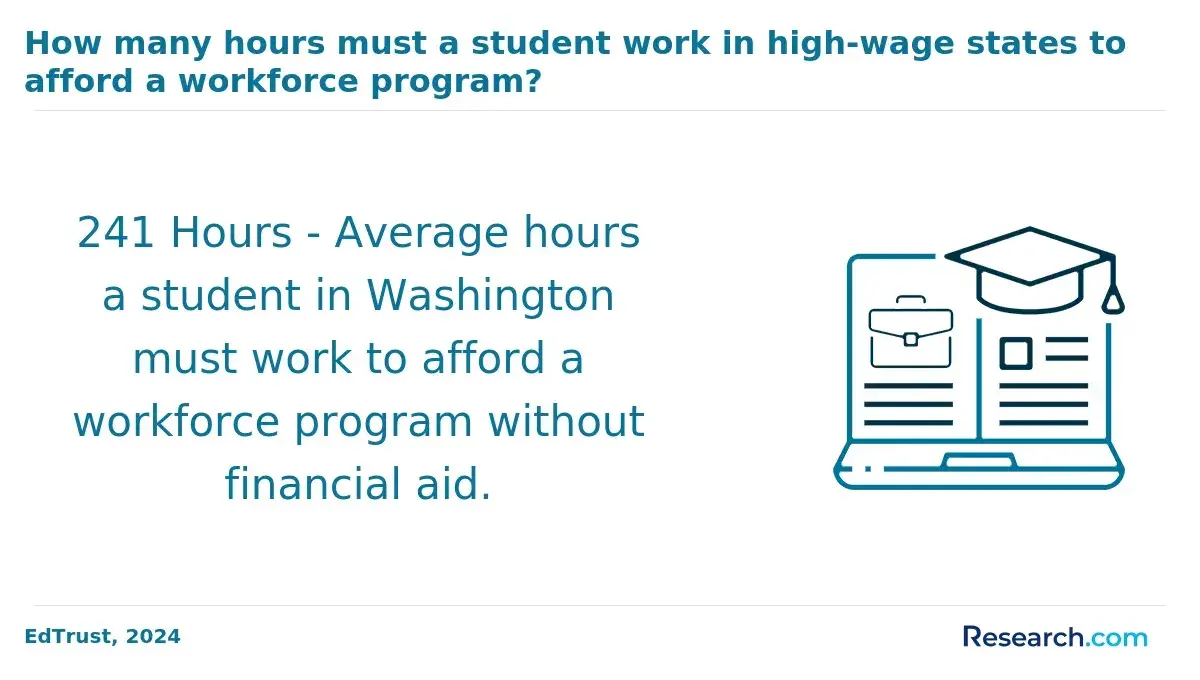
How Does Full-Time Versus Part-Time Enrollment Affect Graduation Timelines?
Graduation timelines in pharmacy programs notably differ between full-time and part-time students, with full-time enrollment typically aligning with the expected four-year program duration post-prerequisites. Data from recent higher education studies in 2024 show that part-time students often require 1.5 to 2 times longer to complete their degrees, frequently extending beyond five years. This divergence stems largely from course load intensity and how consistently students progress through required coursework and clinical rotations. Employers tend to expect graduates to finish within the standard timeframe, associating timely completion with uninterrupted academic focus and comprehensive clinical experience.
Key factors influencing these timelines include the number of credits taken each term, the structured sequencing of pharmacy courses, and program flexibility in accommodating nontraditional schedules. Full-time students benefit from consecutive, often rigid course progressions that facilitate steady mastery of complex pharmacy competencies. Conversely, part-time students frequently juggle work and family obligations, limiting course loads and thereby prolonging access to essential clinical rotations. Additionally, many pharmacy programs offer limited evening or weekend options, making it challenging for part-time students to maintain regular engagement, resulting in slower academic momentum and extended degree completion periods.
Enrollment status further impacts long-term outcomes such as financial planning and workforce entry timing. Extended studies under part-time enrollment can increase cumulative costs and delay licensure qualification, affecting income potential and career trajectory amid growing demand in healthcare systems. Full-time pathways, while more academically intense, support faster integration into professional roles, aligning with employer preferences for recent, continuously engaged graduates. Understanding these structural and personal tradeoffs is critical for students and advisors aiming to optimize educational pacing within pharmacy programs.
Do Online Pharmacy Students Graduate Faster Than Campus-Based Students?
There is a common assumption that online pharmacy students might finish their degrees faster due to the flexibility inherent in remote learning. However, evidence suggests that the overall time to degree completion tends to align closely with campus-based students, averaging around six years when combining full-time and part-time statuses. While some online learners successfully accelerate their progress, especially those balancing work or family obligations, typical program requirements and clinical components tend to standardize graduation timelines across modalities. A 2024 report from the National Center for Education Statistics highlights that roughly 30% of online pharmacy students graduate within five years, a figure slightly higher than the 25% for traditional students but not dramatically different.
Graduation speed is influenced more by individual circumstances and program design than by delivery format alone. Online programs often offer greater scheduling flexibility and opportunities for year-round enrollment or competency-based advancement, allowing motivated students to test out of certain courses. Nevertheless, the rigorous clinical internships and accreditation requirements impose a minimum time frame that limits how much faster most students can progress. Balancing part-time versus full-time enrollment, managing workload alongside external responsibilities, and transferring prior credits are all decisive factors impacting how quickly students can complete their pharmacy degree in any setting.
Choosing between online and campus-based pharmacy programs also affects how students approach discipline and time management, which in turn shape their career entry timing. Online learners generally need a higher degree of self-motivation to maintain steady progress, given the less structured environment. Meanwhile, campus students may benefit from more immediate access to faculty and peer support but face fixed scheduling constraints. These differences shape the learning experience and progression pace but do not drastically alter the overall timeline required to enter the professional workforce amid stringent clinical and licensing standards.
One pharmacy graduate recalled applying during a rolling admissions cycle and feeling uncertain about timing decisions. She hesitated to submit her application early while waiting on prerequisite coursework grades, fearing it could affect her chances or lock her into a less favorable start date. When she finally committed close to the deadline, she experienced a brief delay in processing but appreciated having the flexibility to finalize her academic record first. This cautious approach meant she entered the program on the traditional timeline without rushing, highlighting how admissions timing and preparation can add complexity to managing graduation expectations beyond program format alone.
How Many Months or Years Can Transfer Credits Save?
Transfer credits have a significant but variable impact on reducing the overall time required to complete a pharmacy degree. Depending on the number and type of credits that an institution accepts, students might save anywhere from a few months to over a year in their academic timeline. This range reflects how well prior coursework-especially foundational classes like general education and prerequisite sciences-aligns with the receiving program's curriculum. In terms of real-world outcomes, students who successfully transfer both lecture and laboratory credits can often bypass substantial portions of the initial years, allowing earlier focus on advanced pharmacy studies and professional training. National data from recent analyses show that average months saved with transfer credits in pharmacy programs can approach one academic semester or more, highlighting meaningful time efficiencies when academic policies and curricular content are well matched.
The actual months or years saved through transfer credits hinge critically on institutional policies such as accreditation compatibility, course equivalency evaluations, residency requirements, and transfer credit caps. Most pharmacy programs maintain strict standards to ensure transferred credits meet their curricula's rigor and relevance, especially regarding lab-based sciences crucial for clinical readiness. Additionally, some clinical rotations and professional components have fixed sequencing that limits the extent to which credit transfer can accelerate total program length. Variations in how schools interpret equivalency and apply limits on professional versus general credits also contribute to the wide spectrum of outcomes transfer students experience. These constraints underscore the importance of precise academic advising and proactive evaluation of transfer credit applicability early in the degree pathway.
Beyond direct time savings, transfer credits influence academic planning and financial considerations by changing how remaining courses are sequenced and completed. Students must navigate prerequisite chains and program residency rules, which may introduce unavoidable delays regardless of credits earned. While reducing tuition and living costs by shortening enrollment periods is a practical benefit, transfer credits do not uniformly guarantee accelerated graduation, particularly in programs adhering to nationally recognized accreditation and licensure standards. Prospective students juggling work or seeking flexibility may also consider related pathways such as an exercise science degree online, which can offer alternative options in healthcare education aligned with workforce demands.
Do Accelerated Pharmacy Programs Significantly Reduce Completion Time?
Accelerated pharmacy programs intend to trim the typical four-year journey to a PharmD by condensing coursework and limiting the length or number of clinical rotations, targeting completion in around three years. These programs restructure the curriculum to increase credit loads per term and sometimes integrate summer sessions, creating a compressed timeline that challenges the traditional pacing of study and experiential learning. The underlying goal is to deliver the same educational content and meet accreditation standards while reducing calendar time. However, the actual degree compression depends heavily on how institutions balance academic intensity with required practical components that often remain unchanged.
Whether accelerated formats truly reduce time hinges on several key factors. Course intensity spikes as students must handle more credits simultaneously, which can limit schedule flexibility and heighten stress. The availability and sequencing of prerequisite courses prior to program entry also affect progression; lacking those often reintroduces delays. Moreover, clinical rotations, internships, or capstone experiences typically have fixed durations, offering limited compression without compromising depth. Institutional support and the ability to enroll in intersession terms play crucial roles in maintaining continuous enrollment and avoiding gaps that could erode the intended time savings.
While shortening completion time, accelerated pharmacy programs tend to increase workload pressures and reduce breaks, which can impact information retention and professional development opportunities. The condensed scheduling limits time for reflection, networking, and extracurricular involvement, elements important for holistic career preparation. Students must weigh the trade-offs between faster degree attainment and the potential sacrifices in experiential learning breadth and personal well-being.
One accelerated program graduate recalled that timing played a pivotal role during admissions; despite the desire to enroll immediately, uncertainty about prerequisite fulfillment and rolling admissions delayed acceptance decisions. The candidate had to balance completing remaining courses with waiting for a clear offer, creating a period of anxious hesitation. This experience reinforced that though programs promise accelerated timelines, individual circumstances including thorough preparation and institutional timelines ultimately influence when degree completion truly begins.
Which Pharmacy Program Requirements Most Often Extend Graduation Timelines?
Extended graduation timelines in pharmacy programs often arise not merely from the total credit load but from embedded program components that require precise sequencing and significant time investment. These curricular elements uphold academic rigor and professional readiness but introduce structural constraints that can slow student progression. The interplay of experiential requirements, stringent grading policies, and coordinated scheduling frequently generates bottlenecks that vary by institution and individual student circumstances.
- Clinical Rotation Scheduling and Completion: Advanced Pharmacy Practice Experiences (APPEs) are indispensable clinical rotations mandated for licensure. Their fixed availability, lengthy duration, and the necessity to complete specific practice areas can create logistical challenges. Delays often occur when students must reschedule missed rotations or repeat certain experiences, reflecting the clinical training's central role in developing competencies but also its capacity to extend time-to-degree.
- Prerequisite and Foundational Science Coursework: Robust preparatory coursework in subjects like pharmacology and medicinal chemistry is commonly required before advancing in the curriculum. Transfer students or those lacking this foundation may face additional semesters to complete these sequences, demonstrating how prerequisite structuring can add layers of academic pacing beyond merely accumulating credits.
- Strict Academic Progression Standards: Many pharmacy programs enforce minimum grade thresholds in core technical courses. Failure to meet these standards often necessitates retaking courses, which interrupts the planned progression timeline. These policies aim to ensure readiness for professional practice but also introduce a performance-based progression filter that can increase overall program length.
- Capstone and Research Project Requirements: Some curricula incorporate year-long capstone or research components to foster advanced specialization and critical inquiry. These projects demand sustained effort alongside other academic responsibilities, potentially slowing progression especially for students balancing external commitments such as work or family.
- Licensure Exam Preparation and Retakes: While exam completion typically coincides with program end, some students extend their studies to accommodate additional preparation or multiple exam attempts. Given employer preferences for licensed pharmacists, ensuring readiness for these exams is a major factor influencing timely graduation.
Research from the National Center for Education Statistics indicates that approximately one in five pharmacy students graduate later than the standard program length, primarily due to these intertwined academic and experiential demands. Recognizing how these elements integrate helps students and planners anticipate potential delays and strategize more realistic graduation timelines.
Does Taking Longer to Graduate Increase the Cost of a Pharmacy Degree?
Extended timelines for completing a pharmacy degree generally increase total tuition and associated expenses, particularly in programs that charge tuition on a per-term or per-credit basis. When students exceed the standard four-year timeline, they often face additional semesters of tuition, fees, and indirect costs such as housing and materials. Moreover, many federal and institutional financial aid packages presume timely progression and may reduce or terminate support as a student's enrollment stretches beyond typical limits, amplifying the financial impact of delayed graduation. This dynamic is central to understanding the financial impact of extended pharmacy degree completion, as increased term enrollment can also inflate costs for exam preparation and licensure fees. With many employers expecting program completion within standard timeframes, delayed graduation may indirectly affect career entry points and salary negotiations, considering that pharmacists' wage ranges reflect increasing demand across healthcare systems and typically start in the mid-to-upper five figures.
However, the relationship between time-to-degree and overall cost is not universally linear. Some programs employ flat-rate tuition models or offer part-time enrollment options that mitigate the financial penalty of spreading coursework over additional terms, enabling students to balance work and study with less cost escalation. Employer tuition assistance or military benefits can further offset these expenses, influencing students' net out-of-pocket costs during extended timelines. Enrollment behavior-such as reducing course loads or taking leaves of absence-also shapes how costs accumulate. Prospective students and planners weighing these factors may find parallels with flexible models like those in an accelerated SLP master's program, where pacing decisions interact directly with financial aid policies and degree cost dynamics, offering varied trade-offs between time and expense. This complex interplay underscores how delayed graduation affects pharmacy education costs in nuanced ways dependent on institutional and personal circumstances.
Does Graduating Faster Improve Career Prospects?
Graduating faster from a pharmacy degree program can allow students to enter the workforce sooner and begin their job search earlier than peers with more traditional timelines. This early entry may offer advantages in timing, allowing candidates to capitalize on immediate hiring needs. However, employers rarely evaluate the speed of graduation in isolation; instead, they focus on the comprehensive readiness of applicants, assessing clinical competence, relevant internships, and professional demeanor alongside academic records. The impact of pharmacy degree completion time and career outcomes is therefore nuanced and cannot be reduced to the benefit of early graduation alone.
Whether faster pharmacy graduation improves job opportunities depends heavily on the quality of practical experience accumulated during study. Internships, licensing exam preparation, and professional networking carry considerable weight in hiring decisions, often outweighing the raw timeline to graduation. For instance, candidates who graduate quickly but with limited exposure to residency placements or clinical rotations may face challenges in standing out against those with deeper portfolios. This balance between speed and skill mastery informs how employers interpret candidate potential and long-term suitability for competitive pharmacy roles.
Ultimately, students should weigh the trade-offs between accelerating program completion and developing robust experience and professional networks that align with market demands. Longer study paths can facilitate specialization in fields such as oncology or pediatrics pharmacy, enhancing differentiation in the job market. Prospective students might explore structured pathways like accelerated or traditional routes, while also consulting resources such as addiction counseling degree online counseling for broader insights into healthcare education timelines and outcomes, ensuring decisions optimize both immediate employment prospects and sustained career growth.
Which Scheduling Mistakes Commonly Delay Graduation?
Delays in pharmacy degree completion frequently stem not from academic difficulty but from avoidable scheduling and enrollment planning errors. These missteps affect students across various program levels and formats, disrupting steady progress through curriculum requirements. Recognizing how course sequencing and credit load management interact with institutional rules is essential to anticipate and prevent extended time-to-degree.
Common scheduling mistakes typically reflect misunderstandings of prerequisite structures, credit policies, and transfer complexities unique to pharmacy programs. Such errors create bottlenecks, requiring additional semesters that hinder timely graduation. A 2024 National Center for Education Statistics report notes that transfer students in health-related fields take on average 20% longer to graduate, highlighting systemic challenges in credit alignment.
- Ignoring Course Prerequisites and Availability: Overlooking prerequisite chains disrupts sequential learning paths, causing students to miss critical courses when unavailable and forcing delays until required classes reopen in future terms.
- Improper Credit Load Management: Overloading can lead to burnout and course failures, generating repeats and timeline extensions; conversely, underloading-often due to work-life balance-prolongs total enrollment duration.
- Underestimating Transfer Credit Complexities: Transfer students frequently face credit equivalency issues that necessitate retaking comparable classes or completing additional courses not recognized by the new institution, compromising anticipated graduation targets.
- Inadequate Use of Academic Advising: Skipping advisor consultations overlooks curricular updates, elective opportunities, and alternative course sequences that could expedite program completion.
Other Things You Should Know About Pharmacy
For students juggling work and pharmacy studies, the key tradeoff is between steady income and timely graduation. Maintaining employment often means fewer course options each term and potentially longer completion times, but quitting work can risk financial instability. Prioritizing a flexible work schedule or part-time employment directly related to pharmacy can improve learning relevance and help balance workload without unnecessary delays.
Clinical rotations are integral but inflexible components that often bottleneck graduation timelines due to limited placement availability. Delays in securing rotations or poorly timed schedules can push back graduation by months. Students should plan early with advisors to ensure rotations align with program timelines, as timely completion of these hands-on requirements heavily influences employability and readiness.
Extending the pharmacy program can allow students to gain deeper hands-on experience through additional clinical rotations, research opportunities, and advanced electives. This flexibility can help tailor their education to specific interests, potentially enhancing employability and preparedness for specialized pharmacy fields.
Employers often expect graduates to have completed accredited, fully integrated programs without significant delays. Choosing a program with clear progression pathways and robust career support reduces the risk of prolonged study and unmet competencies. When time to completion is uncertain, students risk appearing less decisive or less prepared, which can affect initial hiring and advancement opportunities.