2027 How to Become a Licensed Pharmacist in Oklahoma

Co-Founder and Chief Data Scientist
If you want to practice pharmacy in Oklahoma, the main decision is not simply whether pharmacy is a good career. It is whether you are ready for the education, supervised training, exams, fees, and ongoing license requirements that come with becoming a pharmacist. Oklahoma follows a structured licensure process: complete an accredited Doctor of Pharmacy program, document supervised practice experience, pass national and state pharmacy exams, clear the required background checks, and maintain your license through renewal and continuing education.
This guide explains the full Oklahoma pharmacist licensure path in practical terms. You will learn how long it takes, what degree you need, what exams to prepare for, what costs to expect, whether online study is possible, how pharmacists work in Oklahoma healthcare settings, and which career options may be available after licensure.
Quick Answer: How to Become a Licensed Pharmacist in Oklahoma
To become a licensed pharmacist in Oklahoma, you generally need to earn a Doctor of Pharmacy (Pharm.D.) from an accredited pharmacy program, complete 1,500 hours of supervised practice training, pass the North American Pharmacist Licensure Examination (NAPLEX), pass the Oklahoma pharmacy law exam or MPJE requirement, complete fingerprinting and a background check, submit an application to the Oklahoma State Board of Pharmacy, and pay the required non-refundable fees.
- Required degree: Doctor of Pharmacy (Pharm.D.) from an accredited pharmacy program.
- Required experience: 1,500 hours of supervised practice training, with some hours potentially completed in other states.
- Required exams: NAPLEX and the Oklahoma pharmacy law exam or Oklahoma MPJE requirement.
- Required screening: Fingerprinting and background check, including verification of legal status in the U.S.
- Licensing authority: Oklahoma State Board of Pharmacy.
- Ongoing requirement: License renewal and continuing education after initial licensure.
- What does a licensed pharmacist do?
- How long does Oklahoma pharmacist licensure take?
- How do you earn a pharmacy degree in Oklahoma?
- What are Oklahoma pharmacist license requirements?
- How much does the pharmacist pathway cost in Oklahoma?
- Can you complete pharmacist licensure online in Oklahoma?
- What is the job description of an Oklahoma pharmacist?
- What should you do if your Oklahoma pharmacist license expires?
- How much do pharmacists earn in Oklahoma?
- What is the pharmacist job outlook in Oklahoma?
- What career path can pharmacists follow in Oklahoma?
- What counseling and therapy paths can pharmacists consider?
- What nontraditional pharmacy careers are available in Oklahoma?
- What advanced education options help pharmacists move into leadership?
- Which pharmacy schools may offer a simpler admissions process?
- How can Oklahoma pharmacists support mental health care?
- Can family therapy concepts help pharmacists improve patient support?
- Can pharmacists add substance abuse counseling skills to their practice?
- How can mentorship and networking support pharmacist advancement?
- What degree is required to become a pharmacist?
- How can pharmacists and registered nurses coordinate patient care?
- Should pharmacists learn medical billing and coding?
- Can pharmacists improve outcomes through advanced clinical roles?
- Should pharmacists understand nursing licensure rules?
- Can nutritional counseling strengthen pharmacist-led care?
What is a licensed pharmacist?
A licensed pharmacist is a healthcare professional authorized by a state board of pharmacy to prepare, dispense, review, and manage medications. In Oklahoma, pharmacists do more than fill prescriptions. They check for drug interactions, counsel patients, coordinate with prescribers, administer certain health services when authorized, document medication records, and follow state and federal pharmacy rules.
Licensure matters because pharmacy practice directly affects patient safety. A pharmacist must understand medication therapy, dosage forms, pharmacology, disease states, pharmacy law, ethics, and patient communication. Oklahoma uses education, supervised practice, exams, and background screening to confirm that a candidate is prepared to practice safely.
Core steps to Oklahoma pharmacist licensure
| Step | What it means | Why it matters |
| Earn the Pharm.D. | Complete a Doctor of Pharmacy program that meets accreditation and board expectations. | This is the professional degree required for pharmacist practice. |
| Complete supervised practice | Document 1,500 hours of supervised practice training. | Hands-on experience builds judgment in real pharmacy settings. |
| Pass licensure exams | Take the NAPLEX and Oklahoma law-related exam requirement. | The exams test clinical competence and knowledge of pharmacy regulations. |
| Apply to the board | Submit documents, fees, fingerprints, and background check materials. | The Oklahoma State Board of Pharmacy determines eligibility for licensure. |
| Keep the license active | Renew on schedule and complete continuing education. | Pharmacists must remain current with practice standards and legal requirements. |
If you are comparing education formats, review accredited options carefully. Some students explore online Doctor of Pharmacy programs, but pharmacy licensure still requires approved clinical training and state board compliance.
How long does it take to become a licensed pharmacist in Oklahoma?
The typical timeline to become a pharmacist in Oklahoma is six to eight years of education before licensure steps are completed, although the total process can extend to six to ten years depending on undergraduate coursework, admission timing, exam preparation, and application processing.
- Pre-pharmacy or undergraduate coursework: Many students complete two to four years of prerequisite or undergraduate study before pharmacy school.
- Doctor of Pharmacy program: A Pharm.D. program typically takes four years at an accredited pharmacy school.
- Supervised practice: Required practice hours are often built into the Pharm.D. experience, but candidates should verify how their hours are documented for Oklahoma.
- Exam preparation: NAPLEX and MPJE preparation can take several months depending on the candidate’s study plan and test readiness.
- Licensure processing: After exams and application submission, board processing may take several weeks to a few months.
| Stage | Typical time involved | Decision point for students |
| Prerequisite coursework | Two to four years | Choose courses that satisfy Pharm.D. admission requirements. |
| Pharm.D. program | Four years | Confirm ACPE accreditation and clinical rotation quality. |
| Exam preparation | Several months | Build a study schedule for NAPLEX and pharmacy law content. |
| Application and board review | Several weeks to a few months | Submit complete documentation to avoid delays. |
| Total pathway | Six to ten years | Timeline depends on prior college credits, program pace, and exam timing. |
Students who want a shorter entry point into pharmacy work before committing to a Pharm.D. may compare online pharmacy technician associate programs. Pharmacy technician roles do not replace pharmacist licensure, but they can help students understand pharmacy operations and patient-facing work.
How do I get a pharmacy degree in Oklahoma?
The professional degree for pharmacists is the Doctor of Pharmacy, commonly called the Pharm.D. In Oklahoma, one prominent in-state option is the University of Oklahoma College of Pharmacy (OUCOP). Its Pharm.D. program is accredited by the Accreditation Council for Pharmacy Education (ACPE), which is the key accreditation standard students should check before enrolling in any pharmacy program.
- Complete prerequisite coursework: Before applying, confirm the required science, math, communication, and general education courses for the Pharm.D. programs you are considering.
- Apply to an accredited Pharm.D. program: Accreditation is essential because state boards rely on it when evaluating pharmacist licensure eligibility.
- Finish the didactic curriculum: Pharmacy students study drug therapy, pharmacology, medicinal chemistry, patient assessment, pharmacy law, public health, and clinical decision-making.
- Complete clinical rotations: At OUCOP, the final year includes nine one-month rotations in settings such as community pharmacies, hospitals, and other practice environments.
- Prepare for pharmacist licensure: After graduation, candidates must pass the NAPLEX and the Oklahoma MPJE or pharmacy law exam requirement before practicing as pharmacists.
How to evaluate a Pharm.D. program
| Factor | What to check | Why it matters |
| Accreditation | Confirm ACPE accreditation. | Graduating from a recognized program is central to licensure eligibility. |
| Clinical placements | Ask where rotations occur and how sites are assigned. | Strong rotations can shape residency, hospital, retail, and specialty opportunities. |
| Board exam preparation | Ask how the program supports NAPLEX and pharmacy law exam readiness. | Licensure depends on passing required exams. |
| Cost and financial aid | Compare tuition, fees, supplies, living expenses, and aid options. | The Pharm.D. is a major investment, and total cost matters more than tuition alone. |
| Career support | Review advising, residency support, employer connections, and alumni outcomes. | Career preparation can affect your transition into practice. |
If you are still deciding whether pharmacy is the right healthcare path, it may help to compare pharmacist training with pharmacy support roles and review pharmacy technician salary expectations.
What are the requirements to become a licensed pharmacist in Oklahoma?
Oklahoma pharmacist licensure combines initial eligibility requirements and ongoing renewal responsibilities. Candidates should treat both as part of the same career plan: getting licensed is the first milestone, but keeping the license active is necessary to continue practicing legally.
Initial licensure requirements
- Pharmacy education: Earn a Pharm.D. from a pharmacy program that meets applicable accreditation and board standards.
- Supervised practice: Complete 1,500 hours of supervised pharmacy practice training. Hours completed in other states may be considered, but candidates should verify documentation rules with the board.
- NAPLEX: Pass the North American Pharmacist Licensure Examination to demonstrate readiness for pharmacy practice.
- Oklahoma law exam or MPJE: Pass the Oklahoma pharmacy law-related exam requirement to show understanding of state-specific rules.
- Background screening: Complete fingerprinting and a background check, including verification of legal status in the U.S.
- Application and fees: Submit the required application materials and non-refundable fees for each jurisdiction where you apply.
License renewal requirements
- Renewal cycle: Oklahoma pharmacists must renew their licenses every two years.
- Continuing education: Renewal typically includes at least 30 hours of continuing education, with a portion tied to pharmacy law and ethics.
- Renewal application: Pharmacists must submit renewal forms and fees to the Oklahoma State Board of Pharmacy.
- Professional risk: Practicing with an expired or inactive license can interrupt employment and may lead to disciplinary consequences.
Pharmacists comparing healthcare occupations can also review high paying medical professions to understand how pharmacy fits among other clinical careers.
How much does it cost to become a licensed pharmacist in Oklahoma?
The cost of becoming a pharmacist in Oklahoma depends most heavily on the Pharm.D. program you choose, but licensing-related expenses also add up. Students should budget for tuition, books, supplies, living costs, exam fees, application fees, background checks, fingerprinting, and renewal expenses after licensure.
| Cost category | Amount stated | What to consider |
| Pharm.D. tuition | $20,000 to over $60,000 annually | Tuition varies by institution and does not include books, supplies, transportation, or living expenses. |
| NAPLEX fee | $485 as of 2023; another cited estimate lists around $200 | Exam fees can change, so verify the current amount before registering. |
| MPJE fee | Approximately $150 | Budget separately for state law testing. |
| License application fee | Generally about $150 | Application costs are separate from education and exam expenses. |
| Background check and fingerprinting | $50 to $100 | These are part of the screening process for licensure. |
| License renewal | Usually around $100 for each cycle | Renewal is an ongoing professional cost. |
How to reduce financial risk before enrolling
- Compare total cost, not just tuition: Include fees, rotations, commuting, housing, books, technology, exam costs, and lost income if you attend full time.
- Ask about scholarships and aid: Request program-specific financial aid information before accepting admission.
- Clarify transfer credit policies: If you already completed college coursework, ask whether prerequisites or credits reduce your time or cost.
- Consider opportunity cost: A Pharm.D. is a multi-year commitment, so compare expected career outcomes with the debt you may take on.
- Keep a licensing budget: Exam, application, fingerprinting, and renewal fees arrive after tuition bills and should not be overlooked.
If you are looking for a faster healthcare credential before committing to pharmacy school, compare short medical certification programs and weigh their time, cost, and career limits against the Pharm.D. route.
Can I get my pharmacist’s license online in Oklahoma?
You cannot complete the entire Oklahoma pharmacist licensure process online. Pharmacy education may include online or hybrid coursework, but pharmacist licensure requires approved supervised practice, clinical rotations, exams, background checks, fingerprinting, and board application steps. Any online or hybrid program must still meet accreditation and state licensure expectations.
Online, hybrid, and campus pharmacy pathways compared
| Option | Best for | Limitations |
| Campus Pharm.D. | Students who want in-person instruction, labs, faculty access, and local networking. | Less flexible for students balancing work or family obligations. |
| Hybrid Pharm.D. | Students who need some online flexibility but can attend required labs or rotations. | Clinical training and some in-person components remain mandatory. |
| Online coursework within an accredited program | Students comfortable with self-directed study and digital learning tools. | Online coursework alone does not qualify someone for pharmacist licensure. |
- Check ACPE accreditation first: Do not assume an online pharmacy program meets licensure requirements.
- Confirm Oklahoma eligibility: Ask the program directly whether graduates meet Oklahoma pharmacist licensure requirements.
- Review rotation logistics: Find out whether the school arranges placements or expects students to secure approved sites.
- Plan for in-person steps: Exams, fingerprinting, background checks, and board processes may require more than online participation.
One Oklahoma pharmacist who completed pharmacy training through a blend of online coursework and in-person clinical work described the flexibility as helpful, but emphasized that practical rotations were the part that built confidence with drug interactions, patient counseling, and daily pharmacy operations.
What is the job description of a licensed pharmacist in Oklahoma?
Licensed pharmacists in Oklahoma are responsible for safe medication use. Their work can look different in community pharmacies, hospitals, clinics, long-term care facilities, and specialty settings, but the core purpose is the same: help patients receive the right medication, at the right dose, with the right instructions and monitoring.
- Prescription review and dispensing: Pharmacists verify prescriptions, check dosage accuracy, identify possible interactions, and ensure patients receive appropriate instructions.
- Patient counseling: They explain how and when to take medications, what side effects to watch for, and when to contact a prescriber.
- Medication therapy management: Pharmacists review medication lists, identify duplication or safety concerns, and support adherence.
- Preventive and public health services: Many pharmacists provide vaccinations and screenings for conditions such as diabetes and hypertension when authorized and trained.
- Clinical collaboration: Pharmacists communicate with physicians, nurses, and other healthcare professionals to adjust therapy plans or clarify prescriptions.
- Legal and regulatory compliance: They maintain records, follow controlled substance rules, protect patient information, and comply with state and federal pharmacy laws.
- Continuing education: Pharmacists keep up with new medications, safety updates, treatment standards, and legal requirements.
Skills Oklahoma pharmacists need
| Skill | How it shows up at work |
| Clinical judgment | Evaluating drug interactions, contraindications, allergies, and therapy appropriateness. |
| Communication | Explaining medication instructions clearly to patients and coordinating with prescribers. |
| Accuracy | Preventing dispensing errors and documenting medication information correctly. |
| Legal awareness | Following Oklahoma pharmacy rules, federal regulations, and controlled substance requirements. |
| Technology use | Working with electronic health records, pharmacy systems, automation, and safety checks. |
What do I do if my pharmacist’s license expires in Oklahoma?
If your Oklahoma pharmacist license expires, you should stop practicing until your license status is resolved. Practicing without an active license can create legal, employment, and disciplinary problems. The safest first step is to contact the Oklahoma State Board of Pharmacy and confirm the exact reinstatement or renewal procedure for your situation.
- Check your license status: Verify whether the license is expired, inactive, suspended, or subject to another status category.
- Contact the Oklahoma State Board of Pharmacy: Ask what forms, fees, continuing education documentation, and deadlines apply.
- Complete continuing education: Gather proof that you have met required CE hours, including any law or ethics content.
- Pay required fees: Renewal or reinstatement costs may vary, so confirm the current fee schedule before submitting payment.
- Submit documentation: Provide CE records, renewal forms, and any other requested materials.
- Use online renewal if available: The board may allow online renewal, which can shorten processing time and allow faster access to updated license documentation.
A pharmacist who once discovered an expired license shortly before a scheduled shift described the situation as stressful but manageable after contacting the board immediately, completing the renewal requirements, paying the fee, and submitting proof of continuing education. The lesson is straightforward: track renewal dates well in advance and keep CE records organized.
How much do licensed pharmacists in Oklahoma make?
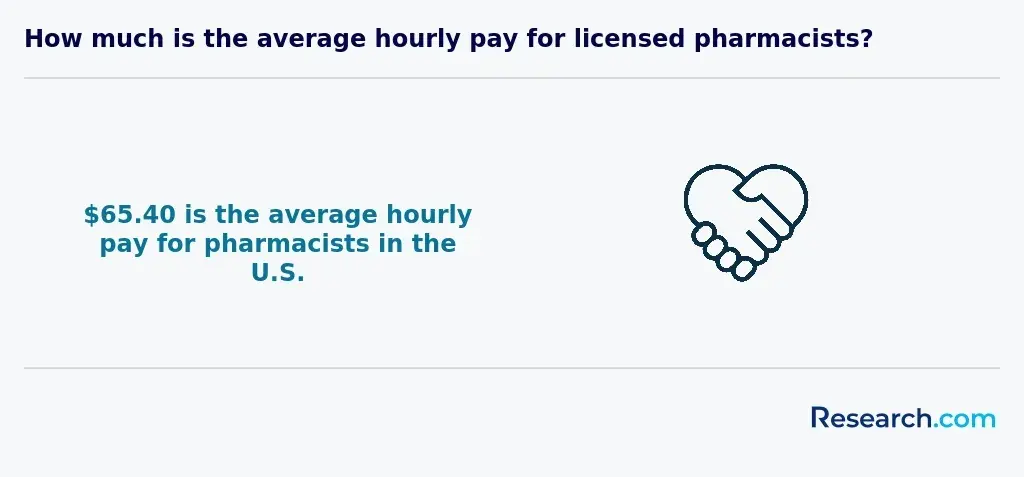
Pharmacist pay in Oklahoma varies by experience, employer, location, schedule, and practice setting. The article’s cited Oklahoma estimate places the average annual salary for pharmacists in the state at approximately $120,000. Another cited range for pharmacists in Oklahoma is $100,000 to $120,000 as of 2023.
Salary outcomes are not guaranteed. A pharmacist in a hospital, specialty clinic, management role, or high-demand location may earn differently from a pharmacist in a retail, rural, part-time, or entry-level position.
- Experience level: New pharmacists often start below more experienced clinicians or pharmacy managers.
- Geographic area: Pay can differ between rural communities and larger markets. Metropolitan areas often report different compensation patterns, and the Bureau of Labor Statistics notes that metro areas can vary in pay and benefits; see its discussion of metro-area compensation differences.
- Employer type: Hospitals, retail chains, independent pharmacies, clinics, government agencies, long-term care, and specialty pharmacies may offer different pay structures.
- Additional credentials: Residency training, board certification, leadership experience, or specialized clinical skills may affect advancement opportunities.
What is the job outlook for licensed pharmacists in Oklahoma?
The pharmacist job outlook in Oklahoma is shaped by healthcare demand, population health needs, pharmacy automation, retail pharmacy changes, clinical service expansion, and employer expectations. The article’s cited projection states that employment of pharmacists in Oklahoma is expected to grow by 5% from 2023 to 2033. Nationally, approximately 14,200 pharmacist job openings are expected annually across the U.S., largely because of retirements and workers moving into other careers.
The U.S. median annual salary for pharmacists was approximately $136,030 as of May 2023. Oklahoma-specific pay can differ from the national figure, so students should compare local employer postings, practice settings, and cost of living before estimating return on investment.
Trends affecting pharmacist demand
- Aging and chronic disease management: Patients with multiple medications need counseling, adherence support, and medication review.
- Healthcare facility growth: Expansion of healthcare facilities in Oklahoma can create roles in hospitals, clinics, and outpatient care. One example is reported healthcare expansion in the state, discussed by The Oklahoman’s coverage of Oklahoma healthcare development.
- Expanded pharmacy services: Vaccination, screening, medication therapy management, and chronic care support can broaden pharmacist responsibilities.
- Automation and AI tools: Dispensing automation and clinical decision-support tools can reduce repetitive tasks but increase the need for pharmacists who can interpret data, counsel patients, and manage complex therapy decisions.
- Retail market pressure: Some retail pharmacy settings face staffing, reimbursement, and workload challenges, so students should compare practice environments before choosing a career direction.
What is a licensed pharmacist’s career path in Oklahoma?
A pharmacist’s career path in Oklahoma can begin with entry-level practice and move toward specialization, leadership, ownership, academia, industry, research, or healthcare administration. The best path depends on your preferred patient population, tolerance for retail pace, interest in clinical decision-making, and willingness to pursue residency or additional credentials.
| Career stage | Common roles | How to advance |
| Student and intern | Pharmacy intern, rotation student, technician-adjacent support roles where permitted. | Build references, document hours, and explore practice settings. |
| New pharmacist | Community pharmacist, staff pharmacist, hospital staff pharmacist, outpatient pharmacist. | Strengthen workflow, patient counseling, law compliance, and clinical judgment. |
| Specialized pharmacist | Clinical pharmacy, oncology, pediatrics, critical care, ambulatory care, long-term care. | Consider residency, board certification, or focused practice experience. |
| Leadership | Pharmacy manager, director, operations leader, compliance lead. | Develop budgeting, staffing, quality improvement, and regulatory management skills. |
| Nontraditional roles | Regulatory affairs, pharmaceutical industry, clinical research, consulting, academia. | Use pharmacy expertise in business, research, policy, or education settings. |
What career paths are available for pharmacists who want to transition into counseling or therapy roles?
Pharmacists who enjoy patient conversations, adherence counseling, and behavioral health topics may consider counseling-related careers. This is not a simple lateral move, because therapy and counseling roles have separate education, supervised training, and licensure requirements. However, pharmacy experience can be useful because pharmacists already understand medications, side effects, patient trust, and chronic disease challenges.
One possible route is licensed professional counseling. Pharmacists interested in this direction can review the steps in how to become a therapist in Oklahoma. Before switching fields, compare tuition, supervised hour requirements, income expectations, and whether you want to provide psychotherapy rather than medication-focused care.
What alternative career options are available for pharmacists in Oklahoma?
A Pharm.D. does not limit graduates to traditional retail or hospital dispensing roles. Some pharmacists remain patient-facing, while others move into industry, research, compliance, business, or healthcare operations.
- Pharmaceutical sales: Pharmacists can use medication knowledge to educate healthcare providers about drug products, clinical uses, safety considerations, and market positioning.
- Regulatory affairs: This path focuses on compliance, product approval processes, labeling, documentation, and coordination with government agencies or healthcare organizations.
- Clinical research: Pharmacists may work on medication trials, safety monitoring, data collection, protocol support, and investigational drug management.
- Pharmacy technician supervision: Pharmacists with strong operations skills may oversee technician teams, workflow, training, and compliance.
- Consulting: Independent or employer-based consultants may advise healthcare organizations, insurers, long-term care facilities, or pharmacies on medication management and regulatory issues.
Additional credentials can help pharmacists pivot into specialized business or healthcare roles without completing another full professional degree. If you want to compare shorter credential options, review online certificate programs that pay well and evaluate whether the certificate aligns with your intended career move.
Exploring Advanced Educational Pathways for Licensed Pharmacists
Pharmacists who want to move into healthcare administration, operations, compliance, or executive leadership may benefit from graduate study beyond the Pharm.D. A healthcare administration program can build skills in budgeting, staffing, policy, quality improvement, data-informed decision-making, and organizational leadership.
One option to compare is a one year online masters in healthcare administration. This type of program may appeal to pharmacists who want to keep working while preparing for management roles, but candidates should still compare accreditation, workload, tuition, admissions requirements, and employer recognition.
What Oklahoma pharmacists say about the licensure journey
-
: "
My path to pharmacist licensure in Oklahoma changed how I viewed patient care. The coursework was demanding, but the internships helped me connect clinical knowledge with real patient needs. Mentors and classmates made the process feel less isolating. Tilly
"
-
: "
The licensing exams felt overwhelming at first. Once I used structured review resources, workshops, and study groups, the process became more manageable. Passing the exam gave me confidence that I could serve patients safely. Fred
"
-
: "
Pharmacy school showed me how many roles pharmacists can play in healthcare. Direct patient counseling became one of the most rewarding parts of my work, especially because Oklahoma’s training emphasized patient-centered care. Beth
"
Which Pharmacy Schools Offer a Straightforward Admission Process?
Students often look for pharmacy schools with accessible admissions, but “easier to get into” should never mean ignoring quality. Before choosing a program, confirm ACPE accreditation, prerequisite requirements, rotation access, board exam preparation, student support, and total cost. A straightforward admission process is only useful if the program still prepares graduates for licensure and practice.
For a comparison-focused starting point, review easy pharmacy schools to get into, then verify each school’s current admissions criteria directly with the institution.
Integrating Mental Health Services into Pharmacist Practices in Oklahoma
Pharmacists are often accessible healthcare professionals, which gives them opportunities to notice medication adherence issues, side effects, behavioral health concerns, and patient confusion around psychiatric medications. They do not replace licensed mental health clinicians, but they can support mental health care through medication counseling, screening awareness, referral coordination, and collaboration with prescribers and counselors.
Pharmacists who want deeper knowledge in behavioral health may consider mental health first aid, psychiatric medication training, or formal education in counseling. Those interested in a separate counseling credential can review how to become a mental health counselor in Oklahoma to understand the additional education and licensure requirements.
Can Pharmacists Benefit from Incorporating Family Therapy Techniques?
Family dynamics can affect medication adherence, chronic disease management, caregiver support, and patient decision-making. Pharmacists do not need to become family therapists to communicate better with families, but training in family systems, motivational interviewing, or caregiver communication may improve patient support.
Pharmacists considering a formal therapy transition should understand that marriage and family therapy is a separate licensed profession. Learn more through how to become a marriage and family therapist in Oklahoma.
Can Pharmacists Integrate Substance Abuse Counseling into Their Practice?
Pharmacists can play an important role in medication safety, controlled substance monitoring, patient education, naloxone-related counseling where applicable, and referrals for substance use treatment. They should stay within their scope of practice, document carefully, and coordinate with licensed addiction professionals when patients need counseling or treatment services.
Pharmacists who want formal substance use counseling credentials can review how to become a substance abuse counselor in Oklahoma and compare the education, supervision, and licensure requirements with their pharmacy career goals.
How Can Pharmacists Leverage Professional Mentorship and Networking for Career Advancement?
Mentorship can help pharmacists choose between community practice, hospital work, residency, specialization, management, consulting, or academia. A strong mentor can also help with board certification planning, interview preparation, leadership skills, and navigating difficult workplace decisions.
- Join professional associations: State and national pharmacy groups can provide continuing education, networking, and policy updates.
- Build interprofessional relationships: Pharmacists who understand nursing, medicine, behavioral health, and administration can collaborate more effectively.
- Seek mentors in your target setting: A hospital clinical pharmacist, retail district leader, or regulatory affairs pharmacist can provide very different advice.
- Use rotations strategically: Treat clinical rotations as auditions for references, residencies, and first jobs.
Collaboration with nursing education and practice can also strengthen patient care. Pharmacists interested in interprofessional models can review top nursing schools in Oklahoma to better understand the nursing education landscape.
What degree is needed to be a pharmacist?
The required professional degree for pharmacist licensure is the Doctor of Pharmacy. A bachelor’s degree alone is not the standard licensure pathway for becoming a pharmacist. Students typically complete prerequisite undergraduate coursework before entering a Pharm.D. program, then finish the professional curriculum and clinical rotations before applying for licensure.
For a broader explanation of pharmacy education requirements, review what degree is needed to be a pharmacist.
How Can Pharmacists Collaborate with Registered Nurses to Enhance Patient Care?
Pharmacists and registered nurses often work with the same patients but see different parts of the care process. Nurses may observe symptoms, adherence problems, adverse reactions, and patient concerns at the bedside or in clinics. Pharmacists can then support medication review, dose clarification, interaction checks, and patient education.
- Use clear communication channels: Medication concerns should be documented and communicated quickly.
- Review complex cases together: Joint review can reduce errors for patients with multiple medications.
- Coordinate discharge education: Pharmacists and nurses can reinforce the same instructions before patients leave the hospital or clinic.
- Understand each profession’s scope: Knowing what nurses are trained and licensed to do supports smoother collaboration.
Pharmacists who want more context on nursing roles can read about how to become a registered nurse in Oklahoma.
Can Pharmacists Benefit from Learning Medical Billing and Coding Skills?
Medical billing and coding knowledge can be useful for pharmacists who work in ambulatory care, clinical services, management, consulting, or pharmacy operations. It can help them understand reimbursement, documentation, claims workflows, and the business side of patient care services.
This training is not required for every pharmacist. It is most relevant for pharmacists involved in billable clinical services, healthcare administration, practice ownership, or revenue cycle improvement. To explore the field, review medical billing and coding in Oklahoma.
Can Pharmacists Enhance Patient Outcomes by Pursuing Advanced Clinical Roles?
Pharmacists who want deeper clinical responsibility may pursue residency training, specialty practice, board certification, or additional education in chronic disease management, preventive care, pharmacotherapy, and patient assessment. Advanced clinical roles can position pharmacists to work more closely with physicians, nurses, and other providers.
Pharmacists who want to understand how other advanced clinicians are trained can compare their path with how to become a nurse practitioner in Oklahoma. This does not mean pharmacists become nurse practitioners without completing nursing requirements, but it can clarify how advanced clinical roles differ across professions.
Do Pharmacists Need to Understand Nursing Licensing Regulations?
Pharmacists do not need a nursing license to practice pharmacy, but understanding nursing licensure rules can improve collaboration. Knowing how nursing scope, delegation, and documentation requirements work can reduce confusion in hospitals, clinics, long-term care, and community health settings.
For Oklahoma-specific context, review the Oklahoma nursing licensure requirements.
Can Pharmacists Enhance Patient Outcomes by Integrating Nutritional Counseling?
Nutrition can affect medication effectiveness, side effects, chronic disease control, and patient adherence. Pharmacists can support patients by identifying food-drug interactions, encouraging appropriate follow-up, and collaborating with registered dietitians when nutrition care becomes more complex.
Pharmacists should stay within their scope and refer patients to nutrition professionals when individualized medical nutrition therapy is needed. To understand that pathway, review how to become a registered dietician in Oklahoma.
Common Mistakes to Avoid When Becoming a Pharmacist in Oklahoma
| Mistake | Why it can hurt you | Better approach |
| Choosing a program without checking accreditation | Licensure eligibility depends heavily on recognized pharmacy education. | Confirm ACPE accreditation before applying or enrolling. |
| Looking only at tuition | Total cost includes fees, supplies, rotations, living expenses, exams, and licensing costs. | Create a full budget for the entire Pharm.D. and licensing pathway. |
| Assuming online coursework equals online licensure | Clinical rotations, exams, background checks, and board steps are still required. | Ask whether the program prepares graduates for Oklahoma licensure. |
| Waiting too long to study for exams | NAPLEX and pharmacy law exams require focused preparation. | Build a study plan before graduation and use practice resources. |
| Ignoring renewal deadlines | An expired license can stop you from legally practicing. | Track renewal dates and complete continuing education early. |
| Relying only on salary averages | Pay varies by employer, location, schedule, and experience. | Compare real job postings and speak with pharmacists in your target setting. |
Questions to Ask Before Choosing a Pharmacy Program
- Is the Pharm.D. program accredited by ACPE?
- Does the program clearly prepare graduates for Oklahoma pharmacist licensure?
- How are the 1,500 supervised practice hours documented?
- Where do students complete rotations, and who arranges placements?
- What support is available for NAPLEX and Oklahoma law exam preparation?
- What is the total cost of attendance, including fees and living expenses?
- What financial aid, scholarships, or assistantship options are available?
- How does the program support residency applications, job placement, or specialty career goals?
- Can online or hybrid students complete required in-person components without relocating?
- What are recent graduates doing in retail, hospital, clinical, industry, or residency roles?
Key Insights
- The required pharmacy degree is the Pharm.D. Oklahoma pharmacist candidates should choose an accredited program that supports licensure eligibility and clinical training.
- The process is long but predictable. Most candidates spend six to eight years in education before completing exams and board requirements, with the full timeline sometimes reaching six to ten years.
- Oklahoma requires supervised experience. Candidates must complete 1,500 hours of supervised practice training, and documentation matters.
- Licensure is not fully online. Online or hybrid coursework may be possible, but clinical rotations, exams, fingerprinting, background checks, and board approval remain required.
- Costs extend beyond tuition. Budget for tuition, exam fees, application fees, fingerprinting, background checks, supplies, living expenses, and renewal fees.
- Career options are broader than retail pharmacy. Oklahoma pharmacists can pursue hospital practice, clinical specialties, management, consulting, research, regulatory affairs, industry, or additional healthcare education.
- License maintenance is part of the job. Oklahoma pharmacists renew every two years and typically complete at least 30 hours of continuing education.
Related Articles for Nearby States
- 2027 How to Become a Licensed Pharmacist in Texas
- 2027 How to Become a Licensed Pharmacist in Kansas
- 2027 How to Become a Licensed Pharmacist in Arkansas
- 2027 How to Become a Licensed Pharmacist in Missouri
- 2027 How to Become a Licensed Pharmacist in Colorado
- 2027 How to Become a Licensed Pharmacist in New Mexico
- 2027 How to Become a Licensed Pharmacist in Nebraska
- 2027 How to Become a Licensed Pharmacist in Louisiana
- 2027 How to Become a Licensed Pharmacist in Iowa
- 2027 How to Become a Licensed Pharmacist in Mississippi
References:
- Bureau of Labor Statistics. Pharmacists. bls.gov https://www.bls.gov/ooh/healthcare/pharmacists.htm
- Gyfted. Become a licensed pharmacist in Oklahoma. gyfted.me https://www.gyfted.me/how-to-become/licensed-pharmacist/oklahoma-ok
- NCES. Degrees conferred by postsecondary institutions in selected professional fields, by sex of student, control of institution, and field of study: Selected academic years, 1985-86 through 2020-21. https://nces.ed.gov/programs/digest/d22/tables/dt22_324.50.asp
- Oklahoma State Board of Pharmacy. oklahoma.gov https://oklahoma.gov/pharmacy.html
- California State Board of Pharmacy. Frequently Asked Questions: Becoming Licensed as a Pharmacist in California. pharmacy.ca.gov https://www.pharmacy.ca.gov/forms/exam_info_update.pdf
- University of Oklahoma Health Sciences Center College of Pharmacy. Doctor of Pharmacy. pharmacy.ouhsc.edu https://pharmacy.ouhsc.edu/programs/doctor-of-pharmacy
- Zippia. Pharmacist demographics and statistics in the US. https://www.zippia.com/pharmacist-jobs/demographics/
Other Things You Should Know About Becoming a Licensed Pharmacist in Oklahoma
In 2027, to become a licensed pharmacist in Oklahoma, you must complete a Doctor of Pharmacy (Pharm.D.) program accredited by the Accreditation Council for Pharmacy Education (ACPE). After graduation, you'll need to pass the North American Pharmacist Licensure Examination (NAPLEX) and the Multistate Pharmacy Jurisprudence Examination (MPJE) for Oklahoma.
To become licensed in Oklahoma in 2027, you must complete a Doctor of Pharmacy (Pharm.D) program, pass the NAPLEX and MPJE exams, and meet state-specific requirements, including a background check. Applicants must also complete a certain number of internship hours as mandated by the Oklahoma Board of Pharmacy.