2027 How to Become a Licensed Pharmacist in Vermont

Co-Founder and Chief Data Scientist
Becoming a licensed pharmacist in Vermont requires more than earning a pharmacy degree. You need the right academic preparation, supervised practice experience, passing exam scores, a completed state application, background checks, and ongoing continuing education after licensure. For students comparing pharmacy with other healthcare careers, the biggest questions are usually practical: How long will this take? What will it cost? Can any part be completed online? What jobs and salaries can you realistically expect in Vermont?
This guide explains the Vermont pharmacist licensure path from pre-pharmacy coursework through renewal. It also covers online and hybrid study options, career settings, salary data, job outlook, related healthcare paths, and common mistakes that can delay licensure. Use it to plan your timeline, compare programs, budget accurately, and decide whether pharmacy is the right professional route for you.
Quick answer: How do you become a licensed pharmacist in Vermont?
To become a licensed pharmacist in Vermont, you generally need to complete prerequisite college coursework, earn a Doctor of Pharmacy degree from an accredited pharmacy program, finish required supervised internship or experiential training hours, pass the North American Pharmacist Licensure Examination and the Multistate Pharmacy Jurisprudence Examination, submit an application to the Vermont Board of Pharmacy through the Office of Professional Regulation, complete background check requirements, and maintain your license through continuing education.
Key things to know before you start
- State application: You must apply through Vermont’s pharmacy licensing process and follow the Board of Pharmacy’s fee, documentation, and policy requirements.
- Practical experience: Accredited pharmacy programs include required experiential training, and Vermont applicants must verify the internship or practice experience required for licensure.
- License by endorsement: Pharmacists already licensed elsewhere may be able to use Vermont’s Fast Track Endorsement pathway if they meet the state’s conditions.
- Background review: Fingerprinting and background checks are part of the process, so plan for both the time and the cost.
- Renewal obligations: Vermont pharmacists must keep up with continuing education, and virtual courses may count when they meet state requirements.
- What does a licensed pharmacist do?
- How long does it take to become a licensed pharmacist in Vermont?
- How do I get a pharmacy degree in Vermont?
- What are the requirements to become a licensed pharmacist in Vermont?
- How much does it cost to become a licensed pharmacist in Vermont?
- Can I get my pharmacist’s license online in Vermont?
- What is the job description of a licensed pharmacist in Vermont?
- What are the alternatives to becoming a pharmacist in Vermont?
- What do I do if my pharmacist’s license expires in Vermont?
- Can I broaden my impact by adding therapeutic care skills?
- What additional certifications can boost my pharmacy career in Vermont?
- How can pharmacists expand into substance abuse counseling in Vermont?
- Can I start my pharmacy career with an affordable online program?
- Can pharmacists use their skills to pursue nursing in Vermont?
- Should pharmacists add administrative and billing skills?
- How can pharmacists move into advanced clinical roles in Vermont?
- Are there professional organizations that support pharmacists in Vermont?
- What challenges can delay Vermont pharmacist licensure?
- How much do licensed pharmacists make in Vermont?
- What is the job outlook for licensed pharmacists in Vermont?
- Should pharmacists integrate nutrition expertise into their practice?
- Are there other healthcare careers I can pursue in Vermont?
- What is a licensed pharmacist’s career path in Vermont?
What does a licensed pharmacist do?
A licensed pharmacist is a healthcare professional authorized to dispense medications, evaluate medication safety, counsel patients, collaborate with prescribers, and help prevent medication-related problems. In Vermont, pharmacists may work in community pharmacies, hospitals, clinics, long-term care settings, regulatory agencies, insurance organizations, or the pharmaceutical industry.
The required professional degree is the Doctor of Pharmacy, commonly called the PharmD. Students comparing program formats can start by reviewing online Doctor of Pharmacy program options, but they should confirm accreditation, experiential training requirements, and whether the program supports Vermont licensure preparation.
After completing the PharmD, candidates must pass the North American Pharmacist Licensure Examination, which evaluates pharmacy practice knowledge, and the Multistate Pharmacy Jurisprudence Examination, which tests pharmacy law and state-specific legal knowledge. Vermont applicants must also document practical experience, usually through supervised training built into an accredited pharmacy curriculum.
Licensed pharmacists commonly handle the following responsibilities:
- Dispense prescription medications and verify that orders are accurate and appropriate.
- Explain dosage, side effects, interactions, storage, and safe medication use to patients.
- Review medication histories to identify duplicate therapies, allergies, contraindications, or drug interactions.
- Work with physicians, nurses, and other healthcare providers to improve medication therapy plans.
- Support public health services such as immunization education, chronic disease management, and medication adherence counseling.
- Comply with Vermont and federal pharmacy laws, controlled substance rules, recordkeeping requirements, and safety standards.
Pharmacy is a patient-facing profession, but it is also highly detail-oriented. The strongest candidates are comfortable with science, technology, documentation, legal compliance, and direct communication with patients who may be confused, stressed, or managing multiple medications.
How long does it take to become a licensed pharmacist in Vermont?
The full path usually takes around 7 to 8 years, depending on whether you complete a bachelor’s degree before pharmacy school, how quickly you finish prerequisites, and how soon you pass the required licensing exams. Some students enter pharmacy school after completing required undergraduate coursework, while others finish a bachelor’s degree first.
| Stage | Typical timing | What happens during this step |
| Pre-pharmacy coursework or bachelor’s preparation | Often 2 to 4 years | Students complete science, math, English, and communication prerequisites required by pharmacy programs. |
| Doctor of Pharmacy degree | Usually four years | Students study pharmacology, medicinal chemistry, therapeutics, patient care, pharmacy law, and clinical practice. |
| Experiential training or internship hours | Built into or completed alongside the PharmD path | Candidates gain supervised practice experience in pharmacy settings and must verify required hours for licensure. |
| Licensing exam preparation and testing | Several weeks to months | Graduates prepare for and take the North American Pharmacist Licensure Examination and the Multistate Pharmacy Jurisprudence Examination. |
| Vermont licensure application processing | At least 90 days may be needed for initial licensing | Applicants submit forms, fees, exam results, background check materials, and supporting documentation to the state. |
The timeline can stretch if prerequisite courses are missing, transcripts are delayed, internship documentation is incomplete, or exam retakes are needed. Students who want to enter the pharmacy field sooner may consider pharmacy technician training first; online pharmacy technician associate programs can be a practical entry point while exploring whether a PharmD is worth the long-term commitment.
How do I get a pharmacy degree in Vermont?
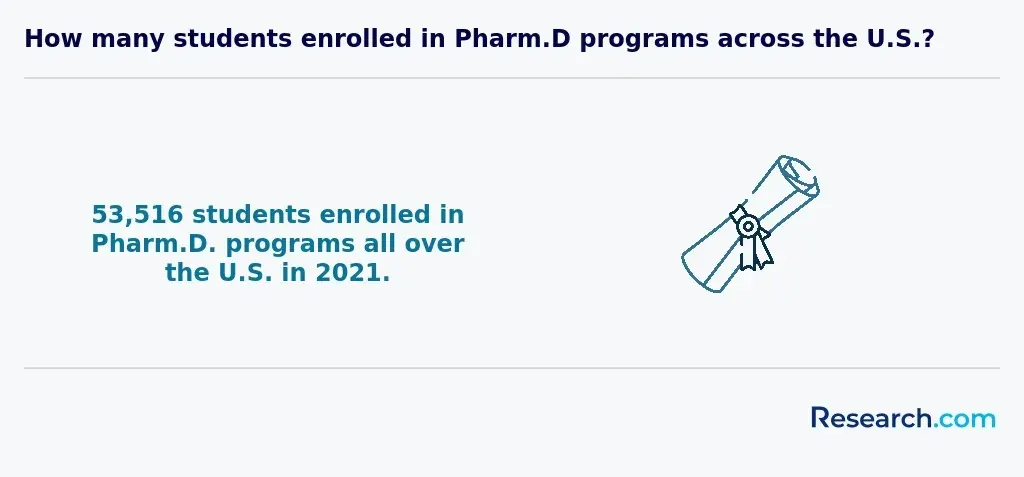
Vermont students who want to become pharmacists should first complete the prerequisite coursework required by accredited Doctor of Pharmacy programs. The University of Vermont provides pharmacy course recommendations that can help students plan a pre-pharmacy academic path, but applicants should always check the exact requirements of each PharmD program because prerequisites can vary by school.
Common prerequisite areas include:
- Biology: Many pharmacy schools expect a full year of general biology with laboratory work, often including foundational biology or human cell biology.
- Chemistry and biochemistry: Students commonly need one year of general chemistry and one year of organic chemistry with labs, and a biochemistry course is often recommended.
- Mathematics: A semester of calculus is generally expected, and statistics is important because about 75% of pharmacy schools require it.
- English and humanities: A writing-intensive English course is commonly required, and additional humanities coursework may strengthen communication and critical thinking skills.
- Public speaking: Because pharmacists counsel patients and collaborate with healthcare teams, many programs value or require coursework that builds oral communication skills.
After completing prerequisites, students apply to accredited PharmD programs. When comparing schools, focus on Accreditation Council for Pharmacy Education accreditation, experiential rotation quality, graduation and exam preparation support, total cost, transfer credit policies, and whether the program has placement relationships in settings where you want to work.
Some applicants also use broader career resources, such as this pharmacist career guide, to compare pharmacy with related healthcare roles before committing to a doctoral program.
Questions to ask before choosing a PharmD program
- Is the program accredited by the Accreditation Council for Pharmacy Education?
- Does the curriculum prepare students for the North American Pharmacist Licensure Examination and the Multistate Pharmacy Jurisprudence Examination?
- Where do students complete clinical rotations, and are any placements available in Vermont?
- What is the total estimated cost after tuition, fees, books, housing, transportation, and exam expenses?
- Can prerequisite credits transfer, and how are older science credits evaluated?
- Does the program support students applying for licensure in Vermont?
What are the requirements to become a licensed pharmacist in Vermont?
Vermont’s pharmacist licensure process is designed to confirm that applicants have completed the required education, supervised practice, exams, and legal background review before serving patients. Requirements can change, so applicants should review the Vermont Board of Pharmacy and Office of Professional Regulation instructions before applying.
| Requirement | What it means for applicants | Why it matters |
| Doctor of Pharmacy degree | You must complete a PharmD from an accredited pharmacy program. | The degree provides the clinical, scientific, and legal foundation for pharmacy practice. |
| Internship or experiential hours | You must document supervised pharmacy experience that satisfies Vermont requirements. | Hands-on practice verifies that you can apply classroom knowledge in real pharmacy settings. |
| NAPLEX | You must pass the North American Pharmacist Licensure Examination. | This exam evaluates readiness for pharmacy practice. |
| MPJE | You may need to pass the Multistate Pharmacy Jurisprudence Examination for Vermont pharmacy law. | Pharmacists must understand legal and regulatory duties before practicing. |
| Application and documentation | You submit the state application, degree verification, internship records, and other required materials. | Incomplete paperwork is one of the most common causes of delay. |
| Background check | You should expect fingerprinting and criminal background review requirements. | Licensing boards use background checks to protect patients and public safety. |
| Continuing education after licensure | You must complete required continuing education to renew and maintain your license. | Ongoing education helps pharmacists stay current with medications, laws, safety practices, and patient care standards. |
After becoming licensed, pharmacists must renew their credentials and meet continuing education requirements. Vermont allows virtual courses to count when they satisfy the applicable rules, which can make renewal easier for pharmacists balancing full-time work, rural practice, or family responsibilities.
Pharmacy can also lead to well-compensated healthcare roles, but salaries vary by setting, experience, and responsibilities. Students comparing health professions can review high-paying medical careers to understand how pharmacy compares with other clinical paths.
How much does it cost to become a licensed pharmacist in Vermont?
The cost of becoming a pharmacist in Vermont includes far more than tuition. Pharmacy school tuition alone can often exceed $30,000 annually, and students also need to plan for fees, books, supplies, housing, transportation, background checks, licensing exams, and continuing education after graduation.
| Cost category | Estimated amount stated | Planning note |
| PharmD tuition | Often exceeding $30,000 annually for tuition alone | Compare total program cost, not just annual tuition, because fees and living expenses can significantly increase borrowing. |
| Initial pharmacist application fee | Between $100 and $200 | Budget this near graduation when you submit your Vermont licensure application. |
| NAPLEX and MPJE examination fees | Each exam typically costs around $300 | Retakes, if needed, can add cost and delay your timeline. |
| Background check fees | Approximately $50 to $100 | Fingerprinting and background review costs should be included in your licensing budget. |
| License renewal fees | Usually ranging from $50 to $150 every two years | Renewal is an ongoing professional cost after you begin practicing. |
| Continuing education | May add a few hundred dollars | Costs vary depending on the provider, topic, format, and employer reimbursement policies. |
To reduce unnecessary expense, compare accredited programs carefully, ask about transfer credits, look for employer tuition assistance if you are already working in healthcare, and understand financial aid options before borrowing. Students still deciding whether pharmacy is the best healthcare investment can review education requirements for healthcare careers to compare training length and credential expectations across fields.
Cost mistakes to avoid
- Comparing schools by tuition only while ignoring fees, housing, rotation travel, and exam costs.
- Enrolling before confirming accreditation and licensure eligibility.
- Assuming online coursework means the full degree will be cheaper or fully remote.
- Borrowing for a PharmD without comparing salary expectations by practice setting.
- Forgetting to budget for renewal, continuing education, and professional certifications after graduation.
Can I get my pharmacist’s license online in Vermont?
You cannot complete every part of pharmacist licensure online because pharmacy requires supervised clinical and experiential training, state application review, exams, and background checks. However, some accredited PharmD programs offer online or hybrid coursework that can make the academic portion more flexible.
Online and hybrid PharmD pathways can be useful for students who need scheduling flexibility, but they must still provide rigorous science instruction, patient care training, pharmacy law preparation, and in-person experiential rotations. Before enrolling, confirm that the program is accredited, that clinical placements are feasible for where you live, and that graduates can pursue Vermont licensure.
| Program format | Best for | Important caution |
| Campus-based PharmD | Students who want face-to-face instruction, local labs, and structured campus support. | Relocation, commuting, and housing may raise the total cost. |
| Hybrid PharmD | Students who want some online flexibility but can attend required labs, intensives, or rotations. | Travel requirements can be significant, so review the calendar before enrolling. |
| Online coursework with in-person rotations | Working adults or students in rural areas who need greater schedule control. | Clinical placements are still required, and not every program can support every state’s licensure pathway. |
A strong online program should clearly explain accreditation, rotation placement support, exam preparation, technology requirements, tuition and fees, and state licensure disclosures. If a school cannot answer whether its program supports Vermont licensure, treat that as a serious warning sign.
What is the job description of a licensed pharmacist in Vermont?
Licensed pharmacists in Vermont do much more than fill prescriptions. Their work combines medication expertise, patient counseling, safety review, documentation, regulatory compliance, and collaboration with other healthcare professionals.
Common pharmacist roles in Vermont include:
- Community pharmacist: Dispenses medications, counsels patients, screens for interactions, manages refills, supports adherence, and may provide immunization-related services depending on authorization and training.
- Clinical pharmacist: Works with providers in hospitals, clinics, or care teams to optimize medication therapy, monitor patient outcomes, and reduce medication-related risks.
- Hospital pharmacist: Reviews medication orders, prepares or verifies therapies, supports inpatient care teams, and helps manage high-risk medications.
- Regulatory pharmacist: Supports compliance with Vermont and federal pharmacy rules, licensing standards, inspections, or policy implementation.
- Pharmacy inspector: Reviews pharmacy operations for compliance with safety, recordkeeping, and legal requirements.
- Educator or trainer: Teaches pharmacy staff, students, patients, or community groups about medication safety and public health practices.
Some Vermont state pharmacist positions may require at least five years of relevant professional experience, especially for regulatory, administrative, or senior-level roles. That requirement should not be confused with the baseline education and licensure pathway for entry into pharmacy practice.
What are the alternatives to becoming a pharmacist in Vermont?
Pharmacy is a strong fit for people who enjoy medication science, patient counseling, legal precision, and healthcare teamwork. It may not be the best fit for students who want a shorter training path, a counseling-centered role, or a profession with less emphasis on chemistry and pharmacology.
If you are drawn to healthcare but want a different type of patient relationship, mental health counseling may be worth comparing. Counselors focus on emotional, behavioral, and psychological support rather than medication dispensing. Students interested in that route can review how to become a mental health counselor in Vermont.
| Path | What it emphasizes | When it may be a better fit |
| Pharmacist | Medication therapy, drug safety, patient counseling, and pharmacy law. | You want a doctoral-level healthcare role centered on medications and clinical decision-making. |
| Pharmacy technician | Pharmacy operations, prescription processing, inventory, and support duties. | You want to enter the pharmacy environment faster before deciding on a PharmD. |
| Mental health counselor | Therapy, behavioral health, coping strategies, and emotional support. | You prefer ongoing counseling relationships and behavioral health practice. |
| Nurse or nurse practitioner | Direct patient care, assessment, treatment coordination, and clinical procedures. | You want broader bedside or primary care responsibilities. |
What do I do if my pharmacist’s license expires in Vermont?
If your Vermont pharmacist license expires, do not continue practicing until you understand your status and complete the required renewal or reinstatement steps. Practicing on an expired license can create legal and professional consequences.
Start by checking your license record through the Vermont Office of Professional Regulation. Then review the Board of Pharmacy instructions for renewal, late renewal, or reinstatement, depending on how long the license has been expired.
Steps to take after a Vermont pharmacist license expires
- Confirm your license status: Log in to the state’s online licensing system and verify whether the license is expired, lapsed, or eligible for renewal.
- Review Board of Pharmacy instructions: Requirements may differ based on the length of the lapse and your practice history.
- Submit the required application: Use the Online Services System and make sure your contact information, employment details, and documentation are current.
- Pay all required fees: Include renewal, late, or reinstatement fees as applicable.
- Complete continuing education: Verify that your continuing education hours meet Vermont requirements, including any rules for virtual courses.
- Provide supporting documents: Keep copies of continuing education certificates, prior license records, and any required verification materials.
- Wait for confirmation: Do not assume you can practice until the state confirms that your license is active.
The best strategy is prevention: track renewal deadlines, save continuing education records throughout the cycle, and update your email and mailing address with the licensing office so you do not miss notices.
Can I broaden my impact by adding therapeutic care skills?
Pharmacists who want to deepen patient support may benefit from training in counseling, motivational interviewing, behavioral health awareness, or collaborative care. These skills can improve medication adherence conversations, help patients navigate chronic disease management, and strengthen communication with care teams.
Pharmacists considering a more formal therapy-focused career should understand that counseling and therapy roles have separate education and licensure requirements. A useful comparison point is how to become a marriage and family therapist in Vermont, especially for professionals interested in family systems, behavioral health, and therapeutic practice.
What additional certifications can boost my pharmacy career in Vermont?
Additional credentials can help pharmacists move into more specialized or leadership-oriented work. Common areas of professional development include immunization delivery, medication therapy management, chronic disease support, geriatric care, pharmacotherapy, oncology, ambulatory care, and pharmacy management.
Choose certifications based on your target setting. A community pharmacist may benefit from immunization and medication therapy management training, while a hospital pharmacist may prioritize pharmacotherapy or specialty board certification. Pharmacists supervising teams may also want to understand technician roles and compensation trends, including pharmacy technician salary information.
How can pharmacists expand their role to include substance abuse counseling in Vermont?
Pharmacists often interact with patients who take controlled substances, manage chronic pain, or need support with medication safety. While pharmacists do not automatically become substance abuse counselors through pharmacy licensure, they can add relevant training in screening, referral, medication safety education, harm reduction awareness, and interprofessional collaboration.
Those who want to provide formal substance abuse counseling should review the separate requirements for that profession. A good starting point is this guide on how to become a substance abuse counselor in Vermont.
Can I start my pharmacy career with an affordable online program?
Affordable online or hybrid pharmacy education can be helpful, but affordability should never come at the expense of accreditation or licensure eligibility. Before choosing a lower-cost program, verify the school’s accreditation, clinical placement structure, exam preparation support, state authorization, and total cost after fees and travel.
Students comparing cost-conscious doctoral options can begin with affordable online Doctor of Pharmacy programs. Use that research as a starting point, then confirm directly with each program whether its pathway supports Vermont pharmacist licensure.
Can pharmacists use their skills to pursue nursing in Vermont?
Pharmacists already have a strong background in medications, patient education, safety, and clinical reasoning. Those strengths can be useful in nursing, but pharmacy licensure does not replace nursing education or nursing licensure requirements.
A pharmacist who wants broader direct patient care responsibilities may compare bridge options, prerequisite requirements, clinical hour expectations, and licensing rules. For a separate nursing pathway, review how to become a registered nurse in Vermont.
Should pharmacists add administrative and billing skills?
Administrative, coding, documentation, reimbursement, and billing knowledge can be valuable for pharmacists in management, ambulatory care, specialty pharmacy, insurance, consulting, or health-system roles. These skills can help pharmacists understand how services are documented, reimbursed, audited, and integrated into value-based care models.
This path is especially relevant for pharmacists who want to manage pharmacy operations, support clinical service billing, or move into healthcare administration. For a related skill set, explore medical billing and coding in Vermont.
How can pharmacists move into advanced clinical roles in Vermont?
Pharmacists can advance clinically by pursuing residencies, specialty certifications, collaborative practice opportunities, ambulatory care roles, hospital pharmacy leadership, academic positions, or interdisciplinary care models. The right next step depends on whether you want deeper medication expertise, broader diagnostic responsibilities, leadership duties, or a second clinical credential.
Some pharmacists consider nursing or advanced practice nursing when they want a different scope of direct patient care. That route has separate education, clinical, and licensing requirements, so compare it carefully with pharmacy advancement options. A useful starting resource is how to become a nurse practitioner in Vermont.
Are there professional organizations that support pharmacists in Vermont?
Professional organizations can help pharmacists stay current on policy changes, continuing education, practice standards, networking, leadership development, and advocacy. State and national pharmacy associations may also provide conferences, mentoring, specialty interest groups, and updates on regulatory changes.
Pharmacists who work closely with nurses, prescribers, dietitians, counselors, and other healthcare providers may also benefit from understanding allied health education pathways. For example, reviewing nursing schools in Vermont can help pharmacists understand the training background of key clinical collaborators.
What challenges can delay Vermont pharmacist licensure?
Most licensure delays are avoidable. They often happen when applicants underestimate documentation requirements, wait too long to schedule exams, submit incomplete forms, or fail to verify that their education and experiential hours meet Vermont standards.
| Common mistake | Why it causes problems | Better approach |
| Choosing a program without confirming accreditation | Nonqualifying education can block or delay licensure. | Verify Accreditation Council for Pharmacy Education status before enrolling. |
| Assuming online programs automatically meet Vermont requirements | State authorization and clinical placement rules may vary. | Ask the program directly about Vermont licensure preparation. |
| Waiting to gather internship records | Missing verification can slow the state application. | Save rotation and supervised practice documentation as you complete it. |
| Underestimating exam preparation | Failed or delayed exams can push back your start date. | Create a study timeline for both the NAPLEX and MPJE. |
| Ignoring background check timing | Fingerprinting and review can take time. | Complete background check steps as soon as the state permits. |
| Using inconsistent names or records | Mismatched transcripts, applications, and IDs can require follow-up. | Check all documents before submission and correct discrepancies early. |
Students who want to understand how regulated healthcare licensure works in a parallel profession can compare Vermont nursing licensure requirements. The professions differ, but both require careful documentation, compliance, and state board review.
How much do licensed pharmacists in Vermont make?
As of May 2023, pharmacists in Vermont earn an average annual salary of approximately $132,570, or about $63.74 per hour. The national average salary for pharmacists is around $134,790.
Pay varies by employer, work setting, experience, schedule, specialization, and location. Pharmacists in general medical and surgical hospitals average around $144,270 annually, while pharmacists in retail environments such as health and personal care stores earn about $126,990 per year.
| Work setting | Average annual salary stated | What to consider |
| Vermont pharmacists overall | Approximately $132,570 | A useful benchmark, but individual offers may differ by role and region. |
| National pharmacist average | Around $134,790 | Compare Vermont earnings with national mobility and cost-of-living considerations. |
| General medical and surgical hospitals | Around $144,270 | Hospital roles may require residency, clinical experience, shift work, or specialty training. |
| Health and personal care stores | About $126,990 | Retail roles may offer patient interaction, accessibility, and management opportunities. |
To improve earning potential, pharmacists may pursue advanced certifications, complete continuing education strategically, build clinical or management experience, network within health systems, and consider high-demand practice settings. Salary outcomes are not guaranteed, so compare actual job postings, benefits, schedule expectations, loan obligations, and advancement pathways before making a decision.
What is the job outlook for licensed pharmacists in Vermont?
The employment outlook for pharmacists is steady rather than explosive. Employment of pharmacists is expected to grow by around 5% over the next decade, which is similar to the average growth rate for all professions. Across the United States, this equals approximately 14,200 job openings annually, largely because of retirements and workers moving into other careers.
In Vermont, demand is shaped by several healthcare and workforce factors:
- Aging population: Older adults often use more medications and need careful medication management, adherence support, and safety monitoring.
- Healthcare access needs: Pharmacies can be important access points for medication counseling and public health services, especially in smaller communities.
- Workforce turnover: Retirements and career changes can create openings for new pharmacists.
- Varied practice settings: Pharmacists can work in retail, hospitals, clinics, long-term care, regulatory roles, and industry-related positions.
- Technology and automation: Dispensing technology, e-prescribing, data tools, and artificial intelligence may change pharmacy workflows, but they also increase the value of pharmacists who can provide clinical judgment, patient counseling, and medication safety oversight.
Students should interpret job outlook data realistically. A PharmD can lead to stable healthcare employment, but local openings, preferred schedules, residency expectations, and employer demand can vary. The strongest candidates usually combine licensure with communication skills, clinical judgment, adaptability, and comfort using pharmacy technology.
Should pharmacists integrate nutrition expertise into their practice?
Nutrition knowledge can strengthen pharmacy counseling, especially for patients managing chronic conditions, medication-food interactions, supplements, weight-related concerns, or lifestyle changes. Pharmacists do not need to become dietitians to discuss basic medication-related nutrition issues, but formal nutrition counseling has its own professional standards and credentialing expectations.
Pharmacists who want deeper expertise can pursue continuing education in nutrition or compare formal dietetics pathways. For a separate credential route, review how to become a registered dietician in Vermont.
Are there other healthcare careers I can pursue in Vermont?
Yes. If pharmacy feels too long, too expensive, or too focused on medication science, Vermont offers other healthcare paths that may align better with your strengths. Counseling, nursing, dietetics, medical billing and coding, substance abuse counseling, and pharmacy technician work all serve healthcare needs but differ in education length, licensure, patient contact, and career focus.
If you are interested in therapy and mental health support, compare the requirements in how to become a therapist in Vermont. Choosing between pharmacy and counseling should come down to the type of patient problems you want to solve every day: medication-related care or emotional and behavioral health support.
What is a licensed pharmacist’s career path in Vermont?
A typical Vermont pharmacist career path starts with pre-pharmacy coursework, moves into an accredited Doctor of Pharmacy program, continues through experiential training and licensing exams, and then branches into practice settings such as community pharmacy, hospitals, clinics, long-term care, government, academia, research, or industry.
| Career stage | Typical goal | Possible next move |
| Pre-pharmacy student | Complete science, math, communication, and humanities prerequisites. | Apply to accredited PharmD programs. |
| PharmD student | Build medication science, patient care, law, and practice skills. | Complete rotations and prepare for licensing exams. |
| Graduate licensure candidate | Pass the NAPLEX and MPJE and submit Vermont licensure materials. | Begin practice after license approval. |
| Entry-level pharmacist | Develop professional judgment in community, hospital, clinic, or other practice settings. | Pursue residency, specialization, management, or advanced certification. |
| Experienced pharmacist | Expand into leadership, clinical specialization, regulatory work, teaching, consulting, or industry roles. | Build a long-term niche based on patient population, setting, or specialty. |
Pharmacists must also maintain licensure through continuing education every two years. This requirement is not just a regulatory task; it is part of staying competent as medications, laws, technology, and care models change.
How to decide whether pharmacy is worth it for you
- Choose pharmacy if you enjoy chemistry, biology, patient counseling, medication safety, and highly regulated healthcare work.
- Be cautious if you want a short training path, dislike detailed compliance work, or are not comfortable with high student debt.
- Compare alternatives if your main interest is therapy, bedside nursing, nutrition, healthcare administration, or faster workforce entry.
- Evaluate return on investment by comparing total PharmD cost, expected salary by setting, loan repayment options, and the number of years before full-time earnings begin.
Related Articles for Nearby States
- 2027 How to Become a Licensed Pharmacist in New Hampshire
- 2027 How to Become a Licensed Pharmacist in Massachusetts
- 2027 How to Become a Licensed Pharmacist in New York
- 2027 How to Become a Licensed Pharmacist in Connecticut
- 2027 How to Become a Licensed Pharmacist in Rhode Island
- 2027 How to Become a Licensed Pharmacist in Maine
- 2027 How to Become a Licensed Pharmacist in New Jersey
- 2027 How to Become a Licensed Pharmacist in Pennsylvania
- 2027 How to Become a Licensed Pharmacist in Delaware
- 2027 How to Become a Licensed Pharmacist in Maryland
References:
- sos.vermont.gov (n.d.). Pharmacy Forms & Instructions. https://sos.vermont.gov/pharmacy/forms-instructions
- students.pharmacy.uic.edu (n.d.). Licensing. https://students.pharmacy.uic.edu/career/licensing
- uvm.edu (n.d.). Course Recommendations: Pharmacy. https://www.uvm.edu/career/course-recommendations-pharmacy
- humanresources.vermont.gov (22 Jul 2018). Job Specification Details. https://humanresources.vermont.gov/classification-position-management/classification/job-specifications/detail/404200?nojs=ajax
- bls.gov (29 Aug 2024). Pharmacists. https://www.bls.gov/ooh/healthcare/pharmacists.htm
- vthealthcareers.org (30 Sep 2022). Health Care Providers. https://vthealthcareers.org/careers/pharmacy/pharmacist
Key Insights
- Becoming a licensed pharmacist in Vermont usually takes around 7 to 8 years, including prerequisite study, the PharmD, experiential training, exams, and state application processing.
- The core licensure steps are an accredited Doctor of Pharmacy degree, supervised practice experience, passing NAPLEX and MPJE scores, a Vermont application, background checks, and continuing education after licensure.
- Online or hybrid PharmD coursework can add flexibility, but pharmacy licensure cannot be completed entirely online because supervised clinical training and state licensing steps are still required.
- Costs include tuition that can often exceed $30,000 annually, plus exam fees, background checks, application fees, renewal fees, and continuing education expenses.
- As of May 2023, Vermont pharmacists earn approximately $132,570 annually on average, but pay differs by employer, setting, specialization, and experience.
- The job outlook is steady, with pharmacist employment expected to grow by around 5% over the next decade and approximately 14,200 openings annually across the United States.
- The best way to avoid licensure delays is to verify accreditation, track internship documentation, prepare early for exams, complete background check steps promptly, and follow Vermont Board of Pharmacy instructions closely.
- Pharmacy is a strong path for students who want medication-centered clinical work, but related careers such as pharmacy technician, nursing, counseling, dietetics, and medical billing may be better fits depending on your goals, budget, and preferred patient role.
Other Things You Should Know About Becoming a Licensed Pharmacist in Vermont
In 2027, to become a licensed pharmacist in Vermont, you need a Doctor of Pharmacy (Pharm.D.) degree from an ACPE-accredited school. Additionally, passing the NAPLEX and MPJE exams is required. An internship or experiential training is also essential.
In 2027, the process for obtaining a pharmacist license in Vermont includes completing a Pharm.D. program, passing the NAPLEX and MPJE exams, fulfilling internship hours as required by the Vermont Board of Pharmacy, and undergoing a background check.