
2027 How to Become a Nurse Practitioner in Vermont

Co-Founder and Chief Data Scientist
Becoming a nurse practitioner in Vermont is a major career decision: it requires graduate nursing education, national certification, state licensure, clinical experience, and a clear plan for entering the workforce. The payoff can be meaningful. Nurse practitioners help expand access to primary care, mental health services, pediatrics, chronic disease management, and rural healthcare across the state. This guide explains the Vermont NP pathway from RN preparation through graduate school, certification, licensure, continuing education, scope of practice, costs, salaries, specialties, and career advancement so you can decide whether this route fits your goals.
Quick Answer: How to Become a Nurse Practitioner in Vermont
To become a nurse practitioner in Vermont, you generally need to become a licensed registered nurse, complete an accredited graduate nurse practitioner program such as an MSN or DNP, earn national certification in your specialty, and apply for advanced practice licensure through Vermont’s nursing regulatory process. New NPs should also understand Vermont’s clinical experience rules, renewal requirements, and scope-of-practice conditions before choosing a program or job.
| Step | What You Need to Do | Why It Matters |
| 1. Become an RN | Complete nursing education and pass the NCLEX-RN to qualify for registered nurse licensure. | RN licensure is the foundation for advanced practice nursing. |
| 2. Earn a graduate NP degree | Complete an accredited MSN or DNP program with a nurse practitioner specialty. | Graduate-level clinical training prepares you to diagnose, treat, and manage patients. |
| 3. Complete clinical training | Meet program clinical requirements, including at least 500 supervised clinical hours as stated for Vermont NP preparation. | Clinical hours build the hands-on competency expected of advanced practice nurses. |
| 4. Pass national certification | Earn certification through a recognized body such as the AANP or ANCC. | Certification verifies specialty competence and is required for practice. |
| 5. Apply for Vermont licensure | Submit the required application, background check, fingerprinting, and fees through the appropriate state process. | Licensure gives you legal authority to practice as an NP in Vermont. |
| 6. Maintain credentials | Renew your license every two years, complete continuing education, maintain certification, and document clinical practice. | Ongoing renewal keeps your practice legally compliant and clinically current. |
Key Things You Should Know About Becoming a Nurse Practitioner in Vermont
- Vermont nurse practitioners typically need either a Master of Science in Nursing (MSN) or a Doctor of Nursing Practice (DNP), along with national certification from organizations such as the American Association of Nurse Practitioners (AANP) or the American Nurses Credentialing Center (ANCC).
- The average nurse practitioner salary in Vermont has been cited at approximately $113,000 per year, although actual earnings vary by specialty, employer, experience, location, and degree level.
- The employment outlook is strong. Vermont NP employment has been projected to grow by 45% from 2020 to 2030, supported by demand for preventive care, primary care, behavioral health, and rural healthcare access.
- NPs in Vermont commonly work in family practice, pediatrics, geriatrics, psychiatric-mental health, community health, specialty clinics, hospitals, and private practices.
- The best path depends on your current credential. A BSN-prepared RN may move directly into an MSN or DNP program, while an ADN-prepared RN or LPN will need additional bridge education before pursuing nurse practitioner training.
- How do you become a nurse practitioner in Vermont?
- What degree do you need to become a nurse practitioner in Vermont?
- What are the licensing requirements for nurse practitioners in Vermont?
- What are the continuing education requirements for nurse practitioners in Vermont?
- How long does it take to complete a nurse practitioner program in Vermont?
- What are the costs associated with a nurse practitioner program in Vermont?
- What is the scope of practice for nurse practitioners in Vermont?
- What are the challenges and benefits of becoming a nurse practitioner in Vermont?
- What are the different specializations for nurse practitioners in Vermont?
- How is telehealth transforming nurse practitioner practice in Vermont?
- What are the job prospects for nurse practitioners in different specialties in Vermont?
- How can nurse practitioners integrate nutritional strategies into their practice in Vermont?
- What distinguishes nurse practitioners from other nursing roles in Vermont?
- How do administrative and billing processes impact nurse practitioner practices in Vermont?
- Can LPNs transition directly to nurse practitioner roles in Vermont?
- What are the career advancement opportunities for nurse practitioners in Vermont?
- How can nurse practitioners stay informed about evolving licensure and regulatory requirements in Vermont?
- How can nurse practitioners collaborate effectively with other advanced practice providers in Vermont?
- What legal and ethical challenges do nurse practitioners encounter in Vermont?
- What are the salary expectations for nurse practitioners in Vermont?
- What other healthcare careers are available in Vermont?
- How can RNs with an ADN advance to become nurse practitioners in Vermont?
- What are the best educational pathways to becoming a nurse practitioner in Vermont?
How do you become a nurse practitioner in Vermont?
The Vermont nurse practitioner pathway starts with registered nursing and ends with advanced practice licensure. Most candidates first complete a nursing degree that qualifies them for the NCLEX-RN, become licensed as registered nurses, gain clinical experience, and then enter an accredited graduate NP program.
After RN licensure, you will need graduate-level preparation in a nurse practitioner population focus. Common tracks include family nurse practitioner, pediatric nurse practitioner, adult-gerontology, psychiatric-mental health, and acute care. The program should include advanced pathophysiology, pharmacology, assessment, diagnosis, evidence-based practice, and supervised clinical rotations.
Once you finish the graduate program, you must earn national certification in your NP specialty. Certification bodies such as AANP and ANCC evaluate whether you meet the professional standard for your population focus. After certification, you can apply for Vermont licensure through the state’s professional regulation process.
Plan the sequence carefully. Your chosen program should align with your intended certification exam, your preferred patient population, Vermont’s practice rules, and the type of employer you want after graduation.
| Candidate Starting Point | Likely Next Step | Typical Goal |
| LPN | Complete an LPN-to-RN or other RN-qualifying pathway. | Become eligible for RN licensure before advanced study. |
| ADN-prepared RN | Complete a BSN bridge or RN-to-MSN pathway if available. | Build the academic foundation for graduate nursing admission. |
| BSN-prepared RN | Apply to an MSN, BSN-to-DNP, or other accredited NP program. | Prepare for NP certification and licensure. |
| MSN-prepared nurse | Complete a post-master’s NP certificate or DNP, depending on goals. | Add an NP population focus or move into doctoral-level practice. |
What degree do you need to become a nurse practitioner in Vermont?
Vermont nurse practitioners need graduate nursing education. The most common options are the Master of Science in Nursing and the Doctor of Nursing Practice. Both can lead to NP practice when the program includes the required specialty preparation and clinical training.
An MSN is often the shorter route for nurses who want to enter advanced clinical practice as soon as possible. A DNP usually takes longer, but it may be a better fit for nurses interested in advanced clinical leadership, health systems improvement, education, or policy roles. Most nurse practitioners still hold an MSN, while DNP preparation has become more common as healthcare delivery has grown more complex.
Programs in Vermont and nearby states may offer specialties such as Family Nurse Practitioner, Adult-Gerontology Nurse Practitioner, and Psychiatric-Mental Health Nurse Practitioner. The University of Vermont has been identified with graduate nursing options, Norwich University has been associated with DNP preparation, and Southern Vermont College has been referenced for Family Nurse Practitioner preparation. Before enrolling, verify that the program is currently active, accredited, and aligned with your intended certification exam.
Professional organizations, including the Vermont Nurse Practitioners Association and the American Association of Nurse Practitioners, can help students understand certification, advocacy issues, practice updates, and professional development expectations.
| Degree Option | Best For | Decision Point |
| MSN Nurse Practitioner | RNs who want the most direct graduate path into NP clinical practice. | Choose this if your main goal is patient care and certification eligibility. |
| DNP Nurse Practitioner | RNs who want doctoral-level clinical preparation and broader leadership options. | Choose this if you want advanced practice plus systems leadership, education, or policy influence. |
| Post-master’s NP certificate | Nurses who already hold a graduate nursing degree but need an NP specialty. | Choose this if you are changing roles or adding a population focus. |
What are the licensing requirements for nurse practitioners in Vermont?
To qualify for nurse practitioner licensure in Vermont, you must hold RN licensure, complete an accredited graduate-level nurse practitioner program, pass a national certification exam in your specialty, and satisfy the state application requirements. Vermont also requires a background check and fingerprinting as part of the licensing process.
The graduate program should include supervised clinical preparation. A commonly cited requirement is at least 500 supervised clinical hours as part of NP education. Certification exams are generally administered by specialty organizations such as AANP or ANCC, depending on your population focus.
The application fee for licensure has been cited at approximately $150, with additional costs possible for fingerprinting and national certification exams. Because fees and rules can change, applicants should verify current instructions directly before submitting materials.
Before you apply, confirm that your legal name, RN license information, graduate transcript, certification documentation, and background check materials are consistent. Small documentation errors can slow down approval.
What are the continuing education requirements for nurse practitioners in Vermont?
Vermont NPs must complete continuing education and maintain competency to renew their licenses. A Vermont NP license renewal has been described as requiring 30 hours of continuing education every two years, including at least 15 hours in pharmacology. NPs must also demonstrate at least 1,000 hours of clinical practice within the two-year renewal period.
Continuing education should support your actual scope of practice. For example, a psychiatric-mental health NP may prioritize psychopharmacology and behavioral health updates, while a family NP may need broad primary care, chronic disease, and preventive care education.
Keep organized records. Save certificates, course descriptions, dates, pharmacology hour documentation, clinical practice records, and national certification renewal materials. Do not wait until renewal month to check whether a course qualifies.
| Renewal Item | Requirement Cited | Practical Tip |
| Continuing education | 30 hours every two years | Track hours throughout the renewal cycle, not at the end. |
| Pharmacology education | At least 15 hours | Choose courses tied to your prescribing responsibilities. |
| Clinical practice | At least 1,000 hours in the two-year period | Maintain employer or practice records that verify active clinical work. |
| National certification | Must be maintained | Check your certifying body’s renewal timeline separately from the state license cycle. |
How long does it take to complete a nurse practitioner program in Vermont?
Most nurse practitioner programs in Vermont take about two to four years, depending on degree level, specialty, enrollment status, transfer credits, and whether the student studies full time or part time. Family Nurse Practitioner programs are often among the shorter NP routes, while pediatric and psychiatric-mental health tracks may take longer depending on program structure and clinical placement availability.
- Family Nurse Practitioner: 2-3 years
- Pediatric Nurse Practitioner: 3-4 years
- Psychiatric-Mental Health Nurse Practitioner: 3-4 years
Students should look beyond the published program length. Clinical placement scheduling, work obligations, prerequisite courses, and certification exam timing can affect how quickly you move from enrollment to licensure.
Vermont has been reported to have approximately 1,500 licensed nurse practitioners as of 2023. That number reflects the importance of advanced practice nurses in a state where many communities depend on accessible primary and specialty care.
What are the costs associated with a nurse practitioner program in Vermont?
The cost of becoming a nurse practitioner in Vermont depends on the school, degree level, credit load, residency status, technology fees, clinical travel, books, supplies, certification exams, and licensure expenses. Tuition has been cited at around $650 per credit hour. A master’s program may require about 35 credit hours, while a doctoral program may require up to 76 credit hours. Total tuition has been estimated between $20,000 and $50,000.
Students should budget for more than tuition. Application fees, health insurance, background checks, immunizations, travel to clinical sites, textbooks, supplies, certification exams, and licensing costs can add to the overall expense. Textbooks and supplies alone may add another $1,000 to $2,000.
Financial aid may include scholarships, employer tuition support, federal aid, graduate loans, and loan forgiveness options tied to service in underserved areas. If you are also building healthcare administration skills, a resource such as a free medical billing and coding course may help you understand revenue cycle concepts, but it is not a substitute for NP education or licensure.
| Cost Category | Amount or Factor Cited | What to Ask Before Enrolling |
| Tuition | Around $650 per credit hour | Is tuition charged by credit, semester, or program? |
| Master’s credits | About 35 credit hours | Are bridge, prerequisite, or clinical courses included in the estimate? |
| Doctoral credits | Up to 76 credit hours | Does the program include DNP project costs or extra fees? |
| Total tuition estimate | $20,000 to $50,000 | What is the full cost of attendance, not just tuition? |
| Books and supplies | $1,000 to $2,000 | Are software, simulation, equipment, and exam prep materials included? |
| Licensure and certification | Varies by exam, application, and fingerprinting costs | Which exams and state fees will you pay before employment? |
What is the scope of practice for nurse practitioners in Vermont?
Nurse practitioners in Vermont can assess patients, diagnose conditions, order and interpret diagnostic tests, manage treatment plans, prescribe medications, and provide ongoing care within their training and certification area. Their role is especially important in primary care, behavioral health, chronic disease management, and rural access settings.
Vermont’s practice environment includes important experience-based rules. NPs with fewer than 2,400 hours of clinical experience and less than two years in practice have been described as needing a collaborative agreement with a physician before practicing independently or prescribing medications. After meeting the stated experience criteria, Vermont is recognized as allowing full practice authority for NPs who qualify.
NPs in Vermont may also have authority related to medication dispensing, signature authority for medical documents, and clinician orders for life-sustaining treatment forms. Because scope-of-practice rules affect daily clinical decisions, new NPs should review state regulations before accepting a role, opening a practice, or changing specialties.
If you already have RN preparation and want a faster graduate route, compare accelerated options carefully. Some fast-track NP online programs may reduce time to completion, but you still need proper accreditation, clinical training, certification alignment, and Vermont licensure eligibility.
What are the challenges and benefits of becoming a nurse practitioner in Vermont?
Becoming an NP in Vermont can be a strong choice for nurses who want more clinical responsibility, closer involvement in diagnosis and treatment, and the ability to serve communities with limited access to providers. It also requires a serious investment of time, money, and professional discipline.
| Benefits | Challenges | How to Decide |
| Expanded clinical role with authority to diagnose, treat, and prescribe within scope. | Graduate education can cost $20,000 to $50,000 in tuition estimates. | Compare expected debt with realistic salary, employer support, and loan forgiveness options. |
| Strong demand in rural, primary care, and mental health settings. | Clinical placements may require travel or schedule flexibility. | Ask programs how they support Vermont-based clinical placements. |
| Potential for autonomy after meeting practice criteria. | Early-career NPs may face collaboration requirements tied to experience. | Confirm how employers support new NPs through the transition period. |
| Multiple specialty and advancement options. | Certification, renewal, pharmacology CE, and clinical practice documentation must be maintained. | Choose a specialty you can sustain clinically and professionally. |
Vermont may be especially attractive if you want to work in community-centered care, primary care, mental health, pediatrics, geriatrics, or rural health. It may be less ideal if you want a very narrow specialty with limited local employers, unless you are willing to relocate, commute, or use telehealth-enabled practice models.
If you are comparing online and hybrid options outside the state, review regional alternatives as well. For example, the best nurse practitioner programs in Virginia may be useful for students considering flexible formats, but you must verify whether any out-of-state program meets Vermont licensure and certification requirements.
What are the different specializations for nurse practitioners in Vermont?
Nurse practitioner specialties determine the patient populations you can serve, the certification exam you take, the clinical placements you need, and the jobs you can pursue. Vermont NPs commonly work in family practice, pediatrics, geriatrics, adult-gerontology, acute care, and psychiatric-mental health.
| NP Specialty | Typical Patient Focus | When It Makes Sense |
| Family Nurse Practitioner | Patients across the lifespan | Best for nurses who want broad primary care, preventive care, and chronic disease management roles. |
| Pediatric Nurse Practitioner | Infants, children, and adolescents | Best for nurses who want to focus on growth, development, acute childhood illness, and family education. |
| Adult-Gerontology Primary Care Nurse Practitioner | Adults and older adults | Best for nurses interested in long-term condition management, aging-related care, and adult primary care. |
| Acute Care Nurse Practitioner | Patients with complex or serious acute conditions | Best for nurses who prefer hospital, specialty, or higher-acuity settings. |
| Psychiatric-Mental Health Nurse Practitioner | Patients with mental health and substance use needs | Best for nurses interested in assessment, therapy-informed care, psychopharmacology, and behavioral health access. |
Family Nurse Practitioners represent the largest share of nurse practitioners and provide primary care to patients of all ages. Other common specialties include Adult-Gerontology Primary Care Nurse Practitioners, Acute Care Nurse Practitioners, and Psychiatric Mental Health Nurse Practitioners.
Specialty choice should be based on patient population, clinical setting, certification requirements, and local demand. If you are exploring adjacent specialty nursing careers, you may also want to review earnings for aesthetic cosmetic nurses to understand how non-primary-care nursing paths compare.
How is telehealth transforming nurse practitioner practice in Vermont?
Telehealth has become an important tool for nurse practitioners in Vermont, especially for patients who live far from clinics, need chronic disease follow-up, or face transportation barriers. Remote visits, secure messaging, digital monitoring, and care coordination platforms can help NPs maintain continuity of care when in-person visits are difficult.
Telehealth does not remove the need for sound clinical judgment, proper documentation, privacy compliance, or awareness of prescribing rules. NPs should know when virtual care is appropriate and when a patient needs in-person assessment, lab work, imaging, emergency care, or referral.
Students preparing for NP practice should look for programs that expose them to electronic health records, virtual care workflows, digital patient education, and interprofessional communication. Nurses earlier in the pathway can review how to become a nurse in Vermont for broader guidance on entering the profession.
What are the job prospects for nurse practitioners in different specialties in Vermont?
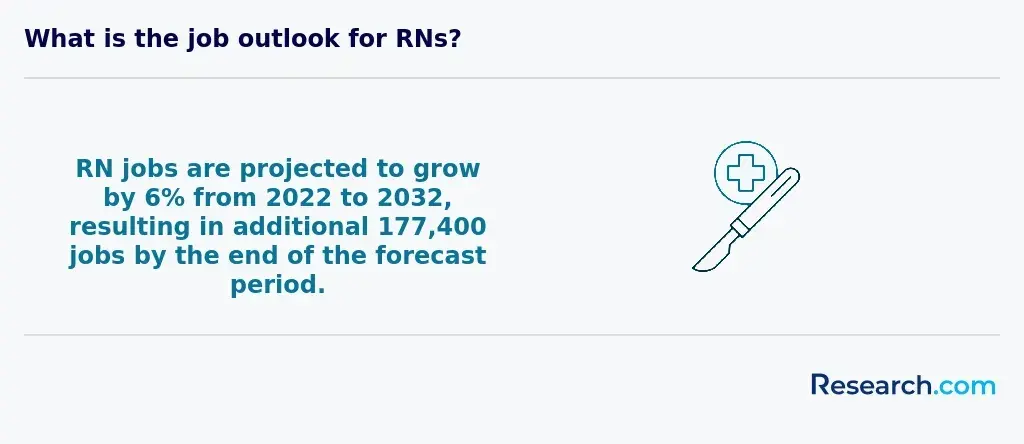
Job prospects for nurse practitioners in Vermont are favorable, especially in primary care, community health, behavioral health, geriatrics, pediatrics, and rural practice. Vermont NP employment has been projected to increase from approximately 812 positions in 2022 to around 1,101 by 2032, with an annual growth rate of 3.1%. That projection is associated with about 71 job openings each year from new positions and turnover.
Nationally, NP roles have been projected to increase by 54%, creating over 110,000 new positions across the United States. Vermont’s outlook reflects many of the same forces: an aging population, demand for preventive care, staffing shortages, and the need for accessible providers in communities with limited healthcare resources.
Common Vermont NP employers include:
- Hospitals and healthcare systems that use NPs in inpatient, outpatient, emergency, specialty, and transitional care roles.
- Community health centers serving patients who may have limited access to primary care or behavioral health services.
- Private practices where NPs may manage primary care panels, chronic conditions, wellness visits, and follow-up care.
- Specialty clinics in family medicine, pediatrics, addiction medicine, mental health, geriatrics, and related areas.
Salary and hiring prospects can differ by specialty. A psychiatric-mental health NP may see different opportunities than a family NP or acute care NP. Before choosing a track, compare job postings, clinical placement availability, employer demand, and certification requirements. If you are weighing degree and role differences, this guide to comparing FNP and DNP roles can help clarify terminology.
How can nurse practitioners integrate nutritional strategies into their practice in Vermont?
Nutritional counseling can strengthen NP care in primary care, pediatrics, geriatrics, diabetes management, cardiovascular risk reduction, prenatal and postpartum care, and behavioral health. NPs do not need to become dietitians to ask better nutrition questions, screen for food insecurity, identify medication-nutrition interactions, and refer patients for specialized nutrition support when needed.
Practical integration may include basic nutrition assessment, collaborative care with dietitians, culturally appropriate meal planning conversations, preventive counseling, and follow-up goals tied to chronic disease management. NPs interested in deeper interdisciplinary training can explore how to become a nutritionist in Vermont to understand related education and career requirements.
What distinguishes nurse practitioners from other nursing roles in Vermont?
Nurse practitioners differ from many other nursing roles because they complete graduate education and have advanced authority to assess, diagnose, treat, prescribe, and manage patient care within their specialty. Registered nurses provide essential clinical care and coordination, but NP practice includes a higher level of diagnostic and treatment responsibility.
The distinction is even clearer when comparing NPs with entry-level or practical nursing roles. Licensed practical nurses and certified nursing assistants provide important patient care support, but their education, scope, and independent clinical authority are more limited. For a broader comparison, review the differences between licensed practical nurse LPN vs certified nursing assistant CNA.
How do administrative and billing processes impact nurse practitioner practices in Vermont?
Administrative systems affect how efficiently NPs can deliver care. Scheduling, insurance verification, coding, billing, documentation, prior authorizations, referrals, and reimbursement workflows can either support patient access or create delays and financial strain.
NPs working in independent, rural, or small practice settings should understand how clinical documentation supports billing compliance and continuity of care. Strong administrative support can reduce burnout and help practices remain financially sustainable. If you are evaluating staffing or administrative benchmarks, information on the average salary for medical biller in Vermont may provide useful local context.
Can LPNs transition directly to nurse practitioner roles in Vermont?
LPNs cannot move directly into nurse practitioner practice without first becoming registered nurses and then completing graduate NP education. The usual progression is LPN to RN, then BSN or an approved bridge pathway, then MSN, DNP, or a qualifying graduate NP program.
This route is achievable, but it takes planning. LPNs should look for accredited bridge programs, transfer-friendly schools, employer tuition assistance, and clear advising on prerequisites. If you are at the beginning of the nursing ladder, start with how to become an LPN in Vermont and then map each additional credential required for NP practice.
What are the career advancement opportunities for nurse practitioners in Vermont?
Vermont NPs can advance by deepening clinical specialization, adding certifications, moving into leadership, teaching future nurses, participating in quality improvement, leading care teams, or opening practice opportunities where legally and financially appropriate. Advancement may also come through roles such as clinical director, educator, healthcare administrator, policy advocate, or specialty practice leader.
Additional education can support these goals. A DNP may be useful for nurses interested in systems leadership, evidence-based practice implementation, executive roles, or academic work. Nurses comparing their long-term academic options can begin with the best nursing schools in Vermont to identify institutions that match their professional goals.
How can nurse practitioners stay informed about evolving licensure and regulatory requirements in Vermont?
NPs should treat regulatory awareness as part of professional practice. Licensure, prescribing rules, collaboration requirements, telehealth policies, documentation standards, and continuing education expectations may change over time. Relying on outdated advice can create compliance risk.
Practical ways to stay current include monitoring Vermont nursing regulatory updates, maintaining membership in professional organizations, attending webinars, reviewing certifying body requirements, and checking employer compliance guidance. A helpful starting point is this overview of requirements for nursing licensure in Vermont.
How can nurse practitioners collaborate effectively with other advanced practice providers in Vermont?
Effective NP practice often depends on collaboration with physicians, nurse midwives, physician assistants, clinical nurse specialists, pharmacists, behavioral health professionals, dietitians, social workers, and care coordinators. Collaboration improves referrals, medication safety, care transitions, and management of complex patients.
In rural or underserved areas, strong interprofessional relationships can expand what a care team can do for patients. NPs should clarify role boundaries, documentation expectations, referral pathways, and communication standards early. Those interested in related advanced practice nursing roles can learn how to become a nurse midwife in Vermont.
What legal and ethical challenges do nurse practitioners encounter in Vermont?
Nurse practitioners in Vermont must navigate patient confidentiality, informed consent, prescribing responsibility, documentation accuracy, telehealth boundaries, scope-of-practice limits, care access barriers, and potential conflicts between autonomy and collaboration requirements. These issues are not abstract; they affect daily decisions about diagnosis, treatment, referrals, and patient safety.
Ethical practice also means recognizing when a patient’s needs exceed your training or setting. NPs should use consultation, referral, and emergency escalation appropriately. For those still exploring the nursing field and foundational legal training, reviewing the best LPN programs in Vermont can provide perspective on earlier nursing education pathways.
What are the salary expectations for nurse practitioners in Vermont?
Nurse practitioner salaries in Vermont vary by source, location, specialty, degree, experience, employer, and work setting. The average annual salary has been cited at approximately $112,540, or about $54.11 per hour. Another cited figure places the average around $113,000 per year. Salary ranges have been reported from about $78,690 at the lower end to up to $152,920 annually at the higher end.
Burlington has been identified as the highest-paying city for nurse practitioners in Vermont, with an average salary around $110,540. Another Vermont NP salary figure cited for broader job outlook discussion is around $126,100 annually. Because different sources and time periods may produce different salary estimates, prospective students should compare multiple salary references and local job postings before calculating return on investment.
Education may also influence pay. DNP-educated NPs have been reported to earn, on average, $7,683 more than MSN-prepared NPs. This does not mean a DNP is automatically the better financial choice for every student; the extra time and tuition should be weighed against career goals, employer preferences, leadership ambitions, and projected earnings.
For a broader earnings comparison, prospective students can review nurse practitioner salary by specialty and compare Vermont figures with national and regional patterns.
| Salary Figure Cited | What It Represents | How to Use It |
| Approximately $112,540 | Average annual Vermont NP salary cited in the article data. | Use as a general benchmark, not a guaranteed outcome. |
| About $54.11 per hour | Hourly equivalent associated with the $112,540 figure. | Helpful when comparing hourly, salaried, and contract roles. |
| Approximately $113,000 | Another cited average salary estimate for Vermont NPs. | Use alongside other sources to understand the likely range. |
| $78,690 to $152,920 | Reported lower-to-higher salary range. | Consider how experience, specialty, and setting affect where you may fall. |
| Around $110,540 in Burlington | Reported average for the highest-paying city noted. | Compare with cost of living and available job openings. |
| Around $126,100 annually | Another salary figure cited in Vermont job outlook discussion. | Verify against current postings and employer-specific compensation. |
What other healthcare careers are available in Vermont?
If you want a healthcare career but are not sure that the nurse practitioner route is the right fit, Vermont offers other clinical and allied health paths. Options may include registered nursing, licensed practical nursing, nurse midwifery, pharmacy, nutrition, medical billing and coding, healthcare administration, and specialty nursing roles.
Pharmacy may appeal to students who are especially interested in medications, patient counseling, and drug safety. To compare that route with advanced practice nursing, review how to become a pharmacist in Vermont.
How can RNs with an ADN advance to become nurse practitioners in Vermont?
ADN-prepared registered nurses can become nurse practitioners, but they usually need additional academic preparation before entering NP practice. The common route is ADN to BSN, followed by an MSN, BSN-to-DNP, or approved bridge pathway that leads to NP certification eligibility.
When comparing bridge programs, ask whether the school accepts transfer credits, whether clinical hours are required, whether the program is accredited, and whether graduates are eligible for the NP certification exam you intend to take. Some online RN to BSN programs without clinicals may help ADN-prepared RNs complete the BSN step more efficiently, but graduate NP training will still require advanced clinical preparation.
What are the best educational pathways to becoming a nurse practitioner in Vermont?
The best NP pathway in Vermont depends on your current credential, preferred specialty, budget, timeline, and career goal. A BSN-prepared RN who wants primary care may choose an MSN Family Nurse Practitioner program. A nurse interested in leadership, doctoral preparation, or system-level practice may choose a DNP. An MSN-prepared nurse who wants to change specialties may choose a post-master’s certificate.
Accreditation should be one of your first screening criteria. Look for programs accredited by recognized nursing education accreditors such as the Commission on Collegiate Nursing Education or the Accreditation Commission for Education in Nursing. Accreditation can affect certification eligibility, licensure, transferability, employer acceptance, and financial aid.
Clinical placement support is also critical. Vermont students should ask whether the program helps secure placements in the state, whether preceptors must meet specific qualifications, and whether rural or specialty placements are available. Online coursework can be convenient, but NP education still depends heavily on supervised clinical experience.
If you are ready to compare schools, start with the best nurse practitioner programs in Vermont. Use any ranking as a starting point, not the only decision factor.
Questions to Ask Before Choosing a Vermont NP Program
- Is the program accredited, and does that accreditation meet certification and licensure expectations?
- Which NP specialties are offered, and which certification exam does each track prepare students to take?
- How many clinical hours are required, and who is responsible for finding preceptors?
- Can Vermont students complete clinical placements locally?
- What is the full cost of attendance, including fees, travel, books, exams, and licensure costs?
- Are courses full time, part time, online, hybrid, or campus-based?
- What support is available for working nurses?
- What are the graduation, certification pass, and job placement outcomes?
- Does the curriculum address prescribing, telehealth, rural care, mental health, and interprofessional practice?
- Will the program support your long-term goals, such as independent practice, leadership, teaching, or specialty care?
Common Mistakes to Avoid
- Choosing a program without checking accreditation. Accreditation affects certification, licensure, financial aid, and employer acceptance.
- Looking only at tuition. Fees, clinical travel, books, exam costs, and lost work hours can change the real cost.
- Assuming every online program meets Vermont requirements. Always verify clinical placement rules, state authorization, and certification alignment.
- Ignoring specialty fit. Your NP population focus determines the patients you can treat and the jobs you can pursue.
- Underestimating clinical placement logistics. Rural placements, preceptor availability, and work schedules can affect graduation timing.
- Assuming salary averages are guaranteed. Pay depends on employer, specialty, experience, geography, degree, and demand.
- Waiting too long to track continuing education. Renewal requirements are easier to meet when you document hours throughout the cycle.
Here’s What Graduates Have to Say About Becoming a Nurse Practitioner in Vermont
"Practicing as a nurse practitioner in Vermont has allowed me to care for patients in a rural community where continuity matters. I value the long-term relationships I build with families and the chance to adapt care to each patient’s circumstances. The professional community here encourages teamwork, and the autonomy of NP practice makes the work both challenging and meaningful." -Adina
"My work as a Vermont nurse practitioner fits the way I believe healthcare should function: prevention, education, and whole-person care. I spend a great deal of time helping patients understand their options and take a more active role in their health. The combination of community connection and patient-centered practice has made this career deeply rewarding." -Karen
"Becoming an NP changed the direction of my nursing career. I can practice with a high level of responsibility while still collaborating with other professionals when patients need broader support. Vermont’s approach to advanced practice gives nurse practitioners room to serve underserved communities and contribute directly to better access to care." -Nathan
Related Articles for Nearby States
- 2027 How to Become a Nurse Practitioner in New Hampshire
- 2027 How to Become a Nurse Practitioner in Massachusetts
- 2027 How to Become a Nurse Practitioner in New York
- 2027 How to Become a Nurse Practitioner in Connecticut
- 2027 How to Become a Nurse Practitioner in Rhode Island
- 2027 How to Become a Nurse Practitioner in Maine
- 2027 How to Become a Nurse Practitioner in New Jersey
- 2027 How to Become a Nurse Practitioner in Pennsylvania
- 2027 How to Become a Nurse Practitioner in Delaware
- 2027 How to Become a Nurse Practitioner in Maryland
Key Insights
- To become a nurse practitioner in Vermont, you need RN licensure, graduate NP education, national certification, and state advanced practice licensure.
- An MSN is often the direct route into NP practice, while a DNP may be better for nurses interested in leadership, doctoral-level clinical preparation, education, or health systems work.
- Vermont NP program costs have been estimated at $20,000 to $50,000 in tuition, with additional expenses for books, supplies, certification, licensing, travel, and clinical requirements.
- Vermont NPs have broad clinical responsibilities, including assessment, diagnosis, treatment planning, prescribing, and care management, but early-career practice may involve experience-based collaboration rules.
- Continuing education matters. Vermont renewal requirements have been cited as 30 hours every two years, including 15 pharmacology hours, plus 1,000 clinical practice hours.
- Job prospects are strong, with Vermont NP employment projected to rise from approximately 812 positions in 2022 to around 1,101 by 2032.
- Specialty choice is one of the most important decisions. Family practice, psychiatric-mental health, pediatrics, geriatrics, adult-gerontology, and acute care can lead to different clinical roles and salary patterns.
- Before enrolling, verify accreditation, certification eligibility, clinical placement support, Vermont licensure alignment, total cost, and employer demand in your intended specialty.
References:
- Nursejournal.org (23 May 2024). Nurse Practitioner Practice Authority: A State-by-State Guide. https://regulations.justia.com/states/vermont/agency-04/sub-agency-030/chapter-170/section-04-030-170/
- Nursingschoolsalmanac.com (N.D.). Top nursing schools in Vermont: Most expensive to least expensive. nursingschoolsalmanac.com
- Scopeofpracticepolicy.org (N.D.). Vermont. scopeofpracticepolicy.org
- Uvm.edu (N.D.). Doctor of Nursing Practice. https://www.uvm.edu/cnhs/nursing/doctor_nursing_practice
- Vsac.org (N.D.). Pursue a career as a psychiatric mental health nurse practitioner—tuition free. vsac.org
- Registerednursing.org (N.D.). Nurse practitioner programs in Vermont. https://www.registerednursing.org/nurse-practitioner/programs/vermont/
Other Things You Should Know About Becoming a Nurse Practitioner in Vermont
In 2027, becoming a nurse practitioner in Vermont typically takes 6-8 years. This includes earning a Bachelor of Science in Nursing (BSN), gaining RN experience, completing a Master of Science in Nursing (MSN) or Doctor of Nursing Practice (DNP) program, and obtaining certification.
To become a nurse practitioner in Vermont in 2026, candidates must be at least 18 years old and either a U.S. citizen or possess the necessary authorization to work and practice in the United States. This ensures compliance with state and federal regulations for licensure.


