
2027 How to Become a Nurse in North Carolina

Co-Founder and Chief Data Scientist
Becoming a nurse in North Carolina is a practical career goal, but it is not a one-step decision. You need to choose the right nursing program, confirm that it meets state licensure requirements, prepare for the NCLEX, complete the North Carolina Board of Nursing process, and understand which license matches the kind of work you want to do. The choices you make early—ADN vs. BSN, LPN vs. RN, online vs. campus, entry-level vs. advanced practice—can affect cost, timeline, job options, and long-term advancement.
This guide explains how to become a nurse in North Carolina in 2026 using a decision-focused approach. You will learn the main education routes, licensing steps, legal practice categories, Compact Nurse Licensure rules, job outlook, salary information, financial aid options, NCLEX preparation strategies, and ways to strengthen your nursing school application. It is written for first-time college students, career changers, LPNs planning to advance, out-of-state nurses moving to North Carolina, and RNs considering graduate-level roles.
Quick answer: How do you become a nurse in North Carolina?
To become a nurse in North Carolina, you must complete an approved nursing education program, apply through the North Carolina Board of Nursing, complete the required background check, pass the NCLEX-RN or NCLEX-PN, and receive the appropriate state license before practicing. RNs usually enter through an Associate Degree in Nursing or a Bachelor of Science in Nursing, while LPNs complete a practical nursing program. Nurses who want advanced practice roles, such as nurse practitioner, nurse midwife, or nurse anesthetist, need graduate education and specialty certification.
Key things to know before choosing nursing in North Carolina
- North Carolina is currently facing a significant nursing shortage, with projections indicating a need for over 12,000 additional registered nurses by 2033. This creates opportunity, but it also means nurses may encounter demanding workloads in some settings.
- The average salary for registered nurses in North Carolina is approximately $82,000 per year. Pay can differ by city, facility type, specialty, shift, experience, and education level.
- The employment outlook is strong. The Bureau of Labor Statistics anticipates a growth rate of 12% for registered nursing positions from 2020 to 2030, and other cited projections in this article note approximately 15% and 16% growth figures. Because projections vary by source and time period, applicants should verify current labor market data before making financial decisions.
- North Carolina nurses must complete a nursing program that qualifies them for licensure, pass the appropriate NCLEX exam, and maintain an active license. Many employers increasingly favor BSN-prepared RNs, especially for hospital, leadership, public health, and specialty roles.
- Students can study through community colleges, universities, bridge programs, accelerated options, and some online or hybrid nursing pathways. Always confirm accreditation, clinical placement arrangements, NCLEX outcomes, and state approval before enrolling.
- Steps to become a nurse in North Carolina
- Education requirements for North Carolina nurses
- Types of nurses allowed to practice in North Carolina
- North Carolina nursing licensing requirements
- Nursing license types in North Carolina
- Compact license rules for North Carolina nurses
- Practicing nursing without a license in North Carolina
- Current state of nursing in North Carolina
- North Carolina nursing job outlook and salary
- Interdisciplinary healthcare collaboration in North Carolina
- Financial support for nursing students in North Carolina
- How to improve your nursing school admission chances
- Allied healthcare options for nursing professionals
- Career advancement options for LPNs
- Online nursing program flexibility in North Carolina
- Regulatory changes affecting nursing licensure
- NCLEX preparation strategies
- How to become a nurse midwife in North Carolina
- LPN education options in North Carolina
- Best educational pathways for aspiring nurses
- Next steps toward becoming a nurse practitioner
What are the steps to becoming a nurse in North Carolina?
The process depends on whether you want to become an LPN, RN, or advanced practice nurse, but the basic sequence is similar: choose an approved program, complete the required coursework and clinical training, pass the licensing exam, and receive permission to practice from the state. The most important early decision is selecting the nursing role you want first, because that choice determines your program type, cost, timeline, and exam.
- Choose your starting nursing role. Decide whether you want to begin as a Licensed Practical Nurse, Registered Nurse, or pursue a longer pathway toward advanced practice.
- Select a qualifying nursing program. RNs commonly complete either an Associate Degree in Nursing or a Bachelor of Science in Nursing. LPNs complete a practical nursing program.
- Confirm accreditation and state approval. A program should prepare graduates for the correct NCLEX exam and meet North Carolina Board of Nursing expectations.
- Complete classroom, lab, and clinical requirements. Nursing programs combine science coursework, patient care skills, supervised clinical experiences, and professional standards.
- Apply for licensure through the North Carolina Board of Nursing. The process includes an application, proof of education, required fees, and a criminal background check.
- Register for and pass the NCLEX. RN candidates take the NCLEX-RN. Practical nurse candidates take the NCLEX-PN.
- Receive your license before practicing. After passing the exam and meeting state requirements, candidates may receive a nursing license within approximately five days.
- Maintain your license. North Carolina nurses must renew their licenses every two years and meet continuing competency requirements.
| Path | Typical time stated | Best for | Important trade-off |
| Licensed Practical Nurse program | Generally about one year | Students who want a shorter route into direct patient care | Scope of practice and pay are usually more limited than RN roles |
| Associate Degree in Nursing | About two years | Students seeking a faster route to RN licensure | Some employers prefer or require BSN-prepared nurses |
| Bachelor of Science in Nursing | Typically four years | Students aiming for broader hospital, leadership, specialty, or graduate-school options | Usually requires more time and may cost more upfront |
| Graduate nursing pathway | Often two additional years for an MSN; several years beyond the MSN for doctoral study | RNs planning to become nurse practitioners, nurse educators, CRNAs, CNMs, leaders, or researchers | Requires advanced clinical preparation, certification, and a larger academic commitment |
If your long-term goal is advanced practice, it is helpful to understand certification differences early. For example, future family nurse practitioners may want to compare FNP-BC vs FNP-C requirements before choosing a graduate program.
What are the educational requirements for becoming a nurse in North Carolina?
North Carolina offers several nursing education routes. The right one depends on whether you want to enter the workforce quickly, qualify for RN licensure, move into leadership, or prepare for advanced practice. Before enrolling, confirm that the program is accredited, accepted for North Carolina licensure, and transparent about clinical placement responsibilities.
- Associate Degree in Nursing: This two-year option is commonly available through community colleges and prepares graduates to take the NCLEX-RN. Some RNs later continue through bridge pathways, including the easiest RN to BSN program options that may fit working nurses.
- Bachelor of Science in Nursing: This four-year degree includes broader coursework in clinical care, health systems, leadership, population health, and evidence-based practice. Accelerated BSN options may be available for students who already hold a bachelor’s degree in another field.
- Master of Science in Nursing: Nurses who want advanced roles often need an MSN. This graduate degree typically requires two additional years of study and can support roles such as nurse practitioner, nurse educator, or clinical specialist.
- Doctor of Nursing Practice and Doctor of Philosophy in Nursing: A DNP is centered on advanced clinical practice and systems leadership, while a PhD focuses more heavily on research and academic scholarship. Both generally require several years of study beyond the MSN.
How to choose the right nursing degree
| If your priority is... | Consider this route | Why it may fit |
| Entering nursing as quickly as possible | LPN or ADN | These routes can lead to earlier employment than a traditional BSN pathway |
| Working as an RN in hospitals or competitive specialties | BSN | Many employers increasingly favor BSN graduates |
| Changing careers after earning a prior degree | Accelerated BSN | It may shorten the route for students who already completed general education coursework |
| Becoming a nurse practitioner, nurse midwife, educator, or leader | MSN, DNP, or PhD | Advanced nursing roles require graduate-level preparation and specialty credentials |
Students comparing healthcare careers may also want to review adjacent fields before committing to nursing. For example, salary expectations in imaging careers can be explored through this guide to radiologist technician salary.
What types of nurses can legally practice in North Carolina?
North Carolina recognizes several categories of nursing and nursing-related personnel. Each role has its own education expectations, licensing or registry process, supervision rules, and scope of practice. Understanding the differences can prevent costly mistakes, especially if you are choosing between LPN, RN, and advanced practice pathways.
| Role | Typical preparation | Legal or regulatory requirement | Common responsibilities |
| Registered Nurse | ADN or BSN | NCLEX-RN and RN licensure through the North Carolina Board of Nursing | Assess patients, administer medications, coordinate care, educate patients, and apply clinical judgment |
| Licensed Practical Nurse | State-approved practical nursing program | NCLEX-PN and LPN licensure | Provide basic nursing care, monitor patients, assist with daily care, and work under RN or physician direction |
| Advanced Practice Registered Nurse | Master’s or doctoral nursing degree | National specialty certification and state recognition or approval requirements | Diagnose, treat, prescribe where permitted, manage patient care, and practice in specialty areas |
| Certified Nursing Assistant | State-approved nurse aide training | Competency exam and listing on the North Carolina Nurse Aide Registry | Support basic patient care, mobility, hygiene, feeding, and vital sign tasks within allowed duties |
Some students enter healthcare through support roles and later move into nursing. Others use bridge programs or career-change formats. If you do not already have a nursing background, compare options carefully, including online nursing programs for non nurses, and verify that any program you choose includes the clinical components required for licensure.
What are the licensing requirements for nurses in North Carolina?
Licensure is the legal permission to practice nursing. In North Carolina, the process is administered by the North Carolina Board of Nursing, and candidates should not assume that graduation alone allows them to work as a nurse. You must meet the education, examination, application, and background check requirements for your license type.
Core requirements include:
- Approved nursing education: RN candidates generally complete an ADN or BSN. LPN candidates complete a practical nursing program.
- NCLEX examination: RN applicants take the NCLEX-RN, while LPN applicants take the NCLEX-PN.
- Application and fee: Applicants submit an online licensure application. The non-refundable fee is approximately $100 for RNs and $75 for LPNs.
- Criminal background check: Fingerprinting is required, and criminal history may affect eligibility.
- Education verification: Candidates provide proof of program completion, including transcripts or required documentation.
Applicants should keep copies of all submissions, monitor deadlines through the state portal, and avoid scheduling employment start dates before their license status is confirmed.
What types of nursing licenses are available in North Carolina?
North Carolina nursing license options are designed around different scopes of practice. The best license for you depends on the level of responsibility you want, how much education you are ready to complete, and whether you are entering the state as a new graduate or an already licensed nurse.
- Registered Nurse license: RN candidates complete an accredited nursing education program, commonly an ADN or BSN, and pass the NCLEX-RN. RNs provide a broad range of care, including medication administration, care coordination, patient education, assessment, and clinical decision-making.
- Licensed Practical Nurse license: LPNs complete practical nursing education, which generally lasts about one year, and pass the NCLEX-PN. They perform basic nursing duties, monitor patients, support daily care, and provide care under RN or physician supervision.
- Endorsement license: Nurses already licensed in another jurisdiction may apply to practice in North Carolina through endorsement. The process generally requires proof of an active license, education verification, background review, and evidence that the license is unencumbered.
- Temporary license: North Carolina may issue a temporary license while an endorsement application is processed. This non-renewable option can allow nurse employment for up to six months during the transition.
These licensing pathways help protect patients and support strengthening the nursing workforce. Nurses planning for advanced roles should check graduate prerequisites early. If nurse anesthesia is your goal, review how to get into CRNA school before choosing undergraduate and clinical experience options.
Can a Compact nurse practice in North Carolina?
Yes. North Carolina participates in the Nurse Licensure Compact, which allows eligible nurses with a multistate license from another compact state to practice in North Carolina without obtaining a separate North Carolina single-state license. The key issue is primary state of residence. Compact privileges depend on where the nurse legally resides and whether the nurse holds a valid multistate license.
If a nurse moves to North Carolina and makes it the primary state of residence, the nurse must update the address through the Nurse Gateway portal and follow North Carolina Board of Nursing instructions. Proof of residency may include documents such as a current driver’s license, voter registration, or federal tax returns. If the nurse’s primary residence remains in another state, North Carolina will not issue a multistate license based on North Carolina residency.
Compact rules are helpful for travel nurses, relocating nurses, and healthcare systems that recruit across state lines. However, compact practice is not a substitute for meeting scope-of-practice rules, employer credentialing requirements, or specialty certification standards. Nurses who want to broaden their healthcare credentials can also compare short credential pathways, including fastest medical certifications with high pay.
Can you practice as a nurse without a license in North Carolina?
No. You cannot legally practice as a nurse in North Carolina without the proper license. Nursing licensure is not a formality; it is the state’s mechanism for confirming that a person has completed required education, passed the appropriate examination, and met professional standards intended to protect patients.
Before providing nursing care as an RN or LPN, you must:
- Complete an accredited or state-approved nursing program that qualifies you for the intended license.
- Pass the NCLEX-RN or NCLEX-PN.
- Apply through the North Carolina Board of Nursing and satisfy education, fee, and background check requirements.
- Wait until your license is issued or your authorized temporary status is confirmed, if applicable.
Working beyond your authorized role can create serious consequences. It may endanger patients, violate employer policy, expose the individual to disciplinary action, and lead to legal penalties. Nursing assistants, students, and graduate nurses must stay within the duties allowed for their current status and supervision level.
-
: "
Practical takeaway: do not accept a job title, patient assignment, or medication responsibility unless your license, temporary authorization, or supervised student status clearly permits it.
"
What is the state of nursing in North Carolina?
Nursing in North Carolina is shaped by strong healthcare demand, workforce pressure, an aging population, chronic disease needs, retirements among experienced nurses, and continued growth in hospitals, clinics, long-term care, outpatient care, home health, and community health settings. These conditions can create good job prospects, but they also make program choice, workplace fit, and burnout prevention especially important.
- Demand for nurses: North Carolina continues to report a significant increase in the need for nurses, especially as healthcare needs expand across care settings.
- Range of employers: Nurses work in hospitals, clinics, long-term care facilities, home health, outpatient centers, schools, public health organizations, and community-based programs.
- Workforce shortage concerns: Retirement, population growth, and increased care complexity may intensify staffing needs in some regions and specialties.
- Cost-of-living considerations: North Carolina is often viewed as more affordable than many other regions, but local costs vary widely between metro areas, smaller cities, and rural communities.
- Work environment differences: A hospital ICU, a rural clinic, a school health office, and a long-term care facility can offer very different schedules, stress levels, patient populations, and advancement options.
Current trends affecting nursing careers
- BSN preference: Many employers increasingly favor BSN-prepared RNs, especially for hospital-based and advancement-track positions.
- Technology and AI: Nurses are using more digital documentation, clinical decision support tools, remote monitoring, virtual care systems, and AI-assisted workflows. These tools do not replace nursing judgment, but they make digital literacy more important.
- Team-based care: Nurses increasingly work with physicians, pharmacists, social workers, therapists, behavioral health clinicians, and care coordinators.
- Flexible education models: Hybrid and online coursework can improve access, but students must still complete hands-on clinical requirements.
- Burnout awareness: Staffing pressure and high-acuity care make workplace culture, scheduling, mentorship, and support systems major career factors.
What is the job outlook for nursing in North Carolina?
The nursing job outlook in North Carolina is positive, especially for licensed candidates who are flexible about location, shift, specialty, and care setting. The state is projected to face a significant nursing shortage, and demand is connected to population aging, healthcare access needs, chronic conditions, and workforce retirements.
According to cited information in the original source material, the U.S. Bureau of Labor Statistics anticipates that registered nurse employment in North Carolina will grow by approximately 15% from 2020 to 2030. Another cited figure in this article notes a 12% growth rate for registered nursing positions from 2020 to 2030, while a nurse testimonial references 16% over the next decade. Because labor projections are source-specific, applicants should treat them as directional indicators and verify current state and federal data before choosing a program or borrowing for school.
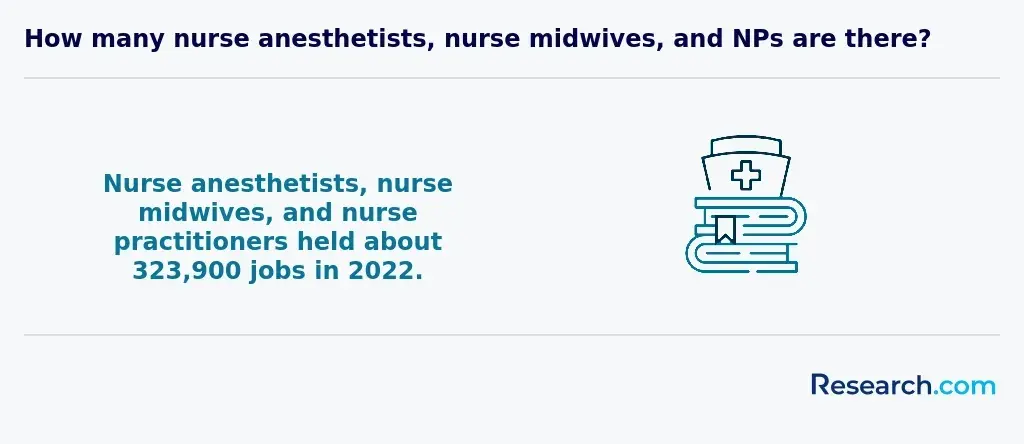
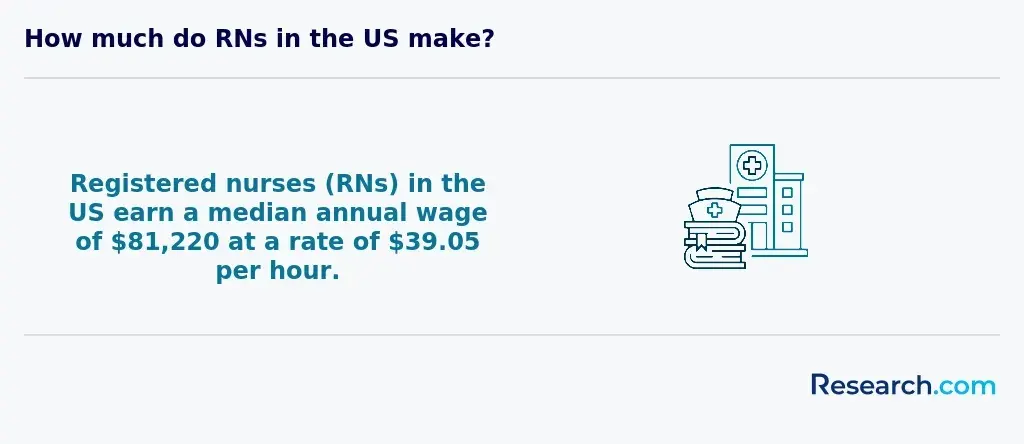
Compensation also varies. As of May 2022, the average annual salary for registered nurses in the state was around $82,000, or approximately $39 per hour. Nurse anesthetists and nurse practitioners often exceed $100,000 annually, while licensed practical nurses have an average salary of around $56,000 per year.
| Nursing role | Salary information stated | What affects pay |
| Registered Nurse | Around $82,000 per year; approximately $39 per hour | Experience, location, education, specialty, shift, and employer type |
| Licensed Practical Nurse | Around $56,000 per year | Facility type, years of experience, supervision model, and region |
| Nurse Practitioner | Often exceeding $100,000 annually | Specialty, certification, practice setting, and patient population |
| Nurse Anesthetist | Often exceeding $100,000 annually | Advanced training, certification, facility type, and procedure volume |
How can interdisciplinary collaboration enhance healthcare careers in North Carolina?
North Carolina nurses rarely work in isolation. Modern patient care depends on coordination among nursing, medicine, pharmacy, therapy, behavioral health, social work, case management, public health, and administrative teams. Nurses who communicate well across disciplines can improve care transitions, reduce errors, support patient education, and position themselves for leadership or specialized roles.
Interdisciplinary collaboration also helps nurses understand related career options. For example, nurses who work closely with medication management teams may become interested in pharmacy practice, medication safety, or clinical operations. Those considering broader healthcare roles can review how to become a pharmacist in North Carolina to understand a different but complementary professional pathway.
What financial support options are available for nursing students in North Carolina?
Nursing education can be expensive, especially when students factor in tuition, books, supplies, uniforms, transportation, background checks, testing fees, lost work hours, and clinical travel. North Carolina students should compare total cost—not just advertised tuition—before selecting a program.
- Federal student aid: Eligible students should complete the FAFSA and compare grants, loans, and work-study options.
- Institutional scholarships: Colleges and universities may offer merit-based, need-based, or program-specific nursing awards.
- State and local scholarships: Government programs, foundations, local hospitals, and nursing associations may offer support for qualified applicants.
- Employer tuition assistance: Healthcare workers may qualify for tuition reimbursement or education benefits through their employer.
- Loan forgiveness or service programs: Some programs support nurses who work in qualifying shortage areas or public service roles.
- Bridge and accelerated options: Students who already have credits or healthcare experience may reduce time and cost by choosing the right pathway.
Students comparing faster second-degree routes can also review the easiest ABSN program to get into, while remembering that “easiest” should never replace checks for accreditation, clinical quality, NCLEX preparation, and total cost.
What are the potential challenges faced by nurses in North Carolina?
Nursing can be stable and meaningful, but it is not an easy career. Students and new nurses should prepare for the realities of shift work, emotional intensity, staffing pressure, documentation demands, and continuing education. Understanding the challenges early can help you choose the right setting and build a sustainable career.
- Competitive admissions: Nursing programs may have limited seats, science prerequisites, GPA cutoffs, entrance exams, and clinical placement constraints.
- Stress and burnout: Staffing shortages, high patient acuity, and unpredictable shifts can contribute to fatigue and emotional strain.
- Continuing competency expectations: Nurses must maintain professional knowledge and renew licensure every two years.
- Regulatory complexity: Scope of practice, Compact rules, supervision requirements, and renewal standards can change.
- Emotional workload: Nurses may care for patients in pain, crisis, decline, trauma, or end-of-life situations.
- Workplace fit: A strong nurse may still struggle in the wrong unit, schedule, specialty, or organizational culture.
How can I improve my chances of being accepted into a North Carolina nursing program?
Nursing school admission is often competitive, so applicants should treat the process like a portfolio—not just a form. Programs may evaluate GPA, science grades, prerequisite completion, entrance exam scores, healthcare exposure, references, essays, interviews, and professionalism.
- Complete prerequisites early and carefully. Strong grades in anatomy, physiology, microbiology, chemistry, statistics, and related courses can help your application.
- Build patient care exposure. CNA work, volunteering, hospital employment, medical office work, or community health experience can show that you understand healthcare environments.
- Apply to programs that match your academic profile. Compare admission averages, prerequisite rules, deadlines, and seat availability instead of applying randomly.
- Write a specific personal statement. Explain why nursing fits your goals, what you have learned from healthcare exposure, and how you handle responsibility.
- Request strong recommendations. Choose instructors, supervisors, or healthcare professionals who can describe your reliability, judgment, communication, and work ethic.
- Prepare for interviews or entrance exams. Practice explaining your motivation, study plan, stress management habits, and understanding of nursing responsibilities.
If you need a broader admissions comparison, review easiest nursing schools to get into, but do not choose a school only because admission appears less competitive. Licensure outcomes, accreditation, clinical quality, and employer reputation matter more over time.
Can nursing professionals expand into allied healthcare roles in North Carolina?
Yes. Nursing knowledge can transfer into several allied health, administrative, education, quality improvement, informatics, case management, and revenue-cycle roles. These options may appeal to nurses who want less bedside work, more predictable schedules, or a broader healthcare career path.
One example is medical billing and coding, where clinical familiarity can help professionals understand diagnoses, procedures, documentation, and insurance workflows. Nurses considering a non-bedside healthcare transition can review how to become a medical biller and coder in North Carolina.
What are the career advancement pathways for LPNs in North Carolina?
LPNs who want more responsibility, higher earning potential, or access to specialty and leadership roles often pursue bridge education. The most common progression is LPN-to-RN, followed by RN-to-BSN and eventually graduate study for advanced practice, education, or management.
- LPN-to-RN programs: These prepare practical nurses for RN licensure and the NCLEX-RN.
- RN-to-BSN programs: These help licensed RNs earn a bachelor’s degree while often continuing to work.
- Specialty certifications: LPNs may build expertise in areas such as long-term care, geriatrics, wound care support, or medication-related responsibilities where permitted.
- Leadership development: Experienced LPNs may move into charge roles, precepting, care coordination, or supervisory functions depending on employer policy and scope of practice.
For related licensing and pathway context, see how to become an LVN in North Carolina.
How can online nursing programs enhance flexibility and accessibility in North Carolina?
Online and hybrid nursing programs can make education more manageable for working adults, rural students, parents, and career changers. However, nursing is never entirely online when it leads to initial licensure. Students still need labs, simulations, and supervised clinical experiences that meet program and state requirements.
| Program format | Advantages | Risks to check |
| Campus-based | In-person labs, direct faculty access, structured schedule, local clinical relationships | Less scheduling flexibility and possible commuting costs |
| Hybrid | Combines online coursework with in-person labs and clinicals | Clinical placement responsibilities and travel expectations may vary |
| Online bridge program | Often useful for licensed nurses completing RN-to-BSN or advanced coursework | May still require practicums, proctored exams, or local preceptors |
Before enrolling, ask whether the program is approved for North Carolina licensure, who arranges clinical placements, where labs occur, what technology is required, and how students receive NCLEX support. For program comparisons, visit best online nursing programs in North Carolina.
Are there recent regulatory changes impacting nursing licensure in North Carolina?
Nursing regulation is not static. Licensure renewal rules, continuing competency expectations, scope-of-practice interpretations, Compact procedures, and application processes may change. Nurses should rely on official state sources rather than social media, employer rumors, or outdated program pages.
For current criteria and related updates, review the requirements for nursing licensure in North Carolina. Students should also check the North Carolina Board of Nursing before applying to a program, moving from another state, renewing a license, or accepting a role with unfamiliar responsibilities.
What are effective strategies for NCLEX exam preparation in North Carolina?
NCLEX preparation should begin before graduation, not after. The exam measures whether a candidate can make safe, entry-level nursing decisions, so memorization alone is not enough. Strong preparation combines content review, practice questions, rationales, test-taking discipline, and remediation of weak areas.
- Use a structured study calendar. Assign time for major content areas, practice questions, and review days.
- Practice clinical judgment questions. Focus on prioritization, safety, delegation, medication decisions, and patient assessment.
- Review rationales carefully. Understanding why an answer is correct or incorrect is more valuable than counting completed questions.
- Simulate exam conditions. Practice with timed blocks to build stamina and reduce anxiety.
- Use program resources. Many nursing schools provide review platforms, faculty coaching, predictor exams, or remediation plans.
- Address weak content early. Do not wait until the final week to fix recurring gaps in pharmacology, maternity, pediatrics, mental health, or medical-surgical nursing.
When comparing schools, ask how the program supports NCLEX readiness. You can start with the best nursing schools in North Carolina and then verify each school’s advising, remediation, clinical support, and graduate outcomes.
How can I become a nurse midwife in North Carolina?
To become a nurse midwife in North Carolina, you first need a nursing foundation, usually RN licensure, followed by graduate-level midwifery education, clinical preparation in women’s health and obstetrics, national certification, and compliance with state practice requirements. This route is best for nurses who want to focus on pregnancy, birth, reproductive health, postpartum care, and patient education.
Because nurse midwifery is an advanced practice role, students should verify program accreditation, clinical site availability, certification preparation, and North Carolina practice rules before enrolling. For a role-specific roadmap, see how to become a nurse midwife in North Carolina.
What options are available for LPN education in North Carolina?
LPN education is often a practical entry point for students who want to begin patient care work sooner than a traditional RN pathway may allow. LPN programs focus on foundational nursing skills, basic care, medication administration within scope, patient monitoring, and supervised clinical practice.
When comparing LPN programs, look at accreditation, state approval, NCLEX-PN preparation, clinical sites, schedule format, cost, faculty support, graduation outcomes, and whether credits may apply to an LPN-to-RN bridge later. Aspiring practical nurses can compare online LPN programs in North Carolina, while confirming which parts are truly online and which require in-person labs or clinicals.
What are the best educational pathways for aspiring nurses in North Carolina?
The best pathway is the one that matches your career goal, budget, academic background, timeline, and tolerance for future schooling. A student who wants the quickest entry into care may choose an LPN program. A student who wants RN licensure with lower initial cost may choose an ADN. A student targeting hospital advancement, public health, leadership, or graduate school may prefer a BSN.
| Career goal | Recommended starting point | Why this choice makes sense |
| Start working in nursing support quickly | CNA or LPN pathway | Can provide earlier healthcare experience and income while building toward future credentials |
| Become an RN efficiently | ADN | Can qualify graduates for the NCLEX-RN while leaving room for later BSN completion |
| Compete for broader RN roles | BSN | Aligns with employer preference for higher educational preparation in many settings |
| Move into advanced practice | BSN followed by MSN, DNP, or specialty graduate program | Advanced roles require graduate coursework, clinical preparation, and certification |
| Become a nurse practitioner | RN-to-BSN or BSN-to-MSN/DNP pathway | Provides the academic foundation for NP certification and state practice requirements |
Future advanced practice nurses should evaluate accreditation, faculty expertise, clinical partnerships, certification pass support, and specialty fit. If NP practice is your target, compare the best NP programs in North Carolina before committing to a graduate pathway.
What are the next steps for advancing to a nurse practitioner role in North Carolina?
Registered nurses who want to become nurse practitioners need graduate education, supervised advanced clinical practice, national certification in a population focus, and compliance with North Carolina requirements. The transition is significant: NPs move beyond bedside nursing into assessment, diagnosis, treatment planning, prescribing where allowed, and long-term patient management.
- Clarify your NP population focus. Options may include family, adult-gerontology, psychiatric-mental health, women’s health, pediatrics, or acute care.
- Earn the required nursing foundation. Many pathways require a BSN, although some bridge options may exist for qualified RNs.
- Choose an accredited graduate program. Compare curriculum, clinical placement support, faculty expertise, and certification preparation.
- Complete advanced clinical hours and coursework. NP programs include advanced assessment, pharmacology, pathophysiology, diagnosis, and specialty care.
- Pass the appropriate national certification exam. Certification must align with your population focus.
- Meet North Carolina practice requirements. Confirm current rules with the North Carolina Board of Nursing before practicing.
For detailed requirements, application planning, and education options, review nurse practitioner education requirements in North Carolina.
Common mistakes to avoid when becoming a nurse in North Carolina
| Mistake | Why it can hurt you | Better approach |
| Choosing a program without checking approval or accreditation | You may face licensure, transfer, or employer recognition problems | Verify program status before applying or paying deposits |
| Looking only at tuition | Books, fees, uniforms, testing, travel, and lost work time can change the real cost | Compare total cost of attendance and expected schedule demands |
| Assuming online means fully remote | Nursing programs require hands-on clinical and lab components | Ask exactly where and when in-person requirements occur |
| Waiting too long to plan for the NCLEX | Weak content areas can become harder to fix after graduation | Use practice questions, rationales, and remediation throughout the program |
| Ignoring employer preferences | An ADN may qualify you for RN licensure, but some employers may favor BSN graduates | Match your degree choice to your preferred region, facility, and specialty |
| Practicing beyond your current role | Unlicensed or out-of-scope practice can create legal and safety risks | Confirm your duties, supervision, and license status before accepting responsibilities |
| Relying only on rankings | A highly ranked program may not fit your budget, location, schedule, or clinical needs | Use rankings as one input, then verify outcomes, cost, support, and fit |
Questions to ask before enrolling in a North Carolina nursing program
- Is the program approved for the license I want in North Carolina?
- What accreditation does the program hold?
- What are the admission requirements, prerequisite courses, deadlines, and selection criteria?
- Who arranges clinical placements, and where are they located?
- What is the total estimated cost, including fees, books, uniforms, testing, supplies, and travel?
- Does the program offer evening, weekend, hybrid, or part-time options?
- How does the school support NCLEX preparation and students who need remediation?
- Can credits transfer into a BSN, MSN, or bridge program later?
- What support is available for working adults, parents, veterans, or first-generation college students?
- Do local employers hire graduates from this program?
What do nurses say about becoming a nurse in North Carolina?
I entered nursing because I wanted work that mattered, and North Carolina has allowed me to do that. In my hospital, teamwork makes difficult shifts more manageable, and I feel that expanding healthcare access has made our work even more important. Lauren
My nursing career in North Carolina has given me room to explore different patient populations, from children to older adults. In smaller communities, the cost of living can feel manageable, and the local respect for healthcare workers keeps me motivated. Nigel
The emphasis on continuing education has helped me grow professionally. I have found mentors, peers, and development opportunities that support long-term career planning. With projected job growth in nursing expected to rise by 16% over the next decade, I feel confident about staying in this field. Kate
Related Articles for Nearby States
- 2027 How to Become a Nurse in South Carolina
- 2027 How to Become a Nurse in Virginia
- 2027 How to Become a Nurse in Georgia
- 2027 How to Become a Nurse in Tennessee
- 2027 How to Become a Nurse in West Virginia
- 2027 How to Become a Nurse in Kentucky
- 2027 How to Become a Nurse in Florida
- 2027 How to Become a Nurse in Maryland
- 2027 How to Become a Nurse in Alabama
- 2027 How to Become a Nurse in Pennsylvania
References:
- Barton College (2024). How Long Does It Take to Become a Nurse in North Carolina?
- North Carolina Board of Nursing (n.d.).
- U.S. Bureau of Labor Statistics. (2023). Occupational outlook handbook - Nurse anesthetists, nurse midwives, and nurse practitioners.
Key Insights
- North Carolina requires a valid nursing license before you can legally practice as an RN or LPN. Graduation alone is not enough.
- The fastest practical entry route is usually LPN education, while ADN and BSN programs prepare students for RN licensure. A BSN may offer stronger long-term flexibility where employers prefer bachelor’s-prepared nurses.
- Advanced roles such as nurse practitioner, nurse midwife, and nurse anesthetist require graduate education, clinical preparation, national certification, and state compliance.
- North Carolina’s nursing outlook is favorable, with cited projections showing strong demand and a need for over 12,000 additional registered nurses by 2033, but students should verify current labor data before making borrowing or relocation decisions.
- Program choice should be based on accreditation, state approval, clinical placement quality, NCLEX support, total cost, schedule fit, and career goals—not rankings or tuition alone.
- Online and hybrid nursing options can improve access, but initial licensure programs still require in-person clinical training.
- Compact license privileges can help eligible nurses practice across state lines, but primary residence rules and North Carolina Board of Nursing procedures still matter.
- The best next step is to choose your target role first, then work backward to the required degree, license, exam, cost, and timeline.
Other Things You Need to Know About Nursing in North Carolina
To become a nurse in North Carolina in 2027, first complete an approved nursing program (ADN or BSN). Pass the NCLEX-RN exam, apply for licensure through the North Carolina Board of Nursing, and obtain your nursing license. Always complete any continuing education requirements to maintain licensure.
An accelerated nursing program can be a good option for those with a non-nursing bachelor's degree who want to enter the nursing profession quickly. In 2027, North Carolina offers several accelerated programs designed to meet the growing healthcare demand and they are recognized by the North Carolina Board of Nursing.


