
2027 How to Become a Nurse Midwife in North Carolina - Midwife Schooling Requirements

Co-Founder and Chief Data Scientist
Becoming a nurse midwife in North Carolina requires more than an interest in childbirth care. You need registered nursing preparation, graduate-level midwifery education, national certification, and state authorization before you can practice legally as a Certified Nurse-Midwife (CNM). The decision matters because nurse midwives provide pregnancy, birth, postpartum, newborn, reproductive, and primary women’s health services—often in communities where access to maternity care is limited.
This guide explains how to become a nurse midwife in North Carolina, including the degree path, admissions requirements, coursework, clinical training, certification, costs, financial aid, school options, and career considerations. It is designed for registered nurses, BSN students, career changers planning a nursing pathway, and advanced practice nurses considering a move into midwifery.
Quick answer: How do you become a nurse midwife in North Carolina?
To become a nurse midwife in North Carolina, you typically earn a BSN, obtain RN licensure, gain clinical nursing experience, complete an accredited graduate nurse-midwifery program, pass the American Midwifery Certification Board exam, and apply for state recognition to practice. An accredited nurse midwifery graduate program commonly takes 2-3 years, and the full path from undergraduate nursing education to certification often takes seven to eight years.
Key Points About Becoming a Nurse Midwife in North Carolina
- North Carolina’s reported 15% rise in maternal healthcare demand has increased attention on the need for trained nurse midwives, especially in rural and underserved areas.
- The minimum graduate credential for entry into nurse-midwifery practice is typically an MSN with a nurse-midwifery specialization, although some students choose a DNP or post-master’s certificate route.
- Graduates must complete an accredited program, pass the AMCB national certification exam, and meet North Carolina state requirements before practicing as a CNM.
- What is the minimum degree requirement to become a nurse midwife in North Carolina?
- What are the admission requirements for nurse midwife programs in North Carolina?
- What courses are included in nurse midwife programs in North Carolina?
- What are the clinical training requirements for nurse midwife programs in North Carolina?
- How long does it take to become a certified nurse midwife in North Carolina?
- How much does it cost to attend nurse midwife school in North Carolina?
- What financial aid options are available for nurse midwife students in North Carolina?
- Are there pathways for nurse midwives to transition into nurse practitioner roles in North Carolina?
- What are the career outlook and salary trends for nurse midwives in North Carolina?
- How Can Additional Certifications Enhance Your Nurse Midwife Career in North Carolina?
- What are the top accredited nurse midwife schools in North Carolina?
- Which advanced degrees support career advancement for CNMs in North Carolina?
- What organizations accredit nurse midwife programs in North Carolina?
What is the minimum degree requirement to become a nurse midwife in North Carolina?
The minimum degree requirement to become a nurse midwife in North Carolina is usually a Master of Science in Nursing (MSN) with a nurse-midwifery specialization from an accredited graduate program. This graduate preparation builds on registered nursing education and prepares students for advanced practice responsibilities in pregnancy care, childbirth, postpartum care, newborn assessment, reproductive health, and primary care for women.
A nurse-midwifery MSN is not just a classroom credential. It combines advanced nursing theory, pharmacology, health assessment, pathophysiology, evidence-based practice, and supervised clinical training. Students learn how to support low-risk physiologic birth, identify complications, collaborate with physicians and other healthcare professionals, and provide care across the lifespan.
Some nurses choose a Doctor of Nursing Practice (DNP) instead of an MSN, especially if they want a terminal practice degree or plan to pursue leadership, quality improvement, education, or policy work. Others enter through a post-master’s certificate if they already hold an MSN in another advanced nursing specialty.
| Pathway | Best for | Main purpose |
| MSN in Nurse-Midwifery | BSN-prepared RNs seeking first-time CNM preparation | Meets graduate education expectations for nurse-midwifery practice and certification eligibility |
| DNP in Nurse-Midwifery | Nurses who want advanced clinical preparation plus leadership and systems-level training | Prepares for CNM practice while adding doctoral-level work in quality, policy, and evidence-based care |
| Post-Master’s Certificate in Nurse-Midwifery | MSN-prepared nurses or APRNs moving into midwifery | Adds focused nurse-midwifery coursework and clinical preparation without repeating a full MSN |
| Dual Nurse-Midwifery/WHNP Program | Nurses who want broader women’s health scope and career flexibility | Combines midwifery preparation with women’s health nurse practitioner training |
Before applying, verify that the program’s accreditation, clinical placement model, and state authorization align with North Carolina licensure expectations. This is especially important for online programs that enroll students across state lines.
What are the admission requirements for nurse midwife programs in North Carolina?
Nurse-midwifery programs in North Carolina are designed for applicants who already have a strong nursing foundation. Most programs expect candidates to show academic readiness, active RN licensure, recent clinical experience, and a clear commitment to advanced maternal and women’s healthcare. For nurses comparing specialties, midwifery can be one of the best specialty career choice for nurses when they want direct patient care, continuity of care, and advanced practice responsibility.
- BSN from an accredited nursing program: Applicants are generally expected to hold a Bachelor of Science in Nursing from an ACEN- or CCNE-accredited program.
- Minimum GPA: Many programs look for an overall undergraduate GPA between 2.7 and 2.75, with stronger preference for applicants who earned a 3.0 or higher in nursing courses.
- Active RN license: A current, unrestricted RN license in North Carolina or a compact state is commonly required. Some programs may limit certain out-of-state applicants, including admission only from South Carolina in specific cases.
- Recent clinical nursing experience: Programs often require at least one year of paid RN experience, preferably in labor and delivery, completed within three years before application.
- Professional recommendations: Applicants usually submit three references from professionals who can evaluate clinical judgment, communication, maturity, and readiness for graduate study, such as MDs, CNMs, nurse practitioners, or nursing supervisors.
- Personal statement: A written statement should explain why the applicant is pursuing nurse-midwifery, what populations they hope to serve, and how graduate training fits their career plan.
- Faculty interview: Competitive applicants may be invited to interview with midwifery faculty after the application review.
- Prerequisite coursework: Programs may require an introductory statistics course with a grade of C or better and, in some cases, a basic health assessment course.
- International applicant requirements: Internationally educated nurses may need CGFNS-validated credentials, proof of English proficiency, licensure eligibility documentation, and sometimes a telephone interview.
- Compliance requirements: Immunization records, current AHA BLS certification, and a criminal background check are typically required before enrollment or clinical participation.
- Mission fit: Some North Carolina programs value applicants who demonstrate interest in caring for rural, underserved, or medically vulnerable populations.
Because many CNM students enter graduate school after building nursing experience, admissions committees often evaluate more than grades. They look for professional maturity, sound clinical judgment, emotional resilience, and the ability to manage the intensity of advanced practice education.
What courses are included in nurse midwife programs in North Carolina?
Nurse-midwifery curricula in North Carolina combine graduate nursing core courses, advanced practice clinical courses, and specialized midwifery training. The goal is to prepare students to evaluate patients, manage normal pregnancy and birth, recognize complications, prescribe safely within their scope, and collaborate with healthcare teams.
Common courses in North Carolina nurse-midwifery programs include:
- Advanced Health Assessment: Teaches comprehensive physical, psychosocial, and developmental assessment of women, pregnant patients, and newborns.
- Reproductive and Sexual Health: Covers contraception, fertility, gynecologic concerns, sexual health counseling, and care from adolescence through menopause.
- Pharmacology for Advanced Practice Nurses: Focuses on safe medication selection, prescribing considerations, drug interactions, and pharmacokinetics in women’s health and maternity care.
- Advanced Pathophysiology: Examines disease processes that affect pregnancy, reproductive health, chronic illness, and newborn outcomes.
- Perinatal Care: Prepares students to manage prenatal visits, labor support, birth care, postpartum follow-up, and risk screening.
- Newborn Care: Develops skills in newborn assessment, feeding support, early complication recognition, and stabilization when needed.
- Evidence-Based Practice and Research: Trains students to evaluate clinical studies and apply findings to improve maternal, newborn, and women’s health outcomes.
- Leadership and Professional Issues: Addresses ethics, interprofessional collaboration, healthcare policy, advocacy, and the professional responsibilities of CNMs.
- Primary Care for Women: Covers prevention, health promotion, screening, and management of common acute and chronic conditions affecting women.
- Clinical Practicum: Provides supervised, hands-on experience in approved clinical settings. Programs may require 500–1,000 supervised clinical hours.
Students interested in future supervisory or unit leadership roles may also benefit from understanding what requirements are needed to become a charge nurse, since advanced nursing careers often require both clinical and leadership skills.
| Course area | What students learn | Why it matters in CNM practice |
| Assessment and diagnosis | Advanced physical exams, risk identification, clinical reasoning | CNMs must distinguish normal findings from complications that need referral or intervention |
| Pregnancy and birth care | Prenatal management, labor support, delivery care, postpartum follow-up | These skills form the core of nurse-midwifery practice |
| Women’s and reproductive health | Gynecologic care, family planning, screening, preventive care | CNMs often care for patients before, between, and after pregnancies |
| Pharmacology | Medication safety, prescribing principles, drug interactions | Advanced practice roles require safe medication decision-making |
| Clinical practicum | Supervised patient care in real settings | Clinical competence cannot be developed through online coursework alone |
What are the clinical training requirements for nurse midwife programs in North Carolina?
Clinical training is one of the most important parts of becoming a nurse midwife in North Carolina. Students complete supervised experiences in settings such as hospitals, labor and delivery units, postpartum units, birth centers, OB/GYN practices, community clinics, and other approved healthcare sites.
North Carolina nurse midwife programs require a minimum of 4,000 clinical hours completed over at least 24 months. During this training, students build competence in prenatal care, labor and birth management, postpartum care, newborn evaluation, contraception counseling, gynecologic care, and primary care for women.
Clinical preceptors are usually experienced CNMs, physicians, or other qualified advanced practice clinicians. They observe student performance, provide feedback, document progress, and help determine whether a student is ready for greater responsibility. Strong preceptorship matters because midwifery involves both independent judgment and timely collaboration when patient risk changes.
Before choosing a program, ask how clinical placements work. Some schools arrange sites for students; others expect students to help identify preceptors. For online and hybrid programs, this difference can significantly affect stress, travel costs, and time to graduation.
| Clinical area | Skills developed | Questions to ask the program |
| Prenatal care | Risk assessment, education, screening, routine pregnancy management | How many prenatal visits do students typically complete? |
| Labor and birth | Labor support, fetal and maternal assessment, delivery care, escalation when needed | What birth volume is available at assigned sites? |
| Postpartum care | Recovery assessment, lactation support, mental health screening, follow-up planning | Are students exposed to both hospital and outpatient postpartum care? |
| Newborn care | Newborn exam, feeding assessment, early warning signs, stabilization support | What newborn competencies must be documented? |
| Women’s health and primary care | Gynecologic exams, contraception, preventive care, chronic condition screening | How much non-pregnancy women’s health experience is included? |
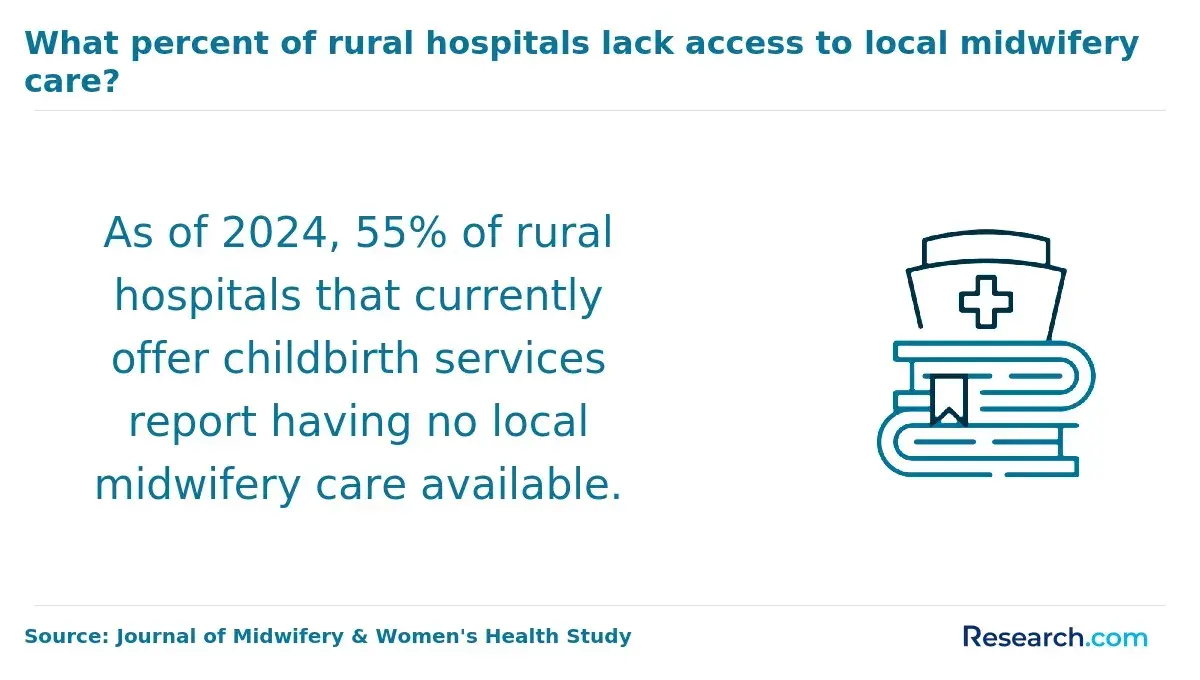
The depth of this preparation is especially important in areas where patients have limited access to maternity care providers.
How long does it take to become a certified nurse midwife in North Carolina?
The full timeline to become a certified nurse midwife in North Carolina is usually seven to eight years, though the exact length depends on the student’s starting point, course load, RN experience, graduate program format, clinical placement availability, and licensure processing.
| Step | Typical time | What happens |
| Earn a BSN | Four years of full-time study | Complete undergraduate nursing coursework and clinical rotations |
| Pass the NCLEX-RN and obtain RN licensure | Varies by testing and licensing timeline | Become licensed to practice as a registered nurse |
| Gain RN experience | Often at least one year preferred or required | Build clinical judgment, ideally in labor and delivery or a related setting |
| Complete an MSN or DNP nurse-midwifery program | MSN: two to three years; DNP: may require an additional one to two years | Finish graduate coursework and supervised clinical training |
| Pass AMCB certification and apply for North Carolina authorization | Varies | Meet national certification and state practice requirements |
Students who already have an RN license or graduate nursing degree may shorten the path. Students who attend part time, need additional clinical placement time, or pursue a DNP may take longer. The key is to plan backward from your target practice date and confirm every deadline with the school, AMCB, and the North Carolina Board of Nursing.
How much does it cost to attend nurse midwife school in North Carolina?
The cost of nurse midwife school in North Carolina varies by institution type, residency status, program length, delivery format, fees, and clinical travel requirements. Tuition is only one part of the total cost, so students should calculate the full price of attendance before enrolling.
At public universities such as East Carolina University, in-state students may pay around $3,963 per credit hour, while out-of-state students may pay approximately $7,322 per credit hour. Because many nurse-midwifery programs require 40 to 55 credit hours, tuition alone can range from roughly $158,000 to over $400,000 depending on residency and credit load.
Some private or distance-based programs use different pricing structures. Frontier Nursing University lists flat tuition of $38,775 for its Master of Science in Nursing with a nurse-midwifery focus, regardless of state residency. Students should still budget for required fees, including application, clinical lab, graduation, and other program charges.
Additional expenses may include textbooks, clinical supplies, certification-related costs, liability insurance, travel, lodging, and time away from work. Required books, supplies, and certification-related expenses often total $1,500 to $2,500.
| Cost category | What to check | Why it matters |
| Tuition | Per-credit cost, total credits, residency rules, flat-rate pricing | This is usually the largest direct program expense |
| Mandatory fees | Application, technology, clinical, lab, graduation, and university fees | Fees can add hundreds of dollars per term |
| Clinical costs | Travel, lodging, parking, uniforms, background checks, health documentation | Clinical placements may not be near your home |
| Lost income | Reduced work hours during intense clinical terms | Opportunity cost can affect affordability as much as tuition |
| Certification and licensure | Exam, application, and state credentialing costs | Graduation alone does not authorize practice |
If you are comparing midwifery with related advanced practice paths, reviewing how long does it take to become a womens health nurse practitioner can help you evaluate time, cost, scope, and career fit.
What financial aid options are available for nurse midwife students in North Carolina?
Nurse-midwifery students in North Carolina can use several types of financial aid, but the best strategy is usually to combine multiple sources. Start with the school’s financial aid office, then compare federal aid, institutional scholarships, state programs, national nursing scholarships, employer tuition support, and loan repayment options tied to service in underserved communities.
- Federal loans and grants: Graduate students may use Direct Unsubsidized Loans and Graduate PLUS Loans. Some federal grant or work-study support may be available depending on eligibility.
- State grants and scholarships: Programs such as the North Carolina Nurse Scholars Program may support students who commit to teaching or serving in state healthcare settings.
- Institutional scholarships: Universities may offer need-based or merit-based awards for graduate nursing students, often with separate deadlines and applications.
- National nursing scholarships: Professional organizations, including the AANP, may provide scholarship opportunities based on academic performance, specialty interest, and professional goals.
- Loan repayment programs: HRSA programs may help qualifying graduates reduce debt when they work in underserved areas or approved shortage settings.
- Work-study, assistantships, and employer support: Part-time campus roles, graduate assistantships, and healthcare employer tuition benefits can reduce borrowing.
How to reduce the cost of becoming a nurse midwife
- Apply to FAFSA early and renew it every year.
- Ask each school for a total cost estimate, not just tuition per credit.
- Compare whether the program helps secure clinical placements or expects students to find their own.
- Look for scholarships tied to maternal health, rural healthcare, women’s health, or advanced practice nursing.
- Ask your employer about tuition reimbursement, flexible scheduling, or clinical placement support.
- Evaluate loan repayment programs before graduation, especially if you plan to work in an underserved area.
-
: "
Financial aid for graduate nursing education often works best as a layered plan: federal aid may cover the baseline, scholarships can lower borrowing, and service-based repayment programs may help after graduation.
"
Are there pathways for nurse midwives to transition into nurse practitioner roles in North Carolina?
Yes. Nurse midwives in North Carolina can expand into nurse practitioner roles by completing the required education, clinical training, certification, and state recognition for the additional population focus. A CNM who wants broader women’s health practice, for example, may pursue a Women’s Health Nurse Practitioner credential through a dual-focus program or post-graduate certificate.
This pathway makes sense for CNMs who want more flexibility in reproductive health, gynecology, primary women’s health, leadership, or outpatient care. It may also help clinicians serve communities where patients need both maternity and ongoing women’s health services. Nurses exploring this route can compare the top nurse practitioner programs in North Carolina to identify programs that support dual certification or post-master’s specialization.
| Option | When it makes sense | What to verify |
| Dual CNM/WHNP program | You want midwifery and women’s health nurse practitioner preparation together | Accreditation, certification eligibility, clinical hour requirements, North Carolina authorization |
| Post-master’s NP certificate | You are already a CNM and want another APRN population focus | Required courses, clinical placements, board certification eligibility |
| DNP with additional focus | You want expanded clinical preparation plus leadership or systems training | Program length, cost, practicum expectations, career alignment |
What are the career outlook and salary trends for nurse midwives in North Carolina?
The career outlook for nurse midwives in North Carolina is shaped by access to maternal healthcare, demand for comprehensive women’s health services, and the need for qualified providers in rural and underserved communities. The reported 15% increase in maternal healthcare demand has added urgency to workforce planning in this field.
Salary can vary widely by setting, region, experience, call schedule, employer type, certification profile, and leadership duties. Entry-level CNMs may start in staff clinical roles, while experienced CNMs may move into lead clinician, practice management, education, quality improvement, or dual-certified roles. No salary outcome is guaranteed, so applicants should review current employer postings, state labor data, and program graduate outcome information before estimating return on investment.
If you are still early in your nursing path, it is useful to understand the baseline requirements to be a nurse in North Carolina, because RN licensure and clinical experience are the foundation for later CNM preparation.
Where nurse midwives may work in North Carolina
- Hospitals with labor, delivery, postpartum, and women’s health services
- Birth centers and midwifery practices
- OB/GYN clinics and women’s health practices
- Community health centers
- Rural healthcare organizations
- Academic nursing programs and clinical education roles
- Public health and maternal health initiatives
How Can Additional Certifications Enhance Your Nurse Midwife Career in North Carolina?
Additional certifications can strengthen a nurse midwife’s clinical toolkit, but they should be chosen strategically. The most valuable credentials are those that match your practice setting, patient population, and employer expectations. For example, certifications in neonatal resuscitation, lactation support, fetal monitoring, perinatal safety, or women’s health can be more directly relevant to CNM practice than unrelated credentials.
Foundational healthcare certifications can also help nurses understand different levels of patient care responsibility. Reviewing CNA requirements in North Carolina may be useful for students comparing the healthcare career ladder, though CNM practice requires much more advanced nursing education and certification.
| Certification type | How it may help | Best for |
| Perinatal or fetal monitoring training | Supports safer assessment during labor and birth | CNMs working in hospital-based maternity care |
| Neonatal resuscitation training | Prepares clinicians to respond to newborn transition concerns | CNMs attending births |
| Lactation-related education | Improves postpartum feeding support | CNMs providing postpartum and newborn care |
| Women’s health specialty preparation | Expands outpatient reproductive and gynecologic care skills | CNMs in clinics, community health, or dual roles |
What are the top accredited nurse midwife schools in North Carolina?
The best nurse-midwifery school for you is the one that is accredited, authorized for your location, financially realistic, and able to support your clinical training needs. Accreditation is especially important because graduates generally need an ACME-accredited education pathway to sit for the AMCB exam and move toward CNM practice.
- East Carolina University – MSN in Nurse Midwifery/Certificate: ECU offers the state’s only ACME-accredited nurse-midwifery program. Its hybrid structure combines online coursework with in-person clinical experiences across North Carolina, making it a strong option for working nurses who need flexibility while still completing hands-on training.
- Frontier Nursing University: Frontier Nursing University is based in Kentucky but offers an ACME-accredited distance option used by some North Carolina students. Its model is often attractive to nurses interested in rural and underserved community care, with clinical placement planning completed through approved sites.
- Georgetown University – MSN in Nurse Midwifery/Women’s Health Nurse Practitioner: Georgetown offers an online pathway available to eligible North Carolina students and combines nurse-midwifery with women’s health nurse practitioner preparation. Students should verify clinical placement arrangements and state authorization before applying.
- Vanderbilt University School of Nursing – MSN in Nurse Midwifery: Vanderbilt uses a hybrid format that includes distance learning, limited campus requirements, and approved clinical rotations. North Carolina residents should confirm placement availability and licensing alignment.
- Baylor University – DNP in Nurse Midwifery: Baylor offers an ACME-accredited DNP option with online coursework and clinical site possibilities in North Carolina. It may appeal to nurses who want doctoral-level clinical leadership preparation along with midwifery training.
Students comparing the best nurse midwife schools North Carolina learners can access should look beyond reputation. Clinical placement support, preceptor availability, accreditation, total cost, board pass preparation, and flexibility for working nurses all matter. If you want a related view of maternity nursing work before advanced practice, explore the obstetrics nurse career.
| Program consideration | Why it matters | Question to ask |
| ACME accreditation | Supports certification eligibility and professional recognition | Is the nurse-midwifery track currently ACME-accredited? |
| Clinical placement model | Can affect graduation timeline and stress level | Does the school arrange placements or must students find preceptors? |
| State authorization | Online programs may not be approved for every state | Can North Carolina students enroll and complete clinicals there? |
| Total cost | Tuition alone does not show full affordability | What is the estimated full cost including fees, travel, and supplies? |
| Format | Hybrid and online programs still require clinical attendance | How many campus visits, intensives, or in-person requirements are mandatory? |
Which advanced degrees support career advancement for CNMs in North Carolina?
Advanced degrees can help CNMs in North Carolina move into broader clinical, leadership, education, and policy roles. The right degree depends on whether your goal is initial CNM practice, a second APRN specialty, doctoral-level leadership, or academic work.
- MSN Nurse Midwifery Track: This is the primary graduate route for BSN-prepared RNs seeking CNM certification eligibility and advanced practice preparation in women’s and maternity care.
- Doctor of Nursing Practice: The DNP is a practice-focused doctoral degree that can support roles in clinical leadership, healthcare quality improvement, education, and policy implementation.
- Post-Master’s Certificate in Nurse Midwifery: This option is designed for nurses who already hold an MSN and want to add nurse-midwifery preparation without completing another full master’s degree.
- Dual Nurse-Midwifery/Women’s Health Nurse Practitioner Degree: Dual programs can expand practice flexibility by preparing nurses for both CNM and WHNP certification pathways.
Who should choose each advanced degree?
| Goal | Best-fit degree | Reason |
| Become a CNM as efficiently as possible after a BSN | MSN in Nurse-Midwifery | Focuses directly on graduate preparation for nurse-midwifery practice |
| Move into senior practice, systems improvement, or leadership | DNP in Nurse-Midwifery | Adds doctoral-level work in evidence-based practice and healthcare systems |
| Add midwifery after another MSN specialty | Post-Master’s Certificate | Builds targeted midwifery preparation on existing graduate nursing education |
| Provide broader reproductive and women’s health care | Dual CNM/WHNP Program | Can increase versatility in clinics, community health, and underserved settings |
What organizations accredit nurse midwife programs in North Carolina?
The primary accreditor for nurse-midwifery programs is the Accreditation Commission for Midwifery Education (ACME). ACME is the organization recognized by the U.S. Department of Education to accredit midwifery education programs nationwide. Its standards evaluate whether programs provide the academic and clinical preparation needed for safe entry into midwifery practice.
In North Carolina, East Carolina University’s nurse-midwifery program is ACME-accredited. Graduating from an accredited program is important because it supports eligibility for the AMCB certification exam and state practice recognition. When comparing nurse midwife program tuition in North Carolina, accreditation should be treated as a non-negotiable factor; a cheaper program that does not support certification eligibility may not lead to the career you want.
Students interested in flexible graduate nursing pathways may also compare hybrid and online routes. Resources on the easiest RN to MSN online programs to get into can help applicants understand admission accessibility, but ease of admission should never outweigh accreditation, clinical quality, or licensure alignment.
How to verify accreditation and licensure fit
- Search the program’s current accreditation status through ACME.
- Confirm the program is authorized to enroll North Carolina students.
- Ask whether graduates are eligible for the AMCB certification exam.
- Contact the North Carolina Board of Nursing to confirm current CNM recognition requirements.
- Request written information from the school about clinical placement responsibilities.
- Review graduation, certification, and employment outcome disclosures when available.
What do nurse midwives in North Carolina say about their careers?
Nurse midwives often describe the profession as demanding, emotionally intense, and deeply meaningful. The work can involve unpredictable hours, high responsibility, and complex patient needs, but it also offers the opportunity to build long-term relationships with patients and improve access to maternal and reproductive healthcare.
- My nurse-midwifery education connected classroom learning with the realities of serving families in North Carolina. Teaching locally has also allowed me to mentor future clinicians while staying grounded in the needs of the community. The state’s mix of rural and urban populations keeps the work challenging and purposeful. - Andrea
- Graduate midwifery training strengthened my commitment to evidence-based, patient-centered care. Working with students now gives me a chance to help them develop confidence before they enter high-responsibility clinical settings. North Carolina’s healthcare landscape offers many ways to contribute, especially when providers understand local community needs. - Latisha
- After completing nurse-midwifery preparation, I found that community-based work with underserved populations was the part of the profession that mattered most to me. Teaching has become another way to extend that impact by preparing nurses who will continue improving maternal and newborn care across the state. - Jamie
Common mistakes to avoid when choosing a nurse-midwifery program
- Choosing a program before checking accreditation: Always verify ACME accreditation and certification eligibility before applying.
- Looking only at tuition: Fees, travel, lodging, supplies, reduced work hours, and clinical placement costs can significantly change the total price.
- Assuming online means fully remote: Nurse-midwifery programs require in-person clinical training, and some also require campus intensives.
- Ignoring state authorization: An online program may be accredited but still not approved to enroll or place students in every state.
- Underestimating clinical placement challenges: Ask whether the school secures sites or expects students to locate preceptors.
- Assuming salary outcomes are guaranteed: Compensation depends on experience, employer, location, schedule, and role responsibilities.
- Relying only on rankings: The best program is the one that meets licensure requirements, fits your budget, supports your clinical training, and aligns with your career goals.
Key Insights
- North Carolina CNMs must complete graduate nurse-midwifery preparation, pass AMCB certification, and meet state practice requirements before working independently.
- An MSN in nurse-midwifery is the usual minimum graduate degree, while DNP, post-master’s certificate, and dual CNM/WHNP options support different career goals.
- Clinical training is central to readiness. Ask early how many hours are required, where placements occur, and whether the school helps secure preceptors.
- Program cost should be calculated as total cost of attendance, including tuition, fees, books, certification expenses, travel, lodging, liability insurance, and lost income.
- Accreditation is essential. Choose an ACME-accredited program that supports AMCB exam eligibility and aligns with North Carolina Board of Nursing expectations.
- The strongest program choice is not always the most famous or the easiest to enter. It is the one that is accredited, affordable, clinically strong, and realistic for your life and career plan.
Related Articles for Nearby States
- 2027 How to Become a Nurse Midwife in South Carolina - Midwife Schooling Requirements
- 2027 How to Become a Nurse Midwife in Virginia – Midwife Schooling Requirements
- 2027 How to Become a Nurse Midwife in Georgia – Midwife Schooling Requirements
- 2027 How to Become a Nurse Midwife in Tennessee – Midwife Schooling Requirements
- 2027 How to Become a Nurse Midwife in West Virginia - Midwife Schooling Requirements
- 2027 How to Become a Nurse Midwife in Kentucky – Midwife Schooling Requirements
- 2027 How to Become a Nurse Midwife in Florida – Midwife Schooling Requirements
- 2027 How to Become a Nurse Midwife in Maryland – Midwife Schooling Requirements
- 2027 How to Become a Nurse Midwife in Alabama – Midwife Schooling Requirements
- 2027 How to Become a Nurse Midwife in Pennsylvania - Midwife Schooling Requirements
References:
- Chapel Hill OBGYN. (n.d.). What training is required to be a midwife? Chapel Hill OBGYN. https://chapelhillobgyn.com/blog/how-to-become-a-midwife-in-nc/
- East Carolina University College of Nursing. (n.d.). Nurse midwifery admission process. ECU College of Nursing. https://nursing.ecu.edu/msn/midwifery/nurse-midwifery-admission-process/
- Frontier Nursing University. (n.d.). Admissions criteria: Master of Science in Nursing. Frontier Nursing University. https://frontier.edu/admissions/admissions-criteria-msn/
- Midwife Schooling. (n.d.). How to become a nurse midwife in North Carolina | CNM programs. Midwife Schooling. https://www.midwifeschooling.com/north-carolina/
- North Carolina Board of Nursing. (n.d.). Certified nurse midwife. North Carolina Board of Nursing. https://www.ncbon.com/certified-nurse-midwife-0
- North Carolina Affiliate of the American College of Nurse Midwives (NCACNM). (n.d.). Become a midwife. NCACNM. https://www.ncmidwives.org/become-a-midwife
Other Things to Know About Becoming a Nurse Midwife in North Carolina
North Carolina nurse midwife candidates must pass the National Certification Corporation (NCC) exam for certified nurse-midwives. To qualify, applicants first complete a graduate nurse-midwifery program accredited by the Accreditation Commission for Midwifery Education and hold an active registered nurse license in North Carolina.
To become a nurse midwife in North Carolina in 2027, you must obtain certification through the American Midwifery Certification Board after completing a graduate-level program accredited by the Accreditation Commission for Midwifery Education. Additionally, you need an active registered professional nurse license in North Carolina.


