2027 How to Become a Mental Health Counselor in Irvine, CA: Education Requirements & Certification

Co-Founder and Chief Data Scientist
Becoming a mental health counselor in Irvine, CA is a long-term professional commitment: you need graduate-level training, supervised clinical experience, state exams, and ongoing ethical responsibility before you can practice independently. The payoff can be meaningful for people who want a client-facing career in therapy, prevention, crisis support, and behavioral health care.
This guide explains the practical path to becoming a licensed mental health counselor in Irvine, including education requirements, California licensure steps, supervised-hour expectations, financial aid options, salary ranges, in-demand specializations, and common mistakes to avoid. It is designed for students comparing counseling degrees, career changers considering a clinical mental health path, and out-of-state counselors evaluating whether California licensure is realistic.
Quick answer: How do you become a mental health counselor in Irvine, CA?
To become a mental health counselor in Irvine, you typically complete a qualifying 60-unit master’s or doctoral degree in counseling or a related field, finish at least 6 units of supervised practicum or fieldwork, register with the California Board of Behavioral Sciences as an Associate Professional Clinical Counselor, complete 3,000 supervised clinical hours, and pass both the California Law and Ethics Exam and the National Clinical Mental Health Counseling Examination. Once approved, you can practice independently as a Licensed Professional Clinical Counselor.
Key Benefits About Becoming a Mental Health Counselor in Irvine, CA
- Irvine’s mental health counseling field is projected to grow by 19% through 2033, reflecting population growth, greater public awareness of behavioral health, and broader workforce needs across California.
- The average annual pay for mental health counselors in Irvine is about $81,837, while experienced counselors in specialized settings can earn more than $119,000.
- The California pathway is clearly defined: a 60-unit graduate degree, 6 units of practicum, 3,000 supervised hours, and successful completion of both the state Law and Ethics Exam and the NCMHCE.
- Overview of the Irvine mental health counselor pathway Licensure planning details Key benefits What are the academic requirements to become a mental health counselor in Irvine, CA?
- Are there financial aid programs for mental health counselors in Irvine, CA?
- What is the licensure process for mental health counselors in Irvine, CA?
- Is there license reciprocity for mental health counselors in Irvine, CA?
- What counseling certifications can you get in Irvine, CA?
- What types of counseling specializations are in demand in Irvine, CA?
- How does cultural diversity impact mental health counseling in Irvine, CA?
- Can mental health counselors extend their expertise to substance abuse counseling in Irvine, CA?
- Can I transition from mental health counseling to marriage and family therapy in Irvine, CA?
- How much do mental health counselors typically earn in Irvine, CA?
- Are mental health counselors in demand in Irvine, CA?
- Where do mental health counselors typically work in Irvine, CA?
- Is it challenging to become a mental health counselor in Irvine, CA?
What are the academic requirements to become a mental health counselor in Irvine, CA?
California sets detailed education standards for Licensed Professional Clinical Counselors, and Irvine candidates must follow the same Board of Behavioral Sciences requirements as applicants elsewhere in the state. The most important academic decision is choosing a graduate program that meets California LPCC coursework, practicum, and unit requirements before you enroll.
- Bachelor’s degree: You can begin with an undergraduate degree in any field, although psychology, counseling, human services, sociology, and behavioral science majors may give you a stronger academic foundation. Students who need flexibility may compare online counseling degree options before applying to graduate school.
- Graduate degree: You must complete a master’s or doctoral degree in counseling or a closely related field from an accredited institution. The graduate program must include at least 60 semester units of coursework that aligns with California LPCC standards.
- Practicum or fieldwork: Your program must include at least 6 semester units of supervised practicum or fieldwork so you gain structured client-contact experience before graduation.
- Required counseling content: Coursework generally needs to cover counseling theory, human development, clinical assessment, diagnosis, ethics, research, multicultural counseling, and related practice areas required for LPCC eligibility.
- Postgraduate registration: After finishing the degree, you apply to become an Associate Professional Clinical Counselor. APCC status allows you to earn supervised hours toward full LPCC licensure.
| Education stage | What you need | Why it matters for California licensure |
| Undergraduate preparation | A bachelor’s degree in any discipline | It qualifies you for graduate admission, though counseling-related coursework can make the transition easier. |
| Graduate program | A master’s or doctoral degree with at least 60 semester units | California requires graduate-level clinical preparation before APCC registration and LPCC licensure. |
| Practicum or fieldwork | At least 6 semester units of supervised applied training | This gives you direct practice experience and helps satisfy pre-degree clinical training requirements. |
| Postgraduate supervised practice | 3,000 supervised hours after registering as an APCC | These hours demonstrate readiness for independent counseling practice. |
| Licensure exams | California Law and Ethics Exam and NCMHCE | The exams evaluate legal, ethical, and clinical competence for independent practice. |
Are there financial aid programs for mental health counselors in Irvine, CA?
Yes. Graduate counseling students in Irvine may be able to reduce their education costs through scholarships, service-based awards, and foundation funding. Before committing to a program, compare tuition, fees, practicum placement support, transfer policies, and whether the program’s curriculum meets California LPCC requirements. A lower advertised price can become expensive if you need extra coursework later.
- Behavioral Health Scholarship Program: This California program can provide up to $25,000 for eligible graduate students preparing for behavioral health careers. Recipients commit to one year of service in an underserved area after graduation, which can help reduce the overall cost of a counseling degree while supporting community mental health needs.
- AB Irvine Scholarship: This scholarship provides awards between $1,500 and $2,000 for students preparing to serve special needs populations. Selection considers academic performance, community engagement, and commitment to diversity.
- NBCC Foundation Military Scholarship: This award offers up to $15,000 for military-affiliated students enrolled in CACREP-accredited counseling master’s programs. Applicants planning to work with underrepresented communities may receive priority consideration.
- The Quell Foundation Bridge the Gap Scholarship: This scholarship offers variable tuition assistance for graduate students in counseling and psychology who are entering the mental health workforce.
How to reduce counseling school costs without weakening your licensure path
- Ask the program to confirm in writing that its curriculum is designed to meet California LPCC education requirements.
- Compare total program cost, not just tuition per unit. Fees, residency requirements, books, technology costs, and commuting can change the real price.
- Find out whether practicum placements are arranged by the school or left mostly to the student.
- Check whether scholarships require service commitments, location restrictions, or post-graduation employment in specific settings.
- Consider part-time enrollment only if you can still meet program sequencing, practicum timing, and financial aid rules.
What is the licensure process for mental health counselors in Irvine, CA?
The Irvine licensure process is governed by California’s Board of Behavioral Sciences. The pathway is structured to move candidates from graduate education to supervised practice and then to independent clinical authority as a Licensed Professional Clinical Counselor.
- Complete a qualifying graduate counseling degree that satisfies California’s academic and practicum expectations.
- Apply for registration as an Associate Professional Clinical Counselor so you can legally collect supervised clinical experience.
- Accumulate at least 3,000 hours of supervised professional experience. This must include at least 1,750 hours of direct counseling services, such as individual, family, or group counseling, and up to 1,250 hours in related professional activities.
- Work only under supervisors who meet California’s eligibility standards, which may include properly qualified licensed professional clinical counselors, clinical social workers, psychologists, or psychiatrists.
- Pass the California Law and Ethics Examination to show that you understand the state’s legal, ethical, confidentiality, reporting, and professional-practice requirements.
- Pass the National Clinical Mental Health Counseling Examination after receiving the necessary approval.
- Complete any additional California-specific coursework if your graduate program did not fully cover required content areas.
- Submit the full LPCC licensure application to the California Board of Behavioral Sciences and wait for approval before practicing independently.
Licensure planning should include both academic expenses and post-degree costs. Reviewing the cost factors involved in becoming a mental health counselor can help you budget for tuition, exams, applications, supervision-related costs, and continuing education.
| Step | Main action | Decision point for Irvine candidates |
| Graduate education | Finish a qualifying counseling degree | Choose a program that aligns with California standards before enrolling. |
| APCC registration | Apply for associate status | You cannot count supervised hours toward independent licensure unless they meet state rules. |
| Supervised experience | Complete 3,000 supervised hours | Confirm that your worksite and supervisor are acceptable under California requirements. |
| Exams | Pass the Law and Ethics Exam and NCMHCE | Build exam preparation into your timeline rather than treating it as an afterthought. |
| Final application | Submit documentation for LPCC review | Keep accurate records of hours, supervision, coursework, and exam completion. |
Is there license reciprocity for mental health counselors in Irvine, CA?
No automatic reciprocity is available for mental health counselors moving to Irvine from another state. California requires out-of-state applicants to complete a separate review process, submit transcripts and supervised-experience documentation, and show that their training is substantially consistent with California standards.
California also requires applicants to pass the state Law and Ethics Exam, and candidates need approval before taking the National Clinical Mental Health Counseling Examination. The state has not joined the Counseling Compact, and it continues to enforce the 3,000-hour supervised-experience standard. Some applicants may be able to work toward remaining requirements while pursuing approval, but independent practice in Irvine requires full California compliance.
What out-of-state counselors should verify before relocating
- Whether your graduate degree includes the coursework California requires for LPCC eligibility.
- Whether your supervised hours meet California’s categories, documentation rules, and supervisor qualifications.
- Whether you need additional coursework before final approval.
- Whether your current license title is equivalent enough to support a California application.
- Whether you can legally provide telehealth to California clients before receiving California authorization.
What counseling certifications can you get in Irvine, CA?
Certifications and licenses are not the same. In Irvine, the LPCC is the independent clinical license for professional clinical counseling, while certificates may help professionals build specialized skills but usually do not authorize independent psychotherapy by themselves.
- Licensed Professional Clinical Counselor: This California license is regulated by the Board of Behavioral Sciences. Candidates first become Associate Professional Clinical Counselors, complete the required graduate degree and 3,000 supervised hours, and pass the NCMHCE before independent practice approval.
- Certificate in Integrative Behavioral Health: Irvine Valley College offers this certificate for professionals interested in holistic and evidence-based approaches to behavioral health concerns, including anxiety and depression. It may support work in integrated care environments.
- Online Counseling Certificate: Concordia University Irvine’s Townsend Institute offers an online certificate focused on relational and emotional support skills. It can strengthen qualifications in community, wellness, spiritual, or support-oriented settings, but it does not replace licensure.
| Credential option | Best for | Does it lead to independent clinical practice? |
| LPCC | Candidates who want to diagnose, treat, and practice professional clinical counseling independently | Yes, after all California licensure requirements are met. |
| Integrative behavioral health certificate | Professionals seeking added training in whole-person and evidence-informed behavioral health approaches | No, not by itself. |
| Online counseling certificate | People working in supportive, community-based, wellness, or non-licensure counseling-adjacent roles | No, not by itself. |
What types of counseling specializations are in demand in Irvine, CA?
Irvine’s counseling needs are shaped by its schools, healthcare systems, professional workforce, family-centered communities, and cultural diversity. Specialization can help counselors stand out, but it should be chosen based on client population, licensure fit, clinical interest, and long-term earning goals.
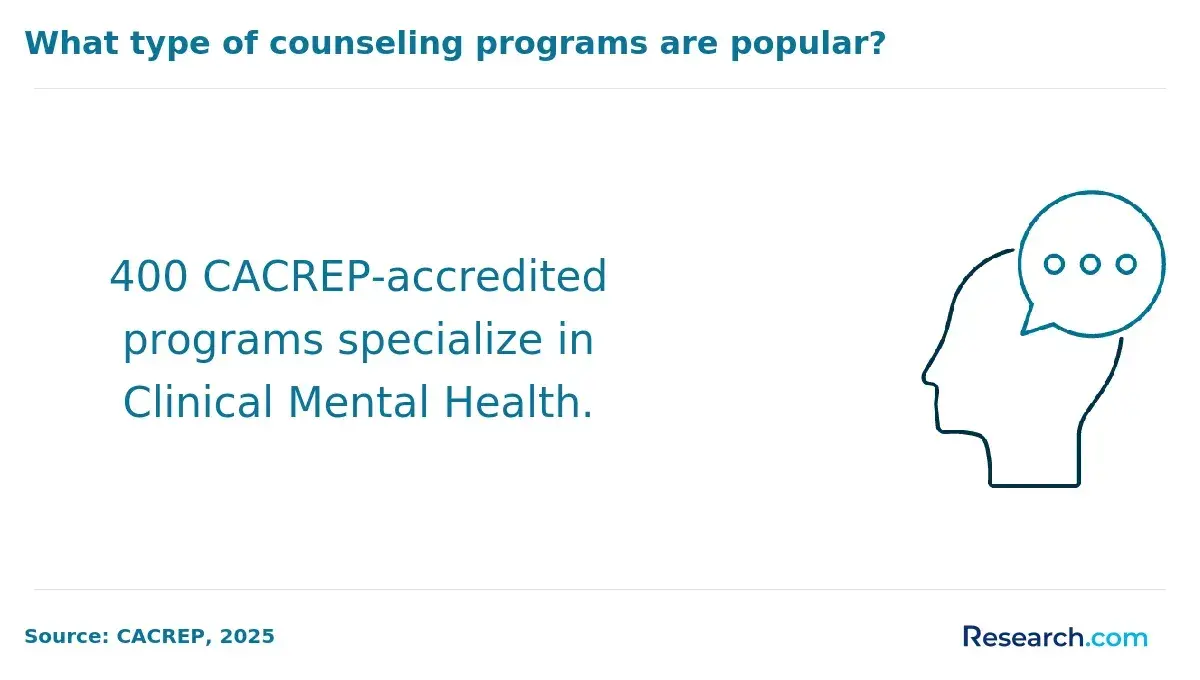
- Clinical mental health counseling: This area focuses on concerns such as anxiety, depression, stress, adjustment issues, and interpersonal functioning. Irvine counselors often benefit from strong training in evidence-based treatment and multicultural care.
- School counseling: School counselors help students with academic pressure, social development, emotional regulation, college planning, and family-school communication. In California schools, the Pupil Personnel Services credential is especially important.
- Addiction and substance abuse counseling: Counselors in this area support clients dealing with alcohol, opioid, prescription medication, and other substance use concerns. Training in co-occurring mental health conditions can be valuable.
- Trauma and crisis counseling: This specialization supports clients affected by acute stress, trauma, grief, violence, major transitions, or destabilizing life events. Employers often value trauma-informed care training.
If you already have a counseling degree or are planning to specialize after graduation, comparing the best online graduate counseling certificate programs can help you identify structured training options. Interest in couples and family-related services also creates opportunities for counselors who understand relationship systems, although marriage and family therapy licensure has its own requirements.
How does cultural diversity impact mental health counseling in Irvine, CA?
Cultural competence is central to effective counseling in Irvine. Clients may differ in language background, family expectations, views of mental health, immigration history, religion, communication style, and comfort with therapy. A counselor who ignores these factors may misread symptoms, damage trust, or recommend interventions that do not fit the client’s lived experience.
Strong Irvine counselors continue developing cultural humility through supervision, consultation, community learning, and continuing education. They also adapt assessment, treatment planning, and family involvement in ways that respect each client’s context. For a broader look at therapy licensure in the city, review this guide on how to become a therapist in Irvine.
Can mental health counselors extend their expertise to substance abuse counseling in Irvine, CA?
Yes, mental health counselors can build substance abuse counseling expertise, especially when they work with clients who have co-occurring mental health and substance use concerns. This can make a counselor more useful in outpatient clinics, recovery programs, integrated behavioral health settings, and private practice environments that serve clients with overlapping needs.
However, counselors should not assume that general mental health training automatically covers every substance use role. Additional coursework, supervision, or certification may be needed depending on the employer, client population, and services provided. For a focused overview, see this pathway on how to become a substance abuse counselor in Irvine.
Can I transition from mental health counseling to marriage and family therapy in Irvine, CA?
You may be able to move toward marriage and family therapy work, but it is not simply a title change. California treats professional clinical counseling and marriage and family therapy as separate licensure paths, with distinct coursework, supervised experience, scope considerations, and exam requirements.
If your long-term goal is to work primarily with couples, families, parenting systems, and relational dynamics, compare the LPCC and MFT requirements before selecting a graduate program. Counselors who already hold or are pursuing an LPCC should review the additional steps carefully using this guide to MFT license requirements in Irvine.
How much do mental health counselors typically earn in Irvine, CA?
Mental health counselor pay in Irvine varies by license level, work setting, specialization, experience, and whether the counselor is employed by an organization or operates in private practice. The average annual salary for mental health therapists in Irvine is approximately $81,837. Entry-level professionals typically earn around $64,400, while experienced or specialized professionals can reach up to $119,146 annually.
Salary also differs across related behavioral health roles. Licensed professional counselors in Irvine average about $72,527 per year. Behavioral health counselors average $109,795 annually. Clinical psychologists earn higher pay, with average salaries near $201,020 and top-tier professionals exceeding $336,000. These differences show why degree level, licensure category, specialization, and scope of practice matter when evaluating return on investment.
| Role or category | Reported Irvine salary information | What to consider |
| Mental health therapist | Average of approximately $81,837 annually | Pay can rise with experience, licensure, niche expertise, and practice setting. |
| Entry-level mental health professional | Typically around $64,400 | Early-career salaries may be lower during supervised or associate-level practice. |
| Experienced or specialized counselor | Up to $119,146 annually | Specialization, client population, and employer type can influence upper-range earnings. |
| Licensed professional counselor | Average of about $72,527 per year | Compare job descriptions carefully because titles may vary by employer. |
| Behavioral health counselor | Average of $109,795 annually | Some roles may require additional experience, credentials, or integrated-care expertise. |
| Clinical psychologist | Average near $201,020, with top-tier professionals exceeding $336,000 | This path generally requires a different and more advanced doctoral-level route. |
Are mental health counselors in demand in Irvine, CA?
Yes. Irvine shows strong demand for mental health counselors, consistent with broader California behavioral health workforce needs. Local job listings have exceeded 1,000, indicating opportunities across multiple experience levels and practice environments.
California projections show the mental health and substance abuse counselor workforce increasing from 57,400 in 2022 to more than 70,000 by 2032. Irvine’s field is expected to grow by 19% through 2033. For job seekers, that demand may translate into openings in clinics, schools, community agencies, telehealth organizations, and private practices, although individual hiring outcomes still depend on licensure status, specialization, supervision availability, and clinical experience.
Current trends affecting Irvine mental health counseling careers
- More telehealth delivery: Remote counseling has expanded access and created more flexible employment models, but counselors must still follow California licensing and privacy rules.
- Greater attention to youth mental health: Academic pressure, social stress, and family needs continue to support demand for school and adolescent-focused counseling services.
- Integrated behavioral health: More settings combine mental health care with medical, wellness, or substance use services, increasing the value of interdisciplinary collaboration.
- Higher expectations for cultural competence: Irvine’s diverse population makes culturally responsive assessment and treatment planning a core professional skill, not an optional add-on.
- Competition for supervised placements: Because licensure depends on supervised hours, candidates should evaluate practicum and post-graduate supervision support early.
Where do mental health counselors typically work in Irvine, CA?
Mental health counselors in Irvine work in settings that range from healthcare systems to private practices and online therapy platforms. The right workplace depends on your license level, preferred client population, tolerance for administrative work, and need for supervision.
- Healthcare systems and clinics: Counselors may provide assessment, treatment planning, short-term therapy, crisis support, and referrals in hospitals, medical groups, community clinics, and university-based services. The University of California, Irvine is one example of a local institution connected to integrated care and student-facing services.
- Private counseling practices: Solo and group practices serve individuals, couples, families, and groups dealing with anxiety, depression, relationship concerns, life transitions, and other clinical needs. Irvine Family Counseling is one example of a local provider offering individualized therapy services.
- Telehealth and remote counseling organizations: Online therapy roles may include video sessions, documentation, care coordination, and crisis protocols. Platforms such as WellQor show how remote counseling can support full-time, part-time, and flexible clinical work.
| Work setting | Advantages | Trade-offs |
| Community clinic or agency | Broad client exposure, structured teams, possible supervision opportunities | Caseloads may be high and documentation demands can be significant. |
| School or university setting | Strong fit for counselors interested in youth, students, prevention, and academic stress | May require school-specific credentials or experience. |
| Healthcare or integrated care setting | Collaboration with medical and behavioral health professionals | Work may involve brief interventions, coordination, and complex client needs. |
| Private practice | More autonomy and potential specialization | Requires business skills, referral development, billing knowledge, and full licensure for independent practice. |
| Telehealth provider | Flexible delivery and broader access for clients | Requires strong boundaries, technology reliability, privacy compliance, and attention to state practice rules. |
Is it challenging to become a mental health counselor in Irvine, CA?
Yes. The path is demanding because it combines graduate education, supervised clinical work, licensing exams, documentation, emotional resilience, and ongoing professional development. Candidates need a master’s degree in counseling or a related field with at least 60 semester units and practicum training before they can move into the APCC stage.
After graduation, candidates complete 3,000 supervised hours, which may take up to six years. Those hours include both direct client care and related professional duties under qualified supervision. Candidates must also pass the LPCC Law and Ethics Exam and the NCMHCE, both of which require dedicated preparation. If cost is a major concern, comparing the most affordable online master’s options in mental health counseling can help reduce debt while preserving your licensure goals.
Common mistakes to avoid when planning this career
| Mistake | Why it can hurt you | Better approach |
| Choosing a graduate program without checking California LPCC alignment | You may need extra coursework after graduation. | Ask the school to document how its curriculum meets California requirements. |
| Focusing only on tuition | Fees, practicum support, commuting, lost work time, and exam costs can change the true cost. | Compare total cost and student support services. |
| Assuming online programs automatically qualify for California licensure | Some programs may be designed for other states or non-licensure goals. | Verify California eligibility before enrolling. |
| Waiting too long to plan supervised hours | Supervision availability can affect your licensure timeline. | Ask about practicum sites, APCC employment pathways, and supervisor qualifications early. |
| Using salary averages as guarantees | Actual pay depends on license level, setting, specialization, and experience. | Review local job postings and compare requirements with your planned credentials. |
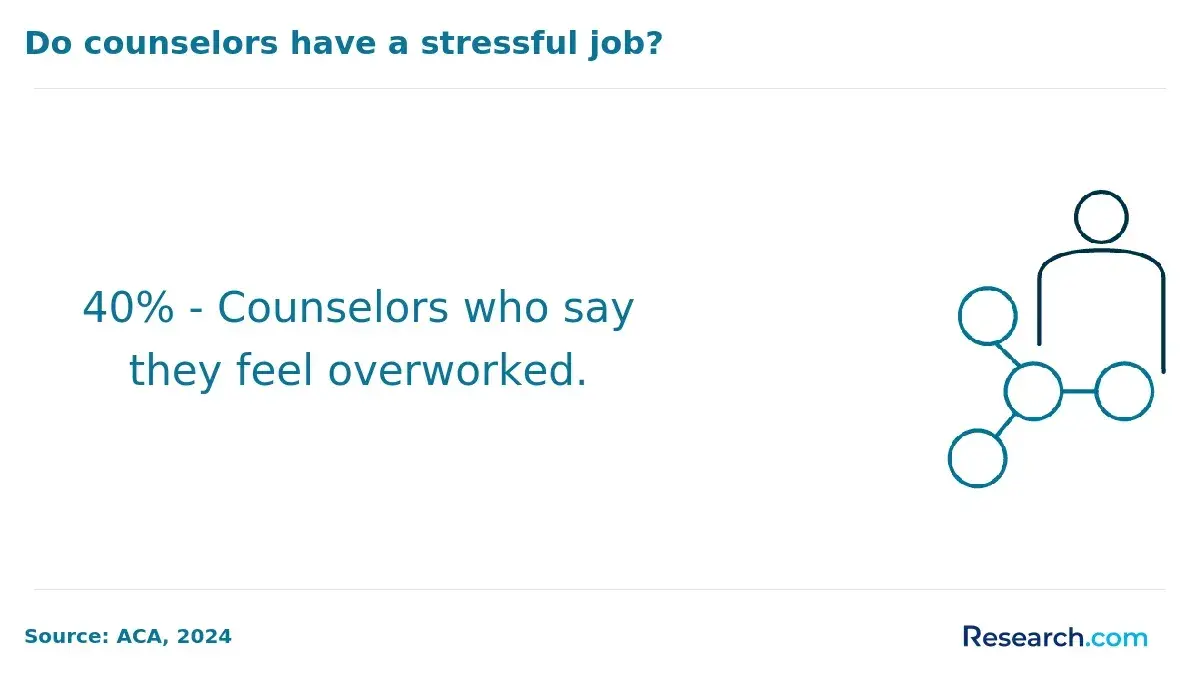
| Ignoring emotional demands | Clinical work can involve trauma, crisis, burnout risk, and heavy documentation. | Build habits around supervision, consultation, boundaries, and self-care. |
Questions to ask before choosing a counseling program
- Does the program meet California’s LPCC education requirements, including the 60 semester units and practicum expectations?
- How does the school help students secure practicum or fieldwork placements in or near Irvine?
- What percentage of students pursue APCC registration after graduation?
- Are faculty members experienced in California counseling licensure and clinical supervision?
- What are the total costs, including tuition, fees, books, technology, commuting, and exam preparation?
- Can you attend part time without disrupting course sequencing or practicum eligibility?
- Does the curriculum support your intended specialization, such as school counseling, trauma, substance abuse, or clinical mental health?
- What career services are available for associate-level positions after graduation?
What Mental Health Counselors in Irvine, CA Say About Their Careers
My work in Irvine has offered steady employment and a strong sense of purpose. The need for counseling services is visible, and the compensation helps make the career sustainable. What keeps me committed is seeing individuals and families move through difficult moments with better support. – Regina
Counseling in Irvine requires flexibility because clients bring different cultural backgrounds, expectations, and definitions of wellness. That challenge has strengthened my clinical judgment and pushed me to keep learning. The work is demanding, but it is never stagnant. – Ravi
Irvine has given me access to workshops, networking, and certificate-based learning that have helped me grow beyond my original training. Staying current matters in this profession, and the local professional environment encourages that. I value being in a city where mental health education continues to evolve. – Sadie
Key Insights
- Becoming a mental health counselor in Irvine requires more than earning a degree; you must follow California’s LPCC process from graduate education through APCC registration, 3,000 supervised hours, and two licensing exams.
- Program choice is the most important early decision. A counseling master’s program should meet California’s 60-unit, practicum, and content requirements, especially if it is online or based outside California.
- Irvine offers strong career potential, with 19% projected growth through 2033 and average mental health therapist earnings of about $81,837, but salaries vary widely by license, role, setting, and specialization.
- California does not provide automatic reciprocity, so out-of-state counselors should expect a detailed review of coursework, hours, exams, and documentation before practicing independently in Irvine.
- High-demand areas include clinical mental health, school counseling, substance abuse counseling, and trauma-informed care, but each path may involve different credentials, training, and work environments.
- The best candidates plan early for supervision, exam preparation, financial aid, cultural competence, and long-term specialization rather than treating licensure as a checklist to complete after graduation.
Related Articles for Nearby Cities
- 2027 How to Become a Mental Health Counselor in Santa Ana, CA: Education Requirements & Certification
- 2027 How to Become a Mental Health Counselor in Anaheim, CA: Education Requirements & Certification
- 2027 How to Become a Mental Health Counselor in Long Beach, CA: Education Requirements & Certification
- 2027 How to Become a Mental Health Counselor in Riverside, CA: Education Requirements & Certification
- 2027 How to Become a Mental Health Counselor in Los Angeles, CA: Education Requirements & Certification
- 2027 How to Become a Mental Health Counselor in San Diego, CA: Education Requirements & Certification
- 2027 How to Become a Mental Health Counselor in Chula Vista, CA: Education Requirements & Certification
- 2027 How to Become a Mental Health Counselor in Bakersfield, CA: Education Requirements & Certification
- 2027 How to Become a Mental Health Counselor in Henderson, NV: Education Requirements & Certification
- 2027 How to Become a Mental Health Counselor in Las Vegas, NV: Education Requirements & Certification
References:
- BetterHelp. (n.d.). Which states offer reciprocity for LPC licensure for mental health counselors? Retrieved from BetterHelp.
- California Association of Licensed Professional Clinical Counselors. (n.d.). Out-of-state applications. Retrieved from CALPCC.
- CalMatters. (2025, May). CA is struggling to train enough mental health providers. Retrieved from CalMatters.
- CCHP. (n.d.). Cross state licensing. Retrieved from CCHP.
- CounselingSchools.com. (n.d.). California counseling schools and state licensure requirements. Retrieved from CounselingSchools.com.
- Irvine Psychiatry. (n.d.). Prioritizing the mental health of Orange County residents – A comprehensive guide by Irvine Psychiatry. Retrieved from Irvine Psychiatry.
- Nu Leaf. (n.d.). Navigating mental health challenges: Mental health support in Irvine, California. Retrieved from Nu Leaf.
- Psychology.org. (n.d.). California social work license requirements and programs. Retrieved from Psychology.org.
- Thriveworks. (n.d.). Irvine, CA therapy, psychiatry and counseling: Find a therapist. Retrieved from Thriveworks.
- Zencare. (n.d.). Commitment challenges therapists in Irvine, California | Find Irvine therapists. Retrieved from Zencare.
Other Things You Should Know About Becoming a Mental Health Counselor in Irvine, CA
Applicants for California licensure as LPCCs must pass the National Clinical Mental Health Counseling Examination (NCMHCE) through the National Board for Certified Counselors. The California Board of Behavioral Sciences reviews the application first, then grants eligibility to sit for the exam after education and supervised experience requirements are met.
To become a certified mental health counselor in Irvine, CA, in 2027, candidates must complete a master's degree in counseling or a related field, fulfill 3,000 hours of supervised clinical experience, and pass the National Clinical Mental Health Counseling Examination (NCMHCE).
In 2027, licensed mental health counselors in Irvine, CA must complete 36 hours of continuing education every two years. Of these, 6 hours must cover law and ethics, and courses must be approved by the California Board of Behavioral Sciences.
To become a mental health counselor in Irvine, CA, you must complete 3,000 hours of supervised work experience, typically over two years, after finishing your graduate degree. This experience must be under the supervision of a licensed mental health professional.