
2027 What Is an M7 MBA? Cost, Types, Requirements & Job Opportunities

Co-Founder and Chief Data Scientist
An M7 MBA is one of the most selective and expensive graduate business credentials in the United States, so the real question is not simply “What is an M7 MBA?” It is whether one of these programs fits your career goal, admissions profile, budget, timeline, and target industry better than another MBA option.
The M7 business schools—Harvard Business School, Stanford Graduate School of Business, Wharton School at the University of Pennsylvania, Columbia Business School, Northwestern University’s Kellogg School of Management, University of Chicago’s Booth School of Business, and MIT Sloan School of Management—are widely associated with elite MBA hiring in consulting, finance, and technology. Their value comes from more than classroom instruction: selective cohorts, strong employer pipelines, high-touch career support, global alumni networks, and intensive experiential learning all shape the outcomes.
This guide explains how M7 MBA programs work, what they cost, what graduates commonly do after graduation, and how to compare them with other business degree programs. You will also find practical decision criteria, cost and salary context, admissions requirements, alternatives for budget-conscious professionals, and questions to ask before applying.
M7 MBA Table of Contents
- What is an M7 MBA?
- Cost of M7 MBA Program
- M7 MBA Jobs
- Types of M7 MBA Programs
- M7 MBA Program Requirements
- What to Look for in an M7 MBA Program
- The M7 MBA Schools
- Maximizing ROI: Exploring Alternative Learning Paths
- Can an affordable executive MBA deliver similar career advantages to an M7 MBA?
- How can you evaluate the ROI of an M7 MBA?
- Is a condensed MBA program a viable alternative to an M7 MBA?
- How does the M7 MBA alumni network drive long-term career success?
- Can accelerated MBA programs deliver elite outcomes while saving time?
- How can international students prepare for an M7 MBA application?
- Alternatives to M7 MBA Programs for Budget-Conscious Professionals
- How will emerging global trends shape M7 MBA career trajectories?
- Is an affordable online finance degree a viable option for finance professionals?
Quick Answer: What Is an M7 MBA?
An M7 MBA is a Master of Business Administration from one of seven highly selective U.S. business schools: Harvard, Stanford, Wharton, Kellogg, Chicago Booth, MIT Sloan, and Columbia. These schools are grouped together because of their long-standing reputation, peer relationships among their deans, strong employer demand, influential alumni networks, and consistent placement into competitive roles in consulting, finance, technology, private equity, investment management, and venture capital.
| Question | Direct answer |
| Who is an M7 MBA best for? | Professionals with strong work experience, leadership potential, high academic readiness, and career goals that benefit from elite recruiting access. |
| How long does it usually take? | Most full-time M7 MBA programs are designed around a 2-year format, though some schools offer other formats or joint-degree options. |
| What is the typical cost range? | The listed total estimated costs in this guide range from $219,220 to $239,990, depending on the school and included expenses. |
| What salary outcomes are reported? | The average median salary of M7 MBA students within three months of graduation is $175,000, with a median bonus of $35,000 reported in the article data. |
| Is it automatically worth it? | No. The value depends on your pre-MBA salary, scholarships, debt, target industry, visa situation, opportunity cost, and ability to use the school’s recruiting network. |
What is an M7 MBA?
The phrase “M7 MBA” describes MBA programs at seven elite U.S. business schools: Harvard Business School, Stanford Graduate School of Business, Wharton School at the University of Pennsylvania, Columbia Business School, Northwestern University’s Kellogg School of Management, University of Chicago’s Booth School of Business, and MIT Sloan School of Management.
The M7 label is not an accreditation category or a government designation. It refers to a long-recognized peer group of business schools whose deans have historically met to discuss business education trends, institutional challenges, and the future of graduate management education. Over time, the term became shorthand for the most prestigious full-time MBA programs in the U.S. market.
M7 MBA programs generally cover the core areas of business administration: finance, accounting, marketing, economics, strategy, management, leadership, analytics, and operations. What distinguishes them is the intensity of the experience. Students often learn through cases, team-based projects, simulations, field immersions, startup work, consulting engagements, global experiences, and capstone-style projects tied to real business problems.
Research on experiential MBA learning supports the value of applied projects. Witt et al., in “Exploring MBA student perceptions of their preparation and readiness for the profession after completing real-world industry projects,” published in The International Journal of Management Education, found that hands-on projects can improve comprehension and retention of tools used in process improvement. The same research also emphasized that authentic learning experiences help students apply professional knowledge, skills, and tools to industry-based problems of practice.
What makes an M7 MBA different from a regular MBA?
The main difference is not the degree title. A graduate from an M7 school and a graduate from another accredited MBA program both earn an MBA. The difference usually lies in selectivity, employer access, brand recognition, alumni reach, peer quality, recruiting infrastructure, and the concentration of high-paying post-MBA opportunities.
| Factor | M7 MBA programs | Other strong MBA programs |
| Selectivity | Acceptance rates are reported as ranging from 6% to 29%. | Selectivity varies widely by institution, format, and applicant pool. |
| Employer access | Strong pipelines into consulting, finance, technology, private equity, venture capital, and investment management. | May be excellent regionally or within specific industries, but access depends heavily on school reputation and employer relationships. |
| Cost | The average cost for an M7 MBA program is $260,000. | Costs can be lower, especially for online, public, regional, accelerated, or employer-supported programs. |
| Network | Large, influential, global alumni communities with strong representation in leadership roles. | Networks can still be valuable, especially when aligned with your target geography or sector. |
| Best fit | Candidates targeting highly competitive post-MBA roles and willing to manage substantial cost and admissions risk. | Candidates prioritizing affordability, flexibility, local advancement, specialized skills, or lower opportunity cost. |
What can you do with an M7 MBA?
M7 graduates are often recruited into consulting, technology, and finance roles, as well as private equity, investment management, and venture capital. Employers often value the combination of business fundamentals, analytical training, leadership development, and peer network that comes with these programs. The broader question of whether an MBA degree is worth it depends on the candidate’s goals, costs, and career alternatives.
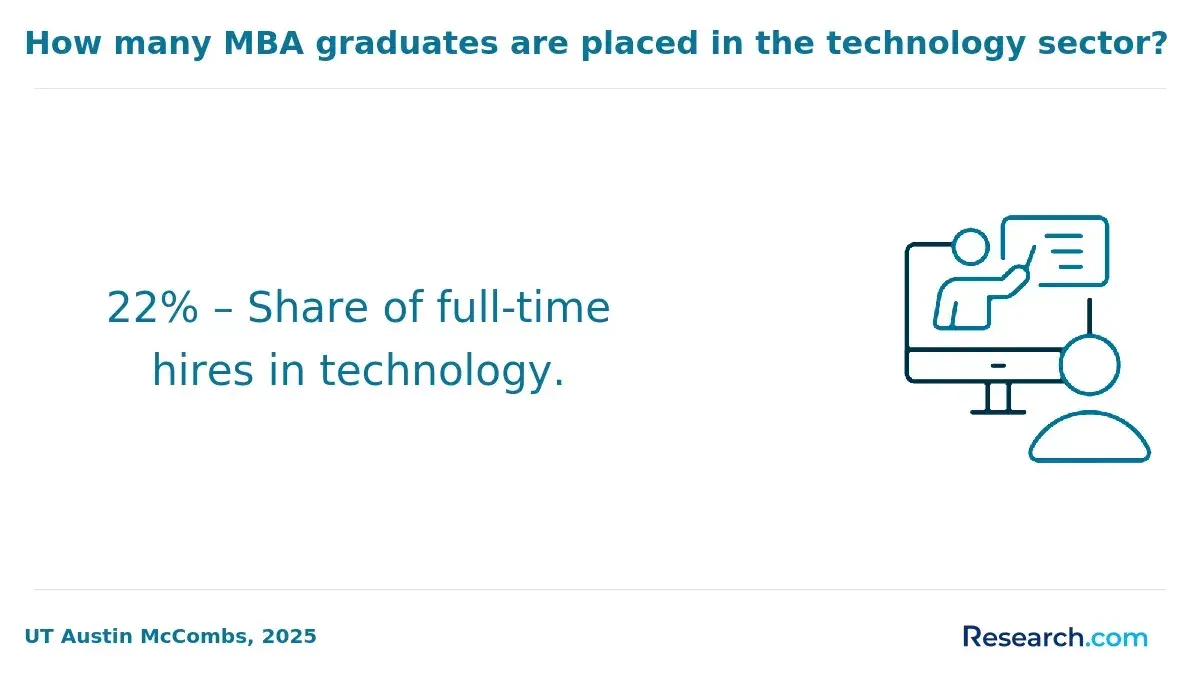
For the full-time class of 2025, Wharton reported 3-month offer and acceptance rates of 90.5% and 87%, respectively. Across the article data, M7 MBA graduates are reported to see an average salary increase of 47% after completing the program and entering post-MBA roles.
An M7 MBA is most useful when the school’s recruiting channels match your target outcome. It may be less valuable if your goal is a local promotion, a small-business role, or an industry where experience and technical credentials matter more than MBA prestige.
Popular MBA Programs
Not every applicant needs an M7 MBA to reach a strong business career outcome. Many professionals choose specialized MBA pathways because they want targeted skills, lower cost, online flexibility, or a credential aligned with their current field. The options below show how MBA specializations can differ from a general management-focused MBA.
MBA Management
An MBA in Management focuses on leadership, organizational strategy, decision-making, team performance, and change management. Compared with some MBA online programs that emphasize a specific technical area, management-focused programs are often designed for professionals who want broader leadership responsibilities across departments or business units.
MBA Accounting
An MBA in Accounting is built for students who want advanced preparation in financial reporting, auditing, taxation, controls, compliance, and corporate governance. It differs from a finance MBA because the focus is usually on accounting systems and reporting obligations rather than investment strategy, capital markets, or portfolio management.
MBA Cybersecurity
An MBA in Cybersecurity blends business leadership with risk management, information security strategy, and technology governance. This path can make sense for professionals who want to lead security teams, evaluate cyber risk at the executive level, or connect technical security decisions with business continuity and regulatory responsibilities.
MBA Human Resource Management
An MBA in Human Resource Management prepares students for strategic roles in workforce planning, talent acquisition, compensation, employee development, organizational culture, and retention. It is especially relevant for professionals who want to address talent shortages and lead people-focused strategy at the enterprise level.
MBA Marketing
An MBA in Marketing concentrates on brand strategy, consumer behavior, market research, customer analytics, pricing, digital channels, and campaign planning. This specialization is often a better fit than a general MBA for students who want senior roles in growth strategy, product marketing, brand management, or customer acquisition.
Cost of M7 MBA
An M7 MBA is a major financial decision. The sticker price includes more than tuition: fees, housing, food, health insurance, course materials, travel, relocation, and the income you may give up while studying full time can all affect the true cost. The global average for top MBA programs is $203,000, while the average cost for an M7 MBA program is $260,000.
How much does it cost to get an M7 MBA?
The table below lists estimated costs for the seven M7 MBA programs using the stated tuition, fees, living, healthcare, and materials figures. These numbers should be treated as planning estimates. Applicants should always confirm current costs directly with each school before applying or accepting an offer.
| Tuition | Fees | Living | Healthcare | Materials | TOTAL | |
| Stanford Graduate School of Business | $153,900 | $1,800 | $72,396 | - | $3,510 | $231,606 |
| Harvard Business School | $146,880 | $5,100 | $62,780 | $10,768 | - | $225,528 |
| Wharton School of the University of Pennsylvania | $165,748 | $4,000 | $45,774 | $8,058 | $13,556 | $237,136 |
| Northwestern University Kellogg School of Management | $152,736 | $5,460 | $47,958 | $8,772 | $3,294 | $219,220 |
| MIT Sloan School of Management | $160,800 | $792 | $56,668 | $19,714 | $2,016 | $239,990 |
| Columbia Business School | $160,944 | $8,206 | $49,644 | $10,974 | $640 | $230,408 |
| University of Chicago Booth School of Business | $155,682 | $5,369 | $48,258 | $14,172 | $1,368 | $224,849 |
How M7 costs compare with affordable AACSB-accredited online MBA programs
M7 programs can provide exceptional access, but the price can be unrealistic for many professionals. A lower-cost MBA may be more practical if you already have a strong employer, plan to stay in the same industry, need to keep working, or want to avoid taking on large debt.
One alternative is an AACSB-accredited online MBA. Programs listed among the cheapest AACSB online MBA options may offer a recognized business credential with more scheduling flexibility and a lower direct cost. They will not replicate every advantage of an M7 network, but they can be a better financial fit for students who want management training without the same opportunity cost.
Is an M7 MBA worth it?
An M7 MBA can be worth it when the program helps you reach a career outcome that would be difficult to access otherwise. Candidates targeting top consulting firms, investment banking, private equity, venture capital, product management, or major technology leadership tracks may benefit from the school brand and recruiting ecosystem.
However, the investment should not be evaluated only by prestige. You should compare expected salary, scholarships, debt payments, lost income, immigration constraints, recruiting odds, geographic flexibility, and the probability of actually entering your target field. According to the article data, 9 out of 10 business masters graduates agree that business school delivered strong ROI, and 91.0% of job seekers received an offer of employment by 3 months after graduation.
The article data also states that 96% of M7 MBA graduates get offers within three months of graduation, with an average median salary of $175,000 and a median bonus of $35,000. Those outcomes are strong, but they are not guaranteed for every student. Industry, location, work authorization, prior experience, economic conditions, and interviewing performance all matter.
| An M7 MBA may be worth it if... | An alternative MBA may be smarter if... |
| You are targeting highly competitive post-MBA roles where elite campus recruiting matters. | You want advancement with your current employer or in a regional market. |
| You can secure scholarships, employer sponsorship, savings, or manageable borrowing terms. | You would need to take on debt that creates long-term financial pressure. |
| You want a full-time, immersive career reset. | You need to continue earning while studying. |
| You are ready to compete in a demanding admissions and recruiting environment. | You need a flexible format, faster completion, or a lower-risk path. |
| Your target employers recruit heavily from M7 campuses. | Your field values specialized technical credentials, licenses, or experience more than MBA brand. |
M7 MBA Jobs
Many applicants ask, “What can I do with an MBA after graduation?” For M7 students, the most common outcomes often cluster in consulting, finance, and technology. Graduates may also move into senior roles in marketing, operations, logistics, product, information systems, strategy, or general management.
Is an M7 MBA in high demand?
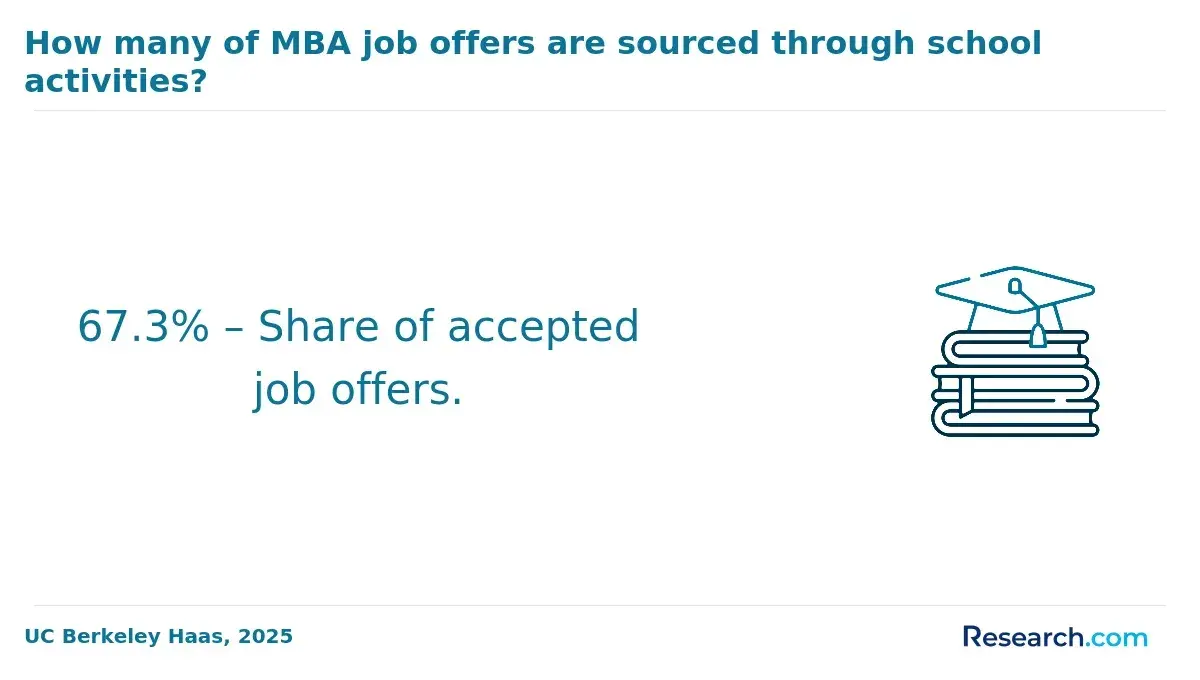
M7 graduates continue to attract attention from major employers, particularly in high-paying functions. In 2025, 34% of graduates from Chicago Booth accepted consulting jobs, 36% from Wharton accepted finance jobs, and 29% from MIT Sloan accepted tech jobs.
Internship compensation can also be substantial. The monthly base median salary for consulting and strategic planning functions among MIT Sloan interns is $15,750, while internship compensation across top-tier programs reaches comparable median consulting levels for the same function. These figures help explain why M7 programs remain attractive despite their cost.
Common jobs for M7 MBA graduates
| Role | What the work involves | Who it may fit |
| IT/Technology Consultant | Helps organizations select, implement, and improve technology systems that solve business problems. | Candidates with business training plus an undergraduate background in computer science, information systems, or a related field. |
| Strategy Consultant | Analyzes markets, operations, competitors, and organizational capabilities to recommend growth or performance improvements. | Students who enjoy structured problem-solving, client work, presentations, and fast-paced projects. Of the Harvard MBA 2025 graduates, 21% pursued roles in consulting. |
| Financial Analyst | Interprets financial data, builds models, evaluates business performance, and supports investment or corporate decisions. | Professionals who like quantitative analysis, business planning, and decision support. For the 2024 MBA class of MIT Sloan, 21.3% of graduates took on finance industry roles, including investment banking, private equity, and venture capital. |
| Investment Banker | Advises companies on capital raising, mergers, acquisitions, securities, and strategic financial transactions. | Candidates comfortable with long hours, financial modeling, high-pressure deadlines, and transaction-based work. |
| IT Director | Oversees IT teams, security processes, systems, infrastructure, audits, and enterprise technology operations. | Experienced technology professionals moving toward management or executive responsibility. |
| Chief Technology Officer | Leads technology strategy, resource allocation, product or platform direction, and alignment between technology and business goals. | Senior professionals with both technical credibility and business leadership ability. |
What kind of salary can I earn with an M7 MBA?
Salary depends heavily on role, industry, location, experience, and market conditions. Based on the MIT Sloan MBA class of 2025 employment report, the median salary for consulting is $190,000, for product management the median salary is $175,000, and for finance the median salary is $175,000. For alumni of top MBA programs, the average salary increase within three years is 120%.
Applicants should avoid assuming that reported medians are personal guarantees. A candidate entering consulting with prior relevant experience may have a different outcome from a career switcher entering a smaller company, nonprofit, startup, or international market.
Types of M7 MBA Programs
The traditional full-time, two-year MBA remains the best-known M7 format, but applicants may also encounter accelerated, STEM-designated, joint-degree, dual-degree, evening, weekend, and executive formats. The right format depends on your work experience, career switch goals, financial plan, visa needs, and tolerance for time away from the workforce.
| Program type | Typical fit | Key trade-off |
| One-year immersive or accelerated MBA | Experienced candidates who already have business prerequisites and want a faster return to work. | Less time for internships, exploration, and career switching. |
| Two-year traditional MBA | Applicants seeking a full career reset, internship recruiting, leadership development, and broad exploration. | Higher opportunity cost because students are usually out of the workforce longer. |
| STEM MBA | Students interested in analytics, management science, business economics, statistics, actuarial science, or technology-connected business roles. | Course selection may need to meet STEM-designation requirements. |
| Joint or dual MBA | Students whose goals require business training plus another discipline, such as law, education, or computer science. | More complex admissions, scheduling, cost, and degree requirements. |
| Executive, evening, or weekend MBA | Working professionals who want to keep their jobs while studying. | Often less suitable for students seeking a full-time campus recruiting reset. |
One-Year Immersive/Accelerated Program
Accelerated or one-year MBA options usually expect applicants to arrive with strong preparation. Candidates may need prior coursework in marketing, microeconomics, operations, statistics, or related areas, and a grade of B or better in each class may be required for consideration.
Two-year/Traditional Program
The full-time two-year format gives students more room to explore functions, industries, electives, internships, leadership activities, and recruiting paths. Students may take up to four classes per quarter and complete a demanding core curriculum focused on leadership and general management.
STEM MBA Program
Columbia Business School, Kellogg, MIT Sloan, Wharton, and Stanford are identified in the article data as offering STEM MBA programs. Possible areas include actuarial science, business analytics, business economics, management science, and statistics. This pathway can be especially relevant for candidates targeting analytics-heavy, finance, technology, or product roles.
Joint or Dual MBA Program
Joint programs allow students to combine an MBA with another graduate discipline, such as JD/MBA, MA Education/MBA, or MS Computer Science/MBA. These programs are designed for students whose career goals sit at the intersection of business and another professional field.
Dual-degree arrangements may require separate applications to each program. Students should carefully review admissions requirements, sequencing, tuition rules, and graduation requirements before assuming that combining degrees will save time or money.
Executive MBA, Evening MBA, or Weekend MBA
Part-time formats are designed for students who want to continue working. Weekend executive MBA programs are often held on Saturdays, sometimes with optional Friday evening sessions. Evening programs typically meet on weeknights for about three hours per session. Executive MBA students have an average of 12 years of work experience.
M7 MBA Requirements
M7 admissions committees evaluate the full application rather than relying on a single metric. Common review components include application responses, essays, academic record, test scores, transcripts, recommendation letters, resumes, and interviews. Some schools place greater weight on demonstrated professional competence than standardized tests, and some applicants explore MBA programs without GMAT requirements when that pathway is available.
Because policies vary by school and application cycle, candidates should verify requirements directly. Admissions officers may consider academic readiness, leadership trajectory, clarity of goals, communication ability, impact at work, teamwork, and evidence that the applicant can contribute meaningfully to the cohort. The Consortium also provides perspective on what MBA admissions officers look for in candidates.
Admission Requirements
| Requirement | What it shows | How to prepare |
| Proof of graduation | Confirms completion of an undergraduate degree from an accredited U.S. institution or an equivalent international degree. | Request official documentation early, especially if you studied outside the U.S. |
| Bachelor’s degree transcript | Shows academic performance and readiness for quantitative and analytical coursework. The minimum required for M7 MBA applicants is at least a 3.5 GPA. | Address academic weaknesses through optional essays, additional coursework, or strong test performance where appropriate. |
| Relevant coursework | May demonstrate preparation in calculus, communications, linear algebra, microeconomics, organizational behavior, probability, or statistics. | Review each school’s prerequisites, especially for accelerated programs. |
| GMAT or GRE score | Helps schools evaluate academic readiness and quantitative ability. Applicants often compare whether their GRE score is competitive. | Check whether the school requires, accepts, or waives testing. Some candidates consider MBA online no GMAT options if testing is not their strongest path. |
| Letters of recommendation | Provides evidence of leadership, professional impact, judgment, teamwork, and growth. | Choose supervisors or mentors who can give specific examples rather than generic praise. |
| Essays | Explains your goals, motivations, leadership story, fit with the school, and contribution to the class. | Use concrete examples and connect your past experience to your future plan. |
| Interview | Assesses communication skills, self-awareness, motivation, and fit. | Practice explaining career decisions, failures, leadership moments, and why the school makes sense. |
Other Application Materials
- Cover letter. Some schools use a cover letter to understand how candidates present their value, leadership potential, and reasons for applying.
- Resume. The resume should show career progression, measurable results, leadership scope, and impact—not only job duties.
- Video statement. A short video may help the admissions team evaluate communication style, personality, goals, and fit.
- Organizational chart. Some programs ask for an organizational chart to understand the applicant’s reporting line, level of responsibility, and business context.
Skill Requirements
M7 programs are academically demanding and socially intensive. Successful candidates typically show evidence of analytical strength, leadership, communication, resilience, curiosity, and the ability to work with diverse teams.
- Problem-solving skills. Case discussions, field projects, and live business challenges require students to define ambiguous problems, structure analysis, and recommend practical action.
- Leadership skills. M7 schools look for candidates who have already influenced people, teams, projects, or organizations. Leadership is also identified in the article data as the second most important skill C-executives look for when hiring.
- Interpersonal skills. MBA students must communicate clearly, persuade others, negotiate, receive feedback, and collaborate across backgrounds and functions.
- Entrepreneurial skills. Candidates who can identify opportunities, communicate value, and mobilize resources are better positioned for startup, innovation, product, and growth-oriented roles.
- Math skills. Quantitative readiness matters because MBA coursework may include calculus, statistics, probability, finance, analytics, and data-informed decision-making.
What to Look for in an M7 MBA Program
The best M7 MBA for you is not automatically the highest-ranked or most famous one. The right choice depends on your target industry, preferred learning style, geography, scholarship package, culture fit, international status, and career-switching plan. Start with the MBA job outlook for your intended path, then evaluate which school has the strongest support for that outcome.
Available Specializations
Specializations, electives, tracks, and experiential opportunities vary by school. MIT Sloan is often associated with STEM-connected and innovation-focused strengths, while Wharton and Kellogg are frequently discussed in relation to finance and management leadership. Choose based on your target role, not reputation alone.
Accreditation
Accreditation helps confirm that a business program meets recognized quality standards. Applicants should verify current accreditation directly through the school and accreditor before enrolling. If your goal involves a specialized field such as finance, analytics, technology, or consulting, also look at employer outcomes, faculty expertise, curriculum depth, and experiential learning—not accreditation alone.
Student-Teacher Ratio and Learning Environment
Class structure affects how you learn. Harvard, for example, is known for large sections that may include around 90 students and emphasize case discussion among classmates from varied backgrounds. Other programs may feel more flexible, analytical, collaborative, entrepreneurial, or quantitatively rigorous. Visit classes, speak with students, and ask how much faculty access and peer interaction you can realistically expect.
Financial Aid Options
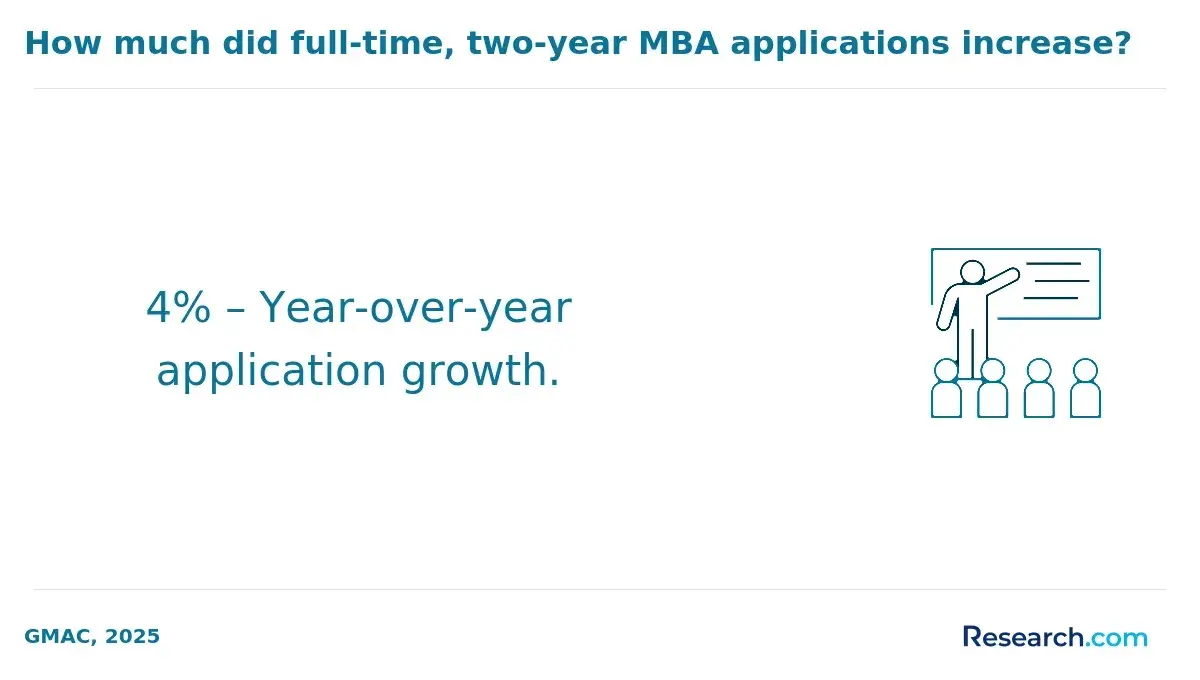
Cost should be evaluated early. The average cost of an MBA in the U.S. in 2025 was $230,901. M7 schools may offer need-based aid, fellowships, scholarships, and other awards, but availability and eligibility vary. Students should complete the Free Application for Federal Student Aid (FAFSA) when applicable, ask employers about sponsorship, and research scholarships and grants available for qualified applicants.
Questions to ask before choosing an M7 MBA
| Question | Why it matters |
| Which employers recruit on campus for my target role? | Prestige matters less if your preferred employers do not actively hire from that school. |
| What percentage of students enter my intended industry? | Career reports show whether the school has a real pipeline into your goal. |
| How much aid could I realistically receive? | Scholarships can change the ROI calculation dramatically. |
| How strong is the alumni network in my target city or country? | Network value is highest when it aligns with where you want to work. |
| Will I need a visa or work authorization support? | International students should understand recruiting and immigration constraints before enrolling. |
| Can I handle the opportunity cost of a full-time program? | Lost income can be as important as tuition in the ROI calculation. |
| Does the culture fit how I learn and work? | A school can be prestigious and still be the wrong environment for your personality or goals. |
The M7 MBA Schools
Each M7 school has a distinct culture, curriculum design, and recruiting profile. The profiles below summarize major program features, reported acceptance rates, program length, total estimated cost, and median base salary figures stated in the article data.
1. Stanford Graduate School of Business
The Stanford Graduate School of Business MBA emphasizes leadership, communication, entrepreneurship, social innovation, and hands-on problem-solving. Students engage in rigorous core coursework and experiential learning that encourages them to design, test, and refine solutions.
Stanford also offers joint and dual-degree opportunities for students who want to combine the MBA with another field of study. This can be valuable for candidates whose goals involve technology, public policy, education, law, sustainability, or entrepreneurship.
Total Cost: $231,606
Acceptance Rate: 7.2%
Program Length: 2 years
Median Base Salary: $175,000
2. Harvard Business School
The Harvard Business School MBA is a two-year, full-time program built around general management, leadership, case-based learning, and field-based experiences. The case method asks students to make decisions with incomplete information, defend their reasoning, and learn from peers with different backgrounds.
Harvard also offers joint-degree programs with other Harvard graduate schools. Its first-year section model groups students into large cohorts, often around 90 students, creating a consistent peer environment for case discussions and shared learning.
Total Cost: $225,528
Acceptance Rate: 12%
Program Length: 2 years
Median Base Salary: $175,000
3. Wharton School of the University of Pennsylvania
The Wharton School of the University of Pennsylvania MBA lasts 20 months and includes a 3.5-month summer internship. Students can choose from 18 majors, including STEM-certified majors, entrepreneurship and innovation, and environmental, social and governance factors for business (ESGB).
Wharton’s curriculum combines fixed core requirements with flexible core courses. The fixed core covers business fundamentals such as microeconomics, leadership, marketing, and management communication, while the flexible core lets students shape learning around their goals.
Total Cost: $237,136
Acceptance Rate: 25%
Program Length: 2 years
Median Base Salary: $175,000
4. Northwestern University Kellogg School of Management
The Northwestern University Kellogg School of Management MBA is known for collaboration, broad management training, and a global perspective. The curriculum connects academic theory with applied team projects and real-world business challenges.
Kellogg students can access experiential learning through international company partnerships, exchange opportunities, research, and group-based projects. This environment may fit applicants who value teamwork, leadership development, and community.
Total Cost: $219,220
Acceptance Rate: 20%
Program Length: 2 years
Median Base Salary: $165,000
5. MIT Sloan School of Management
The MIT Sloan School of Management MBA is organized around problem-led leadership, analytical thinking, innovation, and cross-disciplinary collaboration. Students complete a core semester and then customize their academic path through electives, tracks, cross-campus courses, and other learning options.
MIT Sloan is often attractive to candidates interested in technology, analytics, entrepreneurship, finance, product management, and enterprise leadership. Students may also pursue tracks that support leadership roles in finance, entrepreneurship, or enterprise management.
Total Cost: $239,990
Acceptance Rate: 22%
Program Length: 2 years
Median Base Salary: $165,000
6. Columbia Business School
The Columbia Business School MBA provides a core curriculum focused on practical business tools, analytical decision-making, and leadership across industries. The learning model combines case-based work with collaboration and applied problem-solving.
Columbia offers more than 300 electives, allowing students to build specialized expertise or follow suggested career paths. Its New York City location can be especially relevant for candidates targeting finance, media, consulting, entrepreneurship, or global business roles.
Total Cost: $230,408
Acceptance Rate: 16.2%
Program Length: 2 years
Median Base Salary: $175,000
7. University of Chicago Booth School of Business
The University of Chicago Booth School of Business MBA begins with LEAD, an experiential leadership course designed to help students understand their strengths, development areas, and leadership style.
Chicago Booth is known for the “Chicago Approach,” which emphasizes analytical thinking, evidence-based decision-making, and mastery of business fundamentals. The program may appeal to students who want flexibility, intellectual rigor, and a strong quantitative foundation.
Total Cost: $224,849
Acceptance Rate: 22%
Program Length: 2 years
Median Base Salary: $175,000
Maximizing ROI: Exploring Alternative Learning Paths
An M7 MBA is not the only route to business leadership. If you need lower cost, more flexibility, or a format that allows you to keep working, self paced online MBA programs may offer a more practical path. These programs can be especially useful for professionals who want to build management, finance, marketing, strategy, or analytics skills without relocating or leaving full-time employment.
Self-paced programs are not identical to M7 programs. They typically do not offer the same elite recruiting access or alumni concentration in top-tier consulting and finance. However, they may deliver better ROI for students who already have a stable career path, employer support, or a clear plan to apply new skills in their current organization.
When comparing alternatives, focus on accreditation, total cost, employer recognition, graduation timeline, faculty quality, networking structure, career support, and whether the curriculum includes applied work such as case studies, capstones, or industry projects.
Can an affordable executive MBA deliver similar career advantages to an M7 MBA?
An affordable executive MBA can deliver meaningful career value, but it usually serves a different purpose than a full-time M7 MBA. EMBA programs are often designed for experienced professionals who want to strengthen leadership, strategy, and decision-making skills while continuing to work. They may be particularly useful for internal promotions, executive readiness, and industry-specific advancement.
If you are comparing lower-cost options, review executive MBA with less fees programs and ask whether the format includes senior-level peers, live interaction, employer-recognized credentials, and career services that match your goals. An EMBA may not replace M7 campus recruiting, but it can be a strong fit when your goal is advancement rather than a full career switch.
How can you evaluate the ROI of an M7 MBA?
To evaluate M7 MBA ROI, look beyond tuition. Include direct cost, living expenses, fees, loan interest, foregone income, relocation, recruiting outcomes, scholarship offers, expected salary, signing bonus, career mobility, and long-term leadership opportunities. Comparing the cost of an MBA across formats can reveal whether an elite full-time program or a lower-cost alternative produces the better financial outcome for your situation.
| ROI factor | What to calculate or compare |
| Total program cost | Tuition, fees, living expenses, healthcare, materials, travel, and relocation. |
| Opportunity cost | Income and career momentum lost while studying full time. |
| Post-MBA compensation | Base salary, bonus, equity, signing bonus, and realistic industry-specific outcomes. |
| Debt burden | Monthly payments, interest, repayment timeline, and risk if recruiting does not go as planned. |
| Career access | Whether the school has a strong pathway into your intended employers and roles. |
| Long-term value | Alumni network, leadership development, credibility, geographic mobility, and career resilience. |
Is a condensed MBA program a viable alternative to an M7 MBA?
A condensed MBA can be a viable alternative if you already know your career direction and do not need a long internship-based recruiting cycle. A 1 year online MBA may be especially appealing for professionals who want faster completion, lower opportunity cost, and focused skill development.
The trade-off is depth of immersion. Shorter programs may offer less time for networking, career exploration, leadership activities, and major career switching. Before choosing a condensed format, compare curriculum intensity, faculty access, alumni engagement, accreditation, and employer recognition.
How does the M7 MBA alumni network drive long-term career success?
The M7 alumni network can be one of the strongest long-term benefits of the degree. Alumni may provide mentorship, referrals, industry insight, startup connections, board opportunities, investor access, and support during career transitions. The value is not automatic; students must actively build relationships, participate in clubs, attend events, and contribute to the network over time.
For professionals who cannot attend an M7 program, a quick MBA online program may still offer useful networking if it includes engaged cohorts, live faculty interaction, alumni communities, and industry projects. The key is to evaluate the actual network—not only the degree name.
Can accelerated MBA programs deliver elite outcomes while saving time?
Accelerated MBA programs can reduce time away from work and lower opportunity cost, but outcomes depend on the student’s background and the program’s recruiting access. Candidates with strong prior experience, clear goals, and employer support may benefit most from shorter formats.
Students considering fastest MBA programs online should ask whether the curriculum is rigorous enough, whether career services are available, and whether the program’s alumni and employer network match their target field. Speed is useful only if the credential still supports the career move you want.
How can international students prepare for an M7 MBA application?
International applicants face the same competitive admissions process as domestic candidates, plus additional planning around language proficiency, transcript evaluation, finances, visas, and post-MBA work authorization. Starting early is essential.
- Confirm English language requirements. Some international students may need TOEFL, IELTS, or PTE scores in addition to GMAT or GRE results. Schools may waive this requirement if an applicant completed an undergraduate degree in an English-speaking country.
- Start credential evaluation early. International degrees may need review by a recognized credential evaluation service, such as World Education Services (WES), to compare the degree with U.S. academic standards.
- Understand visa timelines. Admitted international students may need an F-1 or J-1 student visa. Schools often provide guidance, but students are responsible for meeting documentation and enrollment requirements.
- Build a detailed financial plan. Tuition, living costs, travel, exchange rates, and limited loan access can change affordability. Research scholarships, fellowships, and loan options for non-U.S. citizens.
- Prepare for U.S. recruiting norms. Resume style, networking expectations, internship timelines, and interview formats may differ from those in your home country.
- Connect before arriving. Speak with alumni, current students, and international student groups. MBA fairs, webinars, and virtual campus events can help you understand school culture and application expectations.
Alternatives to M7 MBA Programs for Budget-Conscious Professionals
If the M7 cost, admissions risk, or full-time format does not fit your situation, there are still strong paths to business advancement. The right alternative depends on your career stage, target industry, budget, employer support, and need for flexibility.
- Affordable online MBA programs. Online formats can help students continue working while studying. Options such as an online MBA under 30k may provide a more manageable route to graduate business training.
- Regional business schools with strong local networks. A regional MBA can be highly valuable if you plan to work in the same city or industry where the school has employer relationships.
- Accelerated MBA programs. One-year or compressed formats can reduce opportunity cost and help students return to the workforce faster.
- Part-time and executive MBA programs. These formats allow students to keep earning while applying new skills immediately at work.
- Specialized MBA programs. A focused MBA in healthcare management, technology leadership, sustainability, finance, or another field may be more relevant than a general elite MBA for some career goals.
- Employer-funded MBA opportunities. Tuition reimbursement or sponsorship can change the economics of graduate school. Ask about repayment commitments or required service periods before accepting support.
- Global MBA programs. Some international programs may offer strong global exposure and lower tuition than U.S. elite MBA options, though applicants should evaluate recognition in their intended job market.
How will emerging global trends shape M7 MBA career trajectories?
M7 MBA graduates are entering a business environment shaped by digital transformation, artificial intelligence, sustainability demands, geopolitical complexity, remote and hybrid work, and faster changes in employer skill needs. These shifts increase demand for leaders who can combine financial discipline, strategic thinking, data fluency, ethical judgment, and cross-cultural communication.
Graduates may also need to keep learning after the MBA. Flexible options such as online MBA programs, short courses, executive education, technical certificates, and industry-specific credentials can help professionals update skills as business models and technologies change.
Is an affordable online finance degree a viable option for finance professionals?
An affordable online finance degree can be a practical alternative for professionals who want deeper finance training without the full cost of an M7 MBA. This route may fit candidates focused on financial analysis, investment strategy, corporate finance, risk, or digital finance rather than a broad general management reset.
The main trade-off is career access. A finance degree may build technical expertise, but it may not provide the same employer pipeline, alumni reach, or MBA recruiting structure as an M7 program. Compare the credential against the specific roles you want before enrolling.
Common Mistakes to Avoid When Considering an M7 MBA
| Mistake | Better approach |
| Choosing based only on prestige. | Match the school to your target employers, geography, learning style, and career goals. |
| Ignoring total cost. | Calculate tuition, fees, living expenses, loan interest, relocation, and lost income. |
| Assuming median salaries are guaranteed. | Review outcomes by industry, function, citizenship status, and prior experience. |
| Applying without a clear career story. | Explain why you need the MBA, why now, and why each school fits your plan. |
| Overlooking scholarships and employer funding. | Research fellowships, grants, need-based aid, and sponsorship before committing. |
| Treating all online or part-time MBAs as equal. | Verify accreditation, faculty quality, student support, networking, and employer recognition. |
| Ignoring international student constraints. | Plan early for visas, financing, work authorization, and recruiting timelines. |
Should You Apply for an M7 MBA?
An M7 MBA can be a powerful career accelerator, but it is not the best choice for every professional. It is most compelling when you need elite recruiting access, want a major career pivot, can handle a competitive admissions process, and have a realistic plan to convert the degree into a role that justifies the cost.
If your goal is promotion within your current company, regional leadership, specialized finance or technology expertise, or affordable management training, another MBA or graduate business option may produce a better risk-adjusted return. Taking a master’s degree should be a strategic decision, not a prestige purchase.
Key Insights
- The M7 MBA group includes seven schools. Harvard Business School, Stanford Graduate School of Business, Wharton, Columbia Business School, Kellogg, Chicago Booth, and MIT Sloan make up the M7 group.
- Prestige is only one part of the value. The strongest benefits usually come from employer pipelines, alumni networks, peer quality, leadership development, and career support.
- Reported outcomes are strong but not guaranteed. The article data reports an average median salary of $175,000 within three months of graduation and a median bonus of $35,000, but individual results depend on industry, experience, location, and recruiting success.
- Cost must be evaluated carefully. The average cost for an M7 MBA program is $260,000, so applicants should calculate total cost, debt, lost income, and likely post-MBA compensation before enrolling.
- Consulting, finance, and technology dominate many outcomes. In 2025, 34% of Chicago Booth graduates accepted consulting jobs, 36% of Wharton graduates accepted finance jobs, and 29% of MIT Sloan graduates accepted tech jobs.
- The right format depends on your goal. A two-year MBA may suit career switchers, while executive, part-time, online, and accelerated programs may fit professionals who need flexibility or lower opportunity cost.
- Admissions require more than high scores. M7 schools evaluate leadership, impact, essays, recommendations, academic readiness, interviews, and fit with the school community.
- Alternatives can offer better ROI for some students. Affordable online MBAs, AACSB-accredited programs, executive MBAs, one-year MBAs, employer-funded degrees, and specialized finance programs may be better aligned with certain budgets and career plans.
References:
- Behind the MBA (2026). A Closer Look at the 2025 M7 MBA Employment Reports
- CareerReturns (2026). MBA Cost (2026): The True Economic Cost
- Chicago Booth Career Services (2025). Full-Time MBA Employment Report.
- Graduate Management Admission Council (2025, August 28). Cost Of MBA Report 2025
- Harvard Business School (2026). Review HBS Hiring Trends Class of 2025.
- Menlo Coaching (2025). What are the M7 MBA Programs?
- MIT Sloan School of Business (2025). 2024-2025 MBA Employment Report
- MIT Sloan School of Business (2025). Employment Report 2025.
- MIT Sloan School of Business (2026). Class of 2027 Profile.
- Poets & Quants (2025). The M7 By The Numbers, 2025 Edition: Who Gets In — And What That Says About The MBA Market
- Poets & Quants (2025). The MBA Price Tag: 21 Of The Top 25 U.S. B-Schools Now Charge $100K A Year Or More
- Wharton MBA Career Management (2025). MBA Careers 2025.
- Stacy Blackman Consulting (2025). Insider Guide on the M7 Business Schools
- The Wharton School (2026). Executive MBA Class Profile.
Other Things You Should Know About M7 MBA
M7 MBA applicants in 2027 typically need an average of 4-5 years of professional work experience. This requirement ensures candidates possess the necessary leadership and practical skills to contribute effectively to the rigorous academic environment and maximize their career opportunities post-graduation.
The M7 MBA schools include Harvard Business School, Stanford Graduate School of Business, Wharton School at the University of Pennsylvania, Columbia Business School, Northwestern University's Kellogg School of Management, University of Chicago's Booth School of Business, and MIT Sloan School of Management.
The admission requirements for an M7 MBA program in 2027 typically include a competitive GMAT or GRE score, a strong undergraduate GPA, professional work experience, and exceptional leadership potential. Additionally, applicants must submit essays, recommendations, and perform well in an interview, showcasing their fit for the program.
The average cost for an M7 MBA program is approximately $230,000. This includes tuition, fees, living expenses, healthcare, and materials.
M7 MBA graduates often pursue careers in consulting, finance, technology, private equity, investment management, and venture capital. They also hold leadership roles in marketing, information systems, logistics, and operations.
Yes, financial aid options are available for M7 MBA students in 2027, including merit-based scholarships, need-based scholarships, fellowships, and student loans. Financial aid packages differ depending on the specific school policies and financial aid resources available. Researching and contacting each M7 institution's financial aid office for detailed information is essential.
Yes. Most M7 business schools accept either the GMAT or GRE for MBA admission in 2027, and some also consider the Executive Assessment for specific programs. Applicants still need strong transcripts, essays, recommendations, and at least two to five years of work experience.


