
2027 How to Become a Licensed Pharmacist in Michigan

Co-Founder and Chief Data Scientist
Becoming a pharmacist in Michigan is a long but clearly defined process: earn a Doctor of Pharmacy degree, complete supervised practice hours, pass national and state pharmacy exams, apply through Michigan’s licensing system, and keep the license active through continuing education. The decision matters because pharmacy is no longer limited to filling prescriptions. Michigan pharmacists may work in community pharmacies, hospitals, outpatient care centers, managed care, research, public health, medication therapy management, and technology-supported care models.
This guide is for students comparing pharmacy programs, career changers evaluating the time and cost of pharmacy school, pharmacy graduates preparing for licensure, and licensed pharmacists planning renewal or career growth in Michigan. It explains the education pathway, timeline, internship expectations, exams, fees, salary range, job outlook, renewal rules, alternative career options, and practical questions to ask before committing to this profession.
Quick answer: How do you become a licensed pharmacist in Michigan?
To become a licensed pharmacist in Michigan, you generally need to complete a Doctor of Pharmacy (Pharm.D.) program from an accredited pharmacy school, obtain at least 1,600 hours of supervised internship experience, secure a NABP E-Profile Identification Number, pass the North American Pharmacist Licensure Examination (NAPLEX), satisfy Michigan pharmacy law exam requirements, submit an online license application with fees, and meet good moral character standards, which may include background checks and fingerprinting. After licensure, Michigan pharmacists must complete 30 hours of continuing education every two years to renew their license.
Key Things You Should Know About Becoming a Licensed Pharmacist in Michigan
- Licensure begins online: Michigan pharmacy license applications are submitted electronically, and candidates should be prepared to pay the required fees for the applicable license process.
- Internship hours matter: Candidates must complete at least 1,600 hours of supervised internship experience before becoming eligible for licensure.
- NABP identification is required: Applicants need a NABP E-Profile Identification Number and must meet Michigan’s good moral character expectations, which may involve fingerprinting and background checks.
- Education must be verified: Graduates of recognized pharmacy programs need their school to validate that they completed the required educational preparation.
- Renewal is ongoing: Licensed pharmacists must complete 30 hours of continuing education every two years, including required topics such as pain management and ethical pharmacy practice.
- What is a licensed pharmacist?
- How long does it take to become a licensed pharmacist in Michigan?
- How do I get a pharmacy degree in Michigan?
- What are the requirements to become a licensed pharmacist in Michigan?
- How much does it cost to become a licensed pharmacist in Michigan?
- Can I get my pharmacist’s license online in Michigan?
- What is the job description of a licensed pharmacist in Michigan?
- What are the alternative career options for pharmacists in Michigan?
- What do I do if my pharmacist’s license expires in Michigan?
- Can pharmacists transition into marriage and family therapy roles in Michigan?
- What advanced degree or certification can further enhance my pharmacy career in Michigan?
- What specialized training can help pharmacists address substance abuse in Michigan?
- How can supplementary training programs boost my pharmacy career in Michigan?
- How can pharmacists collaborate with nurses to enhance patient care in Michigan?
- Can expanding interdisciplinary skills boost a pharmacist's career in Michigan?
- How are emerging healthcare innovations transforming pharmacist roles in Michigan?
- What professional organizations and support networks can help licensed pharmacists in Michigan?
- How do pharmacist licensure requirements compare with nursing licensure requirements in Michigan?
- How much do licensed pharmacists in Michigan make?
- What is the job outlook for licensed pharmacists in Michigan?
- What career paths are available to licensed pharmacists who want to transition into other healthcare fields in Michigan?
- What is a licensed pharmacist’s career path in Michigan?
- Can integrating nutritional expertise boost my pharmacy career in Michigan?
What is a licensed pharmacist?
A licensed pharmacist is a healthcare professional authorized by the state to prepare, dispense, monitor, and advise on medications. In Michigan, licensure confirms that a pharmacist has completed the required pharmacy education, supervised training, examinations, and state application process. The license also makes the pharmacist accountable to Michigan pharmacy law and professional standards.
Pharmacists help patients use medications safely and effectively. They review prescriptions, check for drug interactions, counsel patients, support prescribers, manage medication records, and often participate in broader care activities such as immunization services, medication therapy management, chronic disease support, and patient education.
Core parts of the Michigan pharmacist pathway
- Doctor of Pharmacy education: The standard professional preparation is a Doctor of Pharmacy degree from an accredited program. Students who need flexible study options can compare pathways such as the best online PharmD schools, while confirming that any program they choose meets licensure expectations.
- Supervised practice: Michigan candidates must document required internship experience under a licensed pharmacist. This training is where students learn how pharmacy operations, patient counseling, medication safety, and legal compliance work in real practice settings.
- Licensure exams: Candidates must pass the NAPLEX and meet Michigan law exam requirements, including the MPJE when applicable. These exams test both general pharmacy competence and knowledge of rules that govern safe practice.
- Continuing education: Licensure is not permanent without renewal. Pharmacists must keep learning as medications, patient care standards, technology, and pharmacy regulations change.
| Licensure component | What it proves | Why it matters to patients and employers |
| Pharm.D. degree | Completion of professional pharmacy education | Shows preparation in pharmacology, clinical decision-making, medication safety, and patient care |
| Internship experience | Hands-on supervised practice | Builds competence in dispensing, counseling, workflow, documentation, and collaboration |
| NAPLEX | National pharmacy knowledge and practice readiness | Helps confirm that the candidate can apply medication knowledge safely |
| Michigan law exam requirements | Understanding of state-specific pharmacy rules | Protects patients by ensuring compliance with Michigan pharmacy regulations |
| Continuing education | Ongoing professional competence | Keeps pharmacists current on medication use, ethics, pain management, and evolving practice standards |
The profession is also becoming more clinical and technology-enabled. Pharmacists increasingly need communication skills, digital literacy, data awareness, and the ability to work with physicians, nurses, behavioral health professionals, and public health teams.
How long does it take to become a licensed pharmacist in Michigan?
Becoming a licensed pharmacist in Michigan typically takes five to eight years. The exact timeline depends on how quickly a student completes prerequisite coursework, whether they enter a traditional or accelerated pharmacy pathway, how internship hours are completed, and how much time they need to prepare for licensure exams.
| Stage | Typical time involved | Key decision point |
| Prerequisite coursework | Varies by student and program | Check each school’s required biology, chemistry, math, and general education courses before applying |
| Doctor of Pharmacy program | Usually four years after prerequisites | Choose an accredited program that fits your budget, location, schedule, and career goals |
| Supervised internship experience | At least 1,600 hours | Confirm how many hours are built into the program and whether additional supervised hours are needed |
| Additional supervised experience | 400 hours for candidates without prior licensure in another state or Canadian province | Plan early if your background does not qualify you for reciprocity or prior licensure pathways |
| Licensure exam preparation | Several weeks to months for many candidates | Build a study plan for the NAPLEX and Michigan law requirements instead of waiting until graduation |
What can make the timeline shorter or longer?
- Prerequisite planning: Missing a required course can delay admission by a semester or more, so students should compare pharmacy school requirements early.
- Program format: Some programs offer flexible or hybrid coursework, but clinical and experiential training still require approved practice settings.
- Internship documentation: Hours must be completed and reported correctly. Poor tracking can slow down licensure even after graduation.
- Exam readiness: Candidates who delay exam preparation may add months between graduation and full licensure.
- Licensure background review: Fingerprinting, background checks, or good moral character review can affect timing for some applicants.
Online learning, virtual support tools, and hybrid pharmacy education may make parts of the pathway more flexible, but they do not eliminate Michigan’s requirements for approved education, supervised experience, examinations, and licensure approval.
How do I get a pharmacy degree in Michigan?
To get a pharmacy degree in Michigan, students usually complete prerequisite college coursework and then enroll in an accredited Doctor of Pharmacy program. The Pharm.D. is the professional degree expected for entry into pharmacist licensure. Students should evaluate programs based on accreditation, experiential training sites, board exam preparation, cost, faculty support, student outcomes, and fit with their preferred practice setting.
Steps to earn a pharmacy degree in Michigan
- Complete prerequisite courses. Pharmacy schools commonly expect coursework in biology, chemistry, mathematics, and related sciences. Requirements vary by institution, so students should review each program’s admissions checklist rather than assuming one set of prerequisites applies everywhere.
- Meet with pre-health advisors. Advisors can help students sequence difficult science courses, prepare for applications, and avoid missing program-specific requirements.
- Compare Michigan pharmacy schools. The University of Michigan and Wayne State University are notable Michigan institutions offering Pharm.D. programs. Students should compare curriculum structure, clinical placements, research opportunities, location, and student support. Michigan pharmacy programs help students meet healthcare job education requirements for pharmacist licensure.
- Apply through PharmCAS when required. The Pharmacy College Application Service allows applicants to submit materials to multiple pharmacy schools. Individual schools may still require essays, recommendations, interviews, or supplemental documentation.
- Complete didactic and experiential training. Pharmacy education includes classroom learning and clinical practice experiences that prepare students for medication management, patient counseling, safety procedures, and professional collaboration.
- Prepare for licensure before graduation. Graduates must pass the NAPLEX and Michigan pharmacy law requirements to become licensed.
| Program factor | Why it matters | Questions to ask |
| Accreditation | Licensure depends on recognized professional preparation | Is the Pharm.D. program accredited and accepted for Michigan pharmacist licensure? |
| Experiential sites | Clinical placements shape skills, networking, and career direction | Where do students complete rotations, and how are placements assigned? |
| Cost and aid | Pharmacy school can be a major financial commitment | What are total tuition, fees, living costs, scholarships, and loan options? |
| Career support | Residency, hospital, industry, and community roles may require different preparation | What advising, residency placement support, and employer connections are available? |
| Format | Online or hybrid coursework may help working students, but clinical training remains essential | Which parts are online, which are in person, and how often must students be on site? |
Students who want to understand related pharmacy roles before committing to a Pharm.D. can review a pharmacy tech salary comparison. Pharmacy technician experience can help some students confirm whether they enjoy pharmacy workflows before investing in professional school.
What are the requirements to become a licensed pharmacist in Michigan?
Michigan’s pharmacist licensure process combines education, supervised practice, testing, character review, and renewal obligations. Applicants should treat these requirements as a checklist and verify details with the Michigan Department of Licensing and Regulatory Affairs before applying, especially if they were educated outside Michigan or previously licensed elsewhere.
Michigan pharmacist licensure requirements checklist
- Complete a qualifying Pharm.D. program: Applicants need professional pharmacy education from a recognized program, with educational completion validated by the institution.
- Document supervised internship hours: Candidates must complete at least 1,600 hours of supervised internship experience. Some applicants without prior licensure in another state or Canadian province must complete an additional 400 hours of supervised experience.
- Obtain a NABP E-Profile Identification Number: This is used for exam and licensure-related processes through the National Association of Boards of Pharmacy system.
- Pass required examinations: The NAPLEX is required, and applicants must satisfy Michigan pharmacy law examination requirements, including the MPJE when applicable.
- Submit an online application: Michigan pharmacy license applications are filed electronically with the required fee and documentation.
- Meet good moral character standards: Applicants may need to complete fingerprinting, background checks, and disclosures related to professional conduct.
- Renew the license every two years: Pharmacists must complete 30 hours of continuing education every two years, including required content such as pain management and ethics.
Licensure versus renewal: what changes after you are licensed?
| Stage | Main requirement | Common mistake to avoid |
| Initial licensure | Education, internship hours, exams, application, fees, and character review | Waiting until graduation to check whether internship hours are properly recorded |
| Active practice | Compliance with pharmacy laws, ethical standards, documentation, and patient safety rules | Assuming licensure alone is enough without staying current on law and practice updates |
| Renewal | 30 hours of continuing education every two years and renewal fee submission | Failing to retain CE documentation in case of audit |
Continuing education is more than a regulatory task. Pharmacists who build expertise in clinical pharmacy, informatics, leadership, specialty practice, or public health may qualify for more advanced roles. Some of the best paying healthcare jobs reward advanced skill development, specialized credentials, and leadership experience.
How much does it cost to become a licensed pharmacist in Michigan?
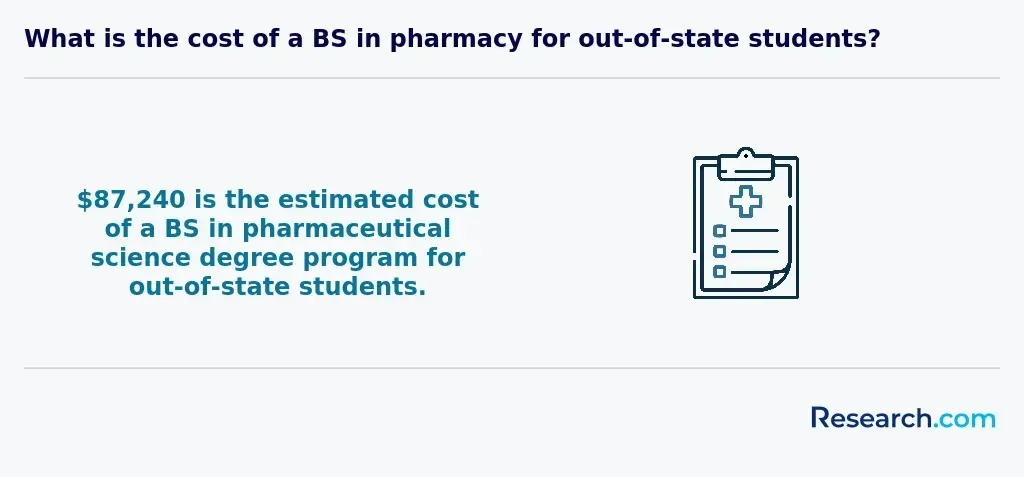
The cost of becoming a licensed pharmacist in Michigan includes pharmacy school tuition and fees, exam fees, licensing fees, background checks, study materials, travel or commuting for clinical rotations, and continuing education after licensure. The largest cost is usually the Pharm.D. program, which can often exceed $100,000 for a four-year program when tuition, fees, and required materials are included.
| Cost category | Amount stated | What to consider before paying |
| Pharm.D. education | Often exceeding $100,000 for a four-year program | Compare total cost of attendance, not only tuition; include fees, books, transportation, and living expenses |
| NAPLEX and MPJE examination expenses | Typically range from $300 to $500 | Budget for exam registration, preparation materials, and possible retesting costs |
| Michigan renewal fee | $61.20 every two years | Plan for renewal deadlines so the license does not lapse |
| Continuing education | Usually between $100 and $300 for each renewal cycle | Employer reimbursement, association membership, or online CE options may reduce out-of-pocket cost |
| Administrative costs | Varies | Background checks, fingerprinting, documentation, and application processing can add expenses |
How to evaluate whether pharmacy school is financially worth it
- Estimate total debt before enrollment: Include tuition, fees, living costs, interest, and lost wages if you study full time.
- Compare realistic salaries: Use Michigan salary ranges, employer type, and location instead of assuming the highest salary applies to every graduate.
- Ask about scholarships and assistantships: Institutional aid can affect the long-term return on investment.
- Understand residency implications: Some clinical or hospital career paths may favor residency training, which can affect early-career earnings and timeline.
- Check licensure fit: A lower-cost program is not a good value if it does not meet licensing requirements.
Students comparing healthcare careers should also review broader healthcare job education requirements to understand how pharmacy differs from nursing, counseling, allied health, and other clinical roles in cost, time, and licensure complexity.
Can I get my pharmacist’s license online in Michigan?
You can complete parts of the pharmacy education and licensing process online in Michigan, but you cannot become a fully licensed pharmacist through online coursework alone. Michigan requires professional pharmacy education, supervised practical experience, licensure examinations, and electronic application submission. Online or hybrid programs may provide flexibility, but clinical rotations and internship experiences must meet approved practice requirements.
Online and hybrid pharmacy education options mentioned in Michigan
- University of Michigan: The institution is described as offering an online Doctor of Pharmacy program that combines pharmacy theory with practical preparation for professional responsibilities.
- Wayne State University: The university offers an online Master of Science in Pharmacy focused on advanced pharmaceutical sciences, which may be useful for pharmacists seeking deeper specialization rather than initial licensure.
- Ferris State University: Ferris State is known for a hybrid Pharm.D. model that blends online coursework with required in-person clinical experiences.
| Pathway | What can be online | What still requires careful verification |
| Online Pharm.D. coursework | Some lectures, assignments, discussions, and academic support | Accreditation, experiential requirements, state licensure eligibility, and on-site attendance expectations |
| Hybrid Pharm.D. program | Selected didactic courses and remote learning components | Clinical rotations, labs, skills assessments, and supervised practice hours |
| Online license application | Michigan requires electronic submission of pharmacy license applications | Exam scores, background checks, education verification, fees, and internship documentation |
| Online continuing education | Many CE courses may be completed remotely | Whether the course satisfies Michigan renewal requirements and required subject areas |
The key question is not simply whether a program is online. The better question is whether the program prepares you for Michigan licensure, provides approved experiential training, and fits your schedule without compromising clinical readiness.
The vast majority of licensed and practicing pharmacists in the United States hold a Doctor of Pharmacy (Pharm.D.) degree. This professional degree has become the standard requirement for entry into the pharmacy profession, replacing the previously common Bachelor of Science in Pharmacy (B.S.Pharm.) degree.
What is the job description of a licensed pharmacist in Michigan?
A licensed pharmacist in Michigan is responsible for safe medication use, accurate dispensing, patient counseling, legal compliance, and collaboration with healthcare teams. The role varies by setting. A community pharmacist may focus heavily on prescriptions, immunizations, adherence, and patient questions, while a hospital pharmacist may participate in rounds, monitor complex drug therapy, and support inpatient medication safety.
Common pharmacist responsibilities in Michigan
- Dispensing medications: Pharmacists verify prescriptions, prepare or oversee preparation, confirm dosage and formulation, and ensure the medication is appropriate for the patient.
- Patient counseling: They explain how to take medications, identify side effects, review interactions, and answer questions about safe use.
- Clinical consultation: Pharmacists advise physicians, nurses, and other clinicians on medication selection, dosing, drug interactions, monitoring, and therapeutic alternatives.
- Inventory and controlled substance oversight: They manage medication supply, monitor storage and expiration, and follow legal requirements for controlled substances.
- Documentation and recordkeeping: Accurate records are essential for patient safety, reimbursement, audits, and regulatory compliance.
- Policy and procedure support: In hospitals, clinics, and large organizations, pharmacists may help write pharmacy protocols and improve medication safety systems.
- Team training: Pharmacists often educate technicians, students, nurses, and other staff on medication procedures and safety practices.
| Work setting | Typical focus | Skills that matter most |
| Community pharmacy | Dispensing, counseling, immunizations, adherence, medication access | Communication, speed with accuracy, patient education, workflow management |
| Hospital pharmacy | Inpatient medication management, dosing, clinical consultation, safety review | Clinical judgment, collaboration, documentation, acute care knowledge |
| Outpatient care center | Medication therapy management, chronic disease support, specialty care coordination | Patient monitoring, care planning, specialty medication knowledge |
| Industry or research | Drug development, regulatory support, medical information, pharmacovigilance | Scientific writing, data interpretation, compliance, project management |
| Administration or managed care | Formulary decisions, policy, quality improvement, utilization review | Analytics, leadership, health systems knowledge, regulatory awareness |
Technology is changing the job description. Automation may support dispensing workflows, while telepharmacy, electronic health records, AI-assisted medication review, and analytics tools can expand the pharmacist’s role in monitoring therapy and improving patient outcomes. These tools do not remove the need for judgment; they raise the importance of clinical interpretation, communication, and ethical decision-making.
What are the alternative career options for pharmacists in Michigan?
A Pharm.D. can lead to more than retail or hospital pharmacy. Pharmacists who want a different work environment can apply their medication expertise in education, research, regulation, consulting, behavioral health collaboration, informatics, industry, public health, or healthcare administration.
| Alternative path | How pharmacy training helps | When it may be a good fit |
| Teaching and academic pharmacy | Pharmacists understand medication science, clinical practice, and professional standards | You enjoy mentoring students, curriculum development, and scholarly work |
| Pharmaceutical research | Pharmacy education provides a foundation in pharmacology, therapeutics, and drug safety | You prefer scientific investigation, product development, or evidence generation |
| Regulatory affairs | Pharmacists are trained to understand medication laws, safety requirements, and documentation | You want to work on compliance, policy, approvals, or quality systems |
| Healthcare administration | Pharmacists understand clinical operations, medication budgets, and patient safety | You are interested in leadership, systems improvement, and organizational strategy |
| Independent consulting | Medication therapy management and pharmacogenomics expertise can support specialized services | You are entrepreneurial and comfortable building a client base |
| Mental health-adjacent roles | Pharmacists often counsel patients and understand psychiatric medications | You want to focus more deeply on behavioral health, counseling, or integrated care |
Pharmacists interested in behavioral health should understand that counseling careers have separate education and licensure rules. A useful starting point is this guide on How to become a mental health counselor in Michigan, which explains a different but potentially complementary clinical pathway.
What do I do if my pharmacist’s license expires in Michigan?
If your Michigan pharmacist license expires, do not continue practicing until your license status is resolved. Practicing without a valid license can expose professionals to serious consequences, including fines and potential criminal charges. The safest approach is to begin renewal early and confirm your status through the appropriate Michigan licensing system.
Steps to take if your Michigan pharmacist license is near expiration or has lapsed
- Check your license status immediately. Confirm whether the license is active, expired, or subject to additional requirements.
- Stop practicing if the license is not active. Do not assume a grace period applies without official confirmation.
- Log in to the online renewal system. Michigan renewal is handled electronically through the Bureau of Professional Licensing process.
- Verify continuing education completion. Pharmacists are not required to submit proof of CE with every renewal application, but they must retain documentation for three years in case of audit.
- Complete required training. Make sure human trafficking awareness and opioid management training requirements are satisfied.
- Pay the required renewal fee. The renewal fee is $61.20 every two years.
- Keep records after renewal. Save CE certificates, renewal confirmation, and correspondence in case you need them later.
| Common renewal mistake | Why it creates risk | Better approach |
| Waiting until the final week | Technical issues, missing CE, or payment problems can cause a lapse | Start renewal around 90 days before expiration when possible |
| Assuming CE proof is never needed | Documentation may be requested during an audit | Keep CE records for three years |
| Ignoring mandatory training updates | Renewal requirements can include specific topics beyond general CE | Track human trafficking awareness and opioid management training separately |
| Practicing after expiration | Unlicensed practice can lead to disciplinary and legal consequences | Confirm active status before returning to work |
Can pharmacists transition into marriage and family therapy roles in Michigan?
Pharmacists can move toward marriage and family therapy, but they must treat it as a separate licensed profession rather than an extension of pharmacy licensure. Pharmacy experience can be valuable because pharmacists already develop patient communication, medication counseling, confidentiality, and care coordination skills. However, therapy roles require counseling-specific education, supervised clinical training, and licensure that are distinct from pharmacy requirements.
This path may appeal to pharmacists who want to work more directly with family systems, behavioral health, relationship dynamics, and long-term therapeutic care. Before making the transition, compare the additional education timeline, supervised hours, licensing exams, and income expectations with your current pharmacy career. For a field-specific overview, review how to become a marriage and family therapist in Michigan.
What advanced degree or certification can further enhance my pharmacy career in Michigan?
Advanced education and certifications can help Michigan pharmacists move into specialized clinical practice, leadership, academia, research, industry, managed care, or informatics. The right credential depends on the role you want. A pharmacist aiming for hospital clinical practice may prioritize residency or board certification, while someone interested in administration may focus on healthcare management, quality improvement, or business-related training.
Pharmacists considering deeper academic preparation can explore what is the highest degree in pharmacy to understand how professional, graduate, and research-focused credentials differ. The best choice is the credential that aligns with a specific job target, not the one that simply sounds most advanced.
What specialized training can help pharmacists address substance abuse in Michigan?
Substance abuse care is a natural area for pharmacist involvement because medication safety, controlled substance monitoring, opioid education, adherence support, and patient counseling are central to pharmacy practice. Additional training can help pharmacists collaborate more effectively with addiction counselors, physicians, nurses, and behavioral health teams.
Pharmacists interested in a more direct counseling role must understand that substance abuse counseling has its own credentialing pathway. For a closer look at those requirements, see how to become a substance abuse counselor in Michigan. For pharmacists who remain in pharmacy practice, targeted training in opioid management, motivational interviewing, harm reduction, and medication-assisted treatment support may strengthen patient care.
How can supplementary training programs boost my pharmacy career in Michigan?
Supplementary training can make a pharmacist more effective in daily operations and more competitive for specialized roles. Useful areas include pharmacy workflow, technician supervision, sterile compounding, medication safety, informatics, inventory systems, quality improvement, compliance, leadership, and patient communication.
Some pharmacists also benefit from understanding technician education and scope because technicians are essential to pharmacy workflow. Reviewing accredited pharmacy technician programs online can help pharmacists who supervise teams better understand training pipelines, task delegation, and operational efficiency. Supplementary training is most valuable when it solves a real career problem, such as moving into management, improving patient services, or preparing for a new practice setting.
How can pharmacists collaborate with nurses to enhance patient care in Michigan?
Pharmacists and nurses often work together at the point where medication decisions become patient care actions. Nurses observe patient response, administer medications in many settings, educate patients, and identify changes in condition. Pharmacists contribute medication selection, dosing, interaction review, safety monitoring, and therapy optimization.
Strong collaboration can reduce medication errors, improve adherence, support discharge planning, and help patients understand complex medication regimens. Pharmacists who want better interprofessional teamwork should understand nursing education and licensure expectations. This guide to how to become a registered nurse in Michigan can help pharmacists appreciate nursing preparation and role boundaries.
Can expanding interdisciplinary skills boost a pharmacist's career in Michigan?
Yes. Interdisciplinary skills can help Michigan pharmacists move beyond dispensing-centered roles into clinical coordination, operations, compliance, informatics, payer relations, and leadership. Useful competencies include data analytics, health informatics, billing awareness, documentation standards, quality measurement, project management, and team communication.
For example, pharmacists working in clinics, specialty pharmacy, managed care, or administration may benefit from understanding reimbursement and documentation workflows. Learning about medical billing and coding in Michigan can help pharmacists communicate more effectively with revenue cycle teams and understand how clinical services connect to payment and compliance.
How are emerging healthcare innovations transforming pharmacist roles in Michigan?
Healthcare innovation is changing how pharmacists work in Michigan. Telepharmacy can extend pharmacy access, electronic health records improve medication visibility, analytics can identify adherence or safety concerns, and AI-supported tools may help flag interactions or therapy risks. These technologies can improve workflow, but they also require pharmacists to validate information, protect patient privacy, and apply professional judgment.
As pharmacists take on more medication management and care coordination responsibilities, their work increasingly overlaps with other advanced clinical roles. Comparing pharmacy evolution with pathways such as how to become a nurse practitioner in Michigan can clarify how different professionals contribute to expanded patient care models.
What professional organizations and support networks can help licensed pharmacists in Michigan?
Professional organizations can help pharmacists stay current, meet peers, find mentors, access continuing education, learn about regulatory changes, and explore leadership opportunities. State pharmacy associations, national pharmacy organizations, alumni networks, employer-based committees, residency networks, and interprofessional groups can all support career development.
Pharmacists who work closely with nursing teams may also benefit from understanding education networks connected to top nursing schools in Michigan. Interprofessional relationships can create opportunities for collaborative practice, patient education projects, quality improvement, and integrated care initiatives.
How do pharmacist licensure requirements compare with nursing licensure requirements in Michigan?
Pharmacists and nurses both need state licensure, but their preparation focuses on different responsibilities. Pharmacist licensure emphasizes medication science, pharmacotherapeutics, dispensing, drug safety, pharmacy law, and medication-related clinical decision-making. Nursing licensure emphasizes direct patient care, clinical assessment, care planning, bedside procedures, patient advocacy, and holistic health support.
| Comparison area | Pharmacist pathway | Nursing pathway |
| Primary clinical focus | Medication therapy, safety, dispensing, counseling, and pharmacology | Patient assessment, direct care, care coordination, and health education |
| Typical professional education | Doctor of Pharmacy preparation | Nursing education aligned with the intended nursing license level |
| Licensure emphasis | NAPLEX, pharmacy law, supervised pharmacy experience, and state pharmacy rules | Nursing exams, clinical preparation, and state nursing rules |
| Collaboration point | Medication optimization and drug information | Patient monitoring, administration support, and care implementation |
Understanding the distinction helps pharmacists collaborate effectively rather than duplicate nursing responsibilities. For a closer look at the nursing side, review Michigan nursing licensure requirements.
How much do licensed pharmacists in Michigan make?
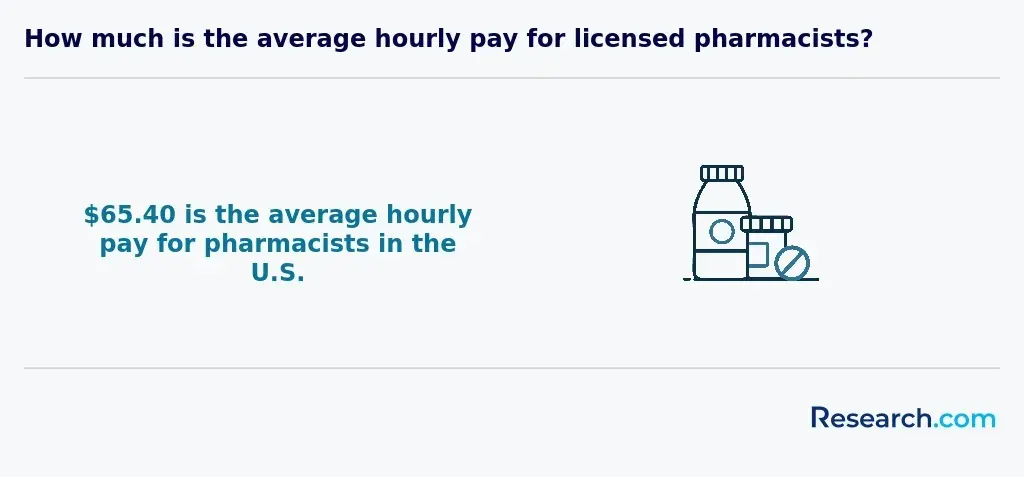
As of May 2023, pharmacists in Michigan earn an average annual salary of around $132,570, or approximately $63.74 per hour. The typical salary range stated for Michigan pharmacists runs from $63,740 to $148,550 annually, depending on experience, employer, setting, specialization, and role responsibilities. Pharmacists in outpatient care centers may earn as much as $164,180 per year.
| Salary measure | Michigan figure stated | What it means for career planning |
| Average annual salary | Around $132,570 | Useful for broad planning, but not a guarantee for new graduates |
| Average hourly wage | Approximately $63.74 | Helpful when comparing full-time, part-time, and hourly roles |
| Annual salary range | $63,740 to $148,550 | Shows that role type, experience, and setting can significantly affect earnings |
| Outpatient care center potential | As much as $164,180 per year | Specialized or high-demand settings may pay more, but access can be competitive |
Factors that can influence pharmacist pay in Michigan
- Practice setting: Retail, hospital, outpatient, specialty, managed care, industry, and administrative roles may pay differently.
- Experience level: More experienced pharmacists often qualify for higher-responsibility roles, which can improve compensation.
- Specialized expertise: Training in areas such as oncology, pediatrics, informatics, ambulatory care, or specialty pharmacy can strengthen earning potential.
- Leadership duties: Pharmacy managers, clinical coordinators, directors, and administrators may earn more because they oversee people, budgets, compliance, and systems.
- Geography and employer demand: Pay can vary across Michigan based on local labor needs and employer type.
Students should compare expected earnings with total pharmacy school cost. A high average salary does not automatically make every program affordable, especially if debt is high or the graduate needs additional training before entering a preferred role.
What is the job outlook for licensed pharmacists in Michigan?
The job outlook for licensed pharmacists in Michigan is shaped by several forces: demand for medication management, an aging population, expansion of healthcare services, technology-driven workflow changes, and shifts in where prescriptions are filled. Nationally, employment opportunities for pharmacists are expected to increase by around 5% over the next decade, with approximately 18,300 new pharmacist positions nationwide and around 14,200 openings each year primarily due to retirements and career transitions.
- Aging population: Michigan's aging population increases the need for medication review, chronic disease management, and counseling on complex regimens.
- Expanded healthcare delivery: Hospitals, clinics, outpatient care centers, community pharmacies, and specialty services continue to rely on pharmacists for medication expertise.
- Changing pharmacy operations: Automation and centralized dispensing may reduce some routine tasks, while clinical services and medication management can create new responsibilities.
- Broader care teams: Pharmacists who can collaborate with prescribers, nurses, behavioral health professionals, and public health teams may be better positioned for emerging roles.
States with larger populations generally have a higher demand for healthcare services, including pharmacy services. The Pharmacy Workforce Center provided data on which states has the highest number of job postings for all pharmacist positions.
What career paths are available to licensed pharmacists who want to transition into other healthcare fields in Michigan?
Licensed pharmacists who want to transition into another healthcare field should begin by identifying whether they want a related role that builds on pharmacy expertise or a separate licensed profession that requires new education. Related transitions may include informatics, managed care, public health, administration, pharmaceutical industry, regulatory affairs, or medication safety. Separate licensed professions may include counseling, nursing, dietetics, or therapy-related fields.
Pharmacists interested in mental health and therapeutic support can explore How to become a therapist in Michigan. That pathway is different from pharmacy licensure, but pharmacy experience with patient counseling, psychiatric medications, adherence, and confidentiality may provide useful preparation.
What is a licensed pharmacist’s career path in Michigan?
A pharmacist’s career path in Michigan usually begins with pharmacy education and licensure, then branches into practice settings and advanced roles based on interests, training, and experience. Some pharmacists remain in community practice and become managers or owners. Others enter hospitals, outpatient clinics, specialty pharmacy, managed care, academia, research, industry, informatics, or administration.
| Career stage | Main objective | Examples of next steps |
| Pre-pharmacy student | Complete prerequisites and confirm fit for the profession | Shadow pharmacists, work as a technician if possible, compare pharmacy schools |
| Pharm.D. student | Build medication knowledge and clinical skills | Complete rotations, network with preceptors, prepare for internship and exams |
| Licensure candidate | Meet Michigan requirements | Document at least 1,600 internship hours, pass NAPLEX and law requirements, apply through LARA |
| Entry-level pharmacist | Gain practice confidence and identify preferred setting | Work in community, hospital, clinic, outpatient, or specialty settings |
| Experienced pharmacist | Specialize or lead | Pursue certifications, residency, management, informatics, research, or administration |
| Advanced professional | Influence systems and patient outcomes | Lead pharmacy teams, develop protocols, teach, consult, or shape medication policy |
Common mistakes to avoid when planning a pharmacy career in Michigan
- Choosing a program without confirming accreditation: Licensure depends on recognized preparation, so accreditation should be checked before enrollment.
- Looking only at tuition: Total cost includes fees, books, housing, transportation, exam costs, licensing fees, and interest on loans.
- Assuming all online programs meet licensure requirements: Online flexibility does not replace required supervised practice and state eligibility rules.
- Ignoring transfer credit policies: Students with prior college coursework should ask what transfers before committing to a program.
- Waiting too long to plan internship hours: Poor documentation or incomplete hours can delay licensure.
- Relying only on rankings: A highly ranked school may not be the best fit if it is too expensive, lacks desired rotations, or does not match your career goals.
- Assuming salary outcomes are guaranteed: Salary depends on setting, role, geography, experience, specialization, and labor market conditions.
Can integrating nutritional expertise boost my pharmacy career in Michigan?
Nutritional expertise can strengthen a pharmacist’s ability to support patients with diabetes, cardiovascular disease, obesity, medication-food interactions, supplementation questions, and lifestyle-related treatment plans. Pharmacists should be careful not to practice outside their scope, but additional nutrition training can improve counseling and collaboration with dietitians, physicians, and chronic care teams.
Pharmacists who want formal nutrition credentials or a separate dietetics pathway can review how to become a registered dietician in Michigan. For many pharmacists, the best approach is interdisciplinary collaboration: provide medication expertise, understand nutrition basics, and refer patients to dietitians when they need individualized dietary therapy.
Here’s What Pharmacists Have to Say About Becoming a Licensed Pharmacist in Michigan
-
: "
The Michigan licensure process required serious preparation, but the combination of classroom training, supervised practice, and exam review helped me feel ready for patient care. The support I received from classmates, preceptors, and faculty made the process manageable. Robin
"
-
: "
Licensing in Michigan is demanding for a reason. The process reinforced how much responsibility pharmacists carry when they counsel patients, verify medications, and make safety decisions. Receiving my license felt like both an achievement and a commitment. Martin
"
-
: "
What stood out to me was how quickly pharmacy practice is changing. Technology, patient care services, and team-based healthcare have created opportunities I did not fully understand when I started school. Michigan gave me room to grow into a role that fits my strengths. Emily
"
Related Articles for Nearby States
- 2027 How to Become a Licensed Pharmacist in Ohio
- 2027 How to Become a Licensed Pharmacist in Indiana
- 2027 How to Become a Licensed Pharmacist in Wisconsin
- 2027 How to Become a Licensed Pharmacist in Illinois
- 2027 How to Become a Licensed Pharmacist in Minnesota
- 2027 How to Become a Licensed Pharmacist in Pennsylvania
- 2027 How to Become a Licensed Pharmacist in Kentucky
- 2027 How to Become a Licensed Pharmacist in West Virginia
- 2027 How to Become a Licensed Pharmacist in Iowa
- 2027 How to Become a Licensed Pharmacist in Missouri
Key Insights
- The basic path is clear: Michigan pharmacist licensure requires a Pharm.D., at least 1,600 supervised internship hours, required exams, an online application, fees, and good moral character review.
- Plan for five to eight years: The full timeline depends on prerequisites, program format, internship completion, exam preparation, and application processing.
- Online options can help, but they do not replace clinical training: Hybrid and online coursework may add flexibility, but licensure still requires approved experiential preparation and exams.
- Cost should be evaluated against realistic earnings: Pharmacy school can often exceed $100,000 for a four-year program, while Michigan pharmacists earn an average annual salary of around $132,570 as of May 2023.
- Renewal is part of the career: Michigan pharmacists must complete 30 hours of continuing education every two years and pay the $61.20 renewal fee.
- The best career path depends on setting and specialization: Community pharmacy, hospital pharmacy, outpatient care, industry, research, informatics, administration, and consulting all use pharmacy training differently.
- Do not choose a school based on convenience alone: Confirm accreditation, licensure eligibility, rotation quality, total cost, student support, and career outcomes before enrolling.
- Technology is changing the profession: AI tools, electronic records, telepharmacy, and automation make clinical judgment, communication, ethics, and interdisciplinary collaboration even more important.
References:
- bls.gov (2024). Pharmacists. BLS.
- michigan.gov (N.D.). 3. Do I have to send in proof of completing the continuing education (CE) requirements with my renewal application?. michigan.gov.
- op.nysed.gov (N.D.). License Requirements. op.nysed.gov.
- prehealth.natsci.msu.edu (N.D.). Michigan Pharmacy Schools. prehealth.natsci.msu.edu.
Other Things You Should Know About Becoming a Licensed Pharmacist in Michigan
The Michigan Board of Pharmacy, within the Department of Licensing and Regulatory Affairs, issues pharmacist licenses. Applicants must also meet national testing requirements, including the NAPLEX and the MPJE for Michigan law, before the state can grant licensure.
To become a licensed pharmacist in Michigan in 2027, you must earn a Doctor of Pharmacy (Pharm.D.) degree from a pharmacy program accredited by the Accreditation Council for Pharmacy Education (ACPE). This typically requires at least six years of post-secondary education.


