
2027 Michigan Nursing License Requirements

Co-Founder and Chief Data Scientist
Getting a nursing license in Michigan is not just an administrative step. It determines whether you can legally work as an LPN, RN, or advanced practice nurse in the state, where 102,240 nurses are already employed. The process can feel confusing because it involves education approval, exams, background checks, online applications, renewals, and, for some applicants, endorsement from another state.
This guide explains the Michigan nursing license process in practical terms. You will learn which license fits your career goal, what requirements to check before applying, how the MiPLUS application works, how renewal and continuing education fit into long-term practice, and what decisions can affect your cost, timeline, and career mobility.
Quick Answer: Michigan Nursing License Basics
- State licensing authority. Nursing licenses in Michigan are regulated by the Michigan Board of Nursing through the Department of Licensing and Regulatory Affairs (LARA).
- Required exam. New nurse applicants must pass the appropriate National Council Licensure Examination: NCLEX-RN for registered nurses or NCLEX-PN for practical nurses.
- Education requirement. Applicants must graduate from an approved nursing program. Practical nursing programs may include a minimum of 60 credit hours, while registered nurse preparation may include associate or bachelor’s degree pathways depending on the program and role.
- Application method. Michigan nursing license applications are submitted online through LARA’s MiPLUS system. Applicants should expect to provide education documentation, clinical training information when required, fingerprints, and an application fee of approximately $200.
- Background check. Michigan requires a criminal background check. Felony convictions can affect eligibility, so applicants with prior records should review state guidance before investing in a program.
- What does a Michigan nursing license allow you to do?
- Which Michigan nursing license should you pursue?
- What requirements must Michigan nursing applicants meet?
- How do you submit a Michigan nursing license application?
- When do Michigan nurses renew their licenses?
- Can nurses with a Compact license work in Michigan?
- How do out-of-state nurses get licensed in Michigan?
- How should you prepare for the NCLEX in Michigan?
- How long does it take to become an RN in Michigan?
- How can mentorship and networking support a Michigan nursing career?
- How should you plan financially for a nursing pathway in Michigan?
- What continuing education options help Michigan nurses stay current?
- Which specialty certifications can strengthen a nursing career in Michigan?
- Can another healthcare license complement nursing practice?
- What are the LPN requirements in Michigan?
- Can non-clinical credentials help Michigan nurses?
- How can Michigan nurses advance their careers?
- What should future nurse midwives in Michigan know?
- What are the career options for LVNs and LPNs in Michigan?
- How do you choose an entry-level nursing program in Michigan?
- Where can you compare nursing schools in Michigan?
- How can online bridge programs help working nurses?
- Why should applicants review NCLEX pass rates?
- What trends are shaping nursing opportunities in Michigan?
What is a Michigan nursing license and why is it necessary?
A Michigan nursing license is the state-issued credential that authorizes a person to practice nursing within Michigan’s legal and professional boundaries. It shows that the nurse has completed an approved education pathway, met background check requirements, and demonstrated entry-level competence through the required licensing exam.
The Michigan Board of Nursing, operating under LARA, uses licensure to protect patients and define who may provide nursing care. Without the appropriate Michigan license or recognized multistate authority, a nurse cannot legally perform licensed nursing duties in the state.
A license matters for three practical reasons:
- Patient safety. Licensure limits nursing practice to individuals who have met education, examination, and conduct standards.
- Clear professional standards. Michigan’s process sets minimum expectations for nursing education, clinical preparation, examination, and ongoing practice.
- Accountability. Licensed nurses are responsible for their clinical decisions, documentation, patient communication, and professional conduct.
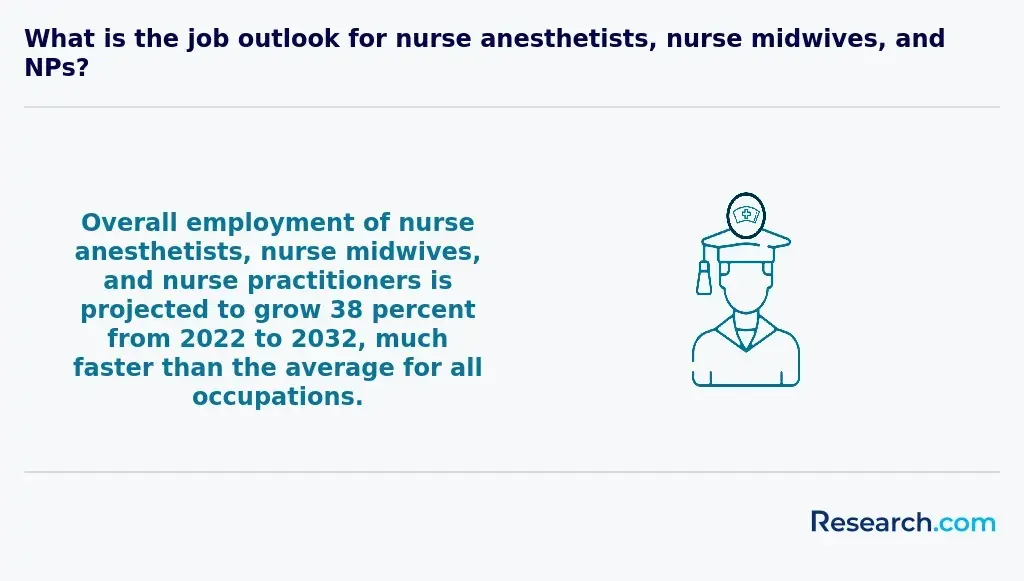
Licensure also becomes more important as nurses move into advanced roles. In 2022, approximately 323,900 jobs were held by nurse anesthetists, nurse midwives, and nurse practitioners, showing why states closely regulate advanced nursing preparation and scope of practice.
If your long-term goal includes advanced practice, it is also useful to understand income expectations and regional differences. Research.com’s guide to DNP salary can help you compare how earnings may vary for nurses who continue into doctoral-level practice.
What types of nursing licenses are available in Michigan?
Michigan nursing applicants usually choose among three major license levels. The right option depends on how quickly you want to enter the workforce, how much responsibility you want, and whether you plan to pursue advanced clinical authority later.
| License type | Typical preparation | Common responsibilities | Best fit for |
| Licensed Practical Nurse (LPN) | State-approved practical nursing program, often around 40 weeks | Basic patient care, medication administration, vital sign monitoring, assistance with daily care, and care delivered under RN or physician supervision | Students who want a faster entry point into nursing and may later bridge into RN education |
| Registered Nurse (RN) | Associate degree or bachelor’s degree in nursing from an accredited institution | Patient assessment, care planning, medication administration, coordination with care teams, patient education, and management of more complex clinical situations | Students who want broader clinical responsibility, more workplace options, and a foundation for graduate nursing roles |
| Advanced Practice Registered Nurse (APRN) | Master’s degree or higher in nursing | Advanced clinical assessment, diagnosis and treatment within role authority, prescribing when authorized, and specialty care as a nurse practitioner, clinical nurse specialist, nurse anesthetist, or nurse midwife | Experienced RNs who want advanced clinical, leadership, or specialty practice roles |
Each pathway requires a national examination at the appropriate level. LPN candidates take the NCLEX-PN, and RN candidates take the NCLEX-RN. APRNs must meet additional graduate education, certification, and state recognition requirements for their specialty area.
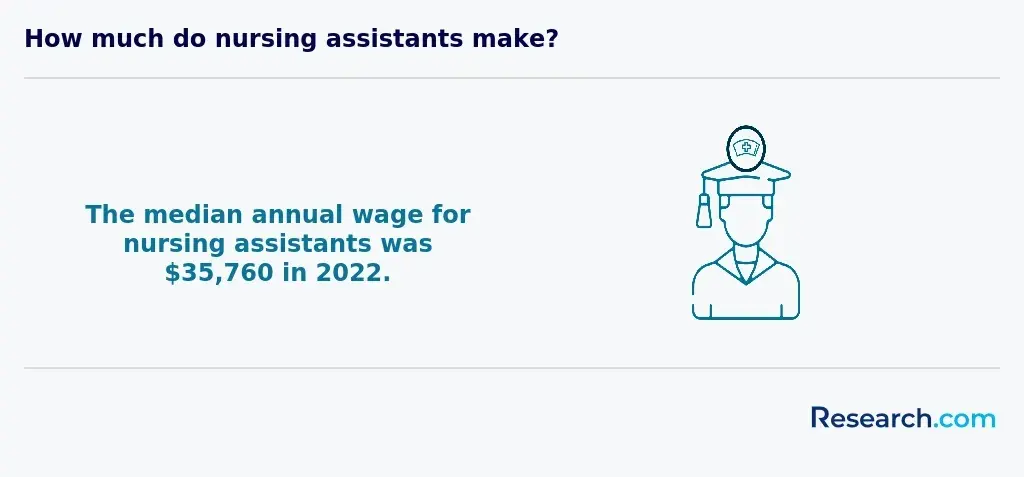
Students comparing RN and advanced practice routes may also want to review how the RN pathway can lead toward graduate practice, including how to go from RN to nurse practitioner. Demand across the broader healthcare workforce is also shaped by support roles; approximately 209,400 openings for nursing assistants and orderlies are projected annually over the next decade.
When comparing license types, do not choose only by speed. LPN training may get you working sooner, while RN education often creates more long-term flexibility. APRN roles require more time and cost but can lead to expanded scope and specialized practice.
What are the requirements for a Michigan nursing license?
Michigan nursing license requirements depend on the license level, but most applicants must complete an approved nursing education program, pass the correct NCLEX exam, submit an online application, and complete fingerprinting for a criminal background check.
Core requirements for new applicants
- Approved nursing education. Candidates must graduate from a nursing program accepted by Michigan. Programs may hold accreditation through organizations such as the Accreditation Commission for Education in Nursing (ACEN) or the Commission on Collegiate Nursing Education (CCNE).
- Classroom and clinical preparation. Nursing education must combine theory with supervised clinical experience so graduates can safely apply patient care concepts in real settings.
- NCLEX examination. RN applicants take the NCLEX-RN, while practical nursing applicants take the NCLEX-PN.
- Identity and background screening. Applicants must complete fingerprinting and a criminal background check as part of the licensing process.
- Documentation. Michigan may require transcripts, license verification, program confirmation, or other proof depending on whether the applicant is new, endorsed from another state, Canadian-licensed, or internationally educated.
Nurses licensed in another state or Canada for less than five years may need to provide additional records, such as current license verification and a confirmation letter from the nursing program showing that the education aligns with Michigan standards.
If you are already an RN and want to continue your education, review program requirements carefully. Some completion programs, including an RN to BSN without clinicals, are designed for licensed nurses and may differ from pre-licensure BSN programs that prepare students for initial RN licensure.
Common mistake to avoid
Do not assume that every nursing program advertised online qualifies you for Michigan licensure. Before enrolling, confirm that the program is approved for your intended license level and that its clinical requirements match Michigan expectations.
How do you apply for a nursing license in Michigan?
Michigan uses an online licensing process through the Michigan Professional Licensure User System, known as MiPLUS. Applicants should prepare documents before starting so they can avoid delays caused by missing transcripts, incomplete background checks, or incorrect exam information.
Step-by-step Michigan nursing license application process
- Create a MiPLUS account. Register in the Michigan Professional Licensure User System and select the correct nursing application type.
- Submit education proof. Provide documentation showing that you completed the required nursing program for your license category.
- Complete fingerprinting. Follow Michigan’s instructions for fingerprint submission and criminal background screening.
- Pay required fees. Budget for the application fee and any related background check or processing fees. The application fee is approximately $200.
- Register for the NCLEX when applicable. First-time LPN and RN applicants must take the appropriate NCLEX exam.
- Monitor your application. Use MiPLUS to check status updates and respond quickly if LARA requests additional information.
After you submit all required items, approval may take several weeks. Michigan issues nursing licenses electronically unless a paper license is requested.
| Application item | Why it matters | What can delay approval |
| Correct license application | Ensures LARA reviews you under the right pathway | Choosing RN instead of LPN, endorsement instead of examination, or another incorrect category |
| Education documentation | Confirms you completed required nursing preparation | Missing transcripts or program information |
| Fingerprinting | Allows Michigan to complete the required background check | Late fingerprint submission or mismatched applicant information |
| NCLEX eligibility | Shows you are ready for the licensing exam | Failure to complete registration or unresolved education verification |
| Fee payment | Allows processing to continue | Unpaid or incorrect fees |
Some students also explore related healthcare credentials while planning a nursing career. For example, cheap online medical billing and coding courses may be useful for people interested in healthcare administration, claims, or revenue cycle roles, although they do not replace nursing licensure.
How often do you need to renew your nursing license in Michigan?
Michigan nursing licenses must be renewed every two years. Renewal is usually less complex than first-time licensure, but nurses should not treat it as automatic. Missing renewal deadlines can interrupt employment and may require additional steps to return to active status.
What to prepare for renewal
- Online renewal. Nurses renew through Michigan’s licensing portal, the same general system used for licensing applications.
- Continuing education. Renewal requires completion of the state’s required continuing education. Nurses should keep records in case documentation is requested.
- Renewal fees. Budget for state renewal costs and any continuing education expenses.
- Deadline tracking. Renew before the expiration date to avoid a lapse in practice authority.
Renewal is also a career planning checkpoint. It is a good time to review whether your current role still fits your goals, whether a specialty certification would improve mobility, or whether additional education could support advancement. Licensed practical and vocational nurses are projected to grow by 5 percent from 2022 to 2032, making active licensure important for nurses who want to remain competitive.
Nurses considering a faster path to a bachelor’s degree can compare accelerated BSN programs, especially if they already hold college credits or a degree in another field.
Can a Compact nurse practice in Michigan?
The Nurse Licensure Compact (NLC) allows eligible RNs and LPNs/VNs to practice in participating states using one multistate license issued by their primary state of residence. The compact was enacted in 2000 and currently includes 39 states.
Michigan joined the NLC on January 1, 2021. A nurse who holds a valid multistate license from a compact home state may be able to practice in Michigan without applying for a separate single-state Michigan license, provided the nurse meets compact rules and practices within Michigan’s laws.
Compact practice is especially useful for travel nurses, telehealth nurses, and nurses who live near state borders. However, compact status depends on the nurse’s primary state of residence and the license type. APRN authorization is handled separately, so advanced practice nurses should verify Michigan requirements before accepting a role.
How can nurses licensed in other states obtain a license in Michigan?
Nurses who already hold a license in another state may apply for Michigan licensure by endorsement. Endorsement allows qualified nurses to seek a Michigan license without retaking the NCLEX, assuming they meet state requirements.
Endorsement checklist for U.S.-licensed nurses
- Submit the endorsement application. Complete the Michigan Board of Nursing application through the state’s online licensing system.
- Verify your current license. Provide license verification from the state where you are currently licensed.
- Complete fingerprinting. Michigan requires a criminal background check for endorsement applicants.
- Provide education or practice documentation if requested. Some applicants, including those licensed for a shorter period, may need additional verification.
Additional steps for internationally educated nurses
- Credential review. Foreign-educated applicants may need an evaluation showing that their nursing education is equivalent to U.S. standards.
- English language proof. Applicants whose education was not in English may be asked to demonstrate English proficiency through an accepted exam such as the TOEFL.
The safest approach is to gather license verification, education records, identity documents, and background check information before submitting the application. Incomplete endorsement applications are a common source of delays.
What tips and resources can help you through the licensing exam in Michigan?
The NCLEX is the main exam barrier for new LPN and RN applicants. Passing requires more than memorizing facts; the exam tests whether you can make safe, priority-based decisions in clinical scenarios.
Practical NCLEX preparation tips
- Start with the official requirements. Review Michigan Board of Nursing instructions so you understand application timing, authorization to test, and documentation rules.
- Use NCLEX-style practice questions. Practice exams help you adjust to question formats and identify weak areas before test day.
- Build a study calendar. Divide content into manageable weekly goals instead of cramming near the exam date.
- Review rationales, not just answers. Understanding why an option is correct improves clinical judgment.
- Join a professional community. Groups such as the Michigan Nurses Association (MNA) or the Michigan League for Nursing (MLN) may provide networking, mentorship, and professional development opportunities.
- Protect your energy. Sleep, breaks, and realistic study blocks matter. Exhaustion can weaken decision-making on exam day.
| Preparation resource | How it helps | Best used when |
| Michigan Board of Nursing guidance | Clarifies application and eligibility rules | Before applying and while waiting for testing authorization |
| NCLEX question banks | Builds familiarity with exam-style clinical judgment questions | After core nursing content has been covered |
| Faculty or school review sessions | Targets common weaknesses seen in recent graduates | During the final semester or after graduation |
| Peer study groups | Adds accountability and explanation practice | When group members stay focused and use reliable materials |
| Mentorship | Offers practical advice from licensed nurses | When preparing for both the exam and first nursing job |
How long does it take to become a registered nurse in Michigan?
Becoming a registered nurse in Michigan generally takes two to four years, depending on the education route you choose.
- An Associate Degree in Nursing (ADN) usually takes two years, while a Bachelor of Science in Nursing (BSN) generally takes four years.
- After graduation from an accredited program, the applicant must pass the NCLEX-RN to receive RN licensure.
- Michigan also requires education proof and a criminal background check, which can add processing time after graduation.
The shortest route is not always the best route. ADN programs can be a faster entry point, while BSN programs may be preferred for certain hospital, leadership, public health, or graduate school pathways.
| RN pathway | Typical timeline | Main advantage | Potential limitation |
| ADN | Two years | Often quicker entry into RN practice | May require later BSN completion for some advancement goals |
| BSN | Four years | Broader preparation and stronger foundation for graduate study | Usually takes longer before first RN employment |
| Bridge or completion program | Varies by prior license and credits | Can help working nurses advance without starting over | Requires careful review of transfer credits and clinical expectations |
How can mentorship and networking boost my nursing career in Michigan?
Mentorship helps new and experienced nurses make better career decisions. A mentor can explain how to prepare for clinical interviews, choose a specialty, handle difficult patient care situations, meet documentation expectations, and plan for promotion or graduate school.
Networking also matters because many nursing opportunities come through hospitals, community clinics, alumni groups, professional organizations, and clinical placement sites. Students considering advanced practice can look for programs that integrate faculty support, clinical preceptors, and alumni connections. Research.com’s guide to nurse practitioner programs in Michigan can help future APRNs compare education options that may support that next step.
How do financial considerations impact nursing career pathways in Michigan?
Cost should be part of every nursing decision. Tuition is only one expense. Students may also pay for books, uniforms, simulation supplies, background checks, immunizations, transportation to clinical sites, exam fees, licensing fees, and lost work hours if the program is full time.
Community colleges may offer lower-cost ADN or LPN pathways, while universities may charge more for BSN programs. Scholarships, grants, federal student loans, employer tuition reimbursement, and loan repayment programs can reduce the burden, but each option has eligibility rules.
Advanced practice routes require even more planning. Prospective nurse practitioners should factor in tuition, certification exams, licensing, clinical placement logistics, and possible travel or residency-related expenses. If you are comparing advanced practice options, review guidance on how much does it cost to become a nurse practitioner in Michigan before committing to a program.
Financial questions to ask before enrolling
- Is the program approved for Michigan licensure?
- What is the total cost beyond tuition?
- Are clinical sites close enough to avoid major travel costs?
- Can prior credits transfer?
- Does the school publish NCLEX outcomes?
- Does your employer offer tuition reimbursement?
- Will the degree qualify you for your intended next role?
Higher degrees such as an MSN or DNP can support expanded roles, but they are not automatically the right investment for every nurse. Compare the cost, time away from work, job requirements, and realistic local opportunities before enrolling.
What are the continuing education and professional development opportunities for Michigan nurses?
Continuing education keeps Michigan nurses aligned with current patient care practices, technology, ethics, safety expectations, and regulatory updates. Hospitals, colleges, professional associations, health systems, and online providers may offer workshops, certificate courses, and self-paced modules in areas such as critical care, telehealth, pediatrics, geriatrics, and leadership.
Professional development should be strategic. A nurse planning to move into emergency care may benefit from different training than a nurse who wants case management, nurse education, or advanced practice. For a broader roadmap from first credential to career growth, review how to become a nurse in Michigan.
What specialized certifications can boost my nursing career in Michigan?
Specialty certifications can help nurses demonstrate focused expertise beyond basic licensure. They may be useful in areas such as critical care, pediatrics, oncology, emergency nursing, geriatrics, informatics, case management, and women’s health, depending on the nurse’s experience and employer expectations.
Certifications are most valuable when they match your actual career target. A nurse who wants ICU work should prioritize different credentials than someone moving into public health or ambulatory care. Nurses changing roles may also consider structured bridge options. For example, a medical assistant to LPN bridge program online can help healthcare workers move toward licensed practical nursing when the program meets licensure requirements.
Can additional healthcare licenses complement my nursing career in Michigan?
Some nurses expand their career options by adding a second healthcare credential, especially if they are interested in education, administration, informatics, pharmacy collaboration, public health, or compliance. A second license should not be chosen casually, because it can require major time, tuition, exams, and separate renewal obligations.
Pharmacy is one example of a related but distinct healthcare profession. Nurses interested in medication systems, interprofessional care, or a long-term career shift can review how to become a licensed pharmacist in Michigan to understand how that pathway differs from nursing.
What are the requirements to become a LPN in Michigan?
To become an LPN in Michigan, applicants must complete a state-approved practical nursing program, pass the NCLEX-PN, complete required background screening, and satisfy the Michigan Board of Nursing’s administrative requirements. LPN training focuses on foundational bedside care, medication administration within scope, vital signs, documentation, communication, and supervised patient support.
For a more focused explanation of this pathway, see Research.com’s guide: What are the requirements to become a LPN in Michigan?
Can non-clinical certifications boost my nursing career in Michigan?
Non-clinical credentials can be useful for nurses who want to move into utilization review, healthcare operations, coding education, compliance, case management, revenue cycle coordination, or leadership. They do not replace nursing licensure, but they can make a nurse more competitive for roles that combine clinical knowledge with administrative decision-making.
For nurses interested in documentation, reimbursement, and claims processes, a medical billing and coding certification in Michigan may provide relevant knowledge for non-bedside healthcare roles.
What are the career advancement options for nurses in Michigan?
Michigan nurses can advance through education, specialty credentials, clinical experience, leadership training, and role changes. The best path depends on whether you want higher clinical authority, a specialty unit, a management role, or a non-bedside career.
- Earn a higher degree. LPNs may bridge to RN programs; RNs may pursue a BSN, MSN, or DNP depending on career goals.
- Pursue specialty certification. Certifications in critical care, oncology, pediatrics, emergency nursing, and other areas can document advanced knowledge.
- Move into leadership. Nurse manager, director of nursing, and executive roles require clinical credibility plus communication, staffing, budgeting, and quality improvement skills.
- Teach or mentor. Experienced nurses can support students, new graduates, and clinical teams through precepting, staff education, or academic roles.
- Shift into non-bedside work. Case management, informatics, quality improvement, insurance review, and compliance roles may suit nurses who want to use clinical judgment outside direct bedside care.
| Goal | Pathway to consider | Decision point |
| Enter nursing quickly | LPN or ADN | Can you later bridge if you want RN or BSN roles? |
| Work in broader RN roles | ADN or BSN | Do your target employers prefer or require a BSN? |
| Become an APRN | BSN to MSN or DNP pathway | Does the program meet certification and state requirements? |
| Lead teams | BSN/MSN plus management experience | Are you prepared for staffing, quality, and budget responsibilities? |
| Leave bedside care | Certification or graduate study in administration, informatics, education, or case management | Will the credential match real job postings? |
What are the career opportunities and pathways for nurse midwives in Michigan?
Nurse midwives provide care related to reproductive health, pregnancy, labor, birth, postpartum recovery, and newborn support within their authorized scope. They may work in hospitals, birth centers, clinics, community health settings, and collaborative practices.
This pathway requires advanced nursing education, supervised clinical training, certification, and Michigan authorization for the role. Prospective students should review the educational requirements for a nurse midwife in Michigan before applying to a graduate program. Nurse midwifery can also lead to roles in clinical leadership, maternal health policy, patient education, and community health programs.
What are the career advancement opportunities for LVNs in Michigan?
Michigan commonly uses the title Licensed Practical Nurse (LPN), while Licensed Vocational Nurse (LVN) is used in some other states. If you trained or worked under the LVN title elsewhere, review Michigan’s licensing terminology and endorsement requirements before applying.
LPNs who want to advance often pursue LPN-to-RN, LPN-to-BSN, specialty training, long-term care leadership, or clinical coordination roles. Mentorship, strong employer references, and continuing education can also help practical nurses move into higher-responsibility positions. For more detail on terminology and pathway planning, see how to become an LVN in Michigan.
Navigating Entry-Level Nursing Programs in Michigan: Choosing the Right Pathway
Choosing a nursing program is one of the most important decisions in the licensing process. The wrong program can delay licensure, increase debt, or leave you unprepared for the NCLEX. The right program should match your career goal, budget, academic background, and schedule.
Factors to Consider When Choosing a Nursing Program
- Licensure alignment. Confirm that the program prepares graduates for the Michigan license you want.
- Admission requirements. Prerequisites vary by school. Some programs require science courses, entrance exams, healthcare experience, or minimum GPA standards. Students looking for more accessible options can compare guidance on what is the easiest nursing school to get into.
- Program length. ADN programs typically take 2-3 years, while BSN programs may take up to 4 years.
- Clinical placement quality. Strong clinical experiences help students build confidence and apply classroom learning in real patient care settings.
- NCLEX preparation. Ask how the school supports exam readiness, remediation, and student progression.
- Total cost. Compare tuition, fees, books, transportation, supplies, and lost work time.
- Flexibility. Working adults may need evening, weekend, hybrid, or part-time options, but online convenience should never override licensure eligibility.
Common mistakes when choosing a nursing program
- Choosing a school without confirming state approval or accreditation.
- Looking only at tuition instead of total cost.
- Assuming online coursework means the program has no clinical requirements.
- Ignoring transfer credit rules.
- Relying only on rankings instead of program outcomes, support, and licensure fit.
- Choosing the fastest option without considering long-term advancement goals.
What are the best nursing schools in Michigan for aspiring nurses?
The best nursing school is not necessarily the most famous one. It is the school that is approved for your license goal, offers strong clinical training, supports NCLEX success, fits your budget, and has a schedule you can realistically complete.
Students comparing options can review Research.com’s list of the best nursing schools in Michigan to begin evaluating programs. Use rankings as a starting point, then confirm approval status, admission requirements, clinical placements, costs, and graduate outcomes directly with each school.
How can online bridging programs enhance my nursing career?
Online bridge programs can help working nurses advance without leaving the workforce. These programs may allow LPNs, RNs, or other healthcare workers to build on prior education while completing higher-level nursing coursework.
For example, LPN to BSN online programs may help practical nurses move toward bachelor’s-level RN preparation. Before enrolling, verify whether the program accepts your license, how clinical placements are arranged, whether Michigan recognizes the program for your intended credential, and how long completion will take.
What are the NCLEX pass rates among Michigan nursing programs?
NCLEX pass rates are one of the clearest indicators of how well a nursing program prepares students for licensure. A strong pass rate can suggest effective teaching, clinical preparation, academic support, and exam readiness resources. A weak or declining rate should prompt deeper questions.
Pass rates should not be the only deciding factor. Also review graduation rates, student support, clinical placements, faculty availability, cost, and whether students are delayed or dismissed before reaching the NCLEX stage. Students comparing distance-based options can review the top online nursing programs in Michigan and then confirm current outcomes directly with schools.
What are the emerging trends and opportunities for nurses in Michigan?
Several trends are shaping nursing careers in Michigan. The increased use of nurse practitioners in primary care, rural health, and underserved communities is creating opportunities for RNs who want to pursue graduate education. Hospitals and healthcare systems may also look for nurses who can combine clinical skill with care coordination, chronic disease management, and patient education.
Telehealth and remote patient monitoring are also changing nursing work. Nurses may be asked to support virtual visits, monitor home-based data, educate patients remotely, and use digital health platforms. This does not eliminate bedside care, but it does increase the value of technology comfort and communication skills.
Specialty demand is also important. Pediatric nursing, geriatric care, mental health, critical care, and community health can offer focused career paths for nurses who want deeper expertise. Specialty credentials and graduate education can help, but nurses should choose programs based on real job goals rather than assuming every credential will improve pay or advancement.
Leadership opportunities are expanding as healthcare organizations focus on staffing, quality improvement, patient safety, and operational efficiency. Nurses interested in management may benefit from leadership training, preceptor roles, committee involvement, and graduate study.
For nurses who want to become family nurse practitioners while controlling education costs, Research.com’s guide to the cheapest online nurse practitioner programs can be a useful starting point for comparing flexible options.
Key Insights
- A Michigan nursing license is required for legal nursing practice unless a nurse qualifies to practice through a valid compact multistate license.
- The main license levels are LPN, RN, and APRN. Choose based on scope of practice, timeline, cost, and long-term career goals.
- New LPN and RN applicants must complete approved nursing education, pass the NCLEX-PN or NCLEX-RN, apply through MiPLUS, and complete a criminal background check.
- Michigan nursing licenses renew every two years, and nurses must meet continuing education and fee requirements to remain active.
- Out-of-state nurses may apply by endorsement, while internationally educated nurses may need credential evaluation and English proficiency documentation.
- Before enrolling in any nursing program, confirm Michigan licensure eligibility, clinical placement rules, total cost, NCLEX outcomes, and transfer credit policies.
- Career advancement can come through bridge programs, BSN or graduate degrees, specialty certifications, leadership roles, telehealth skills, and non-bedside healthcare credentials.
Related Articles for Nearby States
- 2027 Ohio Nursing License Requirements
- 2027 Indiana Nursing License Requirements
- 2027 Wisconsin Nursing License Requirements
- 2027 Illinois Nursing License Requirements
- 2027 Minnesota Nursing License Requirements
- 2027 Pennsylvania Nursing License Requirements
- 2027 Kentucky Nursing License Requirements
- 2027 West Virginia Nursing License Requirements
- 2027 Iowa Nursing License Requirements
- 2027 Missouri Nursing License Requirements
References:
- Michigan Licensing and Regulatory Affairs. (n.d.). MiPlus User Assistance - Nursing. LARA.
- U.S. Bureau of Labor Statistics. (2023, September 6). Occupational outlook handbook - Nurse anesthetists, nurse midwives, and nurse practitioners. Retrieved February 16, 2024, from BLS.
- Tacy, J., McElwain, S., & Fletcher, A. (2023). Strategies for success that led to 99.98% school of nursing retention. Journal of Nursing Education and Practice. JNEP.
Other Things You Should Know About Nursing Licenses in Michigan
To become a registered nurse in Michigan in 2027, start by completing an accredited nursing program, such as an associate or bachelor’s degree in nursing. Next, pass the NCLEX-RN exam. Finally, apply for licensure through the Michigan Board of Nursing, meeting all background check and application requirements.
To become a registered nurse in Michigan in 2027, candidates must complete an accredited nursing program, either an Associate Degree in Nursing (ADN) or a Bachelor of Science in Nursing (BSN). After graduation, passing the NCLEX-RN exam is required to obtain licensure from the Michigan Board of Nursing.


