2027 Best Online Nursing Programs in Michigan – Accredited RN to BSN Programs

Co-Founder and Chief Data Scientist
Choosing an online nursing program in Michigan is not just a question of convenience. It affects whether you can qualify for licensure, keep working while studying, complete required clinical experiences, manage tuition, and move into higher-responsibility nursing roles. For licensed registered nurses, online RN to BSN programs can be a practical way to build leadership, public health, evidence-based practice, and care coordination skills without leaving the workforce. For career changers and non-nurses, online or hybrid nursing pathways require closer review because hands-on clinical training and state approval still matter.
This guide explains how online nursing programs in Michigan work, what registered nurse licensure requires, how long different pathways can take, what costs to compare, and which accredited RN to BSN options Research.com reviewed. It also covers common mistakes, admissions questions, clinical training, financial aid considerations, advanced practice pathways, and Michigan-specific issues such as non-compact licensure status.
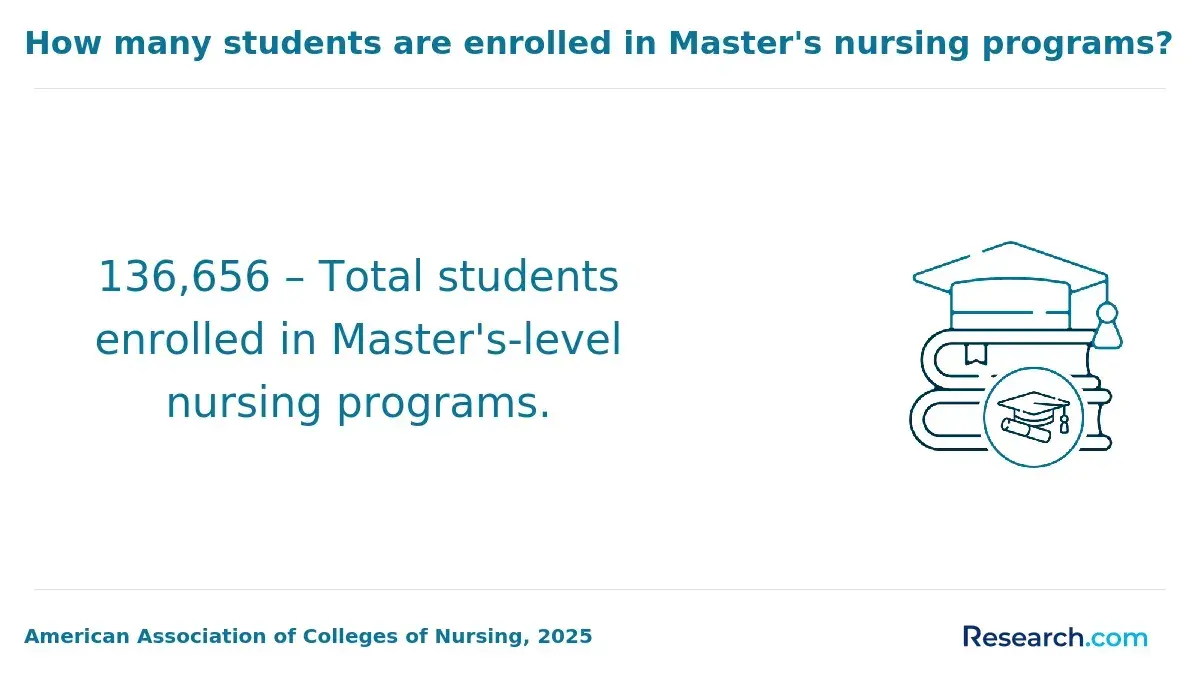
Nursing remains a major part of the healthcare workforce. Registered nurse data from the Bureau of Labor Statistics show an estimated national employment figure of 3,391,000, with a median hourly wage of $45.00 or $93,600 annually and salaries ranging from $61,250 to $129,400 (Bureau of Labor Statistics, 2024). Beyond compensation, there are many reasons nursing careers appeal to students and working adults, including career mobility, direct patient impact, and multiple specialization options.
Research.com reviewed current information on Michigan online nursing programs, state licensure expectations, and national nursing workforce data to identify accredited online RN to BSN options for 2024 and to help readers understand how to compare programs responsibly.
Best Online Nursing Programs in Michigan Table of Contents
- How to become a registered nurse in Michigan
- Typical cost of nursing programs in Michigan
- How long it takes to become an RN in Michigan
- Can you become an RN in Michigan through an online program?
- Online nursing programs in Michigan reviewed
- Is Michigan a good state for registered nurses?
- What you can do with a nursing degree in Michigan
- High-paying nursing specializations in Michigan
- Do online nursing programs in Michigan meet state licensure requirements?
- Soft skills Michigan nursing students need
- Pathways for non-nurses starting a nursing career in Michigan
- How online nursing programs can support advanced practice pathways
- How online nursing programs respond to Michigan’s nursing shortage
- How online nursing programs provide clinical training
- Admissions requirements for Michigan online nursing programs
- Interdisciplinary opportunities for online nursing students
- Specialized practice pathways through online nursing programs
- Accreditation for Michigan online nursing programs
- Student support services in Michigan online nursing programs
- Financial support and affordability
- Employment outcomes and job placement for graduates
Quick answer: Are online nursing programs in Michigan worth considering?
Yes, online nursing programs in Michigan can be a strong option when the program is properly accredited, meets Michigan Board of Nursing requirements when licensure is involved, provides valid clinical placements when required, and fits your schedule and budget. Licensed RNs who want a BSN often have the clearest online pathway because RN to BSN programs are commonly built for working nurses and may be offered fully online or mostly online.
Students who are not already nurses should be more careful. Entry-level nursing programs may advertise online coursework, but clinical skills, labs, simulations, and supervised patient care cannot be replaced entirely by self-paced online classes. Before enrolling, confirm whether the program is approved for Michigan licensure, whether clinical placements are arranged in your area, and whether graduates are eligible to take the NCLEX-RN.
Michigan hospitals employ roughly 64,500 registered nurses, and the annual mean wage is well above the annual mean wage for all occupations of $58,000. Other nurse types in Michigan include 3,590 nurse anesthetists, 290 nurse midwives, and 7,250 nurse practitioners. Employment increases are considered reasonable as hospitals and healthcare facilities continue trying to address nurse staffing shortages. Certified nurse assistant information is available through the Michigan CNA registry.
How to Become a Registered Nurse in Michigan
To become a registered nurse in Michigan, you generally need to complete a board-approved nursing education program, satisfy state application requirements, pass the NCLEX-RN exam, and meet background check and training requirements. Nurses already licensed in another state may pursue Michigan licensure by endorsement, but Michigan’s non-compact status makes it important to review the state’s specific rules before accepting a job or enrolling in a program.
Michigan Board of Nursing RN licensure
The Michigan Board of Nursing oversees registered nurse and practical nurse licensing in the state. At the time of writing, Michigan is not a Nurse Licensure Compact state, so a Michigan RN license is handled separately from multistate compact licenses. This matters for non-Michigan residents, travel nurses, and online students who plan to complete a program while living outside the state. CNA certification in Michigan follows its own process, and students comparing online nursing programs in Michigan should distinguish CNA, LPN, RN, BSN, MSN, and DNP pathways.
Under the Nurse Practice Act, the board sets core standards, reviews nursing education programs, and evaluates whether programs meet requirements within its authority.
For RN licensure, candidates must complete an approved nursing program, pass the NCLEX-RN, and meet continuing education, work experience, and other state requirements where applicable. Nurses licensed elsewhere can apply through endorsement if they meet Michigan’s criteria.
Michigan’s nursing workforce includes nurses with several levels of nursing education. In 2024, the highest nursing-related education levels among nurses in Michigan were reported as follows: 6.5% held an RN diploma in nursing, 33.6% held an Associate Degree in Nursing, 46.5% held a Bachelor’s Degree in Nursing, 11.7% held a Master’s Degree in Nursing, 1% held a Doctorate in Nursing Practice (DNP), and 0.6% held a Doctor of Philosophy in Nursing (PhD). Because about 40% of ADN and RN diploma holders may be strong candidates for RN to BSN completion programs, online BSN completion options can play a meaningful role in workforce advancement. Students planning beyond the BSN can also compare online DNP programs.
Registered nursing examination: NCLEX-RN
The central licensing exam for registered nurses is the NCLEX-RN, formally the National Council Licensure Examination for Registered Nurses.
The NCLEX-RN is used in the United States, Canada, and Australia to evaluate whether candidates can apply clinical judgment, prioritize care, and make safe decisions using realistic nursing scenarios. The exam uses computerized adaptive testing (CAT), meaning the system adjusts questions based on prior responses to measure competency efficiently.
Candidates may retake the exam under applicable rules, and employers typically focus on current licensure status rather than every prior attempt. Score reports are sent by the National Council of State Boards of Nursing to the test taker and to the designated state licensing board or other approved recipients. Online nursing students in Michigan should verify that their program prepares them for NCLEX-RN eligibility when initial RN licensure is the goal.
Nursing practice regulation in Michigan
The U.S. Nurse Licensure Compact (NLC) allows eligible nurses in participating states to practice across compact states with one multistate license. Michigan is not an NLC state at the time of writing, so a Michigan license does not automatically provide compact privileges.
Legislation has been pending to bring Michigan into the enhanced Nurse Licensure Compact, but students and nurses should rely on current board rules rather than assuming future participation.
Nurses who hold licenses and residency in other states may seek authorization to practice in Michigan by examination or endorsement (Michigan.gov, 2023b).
RN to BSN completion program
An RN to BSN program is designed for licensed registered nurses who already hold an Associate Degree in Nursing or a nursing diploma and want to complete a Bachelor of Science in Nursing. Many Michigan online nursing programs use this model because RN students already have bedside experience and active licensure.
RN to BSN completion often takes about one to two years, depending on transfer credits, work experience, continuing education credits, course load, and institutional policies. A BSN can support movement into leadership, public health, case management, graduate study, and roles that prefer or require baccalaureate preparation.
English language proficiency for internationally educated nurses
Nurses educated outside the United States who are not native English speakers may need to submit English proficiency scores before practicing in the U.S. Common passing scores include the following:
| English proficiency exam | Common passing score listed |
| IELTS Academic | Overall Score: 6.5; Minimum score for each module: 6.0 |
| OET | Minimum score for each module: 300 |
| PTE | Overall Score: 55; Minimum score for each module: 50 |
| TOEFL Internet Based Test | Passing Score: 83; Speaking score: 26 |
| TOEIC | Overall Score: 725 |
Criminal background check
Michigan RN license applicants must complete a criminal background check. Section §17-87-312 of the Nurse Practice Act identifies offenses that may lead to denial of a nursing license. Appeals may be available, but certain offenses can permanently prevent licensure. Applicants with concerns should contact the Michigan State Board of Nursing (MSBN) before investing time and money in a program.
Random drug tests
Many healthcare employers use random drug testing. Nursing students and licensed nurses should understand that failed drug tests can affect clinical placement eligibility, employment, and licensure standing.
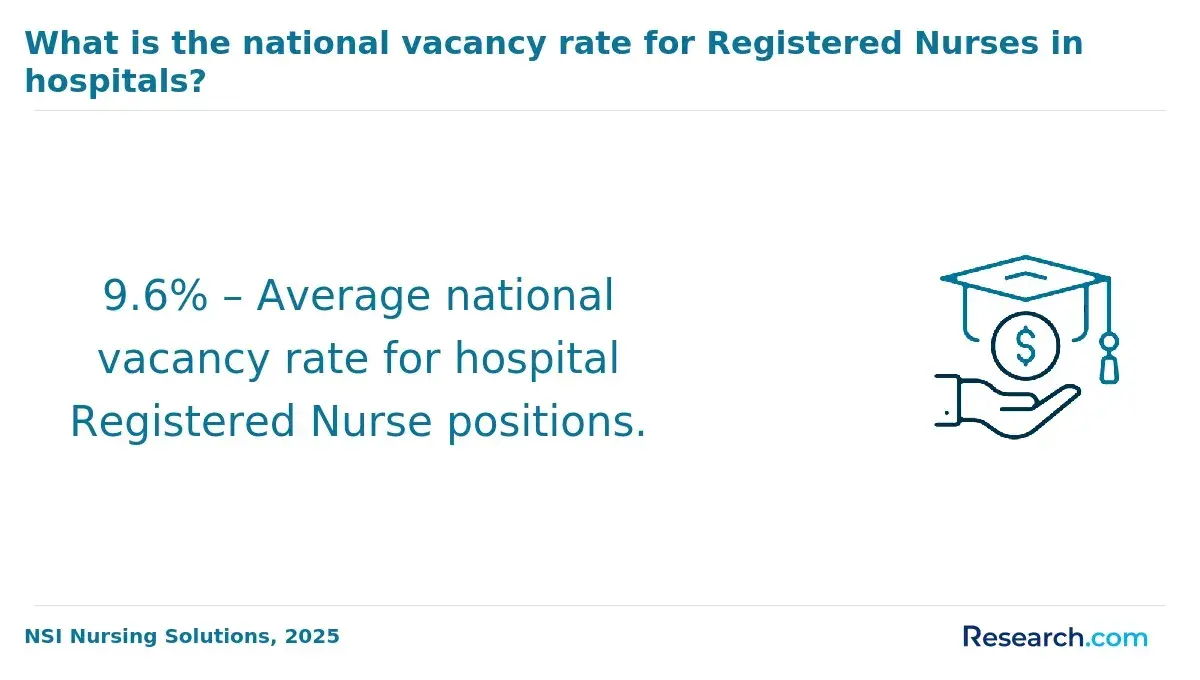
Michigan’s healthcare access needs also help explain why nursing education matters. The typical annual ratio of patients per provider in Michigan is 1,246 patients for every primary care physician, 332 to 1 mental health provider, and 803 to 1 primary care provider among other provider types. These ratios point to the importance of strengthening the nursing and broader care workforce across the state.
License renewal
Michigan RN license renewal is completed every two years. Initial licensure applicants must complete Human Trafficking Training before receiving a nursing license. This is a one-time requirement and does not count as continuing education. Online nursing program graduates are subject to the same licensing and renewal rules as graduates of campus-based programs.
What is the typical cost of a nursing program in Michigan?
The cost of a Michigan nursing program depends on the credential, school type, residency status, transfer credits, required fees, clinical costs, books, technology, and whether the student pays for housing and meals. Online students may avoid room and board, but they can still have costs for internet access, software, textbooks, lab supplies, background checks, immunizations, clinical travel, and licensing preparation.
Michigan State University’s online Bachelor of Science in Nursing program is listed at $19,414 for the entire program. Siena Heights University lists full-time tuition per year at $28,500, with total tuition and mandatory fees of $29,778. If a student chooses double-occupancy room and board, the additional cost is $13,240, bringing the estimated direct cost to $43,018 per year. For the online route, however, Siena Heights lists $365 per credit hour across 30 total credits, or $10,950 for the entire program online.
Even the lowest-cost online RN to BSN programs can include expenses beyond tuition. Before enrolling, ask each school for a complete cost breakdown and confirm whether tuition or fees may change by term.
| Cost item to verify | Why it matters |
| Tuition per credit or full-program tuition | Program totals can differ depending on transfer credits and required nursing credits. |
| Mandatory university fees | Technology, student service, and course fees may not be included in headline tuition. |
| Books and learning materials | Online programs may require digital texts, paper texts, lab kits, or simulation resources. |
| Clinical-related expenses | Students may pay for transportation, uniforms, immunizations, background checks, or placement documentation. |
| Residency pricing | Some public universities charge different rates for residents and non-residents. |
| Employer reimbursement | Working RNs should ask whether their employer supports RN to BSN tuition assistance. |
How long does it take to become a registered nurse in Michigan?
Michigan students can reach RN licensure through several education routes, including a Licensed Practical Nurse pathway that later bridges forward, an Associate Degree in Nursing, or a Bachelor of Science in Nursing. Regardless of the route, RN candidates must pass the NCLEX-RN and satisfy Michigan licensing requirements.
Diploma pathways commonly take two to three years, associate degrees take around two years, and a traditional BSN takes about four years. The licensing process can add several months depending on exam timing, application processing, background checks, and other requirements.
For already licensed RNs with an ADN, an RN to BSN completion program can often be completed in one to two years, which is why it is commonly used by full-time working nurses.
Michigan RN licenses are renewed every two years online through the Michigan Professional Licensing User System portal. Renewal requires about 25 hours of continuing education, including two hours in pain and pain symptom management and an Implicit Bias Training course. Human Trafficking Training is a separate non-CE requirement.
| Pathway | Typical time listed | Best fit |
| Diploma pathway | Two to three years | Students seeking a direct nursing preparation route where available. |
| Associate Degree in Nursing | Around two years | Students who want a shorter path to RN eligibility before possibly completing a BSN later. |
| Traditional BSN | Around four years | Students starting college who want baccalaureate nursing preparation from the beginning. |
| RN to BSN completion | One to two years | Licensed RNs with an ADN or diploma who want a bachelor’s degree while continuing to work. |
Can you become a registered nurse in Michigan with an online degree?
You can use an online nursing degree toward Michigan RN licensure only if the program meets the necessary approval, accreditation, clinical, and exam eligibility requirements. Online delivery alone is not enough. The program must prepare students for required competencies and, for initial RN licensure, must support eligibility for the NCLEX-RN.
Online and hybrid nursing degrees are widely used, especially for RN to BSN completion programs. Employers still consider clinical experience, licensure, work history, and the reputation and accreditation of the program. Since RN to BSN students already hold RN licenses, these programs are among the strongest fits for online delivery. Graduate options such as online nurse practitioner programs have also become more common, although advanced clinical placement requirements must still be met.
Some nursing programs require in-person labs, campus intensives, internships, or clinical experiences in hospitals and healthcare organizations. Others offer 100% online coursework, especially when serving already licensed nurses, while using simulations, community projects, or approved practice experiences as part of the curriculum.
Results from the 2024 NCSBN survey showed that nursing education programs had more hybrid enrollment for RN to BSN degrees at 81.8%. In-person programs were most common for LPNs in LPN-RN or LPN-BSN programs at 51.7% (National Council of State Boards of Nursing, 2024), reflecting the hands-on nature of clinical nursing skills.
Online Nursing Programs in Michigan
Research.com reviewed accredited RN to BSN online nursing programs in Michigan using program information and relevant quality factors. The programs below are designed for licensed RNs who want to complete a BSN. Students considering later graduate study may also compare accelerated nurse practitioner program options. Because tuition and fees can change, always confirm costs, deadlines, clinical expectations, and transfer policies directly with the school before applying.
| School | Program length | Credits listed | Tuition listed | Accreditation |
| Michigan State University | 3-5 semesters | 30 credits | $19,414 for the entire program | Commission on Collegiate Nursing Education (CCNE) |
| Siena Heights University | 16 months | 30 total credits | $250 per credit hour, maximum $7,500 for the entire program | Commission on Collegiate Nursing Education (CCNE) |
| University of Michigan | 12-24 months | 30 nursing credits, plus general education or elective courses | $1,026 per credit hour for residents; $1,078 for non-residents | Commission on Collegiate Nursing Education (CCNE) |
| Grand Valley State University | 15-24 months | 128 online credits | $513 per credit hour for residents; $1,026 for non-residents | Commission on Collegiate Nursing Education (CCNE) |
| Davenport University | 12-18 months | 30 nursing credits, plus general education or elective courses | $815 per credit hour | Accreditation Commission for Education in Nursing (ACEN) |
1. Michigan State University
Michigan State University offers a fully online Bachelor of Science in Nursing program for registered nurses. The curriculum is built around nursing science and draws from biological, physical, behavioral, and humanities-based learning so students can strengthen clinical judgment, professional practice, and population-focused care. The program is also positioned as preparation for future graduate nursing study, including Advanced Practice MSN or DNP pathways.
- Program length: 3-5 semesters
- Tracks or concentrations: N/A
- Tuition cost: $19,414 for the entire program
- Required credits to graduate: 30 credits
- Accreditation: Commission on Collegiate Nursing Education (CCNE)
2. Siena Heights University
Siena Heights University provides a 100% online RN to BSN degree completion pathway for registered nurses who want to continue their professional education. The accelerated program can be completed within 16 months and is designed around the realities of working nurses. Its liberal arts foundation emphasizes caring, diversity, creativity, and the connection between professional experience and academic coursework.
- Program length: 16 months
- Tracks or concentrations: N/A
- Tuition cost per credit: $250 per credit hour, maximum $7,500 for the entire program
- Required credits to graduate: 30 total credits
- Accreditation: Commission on Collegiate Nursing Education (CCNE)
3. University of Michigan
The University of Michigan offers a 100% online accelerated BSN pathway for registered nurses. Students may receive 15 credits for holding an unencumbered RN license. The program focuses on evidence-based practice, leadership, healthcare policy, and stronger professional nursing practice. It includes 16 hours of community-based volunteer work and approximately 24 hours of job shadowing in settings such as hospitals, community clinics, health departments, schools, or other healthcare organizations.
- Program length: 12-24 months
- Tracks or concentrations: N/A
- Tuition cost per credit: $1,026 per credit hour for residents; $1,078 for non-residents
- Required credits to graduate: 30 nursing credits, plus general education or elective courses
- Accreditation: Commission on Collegiate Nursing Education (CCNE)
4. Grand Valley State University
Grand Valley State University’s Kirkhof College of Nursing offers a 100% online RN to BSN program for registered nurses seeking professional growth. The program combines synchronous and asynchronous coursework, smaller class environments, faculty support, and academic advising. Students can receive up to 32 credits after showing proof of an unencumbered RN license in their state of residency. Local precepted clinical experiences are supported by a full-time clinical placement coordinator, and applied learning through a clinical practicum occurs in the senior year.
- Program length: 15-24 months
- Tracks or concentrations: N/A
- Tuition cost per credit: $513 per credit hour for residents, $1,026 for non-residents
- Required credits to graduate: 128 online credits
- Accreditation: Commission on Collegiate Nursing Education (CCNE)
5. Davenport University
Davenport University offers an RN to BSN option for students completing an Associate Degree in Nursing or already working as registered nurses. ADN and RN licensure credits are applied so students can focus on the remaining 31 credits in the RN to BSN sequence. Students may take classes fully online through the Global Campus or in person at partner colleges. The program emphasizes evidence-based knowledge and clinical learning supported by credentialed nursing faculty and staff.
- Program length: 12-18 months
- Tracks or concentrations: N/A
- Tuition cost per credit: $815 per credit hour
- Required credits to graduate: 30 nursing credits, plus general education or elective courses
- Accreditation: Accreditation Commission for Education in Nursing (ACEN)
Is Michigan good for registered nurses?
Michigan can be a practical state for registered nurses because wages are supported by a large healthcare workforce, and the state’s cost of living is lower than many other parts of the country. In 2025, the best cost of living index was Mississippi at 87.3, ranked 1st. Michigan ranked 19th at 90.1. By comparison, New York was 46th at 125.1, the District of Columbia was 50th at 138.8, and Hawaii ranked last at 185.0 in 52nd place (MERIC, 2025).
A lower cost of living can make a nursing salary go further, especially for RNs balancing household expenses, student debt, or plans for graduate education. Nurses looking ahead to master’s-level study may also compare flexible or affordable online MSN programs.
Michigan also has a sizable RN workforce across major regions. In 2024, the number of nurses licensed in Michigan was highest in Detroit Metro at 62,205, followed by the West/West Central regions at 22,157. Non-Michigan RN license holders numbered 20,663 (Michigan Department of Health and Human Services, 2025), suggesting that Michigan remains relevant for both resident nurses and nurses seeking practice authorization from outside the state.
What can I do with a nursing degree in Michigan?
A nursing degree in Michigan can lead to employment in hospitals, ambulatory clinics, long-term care, public health, schools, home health, behavioral health, case management, telehealth, and community-based care. The best route depends on your credential level. An ADN can support RN licensure, a BSN may improve access to leadership and broader clinical roles, and graduate nursing education can support advanced practice, education, or specialized care.
Michigan’s school health needs show why nurses are important outside hospital settings. According to Parent Action for Healthy Kids, 15-18% of children and adolescents have chronic health conditions, along with people in 34.3% of Michigan households.
Nearly 100,000 children in Michigan receive medications daily, and dangerous food allergies are increasing in 18% of children under 18. Around 9.1% of children have asthma. At the same time, adolescent substance use in the United States remains at historically low levels, with approximately 91% of eighth graders, 82% of 10th graders, and 66% of 12th graders reporting abstinence from marijuana, alcohol, and nicotine in the past 30 days (National Institute on Drug Abuse and University of Michigan, 2025).
These needs create demand for nurses who can manage chronic conditions, coordinate care plans, educate families, identify risk factors, and work with interdisciplinary teams in schools and community settings.
| Nursing role or setting | How a Michigan nursing degree can help |
| Hospital staff nurse | Provides direct patient care, medication administration, assessment, documentation, and care coordination. |
| Public health nurse | Supports prevention, outreach, community education, and population health initiatives. |
| School nurse | Manages student health needs, medications, chronic conditions, emergency response, and family communication. |
| Case manager | Coordinates care plans, discharge needs, referrals, and patient education across settings. |
| Nurse leader or charge nurse | Uses clinical experience and BSN-level preparation to guide teams and improve patient care processes. |
| Graduate-prepared nurse | Moves toward advanced practice, education, administration, or specialized clinical roles. |
High-Paying Specializations for Nurses in Michigan
Specialized and advanced nursing roles can increase responsibility, autonomy, and earning potential. The strongest fit depends on your interests, tolerance for high-acuity work, graduate education plans, and licensure requirements. Nurses comparing Michigan pathways can also review broader information on the highest-paying nursing careers.
Acute care nurse practitioners
Acute Care Nurse Practitioners work with patients who have serious, complex, or rapidly changing conditions. In Michigan, they may be especially relevant in hospitals, emergency departments, intensive care units, and specialty services. This path usually requires graduate nursing education, advanced clinical training, and appropriate certification or authorization.
Clinical nurse specialists
Clinical Nurse Specialists are advanced practice nurses who focus on improving care quality, evidence-based protocols, patient outcomes, and nursing practice in areas such as cardiology, oncology, pediatrics, or other specialty fields. This role can be a strong fit for nurses who enjoy systems improvement as much as direct clinical expertise.
Nurse educators
Nurse Educators prepare future nurses, support clinical learning, and help strengthen academic and healthcare training programs. This role may suit experienced nurses who enjoy teaching, mentoring, curriculum development, and helping address nursing workforce needs.
Do online nursing programs in Michigan meet all state licensure requirements?
Some do, but not all online nursing programs automatically meet Michigan licensure requirements. Students must verify state approval, program accreditation, clinical placement policies, and NCLEX-RN preparation before enrolling. This is especially important for entry-level programs and for students who live outside Michigan while studying online. For a deeper review of state rules, see the guide to nursing license requirements in Michigan.
| Question to ask before enrolling | Why the answer matters |
| Is the program approved for Michigan RN licensure? | Approval affects whether graduates can meet licensing requirements. |
| Is the nursing program accredited by a recognized nursing accreditor? | Accreditation can affect employer recognition, graduate study, and transferability. |
| Will I be eligible to take the NCLEX-RN? | Initial RN candidates must pass the exam to become licensed. |
| Where will clinical hours be completed? | Online coursework does not eliminate required supervised clinical learning. |
| Does the program accept my prior credits or RN license credits? | Transfer policy can change total cost and time to completion. |
| Does the program meet requirements if I live outside Michigan? | State authorization and clinical placement rules may differ by location. |
What soft skills are essential for nursing students in Michigan to succeed?
Nursing students need more than scientific knowledge and technical skill. Strong soft skills help students perform safely in clinical settings, work with teams, and build trust with patients and families.
- Clear communication: Nurses must explain care plans, listen closely, document accurately, and communicate changes in patient status to the healthcare team.
- Empathy and compassion: Patients often face pain, fear, confusion, or loss of independence. Nurses need to respond with professionalism and genuine concern.
- Clinical judgment and problem solving: Nursing decisions often involve incomplete information, competing priorities, and time-sensitive risks.
- Adaptability: Students must adjust to different instructors, units, patient needs, technologies, and protocols.
- Teamwork: Nurses coordinate with physicians, therapists, social workers, pharmacists, aides, and families, so collaboration is essential.
Pathways for Non-Nurses: How to Start a Nursing Career in Michigan
Non-nurses who want to enter the profession in Michigan can consider several routes. The right pathway depends on prior college credits, timeline, budget, academic readiness, and whether the student wants to become an LPN, RN, or eventually pursue graduate nursing education.
Options may include entry-level nursing programs, accelerated BSN options for students who already hold a non-nursing bachelor’s degree, and direct-entry MSN pathways for career changers. Some programs include online coursework, but students should expect required clinical training, skills evaluation, and NCLEX-RN preparation. Those comparing flexible options can review online RN programs for non-nurses.
After initial licensure, nurses may specialize in pediatrics, geriatrics, critical care, community health, behavioral health, or other practice areas through experience, continuing education, certifications, or graduate study.
| Starting point | Possible nursing pathway | What to confirm |
| No nursing background | Entry-level nursing program | State approval, clinical placement, NCLEX-RN eligibility, and admission prerequisites. |
| Prior non-nursing bachelor’s degree | Accelerated BSN or direct-entry MSN | Science prerequisites, program intensity, cost, and clinical schedule. |
| Working healthcare aide or assistant | LPN, ADN, or BSN pathway | Credit for prior experience, employer tuition support, and schedule compatibility. |
| Licensed RN with ADN | RN to BSN completion | Transfer credits, online format, total tuition, and graduate study preparation. |
How can online nursing programs streamline the pathway to advanced practice nursing roles?
Online nursing programs can shorten unnecessary duplication when they recognize prior RN education, transfer credits, and professional experience. For licensed nurses, an online RN to BSN can create a clearer bridge to MSN, DNP, or advanced practice preparation. For career changers, structured options such as online direct-entry MSN programs may provide a more direct graduate-level route, although they still require clinical readiness and state-specific review.
The best programs combine flexible coursework with advising, simulation, clinical planning, and transparent progression requirements so students understand what is required at each stage.
How do online nursing programs in Michigan address the state's nursing shortage?
Online nursing programs can help Michigan expand access to nursing education, particularly for working adults, parents, and students who cannot relocate. This matters in rural and underserved areas where local access to traditional campus programs may be limited.
Programs may also work with healthcare facilities for clinical placements, which can expose students to shortage-affected communities and local employment opportunities. Coursework in telehealth, community care, population health, and care coordination can further prepare students to work beyond traditional hospital settings.
Nurses who want to fill broader gaps in primary care or specialized services may consider graduate pathways such as nurse practitioner programs in Michigan.
How do online nursing programs in Michigan ensure robust clinical training?
Strong online nursing programs do not treat clinical learning as an afterthought. They combine online theory with simulations, case-based learning, supervised practicums, and approved clinical experiences in healthcare settings. For initial licensure pathways, clinical training is especially important because students must develop hands-on assessment, communication, medication safety, documentation, and care planning skills.
Students searching for the quickest way to become a nurse should not choose speed over clinical quality. A faster program is only useful if it protects licensure eligibility, patient safety, and employability.
What are the admissions requirements for Michigan online nursing programs?
Admissions requirements vary by school and pathway. RN to BSN programs usually require an active, unencumbered RN license, official transcripts, and completion of prior nursing education. Entry-level and advanced nursing programs may require prerequisite science and math courses, a minimum GPA, placement assessments, clinical documentation, personal statements, recommendation letters, or evidence of healthcare experience.
Students planning to move into advanced practice should also examine future requirements early. For example, nurses researching how to become a nurse practitioner in Michigan should understand graduate admissions, clinical hour expectations, certification, and state authorization requirements before choosing a BSN completion program.
Can online nursing programs in Michigan foster interdisciplinary career opportunities?
Yes. Many online nursing programs include content that connects bedside practice with healthcare systems, informatics, leadership, quality improvement, public health, and administration. These skills can help nurses move into roles that require collaboration across clinical, operational, and administrative teams.
Nurses interested in non-bedside or hybrid career options may also explore adjacent healthcare operations pathways, including guidance on how to become a medical biller and coder in Michigan. While billing and coding is a different career track, clinical knowledge can help nurses understand documentation, reimbursement, compliance, and care processes more deeply.
Can online nursing programs in Michigan pave the way for specialized practice roles?
Online nursing programs can support specialization when they build a strong foundation in evidence-based care, population health, leadership, assessment, and professional nursing practice. Specialization may then continue through graduate education, certifications, clinical experience, or employer-based training.
Potential areas include pediatrics, psychiatric nursing, acute care, community health, women’s health, and midwifery. Students interested in midwifery should review specific guidance on how to become a nurse midwife in Michigan, because advanced practice roles have distinct education, clinical, certification, and licensure requirements.
Are Michigan Online Nursing Programs Accredited by Recognized Organizations?
Accreditation is one of the most important checks when comparing online nursing programs. Nursing accreditation helps verify that curriculum, faculty qualifications, student outcomes, and clinical learning meet recognized standards. It can also affect graduate school eligibility, employer confidence, and transfer options. Students comparing practical nursing and RN pathways can also review how to become an LPN in Michigan.
For RN to BSN programs, look for recognized nursing accreditation such as CCNE or ACEN, and confirm whether the institution itself is properly accredited. For initial licensure programs, also verify state approval and NCLEX-RN eligibility.
What professional resources support career advancement in Michigan nursing?
Michigan nurses can strengthen their careers through professional associations, employer development programs, continuing education, mentorship, specialty certification preparation, and networking. Organizations such as the Michigan Nurses Association may offer policy updates, leadership development, events, and professional resources. Nurses mapping out credentials and career steps can also review how to become an RN in Michigan.
What student support services optimize learning outcomes in Michigan online nursing programs?
Online nursing students should look beyond course format and ask what support is available when they struggle academically, technically, clinically, or professionally. Strong support services can be the difference between enrolling and finishing.
- Academic advising: Helps students plan course loads, transfer credits, graduation timelines, and prerequisite completion.
- Clinical placement support: Clarifies where and how required experiences will be completed.
- Technical support: Reduces disruption in online courses, exams, simulations, and learning platforms.
- Faculty access: Matters for feedback, mentorship, and help with difficult clinical concepts.
- Career services: Supports resume preparation, interview readiness, employer connections, and role transitions.
- Wellness resources: Nursing programs can be demanding, especially for working adults balancing shifts, family, and school.
Students who want broader healthcare experience may also compare related entry-level options such as medical assistant programs in Michigan.
Can online nursing programs in Michigan offer effective financial support and affordability?
Online nursing programs may help reduce relocation and housing costs, but affordability depends on the full price of attendance and available support. Students should compare tuition, fees, books, clinical costs, transfer credit value, employer reimbursement, scholarships, grants, and federal student aid eligibility.
Working RNs should ask employers about tuition reimbursement or education benefits before paying out of pocket. Students comparing program value can also review accredited nursing schools in Michigan to see how different schools structure nursing education options.
| Common mistake | Better approach |
| Choosing the lowest tuition without checking fees | Ask for the full cost of attendance, including required materials and clinical expenses. |
| Assuming online means no clinical obligations | Confirm all practicum, volunteer, shadowing, lab, and simulation requirements. |
| Ignoring accreditation | Verify institutional accreditation, nursing accreditation, and state approval where relevant. |
| Not reviewing transfer credits | Request a transcript evaluation before estimating completion time or cost. |
| Assuming salary outcomes are guaranteed | Use salary data as context, but evaluate local employers, experience, shifts, specialty, and credentials. |
| Relying only on rankings | Use rankings as a starting point, then compare licensure fit, support, cost, and clinical logistics. |
What are the employment outcomes and job placement rates for Michigan online nursing program graduates?
Employment outcomes vary by school, region, credential, clinical experience, prior RN work history, and labor market conditions. RN to BSN graduates are already licensed nurses, so outcomes often relate to advancement, leadership eligibility, specialty movement, or graduate school preparation rather than first-time RN employment.
Before enrolling, ask schools for available completion rates, job placement information, graduate satisfaction data, employer partnerships, and career services support. Students considering alternative nursing routes may also review how to become an LVN nurse in Michigan.
The Future of Online RN Degrees
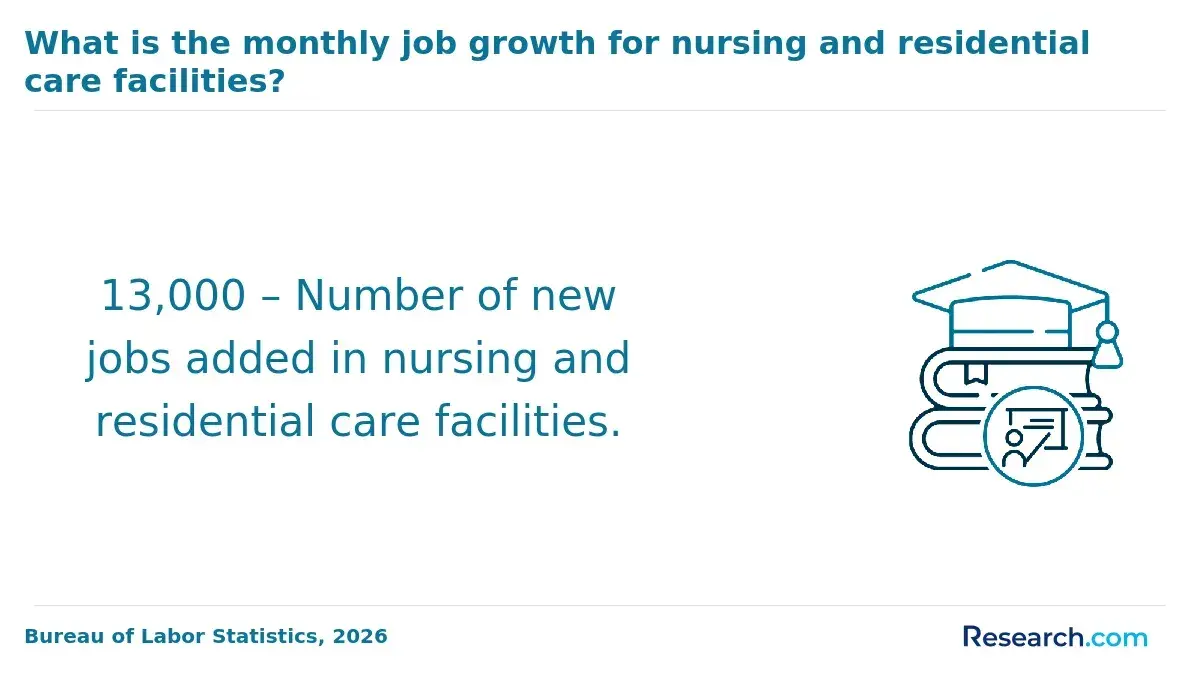
Online RN education is likely to remain important as healthcare employers face staffing, retention, and workforce development pressures. Nationwide vacancy rates and recruitment difficulty continue to challenge hospitals and healthcare facilities. According to the 2026 Indeed Pulse of Healthcare report, 2 in 5 healthcare workers say their jobs feel “unsustainable,” which underscores the need for stronger staffing models, retention strategies, and accessible education pathways.
RN to BSN programs are especially positioned to help ADN and diploma-prepared nurses advance without leaving the workforce. Online delivery can make that progression more realistic for nurses working shifts, supporting families, or living far from campus.
Technology will continue shaping online nursing education. Simulation, virtual case studies, learning analytics, and artificial intelligence can support personalized study, feedback, and faculty efficiency. However, technology should enhance nursing judgment and clinical preparation, not replace supervised practice or patient-centered learning.
If you are also considering broader health careers, Research.com provides a guide to public health degree programs and costs. If your goal is CNA work, review the CNA registry in Michigan and confirm the credential pathway that fits your immediate career plan.
Key Insights
- Online RN to BSN programs are the clearest online nursing fit in Michigan: They are designed for licensed RNs who already have clinical training and want to complete a bachelor’s degree while working.
- Licensure checks come first: For initial RN preparation, confirm state approval, NCLEX-RN eligibility, clinical placement requirements, and accreditation before enrolling.
- Michigan is not currently a Nurse Licensure Compact state: Nurses moving into or out of Michigan should review endorsement and practice authorization rules instead of assuming multistate privileges.
- Costs vary widely: Michigan State University lists $19,414 for the entire online BSN program, while Siena Heights University lists $250 per credit hour with a maximum of $7,500 for the entire program. Always compare total cost, not only tuition.
- Clinical training still matters in online education: Simulations and online coursework can support learning, but hands-on competencies and supervised experiences remain essential where required.
- A BSN can support career mobility: It may help nurses pursue leadership, public health, case management, graduate nursing education, and specialized roles.
- Michigan’s healthcare needs create multiple nursing opportunities: Hospitals, schools, public health agencies, community clinics, and long-term care settings all rely on qualified nurses.
- Do not choose based on convenience alone: The best program is accredited, affordable, transparent about clinical expectations, supportive of working adults, and aligned with your licensure and career goals.
Related Articles for Nearby States
- 2027 Best Online Nursing Programs in Ohio – Accredited RN to BSN Programs
- 2027 Best Online Nursing Programs in Indiana – Accredited RN to BSN Programs
- 2027 Best Online Nursing Programs in Wisconsin – Accredited RN to BSN Programs
- 2027 Best Online Nursing Programs in Illinois – Accredited RN to BSN Programs
- 2027 Best Online Nursing Programs in Minnesota – Accredited RN to BSN Programs
- 2027 Best Online Nursing Programs in Pennsylvania: Accredited RN to BSN Programs
- 2027 Best Online Nursing Programs in Kentucky – Accredited RN to BSN Programs
- 2027 Best Online Nursing Programs in West Virginia – Accredited RN to BSN Programs
- 2027 Best Online Nursing Programs in Iowa – Accredited RN to BSN Programs
- 2027 Best Online Nursing Programs in Missouri – Accredited RN to BSN Programs
References:
- AACN. (2025). 2024-2025 Enrollment and Graduations in Baccalaureate and Graduate Programs. https://www.aacnnursing.org
- Michigan Public Health Institute. (2023). Michigan Licensed Nurse Numbers and Rates since 2004. Michigan Public Health Institute.
- NCSBN. (2025). 2024 National Nursing Workforce Study. https://www.ncsbn.org/workforce
- The Business Research Company. (2026). Care Services Market Report. https://www.thebusinessresearchcompany.com
- U.S. Bureau of Labor Statistics. (2025). Occupational Outlook Handbook: Registered Nurses. https://www.bls.gov/ooh/healthcare/registered-nurses.htm
Other Things You Should Know About Online Nursing Programs in Michigan
In 2027, online RN to BSN programs in Michigan typically take 12-24 months to complete. The pace can vary based on whether a student enrolls full-time or part-time. Flexible scheduling allows working nurses to balance education alongside their professional responsibilities.
Yes, you can become a registered nurse in Michigan with an online degree as long as it is from an accredited institution. After completing the degree, you must pass the NCLEX-RN exam to obtain licensure.
Michigan requires RNs to complete 25 hours of continuing education every two years, including two hours on pain and pain symptom management and an Implicit Bias Training course. Additionally, Human Trafficking Training is required for initial licensure.
Yes. Accredited RN to BSN programs in Michigan are typically approved by either the Commission on Collegiate Nursing Education (CCNE) or the Accreditation Commission for Education in Nursing (ACEN). Accreditation matters for financial aid, transfer credit, and future graduate school admission, and employers often prefer it.
In 2027, most online RN to BSN programs in Michigan require a minimum GPA of 2.5 to 3.0 for admission. Ensure to check specific program details as requirements may vary between institutions.
International nurses must demonstrate English language proficiency through exams like IELTS, TOEFL, or others. They must also pass the NCLEX-RN exam and may need to complete additional credential evaluations depending on their education background.
Yes, many institutions offer financial aid, scholarships, and grants to help nursing students manage the cost of their education. It is advisable to explore these options to make pursuing a nursing degree more affordable.