2027 Best Nursing Schools in Pennsylvania – Accredited ADN, BSN, MSN Programs

Co-Founder and Chief Data Scientist
Choosing a nursing school in Pennsylvania is not just a question of which campus looks best on a list. The bigger decision is whether a program will qualify you for licensure, prepare you for the NCLEX, place you in strong clinical sites, fit your budget, and support the type of nursing career you want after graduation.
This guide is designed for future RNs, LPNs considering advancement, working nurses comparing BSN, MSN, or DNP options, and students deciding between online, hybrid, and campus-based nursing programs in Pennsylvania. You will learn how nursing pathways work in the state, what licensure requires, how long programs take, what costs to expect, which schools offer notable options, and how to evaluate programs beyond rankings.
Pennsylvania remains a practical state for nursing education and employment. In the state of Pennsylvania, the employment of registered nurses will increase by 5% by 2032, opening 8,890 annual new opportunities. That demand makes school choice especially important because the program you choose can affect your eligibility, clinical readiness, job options, and long-term advancement.
Quick Answer: What Should You Know About Nursing Schools in Pennsylvania?
The best nursing school in Pennsylvania for you is the one that matches your license goal, budget, schedule, clinical needs, and career plan. Future registered nurses typically choose an ADN or BSN program, while current RNs may pursue RN-to-BSN, MSN, DNP, nurse practitioner, nursing informatics, leadership, or specialty certification pathways.
Before enrolling, confirm that the nursing program is recognized by the Pennsylvania Board of Nursing and accredited by a respected nursing accreditor such as ACEN or CCNE when applicable. You should also compare NCLEX preparation, clinical placement support, tuition, transfer credit policies, student services, and whether online coursework still includes approved in-person clinical requirements.
Best Nursing Schools in Pennsylvania Table of Contents
- Is nursing a strong career choice in Pennsylvania?
- How do you become a nurse in Pennsylvania?
- How long do nursing programs take in Pennsylvania?
- How much do nursing schools in Pennsylvania cost?
- Pennsylvania Schools Offering Nursing Programs for 2027
- How should you compare nursing programs in Pennsylvania?
- What financial aid and scholarships can help Pennsylvania nursing students?
- How is technology changing nursing education in Pennsylvania?
- What can online nursing programs offer Pennsylvania students?
- How does Pennsylvania’s healthcare environment shape nursing careers?
- Why do clinical rotations matter in Pennsylvania nursing programs?
- How can nurses in Pennsylvania advance through certifications and graduate education?
- How can an RN become a nurse practitioner in Pennsylvania?
- Should LPNs in Pennsylvania consider an LPN-to-BSN pathway?
- How does medical billing and coding support healthcare administration in Pennsylvania?
- Why does interprofessional collaboration matter in Pennsylvania healthcare?
- What are Pennsylvania’s LPN licensing requirements?
- How should students evaluate online LPN programs in Pennsylvania?
- What is the pathway to becoming a nurse midwife in Pennsylvania?
- What licensing rules should Pennsylvania nurses monitor?
- How does nursing informatics support healthcare improvement in Pennsylvania?
Is Nursing a Strong Career Choice in Pennsylvania?
Nursing can be a strong career option in Pennsylvania for students who want a licensed healthcare profession with several entry points, clear advancement routes, and opportunities in hospitals, clinics, long-term care, community health, telehealth, education, and advanced practice. However, it is not an easy or low-commitment path. Nursing school is academically demanding, clinical schedules can be intense, and licensure requirements must be followed carefully.
For many students, the decision comes down to whether the career’s stability, patient-care mission, and advancement potential justify the time, cost, and emotional demands of training. A nursing degree can be worth studying when it leads to a license pathway that fits your goals and when the program has strong student outcomes.
| Factor | What it means for Pennsylvania nursing students | Why it matters before you enroll |
| Career variety | Graduates can pursue roles such as critical care nurse, scrub nurse, nurse educator, LPN, RN, APRN, nurse practitioner, nurse informaticist, or nurse midwife. | You can choose a pathway that fits your preferred patient population, setting, and level of responsibility. |
| Employment setting | Hospitals account for 88% of employment in the state. | Students who want hospital-based careers should review each school’s hospital partnerships and clinical access. |
| Pay potential | Pennsylvanian RNs make $87,610 each year, with the higher wages coming from other cities like the Philadelphia-Camden-Wilmington ($99,210) areas. | Salary varies by region, employer, shift, specialty, degree level, and experience, so compare expected debt with realistic local earnings. |
| Retention incentives | Incentives may include base pay increases, flexible work schedules, professional development or tuition reimbursements, bonus packages, retention bonuses, and childcare services. | Employer benefits can improve affordability and work-life balance, especially for nurses returning to school. |
How Do You Become a Nurse in Pennsylvania?
There are several types of nursing degrees and credential levels, but the correct route depends on whether you want to become an LPN, RN, APRN, nurse practitioner, nurse midwife, nurse educator, or nursing leader. For registered nurse licensure in Pennsylvania, most candidates complete either an associate degree in nursing or a bachelor’s degree in nursing before taking the NCLEX-RN.
To become an RN in Pennsylvania, complete these core steps:
- Earn an ADN or BSN from one of the recognized nursing schools in Pennsylvania.
- Complete three hours of Board-approved continuing education on child abuse recognition and reporting.
- Within ninety (90) days before submitting your application, complete a thorough background check from PA and every state where you lived during the last ten years.
- Register for the licensure exam, pay the initial fee, and submit your application.
- Prepare for and pass the NCLEX-RN exam.
- Receive your license from the PA Board of Nursing.
After receiving an RN license, nurses who want to move into APRN roles, including nurse practitioner positions, must complete graduate-level preparation. In Pennsylvania, aspiring APRNs such as nurse practitioners must hold a master’s degree and complete a minimum of 500 clinical hours.
After the master’s degree, APRN candidates must pass a national certification exam from a Board-recognized organization. They must also complete the three-hour continuing education requirement on child abuse recognition and reporting and pay the initial fee.
RN and APRN licenses in Pennsylvania renew every two years. Renewal requires a fee and 30 hours of continuing education, including two hours of Board-approved continuing education on child abuse recognition and reporting.
| Goal | Typical education route | Required exam or credential step | Best fit |
| Licensed Practical Nurse | State-approved practical nursing program | NCLEX-PN | Students who want a shorter practical nursing entry point before deciding whether to advance. |
| Registered Nurse | ADN or BSN | NCLEX-RN | Students seeking broader clinical responsibility and RN licensure. |
| Advanced Practice Registered Nurse | Master’s degree or doctorate after RN preparation | National certification exam from a Board-recognized organization | RNs who want advanced clinical, leadership, or specialized roles. |
How Long Do Nursing Programs Take in Pennsylvania?
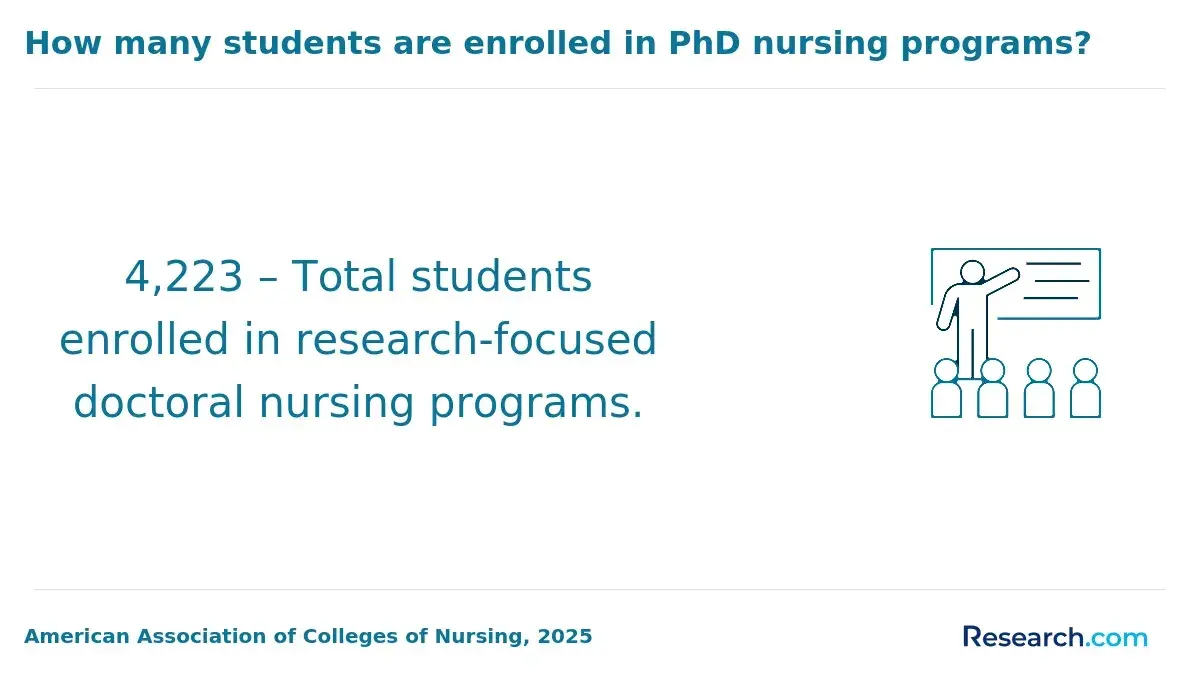
It may take two to five years to become a licensed nurse in Pennsylvania, depending on your starting point and target credential. A nursing major can take two years for ADN students or four years for BSN students. After graduation, students should also plan for the licensing process, NCLEX preparation, and time for application review, which can add a few months to a year before they begin practicing as licensed RNs.
APRNs need additional graduate education. Nurses pursuing advanced practice roles typically spend another two to three years earning a master’s degree or doctorate, completing clinical hours, preparing for certification, and meeting state requirements. Working nurses may prefer an online master’s degree in nursing when they need more flexibility, but clinical placements and certification requirements still matter.
| Pathway | Approximate length stated | What to check before choosing |
| ADN to RN | Two years, plus licensing preparation and application time | Board recognition, NCLEX-RN outcomes, clinical placements, transfer options into a BSN. |
| BSN to RN | Four years, plus licensing preparation and application time | Clinical breadth, simulation resources, hospital partnerships, cost after aid. |
| RN to APRN | Another two to three years for a master’s degree or doctorate | Specialization, 500 clinical hours minimum, national certification preparation, graduate tuition. |
| Accelerated nursing programs in PA | Designed to shorten the overall period for eligible students | Prerequisites, pace, clinical schedule, total cost, and whether the format is realistic for your life. |
How Much Do Nursing Schools in Pennsylvania Cost?
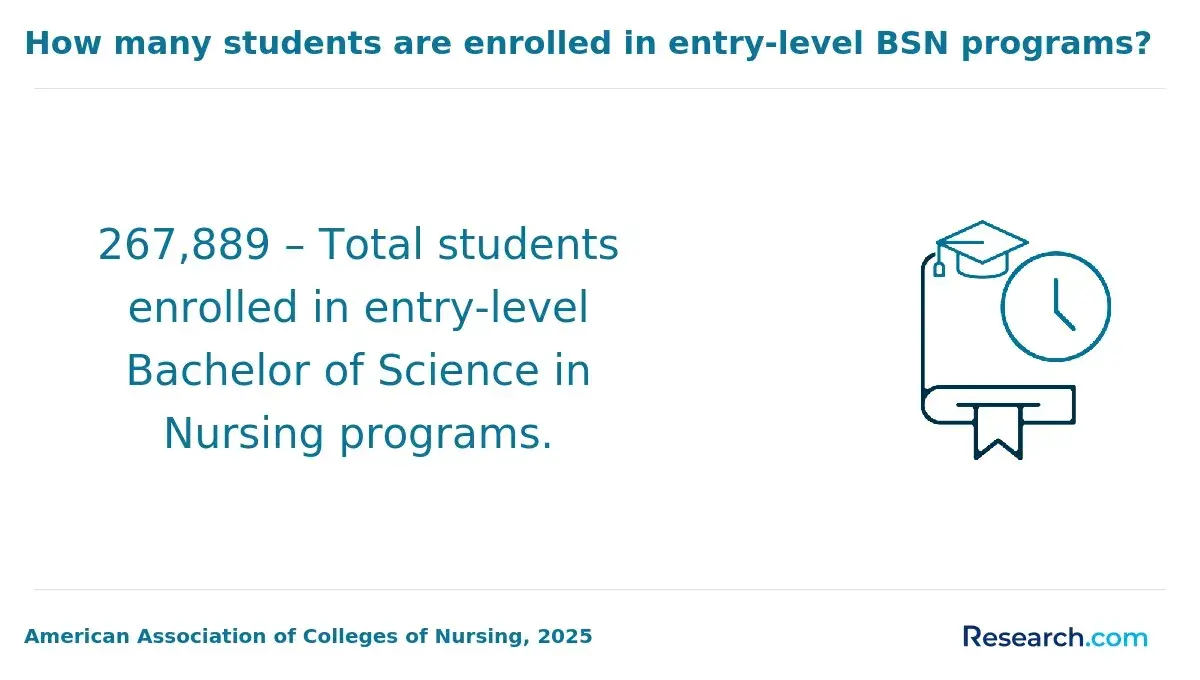
Costs vary widely by school type, residency status, degree level, delivery format, and required fees. Tuition and fees in PA public two-year institutions rounded up to $5,441 while public four-year universities reached $14,532 to $25,697. PA private four-year schools charged $43,926 for tuition and fees. Nursing students should also budget for books, uniforms, immunizations, background checks, testing fees, transportation to clinical sites, and licensure-related costs.
At Pennsylvania State University, full-time students can expect to pay $25,234 for a BSN as in-state students or $24,956 for an MSN as in-state students. Non-residents pay almost double the price. At the University of Pennsylvania, undergraduates living on campus pay $89,028 each year, while graduate students settle around $84,552 to $243,945, depending on the course units.
Online study is not always the cheapest option. Programs such as the best nurse practitioner programs online can range from $14,000 to $70,000 because distance learning fees, total credits, clinical placement requirements, and school pricing models differ. Compare the full cost of completion, not just tuition per credit.
| Cost item | Why it affects nursing students | Question to ask the school |
| Tuition and mandatory fees | This is usually the largest published cost, but it may not include nursing-specific expenses. | What is the total program cost from enrollment through graduation? |
| Clinical expenses | Students may need transportation, health clearances, uniforms, equipment, and background checks. | Are clinical-related costs included in the estimate? |
| Online learning fees | Online and hybrid programs may charge technology or distance education fees. | Are online fees charged per course, per credit, or per term? |
| Residency status | Non-resident tuition can be significantly higher at public institutions. | How does tuition change for out-of-state students? |
| Time to completion | Extra semesters can increase tuition, living costs, and delayed earnings. | What percentage of students finish on the advertised timeline? |
Pennsylvania Schools Offering Nursing Programs for 2027
The schools below represent a range of Pennsylvania nursing options, including associate, bachelor’s, master’s, doctoral, and certificate pathways. Use this list as a starting point, not as a final ranking. The right choice depends on your intended credential, clinical needs, budget, schedule, preferred setting, and licensure plan.
1. Harcum College
Harcum College offers an associate of science in nursing program for students seeking a direct RN pathway. The 66-credit curriculum emphasizes patient-centered care and evidence-based nursing practice, and graduates are prepared to sit for the NCLEX-RN exam.
- Estimated Tuition: $935/credit hour
- Other Programs: Evening Nursing
- Accreditation: ACEN
2. University of Pittsburgh
The University of Pittsburgh offers a BSN pathway that introduces nursing foundations in the first year and builds toward varied clinical experiences in later years. The program also incorporates mock tests throughout the curriculum to support preparation for the RN exam.
- Estimated Tuition: $1,057/credit hour (in-state), $2,040/credit hour (out-of-state)
- Other Programs: MSN, DNP, PhD, dual DNP/PhD, certificate programs
- Accreditation: CCNE
3. Eastern University
Eastern University offers a traditional BSN program that prepares students for RN licensure while emphasizing clinical competence, professional values, and hands-on learning. Its 15:1 student-to-faculty ratio, simulation lab, and clinical experiences may appeal to students who want more direct faculty interaction.
- Estimated Tuition: $820/credit hour
- Other Programs: MSN, MEd in School Health Services, certification programs
- Accreditation: CCNE
4. University of Scranton
The University of Scranton offers MSN options for nurses preparing for advanced practice or leadership responsibilities. Coursework may include family health synthesis, pharmacology, health care financial management, and issues in the nursing practice.
- Estimated Tuition: $965/credit hour
- Tracks: Family Nurse Practitioner, Executive Nurse Leadership
- Other Programs: BSN, DNP
- Accreditation: CCNE
5. University of Pennsylvania
The University of Pennsylvania offers MSN pathways for RNs seeking specialized or leadership-focused graduate preparation. Students may study areas such as global health, organizational dynamics, and advanced practicums depending on their chosen track.
- Estimated Tuition: $6,980/course unit
- Tracks: Adult-Gerontology Acute/Primary Care, Neonatal, Family, Pediatric Primary Care, Psychiatric-Mental Health, Women’s Health, Midwifery, Health Leadership, and Nursing & Healthcare Administration
- Other Programs: BSN, MPN, DNP, PhD, certification programs
- Accreditation: CCNE
| School | Program level highlighted | Best reason to consider it | Accreditation listed |
| Harcum College | Associate of science in nursing | Students seeking a 66-credit RN-eligible associate pathway. | ACEN |
| University of Pittsburgh | BSN | Students who want a four-year BSN with clinical progression and mock exam preparation. | CCNE |
| Eastern University | Traditional BSN | Students who value a 15:1 student-to-faculty ratio, simulation, and clinical learning. | CCNE |
| University of Scranton | MSN | RNs comparing Family Nurse Practitioner and Executive Nurse Leadership tracks. | CCNE |
| University of Pennsylvania | MSN | RNs seeking a broad selection of specialty and leadership tracks. | CCNE |
How Should You Compare Nursing Programs in Pennsylvania?
Do not choose a nursing program based only on name recognition or the lowest advertised tuition. Pennsylvania students should verify licensure alignment, clinical access, accreditation, student support, completion expectations, and specialty options. Thirty percent of the state's hospitals have unfilled certified registered nurse anesthetists positions, while 14% have vacant APRN positions, which means advanced nursing preparation may create opportunities, but only if the program meets the requirements for your intended role.
Students should also understand what to expect in the first year of nursing school. Nursing programs often combine science courses, labs, clinical preparation, assessment skills, patient safety concepts, and strict progression standards.
| Selection factor | What to verify | Why it matters |
| Accreditation and Board recognition | Confirm whether the program is recognized by the Pennsylvania Board of Nursing and whether nursing accreditation is through ACEN or CCNE when applicable. | Licensure eligibility, transferability, graduate admission, and employer recognition may depend on program approval and accreditation. |
| Specialization options | Review available tracks, concentrations, certificates, and graduate pathways. | Your program should support your intended direction, such as pediatrics, mental health, leadership, family practice, informatics, or nurse midwifery. |
| Instructional format | Compare campus, hybrid, and online coursework, but ask where clinical hours occur. | Online coursework does not remove hands-on clinical requirements for licensure-focused nursing programs. |
| Clinical partnerships | Ask which hospitals, clinics, rural sites, community agencies, and specialty settings host students. | Strong placements can improve readiness and help you explore career settings before graduation. |
| Magnet hospital exposure | Find out whether the school has relationships with Magnet-recognized organizations. The Magnet Recognition Program recognizes organizations meeting nursing excellence and patient care standards. | Clinical exposure to high-performing nursing environments can help students observe evidence-based practice and professional nursing culture. |
| Support services | Look for advising, tutoring, mental wellness support, simulation access, NCLEX preparation, and career services. | Nursing school pressure is real, and strong support can affect persistence and performance. |
Common Mistakes to Avoid When Choosing a Pennsylvania Nursing School
- Assuming all nursing programs qualify you for Pennsylvania licensure. Always verify Board recognition and program-specific licensure alignment.
- Looking only at tuition per credit. Add fees, clinical costs, books, commuting, testing, and the cost of extra semesters.
- Choosing online study without checking clinical placement rules. Nursing programs may deliver coursework online, but clinical training must still meet approved standards.
- Ignoring NCLEX preparation and student outcomes. Ask how the program supports exam readiness and progression.
- Overvaluing rankings. A highly visible school is not automatically the best fit if it is too expensive, too far from clinical sites, or poorly matched to your goals.
- Failing to ask about transfer credits. LPNs, second-degree students, and RNs returning for a BSN or MSN should confirm how previous coursework will be evaluated.
What Financial Aid and Scholarships Can Help Pennsylvania Nursing Students?
Nursing school can be expensive, but students may reduce out-of-pocket costs by combining grants, scholarships, employer benefits, federal aid, and loan repayment programs. The best strategy is to complete financial aid forms early, ask the nursing department about program-specific awards, and compare net price rather than published tuition.
- Pennsylvania State Grant Program: This need-based grant is managed by the Pennsylvania Higher Education Assistance Agency (PHEAA) for eligible Pennsylvania residents pursuing undergraduate study, including nursing.
- Nursing Loan Forgiveness Programs: Pennsylvania nurses who work in designated high-need areas may qualify for repayment support through programs such as the Pennsylvania Primary Care Loan Repayment Program in exchange for service commitments.
- Federal Pell Grants and Federal Supplemental Educational Opportunity Grants (FSEOG): Eligible undergraduate nursing students may receive these need-based federal grants, which do not require repayment.
- Pennsylvania-specific Nursing Scholarships: Nursing students may find awards through organizations such as the Nightingale Awards of Pennsylvania and the Nursing Foundation of Pennsylvania, often based on academic performance, service, financial need, or community involvement.
- Employer-sponsored Tuition Reimbursement: Some healthcare employers, including certain Magnet hospitals, help employees pay for nursing degrees or advanced education, usually with continued employment expectations.
- University-specific Nursing Scholarships: Schools such as the University of Pennsylvania, Penn State, and Temple University may offer merit-based and need-based scholarships for nursing students.
- Federal Student Loans and Income-driven Repayment Plans: Students who need additional funding may use federal loans and later consider income-driven repayment plans that adjust payments based on income.
Questions to Ask Before Accepting a Financial Aid Package
- How much of the aid is grant or scholarship money, and how much is loan funding?
- Is the scholarship renewable each year, and what GPA or enrollment status is required?
- Does the estimate include nursing lab fees, clinical expenses, and testing charges?
- Will employer tuition reimbursement require a work commitment after graduation?
- How much debt would I likely carry at graduation, and how does that compare with realistic RN or APRN earnings in my region?
How Is Technology Changing Nursing Education in Pennsylvania?
Technology is now a core part of nursing education because modern nurses document care electronically, communicate across digital systems, use telehealth tools, interpret clinical data, and practice skills in simulation before entering patient-care environments. Pennsylvania nursing schools increasingly use technology to strengthen clinical judgment and prepare students for current healthcare workflows.
- Simulation-based learning: Simulation labs allow students to practice assessment, prioritization, medication safety, communication, and emergency response before working with real patients. High-tech mannequins and virtual scenarios can help students build confidence while instructors evaluate decision-making.
- Online and hybrid coursework: Many programs use online learning platforms for lectures, assignments, discussions, and exams. Students interested in advanced practice may also compare flexible options such as BSN to FNP online programs, especially if relocation is not realistic.
- Electronic health records training: EHR familiarity helps students learn documentation, care coordination, and patient information management before clinical practice.
- Telemedicine preparation: Telehealth content can prepare students to communicate with patients virtually, conduct remote assessments within scope, and understand technology’s role in access to care.
Technology should improve learning, not replace essential clinical experience. When comparing programs, ask how simulation hours are used, whether faculty provide feedback on clinical reasoning, and how online tools connect to hands-on patient care.
What Can Online Nursing Programs Offer Pennsylvania Students?
Online nursing programs in Pennsylvania can make education more accessible for working adults, parents, rural students, and licensed nurses returning for advancement. They are especially useful for RN-to-BSN, MSN, nurse practitioner, nursing informatics, leadership, and post-graduate certificate pathways where much of the didactic coursework can be completed remotely.
Students comparing online nursing programs in Pennsylvania should be careful about clinical requirements. A program may be online academically while still requiring in-person practicums, labs, simulations, or clinical placements. Before enrolling, ask who arranges clinical sites, whether placements are available near your location, and whether the program meets Pennsylvania requirements for your intended license or certification.
| Online nursing format | When it can work well | Potential drawback |
| Fully online didactic courses with local clinicals | Working nurses who need flexibility but can complete required clinical hours nearby. | Clinical placement support varies by school. |
| Hybrid nursing program | Students who want some campus access for labs, simulation, or advising. | Travel to campus may still be required on set dates. |
| Campus-based program with online components | Students who prefer face-to-face instruction but want some scheduling flexibility. | Less flexible than fully online coursework. |
How Does Pennsylvania’s Healthcare Environment Shape Nursing Careers?
Pennsylvania’s healthcare needs vary by region, and those differences influence nursing education, clinical training, and job options. Urban centers, rural hospitals, long-term care facilities, academic medical centers, and community clinics all require nurses, but the day-to-day work can look different depending on the setting.
- Urban and rural practice needs: Philadelphia and Pittsburgh offer access to large hospitals and advanced care environments where students may encounter complex cases. Rural communities may present different challenges, including access gaps and staffing needs. The Hospital Healthsystem Association of Pennsylvania recorded that 21% of rural hospitals had higher vacancy rates for RNs.
- Varied clinical rotations: Nursing schools may partner with hospitals, community health centers, long-term care facilities, clinics, and rural sites. These placements help students adapt to different patient populations.
- Specialization and advanced roles: Demand across healthcare settings can encourage nurses to move into specialty areas such as oncology, pediatrics, mental health, leadership, or advanced practice. Students comparing advanced practice routes may also research accessible options such as the easiest nurse practitioner program, while still confirming quality, accreditation, and licensure fit.
- Employer collaboration: Nursing schools often coordinate with healthcare providers to align clinical learning with workforce needs. Scholarships, internships, and tuition support can also connect students to future employers.
Why Do Clinical Rotations Matter in Pennsylvania Nursing Programs?
Clinical rotations are where nursing students begin turning classroom knowledge into patient-care judgment. In Pennsylvania, schools may place students in hospitals, community health centers, rural clinics, specialty units, long-term care settings, and other approved environments. These experiences help students practice assessment, documentation, communication, safety procedures, prioritization, and teamwork under supervision.
Clinical quality should be one of your top comparison points. A program with strong classroom instruction but weak or hard-to-access clinical placements may leave students less confident when preparing for licensure and employment. Students should ask how placements are assigned, whether night or weekend rotations are required, and how many specialties they may experience before graduation.
Magnet-recognized hospitals can also offer exposure to professional nursing models, evidence-based practice, and strong patient-care standards. Rural placements may help students understand access issues and the realities of serving underserved communities. Both settings can be valuable, depending on the student’s career goals.
If you are still mapping the full licensing process, review the steps on how to become an RN in Pennsylvania before selecting a program. Understanding the pathway early can help you avoid delays later.
What Licensing Rules Should Pennsylvania Nurses Monitor?
Nursing licensure is not a one-time task. Pennsylvania nurses must remain compliant with renewal deadlines, continuing education rules, child abuse recognition and reporting requirements, scope-of-practice standards, and Board expectations. Missing a renewal requirement or assuming rules are the same across states can create employment and compliance problems.
Students and licensed nurses should keep records of continuing education, monitor Board communications, and verify requirements before changing roles, relocating, or pursuing advanced practice. For a focused overview, review this guide to the nursing license in Pennsylvania.
How Does Nursing Informatics Support Healthcare Improvement in Pennsylvania?
Nursing informatics connects clinical nursing knowledge with health data, electronic health records, workflow design, digital communication, and quality improvement. Nurses with informatics skills may help healthcare organizations improve documentation, analyze care processes, support evidence-based decisions, and implement technology in ways that serve patients and clinicians.
This field can appeal to nurses who enjoy systems thinking, data, technology, training, and process improvement more than traditional bedside-only roles. Nurses interested in combining clinical experience with digital healthcare strategy can compare the list of most affordable online nursing informatics degree programs.
How Can You Start or Advance a Nursing Career in Pennsylvania?
The best next step depends on your current credential. New students should first decide between LPN, ADN, and BSN routes. Current LPNs can compare bridge options. Licensed RNs may evaluate RN-to-BSN, MSN, DNP, certification, nurse practitioner, nurse midwife, leadership, or informatics pathways. If affordability is a major concern, comparing options such as the most affordable RN to BSN program can help working nurses continue their education without overextending financially.
- Choose your target role first. Decide whether you want LPN, RN, APRN, nurse practitioner, nurse midwife, educator, administrator, or informatics work.
- Verify licensure alignment. Confirm that the program supports Pennsylvania requirements for the credential you want.
- Compare total cost. Include tuition, fees, clinical expenses, travel, supplies, testing, and time away from work.
- Ask about clinical placement. Strong clinical access is essential, especially for licensure and advanced practice pathways.
- Review support and outcomes. Ask about advising, tutoring, simulation, NCLEX preparation, graduation expectations, and career services.
- Plan for advancement early. If you may pursue graduate study later, choose a program with transferable credits and recognized accreditation.
How Can Nurses in Pennsylvania Advance Through Certifications and Graduate Education?
Professional certification can help Pennsylvania nurses document expertise in areas such as critical care, oncology, pediatrics, informatics, leadership, or advanced practice. Certifications do not replace state licensure, but they can strengthen a nurse’s qualifications for specialty units, leadership responsibilities, or graduate-level roles.
RNs who want greater autonomy or a specialized provider role may pursue graduate education. Options include MSN, DNP, post-graduate certificates, and nurse practitioner programs in Pennsylvania. Before choosing, verify clinical hour requirements, certification eligibility, accreditation, and whether the program supports your desired population focus.
How Can an RN Become a Nurse Practitioner in Pennsylvania?
To move from RN practice into a nurse practitioner role in Pennsylvania, nurses typically complete an accredited MSN or DNP program, fulfill required clinical preparation, pass a national certification exam, and meet state-specific APRN requirements. The pathway is academically and clinically demanding, so students should choose programs with strong faculty support, appropriate clinical placements, and a track aligned with their intended patient population.
For a detailed step-by-step explanation, review how to become a nurse practitioner in Pennsylvania.
Should LPNs in Pennsylvania Consider an LPN-to-BSN Pathway?
An LPN-to-BSN pathway can make sense for licensed practical nurses who want to become RNs, expand their scope, prepare for broader career options, and build a foundation for graduate study. These programs may recognize prior practical nursing education while adding the coursework and clinical preparation needed for RN-level practice.
The pathway is worth considering if you can manage the time, cost, and academic workload and if the program clearly supports Pennsylvania RN licensure requirements. Compare bridge structure, transfer credit rules, clinical scheduling, and total price when reviewing LPN to BSN programs.
How Does Medical Billing and Coding Support Healthcare Administration in Pennsylvania?
Medical billing and coding are not nursing roles, but they are important to healthcare administration. Accurate coding translates clinical documentation into standardized billing and reporting systems, supporting reimbursement, compliance, audit readiness, and revenue cycle operations. Nurses who move into administration, quality improvement, case management, or informatics often benefit from understanding how documentation affects coding and payment workflows.
Students considering a related non-nursing healthcare administration route can review how to become a medical biller and coder in Pennsylvania.
Why Does Interprofessional Collaboration Matter in Pennsylvania Healthcare?
Nurses rarely work in isolation. Patient outcomes depend on communication among nurses, physicians, pharmacists, therapists, social workers, medical assistants, case managers, and other professionals. Strong interprofessional collaboration can improve care coordination, reduce preventable errors, support patient education, and make clinical workflows more efficient.
Students interested in broader healthcare teamwork may also explore adjacent professions, including how to be a pharmacist in Pennsylvania, to understand how different licensed roles contribute to patient care.
What Are Pennsylvania’s LPN Licensing Requirements?
Licensed Practical Nurse candidates in Pennsylvania must complete a state-approved practical nursing program, receive required clinical preparation, and pass the NCLEX-PN exam. LPNs must also follow state rules for license maintenance and continuing education where applicable.
For a more detailed breakdown of education, exam, and licensing steps, review the guide to LPN requirements in Pennsylvania.
How Should Students Evaluate Online LPN Programs in Pennsylvania?
When comparing online LPN options, confirm that the program is properly approved, that the curriculum meets Pennsylvania expectations, and that clinical training is clearly arranged. A program that advertises online convenience but cannot provide approved clinical experience may not serve your licensing goal.
Students should also ask about NCLEX-PN preparation, faculty access, lab requirements, student support, cost, and completion expectations. For program comparisons, review the best online LPN programs in Pennsylvania.
What Is the Pathway to Becoming a Nurse Midwife in Pennsylvania?
Nurse midwifery is an advanced nursing specialty focused on reproductive health, pregnancy, birth, postpartum care, and related services. In Pennsylvania, the pathway generally begins with RN preparation, followed by advanced practice education with focused clinical experiences in obstetrics and gynecology.
Because requirements can vary by program and certification pathway, prospective students should verify prerequisites, clinical expectations, state standards, and exam preparation before enrolling. For more detail, review the article on nurse midwife education requirements in Pennsylvania.
Key Insights
- Pennsylvania offers real nursing demand, but school choice matters. Registered nurse employment in Pennsylvania will increase by 5% by 2032, opening 8,890 annual new opportunities.
- Licensure alignment should come first. Before enrolling, confirm Board recognition, accreditation where applicable, clinical requirements, and eligibility for the license or certification you want.
- RN salaries can support a strong return, but outcomes vary. RNs in Pennsylvania earn $87,610 each year, with higher wages in areas such as Philadelphia-Camden-Wilmington ($99,210), but individual pay depends on role, location, employer, experience, and specialty.
- ADN, BSN, MSN, DNP, LPN-to-BSN, and certificate pathways serve different goals. Choose based on your current credential and target role, not simply the fastest or cheapest option.
- Online nursing programs can be useful, especially for working nurses. However, clinical and licensure requirements still require careful verification.
- Clinical rotations are a major quality signal. Ask where students train, how placements are assigned, and whether the program exposes learners to hospitals, community settings, rural care, or specialty practice.
- Total cost is more important than tuition alone. Include fees, clinical expenses, travel, books, testing, and possible added semesters before judging affordability.
- Advancement is built into the profession. Pennsylvania nurses can move into advanced practice, leadership, informatics, education, specialty certification, or nurse midwifery with the right education and credentials.
Related Articles for Nearby States
- 2027 Best Nursing Schools in New Jersey – Accredited ADN, BSN, MSN Programs
- 2027 Best Nursing Schools in Delaware – Accredited ADN, BSN, MSN Programs
- 2027 Best Nursing Schools in Maryland – Accredited ADN, BSN, MSN Programs
- 2027 Best Nursing Schools in New York – Accredited ADN, BSN, MSN Programs
- 2027 Best Nursing Schools in West Virginia – Accredited ADN, BSN, MSN Programs
- 2027 Best Nursing Schools in Ohio – Accredited ADN, BSN & MSN Programs
- 2027 Best Nursing Schools in Virginia – Accredited ADN, BSN, MSN Programs
- 2027 Best Nursing Schools in Connecticut – Accredited ADN, BSN, MSN Programs
- 2027 Best Nursing Schools in Rhode Island – Accredited ADN, BSN, MSN Programs
- 2027 Best Nursing Schools in Massachusetts – Accredited ADN, BSN, MSN Programs
References:
- American Association of Colleges of Nursing. (2025). 2024-2025 Enrollment and Graduations in Baccalaureate and Graduate Programs. https://www.aacnnursing.org/news-data/all-news/schools-of-nursing-enrollment-increases-across-most-program-levels-signaling-strong-interest-in-nursing-careers
- Hospital and Healthsystem Association of Pennsylvania. (2025). Care Across the Continuum: How Health Care Workforce Shortages Affect Pennsylvanians’ Access to Care. https://haponlinecontent.azureedge.net/resourcelibrary/workforce-survey-2025.pdf
- O*NET OnLine. (2026). Pennsylvania Employment Trends - Nurse Practitioners. Retrieved March 2026, from https://www.onetonline.org/link/localtrends/29-1141.00?st=PA
- U.S. Bureau of Labor Statistics. (2026). Occupational Employment and Wage Statistics - Pennsylvania, May 2024. Retrieved March 2026, from https://data.bls.gov/oes/#/area/4200000
Other Things You Should Know About the Best Nursing Schools in Pennsylvania
In 2027, Pennsylvania nursing schools often partner with leading healthcare institutions, offering unique clinical rotation opportunities in specialized settings like pediatric oncology and rural community health. This allows students to gain hands-on experience in diverse environments, enhancing their practical skills and preparing them for various nursing challenges.
Yes, many nursing schools in Pennsylvania offer online programs, including online master's degree programs and RN to BSN programs, providing flexible learning options for working professionals.
Nursing schools in Pennsylvania offer various support services such as academic advising, tutoring, mental health counseling, and career placement assistance. These resources are designed to help students excel in their programs and successfully transition into professional roles after graduation. Schools also provide access to libraries and technology resources to support learning.
Nursing schools in Pennsylvania offer various specializations such as adult-gerontology, family nurse practitioner, pediatric primary care, psychiatric-mental health, women’s health, and nursing and healthcare administration.
Consider factors such as program accreditation, available specializations, instructional format, affiliations with Magnet hospitals, support services, and overall cost when choosing a nursing program.
In 2027, the top nursing schools in Pennsylvania include the University of Pennsylvania, Villanova University, and Drexel University. These schools are recognized for their accredited ADN, BSN, and MSN programs, strong clinical partnerships, and high NCLEX-RN pass rates, making them excellent choices for aspiring nurses.