2027 How to Become a Nurse in Pennsylvania

Co-Founder and Chief Data Scientist
Becoming a nurse in Pennsylvania is a structured process: choose the right nursing role, complete an approved education program, pass the required licensing exam, and meet the Pennsylvania State Board of Nursing’s application and renewal rules. The details matter because the requirements are different for CNAs, LPNs, RNs, and advanced practice nurses, and choosing the wrong program can delay licensure or limit your career options.
This guide is for prospective nursing students, career changers, current LPNs or RNs planning their next step, and out-of-state nurses who want to work in Pennsylvania. You will learn how nursing licensure works in the state, which degree path makes sense for different goals, what licenses are available, how the Nurse Licensure Compact affects practice, and what to check before enrolling in a nursing program.
Quick Answer: How do you become a nurse in Pennsylvania?
To become a nurse in Pennsylvania, you must complete a state-approved or accredited nursing program, apply through the Pennsylvania State Board of Nursing, pass the appropriate NCLEX exam, complete any required background checks, and maintain your license through renewal and continuing education. RNs usually complete an ADN, BSN, or diploma program and pass the NCLEX-RN. LPNs complete a practical nursing program and pass the NCLEX-PN. Advanced practice nurses need graduate-level nursing education and specialty certification.
Key Things You Should Know About Becoming a Nurse in Pennsylvania
- Pennsylvania has a sizable nursing workforce, but workforce concerns remain. Projections have indicated a need for over 20,000 additional nurses by 2024, which creates openings for new nurses entering hospitals, long-term care, home health, and outpatient settings.
- Registered nurses in Pennsylvania earn an average salary of approximately $87,000 per year, although pay depends on region, employer, specialty, shift, and experience.
- The employment outlook remains favorable. The Bureau of Labor Statistics anticipates a growth rate of 6% for registered nursing positions through 2031, reflecting continued demand for healthcare workers.
- Pennsylvania offers multiple entry points into nursing, including practical nursing programs, Associate Degree in Nursing programs, Bachelor of Science in Nursing programs, accelerated BSN options, and graduate pathways for advanced practice roles.
- Before choosing a school, confirm accreditation, clinical placement support, NCLEX preparation, Pennsylvania licensure eligibility, transfer credit rules, and total cost rather than relying only on rankings or convenience.
- What are the steps to becoming a nurse in Pennsylvania?
- What education do you need to become a nurse in Pennsylvania?
- Which nursing roles can legally practice in Pennsylvania?
- What are Pennsylvania’s nursing licensing requirements?
- What nursing licenses are available in Pennsylvania?
- Can a Compact nurse work in Pennsylvania?
- Can you work as a nurse in Pennsylvania without a license?
- What is the current state of nursing in Pennsylvania?
- How does nursing compare with other healthcare careers in Pennsylvania?
- What online education options support advanced nursing specializations in Pennsylvania?Compare healthcare career optionsReview Pennsylvania nursing demand
- What is the job outlook for nursing in Pennsylvania?
- What LPN education options are available in Pennsylvania?
- How can nurses advance their careers in Pennsylvania?
- What education is required to become a nurse practitioner in Pennsylvania?
- How should I choose an online nursing program in Pennsylvania?
- What are Pennsylvania’s continuing education and renewal requirements?
- How do I choose the right nursing school in Pennsylvania?
- How can I become a nurse midwife in Pennsylvania?
- How can I become an LVN in Pennsylvania?
- How are LPNs and CNAs different in Pennsylvania?Review nurse practitioner requirementsExplore nursing advancement options
- Can nurses move into medical billing and coding in Pennsylvania?Review alternative healthcare career paths
What are the steps to becoming a nurse in Pennsylvania?
In 2023, a total of 144,100 registered nurses were employed in Pennsylvania. If you want to join this workforce, the path depends on whether you want to become a CNA, LPN, RN, or advanced practice nurse. For most aspiring RNs, the process follows a predictable sequence: complete an approved nursing program, pass the NCLEX-RN, apply for licensure, and meet renewal requirements after entering practice.
| Step | What to Do | Why It Matters |
| 1. Choose your nursing role | Decide whether you want to start as a CNA, LPN, RN, or pursue an advanced practice path later. | Each role has different training length, scope of practice, pay potential, and advancement options. |
| 2. Complete an approved program | Enroll in an accredited or state-approved nursing program, such as an ADN, BSN, diploma, or practical nursing program. | Pennsylvania licensure depends on completing education that meets state requirements. |
| 3. Apply for the licensing exam | After graduation, submit the required application materials and register for the appropriate NCLEX exam. | The NCLEX-RN is required for RNs, while the NCLEX-PN is required for LPNs. |
| 4. Complete background checks | Follow Pennsylvania’s fingerprinting and criminal background check instructions. | Licensure requires verification that applicants meet public safety and professional standards. |
| 5. Start the job search | Apply to hospitals, long-term care facilities, outpatient centers, home health organizations, and specialty clinics. | Hospitals are major employers, but Pennsylvania nurses work in many clinical and community settings. |
| 6. Renew your license | Complete renewal requirements every two years, including continuing education and required child abuse training. | Missing renewal deadlines can interrupt your ability to practice legally. |
- Educational pathway: RN candidates typically choose either an Associate Degree in Nursing, which usually takes two years, or a Bachelor of Science in Nursing, which is a four-year degree. Admission requirements commonly include high school transcripts, science and math prerequisites, and standardized test scores such as the SAT or ACT. Understanding how to get a nursing license in Pennsylvania begins with selecting a program that matches your career timeline and licensure goal.
- Licensure examination: Nursing graduates must pass the National Council Licensure Examination for Registered Nurses before receiving RN licensure. Many graduates take the exam about a month after finishing school, but the best timing depends on application processing, readiness, and available testing dates.
- Employment search: After licensure, new RNs can apply for entry-level nursing roles. Pennsylvania’s nursing positions were projected to grow by 12.5% from 2018 to 2028, significantly higher than the national average stated in the source material. If you are comparing entry-level healthcare options before committing to RN training, reviewing CNA salary 2024 information can help you understand how assistant-level roles differ financially from licensed nursing roles.
- License renewal: Pennsylvania nurses must renew their licenses every two years. Renewal includes 30 hours of continuing education from approved providers and a child abuse recognition and reporting course. The renewal fee is approximately $122.
What education do you need to become a nurse in Pennsylvania?
Pennsylvania students can enter nursing through several academic routes. The best choice depends on how quickly you want to begin working, whether you plan to pursue leadership or advanced practice roles, and how much time and money you can invest upfront.
Educational trends also show a shift toward higher degrees. From 2015 through 2022, diplomas in nursing decreased from 9.2% to 4.1%, associate degrees decreased from 30.1% to 24.3%, and baccalaureate degrees increased from 43.4% to 51.1%.
| Pathway | Typical Purpose | Best For | Important Consideration |
| Practical nursing program | Prepares students for LPN licensure. | Students who want a shorter route into bedside care. | LPNs have a narrower scope of practice than RNs and often work under RN or physician supervision. |
| Associate Degree in Nursing | Prepares graduates for RN licensure through a shorter college route. | Students who want to become RNs without committing to a four-year degree first. | Some employers prefer or require a BSN for certain roles or advancement tracks. |
| Bachelor of Science in Nursing | Prepares graduates for RN licensure with broader coursework in leadership, research, population health, and nursing practice. | Students seeking stronger long-term mobility, hospital roles, or graduate study preparation. | The program usually takes longer than an ADN, but it may support more career options. |
| Accelerated BSN | Allows students with a prior non-nursing degree to complete BSN-level nursing preparation. | Career changers who already hold a bachelor’s degree. | These programs can be intensive and may limit the ability to work while enrolled. |
| MSN | Supports advanced practice, education, administration, and specialty nursing roles. | RNs who want to become nurse practitioners, nurse educators, or clinical leaders. | An MSN usually requires additional study beyond the BSN. |
| DNP or PhD in Nursing | Prepares nurses for advanced clinical leadership, research, policy, or academic roles. | Nurses aiming for top-level practice, scholarship, or organizational leadership. | DNP and PhD programs serve different goals; one is practice-focused, while the other is research-focused. |
- Associate Degree in Nursing: An ADN is commonly offered by community colleges and some technical schools. It covers core nursing concepts, clinical skills, and preparation for the NCLEX-RN.
- Bachelor of Science in Nursing: A BSN provides broader preparation in nursing theory, clinical judgment, evidence-based practice, leadership, and community health. It may be especially useful for students who want long-term advancement.
- Master of Science in Nursing: An MSN is typically needed for nurses pursuing advanced practice, nurse educator roles, or specialized leadership positions.
- DNP and PhD programs: Doctoral pathways are most relevant for nurses pursuing senior clinical leadership, research, academic careers, or high-level healthcare systems work.
Accreditation should be a nonnegotiable factor. A program that is not properly approved or accredited may not qualify you for licensure, graduate study, employer tuition assistance, or certain certifications. Online and hybrid options can be useful, but students must confirm that clinical requirements can be completed in a way that satisfies Pennsylvania and national standards. Nurses interested in psychiatric mental health specialization can compare shortest online PMHNP certificate programs when evaluating graduate certificate options.
Which nursing roles can legally practice in Pennsylvania?
Pennsylvania recognizes several nursing and nursing-support roles. The right role for you depends on how much responsibility you want, how quickly you want to enter the workforce, and whether you plan to pursue advanced clinical authority later.
| Role | Education or Training | Licensing or Certification | Typical Work |
| Certified Nursing Assistant | State-approved nurse aide training. | Competency exam and registry requirements. | Basic patient support, comfort care, mobility help, hygiene assistance, and vital signs support. |
| Licensed Practical Nurse | State-approved practical nursing program. | NCLEX-PN and Pennsylvania LPN licensure. | Direct care under RN or physician supervision, medication-related duties where permitted, monitoring, and patient support. |
| Registered Nurse | ADN, BSN, or approved diploma pathway. | NCLEX-RN and Pennsylvania RN licensure. | Assessment, care planning, medication administration, patient education, coordination, and clinical decision-making. |
| Advanced Practice Registered Nurse | Graduate nursing degree and specialty preparation. | National certification and state authorization for the advanced role. | Advanced assessment, diagnosis, treatment, specialty management, and expanded clinical responsibilities. |
- Registered Nurses: RNs provide direct patient care, assess health needs, coordinate care plans, administer medications, and educate patients and families. RN candidates complete an approved ADN, BSN, or diploma program and pass the NCLEX-RN. Current RNs seeking a bachelor’s degree may compare options such as the best online RN to BSN programs without clinical requirements.
- Licensed Practical Nurses: LPNs deliver practical bedside care, often under the direction of RNs or physicians. Practical nursing programs are commonly available through community colleges, vocational schools, and technical institutions.
- Advanced Practice Registered Nurses: APRN roles include nurse practitioners, clinical nurse specialists, certified registered nurse anesthetists, and certified nurse-midwives. These roles require graduate education and specialty certification.
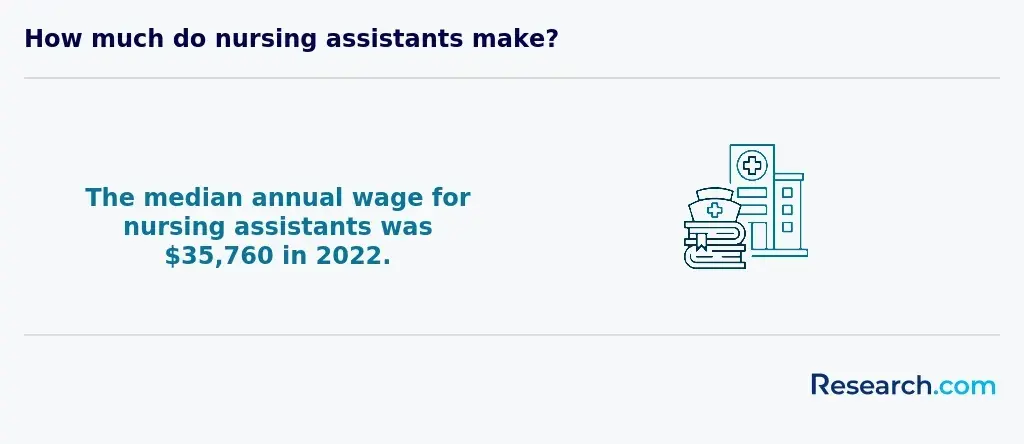
- Certified Nursing Assistants: CNAs are not licensed nurses, but they are essential members of care teams. They support daily patient needs and often work closely with LPNs and RNs.
For people who want meaningful patient contact but are not ready for a multi-year RN program, CNA or LPN training may be a practical starting point. For students who want greater clinical independence and long-term mobility, RN education is usually the stronger foundation.
What are Pennsylvania’s nursing licensing requirements?
The Pennsylvania State Board of Nursing regulates nursing licensure in the state. Requirements vary by license type, but most applicants must document approved education, pass the correct exam, complete background checks, and pay required fees.
- License category: Pennsylvania issues licenses and approvals for different levels of nursing practice, including LPN, RN, and APRN roles. Each category has a distinct scope of practice.
- Approved education: RN applicants usually complete an ADN, BSN, or approved diploma program. LPN applicants usually complete a practical nursing diploma or certificate program.
- NCLEX examination: LPN applicants take the NCLEX-PN, while RN applicants take the NCLEX-RN. The exam is designed to confirm that graduates can provide safe entry-level nursing care.
- Application materials: Candidates submit an application to the Pennsylvania State Board of Nursing, provide education documentation, report exam results, and pay applicable fees. The application fee is approximately $35 for RNs and $25 for LPNs.
- Background checks: Pennsylvania requires criminal background checks and fingerprinting. Fingerprinting is completed through approved vendors, and the cost typically ranges from $20 to $50.
- Exam and related costs: In addition to state application fees, applicants should budget for the NCLEX fee of around $200, fingerprinting, transcripts, and any school-specific graduation or verification costs.
Common licensing mistakes to avoid
- Enrolling in a nursing program before confirming that it meets Pennsylvania licensure requirements.
- Assuming an online nursing program automatically arranges clinical placements near your home.
- Waiting until graduation to learn how the NCLEX registration and state application process works.
- Ignoring background check requirements that may affect application timing.
- Focusing only on tuition while overlooking exam fees, books, uniforms, supplies, transportation, and clinical costs.
What nursing licenses are available in Pennsylvania?
The RN license is the central credential for nurses who want broad responsibility in patient assessment, care coordination, medication administration, and clinical decision-making. Pennsylvania also licenses LPNs and recognizes advanced practice roles for nurses with graduate preparation and specialty certification.
To qualify for RN licensure, candidates must complete an approved nursing program. This may be an associate degree, bachelor’s degree, or diploma from a recognized nursing school. After completing the education requirement, candidates must pass the National Council Licensure Examination for Registered Nurses or the State Board Test Pool Examination.
- RN scope of practice: Registered nurses assess patient needs, create and implement care plans, administer medications, communicate with providers, document outcomes, and support patient education.
- Licensure by endorsement: Nurses already licensed in another state or jurisdiction may be eligible to apply by endorsement. This route may allow qualified nurses to practice in Pennsylvania without retaking the NCLEX-RN if they satisfy state standards.
- Continuing education: RNs must complete 30 hours of continuing education every two years, including required training in child abuse recognition and reporting.
If you are comparing nursing with other allied health careers, salary and training length can differ substantially. For example, students considering imaging careers can review radiology technician salary details by state before deciding which healthcare path fits their goals.
Can a Compact nurse work in Pennsylvania?
Yes. Pennsylvania participates in the Nurse Licensure Compact, and registered nurses and licensed practical nurses from other Compact states may practice with an active multistate license (MSL). If you hold an active multistate license from a participating state, you may be able to work in Pennsylvania without applying for a separate Pennsylvania-only license.
- Who benefits: Nurses with active multistate licenses can accept Pennsylvania assignments more easily, which is helpful for travel nurses, relocating nurses, and employers facing staffing gaps.
- Employer use: Pennsylvania healthcare facilities, including hospitals, nursing care facilities, and home health agencies, may employ or contract with nurses who hold an active MSL without additional approvals.
- Verification still matters: Facilities must confirm the nurse’s licensure status before employment or assignment. Compact participation does not remove the need for credential verification.
- Pennsylvania rules still apply: Compact nurses practicing in Pennsylvania must follow the state’s statutes, regulations, and professional expectations while providing care in the state.
The Compact can expand career flexibility, but it does not replace careful compliance. Nurses planning to move into leadership may also consider broader healthcare management training, such as the fastest executive MHA (Masters in Healthcare Administration) programs, if their long-term goal is administration rather than bedside practice.
Can you work as a nurse in Pennsylvania without a license?
No. You cannot legally practice as a nurse in Pennsylvania without the required license. Nursing licensure exists to protect patients by confirming that practitioners have completed approved education, passed the required examination, and met state professional standards.
- Legal practice requires licensure: RN candidates must meet education requirements and pass the NCLEX-RN. LPN candidates must complete practical nursing requirements and pass the NCLEX-PN.
- Unlicensed roles are different: You may work in certain healthcare support roles, such as nurse aide positions, only if you meet the training and competency requirements for that role. Those positions do not authorize you to represent yourself as an LPN or RN.
- Career mobility depends on credentials: A license gives employers, patients, and other clinicians confidence that you meet minimum practice standards. It also creates a foundation for specialty certification, graduate study, and advancement.
The demand for support roles is also substantial. About 209,400 openings for nursing assistants and orderlies are projected each year, but those roles are not substitutes for licensed nursing practice. If your goal is to assess patients, administer nursing care within an RN or LPN scope, and qualify for licensed nursing positions, you must complete the formal licensure pathway.
-
: "
“Receiving my license changed everything. Studying for the exam was stressful, but that license was the proof that I could finally step into the role I had trained for. It was not just paperwork; it was permission to care for patients safely and professionally.”
"
What is the current state of nursing in Pennsylvania?
Pennsylvania has a large nursing workforce and a broad healthcare system that includes major hospitals, community clinics, long-term care facilities, home health providers, outpatient centers, academic medical centers, and specialty practices. According to recent data, Pennsylvania employs 144,100 registered nurses.
Even with that workforce, Pennsylvania continues to face pressure from an aging population, rising healthcare needs, retirements among experienced nurses, and demand across multiple care settings. For students, this means nursing can offer many entry points, but competition for strong clinical placements, preferred employers, and specialty roles can still be significant.
| Setting | Why Nurses Are Needed | What to Consider as a Job Seeker |
| Hospitals | Hospitals employ nurses across emergency, medical-surgical, ICU, maternity, behavioral health, oncology, and specialty units. | Expect structured orientations, shift work, and strong opportunities for specialization. |
| Long-term care facilities | Older adults and patients with chronic needs require ongoing nursing support. | These roles may offer leadership opportunities for LPNs and RNs earlier in their careers. |
| Home healthcare | More patients receive care at home after hospitalization or while managing chronic conditions. | Home health can offer autonomy, but it requires strong judgment and documentation skills. |
| Outpatient care centers | Preventive care, procedures, chronic disease management, and follow-up visits increasingly occur outside hospitals. | Schedules may be more predictable than inpatient roles, but specialty experience may be preferred. |
The cost of living varies by region, so students should compare local wages with housing, transportation, and commuting costs. Philadelphia, Pittsburgh, Allentown, rural communities, and smaller cities can offer very different clinical experiences and employment markets.
The Pennsylvania State Board of Nursing oversees licensure. Before you enroll, confirm that your intended program prepares graduates for the license you want and that it aligns with Pennsylvania’s current nursing regulations.
How does nursing compare with other healthcare careers in Pennsylvania?
Nursing is best suited for people who want sustained patient contact, clinical responsibility, shift-based or unit-based teamwork, and multiple advancement options. Other healthcare careers may focus more narrowly on diagnostics, medication management, administration, billing, or technical procedures.
| Career Direction | Primary Focus | Good Fit If You Want | Trade-Off |
| Nursing | Patient assessment, care planning, monitoring, education, and coordination. | Direct patient care and many possible specialties. | Licensure requirements, clinical intensity, and shift work can be demanding. |
| Pharmacy | Medication therapy, patient counseling, drug safety, and pharmaceutical care. | A medication-centered healthcare role with deep pharmacology training. | The education pathway and daily work differ significantly from bedside nursing. |
| Radiologic technology | Diagnostic imaging and technical patient procedures. | A hands-on clinical role with a narrower technical focus. | Less broad care coordination than nursing. |
| Healthcare administration | Operations, staffing, compliance, quality improvement, and leadership. | Management responsibilities rather than direct bedside care. | May require additional business or healthcare leadership education. |
If you are comparing patient care with medication-focused practice, review the guide on how to become a pharmacist in Pennsylvania. The better choice depends on whether you want to manage full patient care needs at the bedside or specialize in medication therapy and pharmaceutical decision-making.
What online education options support advanced nursing specializations in Pennsylvania?
Online nursing education can help working nurses move into advanced specialties, but it must be evaluated carefully. Most advanced nursing programs still require in-person clinical hours, even when coursework is online. Before enrolling, confirm that the program is accredited, that it supports Pennsylvania licensure or certification goals, and that clinical placement expectations are realistic.
Online options may be especially useful for RNs pursuing graduate certificates, nurse practitioner tracks, leadership preparation, or specialty credentials. Nurses interested in women’s health may review the easiest WHNP online programs to get into while also confirming admission requirements, clinical site policies, and certification alignment.
What is the job outlook for nursing in Pennsylvania?
The nursing job outlook in Pennsylvania remains positive because healthcare demand continues across hospitals, outpatient settings, long-term care, and home-based services. According to the U.S. Bureau of Labor Statistics, employment for registered nurses in Pennsylvania is projected to grow by 6% from 2021 to 2031, which is on par with the national average.
Compensation is also a major reason many students consider nursing. The average annual wage for registered nurses in Pennsylvania is approximately $87,000, but salary can vary based on location, specialty, experience, overtime, shift differentials, union status, and employer type.
| Metropolitan Area | Average Salary |
| Philadelphia | $80,000 |
| Pittsburgh | $76,000 |
| Allentown | $78,000 |
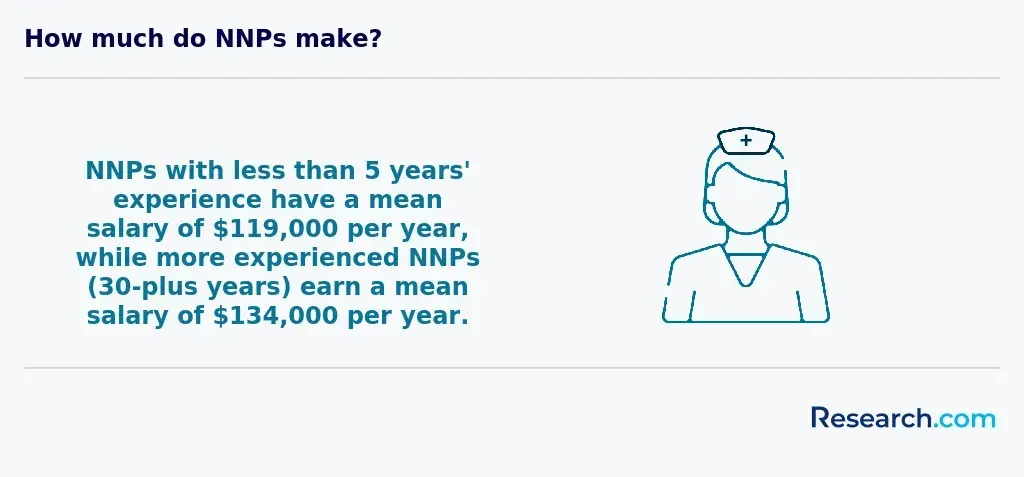
Some advanced nursing roles pay more. Nurse anesthetists and nurse practitioners typically command the highest salaries, often exceeding $100,000 annually. Licensed practical nurses generally earn less than RNs, averaging around $56,000 per year.
What affects nursing salary in Pennsylvania?
- Location: Large metro areas and specialized hospitals may pay differently from rural or community settings.
- Credential level: LPN, RN, BSN-prepared RN, and APRN roles have different compensation ranges.
- Specialty: ICU, emergency, oncology, perioperative, anesthesia, and advanced practice roles may pay differently.
- Schedule: Nights, weekends, overtime, and per diem work can affect total earnings.
- Experience: New graduates, mid-career nurses, charge nurses, and clinical leaders often have different pay structures.
What LPN education options are available in Pennsylvania?
LPN education is a practical choice for students who want to enter nursing more quickly than a traditional RN pathway may allow. Pennsylvania practical nursing programs combine classroom instruction with supervised clinical training and prepare graduates for the NCLEX-PN.
LPN programs may be offered by vocational schools, technical centers, community colleges, and some healthcare-affiliated institutions. Students who need more flexibility can explore online LPN programs in Pennsylvania, but they should verify whether coursework is truly online, where clinical training occurs, and whether the program is approved for Pennsylvania licensure.
When an LPN program may make sense
- You want a shorter route into direct patient care.
- You plan to work while later completing an LPN-to-RN or LPN-to-BSN bridge program.
- You are interested in long-term care, rehabilitation, home health, or physician office settings.
- You want to confirm that nursing is the right career before committing to a longer degree.
When an RN pathway may be better
- You want broader clinical authority and more advancement options from the start.
- You hope to work in hospital specialty units that prefer RN preparation.
- You plan to become a nurse practitioner, nurse anesthetist, nurse educator, or nurse leader later.
- You want the strongest long-term foundation for graduate nursing education.
How can nurses advance their careers in Pennsylvania?
Nurses in Pennsylvania can advance by earning higher degrees, building specialty experience, pursuing certification, moving into leadership, or transitioning into advanced practice. The best route depends on whether you want more clinical autonomy, higher compensation, education roles, administrative responsibility, or a less physically demanding career path.
| Advancement Goal | Common Route | Best Fit |
| Move from LPN to RN | Complete an LPN-to-RN or ADN pathway. | LPNs who want broader practice authority and more job options. |
| Move from RN to BSN | Complete an RN-to-BSN program. | RNs seeking leadership, hospital mobility, or graduate school preparation. |
| Become a nurse practitioner | Complete an MSN or doctoral NP program and obtain certification. | RNs who want advanced assessment, diagnosis, and treatment responsibilities. |
| Enter leadership | Pursue charge nurse, nurse manager, quality, informatics, or administration experience. | Nurses interested in systems, staffing, policy, and operations. |
| Specialize clinically | Build experience and pursue specialty certification in areas such as geriatrics, pediatrics, or critical care. | Nurses who want deeper expertise without leaving patient care. |
For nurses planning to become NPs, program choice is especially important because clinical training, specialty track, certification preparation, and state alignment affect career readiness. You can compare the best NP programs in Pennsylvania when evaluating graduate nursing options.
What education is required to become a nurse practitioner in Pennsylvania?
Nurse practitioners in Pennsylvania build on RN licensure by completing accredited graduate nursing education, usually through an MSN or doctoral program, in a defined population or specialty area. Programs combine advanced coursework with supervised clinical practice so graduates can provide higher-level assessment, diagnosis, treatment planning, and patient management.
Prospective NP students should review admission prerequisites, required clinical hours, certification exam preparation, faculty support, and state approval. For a deeper pathway explanation, review nurse practitioner education requirements in Pennsylvania.
How should I choose an online nursing program in Pennsylvania?
Online nursing programs can be convenient, but convenience should never be the only deciding factor. The most important questions are whether the program is accredited, whether it leads to the license or credential you want, and whether clinical placements are feasible.
| Factor | What to Ask | Why It Matters |
| Accreditation and approval | Is the program properly accredited and accepted for Pennsylvania licensure or advancement? | Accreditation affects licensure, transfer, graduate admission, and employer recognition. |
| Clinical placement | Does the school arrange placements, or must students find their own sites? | Clinical delays can postpone graduation and licensure. |
| NCLEX preparation | How does the program support exam readiness? | Passing the NCLEX is required for RN or LPN licensure. |
| Cost | What is the full cost, including fees, supplies, travel, testing, and clinical requirements? | Tuition alone does not show the real cost of attendance. |
| Flexibility | Are classes asynchronous, synchronous, full-time, or part-time? | Working nurses need schedules they can realistically maintain. |
| Student support | Does the program provide advising, tutoring, technology help, and career support? | Support can make a major difference in completion and exam preparation. |
Students comparing flexible options can review the best online nursing programs in Pennsylvania, but they should still verify each program’s current approval status and clinical requirements before applying.
What are Pennsylvania’s continuing education and renewal requirements?
Pennsylvania nurses must keep their licenses active by renewing on schedule and completing required continuing education. RNs must complete 30 hours of continuing education every two years, including state-required child abuse recognition and reporting training.
Continuing education should come from approved providers. Nurses should keep documentation because employers or regulators may require proof of completion. Missing renewal requirements can affect your ability to practice, so it is wise to track deadlines well before the renewal period closes.
For a focused explanation of renewal rules, see the guide to requirements for nursing licensure in Pennsylvania.
How do I choose the right nursing school in Pennsylvania?
The right nursing school is not always the highest-ranked or closest option. It is the program that fits your licensure goal, budget, schedule, learning needs, and clinical training requirements.
Questions to ask before enrolling
- Is the program approved for the Pennsylvania nursing license I want?
- Is the school accredited by a recognized nursing accreditor?
- Where do students complete clinical rotations, and who secures those placements?
- What are the program’s admission requirements and prerequisite courses?
- How does the school prepare students for the NCLEX?
- What is the full cost after tuition, fees, equipment, books, uniforms, testing, transportation, and background checks?
- Can prior credits transfer, and how many credits will the school accept?
- Are courses available in a format that fits my work and family responsibilities?
- What academic support is available if I struggle in a course or clinical rotation?
- What employers hire graduates from this program?
For a broader comparison of school options, review the best nursing schools in Pennsylvania. Use rankings as a starting point, not as the only reason to choose a program.
How can I become a nurse midwife in Pennsylvania?
Nurse midwives are advanced practice registered nurses who specialize in reproductive health, pregnancy, birth, postpartum care, and related wellness services. In Pennsylvania, this pathway typically begins with RN preparation, followed by nursing experience and completion of an accredited nurse-midwifery graduate program.
After graduate education, candidates must pass the required specialty examination and meet state requirements for practice as a Certified Nurse-Midwife. Because nurse-midwifery is an advanced role, students should confirm that any program they choose meets certification and Pennsylvania practice expectations. For a detailed roadmap, review how to become a nurse midwife in Pennsylvania.
How can I become an LVN in Pennsylvania?
Pennsylvania commonly uses the term Licensed Practical Nurse rather than Licensed Vocational Nurse, but students searching for LVN pathways are usually looking for practical nursing education. The path begins with a state-approved vocational or practical nursing program that combines classroom learning with supervised clinical practice.
After completing the program, candidates apply for licensure and pass the required practical nursing examination. Program approval, clinical hours, cost, schedule, and future bridge options should all be reviewed before enrolling. For additional procedural details, consult how to become an LVN in Pennsylvania.
How are LPNs and CNAs different in Pennsylvania?
LPNs and CNAs both support patient care, but they are not interchangeable roles. LPNs are licensed nurses with formal practical nursing education and a defined clinical scope. CNAs provide essential basic care and support tasks under supervision but do not hold a nursing license.
| Category | LPN | CNA |
| Credential | Licensed Practical Nurse license. | Nurse aide certification or registry status after approved training and competency testing. |
| Training length | Longer practical nursing program. | Shorter nurse aide training program. |
| Scope | Clinical nursing tasks under RN or physician supervision. | Basic support with daily care, comfort, mobility, and observation. |
| Advancement | Can bridge to RN education and later advanced roles. | Can be a starting point for LPN or RN education. |
| Best for | Students who want licensed clinical responsibility sooner than an RN pathway. | Students who want quick entry into healthcare support work. |
For a deeper side-by-side explanation, read the comparison of licensed practical nurse LPN vs certified nursing assistant CNA key differences.
What do nurses say about becoming a nurse in Pennsylvania?
- “I chose Pennsylvania because I could build experience in different healthcare settings. ICU work has challenged me, but the team support and continuing education expectations have helped me grow.” Natalie
- “As an LPN in home health, I value the relationships I develop with patients. The work is personal, and the need for nurses makes the career feel stable and meaningful.” Howard
- “Moving into a nurse practitioner role gave me more responsibility and a broader way to serve patients. Collaboration with other professionals has been one of the strongest parts of practicing in Pennsylvania.” Estella
Can nurses move into medical billing and coding in Pennsylvania?
Yes. Nurses who want to move away from direct bedside care may transition into administrative healthcare roles such as medical billing, coding, revenue cycle support, utilization review, clinical documentation improvement, compliance, or case management. Clinical knowledge can be an advantage because nurses understand diagnoses, procedures, documentation, and care workflows.
This path may appeal to nurses seeking more predictable schedules, remote or hybrid work possibilities, or less physically demanding roles. However, billing and coding require specialized training in coding systems, payer rules, documentation standards, and compliance. Nurses considering this shift can review how to become a medical biller and coder in Pennsylvania.
Current trends affecting nursing careers in Pennsylvania
- Greater demand for flexible staffing: Pennsylvania’s Compact participation supports cross-state nurse mobility and helps facilities address staffing needs more efficiently.
- More interest in BSN and graduate education: Degree trends show that baccalaureate preparation increased from 43.4% to 51.1% from 2015 through 2022, while diploma and associate degree shares declined.
- Growth in home and outpatient care: Nurses are increasingly needed outside traditional inpatient units, especially in home healthcare, ambulatory care, chronic disease management, and preventive care.
- Stronger focus on compliance and documentation: Nurses must understand state regulations, child abuse reporting requirements, continuing education rules, and electronic health record documentation expectations.
- Expanding advanced practice interest: Nurses seeking higher autonomy and specialization often consider NP, nurse-midwife, nurse anesthetist, and clinical leadership pathways.
Practical checklist before you start a nursing program in Pennsylvania
- Choose the role you want first: CNA, LPN, RN, or APRN.
- Confirm that the program is approved for Pennsylvania licensure.
- Check accreditation and ask how it affects transfer, graduate study, and employer recognition.
- Review prerequisites and admission requirements before applying.
- Ask where clinical rotations occur and whether the school arranges them.
- Calculate total cost, not just tuition.
- Ask about NCLEX preparation and student support.
- Confirm whether online coursework still requires in-person labs or clinicals.
- Review renewal and continuing education expectations before you graduate.
- Compare job settings and specialties early so you can choose clinical experiences strategically.
Key Insights
- Becoming a nurse in Pennsylvania requires approved education, the correct NCLEX exam, state application steps, background checks, and ongoing renewal compliance.
- The best entry path depends on your goal: CNA training is fastest for support work, LPN programs offer a shorter route into licensed care, ADN and BSN programs prepare students for RN licensure, and graduate degrees support advanced practice.
- Accreditation and Pennsylvania approval are critical. A convenient or inexpensive program can become costly if it does not meet licensure or clinical requirements.
- Pennsylvania participates in the Nurse Licensure Compact, allowing eligible nurses with an active multistate license to practice in the state while still following Pennsylvania rules.
- The nursing workforce is large, with 144,100 registered nurses employed in Pennsylvania in 2023, and demand remains supported by healthcare needs across hospitals, long-term care, outpatient care, and home health.
- Registered nurses in Pennsylvania earn approximately $87,000 per year on average, but actual pay varies by location, specialty, experience, schedule, and employer.
- Before enrolling, ask schools about clinical placement, NCLEX support, total cost, transfer credits, online requirements, and graduate outcomes. These details affect licensure readiness more than marketing claims or rankings alone.
Related Articles for Nearby States
- 2027 How to Become a Nurse in New Jersey
- 2027 How to Become a Nurse in Delaware
- 2027 How to Become a Nurse in Maryland
- 2027 How to Become a Nurse in New York
- 2027 How to Become a Nurse in West Virginia
- 2027 How to Become a Nurse in Ohio
- 2027 How to Become a Nurse in Virginia
- 2027 How to Become a Nurse in Connecticut
- 2027 How to Become a Nurse in Rhode Island
- 2027 How to Become a Nurse in Massachusetts
References:
- Department of Health-Commonwealth of Pennsylvania (2023). Health Care Facility Guidance For Partial Implementation Of The Interstate Nurse Licensure Compact.
- nursejournal.org (2023). Nursing in Pennsylvania: Requirements, Licensing, and Salary Outlook.
- Commonwealth of Pennsylvania (n.d.). The State Board of Nursing.
- U.S. Bureau of Labor Statistics. (2023). Occupational outlook handbook - Nursing assistants and orderlies.
Other Things You Need to Know About Nursing in Pennsylvania
To become a nurse in Pennsylvania in 2027, you must first complete an approved nursing program, which could be an associate or bachelor's degree in nursing. After graduation, pass the NCLEX-RN exam, then apply for licensure through the Pennsylvania State Board of Nursing.
The Pennsylvania State Board of Nursing regulates nurse licensure, renewal, and discipline. It sets standards for registered nurses, licensed practical nurses, and advanced practice roles, and it handles applications, complaints, and license verification through the Pennsylvania Department of State.
In 2027, to become a licensed nurse in Pennsylvania, you must complete a state-approved nursing program, pass the NCLEX-RN exam, and fulfill continuing education requirements. You will need to apply for licensure through the Pennsylvania State Board of Nursing and undergo a background check.
To transfer an out-of-state nursing license to Pennsylvania, apply for licensure by endorsement through the Pennsylvania State Board of Nursing. Provide verification of your existing license, proof of education, and pass a criminal background check. Fees and processing times vary, so check the Board's website for details.