2027 How to Become a Nurse Midwife in Wisconsin – Midwife Schooling Requirements

Co-Founder and Chief Data Scientist
Becoming a nurse midwife in Wisconsin is a multi-step path that combines registered nursing, graduate-level midwifery education, national certification, and state advanced practice authorization. The decision matters because certified nurse midwives (CNMs) are trained to provide pregnancy, birth, postpartum, newborn, reproductive, and primary women’s health care across hospitals, clinics, birth centers, and community settings.
This guide is for Wisconsin nursing students, registered nurses, career changers comparing midwifery routes, and current nurses deciding whether CNM practice is worth the time and cost. It explains the degree requirements, admissions expectations, clinical training, licensure process, program options, costs, financial aid, accreditation rules, and career considerations you should review before applying.
Quick answer: How do you become a nurse midwife in Wisconsin?
- Start by earning a Bachelor of Science in Nursing (BSN), passing the NCLEX-RN, and obtaining an active Wisconsin registered nurse license.
- Complete a graduate nurse-midwifery program accredited by the Accreditation Commission for Midwifery Education (ACME), most often an MSN or DNP pathway that includes advanced coursework and supervised clinical practice.
- Pass the American Midwifery Certification Board (AMCB) examination, then apply for Wisconsin advanced practice authorization with the nurse-midwife specialty before practicing independently within the state’s legal scope.
- Minimum degree needed to become a nurse midwife in Wisconsin
- Admissions requirements for Wisconsin nurse-midwife applicants
- Admissions checklistCourses found in nurse-midwifery programs
- Clinical training expectations for nurse-midwife students
- Typical timeline to become a CNM in Wisconsin
- Estimated cost of nurse-midwife school in Wisconsin
- Financial aid options for nurse-midwife students
- Accredited and relevant midwifery program options
- Continuing education and recertification for Wisconsin CNMs
- Wisconsin legal and regulatory rules for nurse midwives
- Advanced degrees that can expand CNM career options
- Accreditation bodies for nurse-midwife programs
- Wisconsin job market and salary considerations for nurse midwivesAccreditation review
What is the minimum degree requirement to become a nurse midwife in Wisconsin?
The minimum educational route for certified nurse-midwife practice in Wisconsin is a graduate nursing degree with a nurse-midwifery focus, typically a Master of Science in Nursing (MSN). The MSN pathway builds on registered nursing preparation and adds advanced clinical training in reproductive health, pregnancy, birth, postpartum care, newborn assessment, prescribing, and primary care for women across the lifespan.
Most MSN nurse-midwifery programs take 2 to 3 years of full-time study. Students complete advanced coursework in areas such as physiology, pharmacology, health assessment, perinatal care, and evidence-based practice while also gaining supervised clinical experience. This preparation is designed to support safe management of low-risk pregnancies, recognition of complications, referral when needed, and patient education before, during, and after birth.
A Doctor of Nursing Practice (DNP) is not the minimum credential, but some students choose it for deeper preparation in leadership, quality improvement, policy, and systems-level practice. The right choice depends on whether your goal is direct clinical practice as soon as possible or a broader role that may include administration, program development, or academic work.
| Pathway | Best fit | Important limitation |
| MSN with nurse-midwifery specialization | Registered nurses who want the standard graduate route to CNM certification and practice | Applicants still need to verify ACME accreditation, clinical placement support, and Wisconsin eligibility |
| DNP with nurse-midwifery focus | Nurses seeking advanced clinical leadership, policy, quality improvement, or executive preparation | Usually takes longer than an MSN and may cost more |
| Post-master’s nurse-midwifery certificate | Master’s-prepared nurses adding midwifery to an existing advanced nursing background | Eligibility depends on prior coursework, clinical background, and program admission rules |
| Direct-entry midwifery route | Students interested in becoming direct-entry midwives rather than certified nurse midwives | This route is different from CNM licensure and does not replace ACME-accredited nurse-midwifery education |
For nurses comparing advanced practice choices, nurse midwifery is often considered alongside women’s health, family practice, and other specialties. Research.com’s guide to high-value nursing specialty paths can help you compare midwifery with other advanced nursing careers before committing to graduate school.
What are the admission requirements for nurse midwife programs in Wisconsin?
Admission to nurse-midwifery programs is competitive because applicants must show readiness for graduate nursing study and advanced clinical responsibility. Requirements vary by school, but Wisconsin applicants should expect programs to evaluate academic performance, RN licensure, professional maturity, writing ability, references, and clinical preparedness.
| Requirement | What programs commonly expect | How to strengthen your application |
| Prior nursing degree | A BSN from an accredited school is usually required, although some pathways consider applicants with a professional master’s in nursing | Confirm that your nursing degree meets the program’s accreditation and prerequisite rules before applying |
| GPA | Many programs look for at least a 3.0 cumulative GPA, with competitive applicants often above 3.4; associate-level pathways may accept a 2.0 GPA if all course grades are C or higher | Use recent strong grades, prerequisite retakes, or graduate coursework to show academic readiness if your GPA is weaker |
| RN license | An active RN license is required, and Wisconsin programs specifically require Wisconsin RN licensure | Resolve license renewals, compact-state questions, or disciplinary issues before the application deadline |
| Recommendations | Three academic or professional letters are typically requested | Ask supervisors, faculty, or advanced practice clinicians who can discuss judgment, communication, and clinical reliability |
| Personal statement | Programs usually require a written statement explaining your goals and fit for nurse midwifery | Connect your experience to specific CNM responsibilities rather than writing only about general interest in birth work |
| Nursing experience | At least one year of nursing experience is often preferred or required; some programs admit BSN graduates but require RN experience before clinical placement | Experience in labor and delivery, postpartum, community health, emergency care, or women’s health can be helpful |
| Official transcripts | Transcripts from all post-secondary institutions attended are required | Order transcripts early and verify that transfer credits and prerequisite courses appear correctly |
| International applicant materials | Equivalent nursing education, RN licensure evidence, and often English proficiency documentation are required | Allow extra time for credential evaluation and state board review |
| Wisconsin-specific licensing documentation | Graduates must later provide ACME program transcripts, national certification verification, and state APRN application materials with fees | Choose a program that clearly supports Wisconsin licensure documentation after graduation |
Labor and delivery experience is useful, but it is not always mandatory. What matters most is whether you can demonstrate safe nursing judgment, emotional steadiness, strong communication skills, and the ability to learn in high-responsibility clinical environments.
The chart below illustrates the wage gap among CNMs by race:
What courses are included in nurse midwife programs in Wisconsin?
Nurse-midwifery curricula combine advanced practice nursing foundations with specialized preparation in reproductive, pregnancy, birth, postpartum, and newborn care. While course titles differ by school, ACME-accredited programs are designed to prepare graduates for national CNM certification and safe entry into practice.
| Course area | What students learn | Why it matters in practice |
| Advanced health assessment | Comprehensive physical, psychosocial, and risk assessments for women and newborns | CNMs must identify normal findings, warning signs, and when referral or collaboration is needed |
| Advanced pathophysiology | Disease processes, body systems, and complications relevant to women’s health and pregnancy | Strong diagnostic reasoning is essential when symptoms may affect the parent, fetus, or newborn |
| Pharmacology for nurse midwives | Medication selection, prescribing principles, safety, and management in reproductive and perinatal care | CNMs need medication knowledge for contraception, prenatal concerns, labor, postpartum care, and primary care needs |
| Reproductive and sexual health | Contraception, STI care, fertility concerns, menopause, and health counseling across the lifespan | Midwifery practice extends well beyond labor and delivery |
| Primary care of women | Health promotion, screening, prevention, and management of common acute and chronic conditions | Many CNMs provide routine women’s health and preventive services in addition to maternity care |
| Maternal and newborn care | Prenatal care, fetal assessment, labor, birth, postpartum recovery, breastfeeding, and newborn evaluation | This is the core clinical knowledge base for safe maternity and newborn practice |
| Care during labor and birth | Support for normal labor, recognition of complications, birth management, and immediate newborn assessment | Students learn how to provide hands-on intrapartum care while escalating concerns appropriately |
| Evidence-based practice and research | How to evaluate clinical literature and apply research findings to patient care | CNMs must keep practice aligned with current evidence rather than relying only on tradition or habit |
| Health promotion and epidemiology | Population health, prevention strategies, and community-level risks affecting maternal and newborn outcomes | This is especially relevant for rural, underserved, and culturally diverse communities |
| Clinical practicums | Supervised care in real practice settings with increasing responsibility | Clinical rotations connect classroom knowledge with actual patient care decisions |
Some programs also emphasize rural health, culturally responsive care, interprofessional collaboration, and care coordination. If you are comparing this route with other advanced nursing careers, Research.com’s overview of how to become a certified nurse midwife explains the broader national pathway and career progression.
What are the clinical training requirements for nurse midwife programs in Wisconsin?
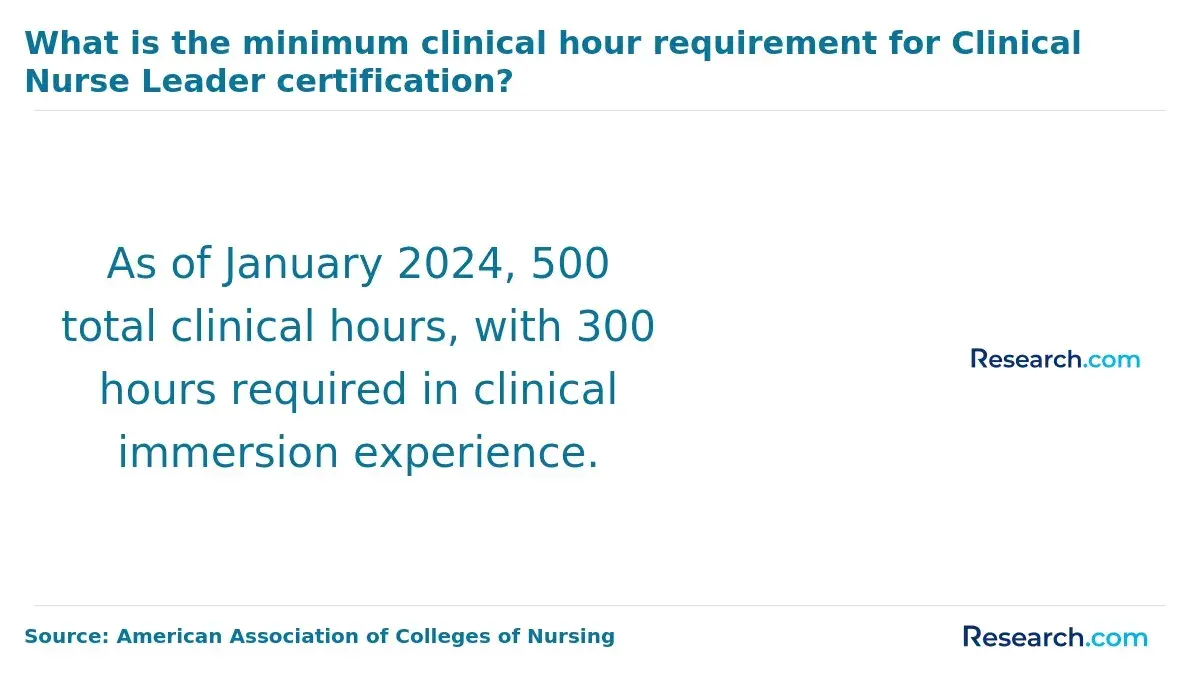
Wisconsin nurse-midwife students generally complete between 500 and 1,000 supervised clinical hours, depending on the credential level, school, and program design. Some associate degree midwifery pathways, such as the program at Southwest Wisconsin Technical College, may include close to 932 clinical hours over two years. CNM students should focus not only on the number of hours but also on the quality, variety, and supervision of those clinical experiences.
Clinical learning usually begins with observation and guided participation, then progresses toward more independent care under a qualified preceptor. Preceptors are commonly certified nurse midwives or OB/GYN physicians who evaluate students’ clinical judgment, communication, safety, and readiness for advanced practice.
| Clinical setting | Skills students may practice | Questions to ask before enrolling |
| Hospital labor and delivery unit | Labor support, birth management, fetal monitoring interpretation, postpartum assessment, escalation of complications | How many birth experiences are students expected to complete, and who arranges the placement? |
| OB/GYN or women’s health clinic | Prenatal visits, gynecologic exams, contraception counseling, screening, and preventive care | Will the placement provide enough women’s health visits beyond prenatal care? |
| Birth center | Low-risk pregnancy and birth care, family-centered support, newborn assessment, transfer decision-making | Does the site meet program and state requirements for supervision and documentation? |
| Community health center | Care for underserved populations, patient education, chronic condition screening, culturally responsive communication | Will students gain experience with diverse patient needs and social determinants of health? |
| Private practice | Continuity of care, outpatient management, collaborative referral, patient counseling | How does the program evaluate preceptor quality and student progress? |
Wisconsin follows national accreditation expectations and does not add a separate state clinical-hour requirement beyond the standards tied to approved education and certification. Recent legislative changes have also expanded CNM autonomy by removing earlier physician collaboration requirements, making it especially important for graduates to understand their professional scope, referral obligations, and liability responsibilities.
How long does it take to become a certified nurse midwife in Wisconsin?
The full path from the start of nursing school to independent CNM practice in Wisconsin generally takes seven to eight years. Your exact timeline depends on whether you study full time or part time, how quickly you gain RN licensure, whether you work before graduate school, and whether you choose an MSN or DNP program.
| Step | Typical time or requirement | Decision point |
| Earn a BSN | Usually four years of full-time study | Choose an accredited nursing program that prepares you for RN licensure |
| Pass the NCLEX-RN and obtain RN licensure | Completed after nursing school | Wisconsin CNM applicants need an active RN license |
| Gain nursing experience | Recommended and often required, but not always required before admission | Labor and delivery experience can help, but broader women’s health or acute care experience may also be valuable |
| Complete an MSN nurse-midwifery program | Usually 2 to 3 years | Best for students seeking the standard graduate route to CNM practice |
| Complete a DNP nurse-midwifery program | May take 3 to 4 years | Best for students who want added preparation in leadership, systems change, or advanced clinical scholarship |
| Pass the AMCB certification exam | The exam costs $500 and must be taken within 24 months of graduation | Graduation from an eligible accredited program is essential |
| Apply for Wisconsin advanced practice authorization | Application review can take several weeks and includes a $75 fee | Prepare transcripts, certification verification, and required state documentation early |
| Maintain licensure | Wisconsin CNMs renew their license every two years | Track state renewal and national certification requirements separately |
Students who already hold a BSN and RN license can move more quickly than those starting from the beginning of nursing education. Conversely, part-time enrollment, delayed clinical placement, employer scheduling demands, or choosing a DNP route can extend the timeline.
How much does it cost to attend nurse midwife school in Wisconsin?
The cost of nurse-midwife education in Wisconsin depends on program type, residency status, public versus private tuition, distance-learning fees, clinical travel, and whether you pursue an MSN, DNP, certificate, or direct-entry midwifery pathway. Tuition is only one part of the budget, so applicants should calculate total attendance costs before enrolling.
| Cost category | Amount or range stated for Wisconsin-related planning | Why it matters |
| Public graduate tuition and fees | For the 2024-2025 academic year, public institutions average around $17,789 per year for in-state students and approximately $30,782 annually for out-of-state students | Residency can significantly affect total cost |
| Private institution tuition | Often between $25,000 and $35,000 per year | Private programs may offer flexibility or online access, but students should compare net cost after aid |
| Books and course materials | Typically about $1,463 annually | Required texts, digital resources, and clinical references can add up each term |
| Clinical supplies | May cost a few hundred dollars upfront | Students may need equipment such as a stethoscope, blood pressure cuff, and other clinical tools |
| Certification and licensing | AMCB-related certification and licensure expenses generally add $500 to $700, while state nursing license application fees are under $200 | These costs arrive near graduation, when students may already be paying for travel and exam preparation |
| Associate degree midwifery example | Southwest Tech estimates total annual costs of around $6,995, excluding living expenses | This figure applies to a specific pathway and should not be assumed for graduate CNM programs |
When comparing schools, focus on net cost, not advertised tuition alone. Ask whether tuition includes online fees, simulation fees, background checks, malpractice coverage, clinical placement coordination, travel to intensives, and exam preparation. Students considering related advanced nursing roles can also compare timelines and costs in Research.com’s guide on how to become a nurse practitioner.
What financial aid options are available for nurse midwife students in Wisconsin?
Nurse-midwife students in Wisconsin often combine federal aid, institutional scholarships, state programs, employer assistance, and loan repayment opportunities. The strongest funding strategy usually starts early: complete the FAFSA, ask programs about graduate nursing aid, and check whether you are willing to work in shortage areas after graduation.
| Financial aid option | Amount or benefit stated | Best for |
| Federal student loans and grants | May include Direct Unsubsidized Loans, Graduate PLUS Loans, and need-based aid through FAFSA | Students who need baseline funding for tuition and living costs |
| Health Professions Loan Assistance Program | Offers up to $25,000 in loan repayment for full-time work in designated shortage areas for three years | Graduates willing to serve communities with provider shortages |
| Wisconsin Guild of Midwives Scholarship | Provides $1,000 every six months and prioritizes students serving underserved populations | Students committed to access-focused midwifery care |
| Wisconsin Nursing Program | Provides up to $20,000 for tuition plus $5,000 for additional expenses, based on income eligibility | Eligible Wisconsin nursing students who need tuition and cost-of-attendance support |
| State Nurse Educator Loan Forgiveness | Forgives 100% of tuition loans for graduates who become nurse educators in Wisconsin | CNMs who plan to teach or help address nursing faculty needs |
| National Health Service Corps | Offers loan repayment and scholarships for service in federally underserved areas | Students open to service commitments in high-need locations |
| Work-study opportunities | Part-time campus employment may be available through universities | Students who can balance work hours with graduate coursework and clinical requirements |
| Private and institutional scholarships | Awards may be available through groups such as the Nurses Foundation of Wisconsin | Applicants willing to track deadlines and submit multiple scholarship applications |
Before borrowing, ask each program for a full cost sheet and recent information on graduate nursing scholarships. Also ask whether students can work during clinical semesters. A program that appears affordable may become expensive if clinical placements require long travel, unpaid time away from work, or repeated campus visits.
What are the top accredited nurse midwife schools in Wisconsin?
For Wisconsin residents, the most important program-selection question is not whether a school is nearby; it is whether the program’s accreditation and clinical structure support the credential you want. CNM applicants need an ACME-accredited nurse-midwifery program to qualify for the AMCB exam. Students interested in direct-entry midwifery or birth support roles may consider MEAC-approved or other midwifery-focused programs, but those pathways are not the same as CNM preparation.
| Program or institution | Credential or pathway described | How Wisconsin students should evaluate it |
| Georgetown University | Online ACME-accredited MSN nurse-midwifery program | Confirm Wisconsin clinical placement expectations, state authorization, tuition, and required campus or synchronous components |
| Frontier Nursing University | Online MSN and post-master’s certificate options with nurse-midwifery preparation | May appeal to students interested in rural or underserved care; verify Wisconsin preceptor support before enrolling |
| Baylor University | Online DNP nurse-midwifery track with ACME accreditation described | Best suited for students who want doctoral clinical preparation; compare the longer timeline with MSN options |
| Southwest Wisconsin Technical College | Direct-entry midwifery associate degree in Fennimore with MEAC accreditation | Appropriate for direct-entry midwifery goals, not a substitute for ACME-accredited CNM education |
| Midwest Maternal Child Institute | Associate degree and one-year diploma programs in Milwaukee with MEAC approval described | Relevant for students interested in practical birth support, lactation, or public health support roles rather than CNM licensure |
| Marquette University | Wisconsin-based ACME-accredited nurse-midwifery option described in available program information | Students seeking an in-state CNM pathway should verify current format, admissions rules, clinical placement policies, and Wisconsin licensure alignment |
Do not rely on a program’s title alone. “Midwifery,” “nurse-midwifery,” “direct-entry midwifery,” and “birth assistant” can lead to different credentials, scopes of practice, and legal requirements. If your goal is CNM practice, ask the school to confirm in writing that graduates are eligible for the AMCB exam and Wisconsin advanced practice licensure. Students considering doctoral preparation can also review Research.com’s guide to career options with a doctorate in nursing.
The chart below shows the distribution of certified nurse midwives across different industries:
What are the continuing education and recertification requirements for CNMs in Wisconsin?
Wisconsin CNMs must manage both state licensure renewal and national certification maintenance. These are related but separate responsibilities. State renewal keeps the nurse legally authorized to practice in Wisconsin, while national certification confirms continued CNM credentialing through the certifying body.
| Requirement area | What to track | Practical tip |
| Wisconsin license renewal | CNMs must renew their Wisconsin license every two years | Set calendar reminders well before the renewal deadline and keep copies of all submitted materials |
| National CNM certification | Certification maintenance follows AMCB requirements | Check AMCB rules directly because recertification procedures can change |
| Continuing education | Ongoing education should support current practice in women’s health, pregnancy, birth, postpartum, newborn care, prescribing, ethics, and safety | Choose CE activities that satisfy both professional development needs and any applicable renewal requirements |
| Specialty training | Additional education in areas such as neonatal care, lactation, pain management, or emergency response may strengthen practice | Prioritize training that matches your clinical setting and patient population |
Because renewal rules can change, CNMs should verify current requirements with Wisconsin regulatory authorities and their national certifying organization rather than relying only on program advisors or employer policies. Nurses who want a broader view of state nursing expectations can review Research.com’s guide to becoming a nurse in Wisconsin.
What regulatory and legal frameworks govern nurse midwifery practice in Wisconsin?
Nurse-midwifery practice in Wisconsin is governed by state nursing regulation, advanced practice rules, professional scope standards, and licensing requirements administered through the Wisconsin Department of Safety and Professional Services. CNMs must meet education, certification, and application requirements before practicing under the nurse-midwife specialty.
Recent Wisconsin legislative updates have expanded CNM autonomy by removing earlier physician collaboration requirements. Greater autonomy does not mean practicing without accountability. CNMs still need clear referral plans, evidence-based protocols, malpractice coverage, documentation systems, and a strong understanding of when a patient’s condition requires physician consultation, hospital transfer, or emergency intervention.
| Legal or regulatory issue | Why it matters | What applicants should ask |
| Scope of practice | Defines what CNMs may do in Wisconsin, including clinical services and professional responsibilities | Where can I find the current Wisconsin nurse-midwife scope language? |
| APRN authorization | Required for advanced nursing practice with the nurse-midwife specialty | What documents will I need after graduation to apply? |
| Prescriptive authority | Affects medication management in reproductive, prenatal, intrapartum, postpartum, and primary care | What additional steps are required for prescribing privileges? |
| Practice setting policies | Hospitals, clinics, and birth centers may have credentialing rules beyond state licensure | What employer credentialing requirements are common in my target region? |
| Liability coverage | Midwifery involves high-responsibility clinical decision-making | Will malpractice insurance be employer-provided, individually purchased, or required during clinical training? |
Students exploring the broader healthcare workforce may also find it useful to understand adjacent support roles, including Wisconsin CNA education and licensing requirements, because CNMs often work within multidisciplinary care teams.
Which advanced degrees support career advancement for CNMs in Wisconsin?
The MSN is the common entry route for CNM practice, but additional graduate education can widen career options. The right advanced degree depends on whether you want to deepen clinical expertise, move into leadership, teach, conduct research, or combine midwifery with another women’s health credential.
| Advanced degree or credential | Primary purpose | Career directions it may support |
| MSN with nurse-midwifery track | Core graduate preparation for CNM certification and practice | CNM, lead midwife, clinical coordinator, preceptor, or nursing faculty role depending on employer requirements |
| Doctor of Nursing Practice | Highest clinical nursing degree focused on advanced practice, leadership, policy, and quality improvement | Director of midwifery services, clinical program manager, advanced practice leader, or executive healthcare role |
| Post-master’s certificate in nurse midwifery | Allows master’s-prepared nurses in another specialty to add midwifery preparation | Transition into CNM practice or combine midwifery with an existing advanced practice background |
| Dual nurse-midwife and women’s health nurse practitioner focus | Broadens preparation in reproductive, gynecologic, and women’s primary health care | Integrated women’s health practice, clinic leadership, or broader ambulatory care roles |
| PhD in Nursing | Research-focused doctoral preparation | University faculty, researcher, policy analyst, or research director in maternal and women’s health fields |
What organizations accredit nurse midwife programs in Wisconsin?
Accreditation is one of the highest-stakes decisions in the nurse-midwife school search. In Wisconsin, students pursuing CNM practice should look for programs accredited by the Accreditation Commission for Midwifery Education (ACME), the accrediting body recognized by the U.S. Department of Education for nurse-midwifery programs.
Graduation from an ACME-accredited nurse-midwifery program is required to qualify for the AMCB certification exam and Wisconsin advanced practice authorization as a nurse midwife. If a program is not ACME-accredited, do not assume it will lead to CNM eligibility, even if it includes midwifery coursework or birth-related clinical training.
| Accrediting body | Programs it applies to | Credential relevance for Wisconsin students |
| Accreditation Commission for Midwifery Education | Nurse-midwifery programs preparing students for CNM certification | Essential for AMCB exam eligibility and Wisconsin CNM practice |
| Midwifery Education Accreditation Council | Direct-entry midwifery programs and related midwifery education pathways | Relevant for Certified Professional Midwife or direct-entry midwifery routes, but not the same as CNM preparation |
Marquette University is identified as a Wisconsin provider offering an ACME-accredited pathway, while many Wisconsin residents also consider online ACME-accredited programs that coordinate clinical experiences closer to home. Always verify accreditation directly with the accreditor and confirm that the program can support Wisconsin clinical placement and licensure documentation.
If you are still deciding which nursing credential fits your long-term goals, Research.com’s overview of the different nursing degree levels and credentials can help you compare RN, APRN, doctoral, and certificate routes.
What are the job market opportunities and salary trends for nurse midwives in Wisconsin?
Nurse midwives in Wisconsin work in a range of settings, including hospitals, OB/GYN practices, community clinics, birth centers, academic environments, and public health organizations. Demand is shaped by access to maternity care, women’s health needs, rural provider shortages, employer staffing models, and patient interest in individualized birth and reproductive health care.
Salary varies by region, employer type, experience, call schedule, and scope of responsibilities. Urban systems may offer higher compensation in some cases, while rural or underserved areas may use incentives, loan repayment options, or broader practice roles to attract clinicians. No salary figure should be treated as guaranteed; applicants should compare actual job postings, call expectations, benefits, malpractice coverage, and productivity requirements.
| Work setting | Common CNM responsibilities | Career consideration |
| Hospital or health system | Labor and delivery care, triage, postpartum care, prenatal visits, collaboration with physicians and nurses | May involve nights, weekends, call coverage, and formal credentialing requirements |
| OB/GYN clinic | Pregnancy care, contraceptive counseling, gynecologic exams, preventive health, patient education | Often offers more predictable outpatient schedules than birth-focused roles |
| Birth center | Low-risk pregnancy and birth care, newborn assessment, family-centered support, transfer coordination | Requires strong risk assessment and clear emergency transfer systems |
| Community health or public health setting | Care for underserved populations, prenatal outreach, education, screening, and coordination of services | May align well with loan repayment programs and mission-driven practice |
| Academic or leadership role | Teaching, precepting, program development, quality improvement, or administration | Advanced degrees such as a DNP or PhD may improve competitiveness |
Technology is also changing CNM work. Electronic health records, telehealth follow-ups, remote patient communication, clinical decision support, and data-driven quality measures are becoming more common. These tools can improve coordination, but they do not replace the hands-on assessment, judgment, and relationship-centered care that define midwifery.
CNM candidates who want to compare related advanced practice nursing options in the state can review Research.com’s ranking of leading nurse practitioner programs in Wisconsin.
Questions to ask before choosing a Wisconsin nurse-midwife pathway
- Is the program ACME-accredited if my goal is CNM practice? This is the most important question because accreditation affects AMCB exam eligibility and Wisconsin licensure.
- Who arranges clinical placements? Online flexibility is useful only if the program can help you secure appropriate supervised clinical experiences.
- Does the program meet Wisconsin licensing expectations? Ask for written confirmation that graduates can apply for Wisconsin nurse-midwife authorization.
- What is the full cost after fees, travel, supplies, and certification expenses? Tuition alone does not show the real price of attendance.
- Can I work while enrolled? Clinical semesters may be difficult to balance with full-time employment, especially if travel or call-like schedules are required.
- What patient populations and settings will I train in? A strong program should prepare you for prenatal care, birth, postpartum care, newborn assessment, reproductive health, and referral decisions.
- What are the program’s certification exam and completion outcomes? Ask for current student outcomes rather than relying only on reputation or marketing language.
- Am I choosing CNM, CPM, or another birth-related role? These pathways are not interchangeable and lead to different credentials and practice rules.
Related Articles for Nearby States
- 2027 How to Become a Nurse Midwife in Minnesota – Midwife Schooling Requirements
- 2027 How to Become a Nurse Midwife in Iowa – Midwife Schooling Requirements
- 2027 How to Become a Nurse Midwife in Illinois – Midwife Schooling Requirements
- 2027 How to Become a Nurse Midwife in Michigan – Midwife Schooling Requirements
- 2027 How to Become a Nurse Midwife in Indiana – Midwife Schooling Requirements
- 2027 How to Become a Nurse Midwife in Missouri – Midwife Schooling Requirements
- 2027 How to Become a Nurse Midwife in Ohio – Midwife Schooling Requirements
- 2027 How to Become a Nurse Midwife in South Dakota - Midwife Schooling Requirements
- 2027 How to Become a Nurse Midwife in Nebraska – Midwife Schooling Requirements
- 2027 How to Become a Nurse Midwife in Kentucky – Midwife Schooling Requirements
Sources reviewed:
- American College of Nurse Midwives. Related organizations. https://midwife.org/related-organizations
- Center for Pre-Health Advising. Midwifery. https://prehealth.wisc.edu/explore-healthcare/midwifery
- Wisconsin Department of Safety and Professional Services. Nurse midwife. https://dsps.wi.gov/Pages/Professions/NurseMidwife/Default.aspx
- Indeed. Midwife salary in Wisconsin. https://www.indeed.com/career/midwife/salaries/WI
- Indeed. Registered nurse salary in Wisconsin. https://www.indeed.com/career/registered-nurse/salaries/WIMidwife salary reference
- Marquette University. Nurse midwifery graduate information. https://www.marquette.edu/grad/midwifery-nurse-practitioner-cert-msn-dnp.php
- Midwife Schooling. How to become a certified nurse midwife in Wisconsin. https://www.midwifeschooling.com/wisconsin
- Midwifery Education Accreditation Council. MEAC information. https://www.meacschools.org
- MMC Institute. Program information. https://www.mmcinst.com
- Accreditation Commission for Midwifery Education. Accredited midwifery education programs. https://theacme.org/accredited-midwifery-education-programs
- Wisconsin Center for Nursing. Wisconsin nursing schools and programs. https://wicenterfornursing.org/education/nursing-schools
- Wisconsin Guild of Midwives. Education resources. https://wisconsinguildofmidwives.org/education-2
- Zippia. Certified nurse midwife demographics. https://www.zippia.com/certified-nurse-midwife-jobs/demographicsWisconsin Guild of Midwives educationACNM related organizations
Key Insights
- The standard Wisconsin CNM route is BSN, RN licensure, ACME-accredited graduate nurse-midwifery education, AMCB certification, and Wisconsin advanced practice authorization.
- An MSN with a nurse-midwifery focus is the common minimum graduate credential; a DNP can be valuable for leadership, quality improvement, academic, or systems-level roles.
- Program accreditation is nonnegotiable for CNM candidates. ACME accreditation supports AMCB exam eligibility, while MEAC-accredited direct-entry pathways serve different midwifery credentials.
- The full pathway generally takes seven to eight years from the start of BSN education, but part-time study, DNP enrollment, RN work experience, and clinical placement timing can change the timeline.
- Costs should be evaluated as total cost of attendance, including tuition, fees, supplies, books, travel, certification, licensure, and unpaid clinical time.
- Wisconsin CNMs benefit from expanded autonomy, but independent practice still requires strong risk assessment, referral planning, documentation, and liability protection.
- The best program is not always the nearest or cheapest one. Choose the option that matches your credential goal, supports Wisconsin licensure, provides strong clinical placements, and fits your financial plan.
Other Things You Need to Know About How to Become a Nurse Midwife in Wisconsin
To become a nurse midwife in Wisconsin in 2027, you must earn a Master of Science in Nursing (MSN) with a focus on nurse-midwifery. Prerequisites typically include a Bachelor of Science in Nursing (BSN), an active RN license, and clinical experience.
In Wisconsin, nurse midwives enjoy positive employment prospects due to an increasing demand for maternal and women's health services. Opportunities are prevalent in hospitals, birthing centers, and private practices, supported by a growing emphasis on holistic care in maternal health.