2027 Different Types of Management Degrees and Their Salaries

Co-Founder and Chief Data Scientist
As the demand for skilled professionals continues to rise across industries, selecting the right educational path in management has become crucial for career advancement and financial stability. The U.S. Bureau of Labor Statistics projects that employment in management occupations will grow significantly over the next decade, reflecting the ongoing need for effective leadership in a dynamic business environment.
Understanding the distinct types of management degrees and their corresponding salary potentials empowers aspiring professionals to make informed decisions. This article offers a comprehensive overview of the various management degree options available and insights into what graduates can expect to earn, helping readers navigate their career planning with clarity and confidence.
Key Points About Different Types of Management Degrees and Their Salaries
- Holding a bachelor's degree in management typically opens doors to entry-level management positions with median salaries around $70,000 per year.
- Master's degrees in management or business administration significantly boost earning potential, with average salaries surpassing $90,000 annually.
- While associate degrees provide foundational knowledge and generally lead to lower-paying jobs averaging $45,000 to $50,000 yearly.
What Are the Different Types of Management Degrees Available?
Understanding the different types and levels of management degrees is crucial for students before selecting a program. Knowing the unique focus of each degree helps ensure that your studies align with your professional aspirations and skill development needs.
Below are the main types of management degrees and what distinguishes each one:
- Bachelor of Business Administration (BBA): This foundational degree covers core business and management concepts such as accounting, finance, marketing, and organizational behavior. Coursework emphasizes administrative skills, communication, and basic leadership principles.
- Bachelor of Science (BS) or Bachelor of Arts (BA) in Management: These programs focus on analytical and leadership abilities, including team building, conflict resolution, policy writing, and global management strategies. Students develop a comprehensive understanding of supervising teams and managing operations.
- Master of Business Administration (MBA): Designed for professionals with experience, the MBA deepens knowledge in business strategy, advanced leadership, and analytical thinking through case studies, team projects, and electives in areas like finance or marketing.
- Master of Science in Management (MSM): The MSM targets early-career individuals or those seeking a broader leadership perspective, emphasizing organizational change, managerial processes, and essential business knowledge distinguished from the strategic focus of the MBA.
- Doctor of Business Administration (DBA): Aimed at experienced professionals, the DBA emphasizes practical problem-solving and evidence-based research that addresses real business challenges through tailored coursework and projects.
- Doctor of Philosophy (PhD) in Management: This research-focused degree is intended for those interested in academic or theoretical management aspects, including advanced research methods, theory development, and dissertation work to contribute new knowledge.
The U.S. Bureau of Labor Statistics reports that median salaries for management roles such as Administrative Services Managers reached $99,290 in 2021, which highlights the value of selecting the right degree. Students exploring their education options may also consider quickest online degree programs for working adults to balance study with professional demands.
What Specializations Are Available in Management Degrees?
Specialization is an important factor when choosing a management degree because it allows students to tailor their education to specific career goals and industry demands. This focus helps align coursework and skill development with the professional paths students aim to pursue.
Below are some common management specializations and what each entails:
- Business Management: Focuses on leadership, organizational behavior, and strategic decision-making. Students develop skills in team building, conflict resolution, and global leadership. Graduates often work as general managers, operations directors, or business consultants.
- Human Resource Management: Centers on talent acquisition, employee development, and workplace culture. This specialization teaches recruitment, training, compensation, and labor relations. Career paths include human resources manager, talent acquisition specialist, and employee relations manager.
- Finance Management: Emphasizes financial analysis, budgeting, risk management, and investment strategies. Students gain technical and analytical skills to manage corporate finances. Typical careers include financial analyst, finance manager, and investment banker.
- Project Management: Prepares students to oversee projects from initiation to completion, focusing on time, budget, and resource management. Skills developed include problem-solving, organizational, and leadership abilities. Graduates may become project managers, program managers, or IT project managers.
- Operations Management: Involves optimizing business processes, supply chain management, and quality control. Students learn about logistics, production planning, and cost control. Career opportunities include operations manager, supply chain analyst, and production manager.
- Entrepreneurship Management: Designed for those aiming to start or lead new ventures. Students study innovation, business planning, and risk management. Graduates often become entrepreneurs, business development managers, or consultants.
- Healthcare Management: Focuses on the business aspects of healthcare organizations, including policy, finance, and resource allocation. This specialization prepares students for roles such as healthcare administrator, hospital manager, or public health director.
Exploring options among the best open enrollment online colleges can be a helpful step in finding a management program that offers these specializations and fits your schedule and learning preferences.
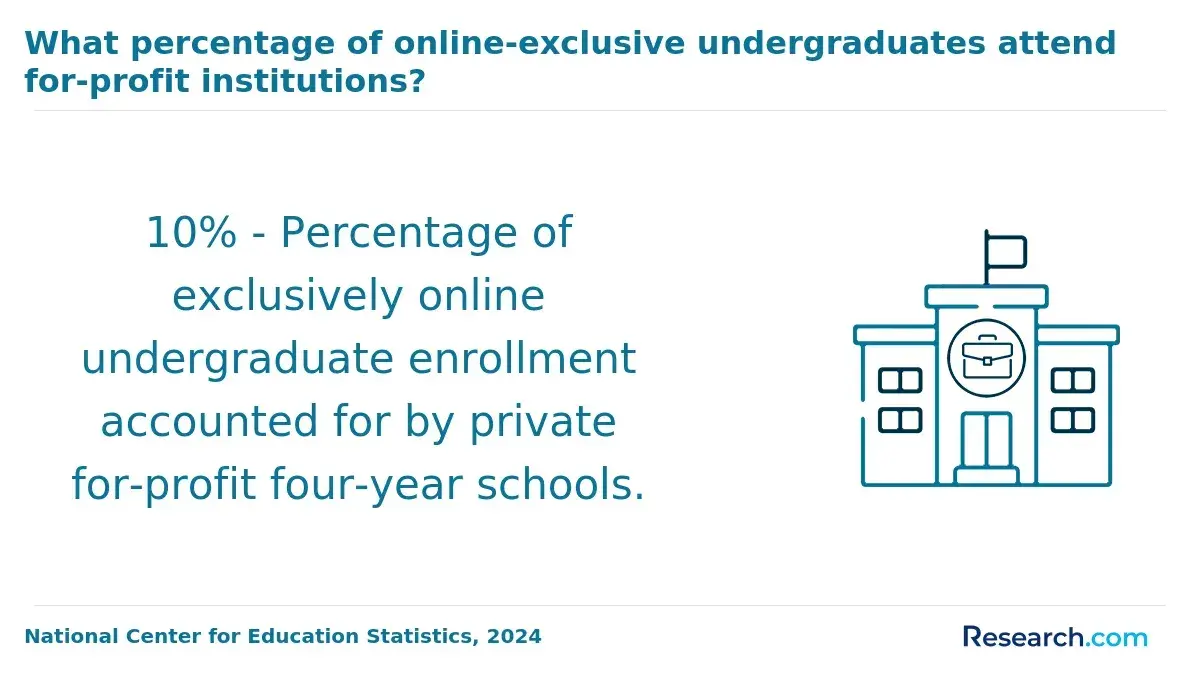
How Long Does It Take to Complete Each Type of Management Degree?
Understanding the typical duration of different management degree programs is crucial for students as they plan their education and career paths. Knowing how long each program generally takes helps set realistic expectations and assists with scheduling personal and financial commitments.
Here is an overview of the main management degree types and their usual completion times.
- Associate Degree in Management: This degree typically takes about two years of full-time study to complete. Part-time students may take longer, while those with prior credits could finish sooner. Many community colleges also offer online or accelerated options that allow for greater flexibility.
- Bachelor's Degree in Management: Usually requiring four years of full-time study, this is the standard timeline for a bachelor's degree. Transfer students with previous college credits may shorten this period. Some universities provide accelerated tracks and online courses to accommodate working professionals.
- Master's Degree in Management: Typically completed in one to two years, master's programs vary based on full-time or part-time enrollment. Accelerated programs may enable students to finish within a year, while part-time and online formats offer extended and flexible scheduling options.
- Doctorate in Management: Pursuing a PhD or DBA in management generally takes between three to six years, depending on research scope, dissertation progress, and course requirements. Part-time and online doctoral programs can extend the timeline but provide flexibility for working students.
Yes, accelerated management degree programs in the US do exist and are designed to help students earn their degrees in a shorter timeframe than traditional paths. These programs typically blend undergraduate and graduate coursework, allowing students to complete both degrees in as little as five years instead of the usual six or more.
Common formats include 4+1 or 3+2 pathways, whereby students start graduate-level courses while still undergraduates and often double-count credits toward both degrees. Other structures involve condensed or intensive courses, such as 7-week sessions or additional summer and winter terms, enabling faster progression through the curriculum.
Many programs also offer online delivery and flexible pacing, which supports year-round studies and helps students balance work and education. Additionally, some institutions accept transfer credits from previous college coursework or associate degrees, further reducing the total time needed to graduate.
Prospective students should carefully consider the increased workload intensity associated with these programs, as managing graduate-level studies concurrent with undergraduate courses can be demanding. Eligibility criteria also tend to be more stringent; students often need to meet minimum GPA requirements, secure faculty recommendations, and sometimes qualify for standardized test waivers.
These accelerated options suit highly motivated individuals who can handle a rigorous and fast-paced academic schedule and who want to enter management careers sooner. Given that management occupations had a median annual wage of $107,360 in 2022, the financial and professional incentives to pursue such accelerated paths are significant.
When asked about his experience, a graduate of an accelerated management degree program shared that the journey was intense but ultimately rewarding. "Balancing graduate-level courses while still completing my undergraduate requirements was definitely challenging," he reflected, noting the need for strong time management and prioritization skills. He described days packed with back-to-back classes, group projects, and personal study time, often sacrificing typical college social activities.
However, the ability to start his career earlier and save on tuition costs made the effort worthwhile. "It felt like running a marathon at sprint speed," he said, "but crossing that finish line with both degrees in hand gave me immense confidence and a clear advantage in the job market." His story illustrates that while accelerated management degrees demand commitment and discipline, they offer a valuable pathway for driven students eager to launch their careers quickly and effectively.
Online management degree programs maintain academic standards comparable to those of traditional, on-campus degrees. Both formats require accreditation by recognized agencies and oversight by the U.S. Department of Education, ensuring that curricula, faculty qualifications, and assessment methods meet rigorous quality benchmarks.
Many universities offer identical coursework, learning outcomes, and graduation requirements for both online and traditional management degrees, frequently using the same faculty members. Recent research indicates that students studying online perform modestly better on average than those receiving face-to-face instruction.
Additionally, retention rates for online programs range from 25% to 60%, significantly higher than the 8% to 10% typical for traditional courses, reflecting strong student engagement in digital learning environments.
Employer acceptance of online management degrees has increased markedly in recent years. According to the Society for Human Resource Management, 92% of employers view online degrees from brick-and-mortar schools favorably, whereas only 42% hold the same view for degrees from exclusively online universities.
Over 70% of organizations have hired applicants with online degrees within the past year. Surveys show that 61% of HR leaders believe online learning is equal or superior to traditional methods, and 83% of business leaders regard online degrees from well-known institutions as having the same value as on-campus credentials.
Ultimately, the reputation and accreditation of the institution play a far more influential role in determining the credibility of a management degree than the mode of learning itself. Prospective students are advised to prioritize reputable, accredited universities when choosing a program.
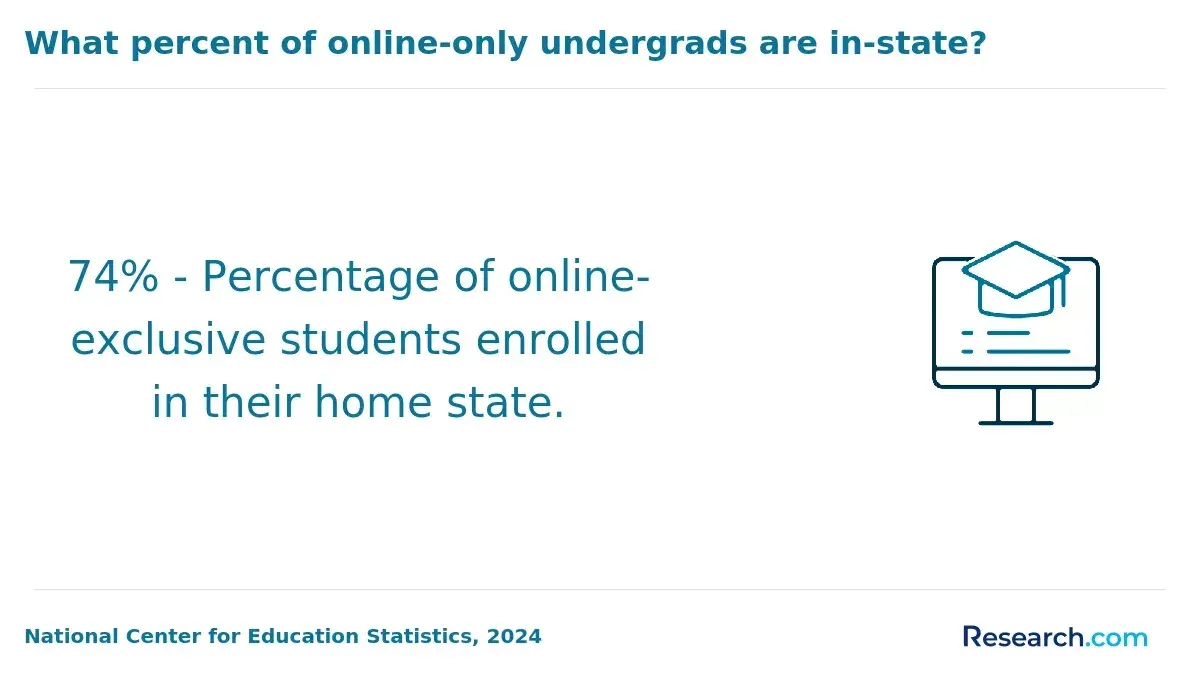
Understanding tuition differences across management degree levels is crucial for effective budgeting and long-term financial planning. Knowing the typical costs helps prospective students gauge affordability and identify funding opportunities before making commitments.
Below is an overview outlining the typical tuition ranges and key factors for each type of management degree.
- Associate Degree in Management: Tuition for associate-level management programs generally ranges from $6,000 to $20,000 for the entire degree at community colleges and public institutions. Costs tend to be higher at private or for-profit schools, while online options often offer more affordable rates.
- Bachelor's Degree in Management: Annual tuition averages around $9,432 at public in-state universities, but out-of-state and private institutions can exceed $26,900 per year. Online degrees may provide cost savings, with some programs charging between $5,100 and $13,100 total.
- Master's in Management (MiM or MBA): Graduate tuition varies widely, typically ranging from about $10,867 to $19,485 yearly at public universities. Online programs may charge a flat rate, such as <$26,136> total for some MBAs. Private universities and executive offerings can reach upwards of $30,000 to $60,000 for the degree.
- Management Graduate Certificates: These shorter programs cost between $4,356 and $10,536 depending on the institution and specialization. Financial aid options usually include federal loans and possibly employer tuition support.
When discussing tuition costs with a recent graduate of a master's in management degree program, she reflected on her financial journey with a mix of gratitude and pragmatism. She shared that careful upfront research into scholarships and employer tuition assistance helped her manage expenses better than she initially expected.
"I leveraged a combination of a teaching assistantship and company tuition reimbursement," she explained, which significantly eased the financial burden. She also emphasized that understanding the total cost of her program-including fees and materials-was critical to avoiding surprises.
Reflecting on her experience, she believes the investment was worthwhile, noting that the degree opened doors to mid-level management roles and salary increases that aligned well with her tuition outlay. Her story highlights how strategic planning and exploring all available funding channels can make pursuing a management degree financially feasible and rewarding.
The level of a management degree significantly influences the career opportunities available and the types of roles graduates are qualified to pursue. Higher degrees often lead to specialized, senior, or leadership positions, whereas entry-level degrees prepare graduates for foundational roles across various industries.
Below is an outline of common jobs associated with each management degree type to help you understand the typical responsibilities and work environments involved.
- Associate Degree in Management: Graduates typically qualify for entry-level supervisory or administrative roles such as office manager, administrative assistant, or retail supervisor. These positions focus on supporting daily business operations, coordinating staff, and ensuring organizational procedures are followed.
- Bachelor's Degree in Management: This degree is the main qualification for many management-track roles including business analyst, sales manager, project manager, marketing manager, and human resources manager. Professionals generally oversee teams, develop strategies, and ensure organizational goals are met across sectors, with a median annual salary of $107,360 in 2022.
- Master's Degree in Management (including MBA): Holding a master's enables access to senior management and specialized leadership roles such as operations manager, financial manager, supply chain manager, or executive positions like COO or CEO. These roles involve strategic planning, high-level decision-making, and organizational leadership. For those looking for a master's degree that makes the most money, these positions typically offer median salaries exceeding $150,000 per year.
- Doctoral Degree in Management (PhD or DBA): Doctoral graduates often pursue academic careers as university professors or researchers, or take on top consultancy and executive roles focusing on organizational research and advanced strategies. Salaries vary widely, with tenured professors earning between $80,000 and $180,000 and executives potentially earning much more depending on their position and organization.
Degree level often has a significant impact on earning potential in management careers. Understanding these salary differences can help students make informed educational and career decisions.
These outlines provide insight into how different degrees relate to starting salaries and long-term income prospects.
- Associate Degree in Management: Graduates with an associate degree usually start in entry-level roles such as administrative assistant or office manager, with salaries typically ranging from $35,000 to $45,000 annually. Pay varies depending on location, industry, and company size, and advancing to higher-paying roles often requires further education or experience.
- Bachelor's Degree in Management: A bachelor's opens opportunities in positions like management analyst or human resources specialist, with starting salaries projected between $62,856 and $68,680. Median wages in management occupations overall are substantially higher, influenced by industry sectors like technology and finance.
- Master of Business Administration (MBA) or Master's in Management: Holders of MBAs or related master's degrees generally earn starting salaries near $120,000. Top consulting firms may pay between $145,000 to $185,000 plus bonuses to new MBAs. Factors such as institution prestige, geographic location, and industry heavily shape these salaries.
- Doctorate in Management (Ph.D. or DBA): Doctorate holders often pursue academic roles or high-level consulting, with academic salaries starting from $80,000 to $120,000. Senior consultants or executives with doctorates can earn upwards of $150,000, particularly in prestigious firms or major corporations.
When budgeting for education, exploring options at a low cost online college can help balance investment and future salary potential.
There is a high demand for management degree holders in the US job market, driven by multiple evolving factors. Emerging technologies such as artificial intelligence, data analytics, and automation are fundamentally reshaping business environments, making digital fluency and technical skills essential complements to traditional management knowledge.
Employers favor graduates who demonstrate adaptability, leadership in times of change, and the ability to employ data-driven decision-making to solve real-world problems. Regional variations also play a key role; urban centers and tech hubs typically offer more abundant opportunities in management roles, especially in technology and finance sectors, while regions with strong healthcare or manufacturing industries seek managers with specialized expertise.
Furthermore, the growing trend toward skills-based hiring means candidates with internships, industry certifications, and practical project experience hold a clear advantage in securing competitive roles. Business schools are responding by integrating sustainability, ESG principles, and tech-integrated strategies into their curricula to better meet evolving workforce needs. Students may also find value in exploring the best double degrees that combine management with complementary fields, enhancing their marketability.
According to projections from the Bureau of Labor Statistics, management occupations are expected to grow faster than the average for all jobs from 2024 to 2034, with approximately 1.1 million new jobs anticipated. Specific roles such as financial managers, IT managers, and management analysts continue to see strong growth and offer median salaries ranging from $112,590 to $161,700 annually, reflecting a robust return on investment for students.
As industries advance, those entering the workforce with management degrees-especially when paired with specialized skills and practical experience-can expect sustained demand and competitive compensation in a dynamic, technology-driven market. This data-driven outlook underscores the continued value of pursuing a management degree in today's employment landscape.
Choosing the right degree level in management is a critical decision that shapes both your educational experience and your future career path. Aligning your choice with your professional goals and personal circumstances ensures that your investment of time and money yields meaningful returns.
To help you make an informed decision, consider the following key factors when selecting a management degree:
- Career Goals: Clarify your desired career path before choosing a degree. For instance, a bachelor's in management equips you with foundational skills for entry-level roles, while an MBA or specialized master's prepares you for leadership or niche functions like finance or IT management.
- Potential Income and Advancement: Different degree levels offer varied salary prospects. An MBA often leads to higher starting pay and faster promotion opportunities compared to a bachelor's degree, reflecting the advanced skills and leadership training provided.
- Program Duration and Cost: Bachelor's degrees usually take 3-4 years, whereas master's programs like MBAs typically require 1-2 years but come with higher tuition. Assess how much time and financial investment you can commit and the expected return on that investment.
- Curriculum and Specialization: Consider whether you want a broad-based education or a specialized focus. Some degrees emphasize general management skills, while others offer targeted coursework tailored to specific industries or functions.
- Reputation and Accreditation: The value of your degree can depend on the school's standing and program accreditation. Degrees from recognized institutions can enhance job prospects and provide access to strong alumni networks.
- Flexibility and Learning Format: If you need to balance studies with work or family, look for programs offering part-time, online, or accelerated formats designed for working professionals.
What Management Graduates Say About Their Degree and Salary
- Chloe: "Completing my healthcare management degree opened doors I never imagined. The program not only equipped me with essential skills for navigating complex healthcare systems but also ignited my passion for improving patient experiences. Starting my career felt less daunting because I had a strong foundation in both leadership and industry-specific knowledge. It has been rewarding to contribute to my community's well-being while advancing professionally in a growing and vital field."
- Joshua: "The business management degree experience was transformative on a personal and professional level. Beyond learning strategic planning and financial acumen, I gained confidence to lead diverse teams and embrace challenges head-on. It encouraged critical thinking and adaptability essential in today's fast-paced environments. Reflecting on my growth, I appreciate how this degree empowered me to create meaningful change within my organization and foster inclusive workplace cultures."
- Anna: "Graduating with an environmental management degree gave me access to unique career paths that balance sustainability with corporate goals. The interdisciplinary approach helped me tackle real-world issues, partnering with various stakeholders to drive projects focused on conservation and resource efficiency. Professionally, the degree accelerated my advancement by highlighting my specialized knowledge in a critical, emerging sector. I'm proud to be part of a movement that prioritizes ecological responsibility alongside business success."
Other Things You Should Know About Management Degree Programs & Salaries
Many bachelor’s management programs require a capstone in the final semester, usually worth 3 to 6 credit hours. Schools often use case studies, team projects, and a written business plan instead of a final exam. Some programs also require a minimum 2.0 to 3.0 GPA for capstone enrollment.
In 2026, prerequisites for a management degree typically include a high school diploma or equivalent, letters of recommendation, a personal statement, and standardized test scores, such as the SAT or ACT. Some programs may also require previous coursework or experience in business or related fields.
- Accelerated Management Online Program https://som.yale.edu/executive-education/for-individuals/leadership/accelerated-management-program
- What Can I Do with a Business Management Degree? Skills, Jobs, And Courses https://www.coursera.org/articles/business-management
- Are online degrees respected by employers? https://onlineprograms.uic.edu/news-stories/are-online-degrees-respected-by-employers/
- 11 Types of Business Degrees and Career Pathways | National University https://www.nu.edu/blog/types-of-business-degrees/
- What Can I Do With a Business Management Degree? https://www.gmercyu.edu/academics/learn/what-can-you-do-with-management-degree
- Online Master of Science in Management Studies https://www.rhsmith.umd.edu/programs/online-management-studies