2027 Online Management Master's Programs With No Application Fee

Co-Founder and Chief Data Scientist
Applicants weighing several online management master's programs can avoid an upfront application charge at some accredited universities, while others offer waivers for active-duty military personnel, veterans, alumni, and applicants with documented financial need. That matters when a typical graduate-school application fee can add $50 to $100 or more to each submission. This guide is for budget-conscious prospective students who want to compare no-fee options without sacrificing academic quality, career fit, or return on investment. It explains where to find no-fee programs, what costs remain, and how to evaluate each choice.
Key Things to Know About Management Master's Programs with No Application Fee
- Several online management master's programs advertise a $0 application fee, including options from University of Maryland Global Campus, CSU Global, and Purdue Global; always confirm the policy for your term and degree before submitting.
- A waived fee commonly saves about $50 to $100 per application, but applicants may still pay for transcripts, credential evaluations, test scores, technology, and enrollment-related costs.
- No-fee status does not indicate lower quality or easier admission; prioritize institutional accreditation, curriculum, total tuition, schedule flexibility, and career relevance over the application charge alone.
How much do application fees typically cost for Management master's programs?
Online management master's application fees commonly fall in the $50 to $100 range, although some business schools charge more and others charge nothing. The precise amount can differ by graduate school, degree type, campus, application cycle, and whether an applicant qualifies for a waiver.
For an applicant considering six programs, avoiding a $75 fee at each school could preserve $450 for more consequential expenses, such as official transcripts or a credential evaluation. That saving is meaningful, but it should not lead applicants to eliminate a stronger paid program before comparing total degree cost and outcomes.
The following comparison shows how application-fee decisions can affect a typical application budget. It is a planning illustration rather than a universal pricing schedule because schools set their own fees.
| Application strategy | Estimated fee per application | Cost for six applications | Best use case |
| All no-fee programs | $0 | $0 | Applicants building a broad, budget-controlled list |
| Programs charging $50 | $50 | $300 | Applicants applying selectively to reasonably priced options |
| Programs charging $75 | $75 | $450 | Applicants balancing reach, target, and lower-risk schools |
| Programs charging $100 | $100 | $600 | Applicants pursuing specialized or highly selective choices |
Application fees are nonrefundable in most cases, even if admission is denied or an applicant later chooses another school. If finishing quickly is important, compare program length, transfer policies, and the application cost alongside 1 year master's programs that may better match an accelerated timeline.
What does the application fee typically cover for Management master's programs?
An application fee generally helps a university offset administrative work associated with receiving, reviewing, storing, and processing graduate applications. It is not a tuition deposit, does not reserve a seat, and usually is not credited toward the cost of the degree.
Although practices vary, the fee may support the following admissions functions. Knowing what it does not cover helps applicants budget more accurately.
- Application-system operation, document collection, and application record maintenance
- Initial review of transcripts, résumés, statements, recommendations, and supporting materials
- Admissions staff time, faculty review coordination, and applicant communication
- Identity verification, record matching, and other administrative processing required by the institution
The fee usually does not cover official transcript charges imposed by prior colleges, third-party credential evaluations, English-language testing, standardized tests where required, course materials, or tuition. Ask the admissions office whether the fee is charged when the application is started, when it is submitted, or only after a waiver decision is made.
Applicants considering leadership-focused degrees should also distinguish a management master's from an MBA or executive degree. Program format, work-experience expectations, and cost can differ substantially; reviewing executive MBA programs can clarify whether an experienced-professional pathway better fits the goal.
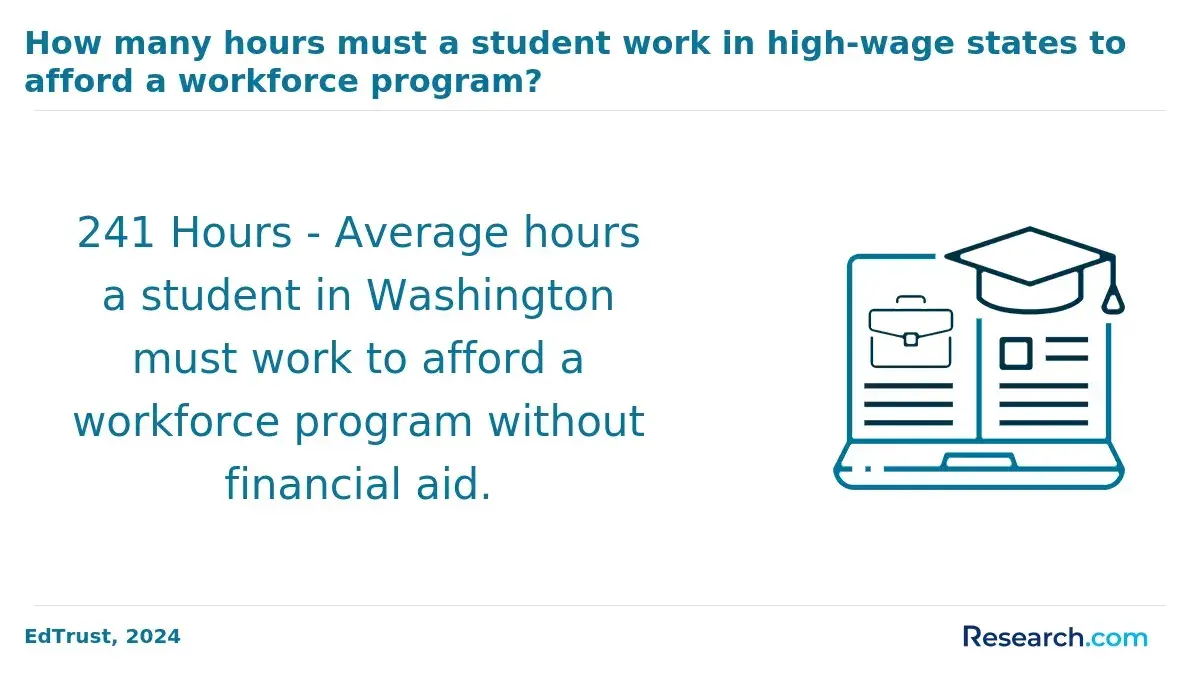
Which online Management master's programs have no application fees?
A small but useful group of online universities publicly promotes no-fee graduate applications. Policies can change, and "no application fee" may apply to the university generally rather than every concentration, so applicants should verify the degree page and final checkout screen before relying on the policy.
The options below are examples of institutions that have advertised $0 application fees for their online graduate admissions. Confirm program availability, admission standards, tuition, and current fee terms directly with the school.
| Institution | Relevant online graduate option | Published application-fee approach | What to verify before applying |
| University of Maryland Global Campus | Master of Science in Management | $0 application fee | Current program admission requirements, state availability, and total tuition |
| CSU Global | Master of Science in Management | $0 application fee | Concentration options, transfer-credit rules, and technology requirements |
| Purdue Global | Master of Science in Management and Leadership | $0 application fee | Exact degree title, course sequence, and any enrollment-related charges |
These examples are starting points, not a ranking or endorsement. A no-fee policy can be especially useful for applicants exploring management as an alternative to a more technical graduate degree, such as an online master in data science, but curriculum alignment should drive the final decision.
To find additional options, use this process:
- Search each university's graduate admissions page for "application fee," "fee waiver," and "no application fee."
- Confirm that the policy applies to the specific online management master's, not only undergraduate or nondegree applications.
- Take a dated screenshot or save the policy page before submitting your application.
- Ask admissions whether any third-party, transcript, or deposit charges still apply.
- Compare the no-fee program against one or two stronger-fit paid programs before finalizing your list.
Why do some Management master's programs forego application fees entirely?
Schools may remove application fees to reduce a barrier that discourages qualified applicants from applying, particularly working adults, military-connected learners, career changers, and students applying to multiple programs. For online programs, a $0 fee can also simplify the enrollment process and make it easier for prospective students to explore a program before making a larger tuition commitment.
Institutions may use no-fee admissions as a recruitment strategy, but that does not make the policy inherently negative. A school can have a rigorous curriculum and selective review process while deciding that application processing is an operating expense rather than an applicant expense.
Applicants should treat the policy as one signal of accessibility, not as proof of affordability. Compare the full program cost, required credits, employer tuition benefits, and expected career value. If a program is aimed at a specialized professional field rather than general management, alternatives such as the programs covered in best library schools may offer a more direct route to that occupation.
A practical red flag is a school that advertises "free to apply" but is unclear about tuition, mandatory fees, refund rules, or accreditation. Transparent institutions should be able to explain all major costs before enrollment.
Are no-fee Management master's programs less competitive than others?
No. Application-fee policy and admission competitiveness measure different things. A university may charge no fee while requiring a strong undergraduate record, professional experience, prerequisite coursework, a statement of purpose, or recommendations. Conversely, a program with a higher application fee is not automatically more selective, reputable, or better aligned with a student's goals.
Instead of using the fee as a proxy for quality, review the evidence that affects educational value. The comparison below identifies stronger indicators of program fit and credibility.
| Factor to review | Why it matters more than application fee | What to ask |
| Institutional accreditation | Supports recognition of the institution and may affect transfer or employer acceptance | Which accreditor recognizes the university, and is its status current? |
| Business or programmatic accreditation | Can provide additional quality assurance where applicable, though it is not required for every worthwhile program | Does the business school hold specialized accreditation, and what does it cover? |
| Curriculum | Shows whether the degree develops strategy, operations, leadership, finance, analytics, and communication skills | Which required courses directly support my target role? |
| Admissions standards | Clarifies the level of preparation expected from enrolled students | What GPA, work experience, and prerequisite expectations apply? |
| Total net cost | Determines the financial commitment far more than a one-time fee | What are tuition, mandatory fees, books, and expected completion costs? |
Paying an application fee can still make sense when a program has a notably better curriculum, employer recognition, schedule, network, or concentration for your career plan. For example, students pursuing investigative or public-safety career paths may need a more field-specific educational route; how to become a criminal profiler outlines a path where a general management degree may not be the primary credential.
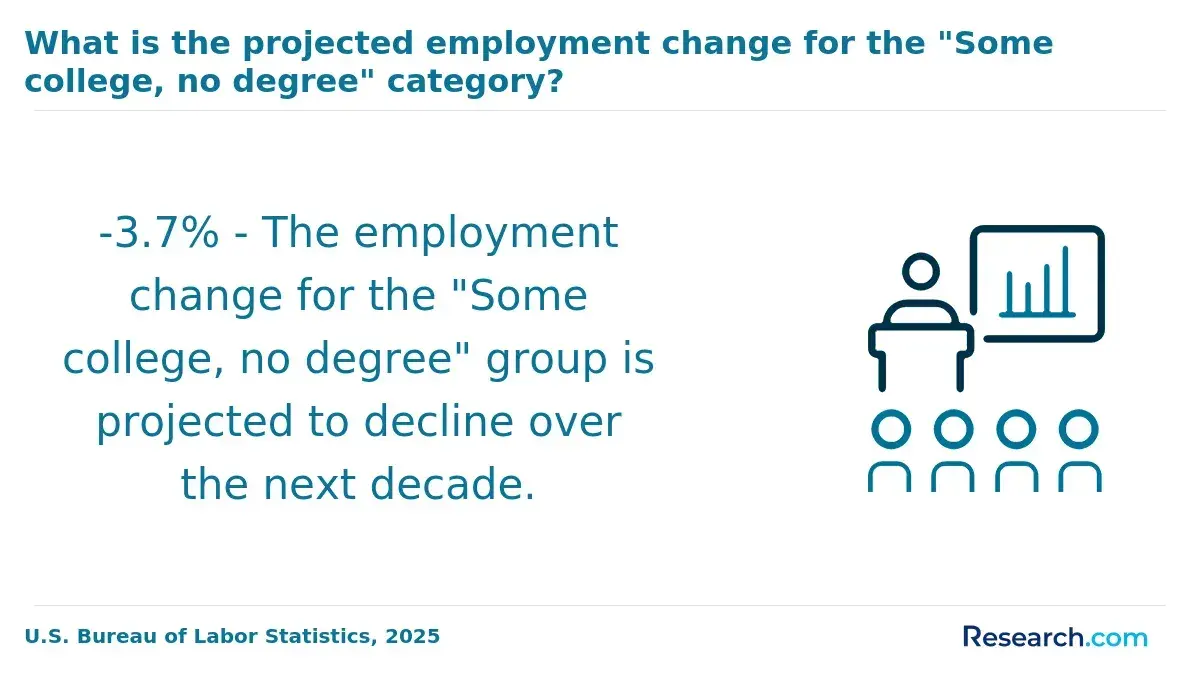
Do military members get fee waivers for Management master's programs?
Many universities offer graduate application-fee waivers to active-duty service members, veterans, reservists, National Guard members, and sometimes military spouses or dependents. Eligibility is institution-specific: a benefit available at one university may not extend to every military-connected applicant or every online program.
Applicants should request confirmation before submitting the application because some schools require a waiver code or manual review in advance. The documents below are commonly requested, though a school may ask for different evidence.
| Applicant category | Common documentation | Important policy detail |
| Active-duty service member | Current military identification or service verification | Ask whether the waiver applies before or after application submission |
| Veteran | DD Form 214 or other proof of veteran status | Some schools limit waivers to certain discharge classifications or admissions terms |
| National Guard or reservist | Current orders, identification, or unit verification | Eligibility may depend on current status rather than prior service |
| Military spouse or dependent | Relationship documentation plus sponsor's service verification | This category is less universal, so written confirmation is especially important |
Contact military or veteran student services and graduate admissions, not just a general call center. Ask whether the school also offers military tuition rates, credit for prior learning, deployment accommodations, and support for using education benefits. Do not pay first assuming a refund will be available later; many application fees remain nonrefundable.
Do alumni receive fee waivers when applying to Management master's programs?
Some institutions waive application fees for alumni applying to graduate school, especially graduates of the same university. The policy may apply automatically when an applicant uses an institutional email or enters a student identification number, while other schools require a separate request.
Alumni should not assume that prior enrollment alone activates a waiver. Graduate admissions may define alumni differently from the alumni association, exclude certificate-only students, or limit the benefit to graduates of particular campuses or programs.
Before beginning the application, take these practical steps:
- Check the graduate admissions fee page and alumni benefits page for a current waiver policy.
- Ask whether former online, extension, certificate, or transfer students qualify.
- Request the waiver code or written approval before reaching the payment page.
- Confirm whether the waiver applies to every graduate application or only one application cycle.
- Save the approval email and record the admissions representative's name.
An alumni waiver can make it reasonable to apply to a familiar institution, but it should not outweigh a poor curriculum match. Compare the new program's required courses, tuition, transfer rules, and professional network with other available options.
Can financial need qualify applicants for Management master's program fee waivers?
Yes, some graduate schools provide need-based application-fee waivers, but the rules are not standardized. A school may consider federal aid eligibility, recent participation in an access program, unemployment, low income, public assistance, or a short written explanation of financial circumstances. Other schools offer no need-based waiver at all.
Fee waivers are generally more reliable when approved before submission. Submit only the materials requested by the institution and avoid sending sensitive financial records unless the school specifically instructs you to do so.
Common evidence categories are summarized below. They are examples, not universal requirements.
| Basis for request | Possible supporting evidence | Applicant caution |
| Low income or financial hardship | School waiver form, recent financial-aid record, or requested income documentation | Use the school's process rather than assuming FAFSA information transfers automatically |
| Public-benefit participation | Current benefit verification if requested | Provide only the minimum documentation required |
| Graduate access or pipeline program participation | Program participation letter or adviser confirmation | Check whether the school recognizes that specific program |
| Unemployment or recent job loss | Documentation requested by the admissions office | Ask whether a brief explanation alone is sufficient before sharing records |
A common mistake is waiting until the final day to request a waiver. Review can take time, and an incomplete request may delay an otherwise ready application. If documentation feels burdensome for a single modest fee, it may be more efficient to apply to a verified no-fee program; for several higher-fee applications, a waiver request may be worth the effort.
Are fee waivers available for international applicants to Management master's programs?
International applicants may be eligible for fee waivers at some universities, but eligibility is often narrower than it is for domestic applicants. Schools may limit need-based waivers to U.S. citizens or permanent residents because their process is tied to federal financial-aid criteria. Other institutions consider all applicants case by case, including international students.
International applicants should ask the graduate admissions office whether a waiver is available before paying. They should also confirm that the online program can be completed from their location and understand that a fully online degree may not provide U.S. student-visa eligibility.
Even with a waived application fee, international applicants may face significant additional expenses. The following costs are often separate from admission processing.
| Potential cost | Why it may apply | What to confirm |
| Credential evaluation | A university may require evaluation of academic records earned outside the United States | Whether the school accepts an in-house review or requires a specific external evaluator |
| Transcript translation | Documents not issued in English may need certified translation | Whether translation is required and which providers are accepted |
| English-language proficiency testing | Schools may require evidence of English proficiency unless an exemption applies | Accepted exams, minimum scores, and exemption rules |
| International payment or bank charges | Cross-border transactions can create fees outside the university's control | Payment methods and whether currency-conversion costs apply |
Never interpret a waived application fee as a waiver of tuition, evaluation costs, or English-proficiency requirements. Request a written estimate of required pre-enrollment expenses and ask whether the university offers institutional scholarships open to international online students.
What should applicants consider when choosing Management master's programs with no application fee?
A no-fee online management master's is most valuable when it also fits your career target, budget, learning style, and scheduling needs. It can be a smart way to broaden an application list, particularly for working adults who want to compare several programs without spending hundreds of dollars before receiving an admission decision.
Do not prioritize the application fee over the full investment. A program with $0 to apply but high tuition, weak course alignment, unclear student support, or limited flexibility can cost far more in the long run than a better-fitting program with a modest fee.
Use these steps to make a disciplined decision:
- Define the role or advancement goal the degree must support, such as operations management, project leadership, organizational leadership, or general management.
- Confirm institutional accreditation and review whether specialized business accreditation is important for your employer, industry, or future education plans.
- Calculate total estimated cost, including tuition, mandatory fees, books, technology, transcript charges, and any prerequisite coursework.
- Compare required courses, concentrations, faculty expertise, capstone expectations, and opportunities to apply learning at work.
- Check online delivery details, including live-session requirements, time-zone expectations, course cadence, and maximum time to completion.
- Verify the no-fee or waiver policy in writing before submitting, especially if a payment screen appears.
- Apply to a balanced group of programs rather than choosing solely by fee policy; one paid program with exceptional fit can be worth the charge.
Ask admissions advisers direct questions: "Is the application fee permanently waived for this online management master's?" "What costs are required before enrollment?" "Can I transfer graduate credits?" "Are courses asynchronous?" and "What support is available for career planning and technical issues?" Clear answers are a positive sign; vague answers about cost or accreditation are a reason to investigate further.
The best choice is not necessarily the free-to-apply option. It is the program whose total cost, academic quality, pace, and management curriculum make sense for the professional outcome you want.
Other Things You Should Know About Management
Many programs allow applicants to apply while completing their final undergraduate term, provided they submit final official transcripts before enrollment. Confirm the school's deadline and any minimum degree-completion date.
Requirements vary. Many online programs are test-optional or do not require the GMAT or GRE, especially for applicants with relevant work experience, but some may request scores in certain circumstances. Review the requirements for the exact degree and term.
Often, yes. Eligibility depends on the employer's education-benefit policy and may require job relevance, advance approval, minimum grades, or continued employment. Ask whether the employer pays the school directly or reimburses you after course completion.
There is no universal number. A practical approach is to apply to enough programs to create meaningful choices while limiting applications to schools that meet your academic, financial, and scheduling criteria. No-fee programs can help expand that list, but each application should still be tailored and complete.
References
- A Guide to Getting Financial Aid for Graduate School | Elmhurst University Elmhurst University Blog https://www.elmhurst.edu/blog/a-guide-to-getting-financial-aid-for-graduate-school/
- Graduate degrees pay - but it's complicated | Brookings https://www.brookings.edu/articles/graduate-degrees-pay-but-its-complicated/
- Online Master's Degree Programs | University of Phoenix https://www.phoenix.edu/online-masters-degrees.html
- Funding Your Online Master's Degree: How to Pay Less with Financial Aid https://www.onlinemastersdegrees.org/financial-aid/
- Which Online Programs Are You Competing Against? https://encoura.org/resources/wake-up-call/which-online-programs-are-you-competing-against/
- Online master's degree guide: Programs, costs, and how to apply https://www.edx.org/resources/guide-to-online-masters-degrees
- Is Grad School Worth It? A Comprehensive Return on Investment Analysis - FREOPP https://freopp.org/whitepapers/is-grad-school-worth-it-a-comprehensive-return-on-investment-analysis/
- Is an Online Master's Degree Respected and Worthwhile? https://www.usfhealthonline.com/resources/career/is-an-online-masters-degree-worth-your-time/
- Applicant Support https://appsupport.commonapp.org/applicantsupport/s/article/What-do-I-need-to-know-about-the-Common-App-fee-waiver