2027 Hardest and Easiest Courses in a Management Degree Program

Co-Founder and Chief Data Scientist
Many management students struggle to balance demanding coursework with job prospects. According to recent data, 62% of management graduates face challenges in completing core courses on their first attempt, impacting their time to degree and employment readiness. This difficulty affects career momentum, as employers increasingly seek candidates with strong project and strategic management skills.
Understanding which courses are hardest or easiest can help students allocate effort efficiently and avoid burnout. This article explores the relative difficulty of various management courses, enabling students to plan their studies strategically and enhance their chances of success both academically and professionally.
Key Things to Know About the Hardest and Easiest Courses in a Management Degree Program
- Courses with complex quantitative content and case study analysis, such as financial management, often rank as the hardest due to high cognitive demands and rigorous assessments.
- Workload intensity and group projects in organizational behavior can increase difficulty, particularly for students with limited collaboration experience.
- Introductory courses like principles of management are generally easier, benefiting from straightforward concepts and flexible online formats favored by 65% of management students.
What Are the Hardest Core Courses in a Management Degree Program?
Certain core courses in management degree programs are considered more challenging due to factors like technical complexity, heavy workload, and the depth of understanding required to meet accreditation standards. These courses often combine advanced theoretical concepts with practical application, requiring significant time and analytical skills. Below are some of the hardest core management courses typically encountered by students.
- Organizational Behavior: This course demands a deep understanding of human behavior in corporate settings and extensive analysis of case studies, making it hard for students to integrate theory with real-world examples.
- Operations Management: Known for its quantitative rigor, it involves statistics, process optimization, and supply chain analytics, challenging students who struggle with math-intensive material.
- Financial Accounting: Swift mastery of accounting principles such as balance sheets and income statements is essential, often under tight deadlines, requiring precision and technical skill.
- Strategic Management: This class demands critical thinking to synthesize vast amounts of information into actionable business strategies, a task that tests decision-making abilities intensely.
- Business Statistics: With a strong foundation in mathematical concepts and data interpretation necessary for sound decision-making, this course poses challenges for those less comfortable with numbers.
Prospective students looking for a balance between academic rigor and affordability may also explore an online ai degree for alternative career pathways. Recognizing the most challenging management classes for college students helps in planning study schedules and setting realistic goals for success.
What Are the Easiest Required Courses in a Management Degree Program?
In management degree programs, the term "easiest" typically refers to courses that students find more manageable due to their applied content, assessment style, or alignment with prior experience, without compromising academic value. A 2022 survey by the National Center for Education Statistics found that approximately 65% of management students experienced higher pass rates in courses where applied learning was emphasized over theoretical complexity. This trend highlights the appeal of the most manageable core classes in management degree programs. The following are commonly regarded easier required courses:
- Principles of Management: This course focuses on foundational concepts and real-life business scenarios, often graded through group projects that encourage collaboration rather than stressful exams.
- Organizational Behavior: Emphasizing workplace human dynamics, this course is generally assessed through reflective assignments, making it less exam-intensive and more accessible.
- Business Communication: Designed to develop practical writing and presentation abilities, this course relies on continuous assignments and peer feedback, which helps students stay engaged and improve steadily.
- Introduction to Human Resources: Covering essential HR functions, this course uses case studies and straightforward language to reduce technical jargon, facilitating easier comprehension.
Choosing the easiest required management courses can help students balance their workload effectively while building practical skills. For those interested in extending their studies through affordable options, exploring a business degree online can offer flexibility combined with accessibility.

What Are the Hardest Elective Courses in a Management Degree?
Electives described as the hardest in management degrees tend to feature advanced technical material, substantial workloads, or cumulative evaluations that test students' problem-solving and time management abilities. These courses often require mastery of diverse skills and involve complex projects or research tasks.
Below are several electives commonly identified as particularly demanding:
- Financial Management: This elective focuses on intricate quantitative methods and the dynamics of financial markets, necessitating strong analytical skills and comfort with mathematics.
- Operations Management: Students face the challenges of optimizing processes and managing supply chains, often employing specialized software, which increases the technical demands of the course.
- Strategic Management: High expectations for independent research and case study analysis push students to develop effective strategies while honing critical thinking and decision-making skills.
- Business Analytics: This course involves applying advanced statistical techniques and interpreting complex data sets, requiring proficiency with analytical tools and the ability to generate actionable insights.
- Organizational Behavior and Change Management: Understanding human behavior, leadership models, and managing organizational transitions presents conceptual challenges, alongside collaborative and often intense group projects.
These electives are notable for their technical rigor, research demands, or multifaceted projects, all of which prepare students for real-world leadership and management roles by stretching their capabilities beyond standard coursework.
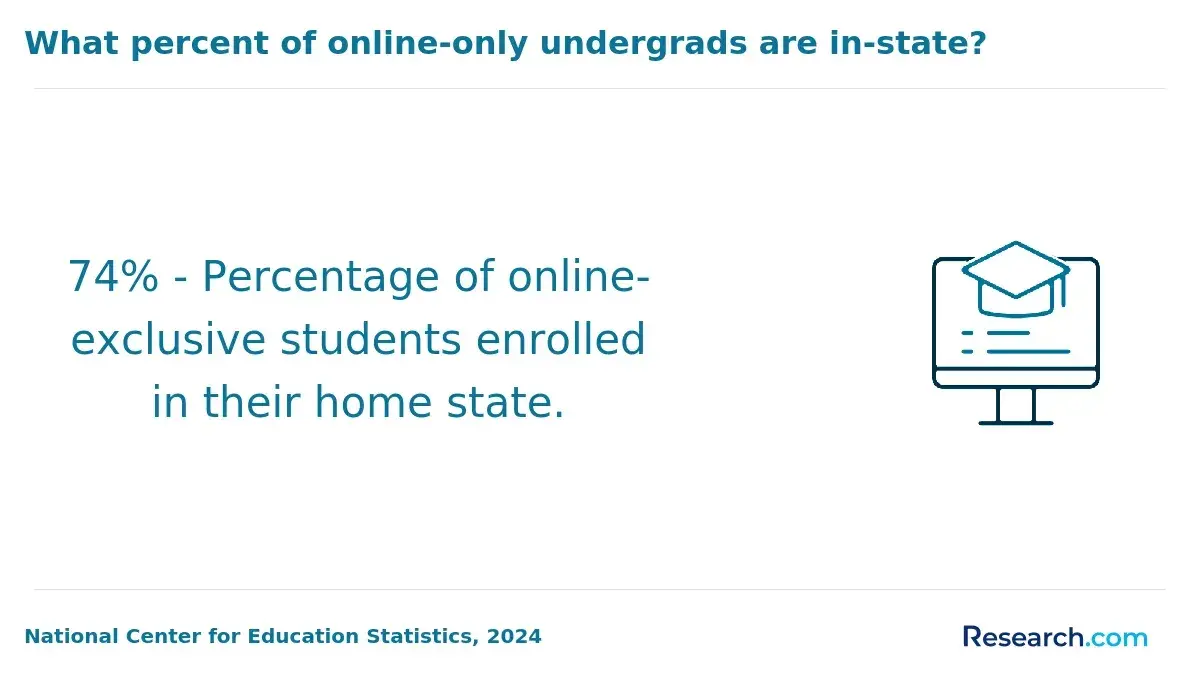
Breakdown of Public Fully Online Title IV Institutions

"Easiest" electives in management degrees typically refer to those with lighter workloads, applied content, or flexible evaluation methods that students find more manageable. These courses often focus on practical understanding and avoid heavy technical demands or memorization. Below are some electives frequently regarded as less challenging:
- Introduction to Human Resource Management: This course emphasizes foundational concepts such as recruitment and employee communication, with assessments based on case studies and group projects that prioritize real-world application rather than theory.
- Principles of Marketing: Known for its creative assignments like campaign development and presentations, this elective leans on practical examples over quantitative analysis, making it intuitive for many learners.
- Organizational Behavior: Concentrating on leadership and workplace interactions, this course typically involves reflective essays and group discussions instead of high-pressure exams.
- Business Ethics: Centered around debates and scenario assessments, it encourages critical thinking with minimal technical jargon or rote learning.
- Customer Relationship Management: This class focuses on client engagement strategies and CRM tools, featuring project-based evaluations that many students find engaging and straightforward.
A graduate of a management degree shared that navigating course options was often overwhelming, but these electives stood out for their approachable formats. He recalled being relieved by assignments that encouraged collaboration and creativity rather than heavy memorization. "I appreciated classes where I could apply concepts through projects instead of cramming for tests," he reflected. Though some electives required consistent effort, the manageable workload and relatable content helped maintain motivation during tough semesters, making these options valuable for balancing academic and personal commitments.
Management degree programs are increasingly demanding higher technical proficiency due to the growing reliance on data-driven decision-making and specialized software. About 42% of students in management courses report needing advanced skills in data analysis tools like Excel, SPSS, or Tableau. This trend underscores the rising complexity of the most technical management degree classes.
Several courses stand out for their intensive technical requirements, including the following:
- Managerial Finance: This course focuses on financial modeling and analysis, requiring proficiency with spreadsheets and financial software to evaluate budgets, assess risks, and support investment decisions.
- Operations Management: Students use simulations and software tools to optimize supply chains, production processes, and logistics, demanding strong quantitative and applied problem-solving skills.
- Business Analytics: Emphasizing data interpretation, this class involves statistical software and programming languages to analyze large datasets, enabling students to generate actionable business insights.
These management courses with highest technical skills emphasize practical experience in software applications alongside theoretical knowledge. As technology shapes business strategy, mastering these demanding classes prepares students well for evolving management roles. Prospective students looking for alternatives may also explore options like the cheapest psychology degree online for different academic pathways.
Writing-intensive management courses often seem more difficult due to the heavier workload and skill demands, with a 2020 survey showing nearly 65% of undergraduate business students felt extensive writing assignments considerably increased course difficulty. These challenges can directly impact management class grades, especially for students less comfortable with writing tasks. Various factors contribute to how manageable these courses feel.
Several elements influence the perceived difficulty of writing-intensive management courses:
- Time management: These classes require multiple drafts, detailed case studies, and comprehensive reports, increasing the time needed outside of class. Students who struggle with organizing their schedules often find this workload demanding.
- Research requirements: Writing-intensive courses demand strong research abilities and critical thinking, skills that may be new or underdeveloped for many students. Developing these competencies is crucial to meeting assignment standards.
- Assessment style: Unlike technical management courses that emphasize exams or quizzes, these courses rely mostly on essays and papers, requiring continuous effort to complete quality work.
- Prior writing experience: Students confident in academic or business writing tend to handle writing-intensive courses more easily, while others may need extra practice to achieve clarity and proper formatting.
- Skill integration: Some courses combine technical knowledge with advanced writing, adding complexity but also offering opportunities to strengthen multiple skill sets simultaneously.
Students interested in reducing costs while navigating these challenges may explore resources on cheap online degrees to find programs aligned with their needs and workload capabilities.
The format of a course can strongly affect how difficult students perceive it to be, with surveys indicating about 65% satisfaction among online management students versus 75% for those attending in person. Differences in engagement and structure often shape these experiences.
Several factors contribute to the varied challenges between online and on-campus management courses:
- Self-discipline: Students studying online must independently organize their schedules and keep up with deadlines, which demands a high level of motivation and time management skills.
- Instructor interaction: Face-to-face classes provide immediate responses and direct discussions that can help clarify difficult topics quickly, whereas online courses may rely on delayed or less personal communication.
- Resource availability: While learning materials are accessible in both formats, on-campus students often benefit from easier access to physical libraries, study groups, and campus facilities that can enhance understanding.
- Flexibility: Online courses allow learners to study at convenient times, easing balance with personal or work commitments; however, this freedom sometimes results in procrastination or lack of consistent study habits.
- Assessment style: Online exams typically use open-book formats that reduce rote memorization stress but require stronger analytical and application skills, shifting the type of effort needed to succeed.
When speaking with a graduate of an online management program about whether online courses felt harder than on-campus ones, she emphasized the emotional and organizational challenges she faced. "It wasn't just about mastering content," she shared, "but also about cultivating discipline every day without the physical presence of a classroom environment." She found juggling work, family, and deadlines taxing but appreciated the autonomy to learn at her own pace. The graduate described moments of self-doubt balanced by rewarding breakthroughs once she adjusted to managing her time and seeking support through online forums. Her experience highlights that while the demands differ, success in online management courses depends heavily on personal commitment and adaptability rather than intrinsic difficulty alone.
Allocating enough weekly time for management courses is crucial for balancing academics with other commitments. On average, undergraduates dedicate about 15 hours each week to these courses, which aligns with the common guideline of 3 credit hours requiring about that amount of study time. The format of the course can also impact this, with online classes generally demanding more independent study than traditional in-person ones.
Key factors affecting how much time students spend on management coursework include:
- Course level: More advanced or graduate courses typically require greater time investments because the material is more complex and detailed.
- Technical intensity: Classes that include quantitative topics, such as statistics or financial analysis, often require extra hours to develop proficiency in specialized skills.
- Writing requirements: Courses demanding research papers, case analyses, or detailed reports involve considerable time for drafting, editing, and refining written assignments.
- Learning format: Online or hybrid courses necessitate stronger self-management, often increasing study time since students engage with content mostly on their own schedule.
- Student background: Individuals unfamiliar with core business concepts may spend additional time reviewing foundational topics compared to those with prior exposure.
Course difficulty and GPA are closely linked concerns for many students, as harder management courses can reduce average GPAs by up to 0.3 points compared to introductory classes. Additionally, challenging coursework is associated with higher withdrawal rates, which can affect overall academic progress. These trends highlight the impact of challenging management courses on GPA.
Several factors help explain why harder management coursework might lower GPA outcomes:
- Grading rigor: Advanced management courses typically enforce stricter grading standards, requiring students to demonstrate deeper understanding and higher-quality work, which often results in lower grades compared to easier courses.
- Assessment structure: These courses often rely on complex projects, case studies, and comprehensive exams. Students unprepared for these demanding assessments may see their performance and GPA negatively affected.
- Course sequencing: Harder courses usually appear later in a program when students must integrate cumulative knowledge. Without strong foundational skills, maintaining a high GPA becomes challenging.
- Student preparation: Differences in prior experience, study habits, and time management skills can significantly influence GPA outcomes in challenging courses.
- GPA weighting policies: Some institutions apply different grade weightings to upper-level management classes, amplifying the impact of these grades on a student's overall GPA.
Students looking to balance course difficulty with academic success may also consider supplementing their skills through online certifications that provide applied experience and additional knowledge.
- Impact of challenging management courses on GPA
- Does harder management coursework lower GPA
Many students link tougher management courses with improved job prospects, partly due to employer preferences. A 2023 National Association of Colleges and Employers survey revealed that 68% of hiring managers favor candidates who have completed advanced or specialized classes. This suggests that challenging coursework is often seen as evidence of stronger skills and dedication.
Several important aspects highlight how more demanding management courses can impact employment opportunities:
- Skill development: Difficult classes typically require advanced critical thinking, problem-solving, and analytical abilities that are crucial for managerial positions.
- Employer perception: Completing rigorous coursework demonstrates persistence and strong work habits, qualities valued by employers evaluating job applicants.
- Internship and project exposure: Challenging courses often involve practical assignments or consulting projects, offering students hands-on experience that can enhance their resumes and interview discussions.
- Specialization signaling: Advanced courses frequently cover niche topics like strategic management or organizational behavior, signaling a candidate's specific expertise and relevance for targeted roles.
- Long-term career growth: Mastering complex subject matter positions graduates for leadership roles, which may contribute to quicker promotions and broader career advancement.
Balancing course difficulty with consistent academic performance and relevant experience remains crucial for students aiming to maximize their management degree outcomes.
What Graduates Say About the Hardest and Easiest Courses in a Management Degree Program
- Mitchell: "Balancing the rigorous strategic management course with the more accessible organizational behavior class was challenging but rewarding in my online management degree. The average cost of attendance was a significant investment, yet the skills I gained directly boosted my leadership roles, making every dollar worth it. This program truly transformed my career trajectory."
- Sarah: "Managing the difficult quantitative methods course alongside easier electives like business communication taught me valuable time management skills in my online management degree journey. Considering the moderate tuition fees, I found the cost reasonable for the professional growth it enabled, especially in project management positions. This reflective experience shaped my mindset."
- Jonathan: "The mix of tough courses such as financial management and easier ones like human resource fundamentals made my online management degree both demanding and enjoyable. Despite the considerable expense, the return on investment was clear as it opened doors to senior roles in my field. Professionally, these courses refined my decision-making process. I highly recommend this path."
Other Things You Should Know About Management Degrees
In 2027, strategic management and financial accounting often demand the most time, typically requiring 10-15 hours per week per course. These courses are intensive due to complex concepts and extensive projects, making them time-consuming for management students.
Yes. Many management degree programs require a final capstone in the last term, usually worth 3 to 6 credit hours. It often includes a written report, presentation, and faculty review. Thesis options are more common in research-focused programs, while applied programs usually use a capstone instead.
- Which Management Course Is The Best Choice For Career Growth? https://www.greatlakes.edu.in/blog/which-management-course-is-the-best-choice-for-career-growth/
- Planning for an MBA: What Time Commitment Should I Expect? - Gary W. Rollins College of Business https://blog.utc.edu/business/2020/05/08/planning-for-an-mba-what-time-commitment-should-i-expect/
- Will A Master’s Degree In Business Management Improve Your Employment Prospects? https://tanveernaseer.com/masters-degree-improve-employment-prospects/
- How Students Benefit from Writing-Intensive Coursework - Businessday NG https://businessday.ng/education/article/how-students-benefit-from-writing-intensive-coursework/
- How many hours per week do you really spend studying a degree in Hotel Management https://www.torrens.edu.au/stories/blog/bmihms/how-many-hours-per-week-do-you-really-spend-studying-a-degree-in-hotel-management
- MA w/out a lot of writing? https://www.degreeinfo.com/index.php
- 15 Top Technical Project Management Skills for Resume 2025 https://www.knowledgehut.com/blog/project-management/technical-project-manager-skills
- Top 5 most in-demand management skills training courses for leaders 2023 - Adalta Development https://adaltadevelopment.co.uk/top-6-most-in-demand-management-skills-training-courses-for-leaders-2023/
- Top 5 IT Management Certification Tracks https://www.icagile.com/resources/top-5-it-management-certification-tracks
- How a Business Management Course Can Boost Your Career https://www.icms.edu.au/degree-discovery/business-management-course-boost-career/