2027 MSN Programs With Asynchronous Classes

Co-Founder and Chief Data Scientist
Balancing clinical shifts, family responsibilities, and continuing education presents a formidable barrier for nurses aiming to advance with an MSN. Nearly 70% of graduate nursing students in 2024 reported choosing programs offering asynchronous options to manage unpredictable schedules, according to the National League for Nursing. This shift reveals the growing necessity for flexible, self-paced coursework that accommodates varying time zones and professional obligations without compromising credential validity. Given employers increasingly prioritize both advanced degrees and practical experience, selecting an MSN program with asynchronous classes is a strategic decision to maintain income flow while positioning for leadership roles.
This article examines available MSN programs featuring asynchronous learning structures, guiding readers through options that optimize accessibility and career mobility amid demanding work-life constraints.
Key Things You Should Know
- Over 47% of 2026 MSN asynchronous programs report extended completion times, reflecting a tradeoff where flexible pacing increases total education duration by 20-35%, impacting immediate workforce reentry and salary progression according to recent NCES data.
- Employer surveys by the American Association of Colleges of Nursing indicate 62% prioritize clinical practicum rigor over online delivery mode, pressuring asynchronous students to secure high-quality hands-on experience externally, influencing post-graduation hiring prospects.
- State authorization complexities delay or restrict access to asynchronous MSN programs for 18% of applicants nationwide, disproportionately affecting rural nurses and escalating total cost via out-of-state fees, as documented in 2024 regulatory compliance studies.
What are online MSN programs with asynchronous classes and how do they work?
Online MSN programs with flexible scheduling can critically reshape how registered nurses balance professional demands with advanced education. Asynchronous MSN nursing degree options eliminate live attendance, using pre-recorded lectures and digital assignments, allowing learners to revisit complex material on their own timelines. This models well for nurses managing fluctuating clinical shifts or residing in geographically dispersed areas where synchronous participation is impractical.
However, this scheduling freedom requires heightened self-discipline and tech proficiency, with students independently coordinating clinical practicums-often negotiating employer cooperation for requisite hours. The lack of real-time interaction may restrict immediate feedback and peer networking, factors important in leadership and collaborative nursing roles, so top programs often embed limited synchronous elements or local preceptor arrangements to address these gaps.
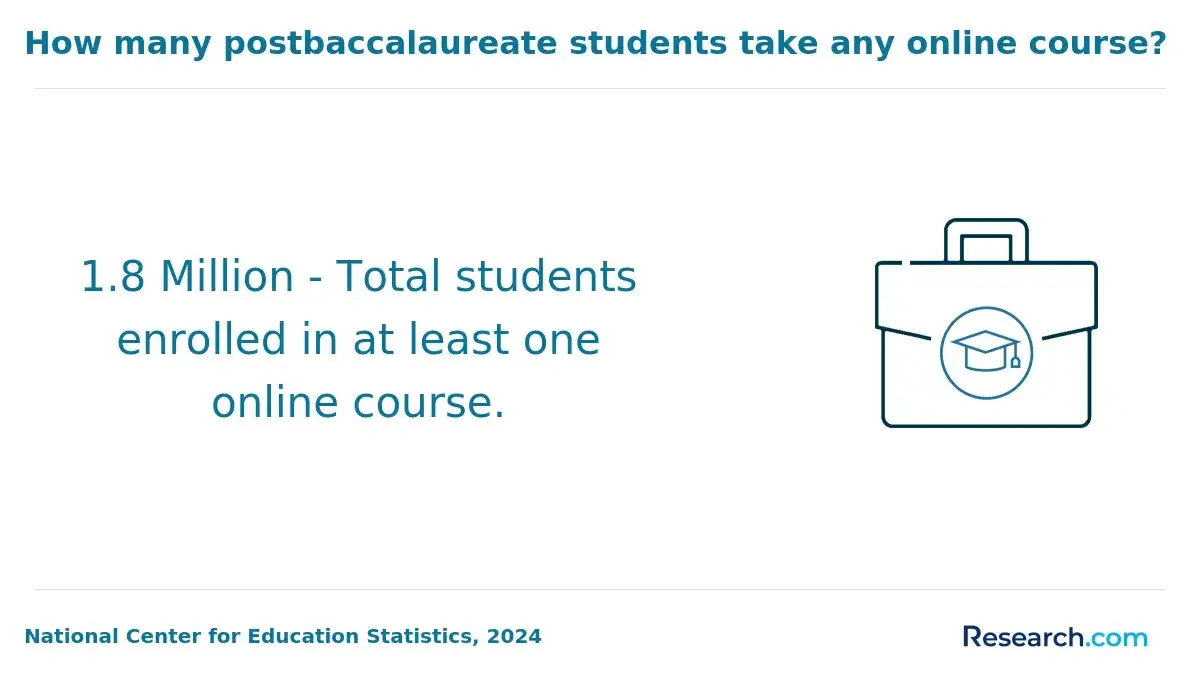
Data from the American Association of Colleges of Nursing shows an 8.7% enrollment increase in online and hybrid graduate nursing programs compared to just 3.6% growth in campus-only MSN courses, indicating expanding employer acceptance of asynchronous credentials. Yet, those targeting acute care specialization should examine clinical supervision models rigorously before enrolling.
Students focused on administration, informatics, or community health-roles emphasizing strategic oversight over direct patient care-may find asynchronous formats strategically advantageous. For those evaluating pathways to nurse practitioner roles or advanced specialization, resources like ADN to MSN NP programs offer vital comparative insights to inform practical, career-aligned decisions.
How do asynchronous MSN programs compare to campus-based and synchronous MSN options?
Choosing between asynchronous MSN programs and traditional campus-based formats often hinges on a professional's ability to juggle work, clinical hours, and real-time interaction. Asynchronous formats grant critical scheduling flexibility for nurses working shifts or full-time jobs, but this comes with less immediate access to faculty and peer collaboration, which can diminish networking opportunities that many employers prize. Evaluating asynchronous MSN program benefits compared to campus and synchronous options means weighing convenience against tangible clinical mentorship and structured hands-on experiences.
Campus-based MSN programs demand significant time and financial investment but ensure immersive clinical practice with direct faculty involvement, enhancing practical skills employers seek for advanced practice roles. Synchronous online programs offer a compromise with live sessions but may clash with variable healthcare schedules, reducing flexibility.
Employers recognize MSN completion as a baseline for leadership roles, though graduates of programs with proven clinical rigor and active faculty engagement typically demonstrate stronger competencies. The U.S. Bureau of Labor Statistics projects a 37% employment growth for nurse practitioners through 2032, reflecting the importance of choosing an accredited program aligned with individual circumstances.
Prospective students should also consider support services that facilitate clinical placements to mitigate limitations inherent in asynchronous learning. For those exploring options, comprehensive resources on online nursing programs can provide additional guidance tailored to affordable pathways.
Are online MSN programs with asynchronous coursework accredited and respected by employers?
Employers assess online MSN programs through the lens of accreditation and clinical credibility rather than delivery mode, which directly impacts licensure and career trajectory. Accredited asynchronous MSN degrees recognized by employers ensure adherence to rigorous standards set by bodies such as CCNE or ACEN, preserving credential validity across state lines. For instance, nurses moving into acute or leadership roles typically find networks favor candidates with documented clinical experience paired with CCNE accreditation, regardless of online or traditional coursework.
The workforce increasingly demands flexibility: a 2024 National Council of State Boards of Nursing survey revealed 73% of nurses value asynchronous learning, and 41% would not pursue graduate education without it. This data reflects the tension between managing shift work and geographic constraints against timely program completion. However, asynchronous formats impose practical tradeoffs including advanced time management and proactive clinical communication, since hands-on clinical hours remain mandatory and state authorization must align with licensure plans.
Choosing non-accredited or improperly authorized online MSN programs risks delayed licensure or credential rejection, creating tangible barriers to employment and promotion. Graduates from accredited asynchronous online MSNs stand on equal footing with traditional peers, but only if state and clinical requirements are fully met.
For candidates comparing options, understanding how accredited online MSN credentials translate into real-world employability is critical. See detailed comparisons like Capella RN to BSN vs Chamberlain RN to BSN for insights into program value differences in nursing pathways.
What admission requirements do online MSN programs with asynchronous classes typically have?
Admission requirements for online MSN programs with asynchronous classes prioritize proven clinical readiness and self-directed learning skills, reflecting workforce demands for nurses who can navigate complex schedules independently. Most programs require an active registered nurse (RN) license, often with one to two years of post-licensure clinical experience, ensuring candidates bring practical expertise that meets employer expectations for advanced roles. Academic prerequisites frequently include a minimum GPA around 3.0 and foundational coursework such as statistics, anatomy, and physiology, reinforcing critical thinking essential to graduate-level nursing practice.
Applicants must provide official transcripts, professional references from clinical supervisors or academic instructors, and a personal statement clarifying career goals and motivation for asynchronous learning. Programs increasingly de-emphasize GRE scores but may require English proficiency tests for international students. Candidates should prepare for logistical challenges, especially regarding state licensure portability and securing clinical placements without on-site supervision-a significant consideration when comparing program flexibility to practical accessibility.
Financial factors also influence decisions, as tuition rates like Linfield University's $710 per credit sit below many traditional private campus programs, affecting debt load and long-term affordability. Prospective students evaluating prerequisites for enrolling in asynchronous online MSN courses must assess not only admission criteria but also real-world implications for licensure, clinical access, and financing.
For those interested in related advanced pathways, research on the fastest DNP program offers insight into accelerated doctoral options that align with evolving career ambitions.
How long does it take to complete an asynchronous online MSN, and what schedules are common?
Choosing an asynchronous MSN program involves balancing program length against professional and financial realities. Programs range from 18 to 36 months depending on enrollment status, previous credentials, and specialization. For example, a full-time BSN to MSN student can finish in about 18-24 months, while part-time students managing work and clinical hours may need over three years.
This pacing affects not only workload but also workforce positioning. Graduates completing their MSN quicker can take advantage of an anticipated 38% growth in nurse practitioner roles and 22% growth in nurse educator positions over the next decade, as forecasted by a 2024 Zippia analysis using Bureau of Labor Statistics data. Conversely, prolonged programs risk delaying entry into these expanding markets and may result in higher cumulative tuition costs.
Asynchronous coursework offers weekly flexibility for lecture access and assignments, aligning well with nurses on variable shifts. Yet clinical practicum components typically require in-person hours that must be independently scheduled, imposing constraints on the otherwise flexible schedule.
Key considerations for prospective students include:
- Prioritizing programs with adjustable pacing to suit both work demands and academic rigor
- Ensuring transparent clinical placement support to avoid scheduling bottlenecks
- Recognizing that shorter completion times may require intensified weekly effort and reduced work hours
- Weighing how extended program durations can affect both tuition costs and timely career advancement
Decisions should align with individual career trajectories and labor market timing rather than just institutional timelines.
What core courses and specializations are offered in asynchronous MSN programs?
An asynchronous MSN program's core curriculum typically builds broad nursing competencies-advanced pathophysiology, pharmacology, health assessment, healthcare policy, and ethics-designed to accommodate working professionals through flexible schedules. However, the critical differentiator lies in how specializations align with labor market needs and employer expectations, influencing post-graduation salary trajectories and practical workload management.
For instance, nurse practitioner tracks (family, adult-gerontology, psychiatric-mental health) demand intensive clinical hours, often extending program duration due to the necessity of in-person practicums arranged locally. Despite this logistical complexity, these tracks yield faster salary growth post-graduation owing to the direct patient care skills acquired. Conversely, healthcare administration specializations prioritize financial and operational leadership skills, relying less on clinical hours but requiring robust administrative competencies, which correlate with organizational leadership roles rather than bedside nursing.
Students must weigh the asynchronous didactic modality's flexibility against the challenge of scheduling required clinical practicums, which often depend on employer support and local preceptor availability. According to Herzing University's 2024 report, graduates in direct-entry MSN programs see an average 52% salary increase within three years, underscoring how specialization choice and leadership skill integration directly impact earning potential and influence within healthcare organizations.
How much do asynchronous online MSN programs cost, and what financial aid is available?
Tuition for online asynchronous MSN programs ranges widely, from $30,000 to $90,000, shaped by program design and student background. Candidates entering without prior nursing degrees face higher costs, often exceeding $60,000, due to the need for accelerated and comprehensive coursework. Advanced practice tracks tailored for employed nurses typically fall between $45,000 and $75,000. These figures reflect core tuition and exclude indirect expenses like commuting or housing, which asynchronous formats help minimize.
Financial aid availability significantly influences affordability but comes with caveats. Federal aid, including Pell Grants and student loans, generally covers tuition only and requires academic progress compliance. Employer tuition reimbursements can offset costs but hinge on specific healthcare systems and often bind graduates to continued employment. State grants such as Nurse Corps scholarships provide targeted support for service in underserved regions, though at the cost of reduced career flexibility.
Private scholarships, often merit or focus-specific, are competitive and usually need to be combined with other aid sources to bridge funding gaps. Prospective students must plan carefully and apply early to maximize these opportunities.
With a reported 31% rise in applications to online direct-entry programs from 2020 to 2023, demand pressures capacity and may push tuition higher. Evaluating the return on investment requires assessing potential debt burden against realistic salary increases and workforce expectations in one's chosen advanced nursing pathway.
What clinical practicum and hands-on training requirements exist in asynchronous MSN programs?
Clinical practicum requirements in asynchronous MSN programs create a tangible tension between flexible online coursework and the rigid necessities of in-person clinical experience. Typically demanding 500 to 700 clinical hours consistent with state nursing board criteria, these practicum components cannot be completed remotely, forcing students to negotiate real-world scheduling constraints with local healthcare facilities.
This often presents a practical challenge for working professionals balancing full-time jobs or limited geographic options, especially as clinical site availability and preceptor approval require months of advance coordination. Programs mitigate some of this difficulty by allowing shift flexibility-such as nights or weekends-but the increased workload contributes to fatigue and complicates time management.
For example, a registered nurse working 32 or more hours weekly, as reflected in a 2024 Cleveland State University survey showing 82% of online MSN students in such a situation, must carefully integrate clinical hours to avoid delaying graduation and career progression. Documentation demands, cross-state regulations, and supervisory oversight-often a hybrid of remote faculty and on-site preceptors-add layers of complexity and accountability.
Key operational considerations include:
- The necessity to secure approved clinical sites well in advance to align with educational timelines.
- Potential restrictions on clinical placement based on state licensure and practice laws.
- Balancing clinical intensity against work obligations, which can affect retention and program completion rates.
Prospective students should evaluate these components carefully as they weigh how clinical practicum logistics will intersect with their professional reality and long-term licensure goals.
What nursing careers, advanced roles, and salary ranges can an asynchronous MSN lead to?
Graduates of asynchronous MSN programs face distinct considerations that affect their career trajectories, particularly when entering advanced nursing roles such as nurse practitioner (NP), clinical nurse specialist (CNS), or nurse educator. Salary outcomes differ substantially by specialization, geography, and employer type. For instance, nurse practitioners earn median salaries between $95,000 and $125,000, influenced by state-specific scope-of-practice regulations and healthcare settings. Clinical nurse specialists and educators see more compressed ranges around $90,000 to $110,000 and $80,000 to $100,000 respectively, highlighting the tradeoffs between clinical and academic pathways.
The asynchronous model notably expands access for working nurses who must balance employment with education, as shown by Reinhardt University's fully online MSN program-drawing students from over 20 states with most residing 150+ miles away. However, this delivery format can complicate securing local clinical placements, a frequent employer prerequisite, while navigating state licensure often demands targeted alignment of practicum experiences.
Prospective students should prepare for these operational realities by proactively establishing local clinical partnerships and carefully mapping online coursework to regional board requirements. This strategic approach mitigates potential gaps in hands-on supervision common in remote programs, preserving both educational rigor and workforce readiness.
How can students choose a reputable asynchronous online MSN program that meets licensing requirements?
Opting for an asynchronous online MSN program requires more than convenience; accreditation status directly influences licensure eligibility and employment prospects. Students should verify programs hold accreditation from either the Commission on Collegiate Nursing Education (CCNE) or the Accreditation Commission for Education in Nursing (ACEN), as this ensures recognition by state nursing boards and alignment with industry standards. Over 64% of CCNE-accredited MSN programs now offer primarily online tracks, signaling a shift toward flexibility without compromising academic rigor.
State-specific licensing mandates profoundly shape program suitability. For instance, a nurse pursuing advanced practice roles in California faces distinct clinical hour requirements and curriculum standards compared to peers in Texas or New York. Failure to meet these localized criteria can lead to delays in getting licensed or additional costly credentialing.
Clinical practicum logistics are a critical and often overlooked consideration. Programs with vetted clinical placement partnerships within a student's state reduce administrative burdens and potential expenses. Without such infrastructure, students frequently face extended timelines and out-of-pocket costs when sourcing placements independently.
From an employer's standpoint, MSN graduates from programs with demonstrated high certification pass rates and curricula aligned to workplace competencies have a tangible advantage. Transparency in board exam outcomes and program results provides an objective measure of investment value and workplace readiness. Additionally, the asynchronous format demands heightened self-discipline and time management-a practical challenge for working professionals-underscoring the importance of robust online support and mentorship to sustain progress and minimize attrition.
Other Things You Should Know About MSN
Students should have a reliable laptop or desktop, high-speed internet, a webcam, microphone, and current software such as Microsoft Office or Google Workspace. Many schools also require secure exam software like Respondus LockDown Browser and regular access to video conferencing tools for occasional proctored sessions.
Yes, asynchronous MSN programs in 2027 may include clinical requirements. These typically involve a set number of supervised clinical hours, mandated by both the program and state nursing boards, completed at approved healthcare settings to ensure hands-on experience.
References
- Online MSN Programs https://nursinglicensemap.com/nursing-degrees/online-msn-programs/
- An MSN Degree Can Boost Your Knowledge and Earnings https://www.allnursingschools.com/msn/salary/
- Top 20 MSN Online Programs https://www.bestnursingmasters.com/top/msn-online-programs/
- Should I Attend an Online MSN Program? https://www.npschools.com/blog/reasons-to-start-an-online-msn-program
- Where Could a Master of Science in Nursing (MSN) Take You? https://blog.methodistcollege.edu/where-could-a-master-of-science-in-nursing-msn-take-you
- Home https://www.husson.edu/online/online-degrees/master-of-science-in-nursing-programs
- Online MSN - Master of Science in Nursing | Galen College of Nursing https://galencollege.edu/nursing-programs/online-msn
- Top online accredited MSN degree programs - Better Nurse https://betternurse.org/msn-degrees/
- Should You Get an Online MSN Degree? | Tiffin University https://go.tiffin.edu/blog/should-you-get-an-online-msn-degree/
- Online MSN Program | WCU https://westcoastuniversity.edu/online-programs/msn