2027 Best Online MSN Family Nurse Practitioner Programs

Co-Founder and Chief Data Scientist
Navigating the surge of online MSN family nurse practitioner programs requires more than comparing curricula; it demands evaluating admissions flexibility against career and personal constraints. The National Student Clearinghouse Research Center reports a 16% increase in enrollment among adult learners in online graduate nursing programs since 2024, signaling a shift toward nontraditional schedules and accelerated pacing.
This trend reflects growing workforce demands for clinicians who can balance ongoing clinical roles with advanced study. Choosing programs with adaptable formats and reputable clinical placements directly impacts time-to-grade completion and employability. This article analyzes top programs to aid in selecting options that align with complex scheduling, employment goals, and licensure pathways.
Key Things You Should Know
- Only 62% of online MSN family nurse practitioner graduates pass national certification on the first attempt, per the National Board of Certification Exam 2024, prompting critical program selection based on clinical support quality versus theoretical emphasis.
- Employers prioritize programs with embedded 1,000+ clinical hours and interprofessional training, as reported by the American Association of Nurse Practitioners 2024 survey, influencing graduate readiness and hiring preference.
- Distance-learning cost variance ranges 25%-45% annually, impacting total program debt load; accelerated tracks reduce time to practice but may sacrifice experiential depth, demanding strategic tradeoffs on investment timing and skill mastery.
What are the best accredited online MSN Family Nurse Practitioner programs in the U.S.?
Employers in primary care and outpatient settings increasingly seek family nurse practitioners (FNPs) trained through robust, accredited programs that integrate both online coursework and essential in-person clinical practice. The best accredited online MSN family nurse practitioner programs in the U.S. strike a critical balance: they combine flexible, evidence-based online instruction with over 500 regional clinical hours to minimize barriers faced by working nurses. Without this integration, clinical skill development suffers, compromising employability in competitive job markets that expect diverse adult and pediatric practicum experience.
Consider a nurse shifting from inpatient to outpatient care: a program lacking strong clinical placement support in their target state can cause licensing delays and limit job prospects. Confirming state authorization and access to comprehensive practicum sites is therefore crucial for avoiding costly setbacks. This due diligence not only aligns with local scope-of-practice laws but also supports faster transition into roles with a median annual salary of $129,210 in 2024, underpinning the occupation's rapid 40% growth projection through 2034.
Given these dynamics, students weighing the top U.S. online MSN family nurse practitioner programs with accreditation should prioritize programs known for graduate certification pass rates and employer reputation instead of purely virtual models. Balancing accelerated degree options with rigorous clinical training reduces time-to-practice delays and enhances long-term career viability.
For professionals seeking efficient pathways, exploring 12-month accelerated nursing programs online for non-nurses may offer additional strategic options depending on prior credentials and goals.
How do online MSN FNP programs work, and how do they differ from campus options?
Online MSN family nurse practitioner program structure demands far more initiative in securing clinical placements than campus alternatives, which can hinder students lacking local healthcare networks. While asynchronous coursework offers flexibility, the complexity of arranging externships independently introduces logistical challenges that can disproportionately affect those balancing full-time work or caregiving. Campus programs, by contrast, embed simulation labs and facilitate peer collaboration, easing progression through required clinical competencies.
Licensing board mandates hold both formats to identical clinical hour standards, but employers increasingly prioritize demonstrable clinical skill over delivery mode-favoring candidates trained under regional practice expectations. Online students must find preceptors versed in the FNP scope to validate their readiness, a critical factor in employment outcomes. As evidence, 1,305 actively enrolling online nurse practitioner programs reflect a broad workforce response to healthcare demand, yet accreditation and clinical quality remain decisive in hiring decisions.
- Self-arranged clinical placements in online programs necessitate greater student resourcefulness and regional preceptor availability.
- Campus-based FNP programs offer structured, immersive clinical experiences and networking advantages.
- Equivalent clinical hour requirements ensure both formats maintain licensing compliance.
- Employers require transparent documentation of clinical rigor regardless of program delivery.
Ultimately, the choice between an online or campus MSN FNP program hinges on one's professional context: online programs suit those prioritizing flexibility and geographic independence, while campus paths may better serve candidates valuing immersive clinical integration. For those weighing advanced nursing education pathways, considering options like a PhD in nursing can provide further specialization beyond the family nurse practitioner track.
What accreditation and state licensing requirements must online MSN FNP programs meet?
Programs offering online MSN family nurse practitioner degrees must meet stringent accreditation standards from the Commission on Collegiate Nursing Education (CCNE) or the Accreditation Commission for Education in Nursing (ACEN) to ensure graduates are eligible for licensure and employment. State licensing boards explicitly require candidates to come from these accredited programs, which directly influences certification success and workforce readiness. Variability in clinical hour mandates, ranging from under 500 to over 1,000 hours depending on the state, complicates completion for students enrolled in programs outside their home state, often requiring complex cross-state clinical approval and coordination.
Employers favor candidates who graduate from programs that not only hold valid accreditation but also align with National Organization of Nurse Practitioner Faculties (NONPF) competencies, reflecting practical, measurable skills necessary for effective practice. For example, a nurse in Texas pursuing an online MSN FNP must select a program approved for Texas licensure to avoid costly delays in state certification, since many accreditations do not guarantee license portability. This issue underscores critical limitations of online formats unless complemented by multistate agreements like the APRN Consensus Model.
Cost considerations intertwine with these regulatory and practical constraints. Tuition varies widely-from $17,616 at Texas A&M University to $112,200 at Georgetown University-yet affordability must be weighed against state licensing compatibility and access to clinical placement services. Prospective students should analyze program accreditation, state licensing requirements, and clinical hour policies in conjunction with local workforce needs and their career objectives. Those considering transitions from other nursing paths may also explore RN to BSN online programs as a strategic stepping stone toward advanced practice roles.
What are the typical admission requirements for online MSN Family Nurse Practitioner programs?
Admission to online MSN family nurse practitioner (FNP) programs reflects the balance between academic pedigree and practical readiness demanded by employers. Candidates must possess an active, unrestricted registered nurse (RN) license in their state, alongside a Bachelor of Science in Nursing (BSN) with a minimum 3.0 GPA. Prerequisite coursework in anatomy, physiology, microbiology, and statistics establishes essential scientific literacy.
Programs typically require one to two years of clinical nursing experience, preferably in acute or primary care settings, to ensure applicants have developed basic patient management and decision-making skills before undertaking advanced practice training. Two professional recommendations emphasizing clinical aptitude and leadership potential are commonly mandated.
Additionally, applicants submit a personal statement elucidating career goals relevant to the FNP scope, and many programs conduct interviews to evaluate communication skills essential for the role. Though some schools still request GRE scores, their importance is waning in selective programs. Licensing boards note that such rigorous admission criteria correlate with better workforce preparedness and higher earning potential.
For example, West Coast University's online MSN-FNP alumni report median earnings of $140,067, the highest among online NP programs surveyed. When considering online MSN family nurse practitioner program prerequisites and requirements, prospective students should weigh clinical experience demands against program timeline and career goals.
Those interested in accelerating their pathway might explore alternatives such as a 1-year DNP program online, which can reposition them in advanced practice roles more rapidly but with different curricular structures and licensing implications.
How long do online MSN FNP programs take, and what does the curriculum include?
Online MSN family nurse practitioner (FNP) programs demand careful navigation of time and resource constraints, especially for working healthcare professionals. Full-time learners without transfer credits typically finish in about two years, but those balancing demanding jobs often require up to 30 months due to limited weekly time for study and clinical placements. The necessity of securing 500 to 700 supervised clinical hours locally can lengthen the program significantly.
The curriculum integrates advanced health assessment, pathophysiology, pharmacology, and primary care management, emphasizing a synthesis of theory and clinical application. While 47 MSN-FNP programs currently offer 100% online didactic coursework, hands-on clinical training remains in-person, making local placement coordination a pivotal factor affecting completion time.
Employers evaluate graduates based on both theoretical mastery and practical clinical readiness, which underscores the importance of early and strategic clinical scheduling. Programs with robust local clinical networks reduce delays and help manage workload integration effectively.
- Part-time enrollment extends program length but better accommodates full schedules
- Accelerated online didactic courses reduce academic duration but do not replace in-person clinical experience
- Planning financial, work, and personal commitments around unpredictable clinical placement timelines is essential
Prospective students should weigh program delivery modes, clinical support infrastructure, and realistic time commitments against their professional and personal constraints to optimize outcomes within the MSN-FNP trajectory.
How much do online MSN Family Nurse Practitioner programs cost, and what financial aid is available?
Cost variability in online MSN family nurse practitioner programs significantly influences student decisions, as tuition can range from roughly $30,000 to $80,000 based on school type, residency, and credit requirements. State institutions may provide substantial savings for in-state enrollees, sometimes under $40,000, whereas private universities typically command rates surpassing $70,000.
Most programs bill per credit hour, commonly $700 to $1,500-with degree completion requiring about 40 to 50 credits. Beyond tuition, students should anticipate additional expenses, including technology fees, clinical placement support, and textbooks, which collectively add several thousand dollars to overall costs. Financial aid options prioritize federal Direct Unsubsidized Loans and Grad PLUS Loans, given limited graduate eligibility for Pell Grants.
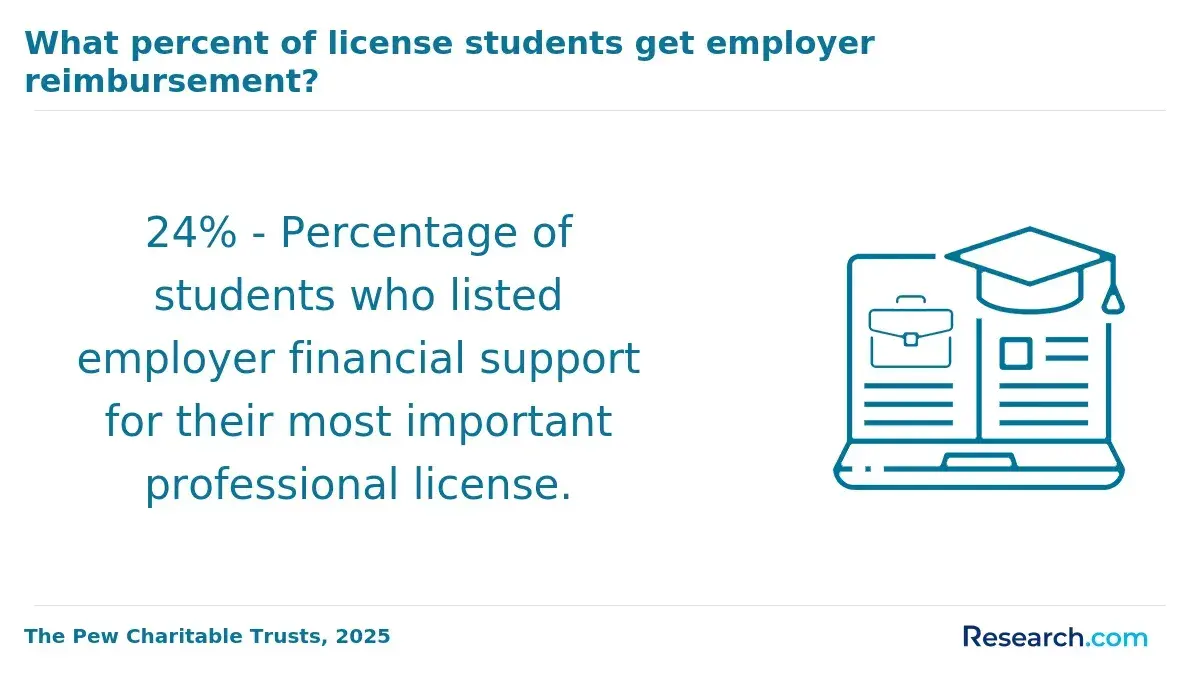
Employer tuition reimbursement is a notable factor, especially for nurses employed within health systems investing in internal workforce development. This approach provides a strategic mechanism to offset expenses while maintaining employment income streams during study.
Deciding whether to self-fund requires evaluating loan obligations against an anticipated hourly wage near $51.67 and considering that clinical hours may postpone higher earnings post-graduation. Targeted scholarships tied to clinical specialization, diversity commitments, or rural health engagement demand proactive, early applications and can meaningfully reduce net costs.
- Program quality directly affects clinical placement opportunities, which in turn impact duration and out-of-pocket costs.
- Effective clinical networks reduce delays in credential attainment and mitigate unexpected expenses.
- Aligning employer reimbursement with program choice can optimize the return on educational investment.
What clinical hours, preceptorships, and practicum experiences are required in online MSN FNP programs?
Most online MSN family nurse practitioner programs require between 500 and 700 clinical hours, a range designed to meet accreditation standards set by the American Association of Nurse Practitioners and the Commission on Collegiate Nursing Education. These hours are completed through direct patient care experiences supervised by licensed FNPs or physicians, often arranged locally by the student.
This decentralized model demands proactive identification of qualified preceptors and adherence to rigorous documentation and program objectives, presenting logistical challenges for working professionals balancing job responsibilities.
Clinical rotations span diverse settings-primary care clinics, urgent care centers, and outpatient facilities-offering exposure to varied patient demographics and healthcare environments. This variety is essential not only for developing diagnostic accuracy and clinical judgment but also for meeting employer expectations for readiness in patient management.
Students must typically complete a capstone practicum or competency assessment synthesizing clinical experience with evidence-based practice. The minimum clinical hour requirements extend program durations for some, requiring adaptive scheduling to meet benchmarks without compromising employment. Failure to fulfill these requirements can delay graduation and negatively impact competitiveness in a job market projected to grow 40% through 2034.
- Clinical hours combine supervised local practicum and structured preceptorship, demanding early planning for placement.
- Practical exposure across multiple care settings builds critical skills beyond theoretical knowledge.
- Work-life balance and preceptor availability significantly influence program pacing and completion timelines.
What certifications do Family Nurse Practitioners need after completing an online MSN program?
Certification following an online MSN in family nurse practitioner (FNP) studies is non-negotiable for clinical practice and directly impacts employability and licensure. The two dominant certification bodies, the American Nurses Credentialing Center (ANCC) and the American Association of Nurse Practitioners Certification Board (AANPCB), provide credentials such as the FNP-BC and NP-C that attest to a candidate's advanced clinical competencies.
Employers and state boards uniformly require these credentials, with no exceptions for online program graduates. Consider a nurse aiming to transition into rural primary care: certification must demonstrate proficiency across pediatric and adult populations to secure employment and insurance panel inclusion. Without certification, job prospects narrow sharply, especially in competitive urban markets.
The certification exams demand mastery of evidence-based practice, rigorous clinical skillsets, and knowledge spanning health promotion to complex disease management. Key prerequisites include completing 500+ clinical hours, a standard supported by Purdue Global's 2026 online FNP cohort reporting over 337 graduates meeting these benchmarks. This ensures readiness not only for certification exams but also for real-world clinical challenges.
Post-certification, additional state licensure steps-often including jurisprudence exams-must be accounted for, alongside maintenance of certification through continuing education and recertification every five years. Prospective students should weigh these certification and licensure demands against program flexibility and career objectives, understanding that certification directly shapes access to employment and reimbursement networks.
What are the career paths, practice settings, and advancement opportunities for Family Nurse Practitioners?
Family nurse practitioners (FNPs) fill critical gaps in primary care, particularly in underserved urban and rural areas facing physician shortages. While most begin in direct patient care within outpatient clinics or hospitals, the scope of roles extends to leadership, policy development, and academic positions. Employers emphasize demonstrated skills in care coordination and patient outcomes over mere possession of advanced degrees.
Advancing within FNP careers requires targeted clinical expertise and specialty certifications, such as women's health or chronic disease management. For example, an FNP in a hospital setting might transition into nurse management or clinical education, balancing administrative responsibilities with patient care. Alternatively, private practice FNPs may pursue partnerships or shift toward healthcare consulting, which demands business knowledge beyond clinical skills.
Program cost directly impacts how quickly students can enter financially sustainable roles. The University of West Florida's online MSN-FNP program charges $500 per credit hour, significantly less than private programs exceeding $1,800 per credit, reducing potential debt and limiting the need for secondary employment during study.
Projected employment growth of 40% through 2031 reflects an expanding need in prevention and chronic disease roles. Prospective students must weigh geographic salary differentials and local practice demands, as rural posts often offer higher incentives but require a broader skill set. Aligning program choice with these labor market realities influences both employability and career longevity.
What salary can Family Nurse Practitioners expect, and what is the job outlook?
Salary prospects for family nurse practitioners (FNPs) typically range from about $78,000 to $115,000 annually, influenced by factors such as geographic location, clinical environment, and experience level. For example, urban hospitals and specialty clinics tend to offer compensation near the upper end of this scale, while community health centers in rural areas often align more closely with median figures.
A notable public institution reported median graduate earnings of $78,988 against an in-state tuition of approximately $9,934, suggesting a positive investment outcome for online nurse practitioner programs. The job market for FNPs is expected to expand by 40% over the next decade, fueled primarily by demographic shifts and a growing requirement for chronic disease management in underserved areas.
Employers emphasize candidates' clinical proficiency, board certification, and adaptability to telehealth technologies, which shape hiring priorities more than online program completion alone. Interstate licensing introduces practical challenges to mobility, requiring careful navigation of state-specific nurse licensure compacts. Early career salaries often fall near the median, with substantial growth contingent on accumulating specialization and leadership experience over five to seven years.
- MSN graduates must weigh program alignment with state licensure requirements carefully.
- Entry-level roles demand clinical experience beyond academic credentials.
- Technical skills in telehealth increasingly affect employability.
Other Things You Should Know About MSN
Balancing full-time work with an online MSN FNP program is challenging due to the program's clinical requirements and rigorous coursework. Many programs expect 15-20 hours weekly for study and assignments, plus in-person clinical hours that require flexible scheduling. Students should prioritize programs that offer flexible practicum placements and asynchronous coursework to manage work demands effectively. Choosing a program without flexible clinical arrangements may lead to extended completion times or burnout.
Employers increasingly accept online MSN FNP degrees if the program holds proper accreditation and graduates have completed required clinical hours. The key employer concern is consistent clinical experience quality, which can vary by program. Students should evaluate clinical site options and faculty oversight to avoid programs that rely primarily on minimal or low-quality practicum experiences. Programs linked with reputable health systems often carry more weight in hiring decisions.
Most online MSN Family Nurse Practitioner MSN programs require about 500 to 700 supervised clinical hours, completed in approved primary care settings. These hours are separate from coursework and must be documented under the supervision of qualified preceptors and faculty oversight.
Clinical placement support varies widely and significantly affects practical training quality and program completion. Programs with established partnerships provide dedicated placement assistance, reducing student burden and ensuring diverse clinical exposure. In contrast, programs requiring self-sourcing clinical sites increase administrative stress and risk suboptimal clinical learning. Students should prioritize programs offering comprehensive placement services aligned with their geographic location to avoid delays and inferior clinical experiences.
References
- Nurse Practitioner - Explore Healthcare Careers - Mayo Clinic College of Medicine & Science https://college.mayo.edu/academics/explore-health-care-careers/careers-a-z/nurse-practitioner/
- Nursing Licensure State Requirements - University of Phoenix https://www.phoenix.edu/state-licensure-requirements/nursing.html
- 2026 Best Online Nurse Practitioner (NP) Programs and Schools - Nurse Practitioner Degrees https://npdegrees.org/degrees/online-np-masters-degrees/online-nurse-practitioner-programs/
- Best Online FNP Programs https://onlinenursepractitionerprogram.com/resources/best-online-fnp-programs
- Family Nurse Practitioner Clinical Practicum Information and Process https://catalog.bellincollege.edu/family-nurse-practitioner-clinical-practicum-information-and-process
- How Much Do Family Nurse Practitioners Make In The USA? | Shiftmed Blog https://www.shiftmed.com/professionals/blog/how-much-do-family-nurse-practitioners-make/
- Guide to the Most Affordable Online Nurse Practitioner Programs https://www.edumed.org/online-schools/nurse-practitioner-programs/most-affordable/
- Understanding Nurse Practitioner Clinical Hours Required for Success https://www.nphub.com/blog/np-clinical-burnout
- Nursing Career Advancement Opportunities | Maryville Nursing https://nursing.maryville.edu/blog/nursing-career-advancement
- Family Nurse Practitioner (FNP) https://nursinglicensemap.com/advanced-practice-nursing/nurse-practitioner/family-nurse-practitioner/