2027 MSN Career Outlook by Specialization

Co-Founder and Chief Data Scientist
Choosing the right MSN specialization can determine whether a nurse meets urgent workforce demands or stalls amid shifting healthcare needs. With nearly 40% of enrolled MSN students pursuing flexible online options according to the National Center for Education Statistics, accessibility has reshaped program selection, often prioritizing convenience over clinical fit. This complicates timing and career momentum, especially for adult learners balancing work and study.
Employers increasingly expect specialized expertise tailored to evolving care models, raising the stakes for informed specialization choices. This article compares MSN career paths by specialization, offering detailed insights and data-driven guidance to help professionals align educational investments with realistic job market prospects and advancement potential.
Key Things You Should Know
- MSN specializations in nursing leadership offer 15% higher median salaries but extend average program durations by 20%, delaying workforce reentry-data from the National Center for Education Statistics.
- Employers increasingly prioritize clinical nurse specialist roles over nurse educators, with 37% faster hiring rates per Bureau of Labor Statistics projections, shifting post-MSN career paths toward direct patient impact.
- State licensing requirements vary significantly, with up to 30% cost differentials affecting MSN candidates' total investment, influencing geographic mobility and credential portability according to the National Council of State Boards of Nursing.
What are the main MSN specializations and how do they differ in roles and scope?
The practical distinction among MSN nursing specializations in the United States centers on balancing role autonomy against employer expectations and workload types. Nurse Practitioner (NP) tracks, such as Family Nurse Practitioner and Pediatric NP, provide advanced clinical independence, granting diagnostic authority and prescribing rights. This autonomy corresponds with a marked median annual wage of $129,210, over 38% higher than registered nurses, signaling strong market demand for direct patient care expertise.
Other pathways, like Clinical Nurse Specialist (CNS), prioritize system-wide quality improvement, evidence-based practice, and staff education but lack patient diagnostic authority, shaping different workflow expectations. Nurse Anesthesia and Nurse Midwifery demand procedural proficiency and specialized certification, often accompanied by intense clinical hours. Meanwhile, Nurse Educator paths focus on academic roles rather than bedside practice, appealing to those targeting curriculum development. Nurse Administrator roles shift away from clinical care toward organizational leadership functions like budgeting and compliance management.
This diversity in roles requires students to assess long-term career priorities carefully-whether favoring the higher compensation and autonomy found in NP roles or systemic and educational functions with distinct employer requirements and licensure criteria. For those seeking expedited pathways within the psychiatric specialization, programs such as the fastest PMHNP program offer targeted career advancement routes. Deciding among these MSN career paths involves clear tradeoffs between immediate clinical authority and broader organizational impact, underlining the importance of matching specialization to both personal goals and evolving workforce demands.
What is the career outlook for major MSN specializations in the United States?
Salary and mobility tradeoffs shape the career outlook for MSN nursing specializations in the United States more decisively than simple job growth trends for MSN specializations across the United States. Psychiatric mental health nurse practitioners command top compensation at around $126,906 annually, reflecting increasing mental health needs combined with a favorable regulatory environment that expands prescribing authority. These roles often fit well in private or integrated care but require advanced expertise in behavioral health and pharmacology.
Family nurse practitioners still represent the largest segment with stable demand, particularly in underserved rural or primary care settings, though competition from physician assistants tempers wage growth. Specialty certifications in acute care, pediatrics, or gerontology typically have narrower job markets and smaller salary premiums unless geographic or institutional demand aligns.
Acute care nurse practitioners in hospital-intensive environments meet robust demand driven by aging populations but face constraints due to system-based employment models limiting independent practice. Nurse leaders focusing on administration or education encounter slower salary progression and need hybrid skills in management and pedagogy to maintain relevance. Choosing a specialization requires balancing realistic salary ceilings, employability constraints, and length of training. For those weighing program costs against return on investment, exploring cheapest accelerated nursing programs may offer a pragmatic pathway into this competitive field.
What salary ranges can MSN-prepared nurses expect by specialization and setting?
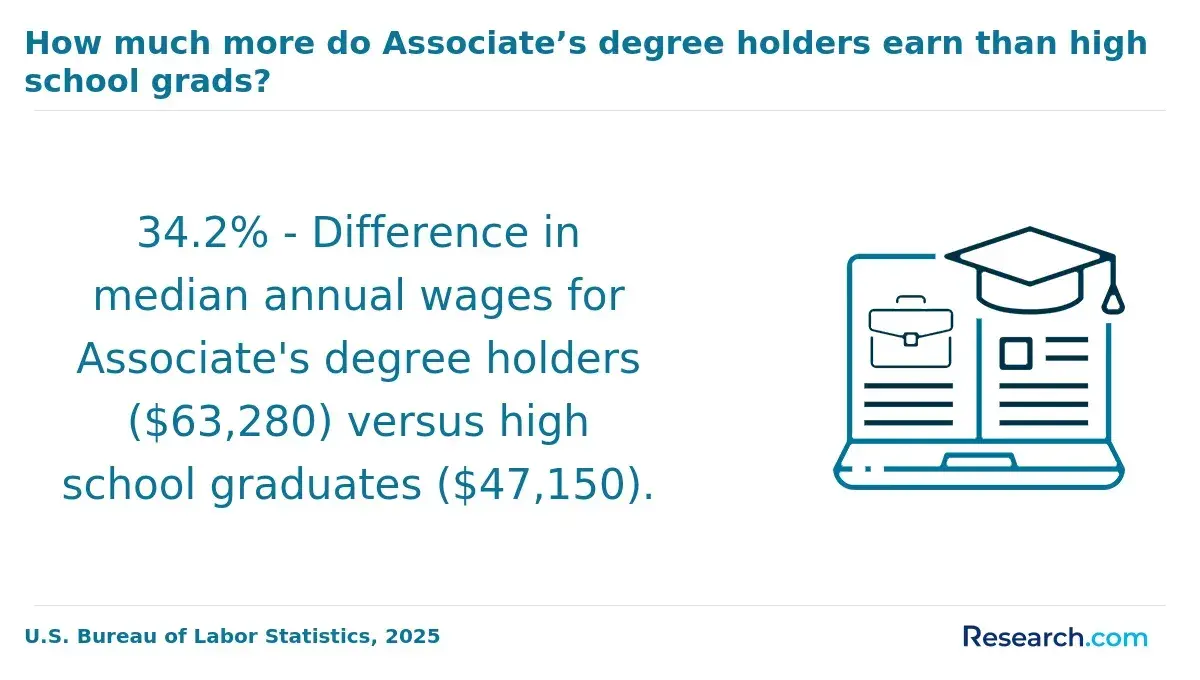
MSN-prepared nurses' salary ranges are heavily influenced by specialization, healthcare setting, and location, creating significant practical implications for prospective students evaluating advanced practice routes. Nurse practitioners in primary care earn between $95,000 and $120,000 annually, but those in specialized fields such as psychiatric or acute care can command $110,000 to $140,000, reflecting both demand and certification requirements. Nurse anesthetists lead with median salaries over $180,000, though these roles require credentials beyond the degree itself. This variability highlights a tradeoff: clinical specializations often offer higher pay but demand additional certifications and experience.
In hospital settings, clinical nurse specialists earn roughly $85,000 to $115,000 annually depending on geography and employer size. Postsecondary nursing educators, with median earnings near $79,940, generally experience steadier schedules and fewer night shifts, illustrating a salary versus work-life balance consideration. Leadership roles such as nurse managers or directors typically report salaries between $95,000 and $130,000, influenced by facility size and regional pay scales. Geographic disparities are notable-urban areas often offer 10-20% higher salaries but come with cost-of-living challenges that must be factored into career decisions.
These earnings differences directly affect workforce planning strategies and signal the importance of employer expectations regarding clinical experience and certification for specialized MSN roles. Those deciding on an MSN pathway should examine these financial and professional tradeoffs carefully, blending projected income with job stability and personal priorities. For those interested in less clinically intensive programs, examining options like RN BSN online programs no clinicals may provide a clearer picture of entry-level opportunities and educational commitment.
How do job responsibilities and typical work settings vary across MSN specializations?
Job responsibilities across MSN specializations reveal fundamental tradeoffs between clinical engagement and organizational influence, affecting day-to-day work and career direction. Nurse practitioners (NPs) operate primarily in direct patient care environments such as hospitals, community health centers, or private practices. Their duties involve assessing patients, diagnosing conditions, prescribing treatments, and managing chronic illnesses-tasks demanding consistent clinical interaction and autonomy.
Conversely, MSN-prepared professionals focusing on administration or health systems management transition from bedside care to strategic oversight. Roles like medical and health services managers prioritize budgeting, compliance, staff coordination, and long-term planning in large healthcare settings, reflecting a shift toward operational leadership. According to the U.S. Bureau of Labor Statistics, medical and health services managers earned a median annual salary of $117,960 in May 2024, emphasizing the economic distinction from clinical tracks.
Other specializations, such as education and informatics, further diversify typical work settings for MSN career tracks. Educators usually work within academic or healthcare organizations, balancing classroom instruction with curriculum development and occasional administrative tasks on a predictable schedule. Informatics specialists merge clinical knowledge with IT solutions to optimize healthcare workflows, often encountering complex challenges related to data integration and system management.
Scheduling demands vary widely: clinical roles often include irregular shifts, including nights and weekends, while administrative and educational positions generally maintain regular business hours. Prospective students evaluating these specializations should also consider advanced options like DNP online programs as part of a long-term career strategy.
What education, clinical experience, and licensing are required for different MSN tracks?
Advanced practice nursing roles demand a precise alignment of graduate education, clinical hours, and licensure processes, with real-world hiring heavily influenced by these factors. The variability across MSN specializations often hinges on meeting accreditor standards and fulfilling state-specific licensing requirements. For instance, nurse practitioner tracks require a minimum of 500 clinical hours focused on assessing and managing patients in settings ranging from family care to pediatrics.
States mandate certification exams aligned to each role-such as those by the American Nurses Credentialing Center or the National Certification Corporation-and often require supervised postgraduate clinical hours plus continuing education. Registered nurses with a Bachelor of Science in Nursing and active RN licenses enter most tracks, while direct-entry MSN programs for non-nurses demand more extensive clinical training and can delay eligibility for licensure.
Consider a nurse aiming to become a clinical nurse specialist within a hospital: choosing an online MSN program with minimal hands-on clinical practicum may slow the transition to employment due to lack of immediate clinical readiness. Employers expect advanced practice nurses to demonstrate both theoretical mastery and practical proficiency at hire. Master's-prepared APRNs command a median salary around $132,050, but the intensity of clinical hour requirements and state licensure timelines heavily influence time-to-practice and earning potential.
How do online MSN programs compare to campus-based options for each specialization?
For nurse anesthetist tracks, which command a median annual salary of $223,210 according to the U.S. Bureau of Labor Statistics as of May 2024, campus-based MSN programs remain essential due to their intensive hands-on clinical rotations and hospital partnerships. Employers consistently prefer graduates from these programs because the in-person training produces measurable procedural expertise critical for patient safety in high-stakes environments.
By contrast, nurse practitioner specializations like family or psychiatric offer more flexibility with online MSNs but require students to independently arrange local clinical preceptors. This can introduce delays or variability in training quality, especially for candidates lacking established professional networks, whereas campus-based programs typically provide structured clinical sites aligned with employer criteria, enhancing job market competitiveness.
Leadership and informatics MSN concentrations show less divergence between formats. Because practical skills here emphasize management and technology rather than direct patient care, online programs can deliver comparable preparation for workforce demands where digital fluency and strategic competency matter more than clinical immersion.
What does the curriculum typically include for leading MSN specializations?
Choosing an MSN specialization requires careful evaluation of how curriculum design aligns with workforce demands and licensure requirements. Nurse practitioner tracks, for example, emphasize diagnostic reasoning, pharmacology, and patient management across diverse populations, demanding robust clinical rotations that reflect employers' preference for autonomous practitioners. Insufficient clinical hours in these programs can directly impair certification eligibility, a critical consideration for candidates aiming for swift workforce entry.
Nurse midwifery programs feature comprehensive training in reproductive health and labor management tailored to obstetric pharmacology, with employer data indicating a median salary of $128,790 for this role as of May 2024. However, the intensive hands-on clinical requirements lengthen study duration and pose scheduling challenges for many students balancing work and education.
On the administrative side, MSN degrees for nurse educators and healthcare managers reduce clinical exposure but increase emphasis on leadership, health systems management, financial oversight, and data analytics. This shift suits professionals targeting roles in quality improvement and organizational transformation but may limit clinical practice options post-degree.
Clinical informatics specializations fill a growing niche at the intersection of IT and patient care, requiring proficiency in health data governance and regulatory compliance. Students must assess program length and clinical placement rigor carefully, as these elements affect both certification readiness and long-term career flexibility.
How long do MSN programs take and what do they cost by specialization?
Program length and cost vary notably across MSN specializations, shaping distinct outcomes for working professionals. Clinical leadership tracks like nurse practitioner or nurse anesthetist programs extend to around three years due to intensive practicum requirements, often surpassing $80,000 in total tuition because of clinical placement fees and certification preparation. In contrast, administrative or informatics pathways can be completed in 18 to 24 months full-time, typically costing between $30,000 and $60,000, depending on institution type and duration.
This distinction yields practical tradeoffs: a nurse aiming for immediate leadership roles with limited clinical hours may benefit from a shorter, less expensive administrative MSN, reducing opportunity costs and accelerating workforce re-entry. However, extended clinical programs, while costlier and lengthier, align with specialized roles that might command higher salaries but also require balancing prolonged education against delayed earnings.
For example, professionals pursuing healthcare informatics can expect around $35,000 in tuition over two years, positioning them for roles that blend clinical insight with data management without prolonged fieldwork. Conversely, acute care nurse practitioner candidates often encounter three-year, $75,000-plus programs tied to more narrowly clinical career paths.
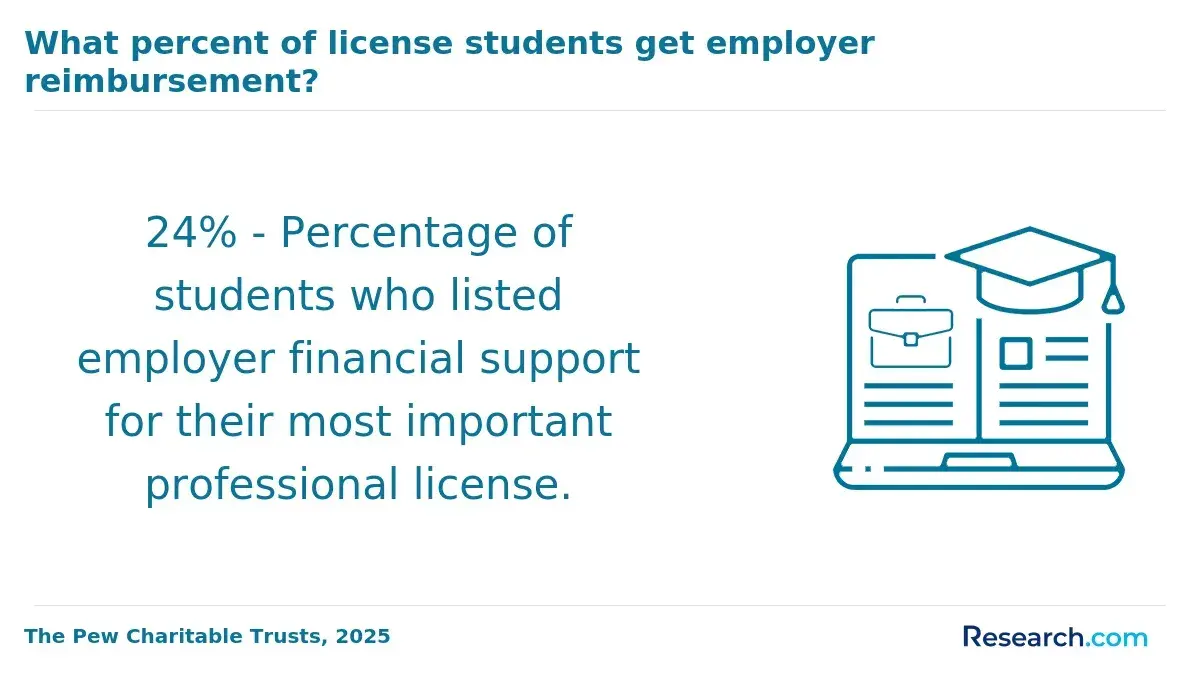
Across all routes, flexibility and employer tuition assistance frequently influence program choice more than cost or duration alone. Median wages for medical and health services administration-reported at $117,960 as of May 2024 by the U.S. Bureau of Labor Statistics-reflect this sector's preference for candidates who integrate clinical knowledge with business acumen, not necessarily those with extended clinical practicums.
How can prospective students choose an accredited, reputable MSN program in the U.S.?
Programs accredited by the Commission on Collegiate Nursing Education (CCNE) or the Accreditation Commission for Education in Nursing (ACEN) remain essential for graduates seeking licensure and employer validation. These accreditations ensure credential recognition, but equally important are metrics like graduate employment rates and certification exam pass rates-which reveal how well a program prepares students for the workforce.
Transparency in curriculum rigor, clinical placement quality, and faculty expertise affects the relevance of skills gained. Specializations such as nurse practitioners or nurse informatics require clinical experiences that reflect evolving healthcare demands and facilitate interdisciplinary collaboration, directly aligning with employer needs in those fields.
Consider a working nurse with a bachelor's in registered nursing upgrading to an MSN: beyond the median 52.8% salary increase-according to OnlineU's 2024 report-program flexibility is vital. Part-time or hybrid models that retain strong clinical partnerships allow students to maintain income while meeting intensive clinical hour requirements, a balance critical for many professionals.
Cost transparency, including licensure and exam fees, is often undervalued by candidates. Comparing total expenses alongside employment outcomes helps avoid programs that trade long-term value for name recognition.
What long-term advancement opportunities exist for nurses with an MSN by specialty?
Nurses pursuing an MSN face divergent advancement paths shaped by specialty, with leadership and clinical authority as common endpoints. The U.S. Bureau of Labor Statistics projects 38% employment growth for nurse anesthetists, nurse midwives, and nurse practitioners from 2022 to 2032, driven by expanding healthcare needs and regulatory changes granting more full practice authority.
In practice, nurse practitioners often transition into roles such as primary care directors or healthcare policy advisors-positions that blend clinical expertise with management responsibilities. Nurse anesthetists, by contrast, tend to move into senior clinical or administrative roles within surgical departments, directly influencing patient safety and operational outcomes.
Similarly, nurse midwives frequently advance to independent practice ownership or lead regional maternal health initiatives, requiring strong operational management skills alongside clinical mastery. Prospective nurse leaders need to understand that advancing beyond clinical practice typically means investing in additional education, often in business or healthcare administration, to meet employer expectations for dual clinical-administrative competencies.
For example, a nurse anesthetist with an MSN focused on leadership might progress to a department director role managing staffing and budgets, reflecting employer demand for cost-effective outcomes amid tight healthcare margins. Key considerations for specialists include continuous certification, adapting to evolving regulations, and developing interdisciplinary collaboration skills to fully benefit from workforce growth projections.
Other Things You Should Know About MSN
Most MSN specializations require supervised clinical practice before graduation, and many nurse practitioner tracks require about 500 to 1,000 direct patient-care hours. Licensure then depends on national certification through an organization such as the AANP or ANCC, plus any state board requirements.
Employers often prefer candidates with a specialist MSN that aligns closely with the leadership role's functional area, such as nurse leadership specialties for management posts. A generalist MSN might open doors broadly but could be less competitive without targeted experience or certifications. For those aiming at executive or strategic roles, selecting a specialization that delivers both clinical insight and administrative skill sets will increase direct employability and advancement chances.
Accelerated MSN programs compress coursework and clinical practice into shorter terms, significantly increasing weekly study and clinical time demands. This intensive pace leaves little room for part-time work or personal obligations, which can lead to stress and diminished learning retention if not managed carefully. Students considering these programs should prioritize time management skills and possibly reduce outside commitments to sustain performance and completion on schedule.
Online MSN programs provide essential flexibility for nurses balancing work and study, but limited face-to-face interaction can impact professional networking and mentorship opportunities. Nurses targeting roles heavily based on relationships and team leadership should weigh this tradeoff carefully. Prioritizing hybrid programs or those with strong virtual engagement initiatives offers a balanced path, maintaining career momentum without sacrificing the benefits of peer and faculty connections.
References
- How Do Online BSN Degree Programs Work? https://www.allnursingschools.com/msn/online-or-on-campus/
- How to Compare Online Nursing Programs https://www.southuniversity.edu/news-and-blogs/2026/05/how-to-compare-online-nursing-programs
- What is a Master’s in Nursing (MSN) Degree? https://nursinglicensemap.com/nursing-degrees/masters-in-nursing/what-is-msn/
- Career Advancement Pathways for Nurses : Expert RN shares 10+ Professional growth opportunities - MuminMed https://blog.muminmed.com/career-advancement-pathways-for-nurses/
- 6 MSN Nursing Specializations to Take Your Career to the Next Level | Maryville Nursing https://nursing.maryville.edu/blog/6-msn-nursing-specializations
- How Long Does it Take to Become a Nurse Practitioner (NP)? https://www.onlineeducation.com/nursing/faqs/how-long-to-become-nurse-practitioner
- Top online accredited MSN degree programs - Better Nurse https://betternurse.org/msn-degrees/
- Onlineu - Nursing https://www.onlineu.com/online-masters/nursing
- Master of Science in Nursing (MSN): Program Options, Specializations, and Outcomes https://www.ucumberlands.edu/blog/msn-program-options-specializations-and-outcomes
- 10 Nursing Career Advancement Ideas https://credenzahealth.com/career-advice/10-nursing-career-advancement-ideas