2027 Best Online MSN Programs for Nurse Practitioner Paths

Co-Founder and Chief Data Scientist
Balancing full-time work and family obligations often leaves limited time for nurses aiming to advance through nurse practitioner pathways. With over 60% of adult learners choosing flexible, online programs according to the National Center for Education Statistics, there's clear demand for accessible graduate nursing education that accommodates complex schedules. However, not all online MSN offerings provide the clinical rigor, tailored specialization, or employer recognition necessary to ensure a smooth transition into advanced practice roles.
Selecting a program that aligns with career goals while optimizing time investment is a high-stakes decision affecting employability and long-term mobility. This article identifies top online MSN programs designed to address these challenges, focusing on practical fit and career outcomes.
Key Things You Should Know
- The median cost of online MSN programs exceeds $45,000, often extending completion time beyond three years, forcing candidates to weigh immediate earning loss against long-term salary gains documented by the Bureau of Labor Statistics.
- Employer demand data from the National Bureau of Labor Statistics shows 40% of nurse practitioner openings require specialization-specific MSN credentials, creating a strategic imperative for tailored curricula over broader generalist tracks.
- Attrition rates near 25% in accelerated programs, per recent AACN reports, highlight a tradeoff between program intensity and workforce entry speed, influencing candidate decisions based on career stage and personal resilience.
What are the best online MSN programs for aspiring nurse practitioners?
Choosing among the best online msn nurse practitioner programs involves assessing clinical hour logistics, accreditation, and graduate outcomes over institutional prestige. State licensure mandates often dictate the practicality of local clinical placements - for example, a full-time RN in Texas benefits from programs that enable regional clinical experiences, minimizing travel and related expenses. Employers clearly prefer graduates with over 500 supervised clinical hours completed after coursework, reflecting readiness for the complexities of advanced patient care.
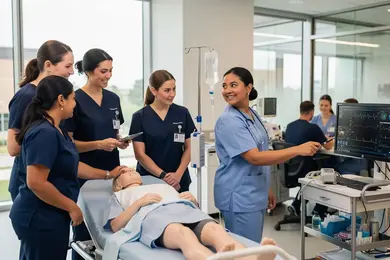
The top accredited online MSN programs for nurse practitioners balance rigorous curricula with flexible pacing, yet students must navigate tradeoffs such as accelerated program intensity versus burnout risk. Programs that integrate interprofessional education and simulation labs tend to elevate graduate competence and hiring potential. Additionally, bridge options from RN to msn nurse practitioner paths present cost-effective alternatives for working nurses without sacrificing academic quality.
Labor market trends show nurse practitioners earning a median salary of $126,260, a 7.6% increase over the prior year, reinforcing demand. Prioritizing programs with state board pass rates exceeding 90% and strong employment records within six months is essential for workforce success. For professionals evaluating educational routes, understanding these operational criteria alongside the practical realities of clinical placement and program length is key to making informed decisions. Those exploring nursing progression might also consider resources on online ADN programs for non nurses as part of a broader career development strategy.
How do online MSN nurse practitioner programs compare to campus-based options?
Online msn nurse practitioner programs versus campus programs present distinct operational realities beyond common assumptions of convenience or prestige. Employers increasingly recognize the value of online degrees when programs integrate clinical practicum experiences within local healthcare settings. This arrangement supports development of hands-on skills essential for clinical credibility and workforce readiness while accommodating working nurses' schedules.
The 2026 BestColleges survey found that 90% of graduates of online programs believe their degree has or will have a positive ROI, underscoring tangible career benefits for many students. However, online delivery demands greater self-discipline, especially in coordinating clinical placements and synchronous learning without institutional scheduling support.
In geographic contexts such as rural or underserved areas, online msn nurse practitioner programs provide critical access, eliminating relocation and income disruption. Yet, campus programs still hold advantages in facilitating peer interaction, immediate faculty engagement, and access to campus resources for students targeting specialized clinical roles or research careers. Prospective students should weigh these tradeoffs alongside personal learning styles and career objectives within the context of what nursing school doesn't require TEAS, to optimize educational investment and long-term employability outcomes.
What accreditation and approvals should online MSN nurse practitioner programs have?
Accreditation and state board approval are non-negotiable filters that shape the viability of online MSN nurse practitioner programs. Graduates from programs lacking Commission on Collegiate Nursing Education (CCNE) or the Accreditation Commission for Education in Nursing (ACEN) accreditation often face licensing barriers and limited employment prospects, especially within major healthcare systems that prioritize verified credentials. For example, an unaccredited degree holder may be barred from taking the nurse practitioner certification exam or face exclusion from Medicare provider networks, directly affecting job mobility and salary potential.
State-specific approvals add another layer of complexity since clinical hour requirements and scope of practice differ across states, influencing eligibility for certification and practice rights. This variation underscores the importance of confirming both accreditation and state board endorsements. Employers scrutinize these criteria rigorously, especially amid growing demand for nurse practitioners with verifiable competencies aligned with regulatory mandates.
Cost considerations also intertwine with accreditation status. Federally recognized accreditations unlock access to financial aid, making tuition, which averages approximately $11,000 annually before aid, more manageable. While some public universities offer prices below $500 per graduate credit, affordability holds value only when these financial factors pair with accredited programs and relevant state approvals. Prospective students should also consider related pathways, such as RN to BSN programs with no clinicals, when evaluating their educational trajectory.
What nurse practitioner specializations can you pursue through an online MSN?
Choosing an online MSN nurse practitioner specialization requires balancing workforce demand with the practical challenges of clinical placement and certification. Family Nurse Practitioner (FNP) programs, popular for their broad applicability across outpatient or community settings, offer flexibility suited to those aiming for diverse patient populations. In contrast, Adult-Gerontology Primary Care Nurse Practitioner (AGPCNP) tracks align with the 45% projected employment growth reported by the U.S. Bureau of Labor Statistics, addressing chronic care needs for aging populations.
Those considering Psychiatric-Mental Health Nurse Practitioner (PMHNP) programs should anticipate additional behavioral health clinical hours that may complicate scheduling, particularly for working professionals. Opportunities in women's health through Women's Health Nurse Practitioner (WHNP) tracks typically focus on reproductive care in specialized clinics and hospitals.
Prospective students must evaluate local clinical placement availability and employer certification preferences carefully. Online MSN nurse practitioner specialties vary considerably in these practical demands, and choosing a track without clear certification pathways may limit employability. Factors such as program flexibility and alignment with regional workforce needs are critical. To navigate this complexity, examining best online post master's PMHNP programs provides insight into optimizing program selection for mental health specialization, balancing academic rigor with clinical feasibility.
What are typical admission requirements for online MSN nurse practitioner programs?
Admission to online MSN nurse practitioner programs demands more than baseline qualifications, reflecting the profession's growing complexity and employer expectations. Candidates must hold an active, unrestricted RN license and a bachelor of science in nursing (BSN) from accredited programs. More importantly, competitive applicants often exceed the standard 3.0 GPA, demonstrating mastery in prerequisites like statistics, health assessment, pathophysiology, and pharmacology.
Programs generally require at least one to two years of full-time clinical experience, emphasizing direct patient care to ground advanced theoretical concepts in real-world practice. For specialized tracks such as family or adult-gerontology nurse practitioners, documented certifications or demonstrated role-specific competencies can differentiate candidates.
Although GRE requirements are waning, personal statements remain vital for revealing professional alignment and motivation. Letters of recommendation from clinical supervisors provide critical insights into candidates' practical skills and work ethic. Background checks and current immunization records are non-negotiable for clinical placements.
Given the high demand and median MSN nurse practitioner wages exceeding $125,000 annually, early preparation of documentation is essential. Applicants who balance rigorous academics with substantial hands-on experience position themselves best for competitive program acceptance and meet employer hiring preferences that prioritize graduates ready for autonomous clinical roles. These procedural realities highlight a strategic tradeoff: candidates must invest significant effort upfront in multifaceted qualifications to access positions that pay a premium in critical healthcare labor markets.
How long do online MSN nurse practitioner programs take, and how are they structured?
Choosing a full-time versus part-time online msn nurse practitioner program significantly impacts the timing of professional entry and income progression. Full-time tracks typically last 2 to 3 years, with accelerated paths available-down to about 18 months-for those holding a registered nurse license and a bachelor's degree in nursing. However, these accelerated programs require managing intense course loads and clinical hours, which can be challenging alongside personal or professional obligations. Part-time formats extend to 3 to 5 years, providing flexibility for working nurses but delaying practitioner readiness and associated earnings.
Program structures universally include foundational nurse leadership and research courses paired with specialty clinical training, requiring at least 500 supervised clinical hours as per Accreditation standards. Psychiatric mental health and adult-gerontology specialties demand targeted didactic modules and practicum experiences to build competency in complex care settings. For example, UNC Chapel Hill's reported graduation rate of 91.2% suggests well-aligned curricula and robust clinical networks enhance student success rates beyond national averages.
The availability and scheduling of clinical sites-especially in underserved regions-pose practical constraints, so students must plan proactively. Synchronous course requirements can limit work-life balance flexibility compared to asynchronous formats. Programs that integrate simulation-based training alongside traditional rotations may better accommodate scheduling challenges without sacrificing clinical competency recognized by employers and certification boards.
What coursework and clinical hours are required in online MSN NP curricula?
Online msn nurse practitioner programs demand a complex balance between rigorous academic coursework and substantial clinical hours, directly affecting employability and licensure readiness. Typically, students complete 45 to 60 graduate credit hours covering advanced pathophysiology, pharmacology, and health assessment, with specialization tracks aligned to certification standards such as family or psychiatric mental health.
Clinical experience-ranging from 500 to 700 supervised hours-is a pivotal hurdle. Securing quality clinical placements often challenges working professionals who must coordinate schedules around employment and program requirements, since verified preceptors and diverse patient exposures are prerequisites. Failure to meet these clinical minimums can delay program completion and licensure eligibility, impacting career trajectory and income continuity.
Program outcomes data confirm that schools offering structured clinical placement support maintain superior retention, with some reporting graduation rates exceeding 87%. Lack of adequate infrastructure disproportionately burdens students without employer flexibility or local clinical options, often extending time-to-degree.
Prospective students should evaluate the balance between academic demands and clinical logistics, as employers expect graduates who can integrate evidence-based practice with real-world patient care from day one. Time management and proactive coordination with clinical sites become as critical as mastering course content for seamless workforce entry.
How much do online MSN nurse practitioner programs cost, and what aid is available?
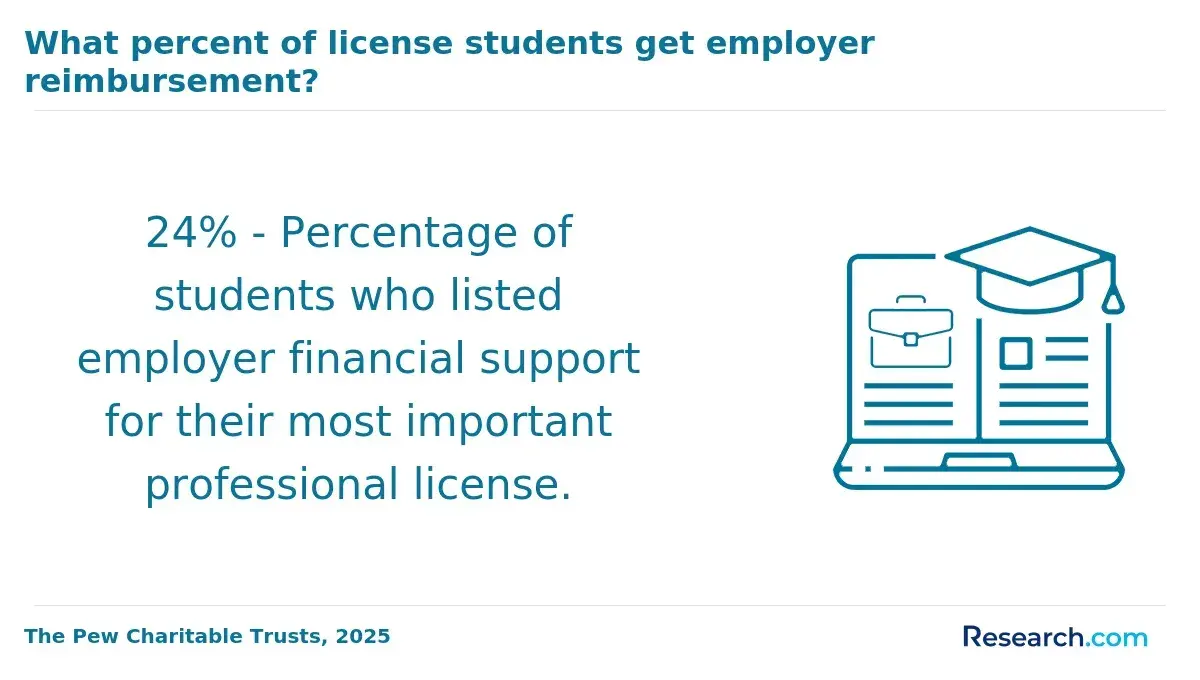
Tuition for online MSN nurse practitioner programs in 2026 ranges from $30,000 to $80,000, but this sticker price only tells part of the story. Employer tuition assistance is a defining factor that can slash out-of-pocket expenses, often halving or fully covering costs for employed nurses. For instance, a nurse working for a major hospital with a 50% to 100% tuition reimbursement may face an effective cost closer to $15,000 on a $60,000 program, which directly impacts debt load and return on investment.
Financial aid options like unsubsidized federal loans and Grad PLUS loans are available but increase debt without immediate financial relief. Combining employer support with scholarships or grants is essential for minimizing loan reliance. State and institutional funding also influence costs, often differing for in-state versus out-of-state students, particularly at public universities.
Costs extend beyond tuition, encompassing clinical placement fees, licensing exam expenses, and potential income lost during supervised clinical hours. These indirect expenses are often overlooked yet affect total program affordability and timeline.
When evaluating costs, nurses must weigh the balance between employer support, program quality, and practical career outcomes rather than focusing solely on published tuition rates. Strategic consideration of these tradeoffs will determine the actual financial and professional impact of pursuing an MSN nurse practitioner track.
What are the licensing and certification steps after completing an online MSN NP?
Navigating the licensing and certification process following an online msn np demands strategic coordination to avoid costly delays. Passing national certification exams like those from the American Nurses Credentialing Center (ANCC) or the American Academy of Nurse Practitioners Certification Board (AANPCB) confirms clinical proficiency necessary for state licensure applications. Each state's Board of Nursing imposes distinct documentation and turnaround requirements, including official transcripts, proof of completed clinical hours, and exam results, necessitating early engagement to streamline the credentialing timeline.
Practical burdens intensify in accelerated online NP programs, which compress clinical and academic demands into shorter periods. These require rapid exam preparation and prompt state licensure submissions, challenging students to manage heightened administrative and scheduling pressure. In contrast, traditional multi-year MSN pathways distribute clinical requirements and costs more evenly, allowing graduates a more measured approach to certification and licensure.
Post-licensure, nurse practitioners face ongoing recertification demands typically every two years, involving 24 to 40 continuing education hours and maintenance of active clinical practice. Employers place heavy emphasis on current credentials when making hiring and privileging decisions, making these renewals vital for uninterrupted patient care roles.
Specialty tracks such as psychiatric-mental health or acute care introduce additional certifications and stricter state practice stipulations. Hospital employers often require combined proof of state licensure and national certification for liability and reimbursement reasons, making these steps unavoidable prerequisites for sustained employment and credential currency.
What salary, job outlook, and career advancement can MSN-prepared nurse practitioners expect?
Nurse practitioners with an Msn degree face a landscape where median salaries hover near $120,000, but specifics vary significantly based on specialization and geography, with top earners surpassing $150,000. The projected 40% job growth by 2031 creates opportunities but also demands careful consideration of clinical focus, as psychiatric-mental health roles often yield higher pay than family practice.
Career progression typically requires balancing clinical expertise with additional certifications or doctoral credentials, especially for leadership, research, or academic positions. Without these, salary increases generally rely on accumulated experience and administrative responsibilities within healthcare systems.
State regulations profoundly affect autonomy and compensation. Nurse practitioners in full-practice states experience fewer physician oversight constraints, enhancing both professional independence and earning potential. This regulatory environment shapes strategic decisions about where to work and how to negotiate compensation.
Educational investments directly impact financial outcomes during career transitions. Online msn programs offering affordable per-credit costs-such as Kent State University's $612 for in-state and $622 for out-of-state/online students-can shorten the return-on-investment timeline compared to programs exceeding $1,000 per credit. Prospective students should weigh program accreditation, flexibility to sustain income while learning, and alignment with employer credentialing demands to avoid extended timelines that erode potential gains.
Other Things You Should Know About MSN
Online MSN programs offer scheduling flexibility through asynchronous coursework, but working nurses must evaluate clinical placement demands and synchronous sessions. Programs requiring in-person clinicals near the student's location reduce the flexibility benefit. Choosing a program with strong local clinical partnerships and clear support for scheduling clinical hours is critical to balance work and study without extending time to completion.
Employers recognize online MSN degrees from regionally accredited institutions with proper clinical rigor as equivalent to traditional degrees. However, degrees from programs lacking clear clinical components or accreditation signal potential gaps, affecting hireability. Prioritizing programs with a strong reputation and transparent clinical verification improves employer trust and hiring competitiveness.
In 2027, top MSN online programs for Nurse Practitioners focusing on clinical practice include Johns Hopkins University, Duke University, and Ohio State University. These programs provide comprehensive curriculum and rigorous clinical placements that prepare students for high-level practice and licensure.
Most online MSN nurse practitioner tracks require at least 500 supervised direct patient-care clinical hours, and many universities require 600 or more. Clinicals must be completed in approved settings with qualified preceptors and documented evaluations before graduation and NP certification eligibility.
References
- Best Online NP Programs https://onlinenursepractitionerprogram.com/resources/best-online-nurse-practitioner-programs
- All Online Nurse Practitioner Schools, Ranked - NPSchools https://www.npschools.com/
- Direct-Entry Master’s in Nursing (MSN) Programs https://nursinglicensemap.com/nursing-degrees/masters-in-nursing/direct-entry-programs/
- Home https://www.onlinefnpprograms.com/
- Nurse Practitioner Education https://www.aanp.org/advocacy/advocacy-resource/position-statements/nurse-practitioner-education
- Frequently Asked Questions https://www.aacnnursing.org/essentials/tool-kit/faqs
- Online Direct Entry MSN Program https://onlinedegrees.elmhurst.edu/programs/online-masters-entry-program-nursing
- Some of the Best Online Nurse Practitioner (NP) Programs for 2025–2026 - Nurse Practitioner Degrees https://npdegrees.org/degrees/best-online-np-programs/
- Nurse practitioner salary trends 2025: Opportunities, challenges, and paths to higher pay https://comphealth.com/resources/np-salary-report
- Guide to the Most Affordable Online Nurse Practitioner Programs https://www.edumed.org/online-schools/nurse-practitioner-programs/most-affordable/