2027 MSN Careers in Healthcare Administration

Co-Founder and Chief Data Scientist
Healthcare administrators pursuing MSN degrees face a critical dilemma: balancing accelerated career mobility against the increased complexity of program delivery and employer expectations. The National Center for Education Statistics reports a 12% rise in enrollment for online graduate nursing programs since 2023, underscoring a shift toward flexible learning paths aimed at working professionals. Yet this flexibility can introduce challenges in achieving sufficient clinical leadership experience alongside academic requirements, with many programs varying widely in accreditation and real-world applicability.
This article examines key factors influencing program selection, delivery formats, and career outcomes to guide prospective students through informed decisions that align educational investments with evolving industry demands.
Key Things You Should Know
- Healthcare administration roles for MSN graduates grew 12% from 2022 to 2024 per Bureau of Labor Statistics, pressuring candidates to balance clinical expertise and leadership skills, which may slow career entry by up to two years due to expanded competency demands.
- Employer surveys from the American College of Healthcare Executives reveal 68% prioritize interdisciplinary negotiation skills over traditional management credentials, challenging MSN candidates to adapt curricula and potentially extend training beyond standard programs.
- MSN programs with leadership tracks averaged 25% higher tuition than non-administrative routes in 2024 National Center for Education Statistics data, requiring candidates to weigh the strategic career payoff against significant delayed earnings and increased debt burden.
What is an MSN in healthcare administration, and how does it differ from an MHA?
An MSN in healthcare administration distinctly prepares nurses for leadership roles that blend clinical expertise with management, unlike an MHA, which primarily suits candidates without a clinical background focused more on administration. This difference shapes who employers seek: healthcare organizations looking to fill clinical nurse leader or nurse manager roles favor an MSN due to its integration of patient care and operational oversight, while hospital executives or consultants often hold MHAs to manage systems without direct clinical responsibilities.
For example, in a hospital expanding outpatient services, an MSN graduate can simultaneously streamline clinical workflows and manage budgets, whereas an MHA graduate might prioritize strategic planning across the organization without engaging in daily clinical issues. These nuances affect career opportunities, particularly given employment growth projections of 23% for medical and health services managers over a decade.
Prospective students must balance the clinical experience and additional time commitments required by an MSN against the broader administrative skill set of the MHA. Those exploring accelerated pathways might consider accelerated direct entry MSN programs online as a way to navigate this complexity efficiently.
This dual focus profoundly impacts long-term career trajectories in healthcare administration, requiring clear alignment between educational investment and the desired mix of clinical involvement and management responsibilities.
What jobs can you get with an MSN in healthcare administration?
Leadership roles in healthcare management increasingly demand a balance between clinical insight and administrative expertise. An MSN in healthcare administration typically leads roles such as medical and health services manager, overseeing operations to optimize efficiency and patient outcomes. These positions command a median wage of $117,960 annually, with compensation varying widely based on facility size and geography. Career opportunities for MSN healthcare administration graduates extend into clinical director roles, healthcare quality improvement, and health information management-each requiring different skill sets ranging from regulatory compliance to data analytics and communication.
Smaller hospitals or outpatient centers often prioritize candidates with operational management experience, while larger integrated systems emphasize multidisciplinary coordination. Transitioning professionals face the challenge of acquiring both administrative know-how and relevant clinical background, and certifications like Certified Medical Manager (CMM) or Fellow of the American College of Healthcare Executives (FACHE) can provide a competitive edge. The practical realities include managing multi-million-dollar budgets and navigating complex healthcare regulations without direct patient interaction.
Those evaluating jobs available with an MSN in healthcare administration should also consider training pathways that minimize barriers, such as programs with flexible prerequisites. For instance, certain lpn program no TEAS required options provide easier entry routes into healthcare fields, potentially smoothing progression toward leadership roles.
How much do MSN healthcare administration professionals earn, and what affects salary?
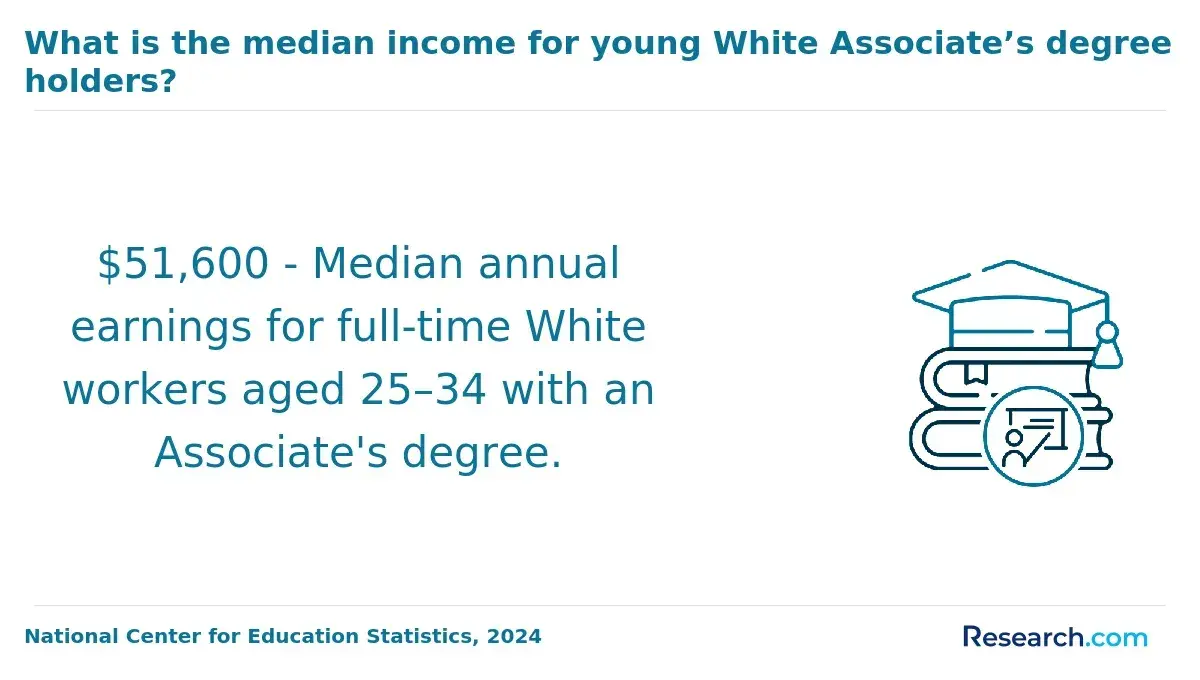
MSN healthcare administration roles in the United States typically command annual salaries ranging from $85,000 to $140,000, with median earnings near $105,000. This variation reflects significant differences in employer type, geographic location, and professional experience. For instance, administrators employed by large urban hospitals or specialty medical centers often earn 15-25% more than those in smaller or rural clinics. Compensation in corporate healthcare organizations and insurance sectors generally exceeds that of nonprofit or government positions.
Salary ranges for MSN healthcare administration professionals in the United States depend on multiple factors:
- Education and credentials: Advanced degrees focused on healthcare administration, combined with certifications like Certified Medical Manager or Fellow of the American College of Healthcare Executives, elevate earning potential.
- Experience and leadership roles: Senior management positions, including director or executive levels, typically surpass $150,000 in pay.
- Size and complexity of the employer: Larger healthcare systems with multiple facilities require more sophisticated administration, resulting in higher wages.
- Location: Metropolitan markets with higher living costs, such as New York and California, offer superior salaries but demand advanced operational expertise.
With approximately 509,500 healthcare administrators in the U.S. and a projected job market growth of 28.4% through 2032, competition remains strong. Candidates who combine MSN-level education with specialized skills, leadership experience, and an ability to navigate regulatory and financial complexities will position themselves best for elevated compensation. Those entering programs should carefully weigh the practical training required, noting that some options exist such as RN to BSN online programs without clinicals that might offer alternative pathways depending on prior experience and career goals.
Factors influencing compensation for MSN healthcare administration roles emphasize that salary is not static but contingent on strategic positioning within the healthcare system hierarchy and regional economic contexts.
What are the admission requirements for MSN programs in healthcare administration?
Admission requirements for MSN programs in healthcare administration emphasize practical experience alongside academic credentials, not merely GPA thresholds or test scores. A registered nursing license and a bachelor's degree in nursing or a related field with a minimum GPA of 3.0 remain baseline expectations. However, most programs expect one to two years of clinical or administrative nursing experience, reflecting employer preference for candidates familiar with the operational realities of healthcare delivery. Submission of GRE scores has become less critical as admissions increasingly prioritize professional experience and academic records.
Consider a nurse transitioning from bedside care in hospitals to management roles in outpatient clinics. Such candidates benefit from selecting mn programs that weigh administrative experience heavily, as this aligns with the healthcare sector's projected 29% employment growth from 2023 to 2033, adding over 509,500 new jobs. Applicants lacking direct administration exposure face competitive disadvantages unless they augment their profiles through internships or leadership roles.
International applicants should prepare for additional hurdles, including English proficiency verification via TOEFL or IELTS and credential evaluation to confirm degree equivalency. Working professionals must also evaluate program formats since part-time or hybrid options effectively balance ongoing employment with upskilling demands.
Applicants typically need letters of recommendation attesting to leadership potential and clinical competence and must submit a focused personal statement outlining career goals and motivations specific to healthcare administration. For candidates exploring advanced nursing degrees without clinical requirements, the best DNP programs also offer strategic alternatives relevant to career pivots.
MSN admission criteria for healthcare administration programs reflect these multifaceted expectations, while requirements for enrolling in MSN healthcare administration degrees often hinge on candidates demonstrating both academic readiness and measurable management potential.
How long does it take to complete an MSN in healthcare administration, and what does it cost?
The timeline and cost of completing an MSN in healthcare administration hinge significantly on program structure and student circumstances. Full-time enrollment often allows completion within 18 to 24 months, while part-time study may extend to 2 or more years, particularly when balancing nursing clinical prerequisites with health administration coursework. This variation impacts both financial and opportunity costs, especially for working nurses transitioning into executive roles that demand courses in leadership, finance, and informatics.
Tuition ranges reflect institutional type and modality: public universities typically charge between $15,000 and $30,000 for the full program, while private institutions can exceed $60,000. Online and hybrid formats might reduce base tuition but add fees for tech support or clinical placement, affecting total investment.
Career implications matter deeply. Employers in hospitals, insurance, and managed care prioritize candidates who combine clinical insight with administrative expertise, often favoring those who have completed specialized leadership tracks. Those without clinical background may find accelerated hybrid programs beneficial but should anticipate narrower networking access. Additional expenses-certification exams, conferences, and professional associations-further influence return on investment.
Decision-making must weigh pace against work obligations and long-term salary impact. According to Coursera's 2026 healthcare administration salary guide, c-level healthcare administrators can earn median salaries approaching $308,000 annually, highlighting the potential financial upside after completion. Selecting programs with strong employer networks and applied learning components can reduce transition friction and enhance salary growth trajectories.
What courses and competencies are typically included in MSN healthcare administration curricula?
MSN healthcare administration programs prioritize skills that merge financial acumen with leadership and compliance expertise to meet employer demands in a competitive labor market. Graduates must navigate complex regulatory environments, such as HIPAA and the Affordable Care Act, while applying data-driven strategies to optimize resource allocation in diverse settings from hospitals to outpatient clinics.
Essential competencies include healthcare finance, budgeting, and data analytics, alongside strategic human resource management and ethics, enabling students to manage interdisciplinary teams and patient-centered care effectively. Informatics training focuses on electronic health records and integrating technology to support both clinical and population health outcomes. Quality improvement frameworks like Six Sigma and Lean are adapted for healthcare contexts to reduce costs without sacrificing care standards.
A practical example involves a hospital department balancing budget cuts while maintaining nurse staffing and patient satisfaction. Here, the ability to combine financial skills with leadership and quality improvement tools is vital for crafting sustainable strategies aligned with organizational and regulatory expectations.
The Bureau of Labor Statistics reports a median annual wage of $83,090 for healthcare practitioners and technical occupations, substantially higher than the $49,500 average across all fields. This wage premium reflects the sector's value for combined technical knowledge and adaptive management capabilities vital for long-term employability.
How do online MSN healthcare administration programs compare to campus-based options?
Choosing between online and campus-based MSN healthcare administration programs hinges on balancing flexibility with experiential depth. Online options provide essential accommodation for mid-career professionals managing unpredictable healthcare shifts without relocating. However, these formats often lack the immersive clinical simulations and face-to-face networking integral to developing leadership skills in complex healthcare environments. For candidates targeting leadership roles in large hospital systems, campus programs generally offer an advantage through structured, hands-on training and immediate mentorship.
Employer preferences increasingly focus on demonstrated competencies rather than program delivery mode, yet perceptions vary by region and organizational conservatism. Graduates from accredited online programs featuring synchronous sessions and cohort models report job placement rates comparable to campus peers. Still, selection committees in certain high-stakes roles may value the credibility and depth of on-site experience.
Key considerations for decision-making include:
- Online programs reduce living and commuting costs but typically maintain comparable tuition fees.
- Campus attendance may require income sacrifice due to rigid scheduling but offers immersive leadership project opportunities.
- Top-tier medical and health services managers earn an average of $216,750 annually, underscoring the importance of advanced credentials paired with leadership experience.
For professionals constrained by regional policies limiting remote work or seeking deeper clinical engagement, campus routes provide proven returns. Meanwhile, those balancing ongoing employment and study can leverage online programs to avoid career disruption while still accessing critical leadership skill development.
What accreditation and quality standards should MSN healthcare administration programs meet?
Accreditation critically shapes the practical value and labor market standing of MSN healthcare administration programs. Without endorsement from federally recognized agencies like the Commission on Collegiate Nursing Education (CCNE), graduates face diminished employer trust and restricted career mobility, especially in hospital and large system settings where credential validity is scrutinized.
Programs aligned with the Healthcare Leadership Alliance (HLA) competencies deliver essential skills in financial management, informatics, and legal frameworks, directly addressing the real-world expectations of healthcare employers. A nurse shifting to an administrative role in a high-acuity hospital, for instance, must handle regulatory compliance and budgeting nuances that accredited programs systematically embed in clinical practicums-a hands-on element that unaccredited courses often overlook.
Employment projections from UW-Extended Campus signal 29% growth for medical and health services managers between 2023 and 2033, reinforcing the importance of enrolling in programs with current, standards-aligned curricula. Without accreditation verification, students risk losing federal financial aid eligibility, transferable credits, and critical licensure pathways, impacting both immediate access and long-term career flexibility.
- Accredited programs mandate measurable student outcomes, ensuring graduates meet employer benchmarks.
- Clinical integration in accredited programs bridges theory to operational leadership challenges.
- Non-accredited programs often lack rigor in compliance and financial management training.
- Verification safeguards against credit transfer issues and licensure barriers.
Prospective students should prioritize programs recognized by the U.S. Department of Education or CHEA to confirm these advantages before enrollment.
What is the job outlook for MSN-trained healthcare administrators and leaders?
The healthcare sector's demand for MSN-trained administrators is shaped by distinct operational challenges and shifting regulatory frameworks. Employers increasingly prioritize candidates who combine clinical insight with leadership skills to manage teams, execute quality improvements, and integrate evolving healthcare technologies effectively.
Positions in hospital settings recovering from crises like COVID-19 require administrators adept in both clinical protocols and financial oversight, roles MSN-prepared nurses are uniquely qualified to fill. Conversely, health systems centered on population health management expect data-driven leadership rooted in advanced nursing knowledge transitioning into administration.
Job competition intensifies for higher-level roles, with preference often given to those holding supplemental credentials such as healthcare administration certificates or experience in informatics and finance. The wage trajectory reflects this demand; Zippia reports the average salary for healthcare administrators reaching $68,187 in 2025, a 2.8% increase from the previous year.
Geographic disparities affect opportunity and compensation. Urban centers offer more complex roles but expect extensive leadership backgrounds. Rural markets may permit quicker employment entry but generally offer lower pay and simpler organizational structures.
How can you choose a reputable MSN healthcare administration program that fits your goals?
Selecting an MSN healthcare administration program demands rigorous scrutiny of accreditation and curriculum relevance tied to real-world employer needs. Accreditation from bodies like CCNE or ACEN validates academic standards crucial for recognition within various health systems. Programs integrating leadership, finance, healthcare policy, and data analytics provide foundational skills that hiring managers expect across hospital networks, insurance companies, and public health agencies.
For a working professional pivoting into finance management at a large hospital, prioritizing programs with applied financial modeling and health economics will optimize skill alignment. Conversely, those targeting outpatient clinic administration should weigh flexible scheduling and small-setting coursework to match practical demands. Enrollment decisions must also consider delivery formats: fully online or hybrid models may ease access but often reduce opportunities for live, interactive skill-building essential for leadership roles.
Hands-on practicums or capstone projects connecting students to actual management tasks distinguish programs that deliver workforce-ready graduates from those focused on theory. Evaluating faculty expertise helps ensure a balanced approach between academic rigor and practical insights. Prospective students should also balance tuition costs against transparent graduate salary reports and timely degree completion data to avoid programs lacking measurable return on investment.
Given 1.9 million expected job openings through 2034 according to the Bureau of Labor Statistics, aligning educational investment with market demand and applied outcomes remains paramount.
Other Things You Should Know About MSN
Most MSN healthcare administration programs expect applicants to have some prior experience in healthcare settings, typically at least two years. This requirement helps ensure students can connect academic theories with real-world practices. Without relevant experience, students may struggle with practical coursework and leadership projects that assume familiarity with healthcare operations. Prioritizing programs that offer part-time or bridge options can accommodate working professionals who need to gain experience simultaneously with their studies.
Yes. An MSN in healthcare administration can qualify graduates for nursing leadership roles such as nurse manager, director of nursing, or clinical operations manager, especially in hospitals and long-term care settings. Some employers still prefer or require certifications such as NE-BC or CENP for senior executive roles.
Employers typically value an msn in healthcare administration for its clinical foundation combined with management training, especially in organizations that emphasize patient-centered leadership. Compared to a pure MBA or MHA, an msn provides stronger credibility in clinical credibility and interdisciplinary communication. However, some employers prioritize business acumen from MBA graduates for purely financial or operational roles. Candidates should assess target employers' preferences and consider supplementing the MSN with business certificates if needed to align with market expectations.
References
- Master of Health Administration Salary and Career Outlook https://teach.com/online-ed/healthcare-degrees/online-masters-health-administration/career-and-salary/
- What Can I Do With a Master's Degree (MSN) in Nurse Administration? https://www.mhaonline.com/faq/careers-with-a-nursing-administration-degree
- Expanding Nurses’ Career Options: Masters’ Programs which combine Nursing with Health and Business Administration - Healthcare Administration Degree Programs https://www.healthcare-administration-degree.net/expanding-nurses-career-options-masters-programs-which-combine-nursing-with-health-and-business-administration/
- An MSN Degree Can Boost Your Knowledge and Earnings https://www.allnursingschools.com/msn/salary/
- MHA vs. MSN: Which Path is Actually Better for Your Career? - Shenandoah Medical University https://smufl.us/mha-vs-msn-which-path-is-actually-better-for-your-career/
- Nursing School Accreditation https://nursinglicensemap.com/nursing-degrees/nursing-accreditation/
- What is the Average Salary for Careers in Healthcare Management? - Healthcare Management Degree Guide https://www.healthcare-management-degree.net/faq/healthcaremanagementaveragesalary/
- MSN Health Care Admin & Quality https://www.mnu.edu/pgs/msn-health-care-admin-amp-quality/
- How Long Does It Take to Get a Master’s in Nursing (MSN) | USAHS https://www.usa.edu/blog/how-long-does-it-take-to-get-a-masters-in-nursing/
- How to Choose the Right Online MSN Program https://www.edumed.org/articles/how-to-choose-the-right-msn-program/