2027 Which MSN Path Is Best for Less Physically Demanding Nursing Work?

Co-Founder and Chief Data Scientist
A registered nurse seeking an msn with a focus on less physically demanding roles often faces a critical paradox: how to pivot within a profession known for intense bedside demands while balancing limited time and energy for additional schooling. The challenge intensifies as advanced nursing programs vary widely in clinical intensity, schedule rigidity, and specialty outcomes.
According to the National Center for Education Statistics, over 60% of graduate nursing students enroll part-time, revealing persistent demands to juggle work and education simultaneously. This trend highlights the need to carefully assess which msn pathways align with both career sustainability and realistic workload management.
This article compares different msn tracks based on physical job demands and educational accessibility to help prospective students identify the best fit for less physically taxing nursing careers.
Key Things You Should Know
- MSN tracks emphasizing nurse informatics reduce physical strain but require advanced technical proficiency, limiting options for those seeking minimal retraining while balancing workload intensity tradeoffs.
- Employers increasingly prefer MSN graduates in nurse education roles for chronic staff shortages, favoring candidates with academic mentorship skills over purely clinical experience, affecting job placement speed.
- Programs focused on case management demand 12-18 months with costs averaging 20% less than direct care specialties, enabling faster entry into lower-physical-demand roles but narrowing clinical practice scope.
Which MSN specialties offer less physically demanding nursing roles and daily responsibilities?
MSN specialties with less physically demanding nursing duties prioritize cognitive and administrative skills over manual patient care, providing viable options for nurses aiming to reduce physical strain while maintaining clinical relevance. For example, nurse informatics professionals translate clinical requirements into IT solutions, involving mostly computer-based tasks and limited physical interaction, which contrasts with roles like nurse practitioners that require direct patient assessments and lifting.
Employers hiring for low physical strain MSN nursing career paths often seek candidates with strong analytical abilities, leadership experience, or educational expertise rather than physical endurance. This shift results in tradeoffs: while physical exertion decreases, responsibilities typically shift toward extended screen time, complex coordination, and policy development, demanding adaptability to administrative workloads.
Survey data reveal only 56% of registered nurses reporting high satisfaction with the physical demands of their work, signaling a workforce trend toward less taxing roles. Nurse educators and administrators contribute by easing frontline clinical load through training and workplace policy, enabling longer-term career sustainability.
Practical success in these specialties hinges on targeted professional development in informatics or education and certifications tailored to these niches. Nurses seeking this pivot should consider the implications for daily workflow and future employability. For detailed program options addressing such career shifts, accelerated MSN psychiatric NP programs offer paths combining advanced practice with focused educational delivery.
How do advanced practice MSN roles compare physically to bedside nursing work?
Advanced practice MSN roles significantly reduce the physical workload typical in bedside nursing by shifting the focus from hands-on patient care to cognitive, managerial, or consultative responsibilities. Unlike bedside nurses, who face 8-12 hours of continuous standing, walking, lifting, and repositioning-factors contributing to musculoskeletal injuries in nearly 60% of them-advanced practice roles such as nurse educators, clinical nurse specialists, nurse informaticists, and nurse administrators predominantly involve desk-based tasks, meetings, and indirect patient care, markedly lowering physical strain.
Between 2019 and 2024, the proportion of nurses in non-bedside settings grew from 17% to 24%, with MSN credentials increasingly essential for leadership, education, and informatics professions, per AMN Healthcare's data. For instance, a clinical nurse specialist engaged in hospital quality improvement will spend most working hours analyzing outcomes and developing protocols instead of engaging in physical patient handling. This transition reduces repetitive lifting and exposure to fatigue but introduces greater cognitive demands.
However, physical demands do not vanish in all advanced practice positions. Nurse practitioners and nurse anesthetists continue some hands-on patient assessment and procedures, though less intensive than bedside RN shifts. Employers prioritize analytical skills and decision-making competence, which require sustained cognitive endurance rather than physical stamina. Prospective students evaluating MSN advanced practice roles physical demands should weigh these differences carefully.
Tradeoffs include diminished physical strain but possibly longer sedentary periods and heightened cognitive load. Planning ergonomic work environments and ongoing skill development in leadership or informatics maximize the value of MSN training toward sustainable nursing careers. For those considering routes into advanced practice nursing, assessing the physical workload impact relative to bedside roles is critical. Additionally, exploring easy nursing programs to get into may provide practical entry points for those balancing physical demands with academic progression.
Which MSN careers are best for nurses seeking reduced direct patient handling?
MSN careers with less physical patient care invariably involve a tradeoff between compensation and reduced manual demands. For instance, postsecondary nursing educators earn median salaries near $79,940-about 15% below bedside RNs-reflecting a shift away from physical care to teaching and curriculum development within academic environments. These roles eliminate patient lifting and direct handling but require strong communication and pedagogical skills alongside mentoring and research responsibilities.
The best MSN nursing jobs for minimizing direct patient handling often emphasize advanced practice in organizational leadership or informatics rather than bedside care. Nurse administrators are responsible for policy oversight, staffing decisions, and regulatory compliance, engaging mainly in strategic planning and personnel management without routine manual patient care. Nurse informaticists, who focus on optimizing health data systems, work in largely sedentary roles grounded in technical expertise rather than clinical physicality.
This shift entails a realistic evaluation of the effort involved in acquiring educational or leadership credentials and managing related stress, such as deadline pressure and complex decision-making. These roles tend to offer more predictable schedules and less physical strain but demand intellectual rigor and administrative skill for sustained effectiveness. Those exploring less physically demanding nursing options may find value in exploring affordable pathways; for example, cheap RN to BSN programs can serve as stepping stones toward an MSN.
What should nurses consider when choosing an MSN program for lower physical strain?
Selecting MSN programs with less physical nursing responsibilities requires prioritizing pathways focused on administrative, educational, or policy roles rather than clinical practice. Specializations in MSN for lower physical demand, such as nursing administration and leadership, align with management positions where physical strain is significantly reduced. For instance, medical and health services managers earned a median annual salary of $117,960, reflecting both strong financial incentives and decreased physical workload.
Key factors influencing program choice include:
- A curriculum that emphasizes leadership, finance, health policy, and organizational management over clinical skills.
- Delivery formats like online or hybrid programs that limit onsite clinical hours and reduce physical attendance.
- Internships or practicums embedded in administrative departments, avoiding extensive patient contact or physical labor.
- Experience development in budgeting, project management, and regulatory compliance to meet employer expectations for non-clinical roles.
Consider a nurse transitioning from bedside care to an administrative role in a hospital. While physical demands decrease, the nurse must acquire skills in staff management and resource allocation to ensure operational success. Programs lacking robust administrative components risk continued exposure to clinical duties, undermining this transition.
Additionally, nurses aiming for less physically intense careers should assess program support for licensure and certifications like Certified Nurse Manager and Leader (CNML) to enhance employability. Exploring accelerated options like a 1 year PMHNP program online may also provide viable pathways depending on professional goals.
How do online MSN programs for less demanding roles compare to campus options?
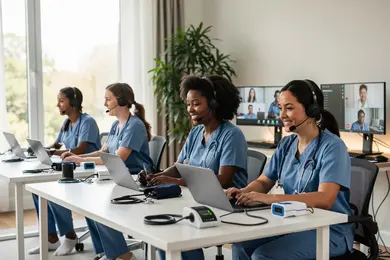
Choosing an online MSN program over a campus-based option often involves balancing flexibility against networking opportunities and clinical integration. For nurses targeting roles with less physical demand-such as nursing informatics-online programs enable study alongside full-time employment, reducing financial and opportunity costs. For example, a working nurse can complete specialized coursework remotely while maintaining their clinical or administrative job without sacrificing income.
Campus programs, however, tend to facilitate in-person connections with faculty, peers, and local healthcare networks. These relationships remain critical when pursuing roles dependent on community engagement or committee involvement within specific institutions. Yet, the rising acceptance of remote work in informatics and data management roles reduces this benefit's impact for many graduates.
The nursing informatics sector is projected to grow 16% over the next decade, reflecting an increasing market demand for data-savvy nurses able to manage health information technologies in both remote and hybrid settings. This shift favors online education formats that support such career paths while requiring students to exercise disciplined time management and technical proficiency.
Prospective students must critically assess program accreditation and the quality of clinical placement support. Online programs with strong healthcare affiliations can secure practicums essential for licensure and credibility with employers. Conversely, less integrated offerings risk isolating students from vital experiential learning and high-impact networks, which are often necessary to advance in specialized, technically focused nursing roles.
What accreditation and state licensure requirements apply to these MSN career paths?
Completion of an MSN program accredited by bodies like the Commission on Collegiate Nursing Education (CCNE) or the Accreditation Commission for Education in Nursing (ACEN) is non-negotiable for eligibility in state licensure and national certifications. Importantly, these programs require active RN licensure according to the Nurse Practice Act of the prospective state, which varies significantly-impacting your ability to practice and shaping clinical placement options.
Take occupational health nursing as a practical example: an MSN candidate focused on employee wellness must maintain current RN licensure and secure certification from recognized organizations such as the American Board for Occupational Health Nurses. States such as California, Texas, and New York impose additional barriers like background checks and clinical hours tied to occupational health, complicating program choice and employment readiness.
Employers prioritize licensed and certified graduates, often linking these credentials to salary and role eligibility. Occupational health nurses commanded a median annual salary of $81,940 as of February 2025, with employer preferences skewing toward those legally compliant in their jurisdiction and available for lower-acuity day roles that provide better work-life balance. Neglecting alignment of accreditation, licensure, and state requirements can delay your ability to practice or restrict the range of employable positions.
What are typical admission requirements for MSN programs leading to less physical work?
Admission criteria for MSN programs emphasizing less physically demanding nursing roles reveal a strategic shift from sheer clinical hours to relevant competencies. While a valid, unrestricted RN license and 1 to 3 years of clinical experience remain typical, tracks in care coordination may lower experience thresholds if the applicant presents robust administrative or community health expertise. This flexibility reflects employer preference for interdisciplinary and organizational skills essential to managing case loads without direct bedside care.
Applicants often face requirements beyond transcripts and GPA, including letters of recommendation and a personal statement focused on leadership in patient coordination. Programs increasingly mandate proficiency in research methods and healthcare informatics, aligning graduates with data-driven care delivery models. Prerequisite coursework such as statistics or healthcare policy may be mandatory, ensuring foundational knowledge for evidence-based practice.
The labor market's 28% increase in job postings for case management and care coordination roles from 2020 to 2024, evidenced by AMN Healthcare and NurseJournal data, stresses the importance of tailored curricula and certification eligibility. For working nurses, balancing program demands with job responsibilities represents a significant friction point, necessitating clear evaluation of program structure against career goals. The tradeoff lies in pursuing credentials that favor coordination and management competencies over direct clinical proficiency, which suits candidates aiming to pivot into less physically taxing yet organizationally complex roles.
How long do these MSN programs take, and what are the expected tuition costs?
Opting for an MSN program focused on non-clinical roles such as education, administration, or informatics involves distinct tradeoffs in both time commitment and professional recognition. These pathways typically reduce or eliminate in-person clinical practicums, shortening full-time study to 1.5-3 years, while part-time options extend from 3 to 5 years to accommodate working nurses. This flexibility can ease work-life balance but may affect employer perceptions of clinical readiness, especially where direct patient care experience is weighed heavily.
Tuition varies significantly, generally ranging between $20,000 and $60,000 for the full program. Public institutions often charge $300 to $700 per credit, whereas private schools can exceed $1,000 per credit hour. Prospective students must consider additional fees tied to remote learning, technology, and materials, which can raise the total cost beyond base tuition.
The workforce is seeing over 60% of new MSN enrollees opting for limited or no direct patient care tracks, which shifts employer expectations toward demonstrable expertise in leadership or informatics coursework rather than hands-on clinical hours. For a full-time registered nurse aiming for a health informatics leadership role, a part-time, primarily online MSN may minimize career disruption but requires confirming the program's recognition by employers given reduced clinical exposure.
- Reduced clinical requirements speed completion but may affect clinical skill perceptions.
- Costs vary widely; technology fees add to tuition expenses.
- Employers prioritize coursework relevance in non-clinical tracks over direct care experience.
What salaries and job outlook can nurses expect in less physically demanding MSN roles?
Choosing less physically demanding MSN roles often comes with notable financial rewards and reduced ergonomic strain, a tradeoff that can significantly extend career longevity. Median salaries for advanced practice and leadership nursing positions, such as nurse practitioners, clinical nurse specialists, and nurse educators, stand at approximately $132,050, about 41% higher than registered nurses' median wages. This wage difference reflects heightened clinical expertise, decision-making responsibilities, and leadership demands rather than bedside physical labor.
For example, nurse educators in academic environments command competitive pay while avoiding patient lifting and other physically taxing duties. Employers prioritize cognitive skills and management experience over physical effort, reinforcing the value of advanced degrees aligned with policy, administration, or specialization.
Projected job growth of 40% for nurse practitioners through 2032 indicates robust demand driven by aging populations and expanded clinical roles. However, the financial and time investments required for these advanced programs must be weighed carefully against expected salary gains. Prospective students benefit from targeting programs matched to specific career goals that emphasize leadership and health policy competencies.
Key considerations include:
- Balancing advanced clinical and administrative responsibilities against reduced physical job demands
- Earning potential increases that depend on role specialization and institutional settings
- Program costs and lengthy completion times that necessitate clear ROI analysis
- Alignment of education with labor market demand for cognitive expertise over bedside skills
How can experienced nurses transition from bedside roles into these MSN career paths?
Transitioning from bedside nursing into less physically demanding msn roles requires deliberate balancing of clinical skill development with workload realities. Bridge and RN-MSN programs tailored for full-time nurses provide the most pragmatic path, emphasizing online coursework and clinical placements in specialties like nurse practitioner or nurse educator that mitigate physical strain while retaining clinical rigor.
Unlike bedside care, nurse practitioner positions demand comprehensive clinical decision-making and independence, supported by over 1,000 supervised clinical hours. This requirement extends the educational timeline but is essential for meeting employer standards, which typically favor candidates with recent clinical experience and MSN specialization aligned to specific practice areas such as family or psychiatric mental health.
A common real-world example is a hospital-based nurse shifting into a nurse educator role in academia. This path prioritizes coursework in curriculum design, adult learning theory, and education practicum, often supplemented by part-time teaching assistant roles. The tradeoff here involves investing in pedagogical skills at the expense of direct patient care but results in a role with reduced physical demands and greater career sustainability.
The U.S. Bureau of Labor Statistics projects a 40.1% growth in nurse practitioner roles by 2034, making these positions among the fastest expanding and least physically demanding in nursing. To capitalize on this demand, candidates must plan for state licensure, national certification, and programs that offer solid clinical placements and employer partnerships to enhance employability post-graduation.
Other Things You Should Know About MSN
Yes, MSN programs emphasizing leadership, education, or informatics maintain rigorous academic standards in 2027, despite less physical demand. These specialties focus on high-level skills and knowledge, preparing nurses for critical roles that ensure patient care quality and system efficiency.
Employers expect MSN graduates in administration or education to possess practical leadership experience alongside their academic credentials. Many organizations prioritize candidates who demonstrate the ability to handle budgeting, policy development, and staff coordination effectively. Graduates lacking healthcare system navigation skills or real-world management exposure may face barriers, so selecting programs that integrate internships or practicum experiences is critical for employability in these tracks.
Yes, flexibility in program format-such as online or part-time options-is a key factor for nurses pursuing less physically demanding roles while maintaining work-life balance. Programs offering asynchronous coursework allow continued employment and gradual skill development without increased physical strain. However, less flexible programs with intensive, set schedules may hinder working professionals and should be avoided if minimizing physical and time burdens is a priority.
An MSN program should hold CCNE or ACEN accreditation. These accreditors are recognized by employers and licensing boards, and they help ensure the curriculum meets graduate-level standards for roles such as nurse educator, informatics nurse, or nurse administrator.
References
- Should You Get an Online MSN Degree? | Tiffin University https://go.tiffin.edu/blog/should-you-get-an-online-msn-degree/
- Types of Nursing Careers & Specialties https://nursinglicensemap.com/nursing-specialties/
- Best Graduate Degrees for Nurses Who Want to Pivot — Shine On RN https://www.shineonrn.com/blog/best-graduate-degrees-for-nurses-who-want-to-pivotnbsp
- FAQ: What can you do with an MSN? https://www.onlinefnpprograms.com/faqs/what-can-you-do-with-an-msn/
- 30+ Non-Clinical and Non-Bedside Nursing Jobs https://nightingale.edu/blog/alternative-nursing-careers.html
- The Least Stressful Nursing Jobs https://onlinedegrees.rockhurst.edu/blog/least-stressful-nursing-jobs
- Everything You Need to Know About Master’s of Nursing https://www.allnursingschools.com/msn/
- Ultimate Guide on Types of Nursing Degrees: MSN, MN & More | ERES Blogs https://eres.com/blog/types-of-master-degree-in-nursing
- 10 Great Master's Degrees for Nurses in 2026 https://credenzahealth.com/career-advice/10-great-masters-degrees-for-nurses
- 8 great careers for nurses - SEEK https://au.seek.com/career-advice/article/8-great-careers-for-nurses