2027 MSN Clinical Placement Tips

Co-Founder and Chief Data Scientist
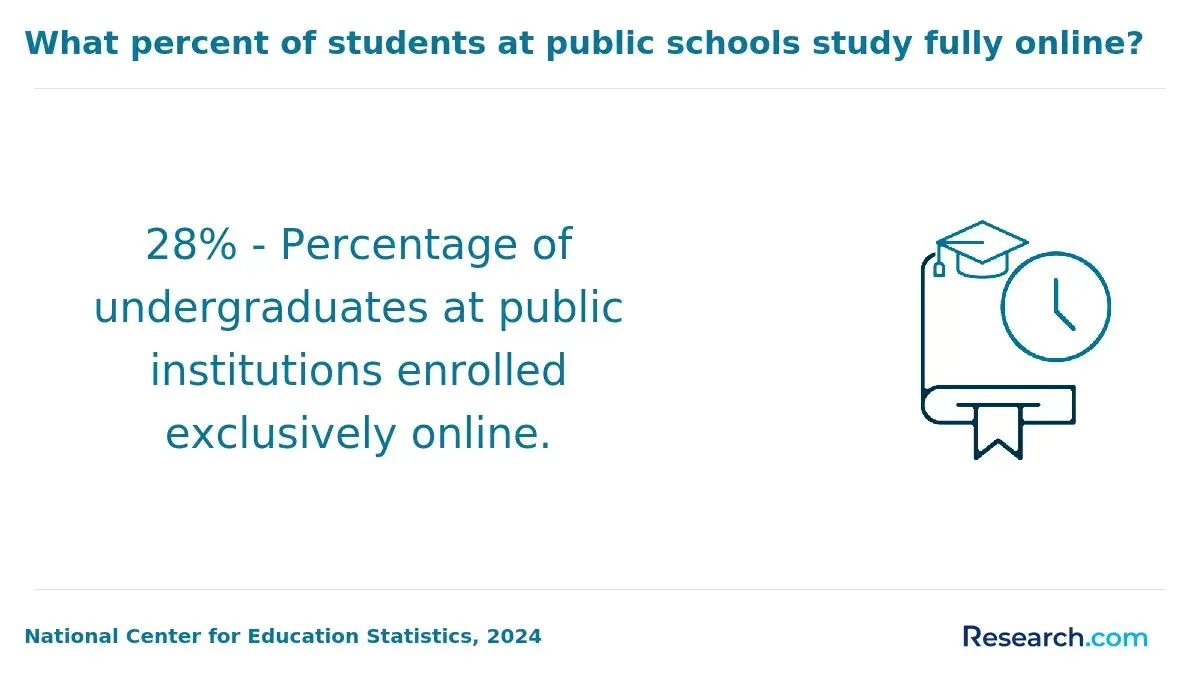
Securing a clinical placement in an MSN program often feels like balancing on a knife's edge: limited slots, competing schedules, and geographic constraints can derail timely program completion and affect licensure timelines. The challenge intensifies as accelerated or online MSN programs attract more adult learners juggling employment and family-data from the National Center for Education Statistics indicates a 15% surge in flexible nursing graduate enrollments since 2022. This shift demands strategies that optimize clinical site selection and negotiation while aligning with increasingly rigid regulatory and employer expectations.
This article provides targeted, actionable tips to navigate clinical placements effectively and safeguard career progression in this evolving landscape.
Key Things You Should Know
- Clinical placement scarcity has increased by 18% nationwide per the 2024 AAMC report, forcing MSN students to weigh limited opportunities against specialty demand, often extending program duration by 3-6 months.
- Employer surveys from the National Council of State Boards of Nursing indicate 62% prioritize clinical hours in diverse, high-acuity settings, compelling students to strategically select placements to maximize competitive hiring post-graduation.
- Rising affiliation fees, now averaging $1,200 per placement site per student per semester (2024 AACN data), create a budget tradeoff that disproportionately impacts part-time MSN candidates juggling work and finances.
What are clinical placements in MSN programs and why are they essential for advanced nursing practice?
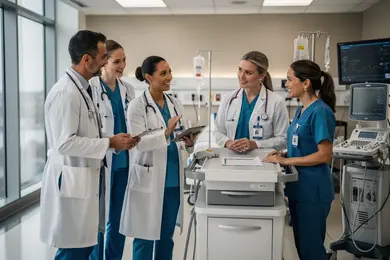
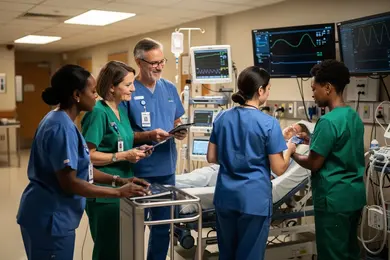
Clinical placements in msn programs are an indispensable element for achieving the level of hands-on proficiency employers require, especially in advanced nursing practice. These immersive, supervised experiences expose students to complex environments where critical decision-making and leadership in acute assessment are honed. For instance, nurse practitioners focusing on acute care gain essential expertise through rotations in emergency departments, facing scenarios that simulations cannot replicate. This practical exposure directly impacts employability and performance in demanding roles.
Available clinical sites are a persistent bottleneck: 66% of U.S. nursing schools reported turning away qualified applicants due to insufficient placements, restricting both program entry and timely graduation. This scarcity complicates strategic planning for students and forces tradeoffs around geographic flexibility and specialty focus.
Prospective students should scrutinize msn clinical placement requirements for advanced nursing practice early in their search. Key considerations include the nature of affiliated clinical partners and how clinical hours convert to certification eligibility. Limited or inconsistent clinical site quality can lengthen program duration and delay workforce entry. Students aiming for specialties like informatics must seek placements integrated with IT systems, unlike those in acute care.
Practical steps for navigating these challenges are early consultation with program advisors and selecting programs with robust hospital or community-based affiliations. For those exploring ADN to NP programs, understanding clinical placement terrain is crucial for aligning career objectives with realistic training opportunities.
How do MSN clinical placement requirements differ by specialty track and state regulations?
Clinical placement requirements for MSN students vary markedly by specialty track and state-level regulations, directly impacting both educational outcomes and workforce prospects. For example, family nurse practitioner (FNP) programs typically require 500 to 700 supervised clinical hours, whereas nurse anesthetist tracks demand over 1,000 hours due to greater procedural complexity and patient acuity. States such as California enforce elevated clinical hour minimums and specific procedural competencies tied to licensing boards, increasing both duration and complexity of placements compared to states like Texas or Florida. This variance in MSN clinical placement requirements by specialty track and state creates distinct challenges when aligning clinical experiences with licensing and employment goals.
Availability of clinical sites also fluctuates widely depending on geography, with rural states often providing fewer specialty-specific opportunities. This scarcity can force students to pursue out-of-state placements, which carries implications for licensure reciprocity and employer perceptions, potentially slowing graduation or limiting job competitiveness. Employers increasingly weigh proximity and diversity of clinical experiences within a candidate's specialty track, underscoring the need to strategically navigate these placement parameters.
A 2024 study in Nursing Open revealed that 79.2% of nursing students reported their first clinical placement significantly influenced their intended career specialty, highlighting why early clinical assignments matter for long-term alignment. Prospective students should
- Review state board of nursing clinical hour mandates specific to their specialty track and licensing goals
- Investigate clinical site affiliations within their state's healthcare systems and academic partnerships
- Consider how out-of-state placements affect licensure reciprocity and employer perception
- Communicate early with program coordinators to secure placements meeting specialty and regulatory requirements
Those evaluating graduate nursing pathways may also explore specialized options through nursing PhD programs, which can complement clinical experience with research-focused career trajectories.
How can MSN students proactively secure and schedule clinical sites and preceptors?
Securing clinical preceptors for msn students demands strategic timing and targeted outreach due to the tight competition and limited availability of quality clinical sites. Initiating contact at least six months before placement deadlines and maintaining continuous communication with program coordinators helps access vetted facilities aligned with accreditation standards, minimizing administrative delays.
Effective msn student clinical site search strategies include direct outreach to preferred healthcare organizations with tailored professional introductions, highlighting relevant clinical interests and scheduling availability. Leveraging alumni networks and nursing associations often uncovers preceptors with reputations for reliability and schedule flexibility. Specialized fields such as acute care or psychiatry require even earlier, broader outreach owing to narrower site pools.
Financial considerations heavily influence clinical placement choices, with 47% of students citing strain in a recent survey. Planning placements closer to home or workplaces can significantly reduce housing and transportation costs. Students should carefully balance course load, clinical hours, and preceptor schedules using digital planners to avoid conflicts. Promptly proposing alternatives when conflicts arise prevents lost placement opportunities.
Understanding employer expectations is critical; clinical experience targeted toward intended certification or specialty, like outpatient care for nurse practitioner roles, carries more weight than general rotations. These tradeoffs directly impact employability and the practical value of clinical hours. For students seeking programs with fewer clinical requirements, options such as RN to BSN programs without clinicals might warrant consideration.
What should you look for in an MSN program's clinical placement support and partnerships?
Clinical placement support is a decisive factor for MSN clinical placement opportunities in the United States, directly shaping employability and career endurance in bedside nursing roles. Data from the National Council of State Boards of Nursing reveals that graduate nurses completing at least half of their clinical hours in high-acuity hospital settings have a 32% higher likelihood of retaining bedside positions for three years after graduation. Programs lacking direct alliances with Level I trauma centers, intensive care units, or specialized units restrict exposure to complex cases, which limits practical preparedness and narrows subsequent job opportunities.
Prospective students should scrutinize whether clinical site assignments are managed by the institution or left to individual initiative. Programs with established site agreements ease students' logistical challenges, ensuring stable access to diverse hands-on experiences. How programs coordinate clinical preceptor matching and supervision profoundly affects skill acquisition and the speed of role transition.
From a workforce alignment perspective, programs embedding rotations that emphasize evidence-based protocols and interdisciplinary collaboration promote adaptability to hospital workflows. Those targeting nursing leadership or specialty tracks must prioritize partnerships offering exposure to management or niche service areas. In contrast, placements focused on outpatient or low-acuity settings may align with non-bedside careers but tend to reduce retention in bedside roles.
Additionally, geographical flexibility in clinical placements influences graduation timelines and work-study balance, a crucial consideration for relocating students or working professionals. For those analyzing return on investment in nursing education, understanding differences in clinical experiences can complement salary expectations. For example, exploring doctorate in nursing salary variations underscores how early clinical site quality intersects with longer-term earning potential.
How do online MSN programs arrange clinical placements compared with campus-based programs?
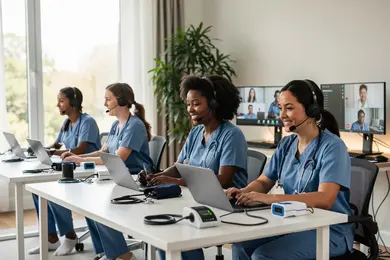
Unlike campus-based MSN programs that offer centralized clinical placements through established hospital partnerships, online MSN students face a more fragmented process requiring active coordination with program staff to secure qualified supervisors. This often leads to increased logistical challenges, especially for those in rural areas where preceptor availability is limited and clinical hour completion can be delayed.
Campus programs typically guarantee placement slots within large health systems, providing consistent access to diverse, hands-on experiences. In contrast, online students must navigate additional steps such as confirming malpractice coverage specific to their clinical sites and ensuring each placement meets stringent program and licensure requirements. The need for greater administrative effort can affect timely program completion.
Working professionals balancing employment with clinical requirements should anticipate scheduling conflicts and plan early. Most MSN programs require 500 to 700 direct patient care hours; failure to secure placements promptly risks extending completion timelines, which delays entry into advanced practice roles that command notably higher wages-a median annual salary of $134,160 for master's-prepared nurse practitioners, compared to $90,760 for registered nurses, according to U.S. Bureau of Labor Statistics 2024 data.
Students pursuing online clinical placements should consider these practical steps:
- Begin placement conversations early to leverage any available networks and maximize site options.
- Remain open to varied clinical environments such as outpatient, telehealth, or community settings to fulfill hour requirements.
- Prepare immunizations, background checks, and health screenings well before placement deadlines.
What steps help you prepare for your first MSN clinical rotation and succeed on site?
Choosing the right clinical rotation for an msn program directly influences skill development aligned with future employment opportunities and professional fit. For instance, mastering wound care in a surgical unit prepares nurses for acute hospital settings but may not translate to behavioral health roles focused on psychiatric assessments. Early preparation entails thorough research of the clinical site's patient demographics, specialty areas, and staffing to pinpoint relevant competencies.
Operational readiness is key: secure all immunizations and certifications well before the start date to avoid administrative hold-ups. Acquiring proficiency in the facility's electronic health record (EHR) system prior to placement significantly reduces onboarding inefficiencies. Establish clear communication with clinical preceptors to understand schedules, evaluation methods, and feedback preferences, which enhances targeted learning outcomes.
Time management strategies mitigate the stress of fluctuating patient loads and long shifts. Planning transportation, attire, and daily logistics is essential to maintain punctuality and focus. Balancing clinical hours with academic demands requires disciplined scheduling and boundary-setting to prevent burnout.
- Prioritize settings offering strong mentorship and interdisciplinary collaboration for comprehensive skill acquisition.
- Recognize that high-quality clinical environments correlate with higher perceived competence and increased likelihood of post-graduation employment.
- Tailor clinical objectives to both the msn program requirements and the placement site's strengths for maximum relevance.
How do accreditation and state board approval impact MSN clinical placements and future licensure?
Clinical placements for msn students must align strictly with accredited programs and state board approvals to ensure licensure eligibility and avoid costly setbacks. For instance, clinical hours completed at a non-approved rural facility may not count toward licensure requirements in a student's home state, necessitating additional placements and delaying career progress. This regulatory landscape varies significantly across states, affecting where students can train and later practice.
Beyond merely satisfying licensure criteria, state board approval confirms that clinical sites uphold necessary quality and safety standards, matching employer expectations for preparation. Research analyzing rural versus urban placements shows that students completing rural clinical hours are over twice as likely to accept rural nursing positions within a year after graduation, a critical insight for those targeting underserved areas.
Operational challenges include early submission of paperwork and careful scheduling to secure board-approved sites, which is particularly complex for specialties with fewer clinical options. Students must strategically balance urban and rural experiences, factoring in how site locations impact immediate licensure across different states and long-term workforce integration.
In summary, msn candidates should approach clinical placement decisions with a clear understanding of the interplay between accreditation, state approval, and employment goals to ensure that clinical hours translate into valid licenses and valuable career opportunities.
What are best practices for working effectively with clinical preceptors and site staff in MSN rotations?
The challenge of securing and managing clinical preceptors during msn rotations directly affects student success and workforce integration. With 63% of online NP students independently finding preceptors and 28% using paid matching services, proactive engagement is essential to avoid barriers like scarce site availability and misaligned expectations. Initiating communication early is key to negotiating schedules, defining learning objectives, and addressing site-specific workflows, which helps prevent last-minute disruptions.
Students must present clear, professional documentation on academic requirements and competencies, demonstrating an understanding of clinical operations to facilitate smoother acceptance within the site team. For instance, acute care rotations require advanced confirmation of electronic health record access to mitigate downtime under strict time constraints, while outpatient settings demand coordinated patient scheduling to maximize educational exposure without disrupting clinical flow.
Managing logistics such as liability paperwork and tracking clinical hours reduces the administrative burden on clinical staff and supports accountability. Leveraging institutional or paid preceptor-matching platforms can cut down placement time-a significant consideration given that over a quarter of students nationwide rely on these services. Consistent feedback loops during rotations help students adapt effectively and meet rigorous clinical performance standards.
Beyond immediate rotation success, professional rapport with preceptors influences future job references and employment opportunities, a critical factor when career pivots depend on these experiences.
How do clinical experiences influence MSN career pathways, roles, and salary potential?
Clinical experience directly determines the trajectory and earning potential of msn graduates by shaping specialized skills and influencing eligibility for advanced roles. For nurse practitioners, anesthetists, and educators, targeted clinical placements expose students to specific patient populations and care environments, aligning their skill sets with employer demand and certification requirements.
Employers seek candidates whose clinical rotations include structured, ongoing formative feedback rather than sporadic evaluation. A 2024 study found that students receiving weekly formative feedback during clinical placements outperformed peers by a 29% higher pass rate on competency assessments, demonstrating how consistent assessment accelerates readiness for higher-level responsibilities.
Practical implications extend to compensation: msns completing clinical experiences with strong mentorship are often eligible for roles that pay 15-25% above entry level. For instance, clinical placements in acute care typically lead to contracts offering higher salaries but require tighter proficiency, while primary care placements may offer broader but lower-salaried opportunities.
Students must carefully consider factors such as clinical site availability, supervisor expertise, and feedback frequency since these directly impact skill acquisition and credential timelines. Programs lacking robust clinical evaluation risk delaying certification and narrowing employability within competitive specialties.
How can MSN students handle clinical placement challenges, site changes, or delays professionally?
Clinical placement changes within msn programs present tangible tradeoffs that directly affect students' financial and professional standing. For instance, a student shifted from a city hospital to a rural clinic must weigh increased transportation costs against potential lost earnings from reduced work hours, knowing that some employers prioritize consistent practical experience in candidate evaluations. This operational complexity demands immediate, transparent communication with program coordinators and clinical site supervisors to enable timely resolution and adjustment.
Financial considerations are nontrivial; recent analyses show msn students typically face out-of-pocket clinical placement expenses around $1,200 per semester. Additionally, 38% of students alter their site choices to mitigate costs, underscoring the strategic necessity of contingency planning. A rigid or last-minute site change without proactive logistics risks academic delays and increased financial burdens.
Effective strategies include negotiating alternative shift schedules to maintain clinical hour requirements and securing backup transportation or accommodation. Strict documentation of all communications is essential to safeguard against administrative disputes. Students should thoroughly review placement policies ahead of time to align site decisions with long-term career trajectories rather than short-term convenience. Leveraging peer networks for temporary placement alternatives or ride shares can also reduce friction and support continuous clinical progression.
Other Things You Should Know About MSN
MSN programs often require simultaneous management of demanding coursework and clinical hours, which can strain students juggling work or personal responsibilities. Prioritize programs offering flexible schedules or integrated coursework aligned with clinical experiences to reduce burnout. Effective time management is essential, but selecting a program model that balances these elements will improve educational outcomes and maintain professional performance.
Online MSN programs vary widely in how they assist with clinical placements. The most reliable programs have established clinical partnerships or dedicated staff who actively secure compliant sites and preceptors. Without strong placement support, students risk delays that can extend program length or jeopardize licensure timelines. Verify the program's placement success rate and direct support services before enrolling to avoid unpredictable clinical scheduling.
Most MSN programs require an immunization record, background check, drug screen, CPR certification, proof of health insurance, and a signed clinical compliance packet before placement begins. Many hospitals also require orientation forms and a 90-day window for documentation to stay current.
References
- Online vs Hybrid vs Campus Learning in Healthcare: Which Is Right for You? https://www.edumed.org/articles/online-vs-hybrid-vs-campus/
- The Osmosis Ultimate Guide to Thriving in Clinical Rotations - Osmosis Blog https://www.osmosis.org/blog/the-osmosis-ultimate-guide-to-thriving-in-clinical-rotations
- The Hidden Challenges of NP Clinical Placement https://www.nphub.com/blog/np-clinical-placement-challenges
- Clinical placement tips for nursing and midwifery students https://otr.anmfvic.asn.au/articles/clinical-placement-tips/
- Approval and accreditation of nursing education programs https://www.myamericannurse.com/approval-and-accreditation-of-nursing-education-programs/
- The Pros and Cons of Online Graduate Nursing Programs https://www.onlinefnpprograms.com/features/pros-and-cons-of-online-graduate-nursing-programs/
- The Difference Between a Clinical Nurse Specialist (CNS) vs. Nurse Practitioner (NP) https://blog.methodistcollege.edu/difference-between-cns-vs-np
- Online FNP Programs vs. Campus-based FNP Programs https://www.nursepractitionerlicense.com/aprn-guide/online-fnp-programs-vs-campus-based-fnp-programs/
- Some of the Best Online Nurse Practitioner (NP) Programs for 2025–2026 - Nurse Practitioner Degrees https://npdegrees.org/degrees/best-online-np-programs/
- What can you do with a master's in nursing? | edX https://www.edx.org/resources/what-can-you-do-with-a-masters-degree-in-nursing