2027 MSN Careers in Case Management

Co-Founder and Chief Data Scientist
Navigating the transition into advanced case management roles without sidelining current job responsibilities challenges many registered nurses and healthcare professionals. With 63% of adult learners opting for online or hybrid programs according to the National Center for Education Statistics, flexibility often dictates whether pursuing an msn in case management is viable amid work and family demands.
However, such format options vary widely in clinical placement support and accreditation, impacting both licensure preparation and employer recognition. This article examines educational structures, enrollment strategies, and credential validity that influence practical career decisions within msn case management pathways, helping readers confidently align program choices with workforce realities.
Key Things You Should Know
- MSN case management roles exhibit a 12% projected job growth by 2032 via BLS, yet policy shifts endorsing tech-driven care coordination compel candidates to balance advanced clinical skills against digital literacy investments.
- Healthcare employers rate interdisciplinary communication and data analytics proficiency over pure clinical expertise in MSN hires, reshaping workforce demands toward hybrid clinical-administrative competencies per 2024 AHIP workforce surveys.
- Average MSN program costs surged 8% since 2022, with time-to-degree spanning 18-24 months, forcing candidates to weigh opportunity costs against the 15% median salary premium reported by MGMA for certified case managers.
What does an MSN in case management prepare you to do in healthcare settings?
Advanced case management roles increasingly demand a blend of clinical insight, operational strategy, and regulatory expertise that an msn in case management specifically cultivates. These professionals are uniquely positioned to evaluate patient risk during discharge planning, coordinate complex post-acute services, and secure necessary durable medical equipment-actions directly linked to reducing hospital readmissions and improving care transitions. This intersection of responsibilities exemplifies how skills gained from an MSN in case management program translate into operational impact within healthcare settings.
Employers value case managers who can harness data analytics embedded in electronic health records to identify high-risk populations, enabling proactive interventions that align with value-based care requirements. This data-driven approach is essential for managing chronic disease populations and optimizing resource allocation within accountable care organizations. Practical challenges include balancing patient preferences against clinical guidelines and addressing social determinants of health that influence adherence and outcomes.
Beyond frontline care coordination, msn case management roles in healthcare settings often involve navigating health policy for payer negotiations and advocating for vulnerable groups. Graduates frequently shift into supervisory or educator positions that require strategic decision-making and cross-disciplinary communication skills, illustrating the degree's role in workforce mobility.
Recent salary trends reinforce this trajectory: a 2024 survey by CMSalaries reports 36.1% of case managers earn $100,000 or more annually, contrasting with 7.2% below $70,000 in 2020, highlighting the economic premium of msn-level expertise. For those building foundational credentials toward this pathway, comparing with programs like an ASN program is a critical step in strategic planning.
What are the education and licensure requirements to become a nurse case manager?
By 2026, a master's degree has become a practical necessity for nurse case managers seeking roles with significant clinical and administrative responsibilities. Data from Franklin University's 2025 case management career analysis highlights that 50% of job postings require a master's degree, contrasting with just 11% demanding a bachelor's. This shift aligns with employer expectations for advanced skills in system-level care coordination, which are rarely covered in undergraduate nursing programs.
Licensure requirements begin with an active registered nurse (RN) license through a state-approved program and passing the NCLEX-RN exam. Beyond RN licensure, the MSN nurse case manager licensure requirements in the US frequently include certifications like Certified Case Manager (CCM) or Accredited Case Manager (ACM), which verify specialized knowledge and generally require 1,000 to 3,000 hours of case management experience.
Pragmatically, nurses with only a bachelor's degree might find entry-level case management positions in outpatient settings, but hospital systems and government agencies increasingly favor candidates with master's credentials for complex cases and leadership roles. This has tangible effects on salary and career trajectory.
Working nurses must consider the tradeoffs of returning to graduate school. Enrolling in an msn program with a focus on case management helps streamline access to credentials and skills in care coordination, health informatics, and policy. Additionally, discovering nursing programs that don't require TEAS test may reduce barriers during program selection for professionals balancing work and study.
What career paths and job roles are available with an MSN in case management?
Advanced nursing roles with msn case management demand an intricate balance between clinical acumen and administrative oversight. Positions such as nurse case manager, clinical coordinator, utilization review nurse, and patient advocate differ markedly in daily responsibilities and workplace settings. For instance, a nurse case manager in a hospital environment may still engage in direct patient care, while one employed by an insurance company focuses primarily on policy review and cost control. These divergent roles shape workload intensity and dictate the degree of patient interaction versus systemic navigation.
Employers prioritize candidates with both an msn degree and practical experience to manage complex caseloads and lead interdisciplinary teams. The median annual salary for nurse case managers stood near $83,930 as of April 2026, with msn-prepared nurses earning roughly $10,000 more than their bsn-prepared peers. Such figures underscore the tangible market advantage msn case management career opportunities provide but also reflect employer expectations for advanced clinical and administrative proficiency.
Credentialing requirements vary by state and often require certifications in case management along with ongoing education in health informatics and insurance regulations. For nurses transitioning from direct care, shifting to a managed care organization's case manager role entails adapting to less bedside practice and more data-driven decision-making. Those weighing this path should consider the tradeoff between hands-on nursing intensity and the growing administrative responsibilities inherent in these roles.
Prospective students aiming to build foundational nursing knowledge might explore an RN to BSN program before pursuing an msn. This staged approach can smooth the educational trajectory while aligning with workforce prerequisites.
How do online MSN case management programs compare to campus-based options?
Choosing between online msn case management program benefits and drawbacks requires understanding how these formats align with specific workforce demands and personal constraints. Online options offer unmatched flexibility for professionals balancing full-time jobs or caregiving, reducing relocation and commuting expenses. However, this independence demands strong self-motivation and remote technology skills, and candidates may face limited spontaneous peer interaction, which can affect development of nuanced soft skills valued in leadership.
Campus-based msn case management program outcomes often reflect stronger institutional support for clinical practicums and in-person interprofessional collaboration. Healthcare employers with established infrastructures tend to prioritize graduates from these traditional settings for hospital leadership roles because of their direct exposure to face-to-face problem-solving scenarios and immediate clinical feedback. In contrast, outpatient and community health centers increasingly accept online graduates, especially when programs include synchronous sessions and local practicums.
Given the 23% projected employment growth for medical and health services managers from 2024 to 2034, professionals must balance program format with long-term career goals and licensure standards. A practical example: a working nurse managing family responsibilities may gain substantial access through online pathways but must verify practicum partnerships meet state-specific hiring criteria.
Students seeking efficient credentialing options might also consider the shortest PMHNP certificate program as a complementary advancement, particularly in mental health settings experiencing workforce shortages.
What courses and clinical experiences are included in MSN case management curricula?
Specializing in msn case management demands more than foundational nursing knowledge; it requires navigating complex healthcare systems with a strategic, patient-centered approach. Core coursework integrates topics such as health assessment, ethical frameworks, care coordination, and informatics-all critical to managing diverse patient populations. For example, nurses focusing on oncology case management must blend cancer symptom management with interdisciplinary coordination, while those in mental health need targeted behavioral health training.
Practical training includes a minimum of 500 supervised clinical hours, typically across varied settings like acute care, community clinics, and managed care organizations. These real-world placements expose students to tangible challenges such as resource scarcity in rural settings or coordinating care across fragmented systems, reinforcing adaptive decision-making skills crucial for case managers.
Leadership and quality improvement competencies embedded in the curriculum reflect employer expectations for msn graduates to assume accountability for patient outcomes and system efficiencies. This involves not only clinical proficiency but also the ability to apply systems thinking, often developed through capstone projects and simulation-based learning.
According to data reported by Franklin University, 265,358 completions in case management aligned programs highlight intense workforce competition, stressing the importance for prospective students to align educational choices with practical, well-connected clinical experiences to enhance employability.
How long does it take to complete an MSN in case management and what does it cost?
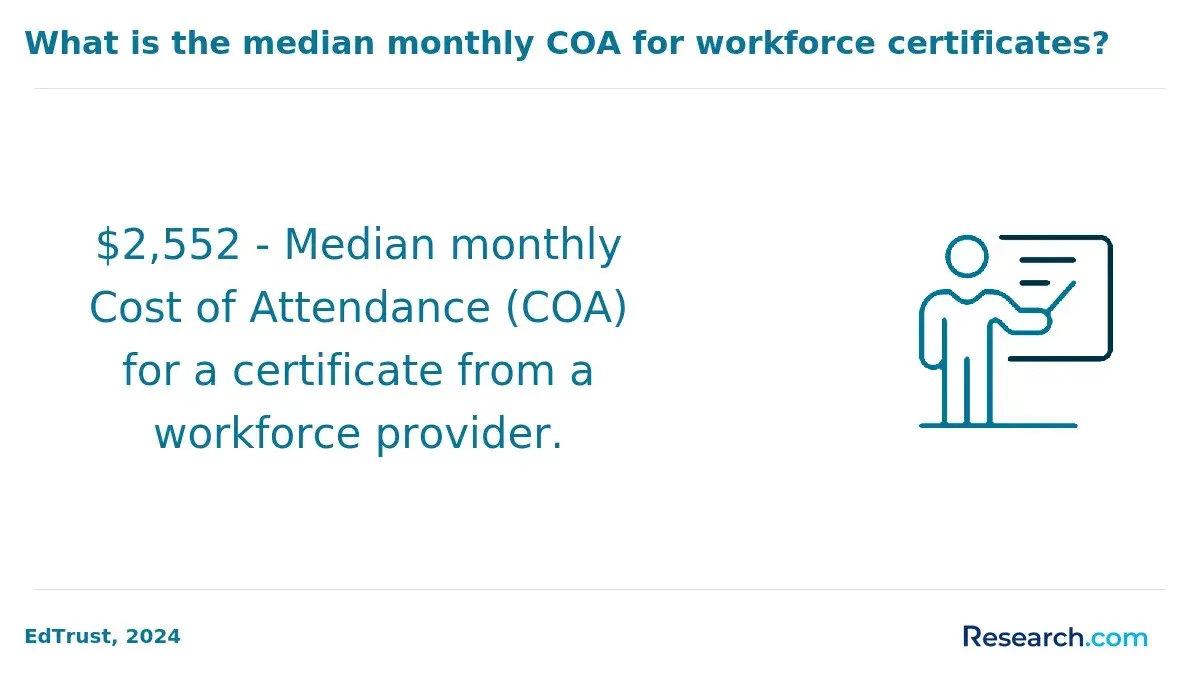
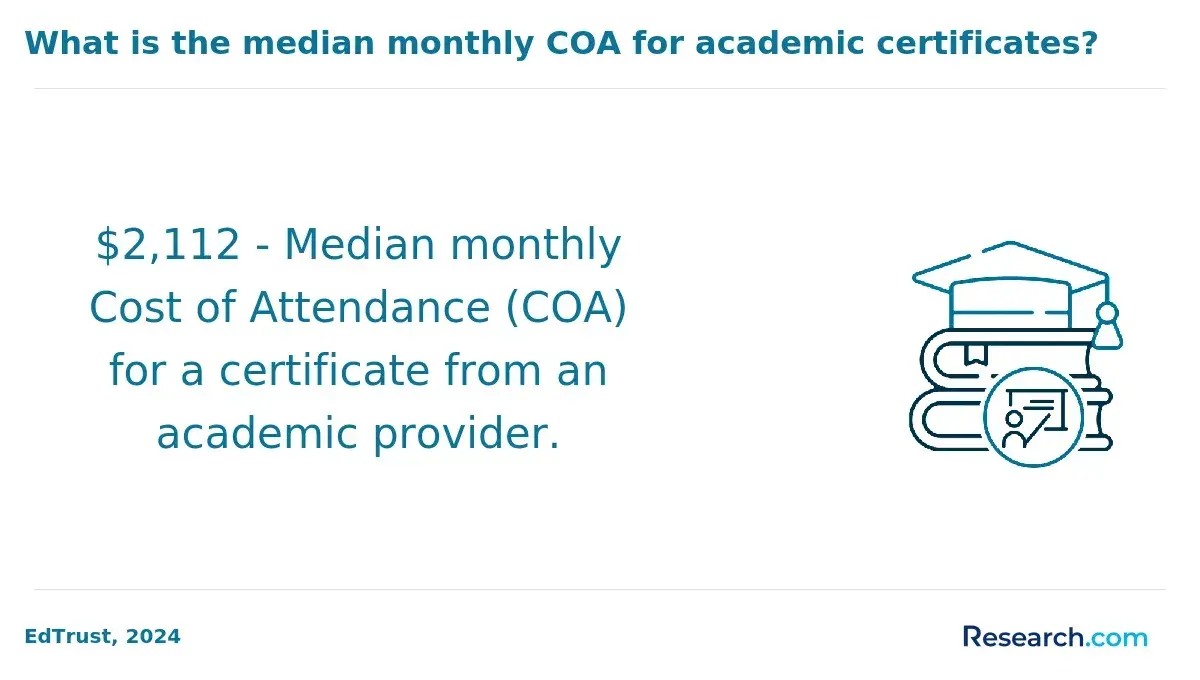
Completing an msn in case management requires balancing time, cost, and work-life demands, with programs typically spanning 18 to 36 months. Accelerated tracks can shorten this to about 18 months but often necessitate reducing employment hours, a significant consideration for mid-career professionals managing family and job responsibilities. Part-time or hybrid options, common in programs for working nurses or social workers, extend the timeline but reduce income disruption.
Tuition varies widely, from roughly $30,000 to $70,000 total, influenced by public versus private institutions and in-state residency. Public universities often charge near $500 per credit hour, while private programs range from $800 to $1,200. Additional costs, including clinical placements and materials, can add several thousand dollars to the overall expense. Evaluating employer tuition reimbursement and financial aid availability is critical to understanding net investment.
Employer expectations increasingly favor candidates with both practical experience and academic credentials that incorporate clinical practicums or capstone projects replicating job challenges. The 2024 Case Manager Salary & Trends Survey highlights sustained wage gains, with 71% of case managers receiving raises in the prior year, underscoring the potential for economic return on this advanced education.
Prospective students should weigh the tradeoffs between accelerated completion with income loss versus extended programs that allow continued employment. Budgeting for both time and money, and selecting programs aligned with real-world case management complexities, significantly impact long-term career outcomes.
What are typical salaries for nurses with an MSN in case management?
Salaries for nurses with an msn in case management reveal distinct disparities shaped by healthcare settings, geography, and experience. The median earnings center around $85,000 annually, but specialized hospitals and integrated health systems often pay above $100,000, driven by expectations for advanced clinical leadership and complex care coordination. In contrast, outpatient clinics and community health settings frequently offer closer to $70,000, influenced by narrower workloads and tighter budgets.
Employers increasingly demand candidate expertise beyond the degree itself, valuing strong patient advocacy, compliance skills, and interdisciplinary communication. Certifications like Certified Case Manager (CCM) further elevate earning potential and differentiate applicants. The workforce composition-primarily women aged 40-49-signals a likely wave of turnover as retirements create openings, potentially pushing salaries higher amid future labor shortages.
Geographic location critically impacts compensation, with metropolitan areas offering premiums that reflect higher living costs and increased administrative responsibilities. However, these benefits come alongside longer hours and expanded roles in data reporting and quality improvement, requiring thoughtful consideration from those weighing salary gains against workload intensification. Professionals pivoting into this field must balance these tradeoffs, assessing not only salary ranges but also the employer expectations embedded in msn roles within complex care environments.
What is the job outlook and employer demand for MSN-trained case managers?
The demand imbalance in case management creates distinct challenges for MSN-trained professionals navigating the U.S. healthcare labor market. While over 112,000 case managers are employed, nearly 85,000 positions remain unfilled, placing msn graduates in a strong but demanding position. Employers across hospitals, insurance, and community health sectors prioritize candidates with clinical insight combined with advanced coordination capabilities.
For example, hospitals favor msn graduates who can navigate discharge complexities and reduce readmissions, whereas insurers expect expertise in utilization reviews and cost management. Community providers emphasize social determinants and integrated care, requiring adaptability in varied environments. Entry-level roles may accept bachelor's-prepared candidates, but sustained higher compensation and growth typically hinge on msn credentials. Prospective students should weigh that MSN training offers access to robust opportunities but also involves ongoing professional development to maintain relevance and effectiveness amid evolving care models.
How can you verify accreditation and program quality for MSN case management degrees?
Securing a reputable MSN case management degree hinges on verifying both institutional and programmatic accreditation. Regional accreditation from recognized bodies such as the Middle States Commission on Higher Education or the Southern Association of Colleges and Schools establishes foundational legitimacy, ensuring credits can transfer and that the institution meets baseline quality standards. More critical for this specialty is confirmation of nursing-specific accreditation, typically from the Commission on Collegiate Nursing Education (CCNE) or the Accreditation Commission for Education in Nursing (ACEN). This distinction matters because it signals that the curriculum aligns with evolving clinical and operational demands encountered in real-world case management.
Employers prioritize candidates from accredited programs with measurable success indicators such as strong graduation rates, NCLEX-RN pass rates, and graduate employment records. For example, healthcare facilities managing high-acuity populations increasingly value graduates who have demonstrated competencies verified by these accreditations, given the complexity in coordinating multifaceted care plans.
Additionally, approximately 3% of case managers exceed $170,000 annually, a threshold often reachable only through programs with rigorous academic and clinical standards that facilitate specialized certification paths and practicum experiences in areas like oncology or geriatrics.
Prospective students should leverage objective data sources like U.S. Department of Education accreditation databases and the National League for Nursing's listings while requesting granular information from schools on clinical affiliations, faculty credentials, and post-graduation outcomes. These measures help navigate program inconsistencies and optimize long-term career investment.
What factors should you use to compare and choose an MSN case management program?
Choosing an msn case management program requires more than reviewing curriculum content-it demands a critical assessment of accreditation, clinical practicum opportunities, and graduate employability metrics. Accreditation from bodies like CCNE or ACEN serves as a filtering mechanism employers trust for baseline credential validation. Programs offering diverse clinical placements-ranging from hospitals to community clinics-equip students to handle real-world complexities, such as shifting from acute care roles to managing Medicaid populations with distinct needs.
Practical experience gained through varied fieldwork directly impacts adaptability and effectiveness in case management roles. For working professionals, program delivery formats matter: hybrid or online models with both synchronous and asynchronous components help maintain employment while building skills, though fully online options without supervised practicums may insufficiently prepare candidates for clinical realities.
The 2024 Case Manager Salary & Trends Survey reveals compensation clustered primarily between $70,000 and $119,999, with $80,000-$89,999 the modal range. This data underscores the necessity of programs aligned with industry certifications and career placement services to access these income brackets. Comparing tuition against projected salary improvements and local job market conditions is vital to ensuring a return on investment.
Other Things You Should Know About MSN
Hands-on clinical experiences remain critical despite the administrative focus of case management roles. Programs that integrate practical internships or residencies enable candidates to apply theory in real healthcare settings, improving employer confidence in readiness. Choosing a program that mandates direct patient or workflow exposure improves job placement prospects and reduces the adjustment period upon entering the workforce.
Most case management roles do not require a separate state license beyond the MSN, but employers often prefer or require the CCM credential from the Commission for Case Manager Certification. Nurses must also hold an active RN license, and some roles add specialty certification or state-specific practice authorization.
Accreditation matters because it influences employer trust and eligibility for certain patient care systems and reimbursement programs. Graduates from non-accredited msn case management programs often face limitations in competitive hiring pools. Prioritizing regionally accredited programs with specialty recognition ensures credentials hold real-world value and reduce barriers to promotion within integrated care organizations.
References
- Masters in Case Management Job, Career & Salary Outlook https://mphprogramslist.com/careers/case-manager-career-salary-outlook/
- Nursing Case Management Career Guide | Betternurse.org https://betternurse.org/nursing-case-management-career/
- How Much Do Case Management Nurses Make? | NursingEducation https://nursingeducation.org/careers/case-management-nurse/salary/
- Become a Case Management Nurse in 3 Steps | Incredible Health https://www.incrediblehealth.com/blog/case-management-nurse/
- Nurse Practitioner Degree vs MSN: What to Choose ? https://learntastic.com/blog/earn-an-msn-or-np-degree-which-is-right-for-you
- How to Become a Case Management Nurse - Career Guide https://nursinglicensemap.com/nursing-specialties/registered-nurse/case-management-nurse/
- Which Case Management Certification Should I Get? (Updated February 2024) - Case Management Study Guide https://casemanagementstudyguide.com/which-case-management-certification-is-best/
- What is a Master of Science in Nursing in Case Management? https://www.bestnursingmasters.com/faq/what-is-a-master-of-science-in-nursing-in-case-management/
- What is a Nurse Case Manager? (How to Become One & Salary) https://www.allnursingschools.com/specialties/nurse-case-manager/
- Curriculum - Registered Nurse Case Manager Fellowship (Arizona) - Mayo Clinic College of Medicine & Science https://college.mayo.edu/academics/health-sciences-education/registered-nurse-case-manager-fellowship-arizona/curriculum/