2027 How MSN Helps Nurses Move Beyond Bedside Care

Co-Founder and Chief Data Scientist
Registered nurses seeking advancement beyond bedside roles often confront rigid program schedules that conflict with demanding work hours and personal obligations. This inflexibility hampers timely career transitions into leadership, education, or specialized clinical roles. According to the National Center for Education Statistics, over 60% of adult learners in graduate health programs in 2024 prioritize programs offering asynchronous coursework, reflecting a broader shift toward modular, accessible formats needed to balance employment and study. This trend signals rising employer and student expectations for adaptable learning models that integrate with professional life without extending time to credential completion. This article examines how msn programs address these logistical and structural barriers, enabling nurses to move strategically beyond bedside care while managing workforce demands and personal commitments.
Key Things You Should Know
- MSN programs often require 2-3 years and $40K-$70K in tuition, limiting access for working nurses; delaying graduation reduces potential wage gains tied to advanced roles per 2024 National Center for Education Statistics data.
- Employers prioritize MSN candidates with specialization-aligned certifications, driving a 15% hiring premium for nurse leaders or informatics nurses, intensifying pressure to select programs with targeted curricula.
- Shifting healthcare delivery to outpatient and telehealth settings means MSN graduates face role ambiguity and must negotiate evolving scopes of practice, complicating transitions beyond bedside clinical duties.
How can an MSN degree help nurses transition away from traditional bedside roles?
Choosing to pursue an msn degree signifies a strategic shift from bedside nursing to roles demanding greater autonomy and leadership, such as nurse practitioner or nurse administrator positions. These roles entail responsibilities like diagnostic decision-making and prescribing authority, markedly different from registered nurse duties. This transition requires navigating extensive program variations aligned with specific career targets, whether clinical specialization or healthcare administration.
For nurses weighing this career pivot, understanding employer expectations is crucial. Beyond clinical expertise, employers prioritize proficiency in evidence-based practice, healthcare technology, and management skills. Balancing the financial impact of graduate study-often involving reduced income during study periods-with long-term employability gains is a practical tradeoff many must evaluate. For example, nurse practitioners face a robust job market with an anticipated 40% growth rate over 2024-2034, compared to minimal growth in registered nursing roles.
Selecting an msn program requires attention to curriculum focus and certification requirements, which vary by state and specialty. Tracks emphasizing clinical skills differ considerably from those geared toward healthcare leadership, affecting graduate readiness for distinct job markets. Moreover, this multi-step trajectory-from education completion through certification to job placement-demands proactive planning to manage timing and financial burdens.
Practical insights about program length and entry pathways can be found by exploring direct entry MSN programs, which merit consideration for candidates without prior nursing credentials. Evaluating how an MSN prepares nurses for leadership roles involves weighing these factors against personal career priorities and local labor market conditions.
What non-bedside career paths are available to nurses with an MSN?
Nurses with an MSN increasingly pursue roles outside bedside care, reflecting shifting workforce demands and individual tradeoffs. Within a year, 6% plan to exit direct patient care, while 8% seek further education. These statistics indicate growing interest in MSN career opportunities beyond bedside nursing, which include administration, informatics, education, policy, and advanced practice roles.
For example, nurse administrators apply leadership and financial acumen to manage teams and budgets but may face longer hours and heightened administrative pressure compared to bedside nursing. Informatics specialists need technical skills to optimize electronic health records amid rapid software changes, aligning with healthcare's digital evolution. Educational roles focus on training future nurses and staff, often trading clinical stress for academic duties and curriculum development. Policy positions demand advocacy and legislative navigation skills, influencing health regulations at broader systemic levels. Advanced nursing roles for MSN graduates, such as APRNs, grant expanded clinical authority but require navigating state's scope-of-practice restrictions.
Transitioning into these roles necessitates careful consideration of credentialing, market competitiveness, and personal fit. Employers expect verification of specialized skills through certifications or relevant experience, underscoring the importance of targeted professional development. Prospective students should analyze pathways based on employability outcomes and practical workload implications rather than generic appeal.
Those contemplating further study may find value in exploring the best online nursing PhD programs to understand advanced specialization options.

How do MSN concentrations prepare nurses for leadership, education, and advanced practice roles?
Specialized concentrations within msn programs align tightly with targeted roles, yet each pathway demands distinct competencies and presents different workforce realities. Leadership tracks focused on nursing administration or healthcare management extend beyond clinical skills to include budgeting, policy formation, and quality metrics-skills employers require to navigate regulatory complexities and system optimization in large healthcare organizations. These roles often require juggling supervisory duties with ongoing operational challenges.
Education-centric msn concentrations emphasize pedagogy and curriculum design, preparing nurses for academic or clinical instructor positions. This path responds to the acute shortage of qualified nurse educators by combining teaching methodologies with clinical expertise, addressing institutional demands for skilled workforce development. However, transitioning into these roles means adapting to environments less focused on direct patient care and more on knowledge transmission.
Advanced clinical concentrations-such as nurse practitioner, clinical nurse specialist, nurse anesthetist, or nurse midwife-offer higher earning potential and autonomy, backed by extensive training in diagnostics, pharmacology, and patient management. The U.S. Bureau of Labor Statistics reports a median salary of $129,210 for nurse practitioners versus $93,600 for ADN/BSN registered nurses, illustrating the premium placed on these skills. Candidates must weigh the intensity of clinical practica and certification requirements against this financial gain.
Across all concentrations, msn curricula integrate evidence-based practice, leadership theory, and health informatics to prepare nurses for interprofessional collaboration under real-world constraints. Balancing full-time employment with clinical hours often necessitates flexible program formats, making it essential for students to assess how these demands fit their individual circumstances. Those considering pathways that include an online RN to BSN component should evaluate these logistical factors carefully.
MSN leadership and advanced nursing roles in the USA require navigating complex tradeoffs between clinical depth, administrative responsibility, and educational expertise; clarity on the chosen concentration's workforce implications will determine the strategic value of this advanced degree.
Educational pathways for nurses with an MSN degree in the United States must be assessed for operational feasibility, market alignment, and long-term career sustainability to avoid misaligned expectations.
What are the admission requirements for MSN programs for working registered nurses?
Admission for msn programs intended for working registered nurses prioritizes verifiable clinical credentials and academic readiness to ensure manageable balance with employment. Candidates must possess an active, unrestricted RN license, often validated through state boards. Typically, a bachelor's degree in nursing (BSN) or a closely related health field is required, with some flexibility for nurses who have significant clinical experience instead of a BSN; however, this alternative reduces program options and can lengthen time to completion.
MSN admission requirements for working registered nurses usually include a minimum GPA around 3.0, professional recommendations emphasizing clinical skills and leadership potential, and submission of transcripts. Standardized tests like the GRE are often necessary but may be waived in certain bridge or accelerated tracks. Practical decisions hinge on program flexibility-especially part-time enrollment and scheduling-since juggling work and study is a frequent practical challenge.
Programs that offer nonclinical specializations such as leadership, informatics, or education should be evaluated relative to market demands. For example, medical and health services managers, a common career path for MSN graduates pursuing nonclinical roles, reported a median salary of $117,960, reflecting the importance of administrative competencies.
Applicants must plan for prerequisites if their undergraduate coursework lacked foundational subjects like statistics or healthcare informatics to avoid enrollment delays. Early dialogue with admissions advisers is essential. Nurses seeking streamlined advancement routes may consider the shortest MSN to DNP program options for efficient progression.
Prerequisites for MSN programs for employed nurses further underscore the need for strategic timing and documentation preparedness when applying.
How do online MSN programs compare to campus-based options for flexibility and outcomes?
Flexibility distinguishes online msn programs, allowing working nurses to juggle clinical hours, jobs, and family without relocating or following rigid schedules. This flexibility matters as 61% of over 12,000 nurses surveyed in 2024 by AMN Healthcare planned to change jobs within a year, with 6% shifting away from direct patient care. Online options enable strategic career pivots without income loss, meeting employer demands for advanced skills.
Licensure pass rates and employment outcomes between online and campus-based msn programs now largely align if clinical practicum requirements are met. However, online students must often arrange local clinical placements themselves, demanding networking and coordination effort campus programs typically handle. Employers view accredited online degrees from established schools as credible, but this logistical responsibility can impact completion timelines.
Choosing between online and campus formats hinges on career goals and learning style:
- Online msns with asynchronous coursework suit nurses targeting administrative or informatics roles seeking efficient skill development.
- Campus-based programs better support hands-on specialties like acute care nurse practitioner tracks requiring direct faculty mentorship and labs.
Online students require stronger self-motivation and time management, whereas campus environments foster structured interaction and peer support, factors that influence knowledge retention and career networking opportunities.
Ultimately, decision-making must balance logistical feasibility, career trajectory, and the demands of securing clinical experiences. Overlooking these tradeoffs risks delayed credentialing and limited employability. These considerations are key when assessing education pathways through a practical labor-market lens.
What accreditation and state licensing factors should nurses verify before choosing an MSN program?
Selecting a nurse master's program without confirmed accreditation and state licensing alignment poses significant risks to employability and licensure. For instance, a nurse who completes an msn from a program lacking approval by their state board may face delays or outright denial of licensure, requiring costly additional coursework or repetition. Programs accredited by recognized agencies like the Commission on Collegiate Nursing Education (CCNE) or the Accreditation Commission for Education in Nursing (ACEN) provide necessary assurances for curriculum quality, federal aid eligibility, and credit transferability, but state-specific mandates add an additional layer of complexity.
Nurses targeting advanced practice roles-such as nurse practitioner or nurse anesthetist-must ensure clinical hours and specialty tracks correspond precisely with their state's requirements. California, for example, enforces stricter rules through its Board of Registered Nursing than many other states, highlighting how geographic differences shape program suitability. Online or out-of-state programs may fall short of these niche standards despite holding accreditation.
Key practical steps include:
- Requesting detailed program documentation on accreditation and state approval
- Directly consulting state nursing boards to confirm licensure compatibility
- Comparing these factors before enrollment to avoid post-graduate barriers
Given a median annual salary of $132,050 for advanced practice nurses, according to the U.S. Bureau of Labor Statistics, careful vetting maximizes the return on investment and expedites workforce entry. Misaligned accreditation or licensing can erode career momentum by forcing expensive retraining and limiting job prospects.
What core MSN curriculum topics support moving into management, education, and informatics roles?
Transitioning into nursing leadership, education, or informatics through an msn requires navigating substantially different skill sets that significantly affect employability and workplace success. Leadership tracks demand mastery of healthcare systems, budget management, regulatory compliance, and quality improvement techniques. Nurses pursuing education roles must excel in adult learning theories and assessment to create and maintain training programs that satisfy accreditation requirements. Informatics specialists face a steeper technical curve, requiring expertise in electronic health records (EHR) optimization, data security, and interoperability standards.
Consider a nurse targeting a hospital education position: mastering curriculum design and practical assessment tools is non-negotiable for meeting state and federal accreditation standards. By contrast, an informatics nurse's technical fluency with cybersecurity protocols directly impacts decision-support reliability, with insufficient skills risking data breaches or clinical errors.
Employers increasingly seek flexibility: for instance, the 2024 AMN Healthcare survey reports 1% of nurses plan to work virtually, highlighting demand for msn-prepared professionals who combine clinical insight with informatics proficiency to manage remote care. This trend places a premium on programs that balance specialized knowledge with adaptable, cross-functional skills aligned with evolving healthcare delivery challenges.
Failing to address these differentiated objectives can create skill gaps that hinder progression beyond bedside roles, especially in complex environments requiring remote team leadership and data-driven patient care. Practical curriculum design must therefore calibrate rigor and relevance to prepare nurses for real-world administrative, educational, or technological responsibilities.
How long does it take to earn an MSN, and what are typical tuition and financial aid options?
Completing an msn demands a strategic balance of time, cost, and workforce realities. Full-time programs typically span 2 to 3 years, but part-time options can extend to 4 years or more, particularly when extensive clinical hours define specializations like nurse practitioner or nurse anesthetist tracks. These clinical practicums significantly influence program length and scheduling flexibility, which is critical for working professionals.
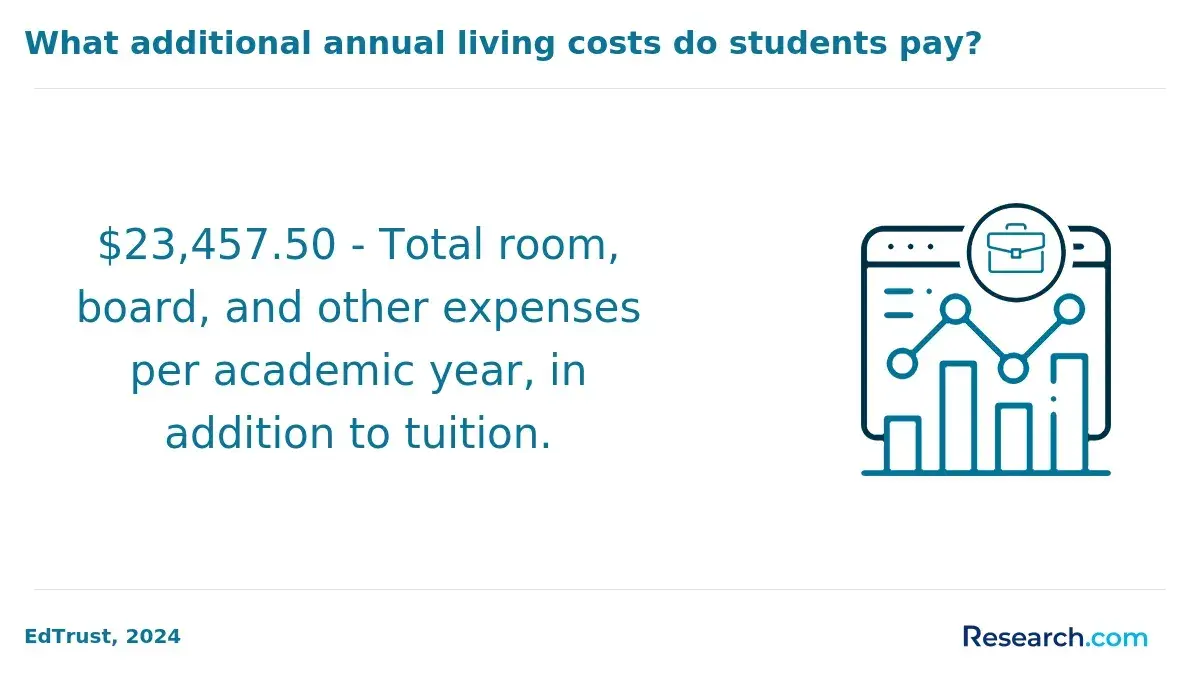
Cost considerations vary widely: public universities typically charge between $20,000 and $40,000 for in-state students, whereas private institutions often exceed $60,000. Online programs present potential savings but may incur additional travel and lodging costs for mandatory in-person clinicals. For example, a registered nurse aiming to shift into midwifery must plan not only tuition payments but also how to maintain income during clinical rotations, often combining federal student loans with employer tuition support to manage financial strain.
Employment growth for advanced nursing roles is robust, with the U.S. Bureau of Labor Statistics forecasting a 35% increase and roughly 32,700 new openings annually through 2034. Employers often offer loan repayment or bonus incentives to retain advanced practice nurses, making these financial benefits critical decision factors.
When selecting a program, accreditation status, clinical placement assistance, and alignment with local job markets should guide decisions, ensuring realistic return on investment and workforce relevance beyond academic credentials.
What salary ranges and job outlook can MSN-prepared nurses expect in non-bedside roles?
Nurses with an msn moving out of bedside care typically encounter salary ranges between $70,000 and $110,000 annually, influenced by sector and location variations. Positions such as nursing education, management, policy development, and clinical coordination fit within this band. For example, nursing instructors in postsecondary institutions-where graduate credentials are nearly always mandatory-earned a median salary of $79,940 in 2024, based on U.S. Bureau of Labor Statistics data summarized by AllNursingSchools.
The job growth landscape is uneven across specialties. Nursing management roles are projected to expand by around 11% from 2022 to 2032, driven by healthcare system complexities. Conversely, academic roles demand patience due to limited faculty openings and a reliance on adjunct roles initially paying below median salaries. Policy-focused nursing positions remain niche with fewer openings but favor MSN candidates for leadership roles shaping healthcare regulations.
Employers favor msn applicants demonstrating leadership or instructional skills, ideally paired with clinical experience and advanced competencies in informatics, administration, or education. Professionals should anticipate potential delays between program completion and secure employment, especially in academia. Strategic networking and certifications targeted to these fields can mitigate transition challenges and improve job prospects.
How can nurses evaluate and select a reputable MSN program that fits their career goals?
Selecting an msn program demands prioritizing accreditation from entities like CCNE or ACEN, as employers convincingly favor graduates from accredited schools for specialized nursing roles. The alignment of program curricula with precise career objectives-clinical practice, administration, or education-directly impacts practical readiness. For example, nurses targeting management roles in hospitals benefit from programs emphasizing healthcare leadership and clinical rotations within major medical centers.
Outcomes such as graduation rates, job placement, and alumni success provide quantifiable signals of program value. Programs demonstrating near 90% employment in advanced practice or leadership roles offer more reliable returns on investment. Flexibility factors such as part-time enrollment and online options must be balanced against the need for clinical experience tied to targeted skills demanded in the workforce.
Financial considerations are secondary to outcome quality; investing beyond sticker price often results in stronger market positioning. Federal projections from the University of St. Augustine estimate nursing shortages exceeding 78,000 by 2025, with advanced degrees especially sought for specialty clinical, educator, and admin roles. Graduates must therefore seek programs that cultivate specific competencies with clear labor market demand rather than broad credentials.
For instance, aspiring nurse educators should opt for programs with academic partnerships sustaining graduate employment in universities, while those in informatics require specialized health IT coursework. Checking licensure alignment and employer preferences by region finishes a comprehensive evaluation.
Other Things You Should Know About MSN
Most MSN programs require an active, unencumbered RN license for admission, and many also ask for a BSN from an accredited program. Some bridge pathways accept ADN-prepared nurses, but they usually require completion of specific prerequisite courses before graduate-level study.
Employers seek MSN graduates who bring applied leadership, evidence-based decision-making, and specialty expertise that improve operational outcomes. Simply holding an MSN may not guarantee managerial or educational roles without demonstrated skills in communication, policy implementation, or informatics. MSNs with clinical specialties often have clearer paths to higher-responsibility roles, but graduates must show how they translate academic learning into workplace improvements. Prioritizing programs with integrated practicum experiences tied to employer needs enhances job market preparation.
Specializations prepare nurses for niche roles but can limit flexibility if career priorities shift. Broader leadership tracks provide foundational skills applicable in multiple administrative or policy settings but might lack depth in clinical areas. Nurses aiming for specific advanced practice roles, such as nurse practitioner or educator, should prioritize specialization for direct skill acquisition. Those targeting executive or system-level positions often benefit from broader curricula emphasizing management, finance, and organizational strategy to meet employer expectations for versatile leaders.
References
- What Is an MSN Health Informatics Degree? | BetterNurse.org https://betternurse.org/msn-health-informatics/
- Where Could a Master of Science in Nursing (MSN) Take You? https://blog.methodistcollege.edu/where-could-a-master-of-science-in-nursing-msn-take-you
- Should I pursue a MSN in leadership or education if I'm not sure I want to be in management? https://www.incrediblehealth.com/nurse-advice/questions/dd972f2d/should-i-pursue-a-msn-in-leadership-or-education
- Learning Outcomes in the Master of Nursing at Neumann University https://learn.neumann.edu/neuperspectives/learning-outcomes-in-a-master-of-nursing
- Beyond the Bedside: How Nurses Are Shaping Healthcare in Every Direction - HID | HealthcareRTLS https://guardrfid.com/uncategorized/beyond-the-bedside-how-nurses-are-shaping-healthcare-in-every-direction/
- Nursing School Accreditation https://nursinglicensemap.com/nursing-degrees/nursing-accreditation/
- View of Nursing Beyond the Bedside: Leadership, Research, and Community Impact https://jicrcr.com/index.php/jicrcr/article/view/1807/1528
- How to Choose a Nursing Program | All Nursing Schools https://www.allnursingschools.com/how-to-get-into-nursing-school/choose-the-right-school/
- Best Online MSN - BestNursingPrograms https://bestnursingprograms.org/msn-programs/
- The Complete Guide to MSN Programs: Online, Campus, and Hybrid https://www.onlinefnpprograms.com/guides/guide-to-msn-programs/