2027 How to Pick Between Fast and Affordable MSN Programs

Co-Founder and Chief Data Scientist
Balancing the need to advance clinically or administratively against time and financial constraints strains many nurses considering MSN programs. Nearly 50% of adult learners enrolling in graduate nursing programs choose part-time or online options, according to the National Center for Education Statistics, reflecting widespread demand for flexibility without sacrificing affordability.
Yet, accelerated MSN tracks often carry higher tuition and compressed schedules that may impede work-life balance or clinical competency development. Conversely, low-cost options might extend time to degree or limit networking opportunities critical for leadership roles. This article compares fast versus affordable MSN programs to guide strategic decisions aligned with career goals and market realities.
Key Things You Should Know
- Graduating from fast MSN programs correlates with 15% lower average starting salaries versus traditional-paced programs, according to a 2024 National Center for Education Statistics report, signaling possible employer concerns over depth of clinical experience.
- Employers increasingly prioritize MSN graduates with at least 500 clinical hours, per a 2025 American Nurses Association workforce survey, complicating accelerated program graduates' immediate job placement despite shorter time to credential.
- Cost savings from faster MSN completion average 20% less tuition but increase risks of burnout and attrition by 18%, based on a 2024 Journal of Nursing Education study, forcing students to balance speed against long-term career sustainability.
What factors matter most when choosing between fast and affordable MSN programs?
Choosing between fast RN to MSN program options and more affordable MSN programs with flexible schedules hinges on balancing direct and indirect costs alongside professional objectives. Tuition can range from $18,000 to $57,000, with accelerated tracks sometimes costing more but shortening time out of the workforce-a critical factor for nurses targeting swift leadership or specialized clinical roles.
Fast-track formats reduce delay in career progression but often demand significant hours, restricting the ability to maintain full employment or manage family responsibilities. Traditional programs, while typically less expensive and allowing work-study balance, extend duration by two years or more, delaying credential attainment and potentially limiting early salary gains.
Employers increasingly value accreditation and clinical partnerships, so program rigor can outweigh speed or price in competitive markets. Specializations affect this calculus; for example, nurse practitioners seeking intensive clinical experience benefit from longer formats, whereas nurse educators might favor programs trending toward expedited completion when clinical hours are fewer.
Students should assess additional elements like financial aid availability and schedule flexibility. For those prioritizing rapid entry into advanced practice roles, examining options such as the shortest online nurse practitioner program can be strategically valuable. Ultimately, balancing tuition, lost wages, childcare, and employer expectations ensures the selection of an MSN program delivering tangible long-term workforce value.
How do accelerated MSN programs compare to traditional and part-time options?
Accelerated MSN program benefits over traditional and part-time options center on significantly reduced completion times, typically 12 to 18 months versus 3 to 4 years, enabling quicker transitions into advanced roles. However, the compressed pace demands full-time commitment, often conflicting with work or family obligations and intensifying stress.
Employers in clinical settings may favor graduates from extended part-time tracks for their deeper face-to-face mentorship and more extensive clinical hours, while accelerated formats are usually better aligned with nurses pursuing roles outside hospital environments. Comparing accelerated MSN programs and conventional part-time tracks reveals key tradeoffs.
Although accelerated online tuition averages around $11,000 annually, about 40% less than traditional campus-based programs, the intense workload often precludes steady employment during study. Part-time students benefit from balancing work and study but face deferred financial returns and longer timelines.
For many, particularly those balancing shift work or family duties, the rapid pace can risk burnout or reduced academic performance. Decision-making should factor in clinical placement logistics, as accelerated programs may limit flexibility in scheduling hours alongside employment. Prospective students aiming for a strategic career pivot can also explore advanced trajectories, including a PhD in nursing education.
What are typical tuition, fees, and total costs for different MSN program formats?
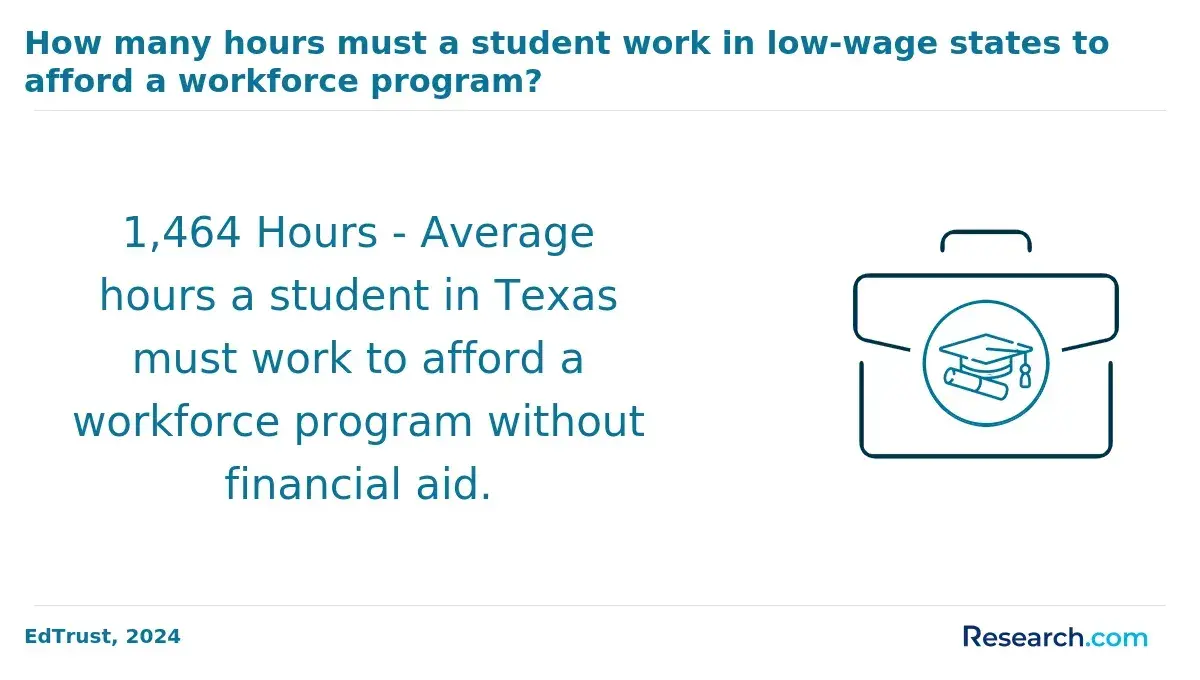
Cost remains a defining factor in evaluating typical tuition and fees for MSN programs, with online versus traditional formats presenting distinct financial tradeoffs. Programs priced below $35,973 serve as a practical affordability threshold, especially for students seeking faster return on investment without accruing excessive debt.
Online or hybrid MSNs frequently offer tuition rates between $500 and $900 per credit hour, whereas traditional campus-based options often exceed $1,000 per credit hour, pushing total costs into the $40,000 to $70,000 range. Working nurses balancing employment and study commonly favor online MSNs despite added fees for technology and administrative support, valuing schedule flexibility over lower base tuition.
Conversely, candidates aiming for competitive urban hospital roles may accept higher tuition associated with on-site clinical placements and extensive campus resources, acknowledging employer preferences for hands-on training experience. Additional expenses such as clinical placement coordination, licensing exam preparation, and simulation lab fees-ranging from $2,000 to $5,000-complicate budget planning and necessitate early inquiry.
Transparent cost breakdowns are vital, given that sticker prices often exclude scholarships or employer tuition assistance. Employers are increasingly attentive to total program costs when determining funding or loan forgiveness eligibility, making this a critical consideration for strategic career pivots. Prospective students should also explore related pathways, such as the easiest online RN to BSN programs, which can impact time-to-degree and cost alternatives within nursing education.
How can you verify that an online or campus MSN program is properly accredited?
Securing accreditation verification for an MSN program is a decisive factor that impacts licensure eligibility and job market competitiveness. Confirming program accreditation means ensuring recognition by both a regional accrediting agency and a specialized nursing body such as the Commission on Collegiate Nursing Education (CCNE) or the Accreditation Commission for Education in Nursing (ACEN).
Programs missing these accreditations can restrict credit transfers, inhibit access to federal aid, and present barriers to certification and employment. To effectively confirm accreditation for MSN programs, use reliable resources like the U.S. Department of Education's database and CHEA to authenticate both the institution's and program's credentials.
Many healthcare employers prioritize candidates from programs accredited by CCNE or ACEN, valuing their alignment with clinical standards and regulatory compliance. Without this verification, graduates often face costly delays in licensure and diminished job prospects. Financially, the average net price of an online healthcare master's degree hovers around $9,600 annually, but lower-cost programs without proper accreditation risk poor return on investment.
Students should also verify state board of nursing approvals and regional clinical placement options, as inconsistent state recognition can lead to additional expense and credentialing challenges. For those considering specialized advancement, exploring the best online post master's PMHNP programs may provide targeted credentials that complement the fundamental accreditation verification process.
What admission requirements and prerequisites do MSN programs commonly expect?
Meeting MSN entry requirements involves more than holding a bachelor's degree and a valid RN license; these prerequisites materially affect program accessibility and future employability. A minimum GPA of 3.0 and submission of transcripts, letters of recommendation, and a targeted personal statement are common, but clinical experience requirements vary widely.
Some affordable online MSN programs waive prior clinical hours when a BSN includes rotations, while others mandate 1-2 years of nursing experience to ensure graduates comprehend healthcare operation complexities. Graduate prerequisites often extend beyond baseline credentials, demanding foundation courses in statistics, anatomy, physiology, and adult health nursing.
Applicants lacking these must complete bridge courses, adding time and cost that may impact return on investment and time-to-degree. For example, a nurse transitioning into an administrative MSN track without direct patient care experience may face mandatory leadership or policy coursework to fill this gap. Admissions testing is inconsistent: while research-oriented MSN tracks may require GRE scores, many mid-tier and practical programs waive them to reduce barriers.
Choosing a program like Missouri State University's online MSN, which combines affordability and strong post-graduation earning potential, illustrates a tradeoff between stringent admissions and financial outcomes, with a median income reaching $194,363. Prospective students should weigh these factors critically in light of their targeted career trajectories and the practical workforce demands.
How long do various MSN pathways take to complete, from start to graduation?
Completion timelines for MSN programs reflect a balance between practical constraints and career objectives, with durations typically spanning 1.5 to 3 years. Standard full-time tracks often require about 2 years; however, nurses holding a BSN can reduce this to 12-18 months through accelerated formats concentrated on advanced clinical skills and theory. Conversely, part-time or online options designed for working professionals usually extend to 2.5-3 years but offer necessary scheduling flexibility.
Additional time must be factored in for those entering without a relevant bachelor's degree, often adding 6 to 12 months of prerequisites, which delays direct progression to advanced coursework. Nurse practitioner (NP) specializations mandate more comprehensive clinical residencies, pushing total program length closer to 3 years, despite some attempts to shorten this through heavier study loads.
Prospective candidates should weigh the tradeoff between expedited completion and the intensity of clinical placement demands, which can limit flexibility. Employers frequently prioritize rigorous clinical experience over speed of graduation, making program selection critical. For instance, working nurses seeking leadership roles may benefit more from part-time pathways despite slower completion due to reduced income disruption.
Key decision factors include state licensure requirements and available clinical sites, which together shape real-world completion feasibility and post-graduate employability.
What core MSN curriculum and clinical training should you expect in quality programs?
Advanced nursing programs demand more than theoretical knowledge, requiring 500 to 700 supervised clinical hours that vary by specialty and state licensure. This hands-on experience, often under preceptor guidance, is a decisive factor for employers who prioritize practical competency alongside critical thinking ingrained through core courses-such as pathophysiology, pharmacology, and evidence-based practice.
Working professionals evaluating programs must scrutinize how clinical placements are supported. For instance, a nurse administrator specialization reduces direct care hours but involves project-based practicums needing organizational access, which some programs may not adequately facilitate. In contrast, accelerated pathways may condense clinical time, risking insufficient practical exposure that employers at hospitals and specialty clinics view as a disadvantage.
Financially, total program costs extend beyond tuition. Recent analysis by Edumed shows adding technology and online fees-sometimes $400+ per term-significantly inflates expenses, thereby affecting the real return on investment of "fast" online options. Prospective students should assess these fees alongside curriculum rigor and clinical logistics to avoid hidden costs and skill gaps likely to delay employment or limit advancement.
How do online, hybrid, and campus MSN programs differ in flexibility and support?
Choosing between online, hybrid, and campus-based MSN programs hinges on balancing flexibility, hands-on experience, and financial realities. Online formats cater to working nurses who need to fit coursework around shifts and family but require strong self-motivation to compensate for limited direct faculty interaction. Hybrid programs offer a compromise with scheduled in-person labs that benefit those needing clinical practica while maintaining employment.
Campus-only programs provide the most immersive clinical and networking opportunities but often demand full-time presence, risking income disruption. These delivery methods also differ in financial implications. Employer tuition reimbursement paired with federal FAFSA aid can substantially reduce net costs, especially for working nurses enrolled in online or hybrid tracks who maintain income streams.
In contrast, campus-based students may face lost wages and greater loan dependence during intensive full-time study. Consider a rural hospital nurse who uses hybrid learning to access specialized faculty without quitting work, leveraging employer tuition assistance. Conversely, metropolitan clinicians aiming for leadership roles might prioritize campus programs despite higher expenses for the richer face-to-face environment and peer networks essential in administration or education fields.
- Online: maximum schedule flexibility, limited immediate feedback
- Hybrid: partial in-person access, moderate flexibility
- Campus: structured support, full clinical immersion
What career outcomes, advanced roles, and settings are available with an MSN degree?
Choosing an MSN degree should pivot on clear career goals and realistic role expectations rather than surface appeal. Graduates commonly enter roles like nurse practitioners or nurse anesthetists, which demand distinct clinical proficiencies and come with differing scopes of autonomy-nurse practitioners typically manage patients in outpatient clinics with considerable independence, whereas nurse anesthetists operate in controlled surgical environments requiring rigorous procedural expertise.
Administrative and academic positions also represent viable trajectories but entail separate skill sets such as budgeting, policy navigation, or curriculum development. For example, nurse managers oversee team operations and compliance within healthcare systems, a pathway that favors leadership experience over direct clinical hours.
Employment setting heavily influences job functions and compensation. Expanding sectors such as telehealth and community health centers offer leadership roles but often require flexibility and technology proficiency. Prospective students must weigh geographic factors, employer certification mandates, and practicum availability-particularly for those pursuing state-licensed advanced practice roles.
- Clinical roles demand specialized certification and patient management skills.
- Administrative roles prioritize operational command and policy knowledge.
- Choosing a program with affordable tuition under $30,000 can yield strong income potential without premium debt.
Ultimately, the decision to pursue an MSN must balance immediate workforce demands with long-term professional adaptability. This seat-of-the-pants evaluation guides realistic education investments versus projected labor market returns.
What are typical MSN salary ranges and job outlook in different nursing specialties?
Salary outcomes for MSN graduates vary sharply by specialty, with those pursuing nurse anesthesia roles commanding median salaries near $195,000 annually due to high surgical demand. Nurse practitioners earn between $120,000 and $130,000, influenced by their specialty focus, while nurse educators typically see salaries in the $85,000 to $95,000 range.
These differences underscore the necessity of aligning educational investments with realistic income expectations and workforce needs. Projected 15% employment growth through 2032 for advanced practice roles suggests strong demand, but this must be measured against program cost and duration. Online RN-to-MSN programs range broadly from about $285 to over $1,000 per credit.
Higher per-credit costs often accompany accelerated curricula that enable faster entry into lucrative specialties, presenting a crucial tradeoff between upfront financial burden and earlier earning potential. Working nurses targeting nurse anesthesia may find value in more expensive, intensive programs to benefit from rapid workforce entry and higher salaries.
Conversely, those aiming for teaching roles might prioritize affordability and schedule flexibility, accepting slower earnings growth. Case managers and informatics nurses occupy a middle ground with annual salaries commonly between $80,000 and $110,000, shaped by healthcare system and technology integration demands.
- Align program selection with specific career goals and salary benchmarks
- Consider program cost per credit against potential time-to-completion
- Evaluate employment projections relative to specialty demands
Other Things You Should Know About MSN
In 2027, online MSN programs are generally well-regarded, particularly if accredited by recognized bodies such as the CCNE or ACEN. Employers often consider the accrediting institution and the program's reputation rather than the mode of delivery when evaluating candidates.
Accelerated MSN programs compress coursework and clinical hours, which can limit time for reflection and skill mastery. This intense pace may hinder deep learning and practical skill development, especially for students without substantial clinical experience. Opt for a program with a balanced schedule that allows adequate clinical practice if your goal is to maximize practical readiness rather than just finishing quickly.
If your career path requires niche expertise or certification in fields like nurse leadership, informatics, or pediatrics, investing in a program with multiple specializations improves employability and career growth. Conversely, if your goal is general advancement or RN-to-MSN completion, a more affordable, streamlined program can provide sufficient credentials without unnecessary expenses. Prioritize program content alignment with your specific career goals over sheer cost.
Most MSN tracks that lead to nurse practitioner, nurse-midwife, or nurse anesthetist certification require at least 500 supervised clinical hours, and many programs require 600 to 1,000. Check that the curriculum aligns with the certifying body, such as CCNE or NLN CNEA standards and your state board of nursing rules.
References
- EdAssist | Advancing your nursing career with an MSN: Know your options https://www.brighthorizons.com/resources/blog/edassist/advancing-your-nursing-career-with-an-msn-know-your-options
- What Can You Do With a Master's in Nursing? https://onlinedegrees.elmhurst.edu/blog/what-can-you-do-masters-nursing
- Learning Outcomes in the Master of Nursing at Neumann University https://learn.neumann.edu/neuperspectives/learning-outcomes-in-a-master-of-nursing
- Best Online Direct-Entry MSN Programs | NursingEducation https://nursingeducation.org/degrees/best-direct-entry-msn-programs/
- Online vs Hybrid vs Campus Learning in Healthcare: Which Is Right for You? https://www.edumed.org/articles/online-vs-hybrid-vs-campus/
- 50 Cheapest RN to MSN Online Programs | Starting at $19,000 https://www.rntomsn.org/programs/cheapest-online-rn-to-msn-programs/
- Frequently Asked Questions https://www.aacnnursing.org/essentials/tool-kit/faqs
- Direct-Entry Master’s in Nursing (MSN) Programs https://nursinglicensemap.com/nursing-degrees/masters-in-nursing/direct-entry-programs/