2027 Best MSN Careers for Nurses Who Want Remote Opportunities

Co-Founder and Chief Data Scientist
Balancing demanding clinical hours with family or personal obligations makes advancing to an msn career with remote opportunities a complex challenge for many nurses. The exploding growth of online education options since 2024, as reported by the National Center for Education Statistics, reveals a 40% surge in adult enrollment in distance nursing programs. This trend signals both expanded access and heightened competition, forcing prospective students to scrutinize program flexibility, accreditation, and employer recognition more than ever.
Nurses must weigh these factors alongside market demand shifts while managing time-sensitive professional transitions. This article presents the best msn careers offering remote roles to guide informed, practical decisions for career advancement.
Key Things You Should Know
- MSN remote roles often require specialty certification, with 57% of employers prioritizing nurse practitioners in primary care, reflecting workforce tightness and limiting entry speed, per Bureau of Labor Statistics 2024 data.
- Employers increasingly demand telehealth proficiency alongside clinical expertise; research from the American Organization for Nursing Leadership shows 64% of remote MSN hires come from hybrid-experienced programs, impacting hiring competitiveness.
- The median MSN program duration of 2-3 years and associated $45K tuition costs challenge timely transitions, especially as accelerated remote tracks remain rare, influencing cost-benefit analyses for career pivots.
What are the best MSN career paths for nurses seeking remote and hybrid roles?
Remote and hybrid work options in nursing require an alignment of clinical expertise with technology fluency and organizational agility. Among top msn career options for remote nursing roles, telehealth nursing offers the most direct remote access, with an average annual salary near $96,794. This pathway benefits clinicians skilled in virtual assessments and remote technology but less interested in face-to-face care. Employers expect advanced clinical knowledge alongside adaptability to evolving telehealth platforms.
Hybrid positions in nurse education present a different balance, requiring curriculum development and online instruction paired with occasional on-site clinical supervision. These roles favor candidates with a teaching focus or nurse educator certification, well-suited to those comfortable toggling between digital environments and compliance demands. The workload demands rigorous time management between academic and clinical obligations.
Similarly, nursing informatics roles address digital system optimization and data analytics, often bridging IT and clinical teams. These hybrid jobs depend on project management and profound familiarity with electronic health records, reflecting how top msn nursing specialties with hybrid work opportunities increasingly require technical mastery as much as nursing credentials.
Case management positions combine remote coordination of patient care with field visits, requiring precision in navigating healthcare policies and self-directed communication. This hybrid setting suits nurses who excel in multitasking and healthcare system logistics. Prospective candidates may explore foundational qualifications through ASN programs online to support their pathway into advanced roles.
Which MSN specialties most commonly offer fully remote or telehealth nursing jobs?
Among the most common MSN specialties for telehealth nursing jobs, nurse educator, nurse informatics, and public health nursing stand out for fully remote roles. Nurse educators, for example, can leverage adult education expertise and technology skills to secure remote faculty roles, with median salaries around $88,183 annually, according to Sacred Heart University. This pathway suits nurses juggling family duties or geographic constraints by allowing curriculum design and virtual teaching nationwide without relocating.
Nurse informatics specialists typically operate behind the scenes, managing electronic health records and clinical data remotely. This specialty fits well with the broader digital transformation of health systems, offering positions in hospital IT or private health tech that generally require minimal direct patient contact. Demand for telecommuting informatics nurses is growing due to organizational shifts toward technology-driven care.
Public health nursing programs focused on community outreach and telehealth coordination also provide remote employment options. These jobs emphasize patient education and chronic care management through phone or video, requiring familiarity with federal and state telehealth regulations. However, clinical MSN specialties like family nurse practitioner or psychiatric mental health, while offering some telehealth roles, rarely permit 100% remote work owing to licensure and hands-on care needs.
Prospective students must weigh how much clinical direct care they are willing to trade for administrative or educational roles inherent in MSN specialties offering fully remote nursing positions. Those interested in advanced research options might explore nursing PhD pathways for longer-term prospects beyond telehealth roles.
How does earning an MSN expand remote work options compared with a BSN-only degree?
Holding an msn degree significantly shifts remote nursing opportunities beyond those available with a bsn, particularly by enabling advanced specialization and leadership roles that employers prioritize for telehealth. For example, remote and telephonic triage RNs average $88,120 annually, but positions in care coordination, case management, and nurse education increasingly require an msn to validate clinical expertise and decision-making authority. This establishes a clear distinction: without an msn, remote nursing roles often remain entry-level, focused on basic symptom screening or patient referral.
Employers target nurses with an msn for remote management tasks such as clinical protocol development, complex patient assessments, and virtual interprofessional collaboration. Unlike bsn-qualified RNs, msn graduates can lead remote teams, design telehealth programs, and ensure regulatory compliance-all critical as virtual care models expand.
In advanced nursing careers with msn for remote work, specialties like informatics, psychiatric mental health, and population health management become accessible, whereas bsn holders typically face barriers due to certification and advanced training requirements. Nurses must weigh accepting lower-paid remote jobs versus pursuing an msn for roles with higher responsibility and remuneration. Additionally, verifying state licensure compacts and telehealth regulations is essential to navigate interstate autonomous practice. The practical challenges of remote nursing education pathways can include clinical hour requirements, but programs like the RN to BSN program without clinicals model suggest evolving alternatives that may influence future MSN pathways.
What education, licensure, and certification are required for MSN-level remote nursing roles?
Remote nursing roles at the msn level demand strategic navigation of licensure and certification requirements that directly impact employability and workflow efficiency. An RN license, earned by passing the NCLEX-RN, is foundational but insufficient alone; candidates must secure a master's degree in nursing with clinical specialization aligned to remote practice demands. For example, nurse practitioners must acquire state-specific APRN certification, often requiring verification of licensure reciprocity across states-a critical factor in telehealth settings where licensing compact agreements are limited and inconsistent.
Certification beyond licensure is increasingly non-negotiable in msn-level telehealth nursing, underpinning clinical credibility and specialized competencies. Credentials like the Nurse Executive Advanced or Informatics Nursing Certification respond to employer demands for demonstrated expertise in care coordination and digital health management. Remote medical writing roles linked to nursing require additional credentials that establish clinical authority, such as the medical writer certified (MWC) credential, which supports an average annual salary of $129,159 according to Sacred Heart University.
Maintaining continuous education credits, often 20-30 hours biennially, and careful selection of academically rigorous programs aligned with remote workflows can prevent credential delays that hinder onboarding and salary progression. Those evaluating the msn degree requirements for remote nursing positions should also consider program options with strong practical specialization and certification alignment to avoid operational bottlenecks. Candidates may explore the best online DNP programs for advanced degrees that balance clinical necessity with flexible formats.
How do online MSN programs compare with campus-based programs for preparing nurses for remote work?
Choosing between online and campus-based msn programs significantly impacts nurses' readiness for distinct remote work realities. Online programs equip students with digital communication and self-management skills essential for telehealth environments, employing virtual simulations and remote practicum placements to mimic actual remote workflows. However, this format demands strong self-discipline and tech fluency, which not all candidates possess. Campus programs, in contrast, offer immediate hands-on clinical mentorship crucial for developing nuanced patient assessment skills less replicable online, but may lag in preparing students for telehealth-specific challenges until graduates adapt on the job.
For example, case management nurses-who average $98,869 annually per Nurse.org-must coordinate care extensively via digital platforms. Online graduates often enter this role with integrated remote care experience, while campus-trained nurses typically adjust post-hiring to telehealth systems, which can slow early job performance. The ultimate determinant lies in the graduate's ability to translate their training environment into effective remote care practice, a factor that increasingly guides employer hiring decisions.
What does the typical curriculum look like in MSN programs focused on telehealth and virtual care?
Programs centered on telehealth within msn curricula combine clinical nursing skills with technology essential for remote care, yet students must consider how these competencies translate into actual nurse roles. Beyond mastering electronic health records and secure communications, many learners face complex legal and ethical challenges, such as navigating interstate licensing and HIPAA compliance, which directly influence employment options and responsibilities.
For instance, a nurse entering legal nurse consulting-where salaries average $125,000 as reported by Nurse.org-needs proficiency in digital evidence and remote documentation, demonstrating how specialized telehealth training supports nontraditional career tracks. Practical training often includes case-based simulations to develop skills in virtual triage or managing chronic illnesses remotely.
Key factors impacting student success include balancing asynchronous coursework with demanding, tech-heavy content without onsite guidance. This requires disciplined time management and a clear understanding of employer preferences for candidates who pair clinical judgment with digital fluency. Deciding to pursue telehealth-focused msn studies involves weighing program difficulty and practical applicability against personal career objectives and the evolving demands of virtual patient care.
How long do MSN programs take, and what tuition and financial aid options affect ROI for remote careers?
Completion timelines for msn programs typically range from 18 to 24 months full-time, but students balancing work or family often extend this to three years or more. This extension dilutes the return on investment since delayed entry into remote nursing roles slows salary gains and reduces adaptability in a rapidly evolving healthcare technology landscape.
Tuition costs vary sharply: about $15,000 annually for public in-state programs versus $50,000 or more at private schools. Cost efficiency is paramount, as high tuition without strong employer network ties undermines financial outcomes. For example, nurse recruiters employed remotely average $105,000 annually, but recouping high tuition debts hinges on selecting accredited programs that facilitate timely job market entry.
Financial aid structures-federal loans, scholarships, and employer tuition reimbursement-come with tradeoffs. Employer reimbursement suits candidates targeting established organizational roles, offering immediate tuition relief linked to continued employment. Conversely, federal loans may impose long-term debt burdens, balanced only by remote salaries that generally cover $40,000 or less in loans within 5 to 7 years.
Prospective students should scrutinize program flexibility, hidden fees, and credit transfer policies to optimize time and cost efficiency. Accelerated pathways combined with institutional scholarships can offset opportunity costs, enabling nurses to transition effectively into remote leadership or recruitment roles at competitive salaries.
What are the salary ranges and factors affecting pay for MSN-trained nurses in remote positions?
MSN-trained nurses pursuing remote roles encounter a broad salary range, typically between $80,000 and $120,000 annually, shaped by specialization, employer profile, and geographic factors. For example, clinical research nurses secure an average salary around $109,000, indicating a premium on advanced regulatory and research skills.
Compensation in this niche depends on several distinct factors:
- Specialization: Roles like nurse informaticists or clinical research coordinators command higher pay due to their technical and regulatory expertise.
- Employer sector: Pharmaceutical, academic research, and government employers generally offer better salaries than smaller healthcare entities or staffing agencies.
- Experience and credentials: Advanced certifications such as CCRN or CPNP combined with remote supervisory experience increase earning potential.
- Location adjustments: Despite remote status, licensure and cost of living factors influence compensation.
A nurse managing clinical trial protocols remotely for a national sponsor might earn upwards of $110,000, while an MSN nurse educator teaching in smaller institutions remotely may see salaries nearer to $75,000-$85,000, demonstrating budget and market-driven disparities. Candidates should recognize that employers expect mastery of complex digital tools and independent clinical compliance in remote roles, directly affecting offers. Navigating this career path requires strategic upskilling and selective employer targeting to maximize compensation aligned with workforce realities in remote MSN roles.
What is the job outlook for remote MSN careers, and how is demand changing across healthcare settings?
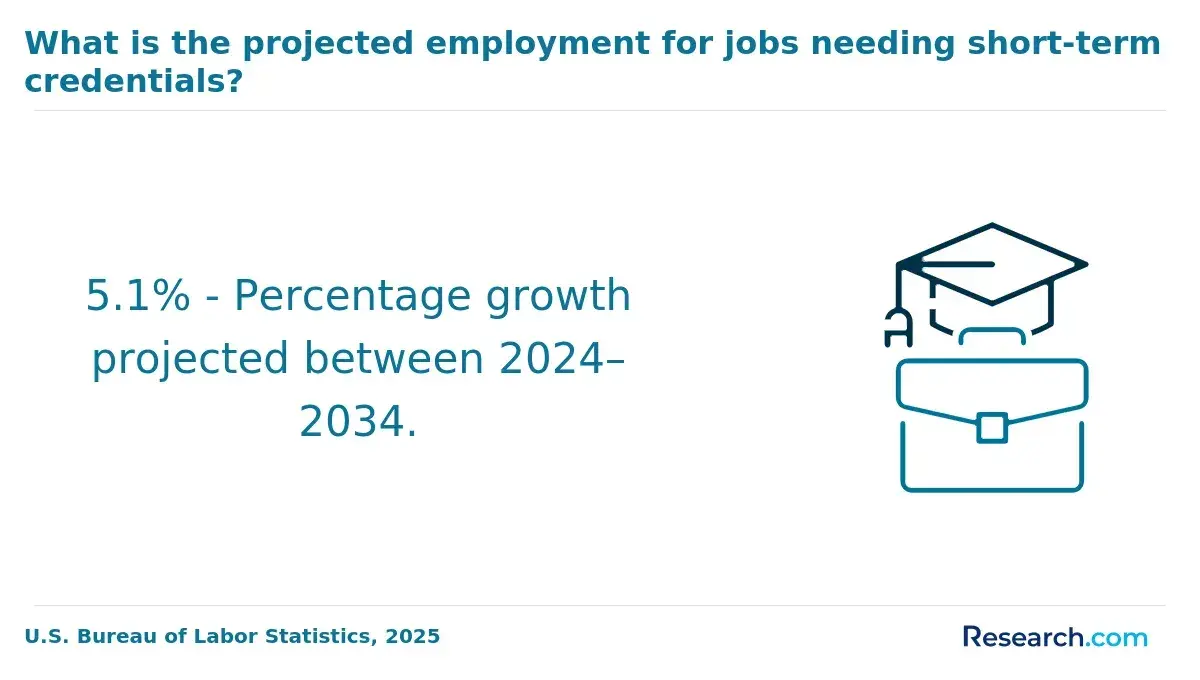
The projected 52% growth in nurse practitioner roles from 2019 to 2029 signals strong demand for remote msn-prepared nurses, yet this opportunity is highly contingent on regulatory and operational realities. Health systems increasingly seek msn nurses adept at telehealth, particularly for underserved areas where virtual care expands access without the need for brick-and-mortar clinics. Realistically, though, these roles are concentrated in states with favorable telehealth policies, and candidates must navigate multi-state licensure complexities.
Remote positions are not evenly distributed across all healthcare settings: outpatient specialty clinics prioritize virtual chronic disease management, while mental health providers rely on msn graduates for telepsychiatry. By contrast, inpatient hospital roles remain largely on-site, limiting remote employment options and requiring different skillsets.
Students and professionals weighing msn pathways should consider programs incorporating telehealth rotations or informatics, as these clinical experiences directly influence employability. Employers expect immediate proficiency with electronic health records and digital communication, combined with autonomous clinical decision-making. The tradeoff involves balancing geographic flexibility against regulatory burdens and potential professional isolation.
How can nurses evaluate and choose reputable, accredited MSN programs that support remote career goals?
Choosing an MSN program without confirming regional or national accreditation can limit a nurse's eligibility for federal aid and recognition by employers, a critical pitfall especially for those aiming to transition into remote or telehealth roles. Accreditation from bodies like the Commission on Collegiate Nursing Education (CCNE) or the Accreditation Commission for Education in Nursing (ACEN) signals adherence to industry standards and often influences licensure portability across states.
Program outcomes provide essential insight-look for graduation rates, certification exam pass rates exceeding 85%, and employment within six months, particularly among online cohorts. These metrics reflect how well a program aligns with employer expectations in telehealth, administration, or informatics, where demonstrated experience is frequently required.
Not all MSN curricula support remote nursing equally. Tracks such as nurse informatics and nurse educator include coursework on digital health tools and telehealth regulations, positioning graduates to meet employer demands for virtual patient care competencies. In contrast, programs focused on acute care often maintain in-person clinical requirements, limiting remote work flexibility.
Directly weigh tuition costs against tangible returns like advanced certifications, networking access, and state authorization status-critical when planning cross-state employment to prevent credentialing barriers. Given the projected 6% growth in registered nurse jobs from 2022 to 2032, selecting a program that delivers measurable outcomes aligned with remote work market needs can substantially influence long-term career viability and salary trajectory.
Other Things You Should Know About MSN
In 2027, nurses should develop telehealth platform proficiency, electronic health records management, and data security awareness to excel in remote MSN careers. These skills are essential for ensuring effective patient care and maintaining confidentiality in a digital working environment.
Employer demand for remote work varies significantly by msn specialization. Informatics and leadership roles have higher remote flexibility due to the nature of administrative and data-driven tasks, while advanced clinical specialties like nurse practitioner tracks often require hybrid or on-site components for patient exams. When choosing an msn program, prioritize specializations with demonstrated growth in fully remote roles to maximize job market alignment and minimize geographic constraints.
Many remote MSN roles still require an active RN license, and employers often prefer a multistate compact license under the Nurse Licensure Compact. The NLC covers 41 jurisdictions in 2027, but nurses must still follow each employer’s state practice rules.
To practice in a remote MSN career in 2027, nurses must hold an active RN license and comply with state licensure requirements where they will serve patients. State-by-state variances can affect telehealth nurses' licensure, emphasizing the need for a multi-state license if possible.
References
- Nursing Positions And Salary Ranges https://fastceforless.com/nursing-positions-and-salary-ranges/
- Explore the Best Online RN to MSN Degrees with Financial Aid https://www.edumed.org/online-schools/nursing-rn-programs/rn-to-msn-bridge/financial-aid/
- How to Choose the Right Nursing Program for Your Career Goals - WorldHealth.net https://worldhealth.net/news/nursing-program-for-your-career-goals/
- Master’s in Nursing Costs: What You’ll Pay and How to Get the Best Return https://www.onlineu.com/resources/financial-planning/masters-in-nursing-roi
- How to Choose the Right Nursing School for Your Career Goals | Archer Review https://www.archerreview.com/blog/how-to-choose-the-right-nursing-school-for-your-career-goals
- The Best PRN & Part-Time Work from Home Nursing Jobs | Remote Nurse Connection https://remotenurseconnection.com/part-time-remote-nurse/
- Remote Nursing Job Board & Career Support | Nurse Fern https://nursefern.com/
- Should You Get an Online MSN Degree? | Tiffin University https://go.tiffin.edu/blog/should-you-get-an-online-msn-degree/
- How to Choose the Right Nursing Program for Your Career Goals https://cbsnursing.nicepage.io/blog/how-to-choose-the-right-nursing-program-for-your-career-goals.html
- 10 Jobs That Let You Work From Home as a Nurse https://credenzahealth.com/career-advice/10-jobs-that-let-you-work-from-home-as-a-nurse