2027 Employer Tuition Reimbursement for MSN Students

Co-Founder and Chief Data Scientist
Balancing a demanding nursing role while pursuing a master's degree often clashes with financial constraints, prompting many to question the feasibility of advancing their education without overwhelming debt. Recent data from the National Center for Education Statistics reveals a 17% rise in adult enrollments in graduate nursing programs offering flexible online options, signaling a shift toward accommodating working professionals.
Yet, not all programs align their schedules or financial support with these evolving needs, creating critical timing and affordability dilemmas. This article examines current employer tuition reimbursement programs geared toward MSN students, highlighting actionable strategies to navigate and leverage these benefits effectively for career advancement.
Key Things You Should Know
- The 2026 federal tuition reimbursement ceiling, averaging $5,250 annually, constrains MSN students, forcing choices between duration-extending part-time study or out-of-pocket acceleration, directly influencing career pivot timing and debt exposure.
- Employers increasingly link reimbursement eligibility to direct workforce needs, evidenced by 62% of U.S. health systems in 2024 restricting funding to nursing specialties with acute shortages, limiting MSN candidates' specialization flexibility.
- Data from the National Center for Education Statistics shows employer reimbursement covers 48% of typical MSN program costs, compelling candidates to balance upfront costs against mid-career salary uplift projections when committing to employer-dependent funding.
How does employer tuition reimbursement work for MSN students in nursing and healthcare?
Employer tuition assistance programs for graduate nursing and healthcare students often tie reimbursement to specific performance and service conditions that can influence workforce mobility. More than half of U.S. employers (57%) offered such programs in 2025, up from 50% five years prior, indicating growing institutional investment in advanced nursing education.
However, these benefits usually come with caps, typically between $5,000 and $10,000 annually-and stipulations limiting eligibility to accredited programs aligned with organizational needs, such as leadership or patient care specialties. This creates practical tradeoffs for MSN students: committing to remain with an employer for a defined period post-graduation, which can enhance retention but may restrict immediate career changes.
The requirement for consistent grades (often a B or higher) and thorough documentation adds administrative complexity and risk of repayment if terms are unmet. Prospective students must scrutinize how tuition reimbursement fits within their broader career path, balancing upfront educational costs, employer requirements, and labor market dynamics.
For example, a nurse pursuing specialized roles might choose programs that align with their employer's focus to secure funding, while others might consider the flexibility of online direct entry MSN programs designed for non-nurses to expedite qualification and reduce time-bound obligations. Understanding these employer structures and restrictions is key to leveraging tuition assistance effectively without compromising career mobility or financial stability.
Which MSN specializations are most commonly supported by employer tuition reimbursement?
Employer tuition assistance for popular MSN nursing tracks targets specializations most aligned with immediate workforce deficits and institutional priorities, primarily nurse practitioner and leadership roles. Family nurse practitioner, psychiatric-mental health, and acute care MSN tracks receive the strongest backing due to the direct impact these practitioners have on frontline patient care, particularly in healthcare systems responding to primary care shortages.
Employer tuition reimbursement programs routinely prioritize MSN specializations that reflect clear market demand. Nursing administration and leadership roles are moderately supported as organizations aim to develop internal management capacity for increasingly complex healthcare environments. Other tracks, such as healthcare informatics or clinical nurse educator roles, tend to attract less employer funding given their more strategic, less urgent operational profiles.
Among online graduate nursing students, 27.3% reported receiving employer tuition sponsorship according to the University of Arkansas 2024 employer tuition survey. However, reimbursement typically carries stipulations like service commitments or retention within designated departments, underscoring employers' intent to secure a return on investment and stabilize critical staffing areas.
For example, a hospital experiencing outpatient clinic nurse shortages may prioritize reimbursing an MSN in family nurse practitioner over less clinical specializations. This situation reflects critical tradeoffs prospective students must consider when navigating MSN specializations eligible for employer tuition reimbursement: the alignment between employer workforce needs and personal career goals can significantly affect both funding access and job security.
For professionals weighing advanced degrees, understanding these employer dynamics is as critical as the program content itself. Those intrigued by the broader academic trajectory might also evaluate pathways related to the PhD in nursing to position themselves for long-term leadership or research roles beyond clinical specializations.
What eligibility requirements do employers typically set for MSN tuition reimbursement programs?
Employer tuition reimbursement eligibility criteria for MSN students typically impose stringent conditions to protect organizational investment and ensure workforce alignment. Employees must hold a valid nursing license and demonstrate active engagement in roles related to their MSN studies before approval, commonly requiring a minimum tenure of 6 to 12 months.
Coursework completion must directly support employer objectives such as advanced practice, leadership, or educator functions, not just general academic progress. Most programs enforce a minimum GPA-often around 3.0-and mandate regular grade reporting, with formal contracts binding students to remain employed post-graduation for one to three years or repay tuition to mitigate turnover losses.
In practical terms, nurses in acute care settings often receive priority for reimbursement due to the direct impact of advanced skills on patient outcomes and cost reductions, whereas those in unrelated specialties or research areas may face stricter eligibility review or exclusion. Some employers restrict reimbursement to accredited, regionally recognized institutions to maintain credential credibility and workforce quality.
These factors illustrate typical requirements for MSN tuition reimbursement programs in the US, balancing educational support with operational stability. The 2025 WiFiTalents Tuition Reimbursement Statistics reveal an average 18% ROI-equating to $1.50 returned per dollar spent-reflecting why employers rigorously vet eligibility and require binding commitments.
For prospective students weighing study options, exploring the fastest RN to BSN program online can be a strategic step in accelerating eligibility for advanced tuition benefits while minimizing workforce disruption.
How can MSN students maximize employer tuition reimbursement while minimizing out-of-pocket costs?
Employer tuition reimbursement strategies for MSN students involve navigating the IRS Section 127 cap, which limits tax-free assistance to $5,250 annually through 2025, covering both tuition and student loan payments. This cap forces working nurses pursuing an MSN to strategically time and allocate educational expenses to avoid taxable income and maximize employer support.
For example, a registered nurse studying healthcare administration at a hospital with this cap should prioritize tuition costs within the limit, using personal funds or scholarships for fees and books to reduce out-of-pocket spending. Maximizing tuition benefits for MSN students with employer support also requires understanding employer-specific policies-some restrict reimbursement strictly to tuition, while others temporarily extend coverage to loan repayments under this IRS provision.
Spreading course enrollments across multiple tax years can help students access the full annual tax-free benefit repeatedly, lessening immediate financial burdens. Additional practical considerations include confirming eligibility based on grade requirements or program accreditation, which directly affects reimbursement eligibility and cost-sharing responsibilities.
Meticulous documentation of educational expenses expedites employer reimbursement and ensures compliance with changing IRS and employer terms. When evaluating accelerated options, students should weigh these reimbursement limits against program length and costs.
Resources like the fastest DNP program analysis provide insight into timeline tradeoffs. This operational framing, oriented around employer tuition reimbursement strategies for MSN students, brings clarity to complex decision-making impacting financial and career outcomes.
Do employers reimburse both online and campus MSN programs, and what conditions apply?
Employers typically tie tuition reimbursement for MSN programs-online or campus-based-to strict conditions reflecting workforce strategy and risk management. Large healthcare systems and government agencies commonly fund accredited MSN degrees relevant to an employee's nursing role, yet restrict support to areas that align with leadership development or clinical practice improvements.
Reimbursement often mandates employment retention for 6 to 24 months post-graduation, limiting funding options for nurses in positions or geographic areas with high turnover. For instance, a registered nurse at a metropolitan hospital pursuing an online MSN in healthcare administration may receive tuition aid only by proving the degree advances leadership potential and by committing to stay employed for at least a year after completing the program.
Other common employer requirements include:
- Prior approval of the MSN program to ensure accreditation and institutional recognition
- Clinical practicum completion onsite or within the employer's health system
- Annual reimbursement caps with periodic academic progress documentation
These stipulations disadvantage nurses enrolled in fully remote or unionized settings with inflexible policies, particularly when clinical components or program formats don't directly integrate with the employer's operations. The financial and career risks for nurses selecting expensive private MSN offerings without aligned employer support can be considerable.
What accreditation and state licensing requirements must an MSN program meet for reimbursement?
Employers strictly require MSN programs to hold regional accreditation plus nursing-specific endorsement-most notably from the Commission on Collegiate Nursing Education (CCNE) or the Accreditation Commission for Education in Nursing (ACEN)-to qualify for tuition reimbursement. Programs without CCNE or ACEN accreditation generally fail to meet employer criteria, limiting access to significant tuition benefits capped between $2,500 and $5,250 annually.
For instance, major U.S. health systems condition their Section 127 tax-advantaged tuition assistance on enrollment in accredited programs, aligning financial aid with institutional quality and current healthcare standards. State licensure prerequisites further restrict eligibility, as nurses pursuing MSN degrees must attend programs recognized by their state's nursing board or compliant with state-specific educational standards.
A California nurse may face substantially different institutional approval mandates than one in Texas. This state-focused compliance is critical for nurses seeking advanced certifications or roles that require updated licensure tied to state-approved education. Working professionals should confirm both accreditation and state approval before committing, as non-compliance risks lost tuition reimbursement and delays in professional practice.
Employers prioritize these standards because funded programs must demonstrably enhance practitioner competence within legal and regulatory frameworks. Failure to navigate these requirements can lead to substantial out-of-pocket costs and credentialing setbacks, particularly when entering specialized nursing fields with rigorous licensure demands.
How does employer tuition reimbursement affect MSN program choice, timing, and workload?
Employer tuition reimbursement often dictates the practical boundaries of MSN program selection, steering students toward accredited options that align directly with workforce needs. Many working nurses pursue hybrid or online MSN paths with flexible pacing to juggle full-time jobs and meet employer deadlines for reimbursement eligibility. This typically requires compressing course loads to fit prescribed periods.
This dynamic introduces a tension between academic flexibility and workplace demands, as employees must manage rigorous graduate-level coursework alongside ongoing job duties that may include applying new skills in real time. Employer reimbursement agreements frequently mandate maintaining minimum academic performance and clinical standards, reducing margin for workload variation and necessitating disciplined time allocation.
The scale of corporate investment is significant, with billions allocated annually to learning and development, and a notable portion dedicated to tuition reimbursement. In real terms, this channel provides a non-loan financing method that favors pragmatic program choices linked to organizational priorities, such as nurse administration or informatics specialties within hospital systems.
Students lacking access to flexible reimbursement often defer enrollment or extend program duration, while those maximizing employer benefits assume compressed schedules that influence both academic progress and job performance. Hence, the decision to leverage employer tuition reimbursement requires balancing financial relief against accelerated timelines and constrained academic freedom.
What impact does employer-funded MSN education have on roles, promotions, and salary growth?
Employer-funded MSN education primarily drives faster role advancement by meeting explicit qualification requirements for leadership and clinical specialist positions. Registered nurses leveraging tuition reimbursement frequently access positions like nurse practitioner or nurse manager that mandate graduate-level credentials, often tied to pay scale tiers or formal promotion pathways.
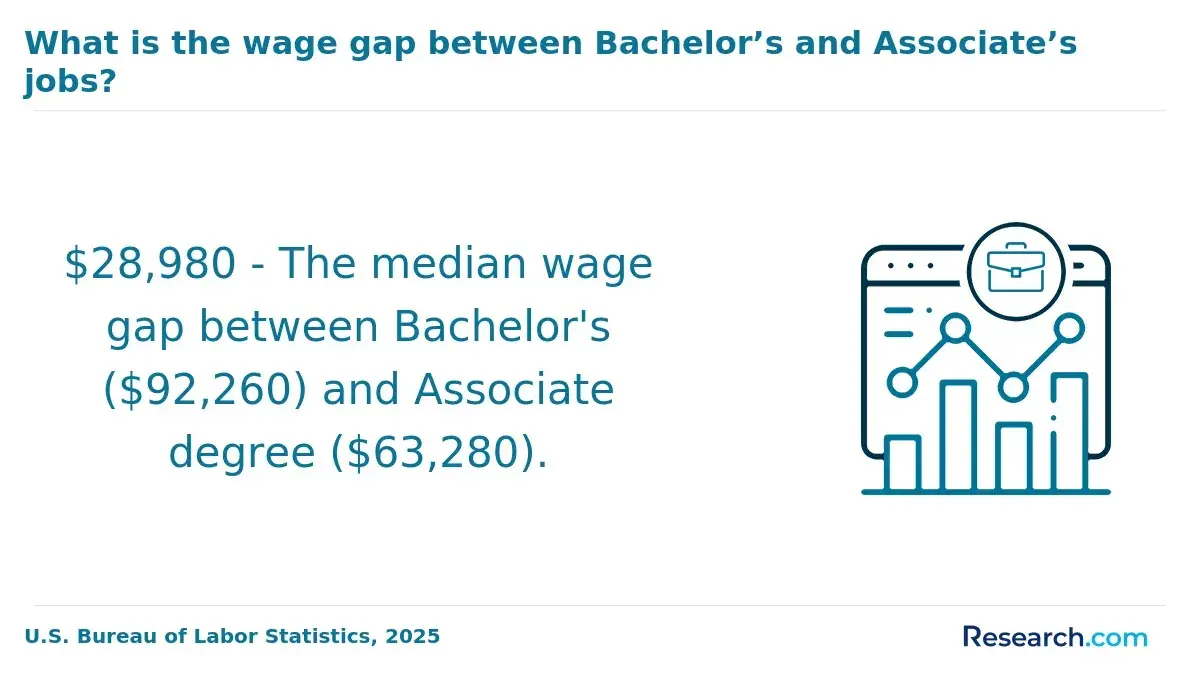
National wage data show registered nurses with an MSN earn approximately $20,000-$30,000 more annually than those with just a bachelor's degree, reflecting the tangible financial benefit of graduate credentials in roles demanding advanced judgment or management skills. However, this investment often comes with obligations such as service commitments-typically spanning two to three years.
Consider a clinical nurse specialist who enters an employer tuition reimbursement program requiring a 3-year retention: the nurse gains enhanced salary and role authority but might face constraints on relocating or changing employers during that period. Institutions without such commitments offer more freedom but generally less upfront financial support.
Balancing full-time work, study demands, and the timing of promotions requires proactive workload planning and clear communication with supervisors. Nurses aiming for maximum return should target employers with defined career ladders that directly reward MSN attainment through role advancement and salary increments, ensuring alignment between education, employer expectations, and long-term workforce positioning.
What service commitments or repayment obligations are common in MSN tuition reimbursement contracts?
Employers offering tuition reimbursement for MSN students frequently attach service commitments tied directly to the financial support. Typically, nurses who accept this benefit must remain employed with the sponsoring organization for one to three years after degree completion. If the nurse leaves early, they face prorated repayment obligations, which can impose significant financial burdens-especially when tuition costs exceed annual reimbursement cap.
For instance, a nurse at a hospital reimbursing up to $5,000 annually-the commonly reported median maximum for U.S. companies-needs to balance the immediate financial relief against potential constraints on career mobility. Large healthcare systems often require stricter repayment terms and longer service durations than smaller employers, which usually offer lower caps around $2,500 but more flexible conditions.
Repayment terms vary widely: some contracts demand full reimbursement immediately upon departure, while others apply a sliding scale based on months worked post-graduation. Negotiating these details upfront can mitigate unexpected liabilities, potentially allowing deferment in cases such as military service or major health issues.
Working professionals pursuing an MSN degree must carefully assess these tradeoffs vis-à-vis personal career plans and employer retention patterns. Detailed contract review is essential to evaluate whether the value of tuition relief outweighs limitations on workforce mobility and future employment decisions.
How can prospective MSN students compare employer tuition reimbursement benefits across jobs and hospitals?
Evaluating employer tuition reimbursement is critical when weighing MSN program offers, as the financial and contractual terms materially influence both immediate compensation and long-term career flexibility. Top hospitals like Ascension, Mayo Clinic, and Kaiser Permanente set a practical benchmark by covering partial or full tuition at or above the $5,250 tax-free threshold. However, reimbursement systems differ sharply by employer specialty coverage, tuition caps, and service commitments.
For example, full tuition reimbursement might require a two-year employment contract post-degree, limiting mobility but reducing out-of-pocket costs. Alternatively, partial support with no service obligation offers more flexibility but less direct financial relief. Prospective students must request precise employer policy details rather than rely on generic descriptions.
A tangible scenario illustrates the tradeoff: an MSN candidate choosing a role at Mayo Clinic despite a modestly lower salary leverages tuition reimbursement to effectively obtain their degree tuition-free while employed. This offsets initial salary shortfalls by expanding future earnings through advanced qualifications.
Additional factors include verifying whether the benefit covers mandatory fees or materials and understanding how reimbursements interact with federal tax exclusions. Decision-makers should balance immediate salary, contractual obligations, and program eligibility across MSN specializations to optimize educational investment and career outcomes.
Other Things You Should Know About MSN
Most employers reimburse after you submit final grades and a receipt for tuition paid, not before classes start. Many plans use a semester or term cycle and require a B or better, plus proof that the course is part of an accredited MSN program.
Employer tuition reimbursement under $5,250 per year is usually tax-free; amounts above may be taxable. Employers must report any taxable reimbursements on the W-2 form. Students should consult tax professionals to understand specific tax obligations for 2027 tuition reimbursements.
Employer tuition reimbursement often binds you to the company through service obligations or repayment clauses if you leave before a set period. This creates a risk if your job is eliminated or you choose to change employers, as you might owe tuition repayment despite your career decisions. Before committing, evaluate the terms carefully and consider your job security and industry volatility, especially in healthcare settings where restructures and layoffs occur regularly.
References
- Tuition Reimbursement: How Do Employers Benefit from It? | KBI Benefits https://www.kbibenefits.com/tuition-reimbursement-benefits
- Why Employers Need to Review Their Tuition Reimbursement Plans in 2026 https://www.workforcebulletin.com/why-employers-need-to-review-their-tuition-reimbursement-plans-in-2026
- Survey Reveals What Employees Want (and Get) From Workforce Education Programs - HR Daily Advisor https://hrdailyadvisor.hci.org/2025/03/28/survey-reveals-what-employees-want-and-get-from-workforce-education-programs/
- What To Know Before Offering A Tuition Reimbursement Program https://twinn.ca/tuition-reimbursement-program/
- How to Pay for Nursing School - Madonna ABSN https://absn.madonna.edu/blog/how-to-pay-for-nursing-school/
- Why Pursue an MSN? Top Benefits for Aspiring Nurse Leaders https://www.shawnee.edu/blog/benefits-of-msn-degree-why-pursue-your-msn
- Educational Benefits in Employment: What Employers and Employees Should Know https://www.masoomlaw.com/news/educational-benefits-in-employment-what-employers-and-employees-should-know
- Paying for your master's degree in nursing | edX https://www.edx.org/resources/paying-for-your-masters-degree-in-nursing
- Sign Up for the Journal of Nursing. https://www.asrn.org/journal-advanced-practice-nursing/3370-why-aren%E2%80%99t-nurses-using-employer-education-benefits-new-report-explains-why.html