2027 MSN Clinical Requirements Explained

Co-Founder and Chief Data Scientist
Facing inconsistent clinical placement requirements can derail an MSN candidate's timeline and professional momentum, especially when balancing ongoing work and family commitments. A 2024 National Center for Education Statistics report noted a 21% increase in adult learners enrolling in part-time graduate nursing programs, signaling growing demand for flexible clinical scheduling. However, many programs maintain rigid onsite hours that don't align with healthcare employers' evolving shift patterns or student availability, causing conflicts that delay graduation or reduce clinical quality. Understanding the precise clinical hour mandates, verification processes, and substitution allowances can help students optimize their enrollment strategy without jeopardizing licensure or employment prospects.
This article explains current MSN clinical requirements and offers actionable guidance for navigating them effectively.
Key Things You Should Know
- MSN clinical hours increased by 20% in 2024 to meet CMS quality benchmarks, extending program duration and tuition costs, forcing candidates to balance work-study commitments more tightly.
- Employers now prioritize clinical placements in specialty settings with 65% preferring candidates with oncology or pediatrics practicum experience, impacting specialization choices and employability.
- Limited clinical sites due to post-pandemic healthcare staffing shortages extend placement wait times by an average of 3 months, delaying graduation and affecting career pivot timelines significantly.
What are the typical clinical hour and practicum requirements in an MSN program?
Clinical hour requirements in an MSN program directly shape a graduate's readiness and employability. Typically, programs mandate between 500 and 700 practicum hours, with at least 500 focused on direct patient care. For instance, family nurse practitioner tracks often require about 600 hours to expose students to diverse outpatient and inpatient scenarios, a balance critical for developing diagnostic skills aligned with licensure standards. Understanding typical clinical hour requirements in an MSN program helps clarify how well-prepared candidates are for advanced practice roles.
These requirements are not static but respond to workforce demands. Acute care employers require graduates with extensive clinical exposure across diverse populations, correlating with shorter onboarding and improved retention. Conversely, specialties with less acute focuses may demand fewer hours but emphasize specific competencies like chronic disease management. Prospective students should verify MSN practicum hours and clinical experience guidelines carefully to avoid delays in state certification, especially when clinical placements face regional shortages.
Balancing clinical practicums is often challenging for working professionals, given site availability and multi-semester hour distributions. The 2024 U.S. Bureau of Labor Statistics reports nurse practitioners earn a median wage of $129,480, nearly double the median occupational wage, reflecting premium pay for documented clinical competency. Those seeking alternate entry points might explore direct entry MSN programs online, which present varied clinical hour structures but require careful planning for practical experience.
How do MSN clinical requirements impact program length and time-to-graduation?
The MSN clinical requirements effect on program duration is substantial, often extending time-to-graduation well beyond initial estimates. These programs demand 500 to 1,000 clinical hours, translating into multiple semesters of hands-on work alongside coursework. For working professionals, this means juggling clinical rotations, which cannot be expedited without risking accreditation, with employment or family obligations. This clinical load frequently requires part-time enrollment or split schedules, stretching a traditional two-year plan to three years or more.
Consider nurse practitioners who must complete specialized rotations in settings like acute or primary care. Availability of qualified preceptors and clinical sites varies by region, creating bottlenecks that delay progress. States with high workforce demand often face scarcity in clinical placements, forcing students to pause course enrollment until slots open. Such unpredictability complicates realistic planning for those balancing work, caregiving, and academics.
Employers prioritize candidates who have fulfilled clinical requisites that demonstrate readiness for independent practice. Accelerated or low-clinical-hour programs often face skepticism, impacting hireability despite faster completion. Between 2022 and 2032, employment growth for advanced practice registered nurses is projected at 38%, highlighting the value of comprehensive clinical preparation to improve employability and salary potential.
Students aiming to navigate these challenges should focus on early clinical placement planning and consider programs with flexible, integrated clinical coursework to reduce delays. For those assessing options, including some nursing school with no entrance exam requirements, balancing this demanding clinical component alongside personal and professional responsibilities is essential for timely completion and career impact.
What clinical prerequisites and background checks do MSN students need before placement?
Meeting clinical prerequisites for MSN students before placement is non-negotiable and directly affects employability and graduation timelines. Licensure as an active registered nurse (rn) in the specific U.S. state or territory is a foundational requirement, as it ensures legal eligibility to provide patient care during rotations. Beyond licensure, evidence-based immunizations-including influenza, varicella, MMR, and COVID-19 vaccines-are mandated to comply with employer and patient safety standards. Negative tuberculosis (tb) screenings via PPD tests or chest x-rays are similarly enforced to protect vulnerable clinical populations.
Background check requirements exceed simple criminal record clearance. Programs demand fingerprint-based FBI checks, drug screenings, and sex offender registry verifications to align with healthcare facility policies restricting clinical access for candidates with felony convictions or substance abuse histories. A practical example: an MSN student lost clinical placement after an undisclosed misdemeanor emerged during background verification, illustrating how incomplete transparency can derail progression.
Compliance with Health Insurance Portability and Accountability Act (HIPAA) training before clinical assignments is required, guaranteeing an understanding of patient confidentiality and legal responsibilities. Documentation submission through secure digital portals and adherence to deadlines prevent delays in clinical placement and graduation.
These stringent prerequisites contribute to robust outcomes. For instance, 89% of entry-level MSN graduates secured nursing roles within six months postgraduation, per the American Association of Colleges of Nursing. Prospective students seeking a swift advance in nursing credentials might consider a 6-month RN to BSN program as part of their longitudinal academic strategy, balancing speed and comprehensive clinical readiness.
How do online MSN programs arrange and manage clinical placements compared to campus options?
Online MSN clinical placement coordination diverges fundamentally from campus-based models by decentralizing clinical site management. Rather than rotating through institution-affiliated clinics, remote students often secure placements near their homes, navigating agreements and preceptor selections with program support. For example, a nurse working in California may complete clinical hours at a local hospital, leveraging employer partnerships to integrate coursework into existing job functions-advantages not typically available to full-time campus students.
Programs rely on clinical placement coordinators who remotely verify site eligibility, liability coverage, and track student progress to align experiences with diverse course objectives. This individualized oversight often results in logistical complexities, including managing electronic health record access or supervising quality assurance, tasks that demand heightened student initiative.
The financial tradeoffs are notable: public graduate nursing programs average $12,596 annually in tuition and fees, while nonprofit private institutions reach $28,017, per National Center for Education Statistics data. Online study reduces some living expenses but may entail travel costs tied to distant clinical sites, affecting total program affordability.
Students navigating clinical placement management in campus vs online MSN programs should weigh these operational realities against their professional and personal circumstances, balancing flexibility against administrative burdens and variable site quality.
Those interested in accelerated timelines might consider exploring options such as the fastest DNP program as part of broader career planning and credential stacking.
What types of clinical settings and patient populations do MSN students train with?
Clinical training for MSN students extends across acute care hospitals, outpatient clinics, and community health centers, focusing on advanced patient management in settings such as intensive care units and emergency departments. This environment prepares students for real-world complexities by emphasizing skills critical for high-acuity situations.
Distinct clinical pathways reflect workforce specialization: nurse practitioners encounter common chronic illnesses and comorbidities in primary and specialty outpatient care, while nurse managers develop expertise in quality improvement and resource allocation within hospital operations. This divergence directly influences employability and salary prospects, with MSN graduates in management roles earning a median of $113,100 compared to $86,070 for registered nurses, according to the U.S. Bureau of Labor Statistics.
Operational challenges include coordinating clinical hours across diverse sites and securing qualified preceptors, exacerbated by inconsistent state licensing requirements. Selecting programs with strong clinical partnerships and defined specialty tracks helps mitigate these barriers and aligns training with the evolving healthcare labor market demands.
How do accreditation and state nursing board rules shape MSN clinical requirements?
Clinical requirements for MSN programs impose complex operational constraints that directly shape enrollment decisions and program viability. Accreditation agencies and state nursing boards set mandatory clinical hours, competencies, and settings to qualify graduates for licensure, but these mandates vary significantly by state. For instance, a nurse targeting an advanced practice role in California must complete notably more direct patient care hours than counterparts elsewhere, which limits clinical site options and complicates scheduling.
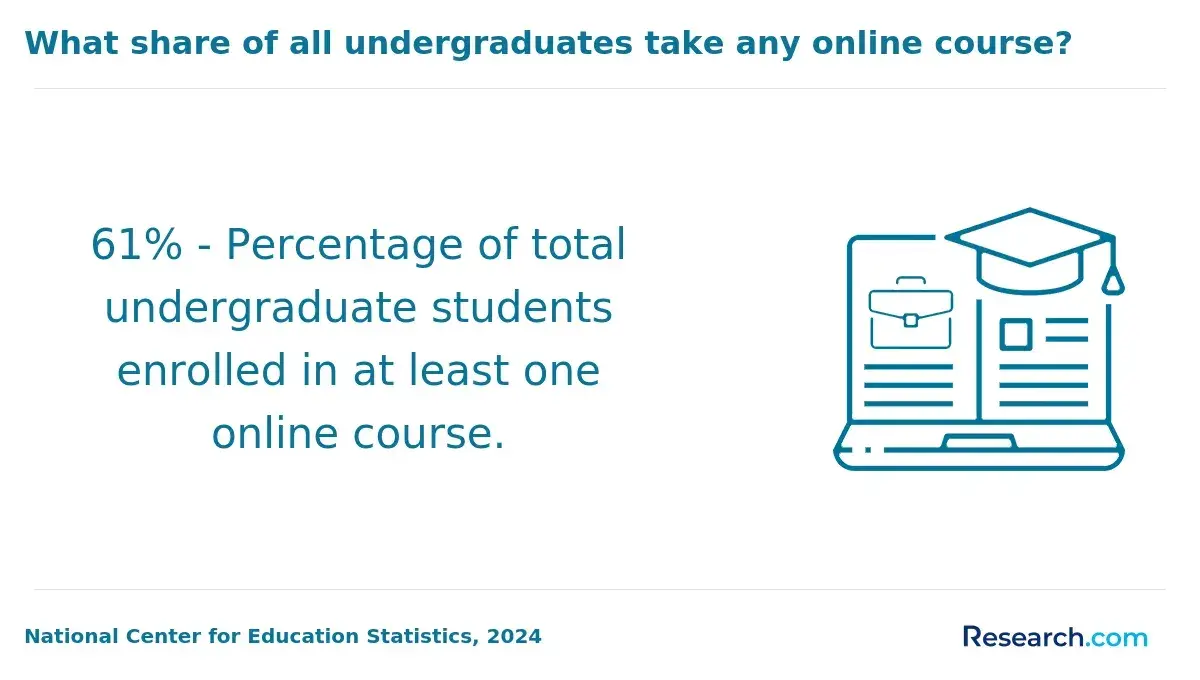
Over 60% of MSN programs incorporate hybrid or fully online clinical coursework, adapting to evolving educational models without diluting standards. Accrediting bodies require that virtual clinical hours achieve equivalent learning outcomes to traditional placements, which raises issues around site quality, preceptor availability, and authentic patient interaction. These factors impose real logistical challenges for working professionals seeking to balance clinical requirements with employment or personal commitments.
Programs responding to these intersecting demands often forge partnerships across a spectrum of healthcare environments-hospitals, outpatient clinics, telehealth providers-to maintain flexibility while ensuring compliance. Employers expect MSN graduates to demonstrate competence in both practical patient care and technology-enabled decision-making, increasing pressure on programs to deliver accessible yet rigorous clinical experiences.
What supervision, preceptor qualifications, and evaluation standards apply to MSN clinicals?
Direct supervision by qualified personnel in MSN clinicals is not merely a regulatory formality; it significantly shapes clinical competency and employability. Preceptors must have credentials equal to or exceeding the student's focus area-commonly requiring active licensure and 3-5 years of clinical experience-to ensure relevant expertise. For example, a nurse practitioner student should be overseen by a board-certified nurse practitioner or physician in that specialty. This requirement aligns with accreditation demands and mirrors employer expectations for graduates who possess validated, real-world skills.
Evaluation processes rely on standardized tools that measure clinical ability, critical thinking, and professionalism through both formative and summative assessments. Documented midterm and final evaluations with faculty integration are essential, directly impacting whether a student progresses and qualifies for licensing exams. Poor performance typically leads to remediation or extended hours, increasing program duration and costs.
Challenges intensify in rural or underserved areas where qualified preceptors are scarce, prompting programs to seek alternative supervision models or require additional clinical time. Students must weigh these logistical and financial tradeoffs, especially given the median federal student loan balance for MSN graduates hovers around $46,000, substantially higher than the $30,000 typical for other graduate fields based on National Center for Education Statistics 2024 data.
How do MSN clinical experiences differ by specialization, such as FNP, AGACNP, or Education?
Clinical requirements for MSN specializations impose distinct practical demands that shape student experiences and employment outcomes. Family Nurse Practitioner (FNP) candidates accumulate approximately 600-700 supervised hours distributed across outpatient, community, and family medicine settings, emphasizing diverse primary care. This necessitates adaptability to varied clinical sites and often requires managing travel and scheduling challenges, particularly for students balancing personal responsibilities.
Contrastingly, Adult-Gerontology Acute Care Nurse Practitioner (AGACNP) students focus on 500-600 hours in high-acuity hospital environments like intensive care units and emergency departments. These rotations demand rapid clinical decision-making and procedural skills, with employers favoring demonstrated acute care competence. This specialization's intensity can affect candidates' physical stamina and shift flexibility.
Education-focused MSN students engage primarily in academic or simulation settings, limiting clinical hours to 100-150 with an emphasis on curriculum development over direct patient care. Their trajectory requires securing teaching practicums and developing instructional competencies aligned with accreditation standards.
Employer expectations correlate clearly with these specialization-specific clinical experiences: hospitals prioritize acute care readiness in AGACNP hires, while primary care providers seek FNP graduates with broad-spectrum clinical versatility. This profile alignment explains the 2024 AACN survey's finding that 94% of MSN clinical graduates succeed on their first specialty certification exam attempt, underscoring that targeted clinical exposure drives certification success and workforce integration.
What costs, scheduling challenges, and work-life balance issues arise from MSN clinicals?
The clinical segment of MSN programs imposes substantial financial and logistical burdens that often surpass tuition costs alone, complicating the balancing act for working professionals. For instance, a registered nurse maintaining a full-time job might confront inflexible clinical rotations requiring night or weekend shifts, conflicting sharply with regular work hours and income needs. This friction forces difficult tradeoffs, such as using unpaid leave or rearranging work schedules, which employers typically neither accommodate nor compensate.
Geographic challenges exacerbate these issues, particularly for students in rural settings who must travel 30-60 miles for clinical placements, increasing transportation costs and time away from personal responsibilities. Concurrently, the rising popularity of direct-entry or second-degree MSN tracks-growing by 35% over five years-crowds clinical site availability, leading to scheduling delays and extended program timelines.
For those evaluating MSN pathways with practical workforce outcomes in mind, mitigating these constraints requires proactive strategies:
- Early coordination with program officials to secure clinical placements that align with existing work commitments.
- Investigating employer tuition benefits that cover paid clinical hours or provide flexible scheduling.
- Leveraging local health networks to reduce travel demands and balance clinical obligations.
- Budgeting for ancillary clinical expenses such as immunizations, background checks, and repeated travel.
Absent such planning, clinical requirements risk becoming bottlenecks that extend education timelines, increase financial strain, and elevate burnout risk-ultimately impacting the timely realization of advanced nursing roles.
How do MSN clinical requirements affect certification eligibility and long-term career outcomes?
Meeting MSN clinical requirements is a non-negotiable barrier for certification eligibility, directly impacting the ability to sit for advanced practice exams. Licensing boards, including organizations like the American Association of Nurse Practitioners, mandate hands-on patient care hours to verify that candidates apply critical skills under supervision. Omitting or delaying these hours effectively blocks entry into the profession, making early and strategic planning essential.
The composition of clinical hours shapes long-term employability and role mobility. For instance, MSN graduates with clinical experience concentrated in rural health settings position themselves advantageously when applying to clinics serving underserved populations. This aligns with workforce data showing 25% of nurse practitioners operate in rural or underserved areas, reinforcing the value of targeted clinical placements.
Balancing where and how clinical hours are completed involves practical tradeoffs:
- Extensive clinical requirements can lengthen program duration and increase financial costs.
- Delays in completion postpone certification, impacting earning potential and workforce entry.
- Ensuring rotations in outpatient, telehealth, or community settings reflects evolving employer demands outside traditional hospitals.
Securing clinical sites and preceptors in specialty areas early mitigates unpredictable placement challenges, especially in competitive or rural markets. Prioritizing clinical experiences aligned with both certification requisites and targeted employment sectors optimizes readiness for high-demand roles while addressing systemic workforce shortages.
Other Things You Should Know About MSN
In 2027, MSN students typically need to commit to 12-16 hours weekly for clinical practice. This ensures adequate hands-on experience and skill acquisition. Programs might vary, so students should check specific institutions' guidelines for an accurate schedule.
In 2027, MSN students are required to complete at least 500 clinical hours to meet program standards. These hours must be supervised and cover various healthcare settings to ensure comprehensive training for future advanced practice roles.
MSN clinical rotations must cover the population focus tied to the track, such as family, adult-gerontology, pediatrics, women’s health, or psychiatric-mental health. Programs usually require direct care across the age span and, for some tracks, at least 50 pediatric hours or 50 women’s health hours under approved preceptors.
Programs differ in handling clinical mistakes; some implement strict remediation or dismissal policies, while others use errors as learning tools with structured support. Understanding these policies is critical, as harsh disciplinary measures can delay graduation or damage professional records. Prospective students should prioritize programs with transparent, supportive error-management strategies that foster improvement while maintaining patient safety standards.
References
- Learning Outcomes in the Master of Nursing at Neumann University https://learn.neumann.edu/neuperspectives/learning-outcomes-in-a-master-of-nursing
- CCNE Accreditation https://www.aacnnursing.org/ccne-accreditation
- Everything You Need to Know About Master’s of Nursing https://www.allnursingschools.com/msn/
- The Complete Guide to MSN Programs: Online, Campus, and Hybrid https://www.onlinefnpprograms.com/guides/guide-to-msn-programs/
- Flexible Nurse Scheduling: How It Impacts Cost, Capacity, and Care | Shiftmed Blog https://www.shiftmed.com/insights/knowledge-center/flexible-nurse-scheduling-how-it-impacts-cost-capacity-and-care/
- Balancing act: exploring work-life balance among nursing home staff working long shifts https://www.springerpflege.de/balancing-act-exploring-work-life-balance-among-nursing-home-sta/50631300
- Managing clinical placements for online programs https://corehighered.com/en/blog/managing-clinical-rotations-for-online-programs
- Mandatory Clinical Placement Requirements https://www.algonquincollege.com/health-sciences/program/practical-nursing-pathway-for-personal-support-worker/mandatory-clinical-placement-requirements/
- Top 10 Online NP Programs That Help With Clinical Placement https://www.preceptorlink.com/blog-posts/top-10-online-np-programs-that-help-with-clinical-placement
- MSN FAQs - Bellin College https://www.bellincollege.edu/faq/msn/