2027 Best Online MSN Programs for Informatics Paths

Co-Founder and Chief Data Scientist
Balancing clinical responsibilities with the pursuit of advanced education presents a critical challenge for nurses aiming to transition into informatics roles. With the Health Resources & Services Administration reporting a 32% increase in enrollments for online nursing programs since 2022, the expanding accessibility reshapes when and how students can engage with coursework. This shift responds to workforce demands for flexible, asynchronous learning, yet not all programs equally accommodate the varied schedules or prior experience that working nurses bring. Selecting a program misaligned with personal constraints or career goals can delay certification and impede upward mobility in health IT specialties.
This article evaluates top online MSN informatics programs by flexibility, curriculum focus, and career impact to guide strategic choices for professionals seeking efficient, outcome-driven advancement.
Key Things You Should Know
- Healthcare labor projections indicate a 45% growth in informatics roles within nursing by 2030, forcing MSN candidates to balance longer online program durations against higher post-graduation salary gains, especially amid rising tuition inflation reported by NCES.
- Employers prioritize MSN informatics graduates with hands-on EHR and data analytics experience, creating friction for purely theoretical online curricula lacking integrated clinical simulations, which affects direct hiring and onboarding timelines.
- Federal loan eligibility and employer tuition assistance programs often exclude shorter certificate pathways, making full MSN completion via online platforms strategically necessary despite added time and cost, as confirmed by the Department of Education's 2024 funding audit.
What is an online MSN in nursing informatics and how does it differ from other MSN tracks?
An online MSN nursing informatics program targets nurses aiming to bridge clinical expertise and technical proficiency in health data systems. This specialization diverges sharply from other MSN tracks by placing nurses in roles that connect frontline care with IT infrastructure, such as clinical informaticists or health IT specialists. Nurses navigate complex workflows, implement electronic health records (EHR), and address compliance demands - tasks distinct from bedside care-focused tracks.
For instance, a nurse informaticist may lead the rollout of new EHR software to improve data access hospital-wide, a responsibility differing fundamentally from the clinical practice emphasis found in other MSN specializations. This role requires translating clinical needs into practical technology solutions, reflecting the growing healthcare industry investment in digital tools. Understanding the difference between online MSN informatics and other MSN specializations is crucial for candidates weighing hands-on clinical versus systems-level ambitions.
Financial considerations remain important: the average in-state total cost for 32 accredited online MSN informatics programs is about $25,000, ranging from $11,037 to $50,732 (GetEducated data). Candidates without a technical background should anticipate a steeper learning curve due to required IT and statistics competencies. Balancing these demands involves assessing long-term returns in roles where data expertise can offset upfront educational investment.
Students exploring specialized nursing pathways might also review online ADN programs for non nurses as alternative routes into nursing fields that interface with informatics. Ultimately, pursuing online MSN nursing informatics programs in the United States implies prioritizing strategic impact over direct patient care, with tradeoffs between technical preparation and clinical passion.
What are the admission requirements for online MSN nursing informatics programs?
Admission requirements for online MSN nursing informatics programs reflect the need for candidates who can bridge clinical expertise with informatics proficiency in a healthcare environment increasingly dependent on data-driven solutions. An active, unrestricted RN license is non-negotiable, paired with a bachelor's degree in nursing (BSN) to ensure foundational clinical competence. Some programs allow applicants with below-preferred GPAs to offset academic weaknesses by demonstrating substantial nursing experience, typically one to two years in direct patient care. This eligibility criterion for online MSN in nursing informatics often includes standardized testing like the GRE, but many programs waive this for nurses with extensive work experience or advanced qualifications.
Prerequisite courses usually cover statistics, research methods, and foundational informatics concepts, forming a critical baseline for graduate-level study. Applicants must submit two to three recommendation letters from supervisors or mentors who confirm clinical and leadership potential, alongside a personal statement that aligns career goals with informatics applications in patient care. Virtual interviews are common to assess communication skills and program fit.
Employers prioritize candidates who have completed a BSN in combination with informatics training, as these nurses effectively navigate challenges such as electronic health record optimization and quality improvement initiatives. For example, a registered nurse in an acute care setting lacking a BSN will typically be required to obtain it before advancing to informatics specialization, highlighting a practical tradeoff between experience and formal education. Growth projections for nurse informaticist roles exceed 20%, with salary increases reflecting this demand.
Students evaluating pathways might also research nursing schools that don t require TEAS test near me to balance admission hurdles while advancing their informatics credentials.
How do you evaluate accreditation and program quality for online MSN informatics degrees?
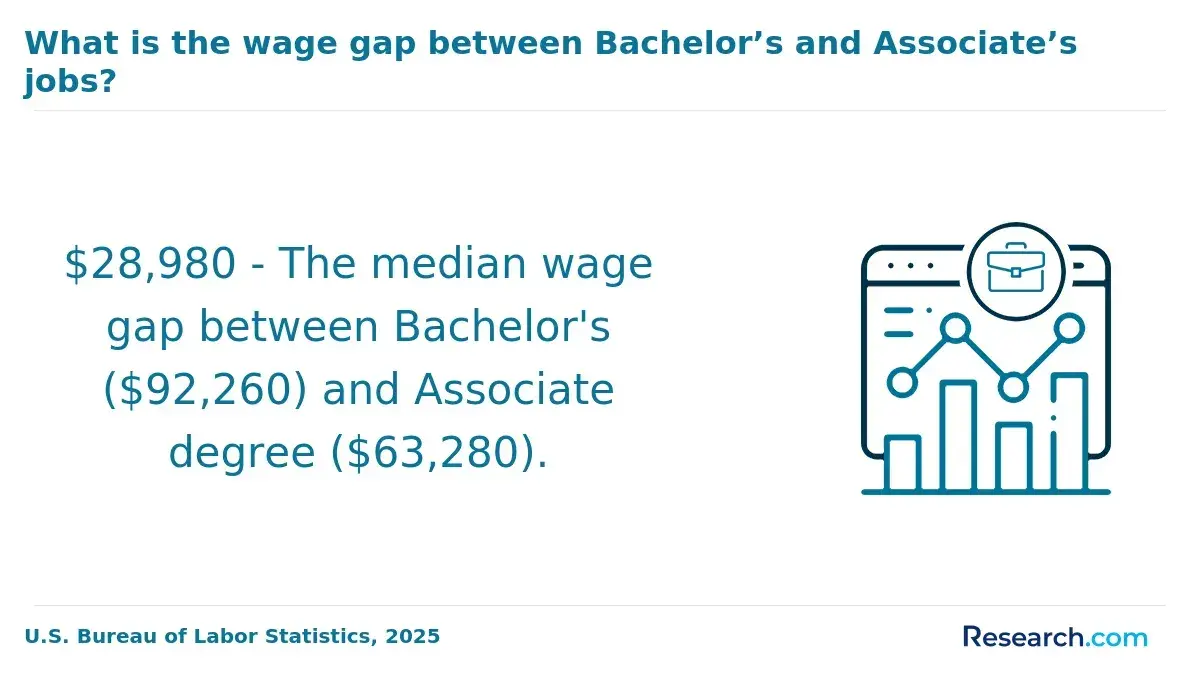
Accreditation standards for online MSN informatics programs are a critical differentiator that directly impacts graduate outcomes and professional credibility. Institutional accreditation by a regional agency recognized by the U.S. Department of Education is essential, but programmatic accreditation from bodies such as the Commission on Collegiate Nursing Education (CCNE) or the Accreditation Commission for Education in Nursing (ACEN) provides the specialized validation employers expect. These standards enforce rigorous expectations around curriculum, faculty expertise, clinical partnerships, and measurable student success.
Evaluating program quality in online MSN informatics degrees requires close alignment with real-world healthcare IT demands. Practical components like hands-on electronic health record systems, data analytics, interoperability, and workflow optimization prepare graduates for operational challenges faced in hospital and health IT settings. For working nurses transitioning into informatics, programs must move beyond theory to develop skills in project management and clinical system applications.
Graduates typically see a median mid-career salary around $81,294, reflecting strong labor market demand. However, programs lacking clear certification pathways or employer connections risk graduates facing stagnant job prospects. Requesting transparent data on graduation rates, certification pass rates, and employer placement is vital. Balancing geographic flexibility inherent in online formats with access to quality clinical practicum and mentorship remains a key evaluation factor.
Those comparing educational pathways might also consider the cheapest fastest RN to BSN online options if logistical and financial constraints loom large.
What is the typical curriculum and coursework in an online MSN nursing informatics program?
Online MSN nursing informatics curriculum structure blends nursing fundamentals with targeted informatics training that addresses workforce demands for both clinical and technical fluency. Core coursework for online MSN informatics programs centers on mastering data management, electronic health records (EHR), clinical decision support, and healthcare analytics-skills aligned with emerging employer expectations for measurable improvements in patient outcomes and operational efficiency.
Practical application through a required practicum or capstone is often decisive. For example, a nurse informaticist in a hospital might configure EHR alerts to reduce medication errors, while one in outpatient care could focus on telehealth systems to improve patient engagement, demonstrating how curriculum depth influences job performance in different healthcare settings.
Programs that lack extensive practicum experiences or advanced analytics modules risk producing graduates less prepared for immediate impact roles, given the steep technical curve employers expect. Additionally, tuition differences that can approach $40,000 warrant scrutiny since lower-cost options may not offer equivalent hands-on training or leadership preparation essential for IT adoption and quality improvement management.
Prospective students should explore alternatives aligned with their goals, including specialized credentials such as PMHNP programs, which also influence career trajectories in nursing specialization and informatics integration.
How long do online MSN informatics programs take and what do they cost?
Selecting an MSN informatics program requires a pragmatic balance between program length, cost structure, and professional demands. Full-time tracks commonly span 18 to 24 months, though many students negotiate part-time schedules extending to 36 months or more, depending on their employment and personal situation. Fixed tuition models, like the online competency-based program at Western Governors University charging $5,035 per six-month term, offer predictable expenses and can culminate near $20,140 total-substantially below national averages reported by RegisteredNursing.org.
This format suits working professionals who need budget certainty and aim to minimize time away from the workforce but demands consistent academic progress to avoid additional costs. Conversely, pay-per-credit-hour programs provide greater scheduling flexibility but pose risks of escalating fees if clinical requirements prolong completion. In effect, the tuition model directly affects financial planning and must be assessed alongside institutional pacing policies.
Employers increasingly expect informatics nurses to pair their MSN with demonstrated IT proficiency in specific healthcare systems, making timely completion essential for alignment with workforce needs. For instance, practitioners in large hospital networks benefit from accelerated, flat-rate formats that reduce downtime and debt, while those from smaller or administrative settings may prefer extended part-time study to manage cash flow. Ultimately, evaluating programs on how their structure complements career timelines and institutional expectations is critical for maximizing ROI in this specialized nursing domain.
How do online MSN informatics programs handle clinicals, practicums, and hands-on experience?
Online MSN informatics programs hinge on clinical partnerships that place students in accessible healthcare settings to fulfill accreditation requirements without disrupting professional obligations. These clinical placements are typically organized through formal agreements with diverse healthcare facilities, enabling students to engage directly with data systems and workflow improvements in hospitals, IT departments, or clinics close to their homes.
The evaluation of clinical competence relies on documented hands-on experience, including electronic logs and supervisor feedback covering skills such as electronic health record optimization and interprofessional communication. When traditional clinical sites are scarce, many programs offer simulation labs or virtual practicums leveraging advanced informatics software, though these may differ in practical depth compared to in-person rotations.
For instance, a nurse transitioning into informatics leadership within a major urban health network might complete a practicum focused on integrating clinical decision support tools, balancing work commitments while gaining targeted experience. Conversely, those in remote areas may face limitations with scheduling and mentorship options, which can delay program completion and constrain exposure to diverse informatics challenges.
Cost and timeline considerations vary widely. Capella University's online MSN in Nursing Informatics FlexPath illustrates this with a self-paced, accelerated format that can be completed in approximately 14 months for under $15,000. This model demands strong self-management to handle compressed clinical schedules alongside employment. Employers increasingly seek graduates with tangible evidence of practical system improvements, making structured, well-documented clinical engagements essential for employability in informatics roles.
What are the main differences between online and campus-based MSN informatics programs?
The choice between online and campus-based MSN informatics programs hinges on how delivery formats shape career feasibility and skill application. Online programs permit employed nurses to blend education with professional duties using asynchronous schedules tailored to shift work and family needs, which preserves income flow and workplace relevance. Campus formats, in contrast, enforce fixed class times and on-site labs that can disrupt full-time jobs or require relocation, posing logistical barriers for many working professionals.
Cost differences are significant: some top online MSN informatics programs have graduate tuition as low as $6,480, well below conventional graduate nursing expenses. This affordability expands access but trades off some on-site resources like advanced simulation labs or direct mentorship, which campus offerings may provide.
Clinical experience requirements create a critical distinction: campus students benefit from standardized, supervised practicums embedded in the curriculum, whereas online learners must independently arrange local placements. This demands higher self-direction and may introduce variability in clinical exposure, affecting readiness for roles blending informatics with hands-on patient care versus purely administrative or technical positions.
Graduates of online tracks often leverage immediate workplace application of new skills, enhancing retention and visibility with employers. Conversely, campus students may access richer networking and interdisciplinary research opportunities, which can influence career paths in academia or research-intensive settings.
What careers can you pursue with an MSN in nursing informatics?
Choosing an MSN in nursing informatics requires weighing the potential for clinical-IT integration roles against geographic and financial constraints that shape long-term career returns. Nurses with this degree typically enter positions such as clinical informatics specialists who refine electronic health records (EHR) systems and workflows for healthcare providers, or nurse informaticists who focus on health IT implementation, training, and data analytics to improve clinical decisions and operational efficiency.
Demand is growing for roles including data analysts and quality improvement coordinators who interpret health data to mitigate medical errors and optimize care standards. Public health employers may assign informatics nurses to manage surveillance and reporting systems, impacting population health through technology-driven data insights.
Cost disparities, such as the $25,418 versus $47,454 total tuition difference for in-state versus out-of-state students at public universities cited by GetEducated, demonstrate the importance of evaluating program expenses against local job market access and salary expectations. Professionals must assess opportunities in hospital IT departments, consulting, and government sectors, recognizing that certification-like the ANCC Informatics Nursing Certification-is often essential, influencing employability and upward mobility.
Tradeoffs typically involve balancing tuition costs against a region's informatics adoption level and role availability, making strategic program selection critical for maximizing ROI. The business of informatics nursing demands practical decision-making beyond degree completion, including navigation of credentialing and targeted workforce entry.
What salary ranges and job outlook can MSN-trained nursing informatics specialists expect?
Nurses with an MSN in informatics typically command salaries beginning in the low $80,000 range mid-career, a premium compared to general nursing roles due to the specialized blend of clinical and technical expertise required. Employers in larger hospital systems or healthcare IT firms often offer salaries approaching the low $90,000s, reflecting the complexity and scale of their data management needs.
The demand growth for nursing informatics positions is driven by healthcare digitization and regulatory mandates on electronic health record (EHR) utilization. Data from sources such as Nurse.org and GetEducated confirm that these roles will expand faster than average through 2032, as organizations increasingly rely on data-driven compliance and decision support.
- Transitioning from bedside nursing to informatics can initially slow salary growth as professionals acquire technical skills alongside clinical knowledge.
- Smaller healthcare providers may offer lower starting pay but allow faster movement into leadership due to flatter organizational structures.
- Certification and sustained EHR proficiency are essential to maintain employability amid evolving technology and privacy standards.
This career path favors candidates who combine practical nursing experience with adaptive technical skills. Graduates of online MSN informatics programs must expect ongoing retraining to keep pace with shifting regulatory environments and system upgrades that directly influence their job scope and advancement opportunities.
Are certifications required or recommended after completing an MSN in nursing informatics?
Certification is increasingly a decisive factor for candidates holding an MSN in nursing informatics, especially in competitive health systems. Employers prioritize credentials like the ANCC's Informatics Nursing Certification (RN-BC) as proof of practical competency beyond academic knowledge. For instance, nurses transitioning into informatics roles within large hospital networks managing multiple vendor platforms see distinct advantages in hiring preference and promotion opportunities when certified. These credentials validate skills in data analytics, system implementation, and clinical workflow enhancement, areas critical for operational leadership.
In contrast, smaller providers or community health organizations might accept an MSN alone but typically offer limited upward mobility without formal certification. The absence of a recognized credential can slow career progression and restrict movement into technical or supervisory roles. Employers often view certification as a proxy for hands-on readiness, mitigating concerns about purely theoretical program training and speeding integration into informatics projects.
Practical considerations for certification include:
- Allocating 6-12 months after graduation for exam preparation.
- Planning for $300-$450 in application and testing fees per attempt.
- Selecting nationally recognized, evidence-based credentials aligned with targeted employer preferences.
With the expansion of accredited online MSN programs, formal certification remains a key differentiator in a crowded labor market, complementing degree attainment by signaling verified expertise employers actively seek.
Other Things You Should Know About MSN
Most programs require a reliable laptop or desktop, broadband internet, a webcam, a microphone, and current versions of Microsoft Office or Google Workspace. Students also need access to a secure browser for exams and a quiet space for live classes, virtual labs, and telehealth simulations.
Hands-on technology training in online MSN informatics programs relies heavily on virtual labs, simulations, and remote access to healthcare IT systems. While these can replicate many real-world scenarios, they may lack the immediacy and direct mentorship found in campus settings. Candidates aiming for roles requiring deep technical proficiency or real-time troubleshooting should investigate how robust and interactive the online program's technology platforms are before enrolling.
Working nurses often struggle with balancing clinical responsibilities and the demanding workload of MSN informatics courses, which may include complex data analysis and system design projects. Effective time management and employer support, such as flexible scheduling or tuition assistance, are vital. Candidates should evaluate programs with asynchronous formats or extended deadlines to maintain performance without compromising patient care duties.
References
- How to Become an Informatics Nurse Specialist https://nursinglicensemap.com/nursing-specialties/registered-nurse/informatics-nurse/
- Nursing Informatics Specialist: Job Duties and Salary https://www.usfhealthonline.com/resources/health-informatics/nursing-informatics-specialist-job-description-salary/
- The Ultimate Guide to the Best Online Nursing Informatics Programs - RiverAxe https://riveraxe.com/best-nursing-informatics-programs-online/
- Top 20 Best Graduate Programs in Nursing Informatics and Administration - Healthcare Management Degree Guide https://www.healthcare-management-degree.net/best/graduate-programs-nursing-informatics-and-administration/
- What Is an MSN Health Informatics Degree? | BetterNurse.org https://betternurse.org/msn-health-informatics/
- In-Person vs. Online Nursing Programs https://www.chamberlain.edu/blog/in-person-vs.-online-nursing-programs
- Top 30 Most Affordable MSN in Nursing Informatics Online Programs - Best Colleges Online https://www.bestcollegesonline.org/most-affordable/online-msn-nursing-informatics/
- Nursing Informatics | Ultimate Guide to Career Paths & Salaries | Maryville Nursing https://nursing.maryville.edu/blog/nursing-informatics
- Sign Up for the Journal of Nursing. https://www.asrn.org/journal-nursing/3379-online-msn-programs-without-clinicals.html
- Nursing Informatics RN to MSN Programs - RNtoMSN.org https://www.rntomsn.org/programs/nurse-informatics/