2027 Which MSN Track Matches Your Current Nursing Role?

Co-Founder and Chief Data Scientist
Nurses aiming to advance with an msn often confront critical confusion over which specialization truly aligns with their current role and long-term career goals. This decision carries significant consequences: pursuing the wrong track wastes time and resources, potentially delaying licensure or limiting access to high-demand roles. Recent data from the National Center for Education Statistics reveal a 35% surge in online msn enrollment by working professionals since 2022, signaling a shift toward flexible options but also increasing the complexity of choice amid growing program variety.
Selecting wisely requires understanding how each track fits one's existing responsibilities and employer expectations. The article examines key msn tracks, comparing their practical relevance to various nursing roles to guide informed pathway choices that optimize career mobility and professional impact.
Key Things You Should Know
- Specialty-track selection correlates with a 13% variation in median income among MSN grads, per 2024 Bureau of Labor Statistics data, influencing long-term financial return but often requiring tradeoffs in clinical versus administrative focus.
- Employers in top growth states emphasize nurse leadership tracks, with 62% favoring MSN-prepared nurses for managerial roles, pressuring clinical practitioners to pivot or risk stagnation.
- Completion times for MSN tracks vary from 18 to 36 months (2024 NCES), creating a critical access barrier, especially for working RNs balancing full-time employment and education costs.
What MSN track matches your current nursing role?
Selecting the best msn track involves aligning your existing nursing role with realistic career outcomes and employer expectations rather than superficial program appeal. For registered nurses at the bedside aiming for expanded clinical authority, nurse practitioner (NP) or clinical nurse specialist (CNS) tracks provide a pathway to roles with increased diagnostic and prescribing privileges, which come with higher salaries but demand significant clinical experience and at least 500 supervised hours. Conversely, nurses targeting administrative or academic positions will find that msn tracks in Nursing Administration or Nursing Education focus more on management skills and policy knowledge, involving less clinical time yet requiring a strong grasp of organizational dynamics and teaching competencies.
Transitioning away from bedside care to specialties like informatics or quality improvement requires programs that emphasize health IT systems and data workflow challenges-areas critical to hospital operations but with different professional trajectories than clinical tracks. The average wage for registered nurses around $93,600 underscores the need for specialization when seeking advancement, as job growth at 5% annually means steady openings but also competitive applicants.
Deciding on the best MSN programs for current nursing roles should consider not only program length and clinical requirements but also how well the curriculum matches your career timeline and market demands. Practical insights into each track's demands can prevent stalled career progression or prolonged workforce absence. For nurses exploring broader pathways, reviewing the best online BSN programs for non nurses may offer additional direction on foundational options before embarking on advanced study.
Which MSN specialties align with bedside nursing experience?
Nurses with bedside experience face critical choices when selecting msn specialties that align with their skill set and accommodate workforce demands. Tracks like charge nurse and clinical nurse leader (CNL) leverage hands-on patient care knowledge toward leadership roles focused on team coordination and quality improvement. Given projections of a 9% registered nurse shortage by 2036, these roles address the urgent employer need for effective management of staffing and complex patient needs.
Specialties such as Clinical Nurse Leader enhance evidence-based practice and interprofessional collaboration without requiring advanced practice licensure, appealing to those seeking broader clinical influence without leaving direct care entirely. Conversely, pathways like Adult-Gerontology Acute Care Nurse Practitioner or Family Nurse Practitioner represent a significant educational and licensure commitment but offer a clear progression to diagnostic and treatment responsibilities, ideal for bedside nurses aiming to expand clinical competencies.
Alternatively, msn tracks suited for clinical nursing roles with a leadership or administrative focus can enable unit managers to shift toward healthcare administration, emphasizing finance, policy, and human resource skills over bedside technicalities. However, these transitions often reduce direct patient care and demand new operational expertise.
Prospective students should weigh the immediate applicability of their specialty choice against long-term flexibility, particularly since many programs require 500-1,000 clinical hours, which can strain working nurses' schedules. Nurses exploring these options may also consider starting at high acceptance rate nursing schools to navigate admission hurdles more efficiently.
What MSN track fits your nurse leadership goals?
Nurse leadership candidates pursuing an msn track must weigh program focus against measurable employment and financial outcomes. Tracks centered on administration and management-such as Nurse Manager or Director of Nursing pathways-align most directly with leadership roles where salaries exceed $100,000, a critical consideration given the $48 billion student debt noted in HRSA's 2024 workforce analysis. Selecting a program with coursework in healthcare policy, budgeting, and personnel management speeds access to these mid- to senior-level pay bands, which significantly impact debt repayment and long-term financial stability.
Specialized routes like clinical nurse leadership or informatics may develop valuable skills but often lead to more variable salary trajectories and promotion rates influenced by employer demand and geography. Working nurses benefit from flexible, part-time msn programs that reduce income disruption while managing educational costs and family responsibilities.
Integrating the best msn track for nursing leadership roles requires pragmatism: candidates must evaluate employer expectations, salary data, and institutional reputation. For registered nurses without a bachelor's degree, exploring RN to BSN programs can provide a foundational step with minimal clinical requirements before advancing to leadership-focused master's tracks.
Overall, msn nurse leadership career paths demand deliberate selection of curricula and delivery formats that optimize career trajectory while balancing financial and practical constraints in a competitive healthcare labor market.
What accreditation should an MSN program have?
The practical value of MSN program accreditation standards in the United States extends well beyond basic educational quality, affecting licensure eligibility and employer acceptance. Employers increasingly prioritize candidates from programs accredited by recognized regional bodies like the Commission on Collegiate Nursing Education (CCNE) or the Accreditation Commission for Education in Nursing (ACEN) because these credentials assure readiness to meet workforce demands. For instance, the doubling of nurse dissatisfaction from 11% in 2017 to nearly 20% in 2021 intensified demand for nurse educators, a role for which healthcare institutions often require a CCNE- or ACEN-accredited MSN.
The best regional accreditation bodies for MSN degrees validate comprehensive program coverage, which safeguards certification exam eligibility-a critical factor for advanced roles such as nurse practitioners or clinical nurse specialists. Selecting a non-accredited program can severely limit career portability and exclude graduates from coveted positions in hospitals and academia that mandate explicit educational standards.
Prospective students should also confirm that accreditation encompasses the full curriculum, a particularly important consideration for online or hybrid formats where state board approvals and accreditation scopes differ. Careful verification avoids licensing hurdles and aligns training with realistic career trajectories.
Additionally, a review of DNP salary by specialty underscores how accreditation can influence long-term earnings potential across advanced nursing pathways.
What admission requirements do MSN programs usually expect?
Admission to msn programs typically hinges on more than just academic credentials; it signals readiness to navigate complex healthcare environments. The baseline often requires an active RN license in the U.S., confirming applicants have passed the NCLEX-RN and upkeep clinical competencies, which aligns with employer expectations for licensed practitioners. A bachelor of science in nursing (BSN) is usually mandatory, though some programs may accept equivalent qualifications if supplemented by nursing experience, balancing academic preparation with practical skill.
Applicants should demonstrate a competitive GPA (generally 3.0 or higher) and provide official transcripts from accredited institutions. Key prerequisite courses-statistics, anatomy, physiology, microbiology-prepare candidates for advanced content, with incomplete prerequisites necessitating additional coursework before matriculation. This ensures students can handle rigorous graduate-level material, a critical filter for program success.
Letters of recommendation hold particular weight when sourced from supervisors or academic mentors who can attest to clinical acumen and intellectual potential. Candidates must also submit a personal statement that articulates professional goals and fit with the msn specialty, helping programs evaluate alignment beyond grades and credentials.
For those targeting clinically intensive tracks such as nurse practitioner roles, prior nursing experience ranging from one to three years is increasingly common, reflecting labor market realities where employers prioritize seasoned professionals. This demand stems from projections like the U.S. Bureau of Labor Statistics' 40% employment growth for advanced practice registered nurses over a decade, which pressures programs to produce workforce-ready graduates.
Part-time or online msn formats introduce additional factors: students must manage technology requirements and secure clinical placements, often within specific locales. These logistics impact admission viability and career trajectory decisions for working nurses considering strategic pivots.
- Active RN license and BSN or equivalent with nursing experience
- Minimum 3.0 GPA with required prerequisites completed
- Letters of recommendation and personal statement
- One to three years of clinical nursing for advanced practice tracks
- Considerations for technology and clinical site access in part-time or online options
How do online and campus MSN programs differ?
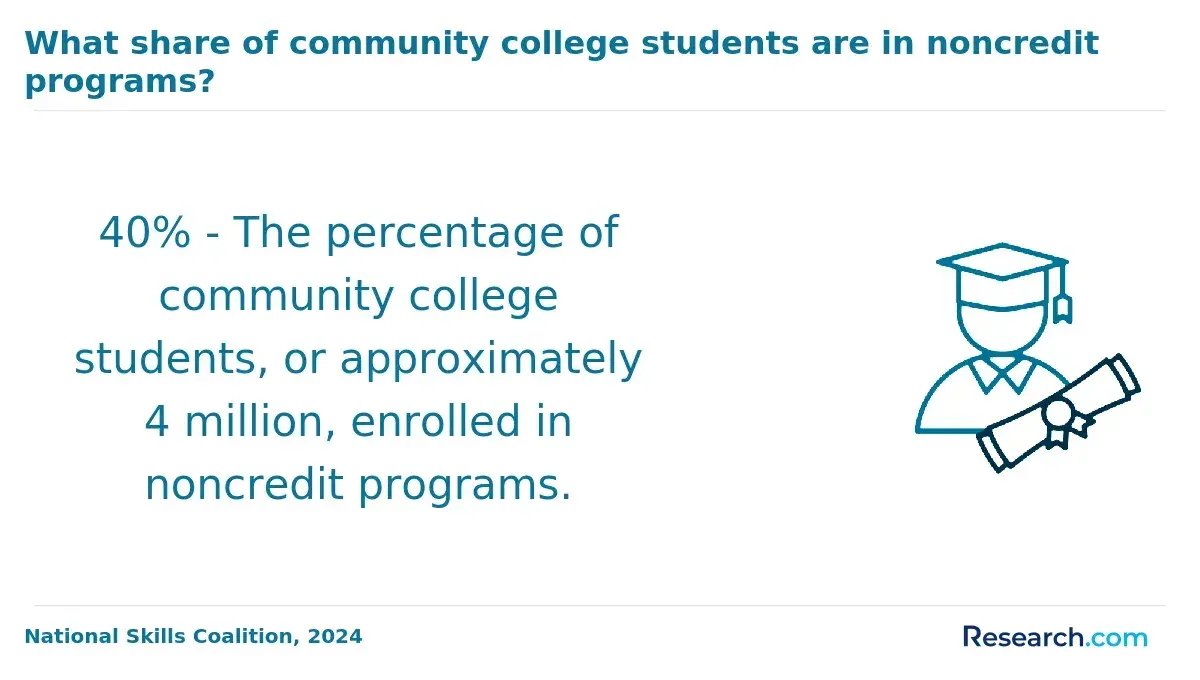
The choice between online and campus MSN programs hinges on how each format shapes clinical training access and employer perceptions. Campus-based programs embed clinical rotations within the curriculum, providing supervised, high-quality practice environments that align closely with employer expectations for immediate clinical readiness-an advantage particularly pronounced in hands-on specialties like nurse anesthesia. Graduates from campus tracks often benefit from coordinated mentorship and simulation labs, accelerating the transition to full clinical responsibility, which directly impacts hiring prospects and salary potential. For instance, nurse anesthetists average a median salary of $202,470 as reported in Worldmetrics' 2026 nursing job statistics.
Conversely, online MSN programs offer flexibility essential for working nurses who must balance education with professional and personal commitments. However, these students bear the responsibility of securing local clinical placements, which can vary widely in quality and oversight. This variability can affect competitiveness for specialized advanced practice roles. Online formats ease geographic constraints and enable role pivots without relocation, but at the cost of more fragmented clinical experiences.
Key operational distinctions include:
- Campus programs integrate clinical experiences, reducing job market entry friction for demanding roles.
- Online students must actively coordinate clinical sites, potentially facing less structured supervision.
- Employer preference often favors campus-prepared graduates for urgent clinical responsibilities.
- Online pathways expand access but require heightened self-management and networking.
When evaluating MSN options, professionals should weigh how modality affects training quality, employer recognition, and long-term career flexibility.
What coursework is included in common MSN tracks?
Choosing an msn specialization demands weighing clinical focus against emerging workforce trends, especially given that nearly 2 million RNs-45% of the workforce-began with a bachelor's degree, expanding the pool ready for data-driven roles. Nurse practitioner tracks prioritize diagnostic expertise and advanced pharmacotherapeutics, requiring extensive clinical practicums that test hands-on proficiency in managing diverse patient populations.
Conversely, nurse informatics programs emphasize analytics, health information systems, and technology application, which suit professionals transitioning from bedside nursing only if they acquire foundational IT skills alongside clinical knowledge. This track involves more project-based evaluations, reflecting employer expectations for practical technological competence.
Leadership and administration specializations focus on financial management, health policy, and organizational behavior to prepare nurses for executive positions, while clinical nurse specialists center on evidence-based practice and quality improvement, often demanding research methodology and biostatistics coursework necessary to translate data into improved patient outcomes.
Prospective students must anticipate variable credit hours and clinical intensity depending on track choices. Opting for a specialization misaligned with prior experience can result in skill gaps that delay employability or constrain advancement. Employers look for graduates who can apply both theoretical knowledge and practical skills effectively in complex healthcare environments.
How long does an MSN program usually take?
Completion time for an msn program usually ranges from 18 to 36 months, heavily influenced by enrollment status, program format, and previous credentials. Full-time BSN holders often finish in about two years, while part-time students balancing work or family may require up to three years. Accelerated pathways for nurses with extensive clinical experience or non-nursing degrees demand prerequisite courses, potentially extending total duration.
Practical decisions hinge on managing tradeoffs between study pace and income. For instance, a registered nurse pursuing a family nurse practitioner specialization while employed might choose part-time study spread over 30 to 36 months to maintain steady earnings despite delaying program completion.
The required clinical practicum-typically 500 to 700 hours-adds scheduling complexity. Limited clinical site availability or the need for specialized rural placements can further impact timelines and workforce entry.
Workforce patterns reveal that only around 9.0% of regulated Canadian nurses worked in rural or remote areas recently, a slight decline reflecting geographic disparities. Public health nurses with msn credentials are essential to address these gaps, but rigid practicum requirements and extended program lengths can impede timely deployment. Programs that offer flexible designs help balance student circumstances with employer demands for skilled nurses in underserved locations.
What jobs can you get with each MSN track?
Specializing in nursing administration or health systems leadership positions professionals at the nexus of workforce strategy and policy execution. Nurse managers and directors confront tangible pressures from staffing deficits, with the U.S. projected to meet roughly 92% of nursing demand by 2026. Licensed practical nurses face a 20% shortage, registered nurses 10%, forcing administrators to allocate constrained resources amid regulatory complexities and institutional priorities.
Clinical nurse specialists (CNS) serve as clinical consultants driving quality improvement and evidence-based practice across patient populations. Their collaboration with physicians and nursing staff is integral in settings like acute care and oncology, where nuanced expertise shapes patient outcomes and operational effectiveness.
Family nurse practitioners (FNPs) address critical care gaps in underserved areas, often assuming responsibilities traditionally held by physicians. Due to state-specific scope-of-practice variations, FNP autonomy-and thus job flexibility-differs markedly, influencing both employment prospects and geographic mobility.
Anesthesia and nurse midwifery tracks demand rigorous certification and extensive clinical experience. These high-liability roles tend to offer superior compensation but require managing increased stress and procedural accountability.
Deciding on an msn track requires weighing certification timelines, employer preference for seasoned experience versus academic credentials, and geographic demand fluctuations. Nurse administrators, for example, are increasingly pivotal in hospitals balancing shortage-induced operational strain with efficiency mandates.
What salary and job outlook can each MSN track offer?
Choosing an MSN specialization requires weighing salary potential against practical workforce demands and lifestyle implications. Nurse practitioner (NP) roles lead in compensation, averaging $120,000 to $130,000 annually, with a strong 45% job growth projected by the U.S. Bureau of Labor Statistics (BLS) between 2022 and 2032. However, acute care nursing at hospitals, while better paid, often entails demanding shift schedules that challenge work-life balance-a significant factor for clinician-educators considering this path.
Clinical nurse leaders earn moderately, around $90,000 to $110,000, with stable opportunities in healthcare administration and quality management. Yet, success here hinges on acquiring managerial skills beyond clinical expertise, and applicants lacking this experience may face entry barriers. For example, a nurse shifting from bedside care to executive leadership will likely need formal training in organizational management.
Faculty and academic roles generally offer lower starting salaries ($75,000 to $95,000), but their demand grows due to increasing graduate-level nursing enrollment. The rise from 15.8% to 17.9% in nurses holding master's degrees between 2015 and 2022 fuels this trend, though competition intensifies as schools battle faculty shortages. Those with robust teaching or research portfolios are better positioned to overcome this bottleneck.
Specialty certified nurse midwives and nurse anesthetists top salary charts ($130,000 to $180,000), reflecting scarce expertise and rigorous credentialing. Candidates must balance the intensive training requirements and varied rural-urban job markets against these financial rewards. Strategically, aligning MSN track choice with career goals and realistic workforce conditions is essential for sustainable professional growth.
Other Things You Should Know About MSN
Tracks such as nurse administration, executive leadership, and nurse informatics offer credentials aligned with formal leadership positions. Employers expect candidates for managerial roles to have specific skill sets tied to their MSN focus, so a general clinical MSN may limit leadership prospects. Choosing a track that includes project management, healthcare finance, or policy coursework improves prospects for advancing into leadership versus clinical-only tracks that focus on patient care skills.
Most MSN tracks align with a national certification exam tied to the specialty. Nurse practitioner tracks usually lead to ANCC or AANPCB exams, nurse educator tracks often prepare for CNE, and nurse executive tracks may align with NEA-BC. Certification eligibility usually requires an accredited MSN and a set number of supervised clinical hours.
Practicum length and setting vary widely across tracks; some demand extensive hospital hours while others allow community or virtual placements. These differences affect scheduling, geographic location, and employer support. Nurses with inflexible jobs or geographic constraints should prioritize tracks with adaptable practicums to ensure completion without major personal or professional disruption.
References
- 10 Great Master's Degrees for Nurses in 2026 https://credenzahealth.com/career-advice/10-great-masters-degrees-for-nurses
- How to Change Nursing Specialties Mid-Career https://betternurse.org/changing-nursing-specialties/
- Where Could a Master of Science in Nursing (MSN) Take You? https://blog.methodistcollege.edu/where-could-a-master-of-science-in-nursing-msn-take-you
- RN to MSN Nurse Leader Online Program | WCU https://westcoastuniversity.edu/online-programs/rn-to-msn/nurse-leader
- MSN, Nurse Executive Specialization https://www.chamberlain.edu/academics/nursing-school/graduate-programs/msn-executive-track
- Should I pursue a MSN in leadership or education if I'm not sure I want to be in management? https://www.incrediblehealth.com/nurse-advice/questions/dd972f2d/should-i-pursue-a-msn-in-leadership-or-education
- Everything You Need to Know About Master’s of Nursing https://www.allnursingschools.com/msn/
- MSN in Nursing Practice Innovation https://www.unthealth.edu/college-of-nursing/msn-in-nursing-practice-innovation.html
- CCNE Accreditation https://www.aacnnursing.org/ccne-accreditation
- How Long Does It Take to Get a Master’s in Nursing (MSN) | USAHS https://www.usa.edu/blog/how-long-does-it-take-to-get-a-masters-in-nursing/