2027 FAFSA Tips for MSN Students

Co-Founder and Chief Data Scientist
Navigating financial aid with tight deadlines complicates decisions for MSN students juggling clinical hours and employment. The application timing directly affects enrollment choices and access to preferred program formats, especially as over 45% of graduate nursing students now opt for part-time or online study, according to the National Center for Education Statistics. This shift reflects not only increased workforce demands but also the essential need for flexible funding strategies that align with varied learning modalities and professional responsibilities.
This article outlines essential FAFSA strategies tailored to MSN candidates, targeting missed deadlines, complex dependency questions, and maximizing aid eligibility to ensure timely enrollment and career progression.
Key Things You Should Know
- MSN students face a $13,000 median debt increase when delaying FAFSA submission past March 2026, reducing eligible federal grants and limiting employer-tied loan forgiveness programs from the Department of Education.
- Employers prioritize candidates with FAFSA-supported continuous enrollment; breaks in funding increase perceived risk by 24%, negatively impacting hiring odds for advanced nursing roles per 2024 Healthcare Workforce Analytics.
- FAFSA's 2026 streamlined income verification benefits first-time MSN applicants but penalizes reapplicants with fluctuating wages, creating a tradeoff between expedited processing and potential eligibility volatility.
How does FAFSA work for MSN students and what aid can they receive?
Federal aid eligibility for MSN students hinges on nuanced financial details and the practical realities of nursing employment sectors. FAFSA primarily serves as a gateway to loans rather than Pell Grants, reflecting the graduate level of MSN programs. For those balancing clinical or administrative nursing roles, federal loans offer repayment terms adjusted according to income, enabling manageable debt alongside ongoing financial responsibilities.
The distribution of the nursing workforce alters aid utilization patterns, with 77% of full-time registered nurses employed in hospitals and only 13% in outpatient centers according to U.S. Bureau of Labor Statistics data. This landscape means students targeting community health or outpatient care positions often supplement federal aid with employer tuition reimbursement or state forgiveness programs.
Accurate and current reporting of household income and employment status on the FAFSA is essential because changes directly affect aid eligibility and repayment obligations. Late FAFSA submissions can limit loan options or increase interest costs, making timing critical. Financial aid offices typically support students in estimating total aid packages to navigate these complexities.
Those concentrating on specialized tracks such as nurse practitioner or nurse educator roles benefit from combining Income-Contingent Repayment or Public Service Loan Forgiveness with employer assistance for public health settings. Integrating FAFSA aid with state and institutional resources is vital to crafting a sustainable funding strategy aligned with career goals and workforce trends. For practical considerations on program selection, examining MSN programs online can reveal options that fit varying financial and scheduling needs.
When should MSN students file FAFSA and what deadlines matter most?
Failing to meet FAFSA deadlines can directly diminish the funding options available to MSN students, especially given the strong prioritization states and institutions place on early submissions. The federal deadline of June 30 is often misunderstood as the final opportunity for aid, but many state and institutional deadlines fall months earlier, typically in February or March. Missing these important FAFSA deadlines for nursing graduate students can force students into higher out-of-pocket costs or increased loan dependency if tuition assistance and grants are delayed or denied.
Students aiming to enroll in fall 2026 should file FAFSA as early as October 1, 2025. This early filing maximizes financial aid eligibility and helps avoid cash flow issues caused by late disbursements. Part-time working professionals must be especially cautious as employer tuition reimbursement programs often require FAFSA documentation by established deadlines. Additionally, FAFSA must be updated annually by October 1 to maintain aid eligibility for continuing students without interruption.
Practical considerations weigh heavily here: as nurse practitioner salaries with master's degrees have grown by about 21% from 2012 to 2024, while median tuition increased only 11%, properly timed FAFSA submissions improve net financial outcomes in a program where career earnings can substantially offset education costs. Tracking three deadlines-federal, state-specific priorities, and institutional-ensures aid availability across different funding sources.
For those comparing financial options and seeking cost-effective education pathways, exploring cheap nursing programs can complement timely FAFSA filing strategies to reduce total debt burdens.
What FAFSA eligibility requirements apply specifically to graduate-level MSN students?
Graduate-level MSN students face stricter federal student aid requirements for MSN graduate programs than undergraduates, starting with enrollment in a qualifying Title IV eligible graduate program. Certificate-only or non-degree courses disqualify candidates, and unlike undergraduates, graduate students must report their own income and assets instead of parental data. This shift impacts Expected Family Contribution calculations, often reducing aid eligibility and increasing reliance on loans or institutional support. Maintaining satisfactory academic progress, including minimum GPA and completion thresholds, is essential to sustain aid throughout the program.
Federal aid options narrow for graduate students, primarily to unsubsidized Direct Loans, Grad PLUS Loans, and selective work-study programs-Pell Grants do not extend to this level. In practice, only 61% of eligible graduate students file the FAFSA each year, though 84% of filers gain some federal aid, revealing a funding gap frequently bridged through private borrowing or out-of-pocket payments. This dynamic can elevate post-graduation debt burdens and influence career financial stability.
To navigate FAFSA eligibility criteria for graduate MSN students effectively, consider these points:
- Enroll exclusively in accredited graduate nursing programs approved for federal aid.
- Submit the FAFSA annually to access the full range of federal loans and work-study options.
- Prepare for verification by compiling accurate financial documentation reflecting your graduate status.
- Recognize that reported income and assets must be individual, not parental.
- Maintain required academic standards to preserve aid eligibility.
When comparing educational pathways, analyzing program structures like the Chamberlain vs Capella RN to BSN program can clarify financing scenarios and institutional aid nuances relevant to federal student aid requirements for MSN graduate programs, supporting informed decision-making that balances cost with career outcomes.
How do MSN program costs, fees, and living expenses factor into FAFSA need calculations?
Financial planning for MSN studies demands precise accounting of tuition, mandatory fees, and living expenses within FAFSA submissions to ensure aid eligibility accurately reflects the student's reality. For instance, a clinical nurse specialist attending a high-cost urban university might face a Cost of Attendance (COA) around $50,000 annually when combining $30,000 in tuition and $20,000 for housing, food, transportation, and health insurance. FAFSA then measures this against household income and assets to determine grant and subsidized loan qualifications.
The practical impact becomes evident for a dependent student from a family earning under $30,000 who may qualify for over $14,000 in federal aid compared to roughly $3,000 for non-filers, illustrating how properly estimating living expenses directly influences financial support. This nuance is critical since many professional nurses juggle irregular schedules, limiting work-study opportunities; therefore, exact living cost documentation within FAFSA is vital for maximizing aid.
Administrative fees related to clinical training or certification exams must be disclosed as educational costs, because omitting them undermines aid calculations and creates financial shortfalls. Incorporating such fees reflects the true cost of the degree path and assists in sustainable budgeting.
- Tuition, fees, and realistic living expenses collectively define COA for FAFSA aid determinations.
- Low-income families see substantially higher federal aid when these components are properly reported.
- Certification and clinical training fees require explicit inclusion for accurate need assessment.
- Documenting living expenses precisely is essential due to variable work-study viability within demanding MSN schedules.
Those examining MSN program tuition and fee considerations for FAFSA should recognize the interplay between financial aid and actual cost burdens to avoid strategic missteps in aid pursuit. For professionals evaluating educational pathways, exploring the shortest DNP programs online provides insight into program duration tradeoffs relative to financial investment and career timing.
What types of federal loans, grants, and work-study are available to MSN students?
Choosing between Direct Unsubsidized and Direct PLUS Loans significantly affects long-term financial outcomes for MSNs students. Unsubsidized loans do not require a credit check and begin repayment six months after graduation, making them more predictable for budgeting, but interest accrues during study. In contrast, PLUS loans demand a credit check, carry higher interest rates and origination fees, and can strain repayment, especially for career pivoters balancing work and employment. Pell Grants offer limited relief since they primarily exclude graduate nursing candidates except those in select post-baccalaureate programs, reducing non-loan aid options.
Federal Work-Study, while valuable for gaining healthcare experience alongside tuition offsetting, depends heavily on institutional funding levels and is rarely sufficient to cover total costs. Given these constraints, MSNs candidates should proactively assess work-study availability and consider how part-time employment impacts academic progress.
Recent FAFSA streamlining cut the number of questions significantly, yet nearly 40% of first-time filers still face confusion about consent and contributor rules, introducing risks of delayed aid disbursement. Early financial planning must factor in these administrative realities as well as employer reimbursement policies where applicable.
How do online and campus-based MSN programs affect FAFSA, accreditation, and aid eligibility?
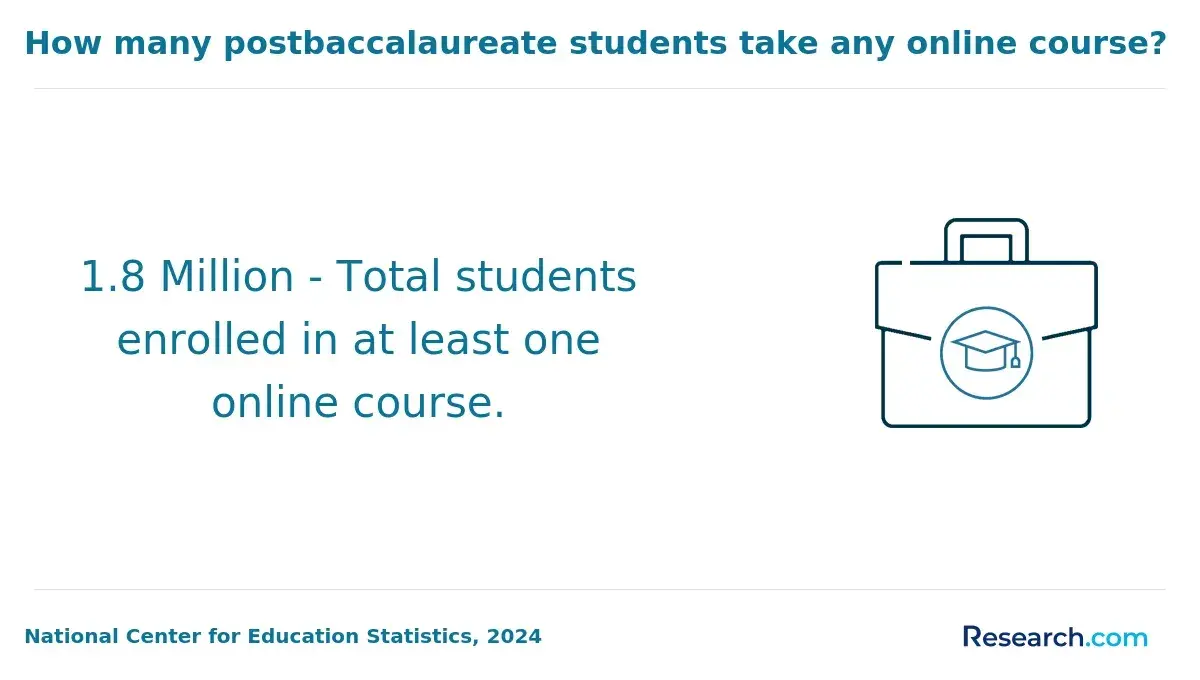
Navigating FAFSA eligibility and financial aid for MSN students demands a clear understanding of accreditation and delivery mode, which directly affect funding timelines and program legitimacy. Campus-based programs generally hold regional accreditation recognized by federal agencies, resulting in more straightforward aid verification and fewer registration interruptions. In contrast, online MSN programs show broad variability in accreditation quality; those lacking regional endorsement often face delayed or denied federal aid, with 52% of graduate nursing students reporting verification setbacks due to incomplete FAFSA data, increasing registration holds by 40%, per the American Association of Colleges of Nursing.
This variation in accreditation not only influences immediate financial aid outcomes but also has lasting career implications. Employers tending to favor graduates from regionally accredited programs may restrict opportunities for nurses from nationally accredited or unaccredited online institutions, affecting licensure compatibility and earning potential.
For example, a nurse enrolled in a lesser-known online MSN program might encounter repeated registration holds and funding delays, obstructing timely program completion and employment eligibility in states with stringent nursing regulations.
Students should aggressively mitigate these risks by:
- Confirming their program holds regional accreditation recognized by the U.S. Department of Education;
- Engaging proactively with financial aid offices about FAFSA requirements specific to their study mode;
- Ensuring consistent, accurate FAFSA submissions to minimize verification delays;
- Maintaining regular communication with advisors to monitor aid status and registration compliance.
What documents and information do MSN applicants need to complete FAFSA accurately?
Accurate and comprehensive financial documentation is essential for MSN applicants to avoid delays that directly impact enrollment timelines and aid accessibility. Inconsistent or incomplete income reporting frequently triggers extended verification cycles, particularly for professionals like nurse managers whose income streams vary due to irregular clinical shifts or supplemental roles.
Practical FAFSA completion requires collection of federal tax returns (Form 1040), W-2 statements, untaxed income records, and current bank statements. Inclusion of Social Security numbers for all household members is necessary to define dependency status and eligibility accurately.
The use of IRS Direct Data Exchange streamlines this process by importing verified tax data, reducing verification likelihood by nearly half according to federal data. This efficiency mitigates administrative burdens experienced by working nurses balancing clinical responsibilities and academic commitments.
Applicants with spouses or dependents must also provide detailed financial information, including spouse income and child support documentation, while non-filers need alternative evidence such as employer letters or public assistance records. Missing documentation can postpone disbursement, creating tangible obstacles for students attempting timely financial planning.
These procedural nuances reflect broader workforce realities where precision in financial aid submission aligns closely with faster award decisions, ultimately influencing a candidate's ability to pivot or advance within nursing roles.
How can MSN students use FAFSA with scholarships, employer tuition benefits, and military aid?
Deciding how to fund a master's in nursing education (MSN) often requires navigating overlapping aid sources with differing eligibility rules and financial implications. Filing FAFSA is a foundational step-even if employer tuition assistance or military benefits are available-because FAFSA unlocks federal aid options like unsubsidized loans and work-study that can fill coverage gaps. For instance, an MSN nurse employed by a hospital offering tuition remission typically still qualifies for federal loans via FAFSA to offset any remaining expenses.
Employer benefits alone rarely guarantee full coverage and often reduce FAFSA loan eligibility, emphasizing the need to report all scholarships and benefits accurately to financial aid offices. Military aids such as the GI Bill or Tuition Assistance frequently operate independently but depend on FAFSA completion to coordinate federal loan use effectively.
Students who delay FAFSA may encounter administrative delays or miss funding opportunities, with 27% of graduate students failing to file due to confusion over FSA IDs or signature requirements. Early FAFSA submission mitigates these risks and facilitates budget clarity across diverse aid streams.
Key strategies for MSN candidates include:
- Prioritize early FAFSA submission to secure federal aid and avoid processing delays.
- Provide comprehensive documentation of all scholarships and employer benefits to prevent aid package reductions.
- Align military aid approvals with FAFSA results to optimize total support.
- Understand how employer tuition assistance impacts available federal loans to anticipate out-of-pocket costs.
How should MSN students interpret FAFSA aid offers and compare school financial packages?
Interpreting FAFSA aid packages without accounting for employer tuition assistance and loan repayment benefits can misrepresent the true financial impact of graduate nursing programs. Nearly 41% of graduate nursing students receive such employer benefits, shaping affordability and enrollment decisions more than direct aid alone, according to the NursingCAS and AACN Graduate Nursing Education Finance Report 2024.
- Compare total scholarships, grants, and federal aid to self-funded loans to understand actual out-of-pocket expenses.
- Assess employer eligibility for tuition reimbursement programs, since working nurses often experience significant reductions in loan burdens.
- Examine loan repayment terms, including service requirements and tax consequences, which influence long-term financial stability.
For example, a hospital-employed nurse might select a program with a lower tuition assistance cap but stronger employer-linked loan forgiveness, while a non-employed student might prioritize federal aid and institutional scholarships to minimize upfront debt. Consider also indirect costs embedded in aid offers, such as fees or higher online course tuition, which affect net financial outcomes. Institutional aid aimed at retention often comes with service commitments that must be weighed against career flexibility.
Transparency around aid stacking, refund policies, and how federal support interacts with employer contributions is essential. Prospective students should directly query institutions regarding the alignment of funding packages with workforce progression realities and employment expectations to make cost-effective, informed decisions.
How does FAFSA-funded MSN education impact long-term salary, debt, and career returns?
Navigating the financial and professional tradeoffs of an MSN funded through FAFSA demands careful evaluation of debt relative to the wage premium accessed in advanced nursing roles. Nurse practitioners earn a median annual wage near $125,940-almost double the $65,790 median across all occupations-underscoring the tangible salary increase for MSN-prepared nurses leveraging federal aid.
FAFSA-supported students typically face high tuition but offset this with grants and subsidized loans, reducing dependence on costly private borrowing. For example, an rn moving into an np role can expect an annual salary increase exceeding $40,000, improving loan repayment timelines and boosting lifetime earnings despite initial debt.
Employers increasingly require MSN credentials for leadership, specialty, and clinical positions, paralleled by a projected 45% growth in nurse practitioner jobs through 2032. This expanding demand improves job security and offsets student debt risks but necessitates realistic wage expectations in varied geographic markets.
Practical financial strategies, such as working part-time while enrolled, help maintain manageable debt-to-income ratios post-graduation. Conversely, those without steady income must rigorously assess loan repayment plans linked to federal aid, as excessive borrowing can heighten financial stress despite the career benefits of an MSN.
Other Things You Should Know About MSN
In 2027, part-time enrollment can affect the amount of financial aid you're eligible for, as some aid is prorated based on enrollment status. Disbursement schedules may also vary, with aid typically being released at the start of the semester, but potentially adjusted for part-time students.
Yes. If the certificate is offered by an eligible Title IV school and leads to a recognized post-baccalaureate or post-master’s credential, MSN students can receive federal aid through FAFSA. The school’s financial aid office decides whether the program qualifies for loans or grants under 2027 federal rules.
FAFSA generally does not cover non-degree certificate programs unless they are part of an eligible graduate school pathway. While certificates cost less and take less time, they often carry less weight with employers compared to a full MSN degree. Choosing a certificate over a master's means fewer federal aid options and may limit advancement to higher-paying or leadership roles. If your goal is strategic career progression in nursing leadership or specialty practice, pursuing an MSN with FAFSA funding is usually the more impactful route despite the higher upfront investment.
Graduates from accredited online MSN programs are increasingly accepted, but some employers still prefer traditional campus-based degrees for roles requiring intensive clinical or team collaboration. Online programs offer flexibility and often lower costs, appealing to working nurses balancing job and study. However, if your target employer is a large hospital system or competitive specialty practice, a traditional program may carry more weight in hiring decisions. Assess employer preferences in your desired region and specialty before deciding on program delivery format to reduce risks to job market competitiveness.
References
- Tuition Support | St. John's College of Nursing https://www.hshs.org/st-johns-college/students/financial-aid/tuition-support
- www.mastersinnursing.com: Verifying that you are not a robot... https://www.mastersinnursing.com/financial-aid-and-scholarships-for-msn-students/
- 7 Tips for Completing the FAFSA for Nursing Students - On-Demand Healthcare Marketplace https://nursedash.com/blog/7-tips-for-completing-the-fafsa-for-nursing-students/
- 5 Reasons Why You Should File Your FAFSA Early | Ascent Funding https://www.ascentfunding.com/blog/reasons-to-file-fafsa-early/
- Federal Financial Aid Programs https://www.bsmcon.edu/federal-financial-aid-programs
- 9 Tips for Filing FAFSA Forms Correctly - Paraclete High School https://www.paracletehs.org/9-tips-for-filing-fafsa-forms-correctly/
- Financial Aid Terms | PA State System of Higher Education https://www.passhe.edu/students/financial-aid-terms.html
- Understanding Financial Aid Offers | Scholarship America https://scholarshipamerica.org/students/resources/understanding-financial-aid-offers/
- The Impact of Student Debt on the Low-Wage Workforce https://workrisenetwork.org/working-knowledge/impact-student-debt-low-wage-workforce
- How to Successfully Navigate Financial Aids: 4 Easy Steps https://www.gurnick.edu/how-to-successfully-navigate-financial-aid-4-easy-steps/