2027 Best MSN Careers for Less Physically Demanding Nursing Roles

Co-Founder and Chief Data Scientist
Balancing advancing a career in nursing with physical limitations presents a pressing dilemma for many experienced nurses eyeing an msn credential. The Bureau of Labor Statistics projects nurse practitioner employment growth of 45% over the next decade, underscoring a surge in demand for advanced roles that often require less physical strain than bedside care. However, rigid program schedules and clinical hour requirements can exclude professionals managing chronic pain or mobility challenges.
Additionally, recent data from the National Center for Education Statistics showing a 12% yearly increase in online nursing graduate enrollments signals shifting accessibility for adult learners seeking flexible advancement options. This article identifies the best msn careers characterized by lower physical demands, highlighting pathways that align with current workforce trends and program flexibility to guide smarter career choices.
Key Things You Should Know
- MSN degrees focusing on leadership or informatics reduce physical demands but direct clinical roles demand over 1,800 supervised hours, limiting rapid career shifts per 2024 Bureau of Labor data.
- Employers prioritize MSN specializations tied to telehealth and chronic care management, driving a 17% hiring increase in less physically intensive nursing roles, according to the National Healthcare Workforce Study.
- Program length and tuition averages near 24 months and $45,000 restrict access for working professionals, requiring careful cost-benefit analysis against anticipated $25,000 median annual wage premium.
What are the least physically demanding MSN careers?
Least physically demanding MSN nursing specialties largely center on roles removed from bedside care, where physical strain and injury risk are minimized. Positions like medical and health services managers prioritize operational leadership, strategic planning, and regulatory compliance over manual patient interaction. Employment projections indicate a 28% growth in these roles by 2032, reflecting health systems' increasing reliance on skilled administrators who reduce direct physical demands.
For many professionals seeking top MSN careers with low physical strain, office-based functions dominate. Tasks include budgeting, staff oversight, and quality assurance, requiring proficiency in data analysis and healthcare policy rather than clinical skills. Nurse educators also fit this profile by focusing on curriculum development and instruction in classroom or online settings, with only occasional, limited clinical demonstrations.
MSN-prepared nurse informaticists further exemplify pathways with minimal physical demands, blending clinical knowledge with IT to enhance electronic health records and data systems. These roles emphasize intellectual engagement and collaboration rather than physical labor.
Choosing these non-bedside roles involves tradeoffs: slower salary growth versus longer career sustainability and reduced injury exposure. Candidates must develop strong leadership and analytical skills aligned with institutional emphasis on these competencies. Those evaluating educational options may also consider alternative routes such as an ASN online program for foundational preparation before progressing to MSN-level specialties.
Which MSN specialties offer the best salary potential?
High salary potential in MSN specialties is concentrated in nurse practitioner (NP), nurse anesthetist, nurse midwife, and nurse informaticist roles, each presenting distinct practical considerations for career planning. Nurse practitioners benefit from strong growth projections-40.1% job growth through 2034-and command attractive compensation balanced with outpatient settings that typically imply less physical demand and flexible schedules.
Certified registered nurse anesthetists (CRNAs) top earnings with median wages above $190,000 but require extensive anesthesia training and operate in high-stress surgical environments. Nurse midwives, earning near $115,000, work primarily in prenatal and postnatal care with less physical strain than hospital-centered nursing.
Nurse informaticists apply MSN-level expertise in health IT integration, earning between $100,000 and $130,000 depending on experience and setting. This specialty aligns well with those prioritizing roles with lower physical demands amid healthcare's digital transformation.
Students analyzing the best MSN specialties for high salary in the US should weigh these trade-offs carefully: physical demands, certification hurdles, and employer preferences impact long-term career sustainability. Hospitals often value acute care experience for CRNAs and NPs, while outpatient clinics and telehealth increasingly recruit NPs and informaticists for remote roles.
For those evaluating the easiest BSN program to get into as a foundation for MSN progression, practical alignment with career goals remains critical. Choosing the right path requires balancing salary expectations with realistic operational demands and evolving workforce trends.

What are the job outlook and demand for MSN roles?
Demand for advanced practice nurses nationwide creates uneven opportunities across MSN career paths, with less physically demanding roles like education and administration growing steadily but requiring specific skill sets beyond clinical expertise. The U.S. Bureau of Labor Statistics forecasts continued job growth for postsecondary nursing instructors, reflecting rising enrollment and a shortage of qualified educators. However, transitioning experienced bedside nurses to these roles involves mastering instructional design and balancing academic responsibilities with prior clinical duties.
Those aiming for administrative positions should be prepared to develop strong organizational, policy, and data analysis skills, as lacking these competencies often slows advancement. Urban and academic centers disproportionately offer openings for these roles, while rural areas may limit prospects, creating practical barriers that often compel relocation or reliance on remote employment.
The integration of technology and telehealth signals growing demand for MSN nurse practitioner job growth in the US, especially in nursing informatics and education. Competition remains intense among candidates, emphasizing the value of curriculum development, research experience, and leadership capabilities over clinical proficiency alone. Employers prioritize MSN-prepared professionals who combine advanced theoretical knowledge with these differentiated skills.
Prospective students should recognize ongoing certification and professional development requirements, which extend the time and financial commitment beyond initial degree completion. For those seeking accessible educational pathways, it is worth exploring options like the cheapest RN-BSN online program as a foundational step toward advanced nursing education.
Which MSN programs are required for these careers?
Less physically demanding nursing roles requiring MSN programs reflect a deliberate shift from bedside care to specialties emphasizing risk management, data analysis, and leadership. For example, occupational health nursing tracks prioritize corporate wellness, regulatory compliance, and workplace hazard control, preparing nurses for roles focused on injury prevention rather than direct patient handling. These roles align with the U.S. Bureau of Labor Statistics projection of a 13% employment growth for occupational health and safety specialists, with a median wage of $78,670, demonstrating market demand for these focused qualifications.
Such programs combine advanced nursing coursework with specialized training in industrial hygiene, epidemiology, and health policy, often necessitating practicums in corporate or government settings. Nurses aiming for less physically intense positions like nurse educators, informatics specialists, or case managers pursue MSN programs tailored to nursing education, informatics, or healthcare administration, emphasizing curriculum development or data management over clinical tasks.
The choice to pivot toward specialized, less physically demanding roles involves tradeoffs, including potential limitations on clinical skills retention and location-dependent practicum requirements despite the availability of online and hybrid formats. Decision-makers should consider that accredited programs are essential for licensure and certification, directly influencing employability and salary. Candidates interested in these pathways may find valuable insights by consulting DNP salary transparency resources.
When assessing the best MSN degrees for less physically demanding nursing careers, balancing curriculum content, clinical expectations, and workplace realities is critical for aligning education with long-term professional goals.
How do online and campus MSN programs compare?
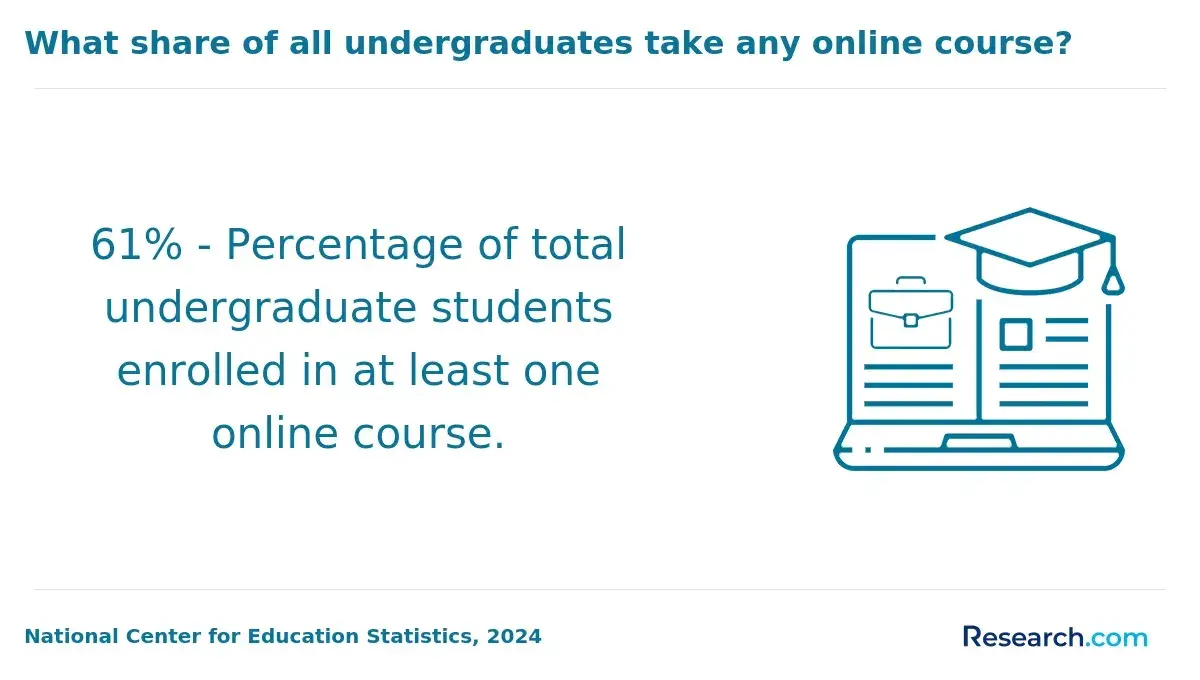
The decision between online and campus MSN programs hinges primarily on students' working situations and career goals, with significant tradeoffs in structure and experiential learning. Online MSN programs accommodate full-time employment and offer flexibility, ideal for nurses seeking advancement without interrupting their careers. However, this format demands strong self-discipline and often limits real-time clinical collaboration and networking, which are vital in leadership roles requiring immediate interpersonal skills.
Campus-based MSN programs provide structured schedules and direct interactions with faculty and peers, plus embedded clinical experiences. These elements are particularly valued by employers in hospital administration and senior management positions, where hands-on mentorship and interdisciplinary teamwork build critical practical expertise.
Employers increasingly accept accredited online MSNs, especially when paired with substantial practicum components. Still, competition for leadership roles in large healthcare systems may favor graduates whose training reflects robust in-person clinical leadership exposure. The labor market illustrates this: registered nurses in medical and health services management earn a median salary notably higher than staff nurses, emphasizing the premium on advanced clinical leadership.
For example, a nurse targeting outpatient management or telehealth coordination may prioritize online programs for their remote work alignment, while one aiming for hospital administration might select campus programs to maximize mentorship and experiential depth. Choosing a path requires balancing the continuity of employment with the value of immersive learning and professional networking.
What accreditation should an MSN program have?
Enrollment in an MSN program lacking accreditation from either the Commission on Collegiate Nursing Education (CCNE) or the Accreditation Commission for Education in Nursing (ACEN) can directly hinder licensure eligibility and limit professional mobility. Employers and state boards prioritize graduates from accredited programs, especially when aiming for roles such as nurse educators or clinical nurse specialists that demand less physical endurance but more theoretical and administrative expertise.
Consider a nurse pursuing a transition from bedside care to academia: universities and public institutions typically require degrees exclusively from accredited institutions, reflecting confidence in curriculum rigor and compliance with clinical standards. This distinction also matters because federal financial aid is generally restricted to accredited programs, shaping affordability and access.
Institutions' regional accreditation, recognized by the U.S. Department of Education, further impacts the value of credits transferred and recognition by employers for academic or leadership roles. For those balancing work with education, accredited online or hybrid formats must meet clinical practicum requirements to satisfy licensing bodies.
The financial implications are significant: nurse educators, averaging a median salary near $86,300 per annum, benefit from completing accredited MSN programs that assure alignment with industry expectations. Graduates from non-accredited programs risk rendering their credentials insufficient for advanced certification exams and limiting their sustained career prospects.
What admission requirements do MSN programs require?
Admission to MSN programs typically hinges on holding an active RN license coupled with a BSN degree maintaining about a 3.0 GPA, but the nuances go deeper. Programs require detailed transcripts that evidence clinical coursework and at least 1-2 years of hands-on nursing in direct patient care, reflecting workforce expectations for readiness in advanced roles. Non-BSN RNs can sometimes enter bridge pathways, yet this often translates into extended time and added costs, a critical consideration for working nurses balancing income and education.
Standardized tests such as the GRE are optional in many cases but may remain compulsory in research- or administration-heavy tracks. Letters of recommendation and career-focused personal statements that align with specializations-clinical, educational, or leadership-serve as gatekeepers for candidate professionalism and fit. Applicants lacking prerequisite courses in statistics, pathophysiology, and health assessment often face either admission delays or the necessity of remedial classes, impacting time to credential completion.
Practical demands extend beyond academics: mastery of healthcare informatics and evidence-based practice is expected. Flexible scheduling and online options accommodate employed students, but continuous RN licensure renewal with ongoing education is non-negotiable. Gaps in license maintenance can halt program progression, revealing that credential management and academic planning must run in parallel. For nurses targeting leadership roles with median salaries near $102,220 (University of Tulsa, April 2025), carefully selected programs with strong leadership components offer clearer pathways to that target.
How long does an MSN program take and cost?
Completion times for an MSN program vary significantly based on enrollment status and prior credentials, ranging from 12 months with accelerated RN-to-MSN options to 36 months in part-time tracks. This variability directly impacts when nurses can re-enter the workforce or adjust their clinical schedules, a critical factor for those balancing full-time jobs and studies.
Tuition costs exhibit wide disparities, with public institutions typically charging $30,000 to $40,000 in-state, while private programs often exceed $60,000. Beyond tuition, additional expenses such as certification fees, books, technology, and travel for clinical rotations often push total costs well above initial estimates. Opportunity cost is another hidden factor since many students reduce working hours to meet academic demands.
For example, nurses pursuing occupational health nursing-an area with a median salary near $81,940 per Payscale data and noted by the University of Tulsa-may strategically opt for part-time MSN routes to balance study and ongoing employment. This specialty's less physically intense nature can accommodate a staggered academic load more effectively than clinical fields requiring full-time study.
Employers' rising expectations for clinical proficiency combined with leadership skills mean program choice affects employability. Specialized concentrations increase program length, but also open niche career pathways such as informatics or management. Evaluating accreditation, flexibility, and industry recognition is essential to align costs and time commitments with realistic professional objectives.
What certifications or licenses do MSN careers require?
Licensure and certification requirements for MSN careers impose significant practical constraints on graduates, influencing employability and career trajectory. Simply obtaining RN licensure through the NCLEX-RN exam is insufficient; advanced practice registered nurse (APRN) licensure aligned with one's specialty is mandatory. Further, national certifications-such as the NBCRNA exam for nurse anesthetists-are often non-negotiable for employment and reimbursement, with state-specific endorsements like controlled substance prescriptive authority also frequently mandated.
The distinction between roles often hinges on certification depth: nurse anesthetists, educators, and informaticists must demonstrate specialized knowledge validated through rigorous credentialing. For instance, nurse anesthetists command a median salary exceeding $220,000 due to employer demand tethered to credential complexity. Conversely, nurse educators generally need Certified Nurse Educator (CNE) certification to secure academic or university hospital roles, an important factor for candidates considering a teaching-focused path.
Career shifts-such as moving from clinical practice to administrative or informatics positions-typically require additional certifications like the ANCC's Informatics Nursing Certification, extending beyond core APRN licensure. Maintaining credentials necessitates ongoing continuing education and renewal every 3 to 5 years, affecting workload and time management post-MSN.
Prospective students should verify state board and employer credential requirements early to prevent credentialing delays that can disrupt employment or advancement opportunities.
How do you choose the best MSN career path?
Selecting a nurse practitioner career path demands assessing physical workload, compensation, and practical employability rather than defaulting to familiar specialties. Roles like nurse midwifery offer less physically taxing environments, often based in outpatient clinics, paired with a median 2023 salary near $128,790 per the U.S. Bureau of Labor Statistics. This contrasts sharply with bedside nursing, where physical demands remain high.
Transitioning to non-clinical or hybrid roles, such as nurse educators or case managers, shifts focus from physical care to organizational and communication skills but requires adapting to different employer expectations like advanced certifications and teaching experience. For example, nurse educators typically need academic credentials and a strong grasp of educational methods, even though the physical demands decrease.
Accelerated or part-time MSN programs, including online nurse informatics tracks, enable working professionals to maintain income streams during re-skilling. However, program accreditation and clinical experience integration must be carefully vetted to align with workforce demands.
Regional labor market variations further complicate decisions. States with higher demand for nurse anesthetists or midwives may present more stable job prospects and better salaries, while neglecting geographic factors risks costly retraining in oversaturated fields.
- Prioritize specialties balancing physical demands with salary and stability.
- Evaluate clinical hour requirements and certification expectations closely before commitment.
- Leverage program formats that safeguard employment during transition.
- Align career choices with regional employment trends for durable opportunities.
Other Things You Should Know About MSN
ANCC’s Informatics Nursing Certification and HIMSS’s CPHIMS are the most recognized credentials for MSN-prepared nurses seeking informatics roles with limited bedside work. Employers often prefer at least an MSN, nursing licensure, and experience with electronic health records, data reporting, or workflow redesign.
Employers expect MSN graduates with clinical concentrations to have direct patient care expertise and up-to-date clinical skills, even in less physically demanding roles. Those with administrative or leadership focuses are evaluated more on management, policy, and systems knowledge, which can limit their suitability for roles requiring hands-on clinical interventions. Choosing a concentration aligned with targeted job functions is critical; mismatches can delay hiring or require supplementary training.
Transitioning often requires shifting from routine hands-on tasks to decision-making, documentation, and supervisory responsibilities that demand strong communication and organizational skills. Some RNs experience stress adapting to these cognitive and leadership demands, especially in fast-paced environments. Candidates should prioritize programs with mentorship and practical leadership training to ease this adjustment and improve employability in less physically intensive roles.
References
- How to Compare Online Nursing Programs https://www.southuniversity.edu/news-and-blogs/2026/05/how-to-compare-online-nursing-programs
- CCNE Accreditation https://www.aacnnursing.org/ccne-accreditation
- Top online accredited MSN degree programs - Better Nurse https://betternurse.org/msn-degrees/
- 10 Least Stressful Nursing Jobs: Guide for Nurses https://www.carerev.com/blog/least-stressful-nursing-jobs
- 10 Great Master's Degrees for Nurses in 2026 https://credenzahealth.com/career-advice/10-great-masters-degrees-for-nurses
- Master of Science in Nursing (MSN) Career Guide https://nurseslabs.com/master-of-science-in-nursing-msn-career-guide/
- Getting Through the Gate: MSN Admission Requirements and What You Need to Know https://yourhealthmagazine.net/article/healthcare-careers/msn-admission-requirements/
- How Long Does It Take to Get a Master’s in Nursing (MSN) | USAHS https://www.usa.edu/blog/how-long-does-it-take-to-get-a-masters-in-nursing/
- Nurse Practitioner Degree vs MSN: What to Choose ? https://learntastic.com/blog/earn-an-msn-or-np-degree-which-is-right-for-you
- The Least Stressful Nursing Jobs https://onlinedegrees.rockhurst.edu/blog/least-stressful-nursing-jobs